8 Watering Mistakes Illinois Gardeners Make In Summer That Leave Their Plants Struggling
Your Illinois garden is thirsty, and it’s talking to you. I learned this the hard way after losing half my tomato plants one July because I thought I was watering enough.
Turns out, I was doing it all wrong. Summer in Illinois hits differently.
The heat builds quickly, the humidity settles in like a stubborn houseguest, and your plants feel every bit of it. Getting watering right becomes one of the most important things you can do between June and August.
But most gardeners develop small habits that quietly work against their plants. You water on a schedule.
You aim for the leaves. You soak the soil right before noon.
These choices seem harmless, but they add up over a long season. If your garden has looked a little tired lately, one of these eight common watering mistakes could be the reason.
1. Watering Too Shallowly
Shallow watering fools you every time. You turn on the hose, wet the top inch of soil, and walk away feeling good about yourself.
The problem is, roots grow downward, not upward, and they need moisture deep in the ground to truly thrive.
When plants only get a light sprinkle, their roots stay near the surface chasing that moisture. Surface roots are fragile and highly vulnerable to summer heat.
They dry out fast, leaving your plants wilted by midday even when you watered just hours before.
A slow, deep soak two to three times a week beats a quick daily sprinkle every single time. Aim to push water at least six to eight inches into the soil.
You can check depth by sticking a finger or a wooden skewer into the ground after watering.
Deep watering encourages roots to grow downward toward stable, cooler soil layers. Those deeper roots act like anchors, helping plants handle drought and heat stress far better.
Stronger roots mean a stronger plant that does not need you hovering over it every afternoon.
Think of it like giving your plants a full meal instead of a tiny snack. One good deep drink is always more effective than three shallow ones.
Your plants will reward that patience with lush, steady growth all summer long.
2. Watering At The Wrong Time Of Day
The hour you water matters more than you think. Midday watering under a blazing Illinois sun causes water to evaporate before roots even get a chance to absorb it.
You end up using twice as much water for half the benefit.
Evening watering sounds smart, but it comes with its own trap. Wet leaves sitting overnight create the perfect breeding ground for fungal diseases like powdery mildew and leaf blight.
Those problems spread fast in Illinois summers when nights stay warm and humid.
Early morning is the golden window, ideally between five and nine in the morning. Temperatures are cooler, winds are calm, and the sun is not yet strong enough to steal your moisture.
Roots get a long, slow drink before the heat of the day kicks in.
Your Illinois Garden Changes Every Week. Your Plan Should Too.
Gardening in Illinois changes quickly throughout the season. Every Friday you’ll receive a simple weekly plan showing exactly what to plant, prune, fertilize, harvest, and protect so you never miss the right timing.
Morning watering also gives foliage time to dry out naturally as the day warms up. Dry leaves mean far fewer fungal issues and healthier plants overall.
It is one of the simplest shifts you can make with an enormous payoff.
Set a timer on your sprinkler system or simply get in the habit of heading out with your hose before breakfast. That small routine change protects your plants from heat stress, disease, and water waste all at once.
A little early morning effort goes a surprisingly long way in the garden.
3. Overwatering Can Be Problematic Too
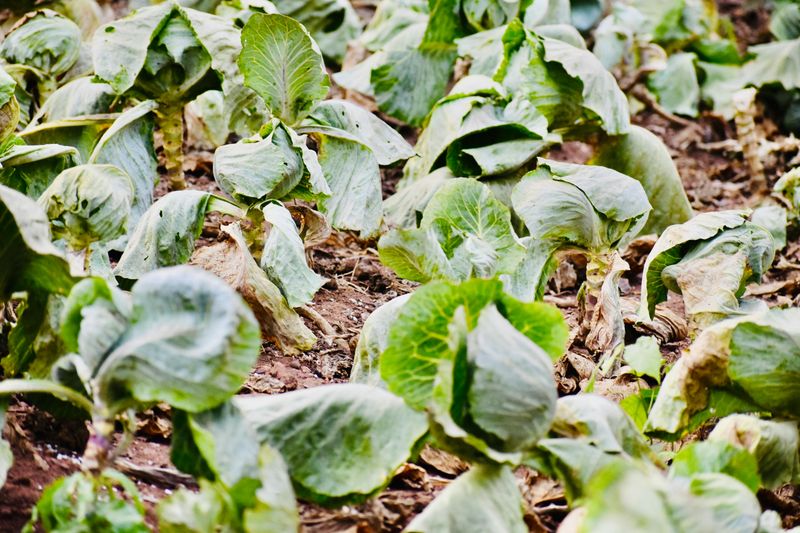
Your plants can drown in kindness, and summer overwatering is proof. Soggy soil suffocates roots by cutting off the oxygen they need to function.
A plant sitting in oversaturated soil looks almost identical to one dying of thirst, which makes this mistake so easy to miss.
Yellow leaves, mushy stems, and a sour smell near the soil are classic warning signs of too much moisture. Roots sitting in standing water begin to rot, and once root rot sets in, recovery is tough.
Many gardeners respond to yellowing by adding even more water, accidentally making the situation worse.
Before you water, always check the soil first. Push your finger about two inches into the ground near the base of your plant.
If the soil still feels damp, skip watering that day and check again tomorrow.
Clay-heavy soils common in many parts of Illinois hold water longer than sandy or loamy soils. What works for a neighbor with sandier ground might be way too much for your yard.
Knowing your soil type is the first step toward smarter watering habits.
Cutting back on water frequency, even by just one day per week, can make a noticeable difference almost immediately. Roots will start breathing again, color will return to the leaves, and growth will pick back up.
Trust the soil, not the calendar.
4. Underwatering During Heat Waves
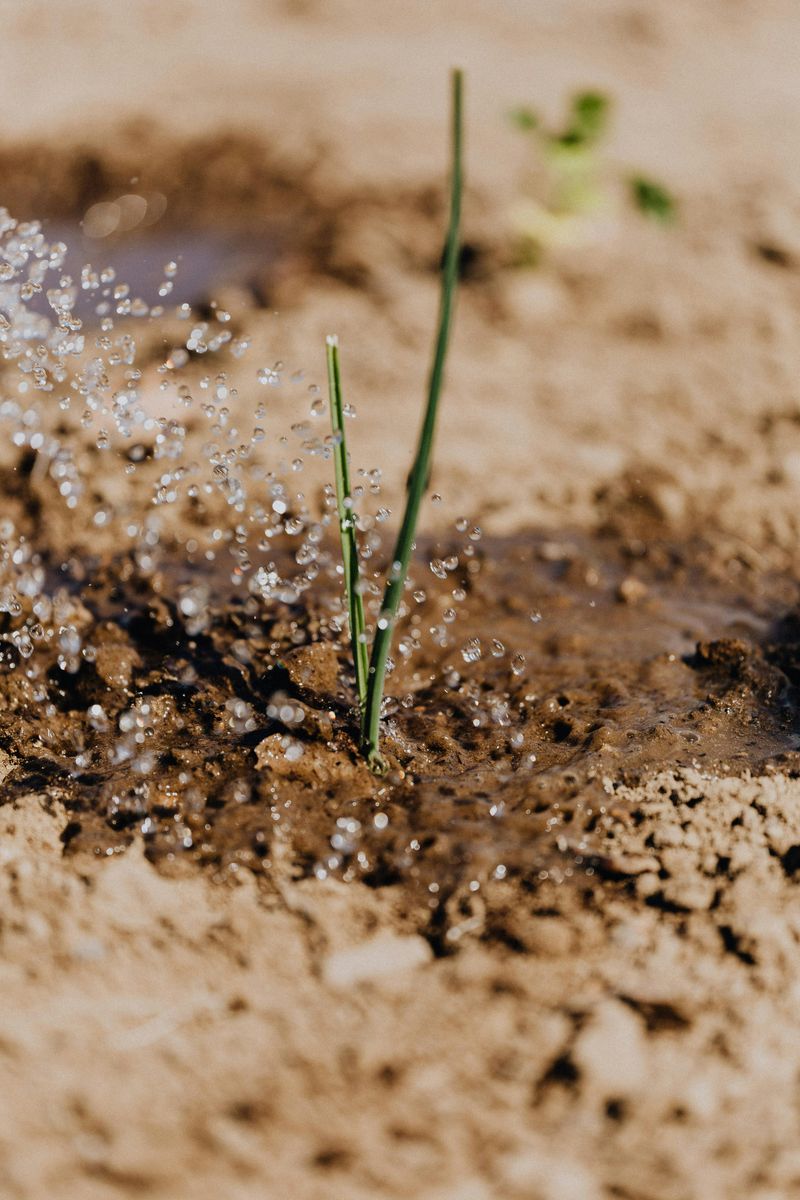
Illinois heat waves are no gentle affair. Temperatures can spike past 95 degrees for days at a stretch, and the combination of heat, humidity, and strong sun pulls moisture out of plants at a shocking rate.
What works during a mild June week falls completely short when August turns brutal.
Plants signal thirst in obvious ways: drooping leaves in the early morning, curling leaf edges, and a dusty, pale color replacing that healthy green.
Catching these signs early is critical because prolonged water stress during a heat wave can stunt growth, drop fruit prematurely, and weaken plants for the rest of the season.
During extreme heat, your garden may need water every single day, sometimes even twice on the hottest days. Focus extra attention on containers and raised beds since they dry out much faster than in-ground plantings.
A pot in full sun on a 98-degree day can dry out surprisingly fast.
Grouping thirsty plants together makes your watering routine more efficient and helps create a slightly more humid microclimate. Shade cloth draped over sensitive crops like lettuce and spinach during peak afternoon hours also reduces how much water they lose.
Small adjustments stack up to big protection during a brutal stretch.
Staying ahead of a heat wave is always easier than rescuing plants after the damage is done. Check the forecast regularly and bump up your watering schedule before temperatures soar.
Your garden will sail through the heat far better with a little proactive care.
5. Watering The Leaves Instead Of The Roots
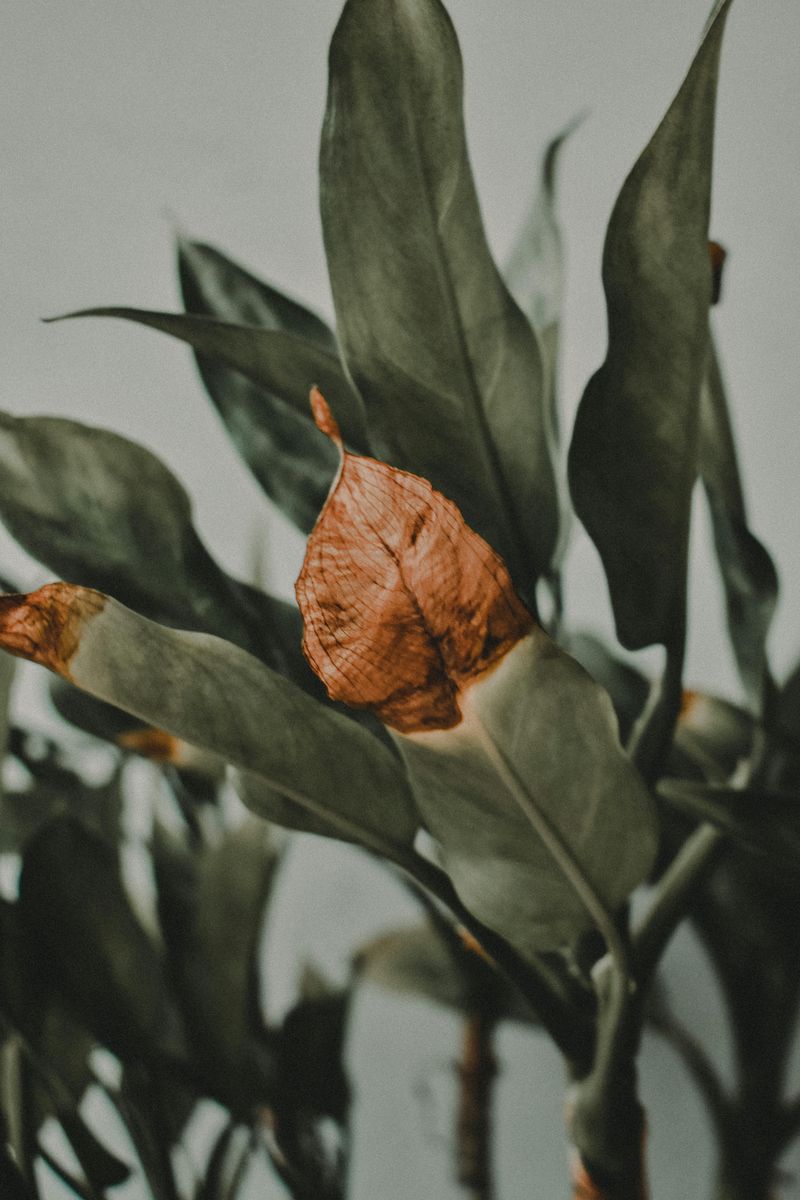
Your plants don’t want a shower, they want a drink at the roots. Leaves are not designed to absorb water the way roots are, so all that spray on the foliage mostly goes to waste.
Worse, wet leaves baking under a summer sun can develop scorch spots that look unsightly and weaken the plant over time.
Overhead sprinklers are the biggest culprit here. They are convenient and cover a wide area, but they drench foliage indiscriminately and leave roots underserved.
Diseases thrive on consistently wet leaves.
Drip irrigation is a game-changer for home gardeners who want to water smarter, not harder. It delivers moisture directly to the root zone, keeps foliage dry, and uses significantly less water overall.
Even a basic soaker hose snaked through your beds makes a huge difference.
If you hand-water with a hose, aim the nozzle low and direct the stream toward the base of each plant. Go slow and let the water soak in rather than rushing through the whole bed.
Patience at the base of the plant pays off in healthier, more productive growth above it.
Root-zone watering is one of those shifts that feels small but transforms how your garden performs all summer. Drier leaves, happier roots, and fewer disease headaches make it one of the best habits you can build.
Point the water where it counts most and your plants will show you the difference.
6. Ignoring Soil Type
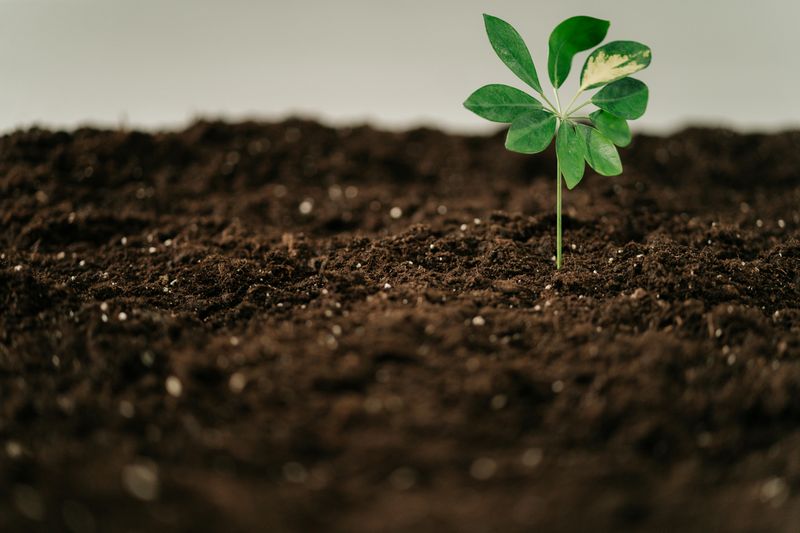
Ignoring your soil is like watering blind. Illinois is famous for its heavy clay soils, especially in the northern and central parts of the state.
Clay holds water like a sponge, which sounds helpful until your roots are sitting in soggy mud for days after a rainstorm.
Sandy soils, more common in certain southern regions, behave in the opposite way. Water drains through them fast, sometimes too fast for roots to absorb enough before it disappears.
Gardeners with sandy ground often underwater without realizing it because the surface dries out so quickly it feels deceptive.
A simple soil test from your local extension office or garden center tells you exactly what you are working with. Knowing whether your soil is clay-heavy, sandy, or a well-balanced loam shapes how often and how long you should water.
It takes the guesswork out of one of gardening’s trickiest variables.
Amending soil with compost improves drainage in clay and boosts water retention in sand, essentially moving both extremes closer to that sweet middle ground.
Adding organic matter each season gradually transforms problem soil into something much more forgiving.
Your plants feel the difference almost immediately.
Matching your watering habits to your actual soil type is one of the most practical things you can do for your garden. Stop watering by assumption and start watering by knowledge.
That one shift can rescue a struggling garden faster than almost anything else.
7. Not Mulching Around Plants
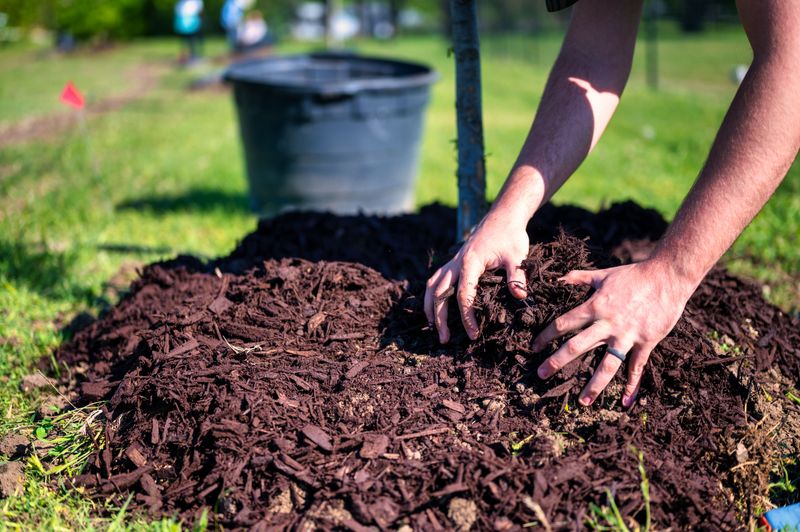
Skipping mulch is like sending your plants into a summer heat wave without sunscreen. Bare soil in an Illinois summer loses moisture at a startling rate, forcing you to water more often just to keep up.
A two-to-three-inch layer of mulch changes everything by locking that precious moisture in where roots need it most.
Mulch acts as an insulating blanket between the harsh sun and your soil. It keeps ground temperatures cooler, slows evaporation dramatically, and even suppresses weeds that compete with your plants for water.
Three benefits in one simple step is about as good a deal as gardening offers.
Wood chips, straw, shredded leaves, and grass clippings all make excellent mulch options that are easy to find and affordable. Spread them two to three inches thick around the base of your plants, keeping a small gap right around the stem to prevent rot.
Covering that bare soil is the goal.
Gardens with good mulch coverage can go significantly longer between waterings during hot spells. That means less time dragging hoses around and more time actually enjoying your yard.
In a brutal Illinois summer, that is a welcome relief for both you and your plants.
Think of mulch as a long-term investment that pays dividends all season. It breaks down slowly over time, adding organic matter back into the soil and improving its structure.
Laying it down once at the start of summer is one of the highest-return tasks on any gardener’s to-do list.
8. Using A One-Size-Fits-All Watering Schedule
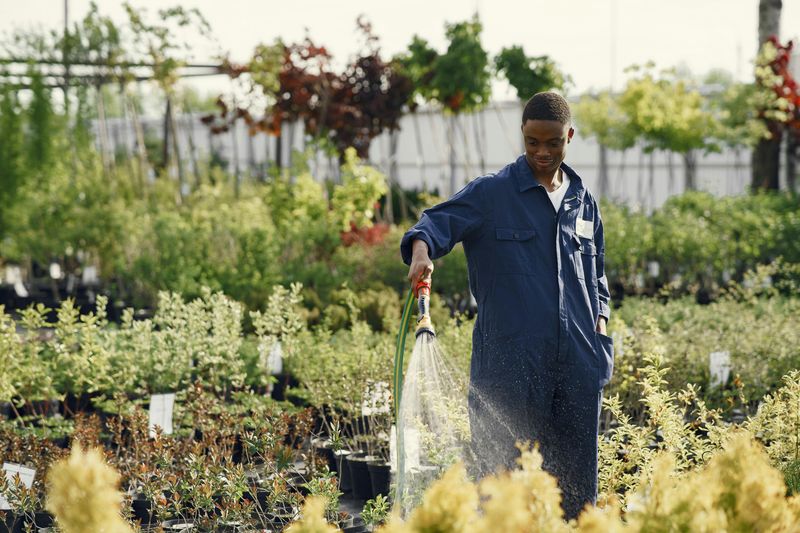
Treating every plant in your garden the same way is a recipe for a mixed bag of results. Tomatoes, basil, succulents, and native prairie flowers all have wildly different thirst levels, and a single rigid schedule cannot possibly serve all of them well.
Watering mistakes in Illinois gardens often come down to this one stubborn habit of applying the same routine to every plant regardless of what it actually needs.
A rigid schedule also ignores what the weather is doing. Watering on the same days every week during a stretch of rainy, cool weather overloads your soil with moisture it does not need.
Sticking to the calendar instead of reading the conditions is one of the most common and hard-to-spot errors a gardener can make.
Flexibility is the secret weapon of successful gardeners. Check the soil before each watering session, watch the forecast, and adjust based on what you observe rather than what the calendar says.
Plants communicate clearly when you know what signals to look for.
Group your plants by water needs when you plan your garden layout. Thirsty crops like cucumbers and squash can share a zone, while drought-tolerant herbs like rosemary and thyme can share another.
Smart planning at the start of the season makes every future watering decision easier and more precise.
A flexible, plant-specific approach to watering is what separates a thriving garden from one that just barely survives the summer. Your plants are not all the same, so your watering habits should not be either.
Tune in to what each one needs and watch your whole garden level up.