The Strange Journey Of An Illinois Orange Fruit From A Muddy Field To A Metal Can
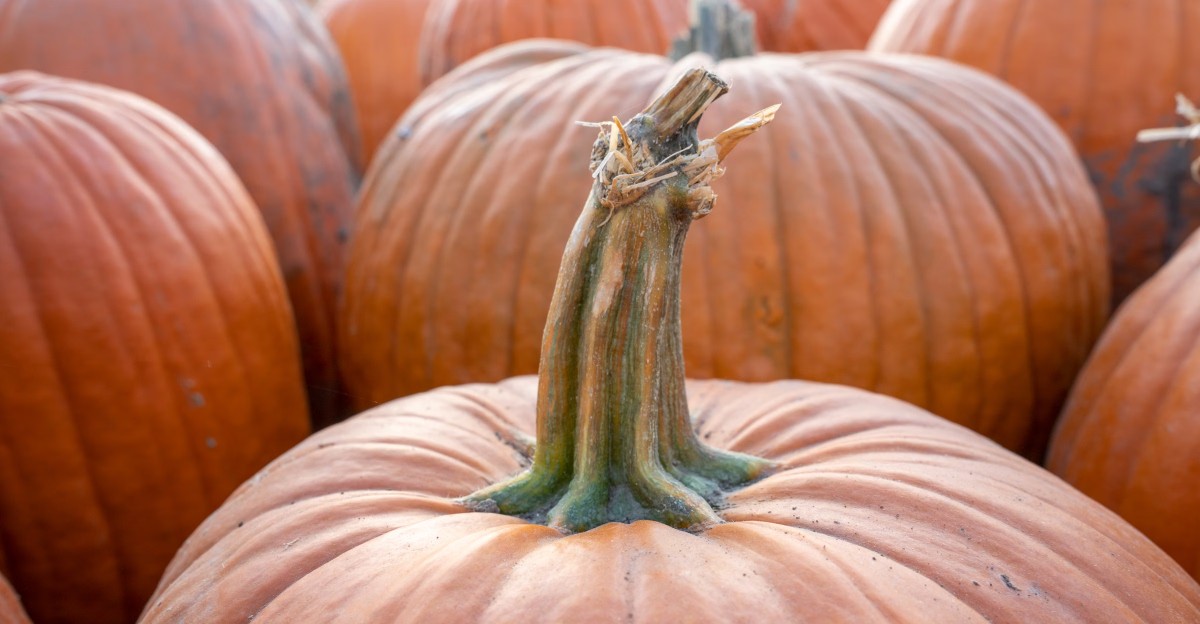
Most canned pumpkin on American shelves is not made from the bright orange kind you carve. The fruit inside that can usually grows tan, oblong, and a little homely, more like a giant squash than a jack-o’-lantern.
One town near Peoria, Illinois, handles a huge share of it. A single cannery there runs hard every fall, while trucks rumble in from nearby farms loaded with mud-smeared fruit.
I am surprised every time I read the numbers. Illinois grows more pumpkins than any other state, and a big chunk of that crop is grown for processing, not for porches.
You build your holiday pie on the work of farmers who plant, wait, and scramble through wet harvest weeks.
How does a lumpy fruit sitting in a soggy field become smooth, spoonable puree in a sealed metal can? The path has more twists than you might expect.
That Pale Oblong Pumpkin in the Field Is Not What You Expect
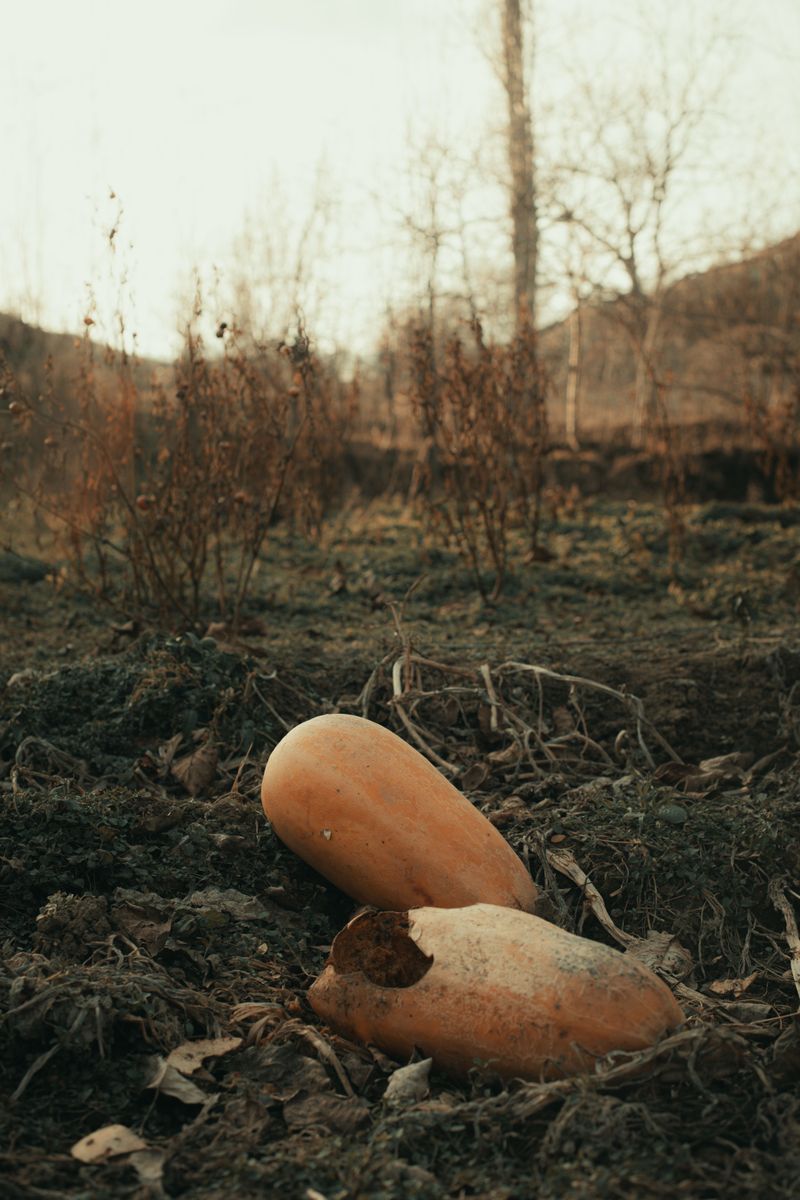
Walk past a processing field in central Illinois and you may wonder if someone planted squash by mistake. The fruit there is often tan or buff, long, and lumpy. It looks nothing like the round orange pumpkins sold for carving.
Most of these belong to the Dickinson type, a variety of Cucurbita moschata. That puts them in the same species group as butternut squash.
Seed companies and processors have selected these pumpkins for thick, dense flesh with deep orange color inside, plus a sweet, mild flavor.
Carving pumpkins are mostly Cucurbita pepo. They have thin walls, stringy insides, and lots of water.
Those traits make them easy to scoop and light to carry, yet they bake into a watery, bland puree.
I love this little twist. The fruit that ends up in your pie is technically a pumpkin, but it shares many traits with winter squash.
Federal labeling rules allow certain firm-fleshed golden squash to be sold as canned pumpkin, so the line between the two is blurry anyway.
Next time you see a homely beige pumpkin at a farm stand, give it a second look. It might bake into a much richer pie than the shiny orange one beside it.
Central Illinois Soil Gives These Pumpkins a Head Start
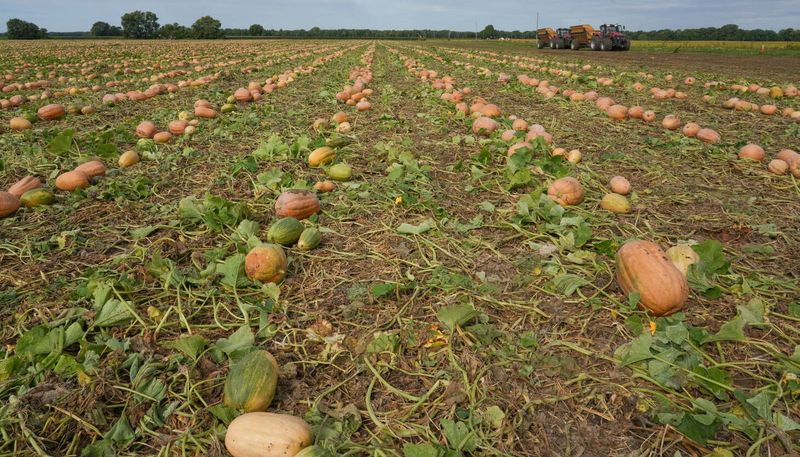
Ask an Illinois farmer why pumpkins do so well near Peoria, and the answer usually starts underfoot. The region has deep, fertile soils, and many fields drain well, which pumpkin roots appreciate.
According to University of Illinois Extension data, Illinois typically leads the nation in pumpkin acreage. Most estimates say well over 80 percent of the state’s crop is grown for processing, and the bulk of those acres sit in a band around Peoria and Tazewell counties.
Planting time matters a lot. Growers often seed from late May into June, after the soil warms.
Pumpkin seed sits stubbornly in cold, wet ground and may rot before sprouting, so patience pays off.
Once up, the vines spread fast. They need steady moisture during flowering and fruit set, yet standing water invites root rot and disease. A field that drains after a storm is worth its weight in gold.
Home gardeners can borrow the same lessons. Wait until soil is warm, give vines lots of room, and pick a sunny spot that does not puddle.
Most pumpkins need roughly 90 to 120 days, so count backward from your hoped-for harvest date before you plant.
Bees Visiting Pumpkin Blossoms Decide How Big the Harvest Gets
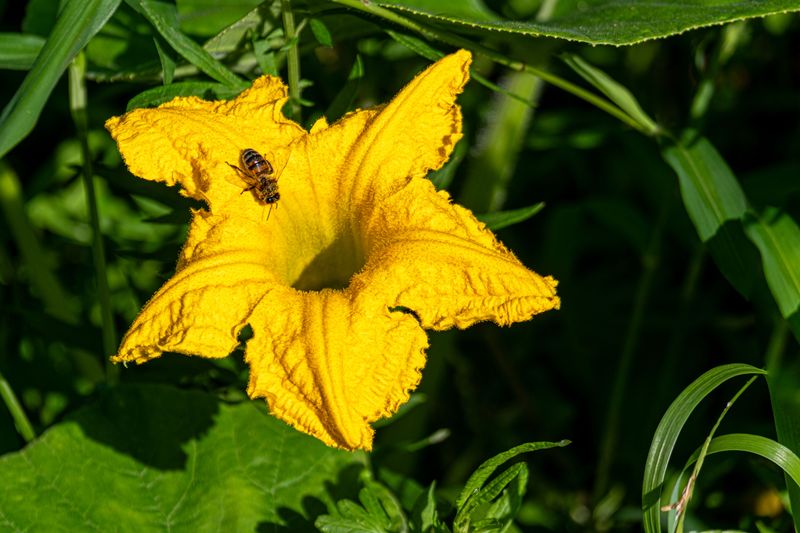
Every single canned pumpkin started with a bee visit. Pumpkin plants make separate male and female flowers, and pollen has to travel between them for fruit to form.
The blossoms open early in the morning and usually close by midday. That gives pollinators a short window.
Native squash bees are early risers that specialize in squash and pumpkin flowers, and they often get to work before honeybees do.
Many commercial growers also bring in honeybee hives during bloom. Poor pollination can show up as small, misshapen fruit or young pumpkins that turn yellow and drop off the vine.
I find this part of the story strangely charming. A huge industrial operation still depends on tiny insects buzzing around before breakfast.
For your own patch, try a few easy steps. Plant flowers nearby that bloom in summer, and avoid spraying insecticides when blossoms are open.
If you do need to treat pests, evening is safer for pollinators. Squash bees also nest in the ground, so leaving a bit of undisturbed soil near your vines can help them stick around for next season.
Harvest Machines Roll Pumpkins Into Long Muddy Rows
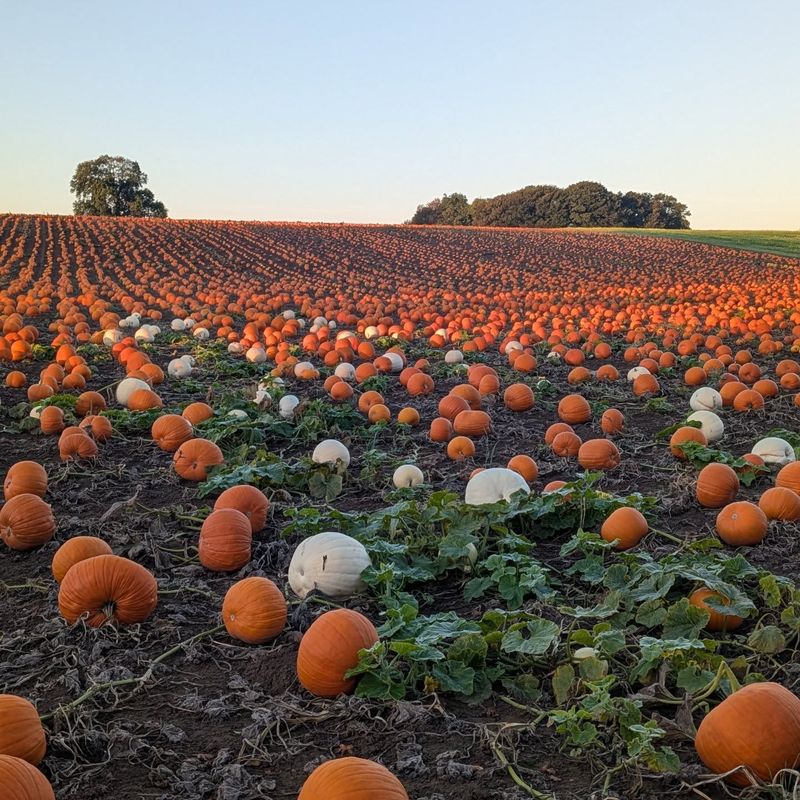
Processing pumpkin harvest looks nothing like a family pumpkin patch outing. It usually starts in late August and can stretch into October or later, depending on weather and how fast the cannery can take the fruit.
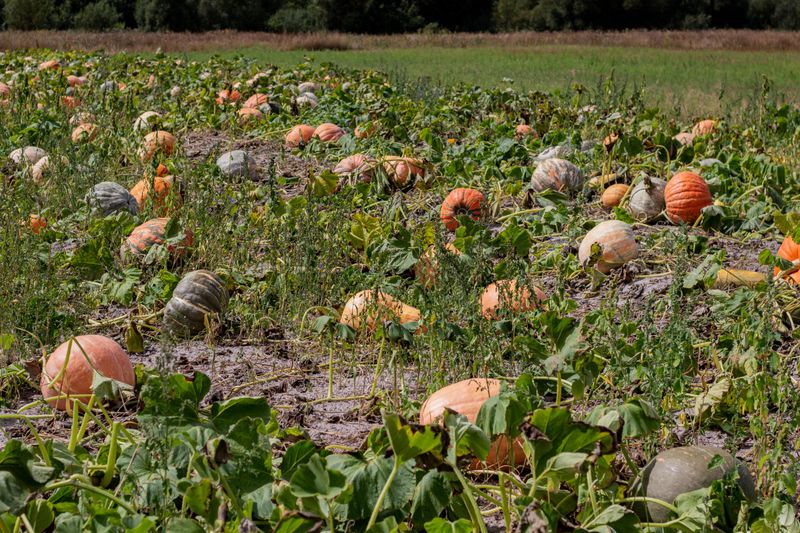
Crews often use machines that push pumpkins into long, tidy rows called windrows. A loader then scoops the fruit up and drops it into trucks or wagons. The whole process runs fast because the fruit needs to reach the plant while it is fresh.
Rain is where the mud comes in. Heavy equipment sinks into wet fields, tires slip, and pumpkins come out caked in dirt.
Farmers watch the forecast closely, since a soggy week can delay harvest and add stress to a tight schedule.
Field hands sometimes help sort out rotten or cracked fruit before loading. A pumpkin with a soft spot can spoil quickly once it is piled up with others.
Gardeners can learn from this too. Pick pumpkins when the rind is hard and the stem has dried, and lift them off wet ground if storms are coming. A piece of cardboard or straw underneath helps keep the bottom from rotting early.
Morton Earned Its Pumpkin Capital Nickname for a Reason
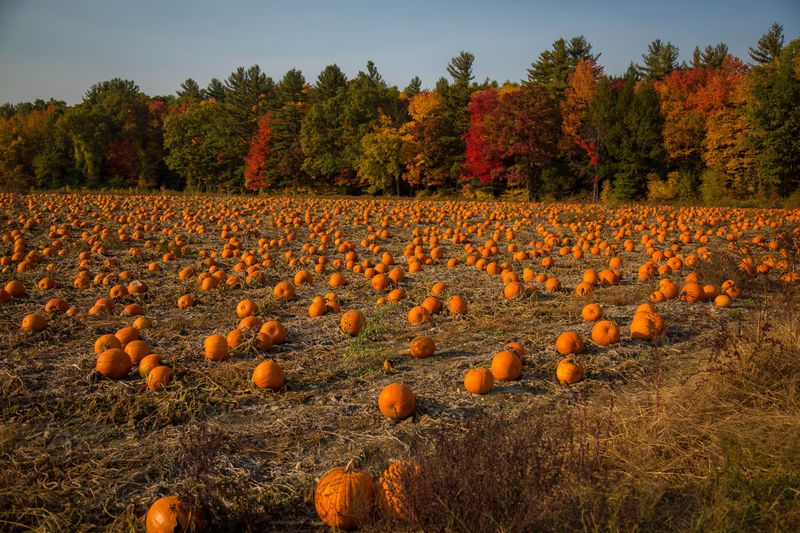
Morton, Illinois, a small town near Peoria, calls itself the Pumpkin Capital of the World. The title is official in the sense that Illinois state officials formally recognized it in the late 1970s.
The big reason is the Libby’s pumpkin processing plant, owned by Nestle. Libby’s has said this plant packs the large majority of the world’s canned pumpkin, with figures often quoted around 80 to 85 percent.
Exact numbers shift by year and source, so treat them as a rough picture. Libby’s has a long history here. The company has worked with local growers for decades, and it uses its own select strain of the Dickinson pumpkin.
Farmers grow under contract, which means the cannery helps plan what gets planted and when.
Every September, Morton hosts its Pumpkin Festival. Expect a parade, pumpkin treats, and plenty of pie. It is a fun reminder that this crop shapes local life, not just grocery shelves.
If you ever drive through central Illinois in early fall, stop by. You might catch the sweet, earthy smell of cooking pumpkin in the air, and that is a memory worth adding to your harvest season.
Washing, Steaming, and Mashing Happen Fast Inside the Cannery
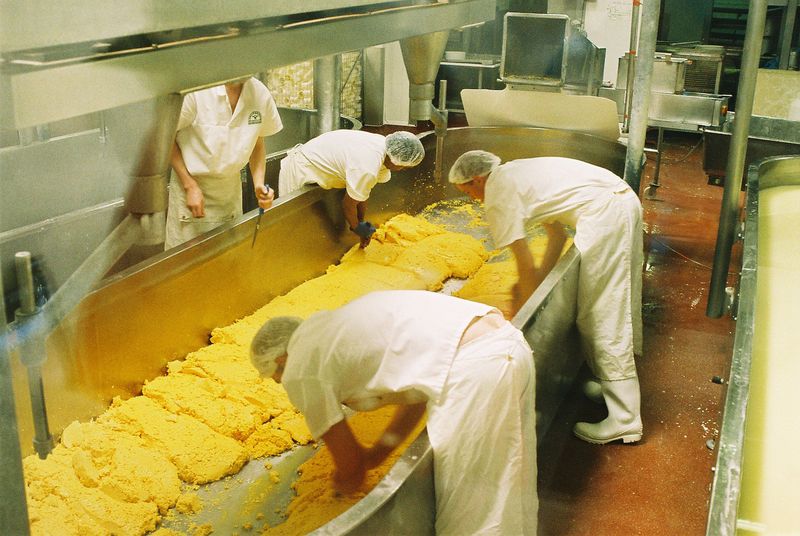
Once a truck backs up to the plant, the pace speeds up. Pumpkins head onto conveyors and go through heavy washing to strip away field mud and grit.
Next comes chopping and cooking. The fruit is cut, the seeds and stringy parts get separated, and the flesh is steamed until soft. Machines then press and strain it into the thick puree you know.
Speed matters because fresh fruit holds better flavor and color. Libby’s has described aiming to get pumpkins from field to can quickly during peak season.
The puree is filled into cans, sealed, and heated under pressure. That high heat step makes the food shelf-stable, so it can sit safely in your pantry for a long time.
USDA guidance warns home canners not to can mashed pumpkin themselves, because it is too dense for reliable heat to reach the center. Want to save your garden pumpkins at home? Safer options exist.
You can freeze cooked puree in containers, or pressure can firm cubes following tested National Center for Home Food Preservation directions. Mashed pumpkin belongs in the freezer, not a home canning jar.
Leftover Pumpkin Peels and Vines Head Back to the Farm
Nothing about this journey ends neatly at the can. Plenty of material gets left over, including skins, stems, and seeds.
Libby’s has reported returning much of its processing leftovers to local fields as a soil amendment. Spread over farmland, that plant matter breaks down and adds organic material back into the ground.
It is a sensible loop, since the nutrients came from those fields in the first place. The company has also talked about efforts to reuse water during processing. Washing tons of muddy fruit takes a lot of it, so recycling where possible helps cut demand.
Farmers have their own soil habits too. Many rotate pumpkins with other crops like corn or soybeans. Moving pumpkins to a new field each year helps reduce soilborne disease and pest buildup.
You can copy these ideas in a backyard plot. Chop spent vines and add them to compost unless they showed disease.
Rotate your pumpkin patch so the same spot does not host squash family plants every season. A three-year gap is a common rule many extension services recommend, and your soil will thank you for it.
Your Next Can of Pumpkin Puree Has a Story Worth Sharing
Grab a can from your pantry and turn it over in your hands. That smooth orange puree likely started as a beige pumpkin sitting in a central Illinois field. Look at the label too. Plain pumpkin puree is usually just pumpkin.
Pumpkin pie filling is different, since it already has sugar and spices mixed in. Mixing them up is one of the most common baking slipups.
Canned pumpkin is packed with vitamin A from beta carotene. It also brings fiber, which makes it handy for more than pie.
Stir some into oatmeal, smoothies, soup, or pancake batter for color and a mild, earthy flavor. Want to try the farm side of the story? Many seed catalogs sell Dickinson or similar pie types.
Give them space, warm soil, and steady water, and you may grow your own baking pumpkins next summer.
I never get tired of sharing this one with friends at holiday dinners. A simple can connects your kitchen to bees, mud, giant machines, and a little town near Peoria.
Bring that fun fact to the table this year and watch people look at their pie a little differently.