The Best Time To Act On Cool-Season Lawns In Illinois
Illinois soil starts shifting long before you notice anything above ground. Grass roots sense change while you are still thinking about summer plans. Soil temperature drops quietly, and you rarely catch the exact shift.
Rainfall patterns across Illinois quietly shape decisions you have not made yet. Daylight tilts slowly, rewriting instructions you never read. Timing separates the yards you admire from the ones you overlook.
Nutrients you apply too early in spring simply fade before roots use them. Roots you strengthen now stay steady through winter dormancy. Weeds claim every single unclaimed gap you leave unattended.
Professionals track soil temperature the way you track important dates. Guesswork costs you thickness, color, and resilience later. Precision costs you nothing but attention and a single afternoon.
Your growing season hinges on choices made within narrow windows. Nothing about your lawn rewards hesitation or delay. You cannot afford to miss what comes next.
Early Spring Soil Check When Frost Loosens Its Grip
Late March in Illinois smells like wet earth and possibility. That muddy scent is your first clue that the lawn is waking up underground long before it looks green.
Before you touch a bag of anything, push a soil thermometer about two inches into the ground. Readings near 50 degrees Fahrenheit tell you roots are stirring and seeds could germinate. Air temperature lies constantly in spring, but soil does not.
Walking on soggy turf right now compacts it badly. Wait until footprints stop leaving puddles before rolling out a mower or spreader.
Take a slow walk around the yard with a notepad. Mark thin patches, low spots that hold water, and any gray or matted areas left behind by snow cover. Those notes become your whole spring plan.
Central and southern Illinois usually reach that 50 degree mark somewhat earlier than the Chicago area, though timing varies year to year. Local extension offices post soil temperature maps that are surprisingly handy.
Rake lightly to lift matted grass and let air reach the crowns. Skip aggressive dethatching in spring, since that stirs up trouble later.
Fun bit of trivia: Kentucky bluegrass, the backbone of most Illinois lawns, spreads by underground stems called rhizomes. Given a fair start in spring, it repairs small bare spots on its own without a single seed from you.
Crabgrass Prevention Timed To Blooming Forsythia
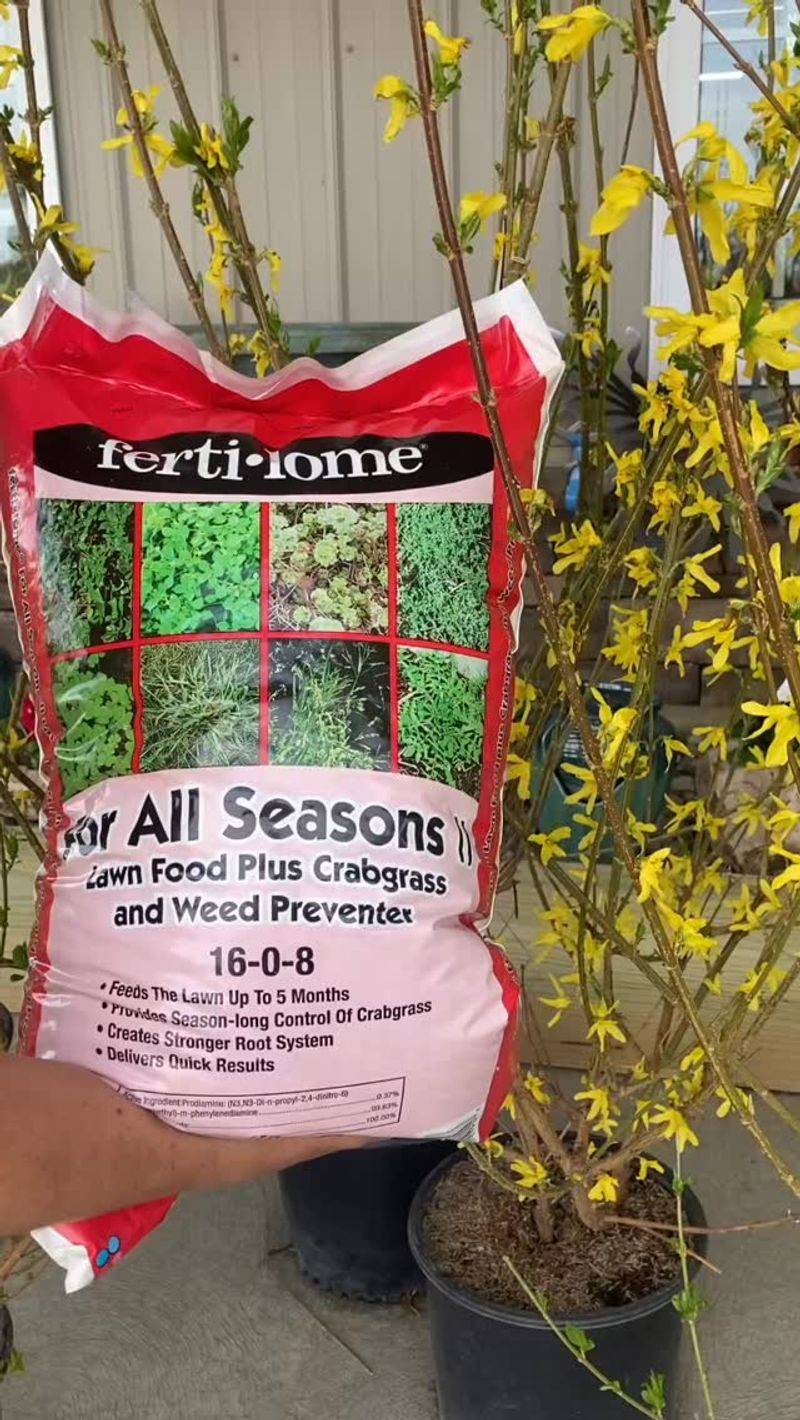
Old-timers in Illinois never needed an app for this one. When the forsythia bushes burst into yellow bloom, the crabgrass seeds below are getting ready to sprout.
Pre-emergent products build a thin barrier at the soil surface that stops those seeds from establishing. Apply too early and spring rains wash the protection away before it matters. Apply too late and you will be dealing with more weeds through summer.
The practical window for most of Illinois runs from roughly early April in the south to late April near the Wisconsin border. Soil holding steady around 55 degrees for several days is the real signal.
Water the product in with about a quarter inch of irrigation if rain does not arrive within two or three days. That activation step gets skipped constantly, and it is the difference between a barrier and a waste of money.
Your Illinois Garden Changes Every Week. Your Plan Should Too.
Gardening in Illinois changes quickly throughout the season. Every Friday you’ll receive a simple weekly plan showing exactly what to plant, prune, fertilize, harvest, and protect so you never miss the right timing.
One important catch: most pre-emergents block grass seed too. If you plan to overseed thin areas this spring, either skip the treatment there or choose a seeding-safe formula like one based on siduron.
Mowing high all season stacks the deck in your favor. Crabgrass seeds need sunlight hitting bare soil, and a dense three inch canopy keeps them in the dark.
Mark the forsythia trick on your phone calendar now. It is the cheapest lawn advice ever handed down in the Midwest.
First Mow Of The Season, Set Higher Than You Think
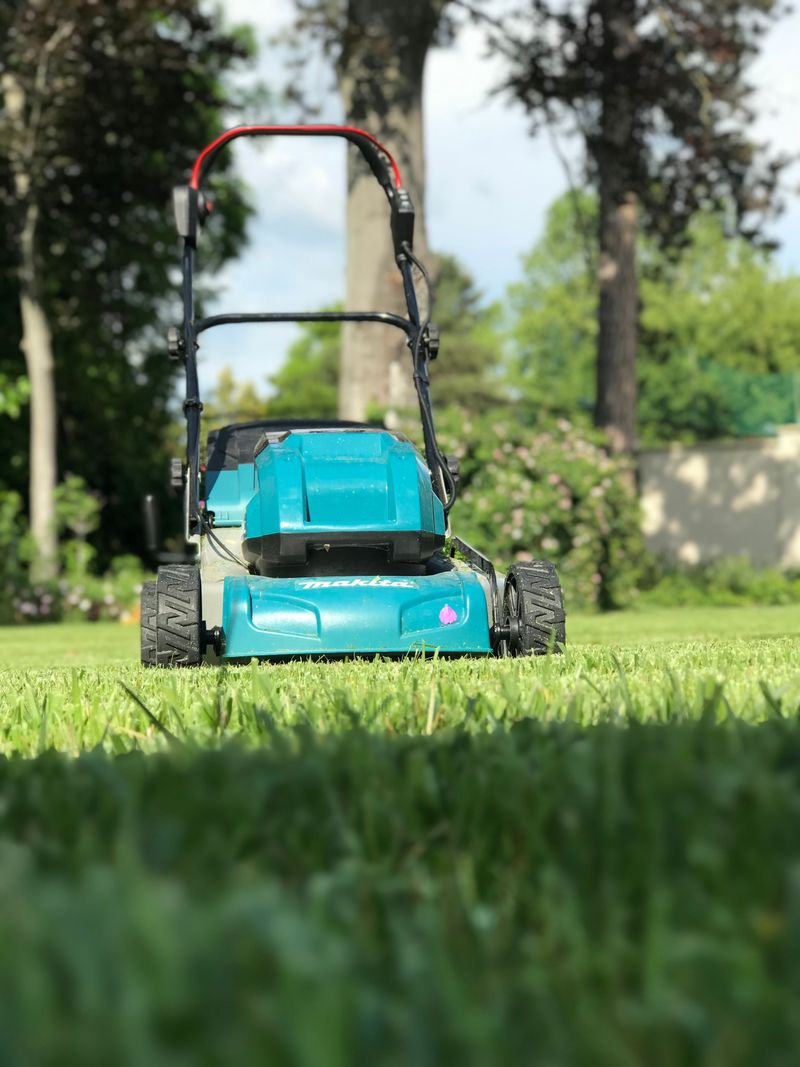
That itch to scalp the lawn for a tidy fresh start is understandable, but it often backfires. Short spring grass grows short spring roots, which struggle by July.
Aim for a cutting height of three to three and a half inches for bluegrass, fescue, and ryegrass blends. Taller blades shade the soil, hold moisture, and crowd out weed seedlings for free.
Follow the one-third rule religiously. Removing more than a third of the blade in one pass stresses the plant and turns clippings into a smothering mat.
Spring growth in Illinois can be rapid after a warm rain, which sometimes means mowing twice in a week during May. Annoying, yes, but far better than hacking six inches down to three in one go.
Sharpen your blade before that first cut. A dull blade tears the tips, leaving frayed white edges that invite disease and give the lawn a hazy, washed-out look from the curb.
Leave the clippings on the lawn. They break down quickly and return a meaningful share of the nitrogen your grass needs over the season.
Vary your mowing direction each time. Wheels rolling the same track week after week compact soil lines and train the grass to lean, which shows up as stripes you did not intend.
Light Spring Feeding Around Memorial Day

Fertilizer feels like a quick fix in spring, and that is exactly the common mistake. Heavy nitrogen in April pushes lush top growth while roots stay shallow and unprepared.
Cool-season grasses store energy in spring naturally. Piling on nutrients too early burns through those reserves and leaves the lawn struggling once Illinois humidity sets in.
A modest application around late May works better. Half a pound of actual nitrogen per thousand square feet gives color and density without forcing a growth spurt you will regret.
Slow-release formulas are worth the extra dollars. They feed steadily over six to eight weeks instead of dumping everything in ten days.
Illinois soils vary wildly, from heavy clay in the collar counties to richer loam downstate. A soil test through your county extension office costs very little and tells you whether phosphorus and potassium are actually needed.
Keep granules off driveways and sidewalks, then sweep any strays back onto the grass. Runoff heading into storm drains eventually reaches local waterways, and Illinois law limits phosphorus in most lawn fertilizers for that reason.
Skip feeding entirely once June heat arrives. Pushing growth during a hot, dry stretch stresses the plants when they would rather coast.
Think of spring fertilizer as a snack, not a feast. The real banquet comes in autumn, when roots can actually use it.
Broadleaf Weed Control While Dandelions Are Still Young
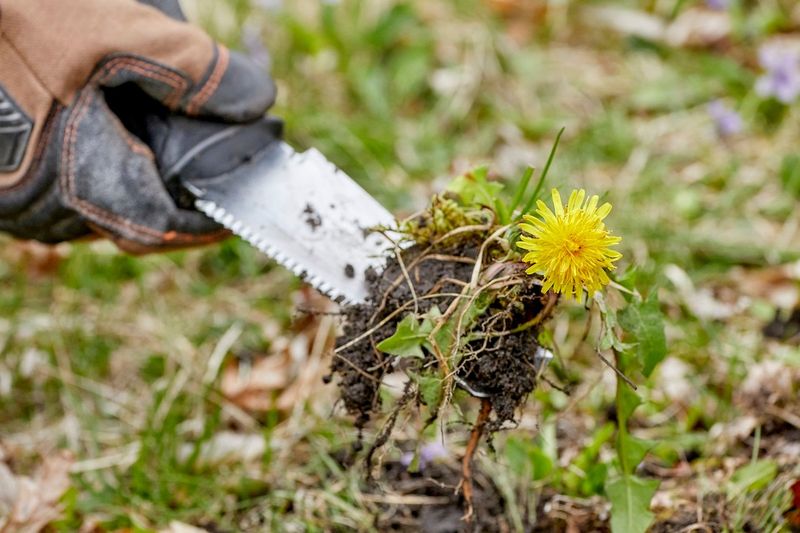
Dandelions get all the blame, but clover, plantain, and creeping charlie are the ones quietly taking territory. Spring is when they are most vulnerable.
Young broadleaf weeds actively move nutrients downward into their roots, which means they also pull herbicide down with them. Hitting them at that stage reaches the whole plant, not just the leaves.
Choose a calm morning with temperatures between 60 and 80 degrees. Wind carries spray onto tomato plants and flower beds, and heat above 85 degrees increases the chance of scorching your turf.
Spot treating beats blanket spraying nine times out of ten. Fewer chemicals, less cost, and you are not treating grass that has done nothing wrong.
Creeping charlie deserves its own strategy. That vining ground ivy shrugs off spring treatments and responds much better to a fall application, so save your energy for October on that one.
Hand pulling still works beautifully after a soaking rain. Damp Illinois clay releases dandelion taproots with a satisfying pop if you get a fork underneath.
Wait at least two mowings before and after treatment for best absorption. Cutting right away removes the leaf surface that was supposed to soak up the product.
Thick turf remains the strongest defense available. Weeds are opportunists, and a dense stand of grass simply does not leave them a doorway.
Recognize Summer Dormancy And Ease Off
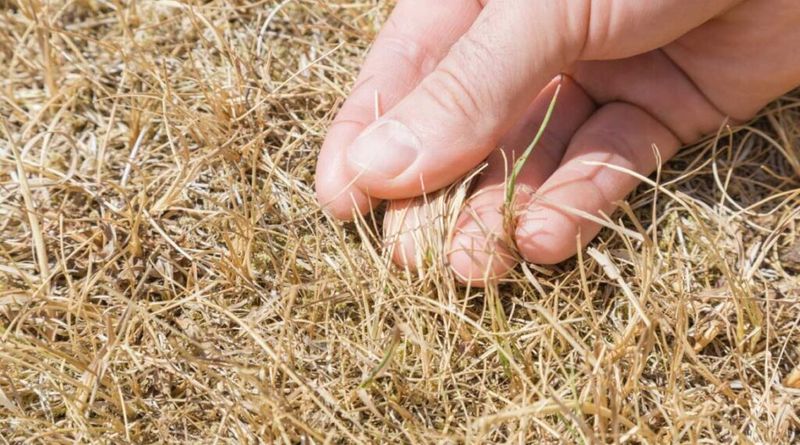
By mid-July, plenty of Illinois lawns turn a straw-colored tan, and phones start ringing at garden centers. Most of the time nothing is wrong at all.
Cool-season grasses evolved to shut down during heat and drought. Crowns stay alive underground while the visible blades go quiet, waiting for cooler, wetter weather.
Pick a lane and stick with it. Either water consistently with about an inch per week, or let the lawn rest and water lightly just twice a month to keep crowns hydrated.
Bouncing back and forth is what causes real trouble. Repeatedly waking dormant grass and letting it fade again drains reserves fast.
Water deeply in early morning, ideally between 4 and 9 a.m. Evening watering leaves blades damp overnight, which encourages brown patch and dollar spot in Illinois humidity.
Raise the mower another half inch and reduce mowing frequency. Foot traffic should drop too, since dormant turf recovers slowly from wear.
Hold off on fertilizer and most herbicides through the worst of the heat. Adding stress to stressed plants rarely ends well.
Grub feeding sometimes hides behind summer browning. If a patch peels up like carpet and reveals white C-shaped larvae, that is a separate issue worth addressing in late July. Patience here saves money. Rain returns, and so does the green.
Late August Through Mid September, The Golden Seeding Window
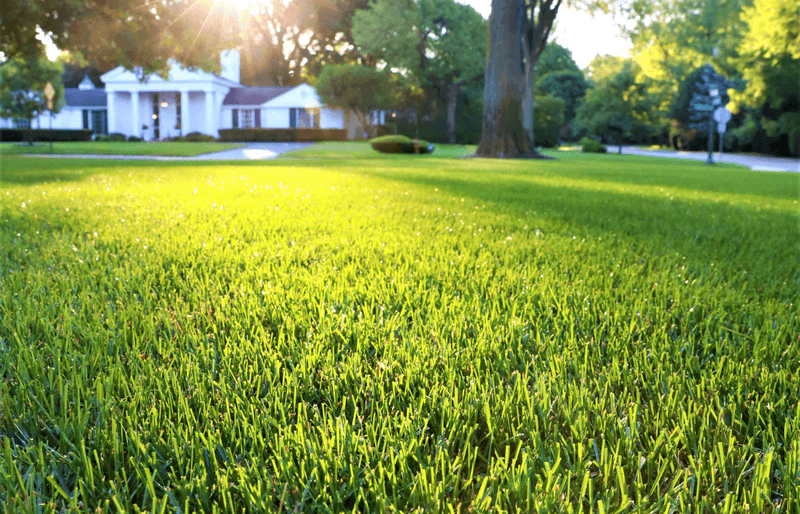
If you only do one thing all year, make it this. The stretch from around August 15 to September 15 is the single best time to seed a cool-season lawn in Illinois.
Soil is still warm from summer, which speeds germination. Air is cooling, rain becomes more reliable, and crabgrass has stopped competing for space.
Core aeration pairs perfectly with seeding right now. Pulling plugs relieves compacted clay and creates thousands of little pockets where seed meets soil.
Choose the right blend for your conditions. Kentucky bluegrass loves full sun and repairs itself, turf-type tall fescue handles heat and drought better, and fine fescues tolerate shade under those big Illinois oaks and maples.
Keep the seedbed lightly moist for two to three weeks, which may mean brief watering once or twice daily. New seedlings have almost no root system and dry out within hours on a breezy day.
Bluegrass takes fourteen to twenty-one days to appear, while ryegrass shows up in about a week. Patience matters more than product here. Mow once the new grass reaches roughly three inches, using a sharp blade and a light touch.
Spring seeding gets attempted constantly and disappoints just as often. Autumn seedlings get nine months of favorable weather before facing their first Illinois summer, and that head start is enormous.