Snowy Owls Could Show Up in Ohio Fields This Winter. Here’s Where People Spot Them
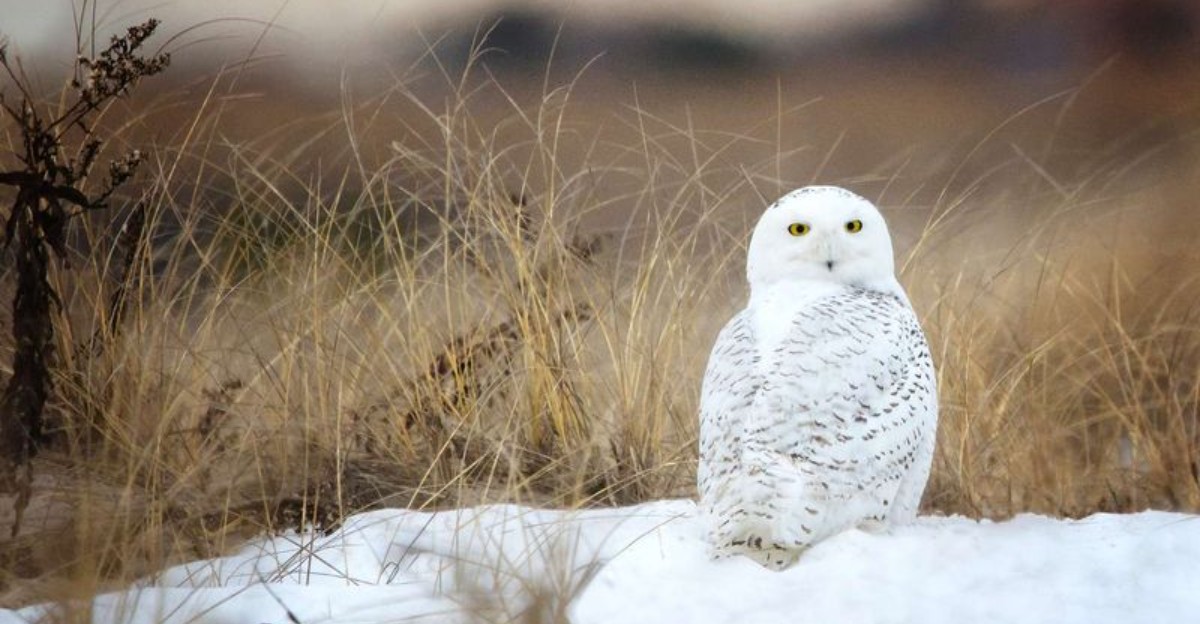
A bird from the Arctic tundra can weigh about four pounds and still glide over a cornfield without a sound. Some winters, a few of them land in Ohio, sometimes on a fence post right beside a county road.
I love that these visitors hunt in broad daylight. Most owls hide until dusk, so this one feels like a rule breaker with yellow eyes.
You need patience and a little luck, because their visits are irregular. Some years bring a handful of reports, and other years bring a flurry of excited birders lining the shoulders of rural roads.
Personally, I scan every white lump in a winter field now. Most turn out to be snowdrifts or stray plastic bags. Still, one of these days, that white lump might turn its head and stare right back. Would you know where to look?
A White Lump on a Frozen Field Might Be Watching You
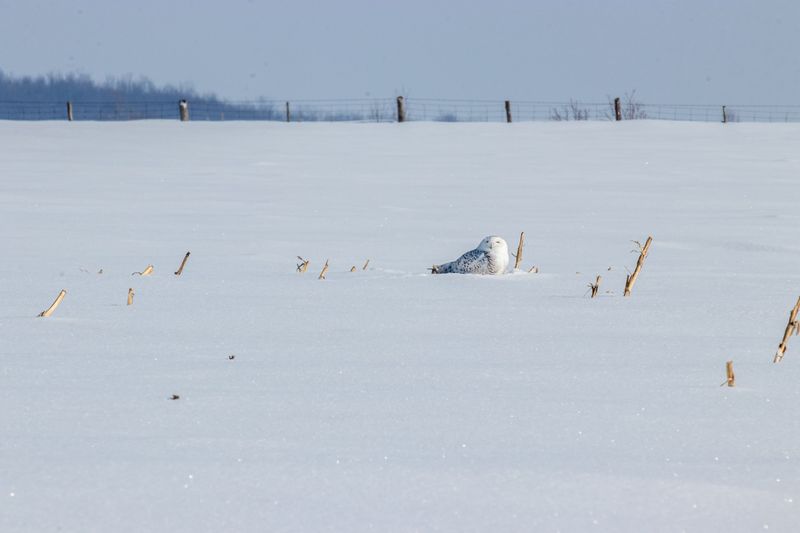
Lots of first sightings happen by accident. Someone drives past a harvested soybean field, glances left, and notices a pale shape that seems a little too round to be snow.
That shape could be a snowy owl, a bird that nests on the Arctic tundra and only drifts this far south in certain winters. Ohio sits near the southern edge of where they usually show up, so every visit feels like a small gift.
The appeal of farm fields is simple. Wide, flat, treeless ground looks a lot like the tundra these owls know best, and it gives them clear views for hunting.
When you scan a field, look low first. Snowy owls often sit right on the ground, on a dirt mound, or on a slight rise in the soil.
Next, check anything slightly taller. Fence posts, hay bales, irrigation equipment, and utility poles all make handy lookouts.
A good trick is to drive slowly on quiet back roads and stop safely to scan with binoculars. Pull fully off the road, stay in your car, and remember most farmland is private property.
Patience pays off here. These owls can sit still for an hour or more, which makes them easy to miss and very rewarding to find.
Lake Erie Shorelines and Breakwalls Draw Snowy Owls Year After Year
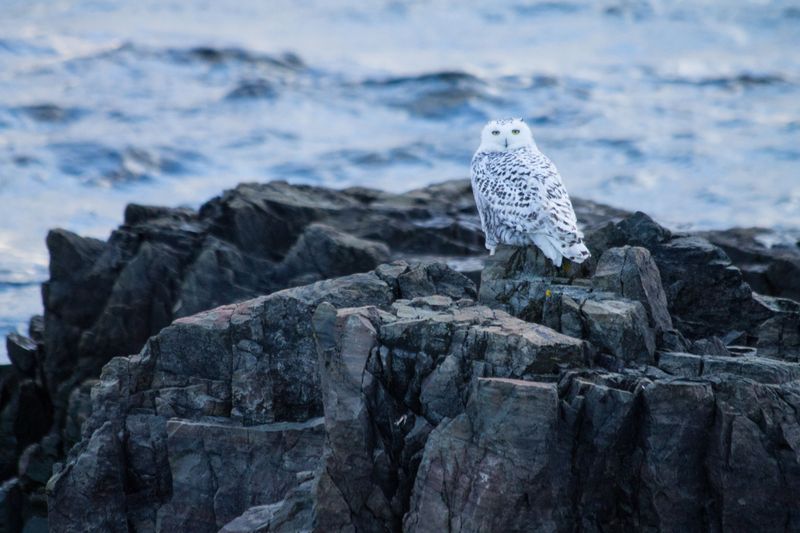
Ask a northern Ohio birder where to look, and the answer often points north toward Lake Erie. The open shoreline, rocky breakwalls, harbors, and beaches give snowy owls the same wide views they get on the tundra.
Cleveland’s lakefront has a long history of winter snowy owl reports. Spots near Burke Lakefront Airport, Edgewater Park, and the breakwalls around the harbor tend to get attention when owls are around.
Farther west, the shoreline near Lorain, Huron, and the marshy areas toward Toledo can also produce sightings. Headlands Beach State Park, east of Cleveland, is another place birders like to check.
Why the lake? Open stretches offer room to hunt, and the area holds rodents plus waterbirds like ducks and gulls, which these owls will take.
I like visiting on calm, clear mornings. The light is softer, and a white owl on dark rocks stands out much better than it does against snow.
Dress warmly, because the wind off the lake can bite hard. Bring a spotting scope if you have one, since many birds sit far out on breakwalls you cannot reach.
Stay on public paths and never climb onto icy rocks for a better view.
Airport Grasslands Feel Like Tundra to a Snowy Owl
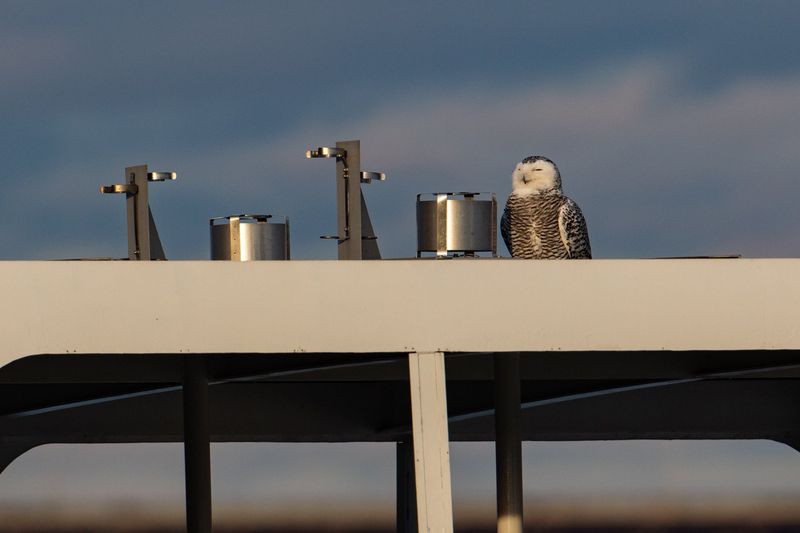
Funny as it sounds, airports rank among the most reliable places to spot a snowy owl. Long runways and big mowed grass areas create a flat, open space that mirrors the Arctic.
Small rodents also live in those grassy strips, so the owls find steady meals. Birders across North America have noticed this pattern for decades.
Around Ohio, people have reported snowy owls near larger airports as well as smaller regional fields. Burke Lakefront Airport in Cleveland is a well-known example because it sits right beside the lake.
Owls near runways can create safety problems for planes. Many airports work with wildlife experts to capture and relocate these birds rather than harm them, which is a thoughtful solution.
Watching from public roads or parking areas is usually fine. Never enter restricted zones, park on airport access roads, or climb fences for a photo.
A pair of binoculars and a pull-off spot can work wonders. Scan along runway edges, near signs, and on low structures like light fixtures.
Even if you leave without an owl, you might spot other open-country birds. Horned larks, hawks, and sometimes snow buntings enjoy these spaces too.
Lemming Booms Up North Send Young Owls Our Way
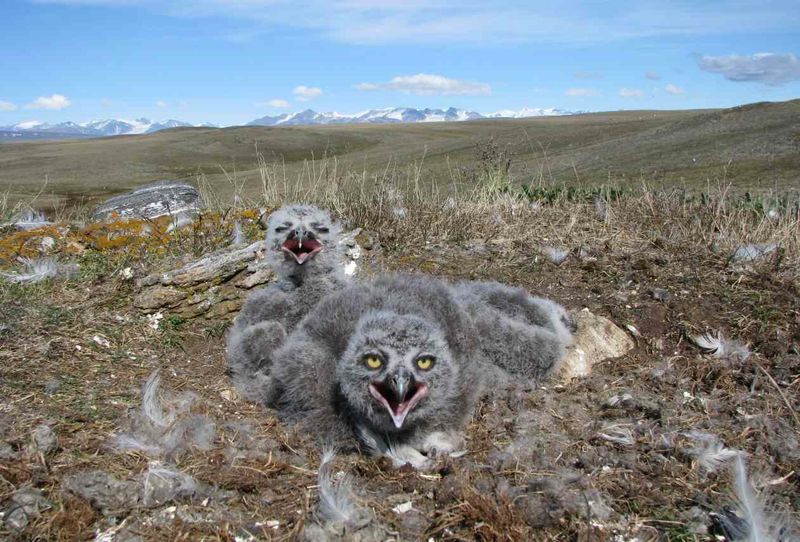
The story behind an Ohio sighting often starts with a tiny rodent thousands of miles away. Lemmings, small furry animals of the Arctic, swing between boom years and low years.
When lemmings are plentiful, snowy owls can raise bigger families. More chicks survive, and by fall the tundra has a crowd of young owls looking for space and food.
Many of those young birds head south for winter. Scientists call these bigger movements irruptions, and they help explain why some winters bring lots of reports while others bring very few.
Food shortage is part of the picture, but researchers say it is not the whole story. Many owls that reach the Lower 48 are healthy, and some simply travel farther after a strong nesting year.
Most visitors to Ohio are young birds in their first winter. That matters for their appearance, which we will get to soon.
Nobody can promise a big owl year ahead of time. Watching early reports from the Great Lakes region and Canada in November gives you a decent clue.
If neighboring states start buzzing with sightings, I take that as my cue to pack the binoculars.
December and January Bring the Best Odds of Spotting One
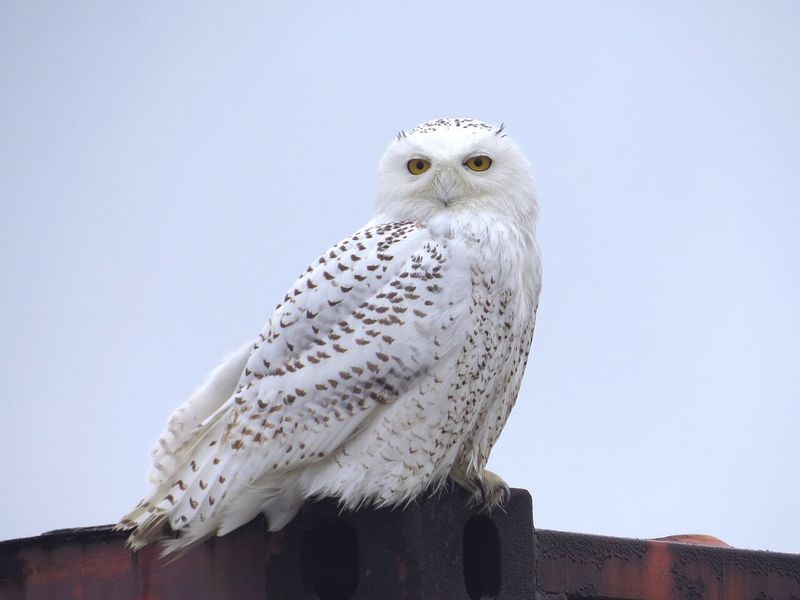
Timing can make or break your owl hunt. Snowy owls usually reach Ohio somewhere around November, though early birds sometimes arrive in late October.
Reports tend to pick up in December and January. These months often bring the steadiest sightings, especially along Lake Erie and in open farm country across the northern half of the state.
By late February and March, most owls start heading back north. A few linger into early spring, but sightings thin out as the days grow longer.
Northern counties near the lake usually see more owls than southern Ohio. That said, birds sometimes turn up in central and western farmland, so keep looking wherever wide fields stretch out.
Since snowy owls hunt during daylight, you do not need to wake up in the dark. Early morning and late afternoon are often lively, though owls may stay active any time of day.
Cloudy days can help too. Flat light reduces glare, and a white bird often pops against gray skies.
Weather plays a role as well. After a snowstorm, an owl can blend right in, so look for shadows, dark markings, and that telltale rounded head.
Dark Bars and Yellow Eyes Help You Spot a Speckled Snowy Owl
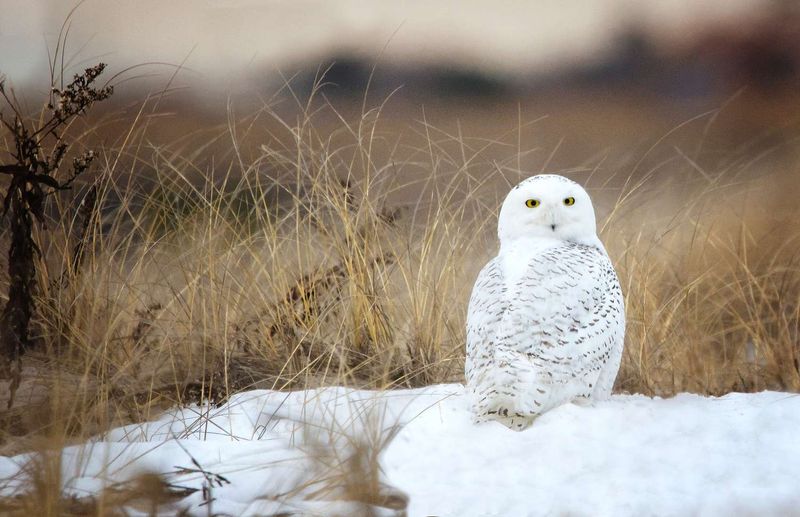
Plenty of people expect a pure white bird. In reality, many snowy owls in Ohio wear plenty of dark barring and speckles.
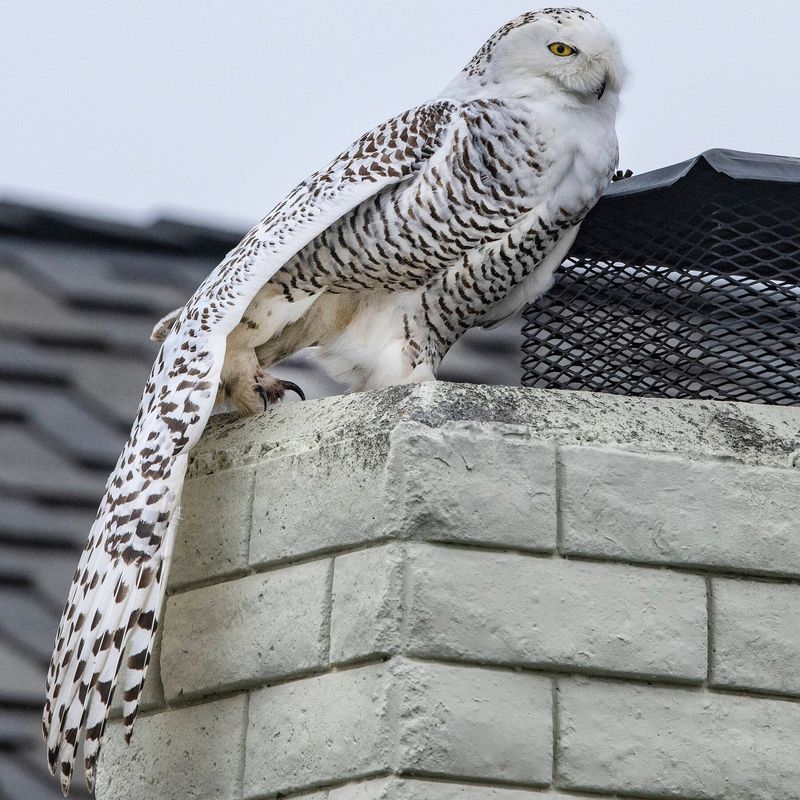
Adult males are the whitest, sometimes with only a few faint marks. Females and young birds carry heavier brown or black bars, which can make them look almost salt-and-pepper from a distance.
Since most of our visitors are young, a speckled owl is the more likely find. Young females often look the darkest of all.
Size helps too. Snowy owls are large and heavy, roughly 3 to 6.5 pounds, with females often bigger than males.
Their wingspan runs around four to five feet. In flight, they look powerful and steady, with smooth, deep wingbeats.
The round head has no ear tufts, and the eyes glow bright yellow. Feathered feet, like fuzzy slippers, help them handle cold.
Fun fact: snowy owls are among the heaviest owls in North America, thanks partly to all those thick feathers.
When you see something white, check the shape. Plastic bags and snowballs lack a head that slowly swivels toward you.
Give That Resting Owl Plenty of Room
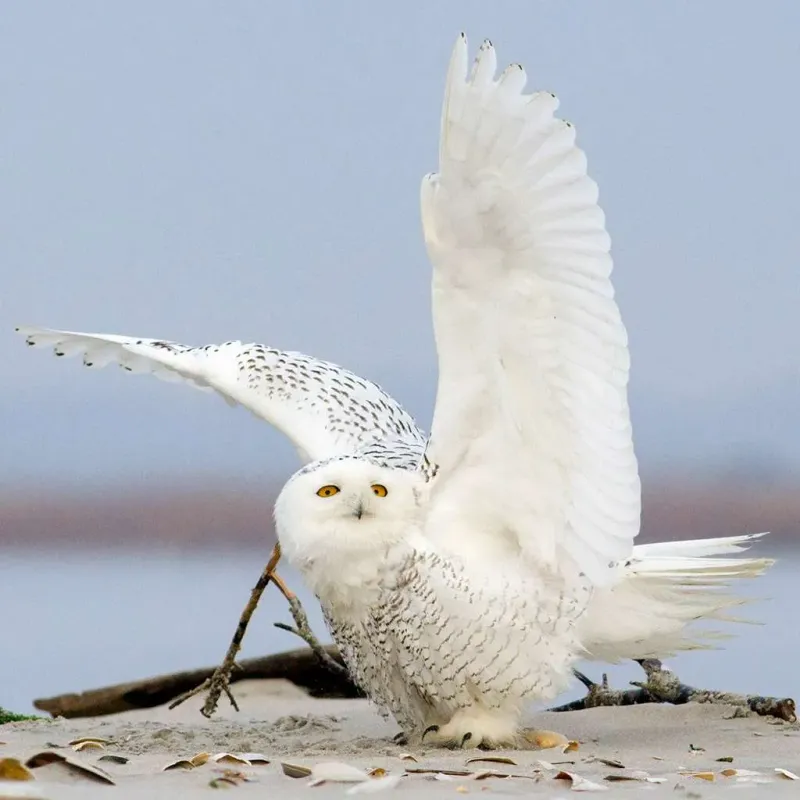
Excitement can make anyone creep a little closer. Please resist that urge, because every unnecessary flight costs the owl energy it needs for winter.
Many of these birds just finished a long trip from the Arctic. Resting and hunting take up most of their day, so stress from people can add up fast.
A good guideline is to stay far enough away that the owl keeps doing what it was doing. Many wildlife groups suggest staying about 100 yards back or more.
Watch for signs of stress. Staring right at you, shifting posture, or flapping its wings means you are too close, so back away slowly.
Zoom lenses and binoculars let you enjoy amazing views without crowding the bird. Your car makes a great blind, since many owls tolerate parked vehicles better than people on foot.
Skip baiting with mice or other food. Feeding can teach owls to approach roads, where cars pose real risks.
Also, keep exact locations quiet on social media if a bird seems stressed by crowds. Snowy owls are protected under federal law, so harassment is not only unkind but also illegal.
eBird Reports and Local Birders Can Lead You to Snowy Owls
Finding a snowy owl gets much easier with a little help from fellow bird lovers. Online tools let you see where people have reported them recently.
eBird, run by the Cornell Lab of Ornithology, is a free website and app. You can search for snowy owl reports and view a map of sightings by county.
Local Audubon chapters, nature centers, and birding Facebook groups often share updates too. Many people post general areas while keeping sensitive spots private.
The Ohio Department of Natural Resources Division of Wildlife also shares helpful wildlife and birding information. Metroparks and state parks sometimes post seasonal highlights as well.
When you find an owl, consider adding your own sighting. Your report helps scientists track how these birds move and how irruption years change over time.
Start a winter routine. Check reports on a Friday, plan a weekend drive, and pack a thermos of hot cocoa.
Even if you come home without an owl, you will likely see hawks, eagles, or flocks of winter birds. I think those quiet, frosty drives are worth taking anyway.
And when that white shape finally turns its golden eyes your way, every chilly mile will feel well spent.