Got a Potted Fig in Michigan? Your Garage Could Be the Key to Getting It Through Winter
A Mediterranean fruit tree can spend a whole Michigan winter in total darkness and wake up hungry for sunshine in spring. That sounds wrong, but it is how these plants are built.
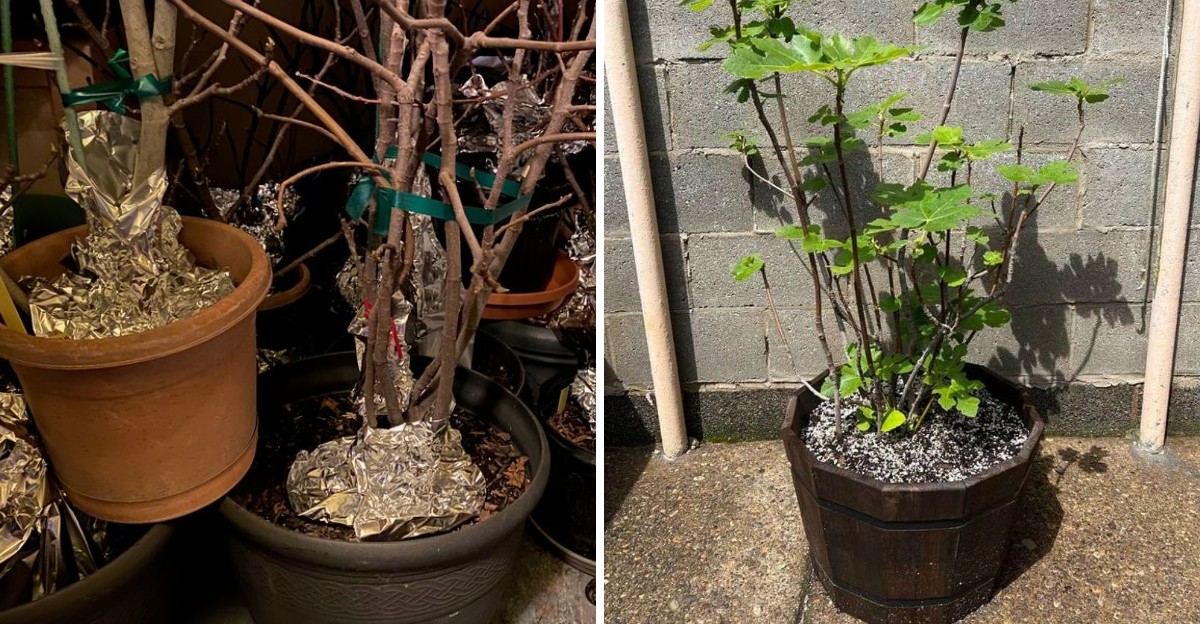
The roots are the weak spot. A fig planted in a pot feels cold far faster than one tucked into deep garden soil, because the container offers almost no insulation. A few nights in the teens can damage roots that look perfectly fine from the outside.
I know how frustrating it can be to baby a tree all summer, only to watch it struggle after one bad freeze. One thing I love about gardening is that the simplest fixes are often hiding in plain sight.
The real question is whether the spot where you park the car and stash the snow shovels could be the safest room on your whole property for a sleeping tree.
That Bare Fig Branch in November Is Actually a Good Sign
A fig dropping its leaves in fall looks alarming the first time you see it. Relax, because that leaf drop is exactly what you want.
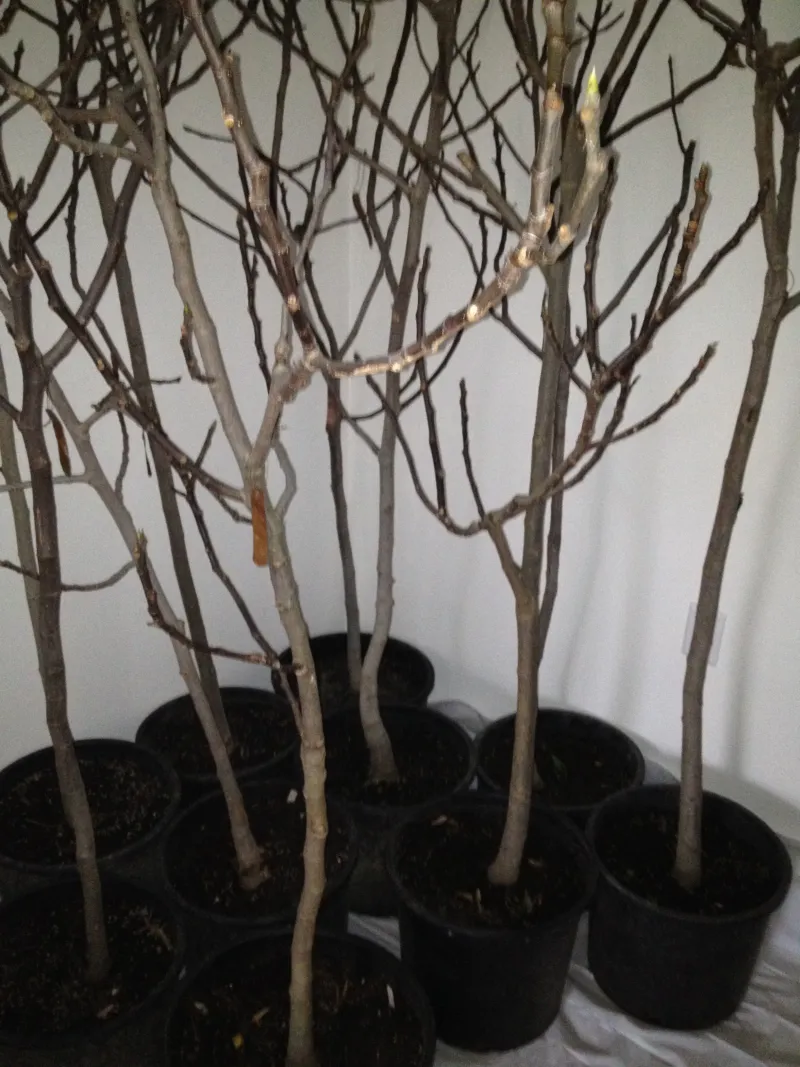
Figs are deciduous, so they shed foliage and slip into dormancy when days shorten and nights turn cold. A light frost or two speeds things along. The leaves yellow, brown, and fall, and the tree quietly shuts down its growth for the season.
Many fig growers let potted trees sit outside through a few light frosts before moving them. The branches can handle a brief chill in the upper 20s. The roots in a pot are far more tender, so a hard freeze in the low 20s or teens is your signal to act fast.
In most of Michigan, that window lands somewhere from late October to mid-November. Southern counties near the Indiana line often get a bit more time, while the northern Lower Peninsula and the U.P. cool off sooner.
Keep an eye on the forecast rather than the calendar. A fully dormant fig with bare stems is the easiest kind to store, because it needs no light and very little care. That sleepy state is the whole secret behind the garage method.
An Unheated Garage Gives a Sleeping Fig Tree Just the Right Chill
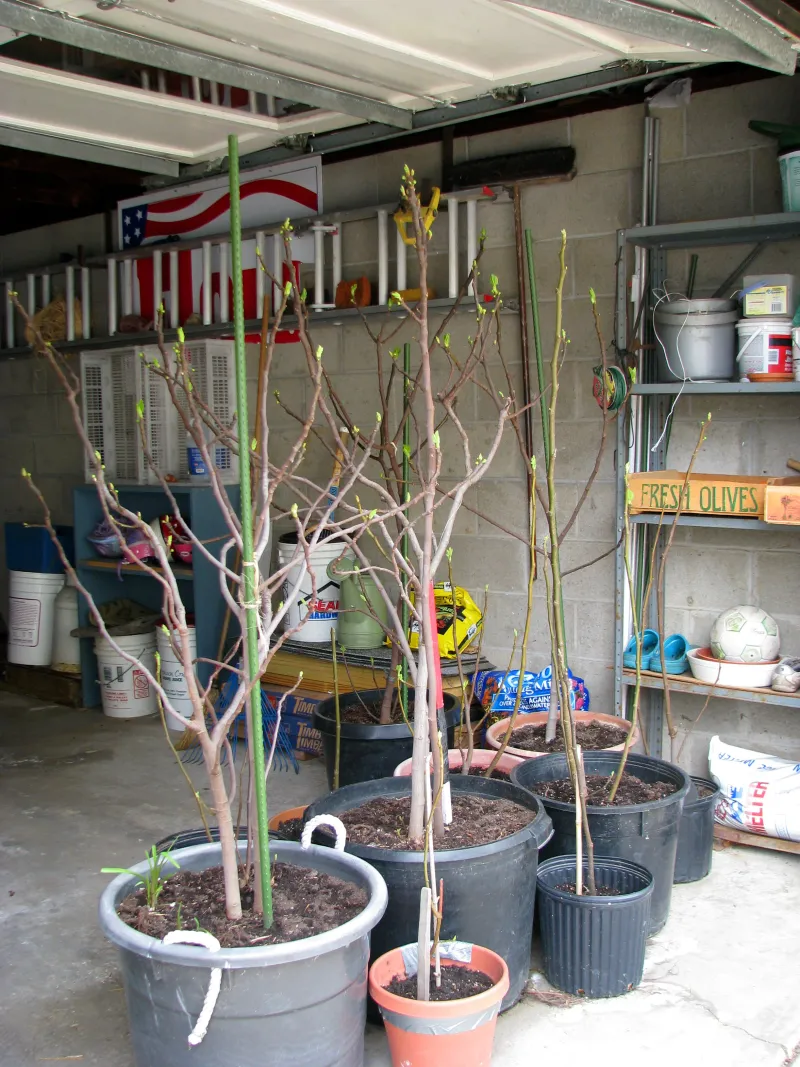
Garages are wonderfully boring places in winter, and boring is exactly what a dormant fig craves. An attached, unheated garage usually stays well above outdoor temperatures, even during a January cold snap.
Most fig experts aim for storage temperatures roughly between the upper 20s and 45 degrees Fahrenheit.
Penn State Extension and many experienced growers note that dormant figs handle cool, steady conditions far better than wild swings. The goal is to keep the roots from freezing hard while the tree stays asleep.
Light does not matter here. A dormant fig has no leaves to feed, so a dark corner works just fine. Skip spots right next to a heated wall or furnace vent, since warmth can trick the tree into waking early.
Once storage creeps above about 50 degrees for long stretches, buds may swell and push pale, weak shoots. Those shoots often struggle once spring arrives.
A cheap digital thermometer with a min-max reading helps a lot. Check it after a few frigid nights. If your garage dips into single digits, wrap the pot in an old blanket or burlap, or slide it closer to the house wall for extra protection.
Prep Your Potted Fig Before It Rolls Into the Garage
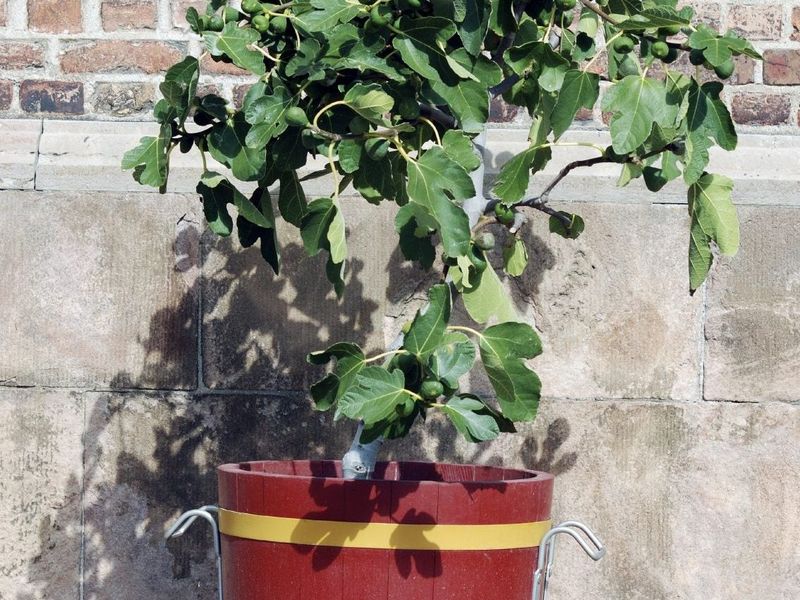
A little tidying in fall saves you headaches all winter. Start in late summer by skipping fertilizer, since feeding late encourages soft new growth that cold weather punishes.
Ease up on watering as autumn rolls in. The tree slows down naturally, and soggy soil in cool weather invites root rot.
After the leaves drop, pull off any that cling to the branches. Remove leftover green figs too, because they will not ripen in storage and can mold. Fallen leaves piled on the soil can also harbor fungus, so clear them away.
Pruning is optional but handy. Some growers trim tall trees to fit the garage, and figs bounce back well because many varieties fruit on new wood. Cut back only what you need, using clean, sharp pruners.
Removing crossing or broken limbs is a smart move while you are at it. Check the pot for cracks before moving it. Plastic and fabric containers handle cold better than terra cotta, which can split when wet soil freezes.
A moving dolly or plant caddy makes hauling a heavy pot much easier on your back. Your future self will thank you in April.
Thirsty Fig Roots Need Only a Sip During Winter Storage
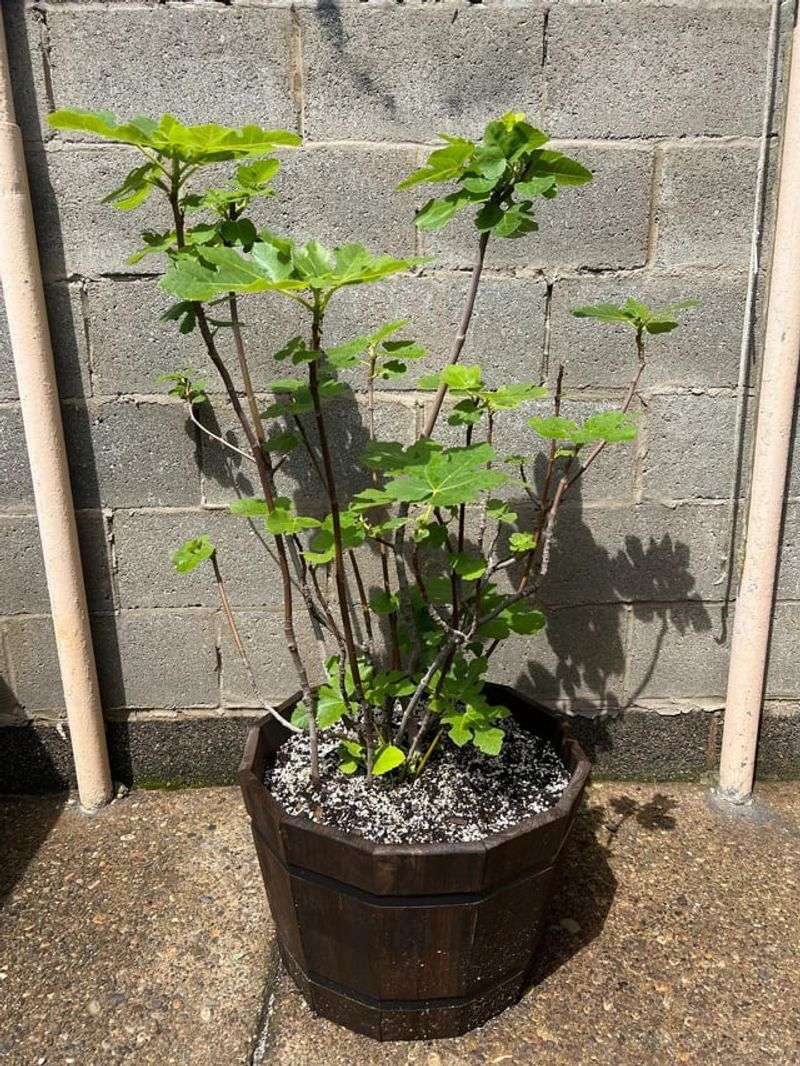
Here’s a confession from plenty of fig growers. More stored figs struggle from too much water than from too little.
A dormant tree uses very little moisture. Still, the roots should not turn bone dry for months. Aim for soil that feels barely damp, a little like a wrung-out sponge.
Check about once a month. Push a finger a couple of inches into the soil. If it feels dry, give the pot a modest drink, maybe a quart or two for a medium container, and let any excess drain away.
Cold, wet soil is a recipe for rot. That is why a saucer full of standing water is a bad idea in the garage. Lift the pot onto a couple of bricks or wood blocks so it drains freely and stays off the chilly concrete.
Some Michigan gardeners use a fun trick. They scoop a few handfuls of snow onto the soil, which melts slowly and adds gentle moisture.
Write your watering dates on a calendar or sticky note near the garage door. It is easy to forget a quiet plant hiding behind the lawn mower for four months.
Hungry Mice Love Fig Bark More Than You Would Guess
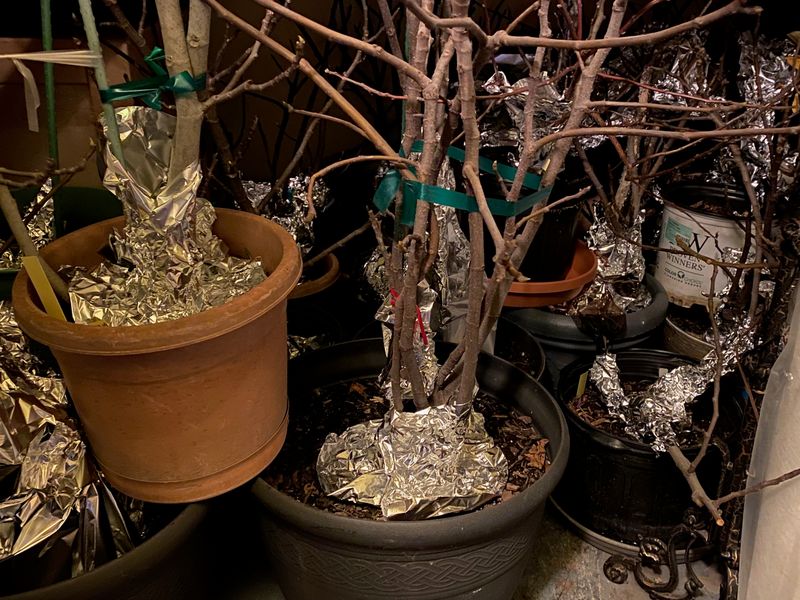
Winter garages attract more than old paint cans. Mice and voles slip inside looking for warmth, and tender fig bark makes a tasty snack.
Gnawing near the base of the trunk is the biggest worry. If a rodent chews all the way around a stem, it can girdle the branch and cut off the flow of nutrients. That damage often shows up in spring, when one limb refuses to leaf out.
A simple cylinder of hardware cloth wrapped around the lower trunk helps a lot. Quarter-inch mesh keeps small teeth out. Tuck it slightly into the soil so nothing slips underneath.
Keep birdseed, pet food, and grass seed sealed in metal or hard plastic bins. Those bags are often what lures mice in to begin with.
Moisture is the other quiet troublemaker. Stale, damp air can encourage mold on stems and soil. A garage with a little natural airflow tends to stay healthier for stored plants.
Every few weeks, take a quick peek. Look for chew marks, droppings, or fuzzy gray mold. Catching problems early makes them much easier to handle before spring.
Spring Fig Leaves Need a Slow Welcome Back Outside
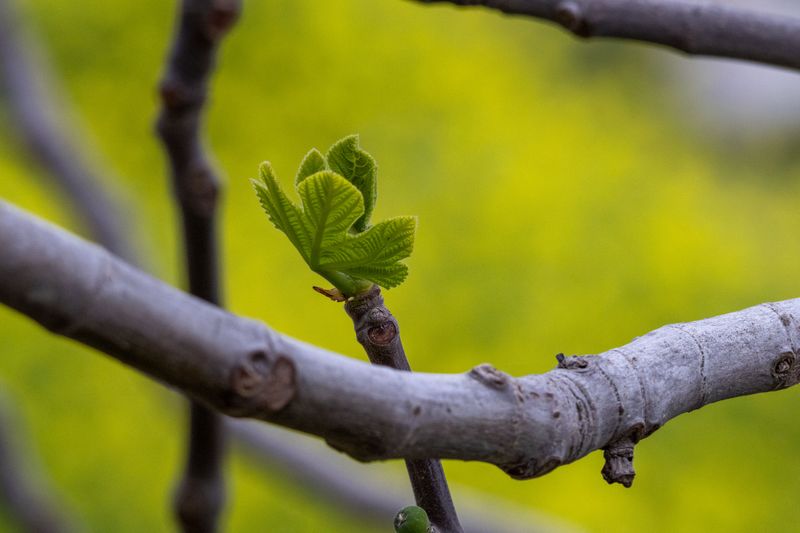
Few garden moments feel sweeter than spotting tiny green fig buds in April. The trick is not rushing them out into the cold too soon.
In Michigan, average last frost dates usually fall from late April in the south to late May or even June up north. Fresh fig leaves are tender, and a single frosty night can scorch them.
Start by moving the pot outside on mild days once temperatures stay above freezing. Wheel it back into the garage at night when frost threatens. This back-and-forth routine is called hardening off, and it usually takes a week or two.
Shade first, sun later. Leaves that sprouted in a dark garage sunburn easily, so give them a few days of dappled light before full sun.
Once the danger of frost passes, the tree can stay out for good. Pick the sunniest, warmest spot you have, since figs crave heat to ripen fruit during a short northern summer.
Resume regular watering and add a balanced fertilizer as growth takes off. Many varieties form fruit on this new season’s wood, so healthy spring shoots set the stage for late-summer figs.
Cold-Tough Fig Varieties Make Garage Storage Even Easier
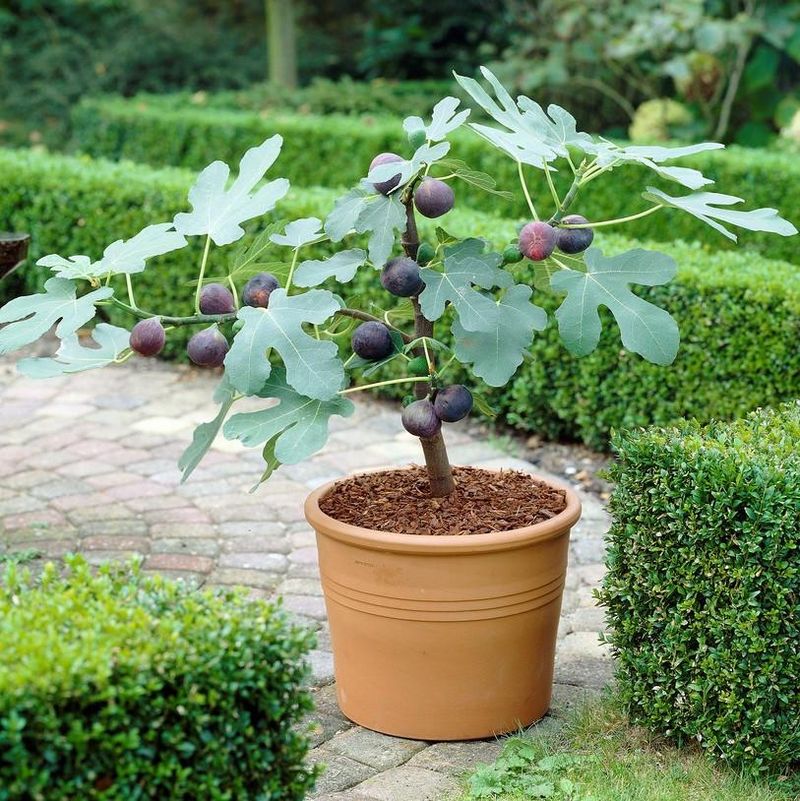
Some figs simply shrug off chilly weather better than others. Picking a tougher variety gives you a wider safety margin, both in the garage and during cool spring nights.
‘Chicago Hardy’ tops many northern lists. It can regrow from roots after hard freezes in the ground and fruits on new wood, which helps when a cold snap nips the branches. ‘Celeste’ and ‘Brown Turkey’ are also popular choices with good cold resilience.
Even hardy figs are borderline in the ground across most of Michigan, which mostly sits in USDA zones 5 and 6, with colder zones up north. That is exactly why containers shine here. You get the flexibility to move the tree when winter turns serious.
Short summers are another factor. Early-ripening varieties have a better shot at finishing their fruit before fall chill arrives.
Choose a pot you can realistically move, often 10 to 20 gallons for a young tree. A sturdy container with good drainage holes makes every seasonal shuffle easier.
With the right fig and a quiet corner of the garage, homegrown figs in a Great Lakes backyard become a very real, very tasty possibility.