The Golden Rule For When To Stop Mowing Your Lawn In Virginia This Fall
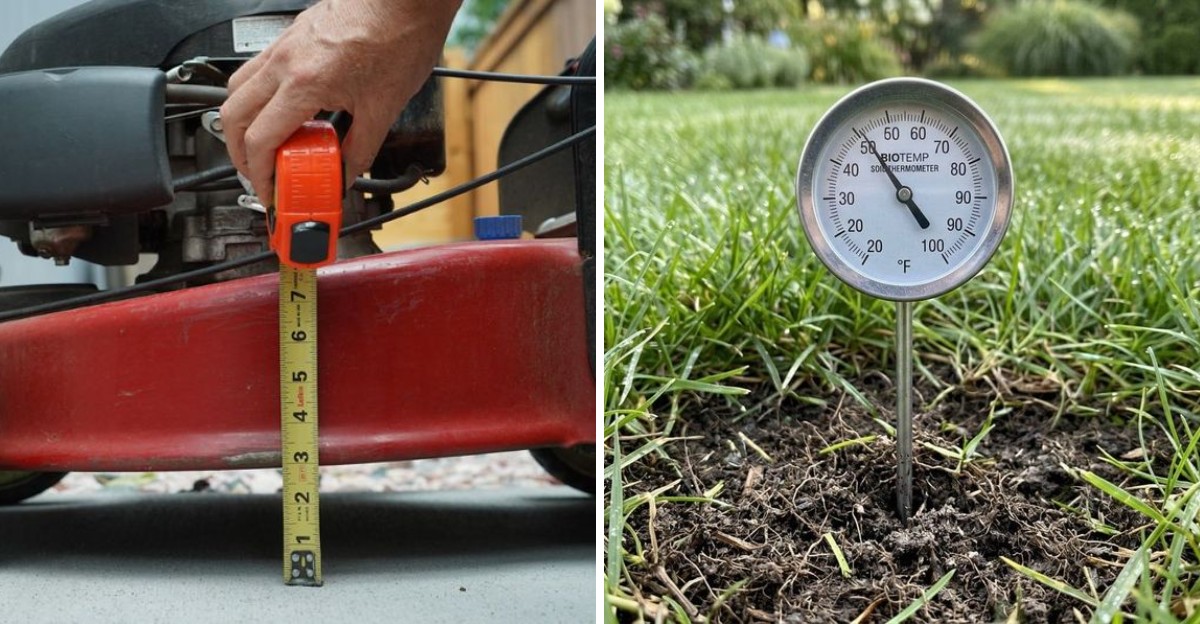
Grass blades can keep growing after the first frost, and I learned that the hard way when my tidy yard turned shaggy again in late November.
Most lawns in Virginia are cool-season turf like tall fescue, which loves crisp fall weather and often keeps pushing new blades long after the tomatoes give up.
Warm-season grass in the southeastern corner of Virginia plays by different rules, which makes the puzzle even more interesting.
For years I did what my neighbors did and parked the mower on a set weekend every fall. Then a soggy, matted patch showed up in my lawn each March, and I started asking better questions.
Turns out the calendar is a pretty poor lawn coach. Your grass gives off clear signals when it’s ready for its last cut, so what exactly should you be watching for?
Your Grass Blades Send a Signal Long Before the Calendar Does
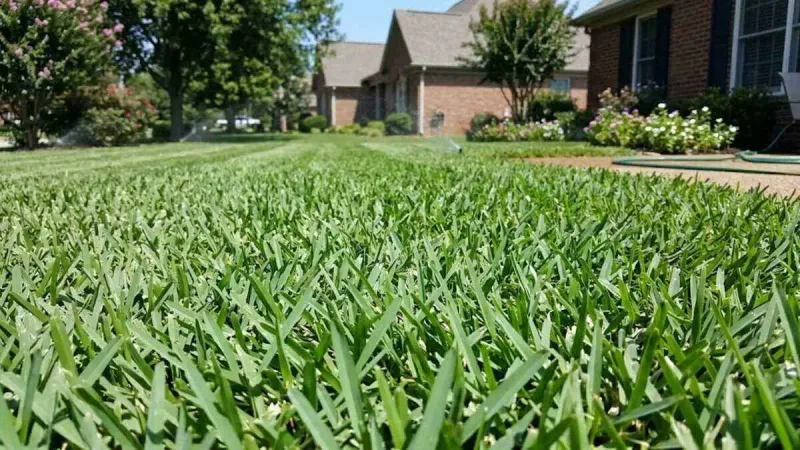
My first fall as a homeowner, I circled Halloween as mowing’s last day. Two weeks later, my front yard looked like it needed a haircut again, and I felt a little silly. Lawns do not read calendars. They respond to temperature, daylight, and soil conditions.
Cool-season grasses like tall fescue, Kentucky bluegrass, and perennial ryegrass cover most Virginia yards, and they stay active deep into autumn.
Fall is actually their favorite season. Cooler air and warm soil let them grow roots and leaves at the same time.
That means your mowing season often stretches longer than you expect, especially after a mild October.
The golden rule is simple at heart. Keep mowing as long as your grass keeps growing. A date on the wall cannot tell you when growth stops, but your lawn can.
Start paying closer attention around late October. Walk your yard every few days and look at the tips of the blades. Fresh, bright growth means the season is still on.
Once a full week or more passes with barely any new height, your grass is slowing down for winter. That pause is the signal worth trusting more than any neighbor’s routine or a habit from years past.
Keep the Mower Running Until Fescue Stops Growing
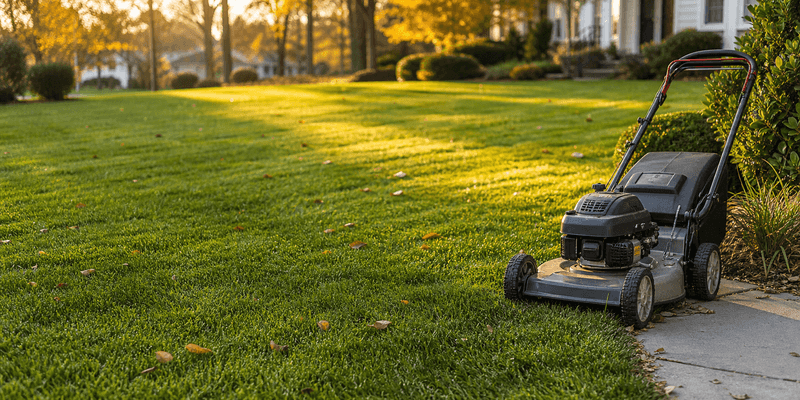
So here is the rule in plain words. Mow your cool-season lawn whenever it needs it, and make the last cut after the grass stops growing for the year.
Virginia Cooperative Extension recommends mowing based on growth, not the calendar. Cut whenever the grass grows about one-third taller than your target height. For tall fescue, that target is usually 3 to 4 inches during the season.
In practice, most Virginia lawns slow down somewhere between mid-November and early December. Some mild years push it later.
A chilly year might close things out a bit sooner. Why not quit early? Long grass going into winter can flop over and form a matted layer.
That damp mat invites fungal problems like snow mold and gives voles cozy cover for tunneling.
Quitting too late is rarely an issue, since mowing a lawn that barely grows does little harm. Just avoid cutting when the ground is soggy or frozen.
I keep a simple habit now. When I mow and notice almost nothing in the bag, I check again a week later. Two light cuts in a row with little growth tell me the season is wrapping up.
A Thermometer Can Tell You When Your Lawn Is Winding Down
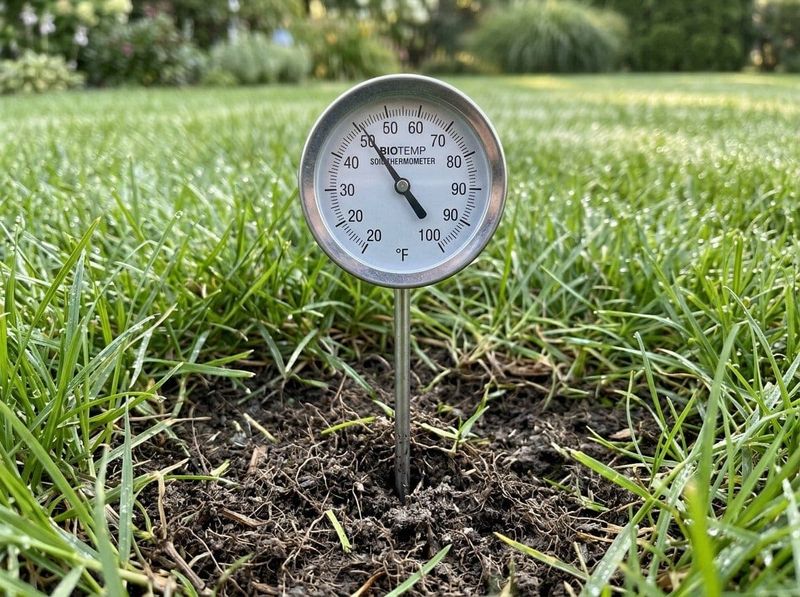
Want a shortcut that beats guessing? Check the daily highs on your weather app. Cool-season grasses grow best when air temperatures sit roughly between 60 and 75 degrees. Once daytime highs settle into the low 50s and below, top growth slows sharply.
Soil temperature matters too, and growth drops off as soil cools toward the 40s. One frosty morning does not end the season. A light frost often just pauses growth, and the grass can bounce back on a sunny 60-degree afternoon.
I have seen fescue keep creeping upward through a week of chilly mornings. Look for a pattern instead of a single cold snap. Several days in a row of highs in the 40s or low 50s usually mean your lawn is ready to rest.
One quick warning belongs here. Stay off frosted grass whenever possible. Frozen blades are brittle, and footsteps or mower wheels can crush them, leaving brown tracks that show up later.
Wait until the frost melts before mowing or walking across the yard. By late morning, the blades usually soften up again, and your lawn will handle a final trim much better.
That Final Lawn Mower Height Matters More Than You Think
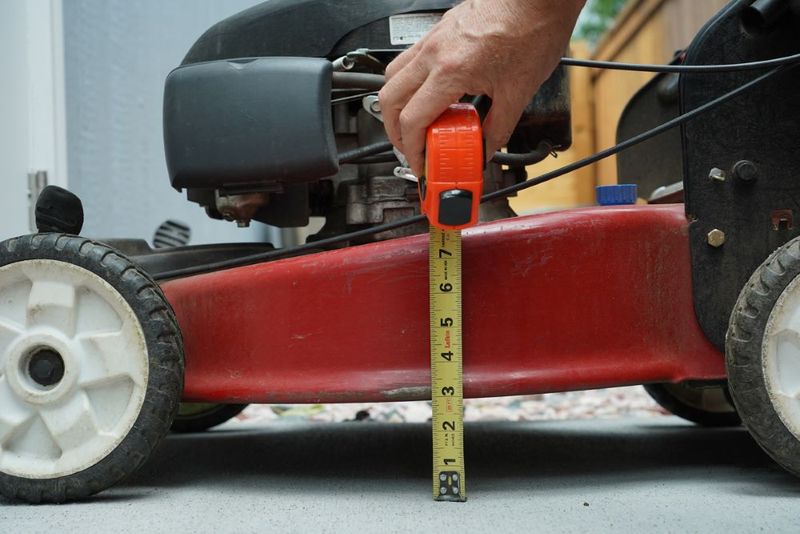
Scalping the lawn before winter feels tidy. Sadly, it often backfires. Cutting cool-season grass very short exposes the crown, the growing point near the soil. That leaves it open to cold stress, drying winds, and weeds come spring.
Short grass also stores less energy for winter. For tall fescue, many experts suggest a final height around 3 inches, and Virginia Cooperative Extension favors keeping fescue fairly tall all season. Kentucky bluegrass can go a little shorter, roughly 2.5 inches.
Skip the urge to drop the deck all the way down. Follow the one-third rule even on your last cut. Remove no more than one-third of the blade at a time. If your lawn is tall, lower the mower gradually over your final two or three mowings.
Sharp blades help too. A dull blade shreds grass tips, and those ragged edges lose moisture and can invite disease. I sharpen mine in early fall, so the last cuts stay clean.
After that final pass, clean the deck and check the oil before storage. Your mower will thank you in April, and so will your lawn when it greens up evenly.
Bermudagrass and Zoysia Lawns Play by Different Rules
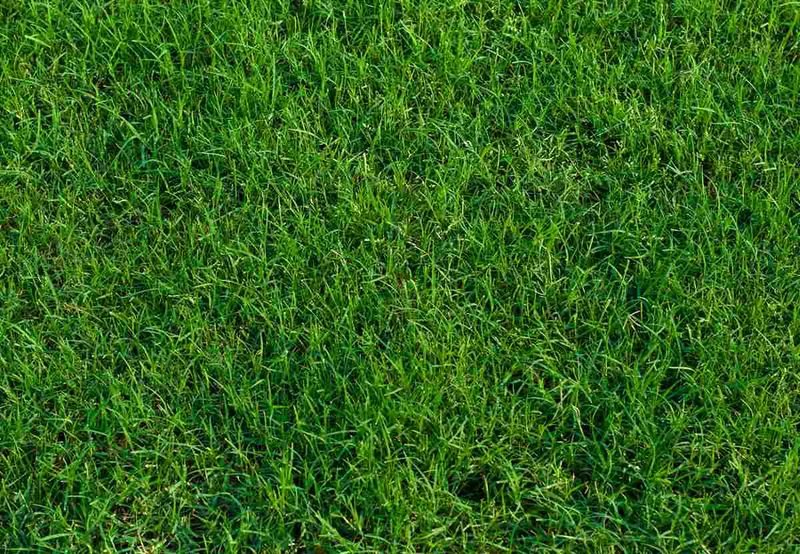
Folks in Hampton Roads and parts of Southside often grow warm-season grass. Bermudagrass and zoysiagrass act nothing like fescue in the fall.
These grasses love heat. As soon as nights cool in early to mid-fall, their growth slows, and after the first hard frost they turn tan and go dormant. That brown color is normal, not a sign of trouble.
For these lawns, the golden rule still applies, but the timing comes earlier. You will likely make your last cut around October, right as growth fades and color starts to change.
Keep that last mowing at your usual summer height or slightly higher. Extra leaf cover helps insulate the grass through chilly spells.
Bermudagrass usually sits around 1 to 2 inches, and zoysia a bit taller. Skip fall nitrogen on these lawns. Feeding warm-season grass late in the year can encourage tender growth right before cold weather and may raise disease risk.
Not sure what you have? Bermudagrass spreads with wiry runners and fine blades, while zoysia feels dense and springy. Your local Extension office can help identify a sample if you are still scratching your head.
Fallen Oak and Maple Leaves Can Keep Your Mower Busy
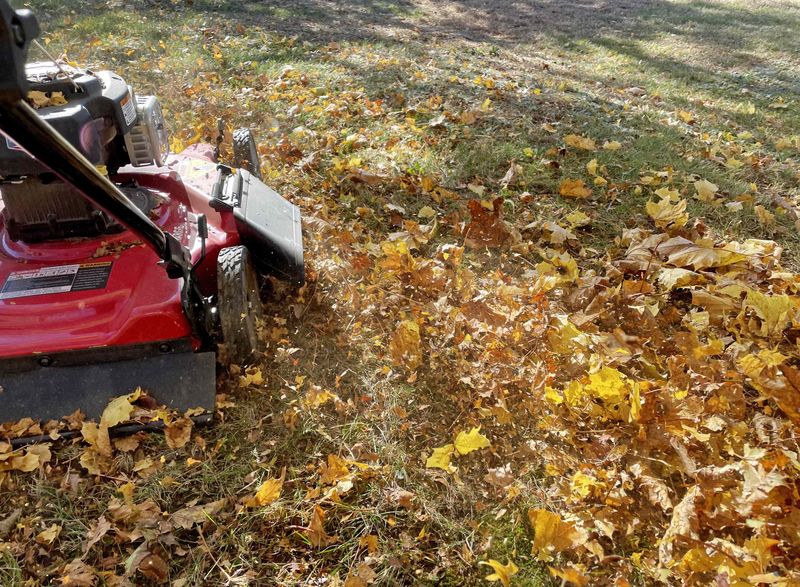
Leaf season and the last mowing weeks overlap in a big way. Across much of Virginia, oaks and maples keep dropping leaves well into November.
Thick leaf piles are bad news for grass. They block sunlight and trap moisture, which can weaken turf and encourage disease. New fescue seedlings from fall overseeding struggle the most under a heavy blanket.
Your mower is a great leaf tool. Mulching a light layer of leaves into small pieces lets them settle between grass blades and break down.
Research from several universities shows this adds organic matter without harming healthy turf.
The trick is keeping up. Mow every week or so during heavy leaf drop instead of waiting for a deep pile. If leaves still cover the grass after a pass, bag or rake the extra.
Shredded leaves make fantastic mulch for flower beds, too. I dump my bagged leaves around shrubs and into the compost bin.
Many gardeners find their final leaf cleanup lines up nicely with the last mow. Once the trees are mostly bare and the grass stops growing, one last pass handles both chores and leaves the lawn clean for winter.
A November Fertilizer Feeding Gives Fescue a Spring Head Start
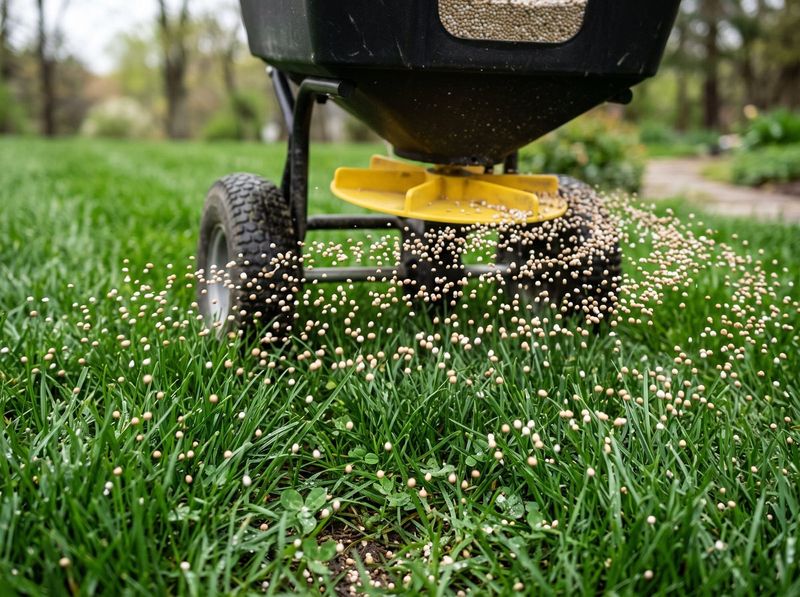
Parking the mower does not mean your lawn work is over. A few smart steps now pay off when spring rolls around.
Fall is the main feeding season for cool-season grass in Virginia. Extension guidance generally favors fertilizing fescue in September, October, and November, with less emphasis in spring.
A late feeding helps roots store energy for an early green-up. Follow label rates and local rules. Virginia limits fertilizer application on frozen ground, so finish feeding before the soil freezes.
Sweep any granules off sidewalks and driveways so they stay out of storm drains. Give the yard one last walk-through. Pick up sticks, toys, and lawn furniture, since anything left on the grass can smother it by spring.
Mark spots where water pools, as those areas may need attention later. Keep foot traffic light on frosty mornings. Plan a soil test for early spring if you have not done one in a few years, since Virginia Tech offers affordable kits.
Watching my lawn instead of the calendar changed my whole routine. Trust the grass, give it a clean final trim, and spring tends to reward that patience.