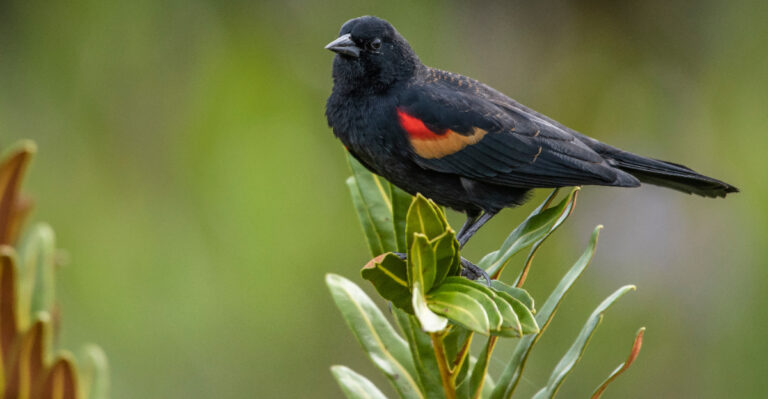
Why Black Squirrels Are Everywhere in Some Michigan Towns but Missing From Others
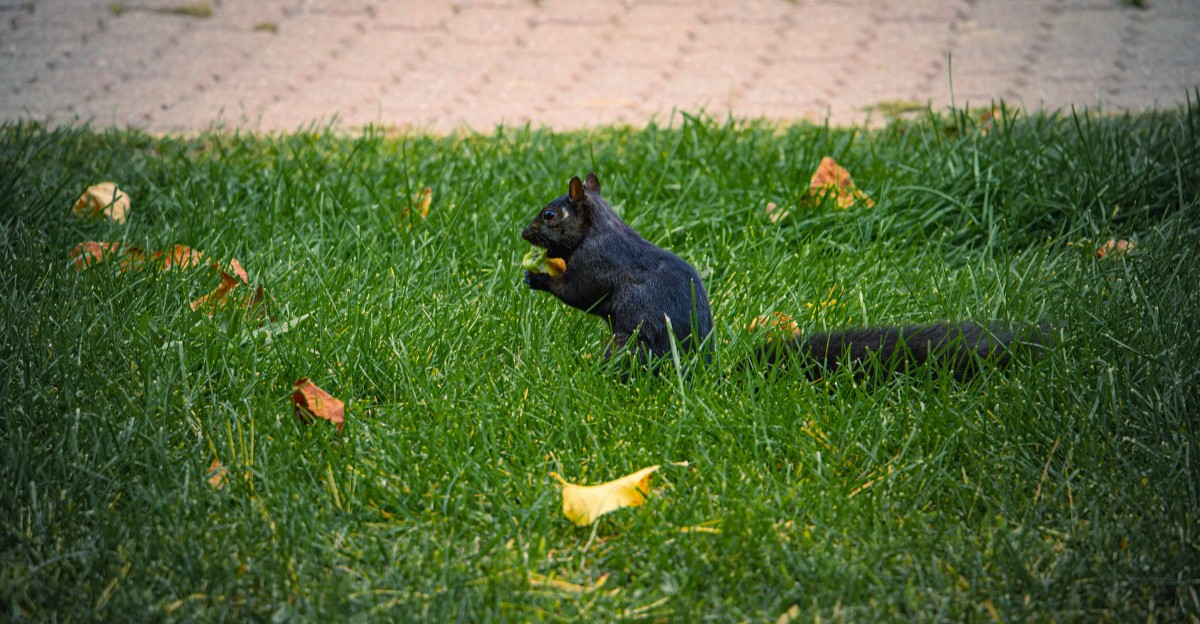
A cereal tycoon may be the reason one Michigan city has so many inky-coated squirrels. John Harvey Kellogg is often credited with bringing dark squirrels to Battle Creek in the early 1900s, and their descendants still bound across lawns there today.
Drive a short distance to another town, though, and you may not spot a single one. Same oak trees, same bird feeders, same backyard gardens. So why does the color line seem to stop at the city limits?
I can’t help but grin every time one of these glossy critters raids my sunflower patch. They look like shadows with fluffy tails, and they move with plenty of swagger.
The real answer mixes genetics, winter weather, and a bit of human meddling. Once you know the story, your next walk through the park might start to feel like a treasure hunt.
1. Those Inky Squirrels in the Oak Tree Are Gray Squirrels in Disguise
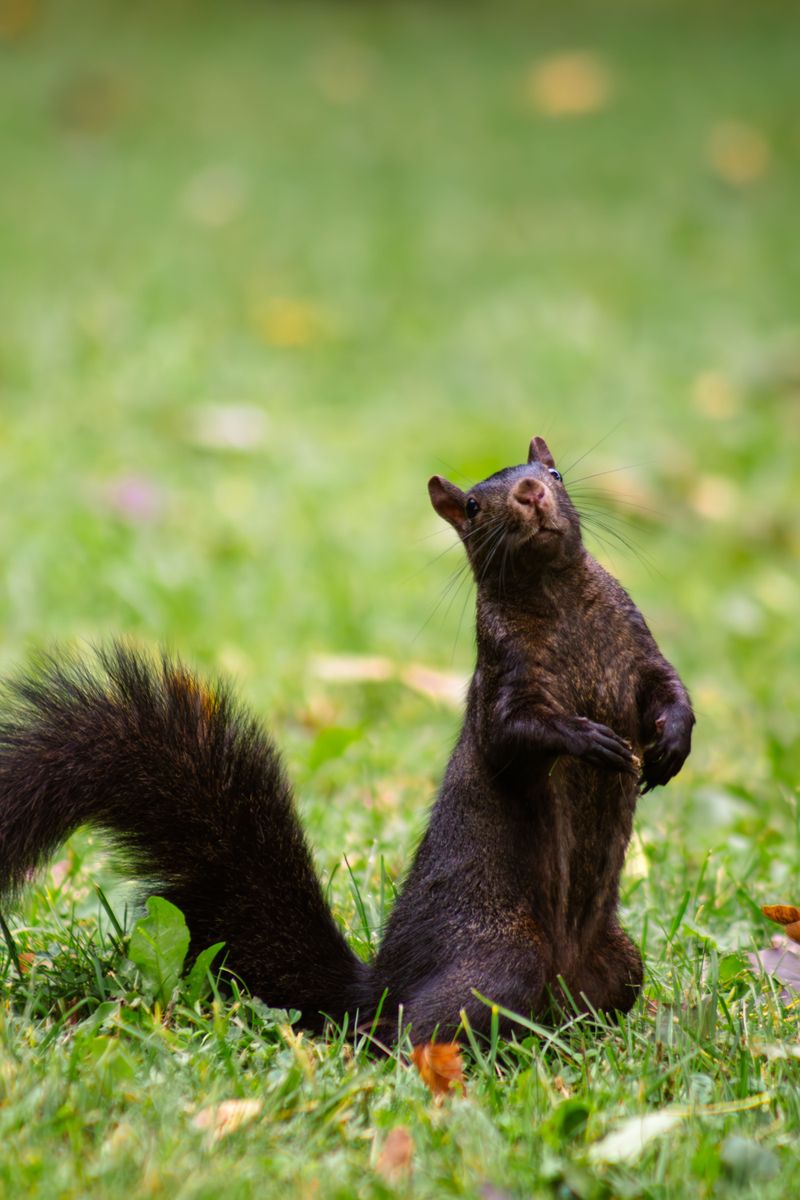
Fun fact for your next backyard cookout: that jet-black squirrel and the gray one chasing it are the same species. Both are eastern gray squirrels, known to scientists as Sciurus carolinensis.
The dark version is called melanistic, which means its body makes extra dark pigment. Biologists consider it a color phase, a lot like red hair or brown eyes in people.
That simple fact explains a lot about the patchy pattern you see around Michigan. Black and gray squirrels mate with each other freely, so the dark coat shows up wherever the right genes exist in the local population.
When a town has plenty of those genes, black squirrels seem to pop up on every fence. When a town has few or none, you’ll mostly see gray. You may also spot squirrels that look dusky brown or have a black body with a reddish tail.
Those in-between shades are part of the same story, and they often appear in neighborhoods where both colors mix.
Fox squirrels, the bigger orange-bellied squirrels of farm country, can occasionally show dark coats too. Most of the coal-colored squirrels in towns, though, are gray squirrels wearing their darkest outfit.
2. A Few Founding Black Squirrels Can Color an Entire Town
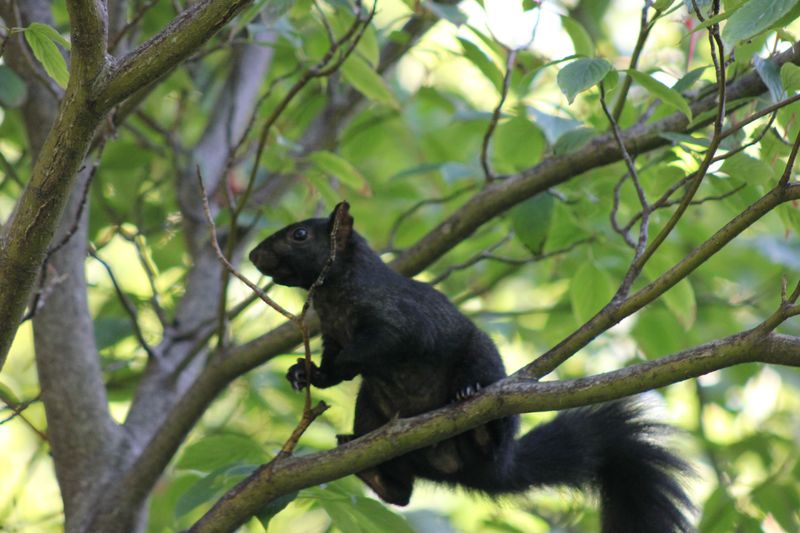
Battle Creek has a squirrel story that sounds almost too quirky to be real. Local history credits John Harvey Kellogg with releasing black squirrels on his property in the early 1900s, and the city is still known for them today.
Michigan State University has a similar tale. Black squirrels were brought to the East Lansing campus around 1961, reportedly from Ontario, and their offspring spread across campus and into nearby neighborhoods.
Scientists call this the founder effect. When a new population starts with just a few animals, their traits get passed down in big numbers, even if those traits are rare elsewhere.
Squirrels also tend to stay close to home. Most live their whole lives within a fairly small area, so a dark-coated family can fill a city park long before it reaches the next town over.
Rivers, highways, and wide farm fields slow them down even more. That means a black squirrel hotspot can sit just a few miles from a town where gray squirrels have the trees to themselves.
Accounts of exact dates and numbers vary, so treat the details as local lore with historical roots. The basic pattern, though, is well supported by wildlife researchers.
3. Thick Black Fur Helps Squirrels Handle Bitter Michigan Winters
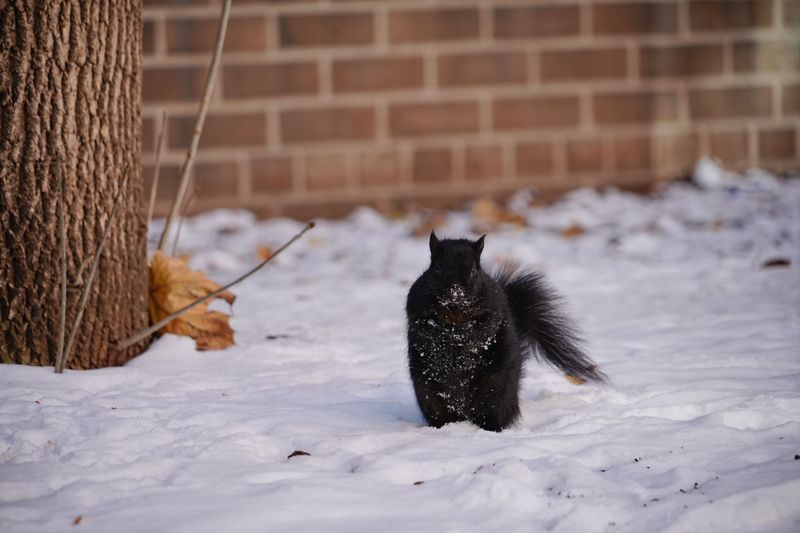
Sitting in a snowy tree at 10 degrees sounds miserable, yet squirrels manage it all winter. Dark-coated squirrels may have a small edge when the wind howls.
A Canadian study published in 1989 found that black squirrels lost about 18 percent less heat in cold conditions than gray squirrels. They also had a higher metabolic rate, which helps their bodies produce warmth.
That advantage may explain why black squirrels are more common in the northern part of the species’ range, including Ontario and the Great Lakes region. Some Canadian cities have huge numbers of them.
Dark fur may also soak up a little extra warmth on sunny days. That benefit gets talked about a lot, but the heat loss research has stronger backing. Still, cold weather alone can’t explain the patchy map.
Plenty of chilly towns have almost no black squirrels, while some milder cities have lots of them. Climate seems to help black squirrels hold on where they already live, rather than create them out of thin air.
For you, the takeaway is simple. Those dark squirrels bouncing across snowy yards are well suited to winter, so don’t worry when you see them out on frosty mornings.
4. One Tiny Gene Change Turns a Gray Squirrel Coat Black
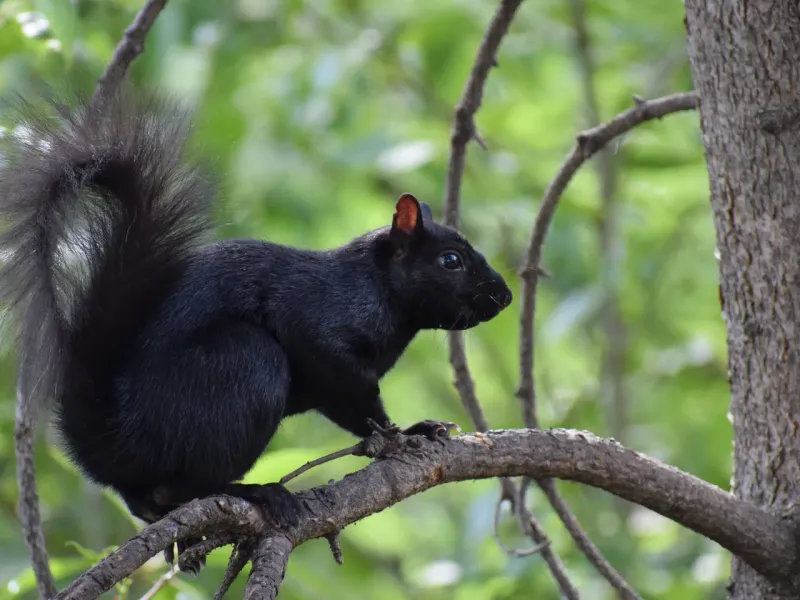
Genetics sounds intimidating, but this part is surprisingly simple. Black coats come from a change in a gene called MC1R, which controls the type of pigment in fur.
Researchers found that the dark version of this gene is missing a small piece of DNA. That change pushes the squirrel to make more dark pigment, called eumelanin, and less of the lighter pigment.
The dark gene is partly dominant. A squirrel with two copies usually looks jet black, while a squirrel with one copy often looks brownish black. A squirrel with no copies looks gray.
So two dark parents can sometimes raise a gray baby, and a gray parent can raise dark kids if the other parent carries the gene. Watching a single litter grow up can feel like a surprise party.
A 2019 study led by Anglia Ruskin University suggested an unexpected origin. The black gene in gray squirrels may have come from mating with fox squirrels long ago.
All of this explains why black squirrels cluster in certain towns. If the gene is missing from a local population, a gray squirrel can’t suddenly turn black. The gene has to arrive with a squirrel carrying it.
5. Shade Trees and City Parks Give Dark Squirrels a Safer Home
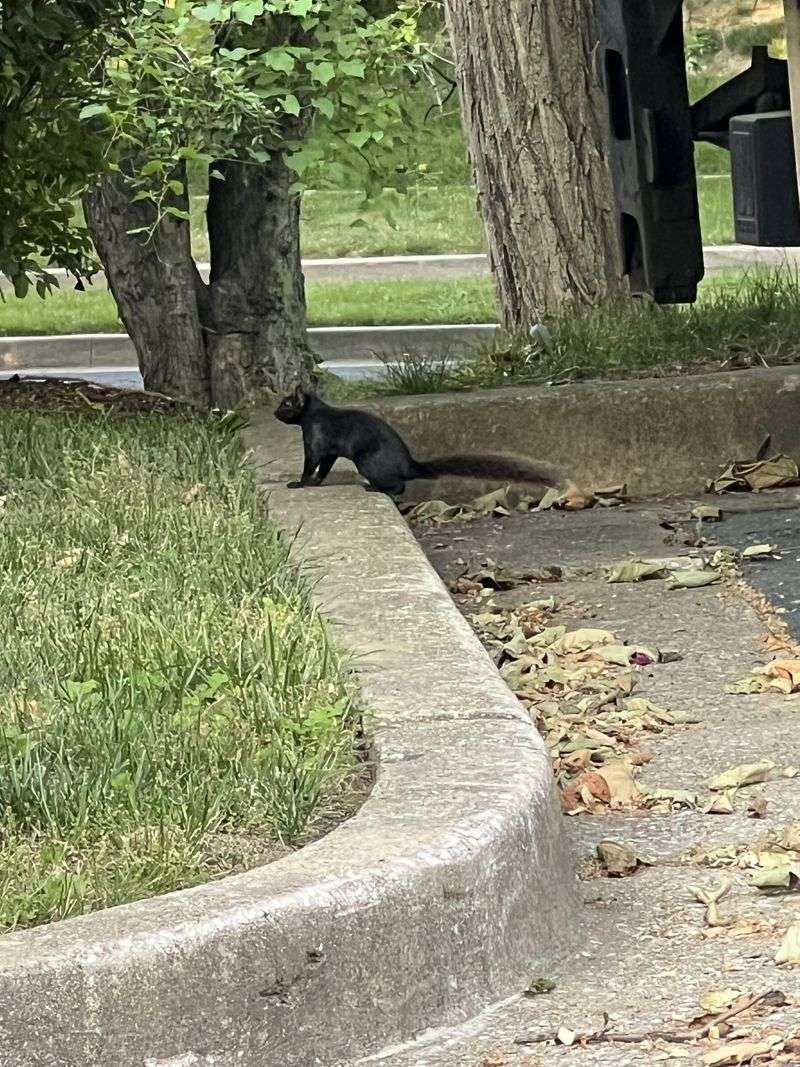
Cities and college campuses are where many people first notice black squirrels, and that’s no accident. Urban parks offer mature oaks, bird feeders, and fewer hawks and foxes than deep woods.
In a forest, a black coat can stand out against light bark or snow. In a city, predators are fewer, so the color matters less for survival.
Some researchers have also wondered whether dark squirrels are easier for drivers to spot. One study in Ontario found black squirrels were hit by cars less often than expected for their numbers, though more research is needed.
Towns also carry history. Many places with black squirrels got them from deliberate releases, and those animals spread into neighborhoods with plenty of nut trees.
Your yard can play a part, too. Oaks, hickories, and walnuts feed squirrels of every color, and they also support blue jays, woodpeckers, and many native insects.
If you’d like to enjoy watching squirrels without inviting them into your attic, keep tree branches trimmed back several feet from the roof. Seal gaps around vents and soffits before fall, when squirrels start hunting for snug winter nests.
6. Gray Squirrels Still Rule Plenty of Michigan Woodlots
Hundreds of years ago, black squirrels were likely far more common across the northern forests of North America. Old accounts describe dark squirrels as a regular sight in thick, shady woods.
Those dim forests gave black fur good camouflage. When settlers cleared large areas for farms and timber, the landscape opened up and gray coats blended in better.
Hunting may have played a role, too. A dark squirrel is easier to spot against open sky or bare branches, so hunters may have taken them more often over the years.
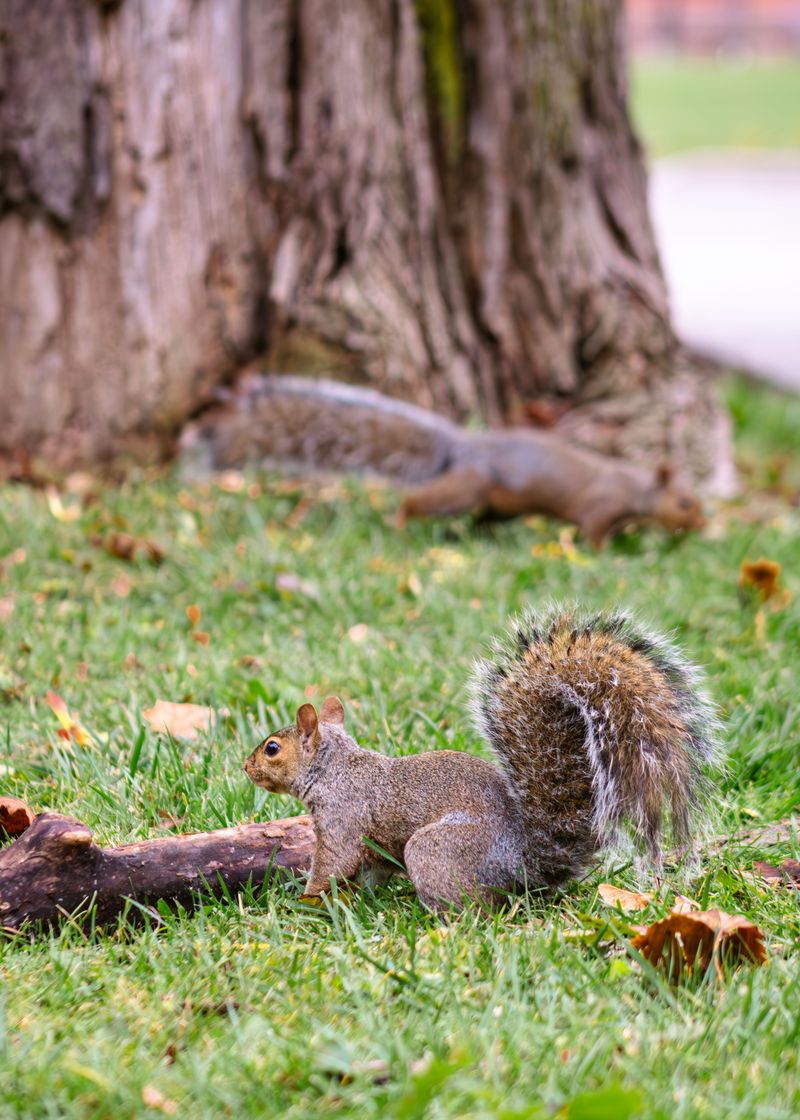
That history helps explain why many rural areas and wooded public lands mostly have gray squirrels today. The black gene faded from those populations and has had little chance to return.
Fox squirrels add another twist. In much of the southern farm country, these larger rusty-orange squirrels are common, and some towns see more fox squirrels than gray ones.
Red squirrels, the small noisy ones that chatter from pine trees, are common up north and in conifer stands. They aren’t part of the black squirrel story, so a town full of them may show no dark coats.
If your town seems to lack black squirrels, the woods around you may simply tell a different story.
7. Black Squirrels Raid Tulip Bulbs Just Like Their Gray Cousins
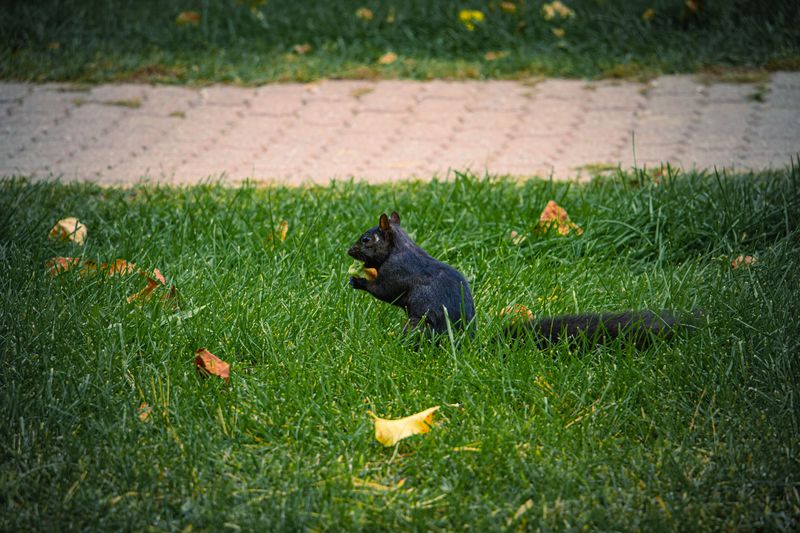
Coat color doesn’t change appetite one bit. A black squirrel digs up tulip bulbs, nibbles tomatoes, and empties bird feeders with the same skill as any gray squirrel.
I learned that the hard way after planting a row of tulips one October. By the next morning, little holes dotted the bed like someone had been practicing golf.
For bulbs, lean on daffodils, alliums, and snowdrops. Squirrels usually leave them alone because they taste bad or contain irritating compounds.
If you love tulips and crocuses, lay chicken wire over the planting bed and cover it with mulch. The shoots grow through the holes in spring, but squirrels can’t reach the bulbs. Clean up papery bulb skins after planting, since the scent draws curious diggers.
At the bird feeder, use a baffle on a pole placed at least 10 feet from trees or fences. Safflower seed is a smart option, too, since many squirrels find it less appealing.
In vegetable beds, light row cover or mesh cages protect ripening tomatoes and squash. Offering squirrels a few ears of corn in a far corner can sometimes keep them busy, though results vary from yard to yard.
8. Become a Black Squirrel Spotter in Your Own Neighborhood
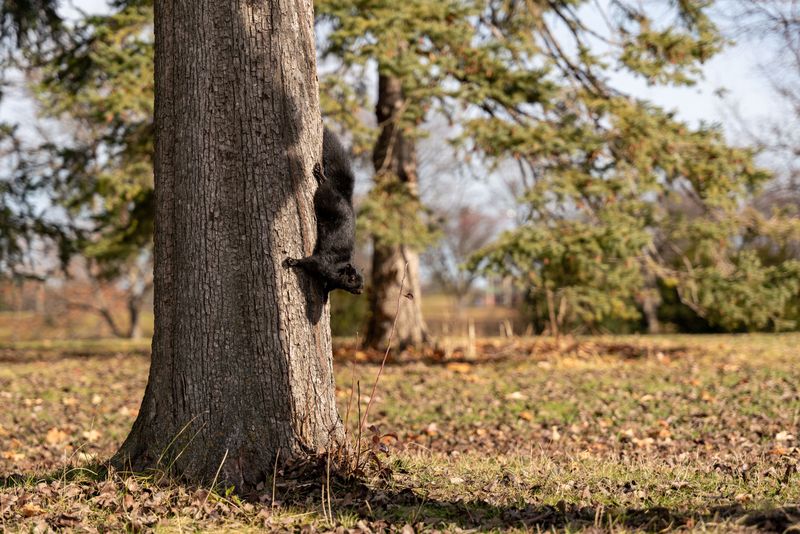
Every squirrel photo you snap could help solve this puzzle. Scientists actually rely on everyday people to map where black squirrels live.
Project Squirrel, a citizen science program, invites people to report squirrels they see in yards and parks. SquirrelMapper, run by researchers studying coat color, uses photos from apps like iNaturalist to track black and gray squirrels across cities.
To join in, download iNaturalist and photograph squirrels when you spot them. Try to capture the whole body and note the date and location.
Keep an eye on the in-between colors, too. Brownish-black squirrels hint that the black gene is moving through the gray population in your area.
Please resist the urge to move black squirrels into your town. Michigan classifies squirrels as game animals, and relocating wildlife can spread disease and stress the animals.
Check with the state Department of Natural Resources before trapping or moving any wildlife. The best way to enjoy black squirrels is simply to watch them. Visit Battle Creek, the campus in East Lansing, or other known hotspots on a crisp fall morning.
Those inky tails are living proof that genetics, weather, and a bit of history can shape the animals right outside your window.