The Golden Rule For When To Stop Mowing Your Minnesota Lawn This Fall
Grass roots keep working in cold soil long after the leaves turn crunchy and the air bites your nose. That quiet underground growth surprised me the first time I learned about it.
I used to park my mower the moment the first frost painted the yard white. Turns out the grass had other plans, and it kept stretching upward for weeks.
You might notice the same thing in Minnesota every autumn. Chilly mornings fool us into thinking the season is over, yet sunny afternoons nudge the lawn along.
A shaggy lawn heading into a Minnesota winter can invite trouble you will not see until spring.
So how do you know when the real finish line arrives? The answer is simpler than a date on the calendar, and your own lawn holds the clue.
I wish someone had told me sooner, because one small change made my spring yard look so much better.
Those Chilly Frosty Grass Blades Are Still Growing Underneath
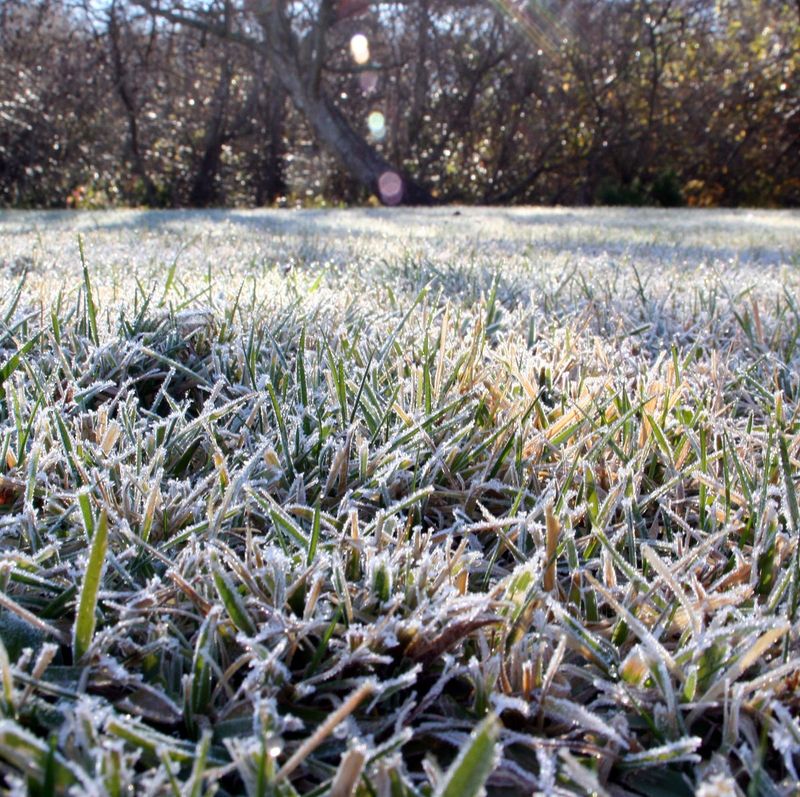
Frost on the lawn looks like a goodbye note from summer. In reality, cool-season grasses like Kentucky bluegrass and fine fescues are built for this weather.
These grasses grow best when air temperatures sit between about 60 and 75 degrees. Fall in the Upper Midwest often lands right in that comfort zone during the afternoon, even after a cold night.
Soil also plays a sneaky role. Ground warms slowly in spring and cools slowly in fall, so roots stay active after the air turns crisp. Your lawn keeps pushing out new leaf tissue while you are reaching for a sweater.
I learned this the hard way. One October I put my mower away early, and three weeks later the grass looked like a shaggy rug.
That extra growth is not a bad thing. Grass uses fall to build roots and store sugars for winter, which is why many experts call autumn the most important season for lawn health.
So a frosty morning is not your signal to quit. The lawn is often busier than it looks, and it still needs a trim now and then until growth truly stalls.
Keep Mowing Until Your Grass Stops Getting Taller
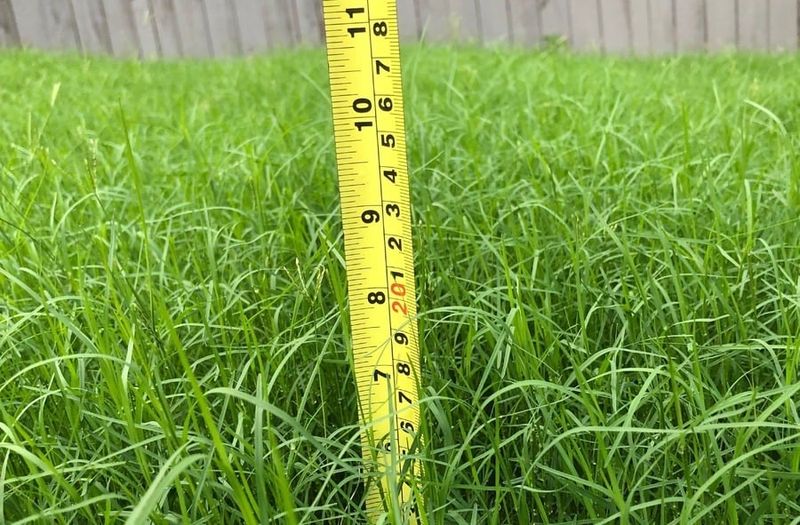
The golden rule fits in one sentence. Keep mowing as long as the grass keeps growing, and stop once it no longer needs a cut.
Growth slows sharply when daytime highs stay below about 50 degrees and soil temperatures drift toward the low 40s. Hard freezes at night speed up that slowdown.
In much of the state, that often happens from late October into early November. Northern areas usually wrap up sooner, while the Twin Cities and southern counties may need a mow or two later in a mild year.
A simple test works better than any thermometer. Look at your lawn a week after your last mowing. If it barely looks taller, you are probably done.
Many gardeners use a two-week check. When you skip a week, then another, and the grass still looks tidy, the season has quietly ended.
Watch the forecast too. A warm spell in November can wake the lawn up briefly, so do not lock the mower away until the cold seems settled. Let your yard set the schedule. It knows when it is ready to rest.
That Last Mower Height Matters More Than You Might Think
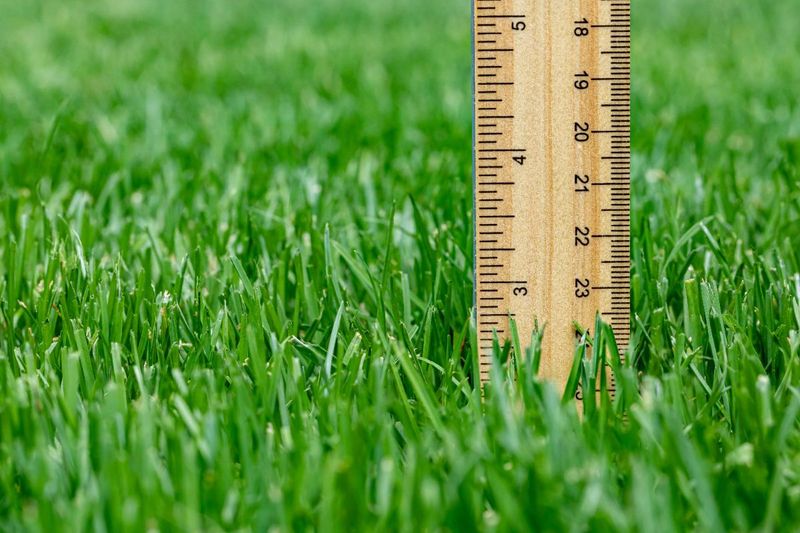
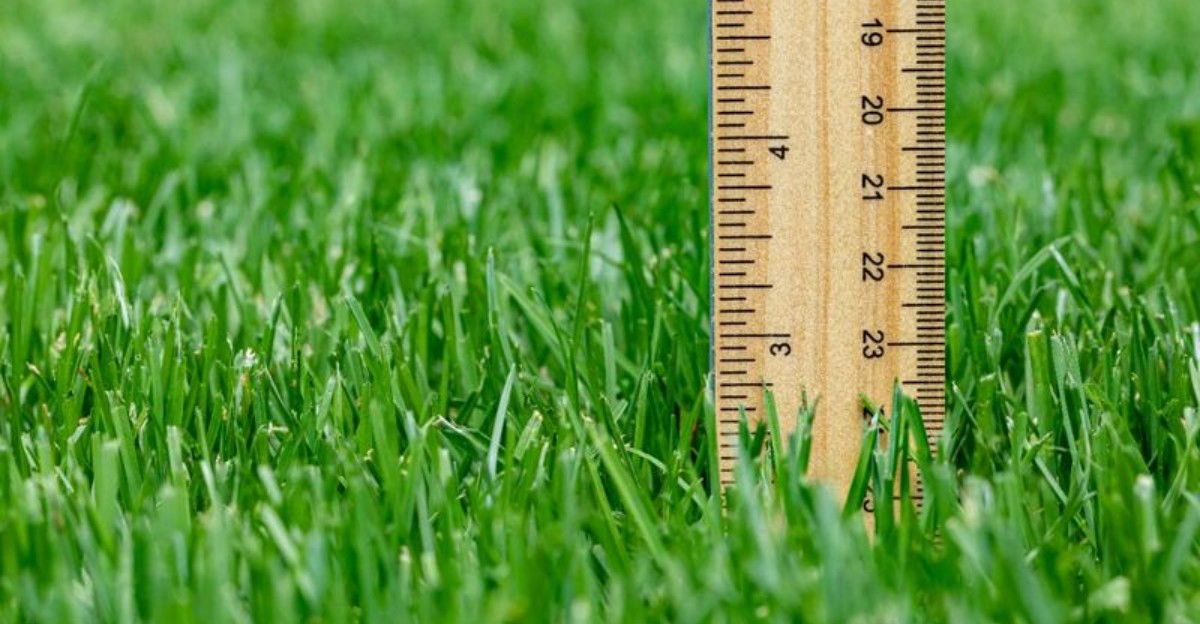
A ruler might be the most useful lawn tool you own this month. The height of your final cut can shape how your grass looks in April.
University of Minnesota Extension suggests keeping lawns mowed at about 3 inches or higher during the season. For the final mowing, many experts lean toward the lower end, roughly 2 to 2.5 inches.
Why trim it shorter? Long grass tends to flop over and mat under heavy snow. That damp tangle gives snow mold fungi a cozy place to grow.
Going too low brings its own problems. Scalping below about 2 inches exposes the crown, the growing point near the soil, to drying winter wind. It also cuts away leaf area the plant needs to store energy.
Think of it as a tidy haircut, not a buzz cut. You want the lawn neat enough to resist matting but full enough to stay strong.
Shady areas can stay a little taller, since those grasses need extra leaf surface to soak up light. Sunny spots usually handle the shorter height just fine. Measure once, set your deck, and stay consistent.
Lower That Mower Deck A Little At A Time
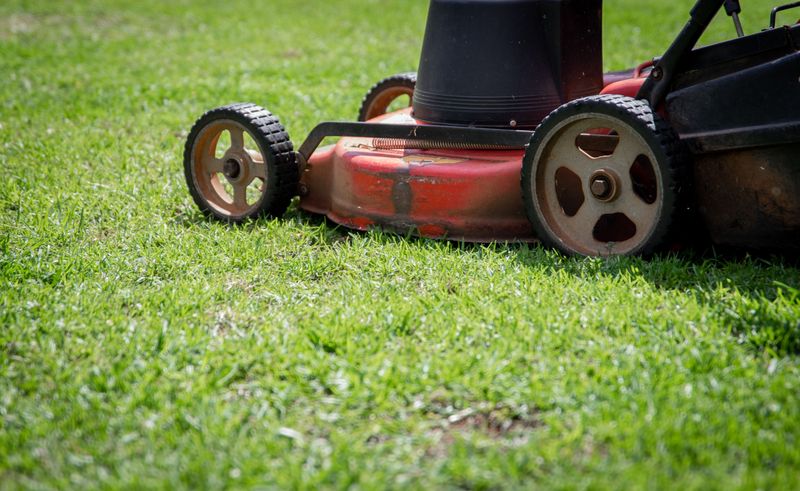
Slow and steady wins this race. Dropping your mower from 3.5 inches to 2 inches in one afternoon is a shock your Minnesota lawn does not need.
Most lawn pros follow the one-third rule. Remove no more than one-third of the blade height in a single mowing, so a 3-inch lawn should lose about an inch at most.
Plan ahead by lowering the deck one notch over your last two or three mowings. Each step trims a bit more while giving the grass time to adjust.
My own mower has little numbered levers on each wheel. I used to ignore them all year, but now I treat them like a fall countdown.
Cutting too much at once forces grass to spend stored energy regrowing leaves. That energy is better saved for roots and winter survival.
Scalping also leaves brown, stubbly patches that open space for weeds next spring. Crabgrass and other opportunists love thin spots in Minnesota yards.
So start lowering in mid to late October. By the time growth fades, your lawn will already sit at the right height without any drama.
Snow Mold Patches Love A Long, Matted Lawn
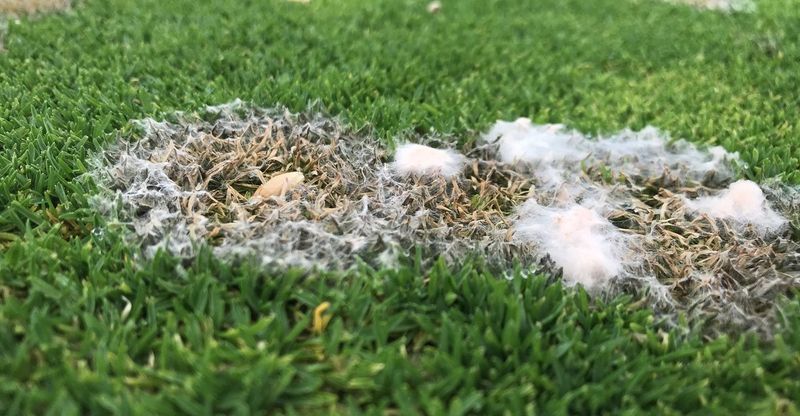
Spring melt can reveal some odd surprises in Minnesota. Circular gray or pinkish patches with crusty, matted grass are often snow mold.
Two types show up most in Minnesota. Gray snow mold forms under long-lasting snow cover, while pink snow mold can appear with or without snow during cool, wet weather.
Both fungi thrive on moisture trapped in long grass and leaf litter. A tall lawn under a heavy blanket of snow gives them just what they want.
Fortunately, most Minnesota cases look worse than they are. Gently raking matted areas in spring helps them dry out, and the grass usually recovers as it warms.
Prevention starts in fall. A shorter final cut, fewer leaves on the turf, and avoiding heavy nitrogen late in the season all reduce the risk.
Before the first snowfall, rake up fallen leaves and mow one last time at a slightly lower height, following the one-third rule so the grass is not overly stressed.
Also try not to pile shoveled snow in one spot on the lawn all winter. Deep drifts linger longer and keep grass damp well into spring. A few small habits now can save you from staring at blotchy patches in April.
Fallen Leaves And Vole Trails Need Attention Before Snow
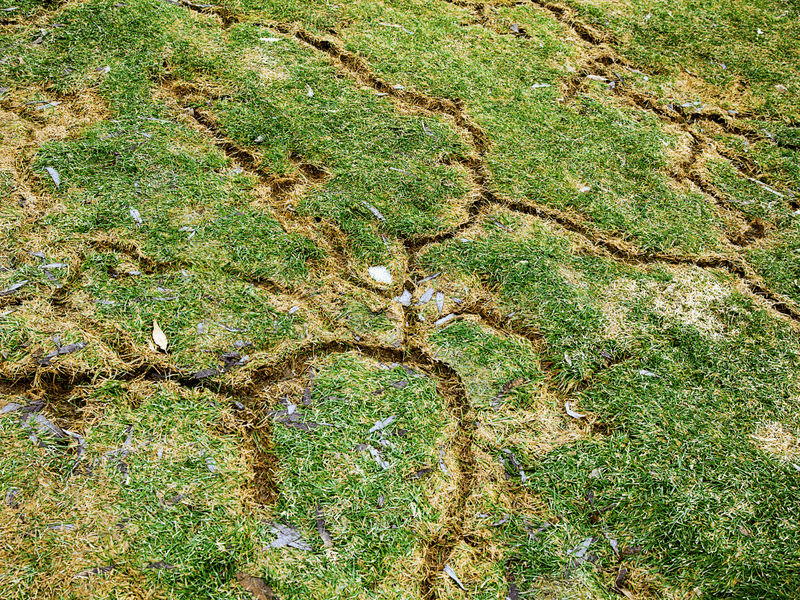
Winding trails across the lawn after the snow melts can feel like a mystery map. Those paths are usually made by voles, small rodents that tunnel along the grass surface under snow.
Voles feel safest under cover. Tall grass, thick leaf piles, and dense mats give them shelter from owls and hawks all winter.
A shorter final mow helps make your lawn less inviting. Clearing heavy leaf layers does the same.
Leaves also cause trouble on their own. A thick layer blocks light and holds moisture, which can weaken grass and encourage disease.
Light leaf cover is easy to handle. Mow over it with a mulching mower so the small pieces fall between the grass blades.
Heavy cover is different. When leaves hide much of the lawn, rake or bag them, and consider adding them to a compost pile or garden beds.
Mow when the grass is dry for the cleanest results. Wet or frozen blades tear easily and clump.
Vole runways usually fill in by late spring. Light raking and a little patience help the grass bounce back.
Sharpen Your Mower Blade And Store It Smart For Spring
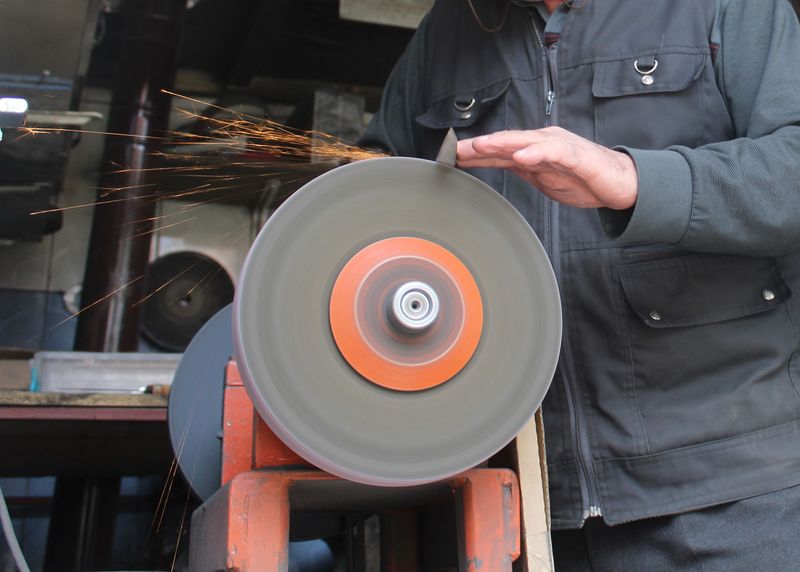
Your last mowing deserves a clean finish. A sharp blade slices grass neatly, while a dull one shreds the tips and leaves ragged brown edges.
Torn blades lose more moisture and can give disease an easier way in. Before your final cut, check the blade and sharpen it if it looks nicked or rounded.
Once the mowing season ends, give your mower a little care. Scrape caked clippings from under the deck, and wipe off dirt and leaves.
For gas mowers, follow the manual. Many recommend adding fuel stabilizer or running the tank empty to keep old fuel from gumming up the engine.
Battery mowers need care too. Store batteries indoors, away from freezing temperatures, and follow the maker’s charging advice.
I like to tape a note to my mower listing the final height I used. Come spring, I raise the deck back to around 3 inches without guessing.
Fall mowing is really about timing and patience. Watch your grass, finish strong, and you will greet a greener lawn when the snow finally melts.