The Under-$1 Kitchen Item Virginia Homeowners Use To Clean Mossy Patios
A box of the stuff that keeps your fridge smelling fresh can also turn patio moss brown in about two days. That was news to me, and I have scrubbed plenty of green bricks over the years.
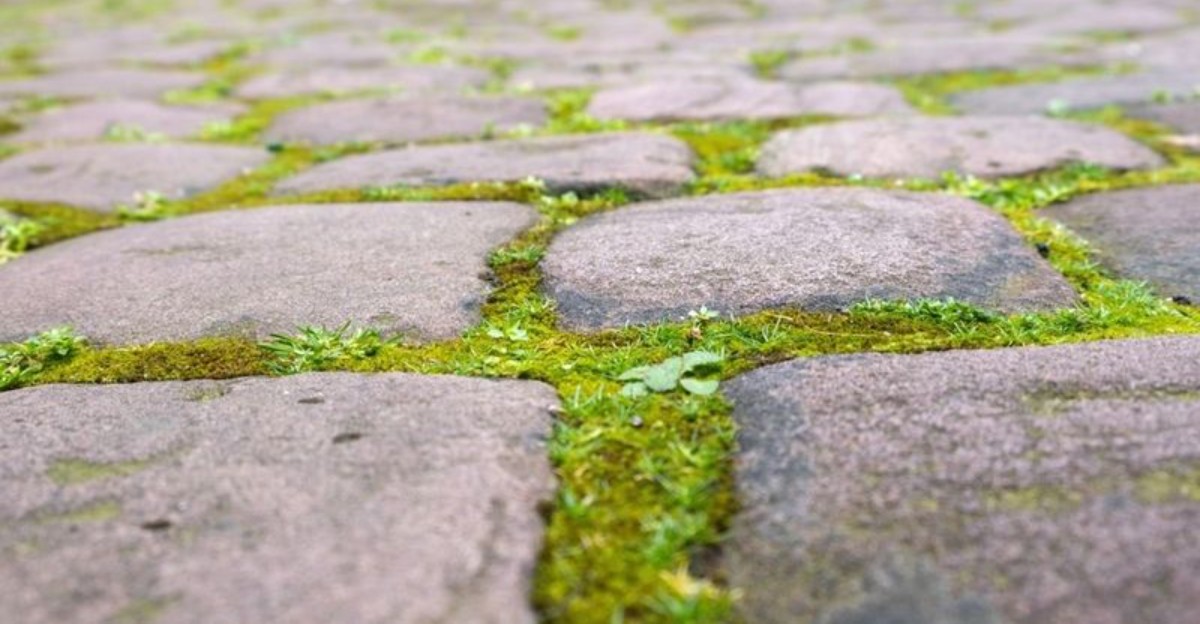
Moss has no true roots, so it sits on top of brick and concrete and drinks whatever moisture lingers there. Shady patios in Virginia stay damp for days after a summer storm, which is exactly what this tiny plant loves.
Confession time: I once spent a whole Saturday with a rented pressure washer. The moss came back by fall, and a few joints in my pavers lost their sand.
So what if the answer has been sitting next to the flour? One cheap box, one sunny weekend, and a stiff broom might be all you need.
That Green Carpet On Your Brick Patio Has A Pantry-Sized Enemy
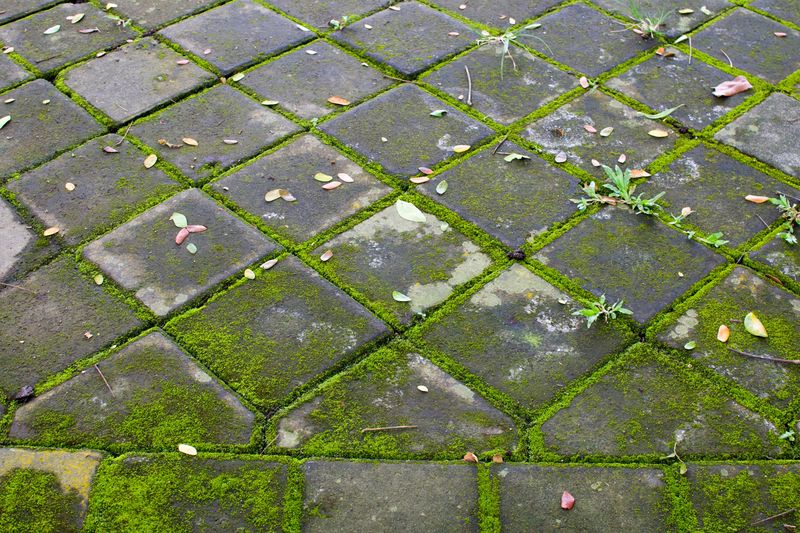
Mossy bricks look charming in a storybook. On a real patio, they turn into a slip-and-slide after every rain shower.
The kitchen hero here is plain baking soda, also called sodium bicarbonate. A one-pound box usually costs around a dollar at most grocery stores, and store brands often cost less.
A light dusting over a few problem patches uses only part of the box, so each treatment costs pocket change.
Gardeners have shared this trick for years, and it shows up in plenty of home and garden advice columns. Bicarbonates have a real track record against moss and algae, too.
Potassium bicarbonate, a close cousin, appears in some commercial moss products sold for roofs and walkways.
To be fair, baking soda is not a magic eraser. It works best on thin, patchy moss on hard surfaces like concrete, brick, and pavers.
Thick, spongy mats that have been building for years may need a second round or some extra scrubbing.
Still, it beats renting heavy equipment or buying harsh cleaners for small jobs. If your patio sits in the shade of oaks or maples, you probably have the perfect test spot right outside your back door.
Baking Soda Dries Out Patio Moss From The Top Down
Moss is a bit of a drama queen about water. It lacks true roots and soaks up moisture straight through its tiny leaves, so anything that pulls that moisture away hits it hard.
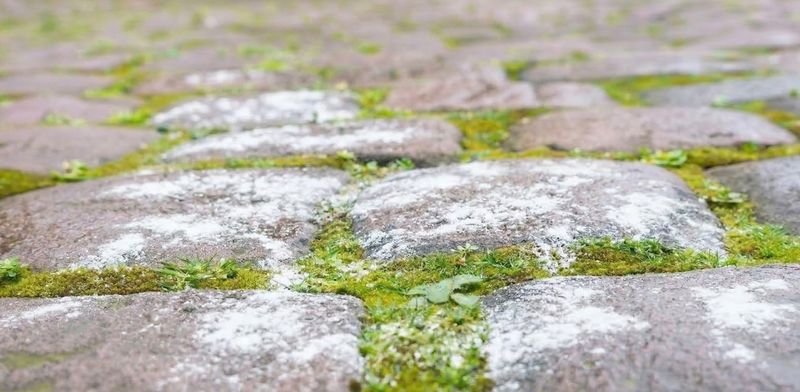
Baking soda is a mild salt. When it settles onto damp moss, it draws water out of the plant cells and leaves them dehydrated.
That is why treated patches fade from bright green to yellow, then to a crispy brown.
The powder is also alkaline, with a pH a little above 8 when mixed with water. Many common mosses prefer more acidic conditions, so a sudden shift on the surface adds extra stress.
The pH change is modest, though, so think of it as a helping hand rather than the main event.
Fun fact: sodium bicarbonate has been sold as a household product in America since the 1840s. Bakers used it to make biscuits rise long before anyone sprinkled it on a walkway.
Because it acts on contact, baking soda mostly affects what you can see. Spores and tiny pieces hiding deep in cracks can sprout again later.
That is normal, and it is why prevention matters just as much as the first cleanup.
Sprinkle, Wait, Then Sweep Those Brown Moss Patches Away
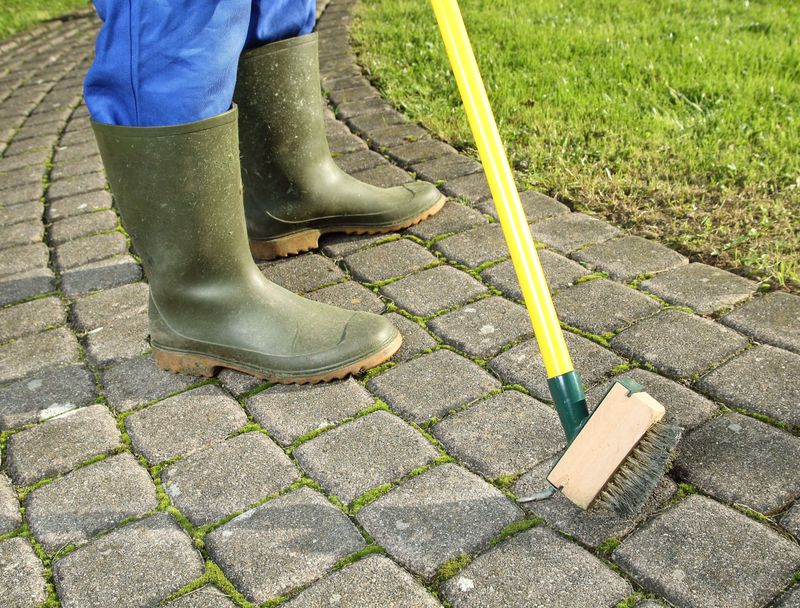
Timing is the whole secret with this method. Pick a dry stretch when the forecast shows no rain for at least two days, since a downpour will rinse your hard work right into the grass.
Start with a quick sweep to clear leaves, twigs, and loose dirt. The powder needs to touch the moss, not a layer of debris sitting on top of it.
Next, sprinkle dry baking soda over each mossy patch until the green is lightly coated. A slightly damp surface helps it stick, so early morning dew can work in your favor.
Some people prefer a spray made from a few tablespoons dissolved in a gallon of water, which reaches into narrow joints more easily.
Now comes the easy part. Leave it alone for one to three days and keep pets and kids from tracking it around.
Once the moss looks brown and crunchy, grab a stiff broom or deck brush and scrub it loose. A putty knife helps with stubborn bits wedged between pavers.
Finish with a light rinse if you like.
Spring and fall, when Virginia days are mild and dry spells are common, are great times to try it.
Keep Baking Soda Off Your Flower Beds And Lawn Edges
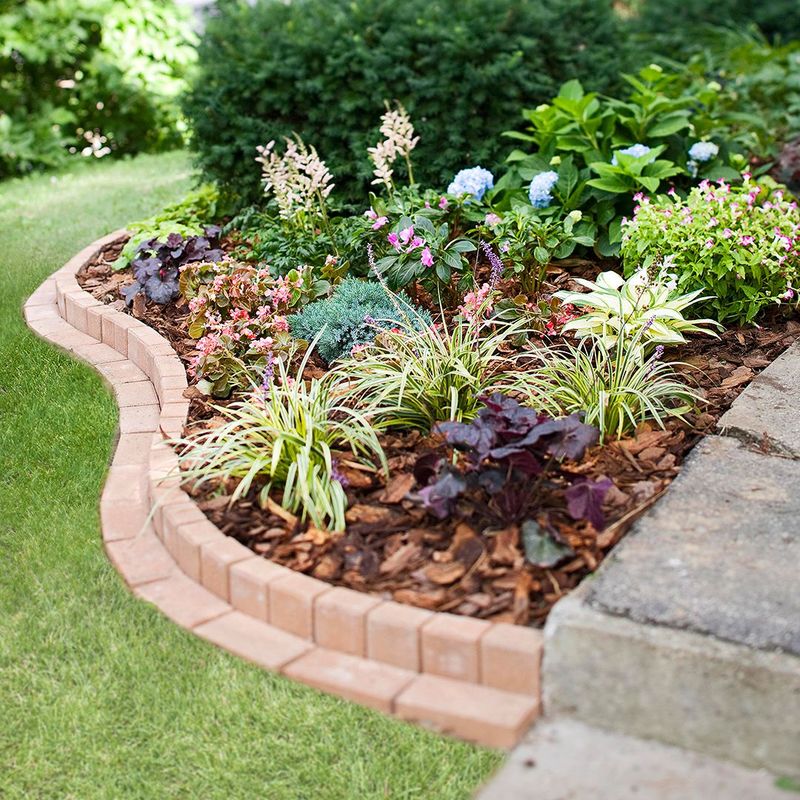
Take it from someone who learned the hard way: the patio is fine, but the hostas next to it were not thrilled. Baking soda is gentle on hard surfaces, yet it is not so friendly to living plants nearby.
The culprit is sodium. When rain carries it into soil, sodium can build up, harm soil structure, and make it tougher for roots to take in water.
A little spill is not a crisis, but repeated heavy use along the same border can leave grass and perennials looking stressed and scorched.
So aim with care. Use a small cup or a shaker instead of tossing handfuls, and avoid treating cracks right beside planting beds.
Sweep stray powder back onto the hard surface before you walk away.
When you rinse, point the water toward a drain or gravel area, not toward your favorite shrubs. A sheet of cardboard propped along the edge works as a handy shield.
One more tip worth sharing. Baking soda can leave a faint white film on dark pavers or stamped concrete.
Testing a small, hidden corner first saves you from surprises on a surface you care about.
White Vinegar Works Too, But Not On Every Patio Stone
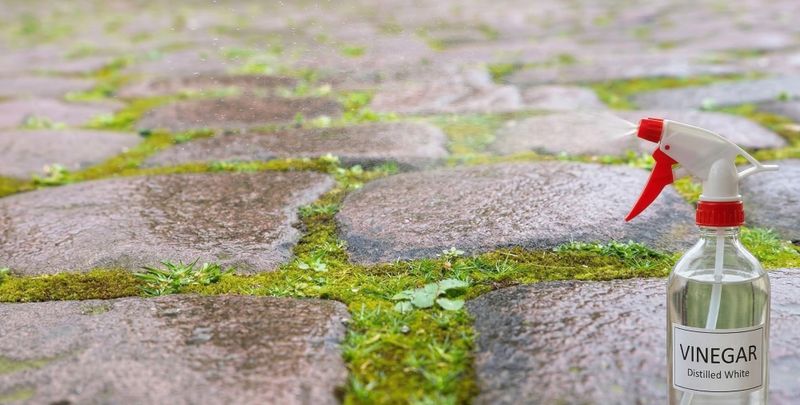
Some folks swear by the other cheap jug in the pantry. Plain white distilled vinegar contains about 5 percent acetic acid, which damages moss cells and helps loosen green slime from the surface.
Most people mix it half and half with water in a spray bottle. Soak the moss well, wait anywhere from 15 minutes to an hour, then scrub with a stiff brush and rinse.
Here is the catch. Acid and certain stones do not get along at all.
Limestone, marble, travertine, and many other natural stones contain calcium carbonate, and vinegar can etch or dull their surface in a single treatment. It can also weaken some sealers on pavers and wear at old mortar between bricks.
Plain poured concrete, brick, and many manufactured pavers usually handle diluted vinegar well. Even so, a quick spot test in a corner tells you more than any blog post can.
Vinegar also burns grass and garden plants it touches, just like many weed sprays. Protect bed edges and rinse toward hardscape.
If your patio is natural stone, stick with baking soda or a stone-safe cleaner. You will thank yourself later.
Shady, Soggy Pavers Are Basically A Moss Welcome Mat
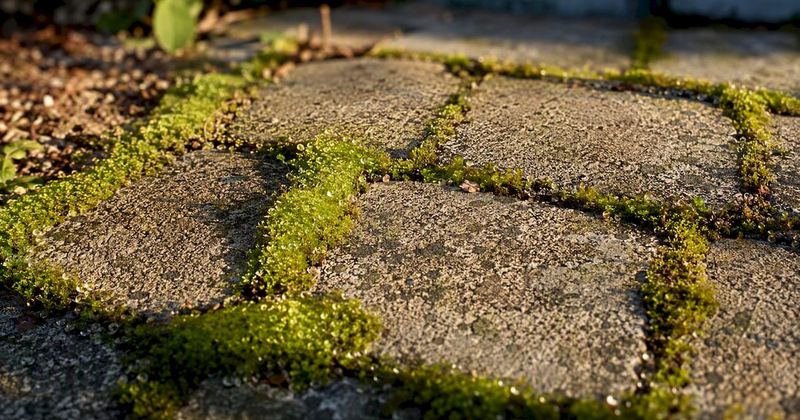
Moss does not show up by accident. It moves in where life is easy, and a cool, damp, shady patio is about as cozy as it gets.
Virginia Cooperative Extension points to the usual suspects for moss in lawns and landscapes: heavy shade, poor drainage, compacted ground, and low airflow. The same conditions apply to hardscapes.
Pavers under a big tree canopy or along the north side of a house may stay wet for days after rain.
Humidity plays a role, too. Summers across much of the state are warm and muggy, and frequent thunderstorms keep surfaces from drying.
Coastal areas and shaded mountain valleys often see even more green buildup.
Look closely at where moss grows thickest on your patio. Is it the low corner where puddles sit?
The strip beside a downspout? The spot that gets almost no afternoon sun?
Those patterns are clues. If you only clean the moss without changing the conditions, it usually returns within a season or two.
For what it is worth, a little moss in a shady garden path can look lovely. The goal is simply a patio that is safe to walk on.
A Stiff Broom And More Sunlight Keep Moss From Coming Back
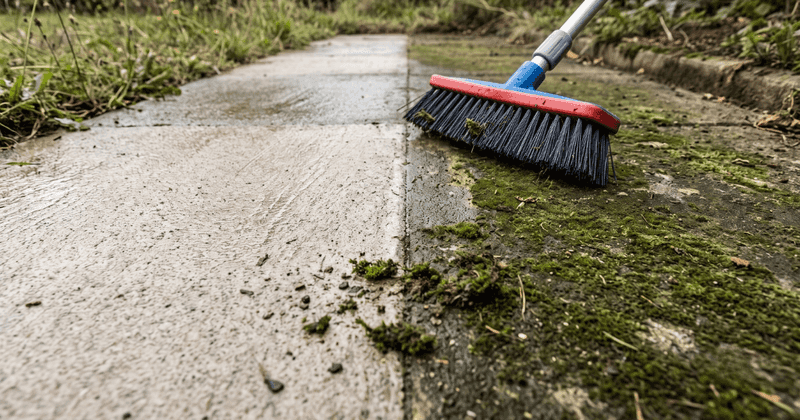
My garden taught me that the best moss treatment is a patio moss simply cannot enjoy. A few small habits make a bigger difference than any powder or spray.
Sweep regularly, especially in fall. Wet oak and maple leaves trap moisture against pavers and give spores a perfect place to settle.
A quick weekly sweep keeps surfaces drying faster after rain.
Let in more light. Thinning a few low tree limbs or trimming crowded shrubs around the patio boosts sun and airflow.
Late winter is a good time for many trees, though it pays to check timing for your specific species.
Fix the soggy spots. Point downspouts away from the patio, clear clogged gutters, and refill paver joints with fresh polymeric or regular sand where gaps hold water.
Low corners may need regrading if puddles linger.
Keep a box of baking soda on hand for touch-ups. Treating a small new patch early takes five minutes, while a full green carpet can take a weekend.
Put all of that together, and your patio stays dry, safe, and ready for evening iced tea. Not bad for a dollar and a little elbow grease.