The Pennsylvania Evergreens That Give Mourning Doves Winter Shelter
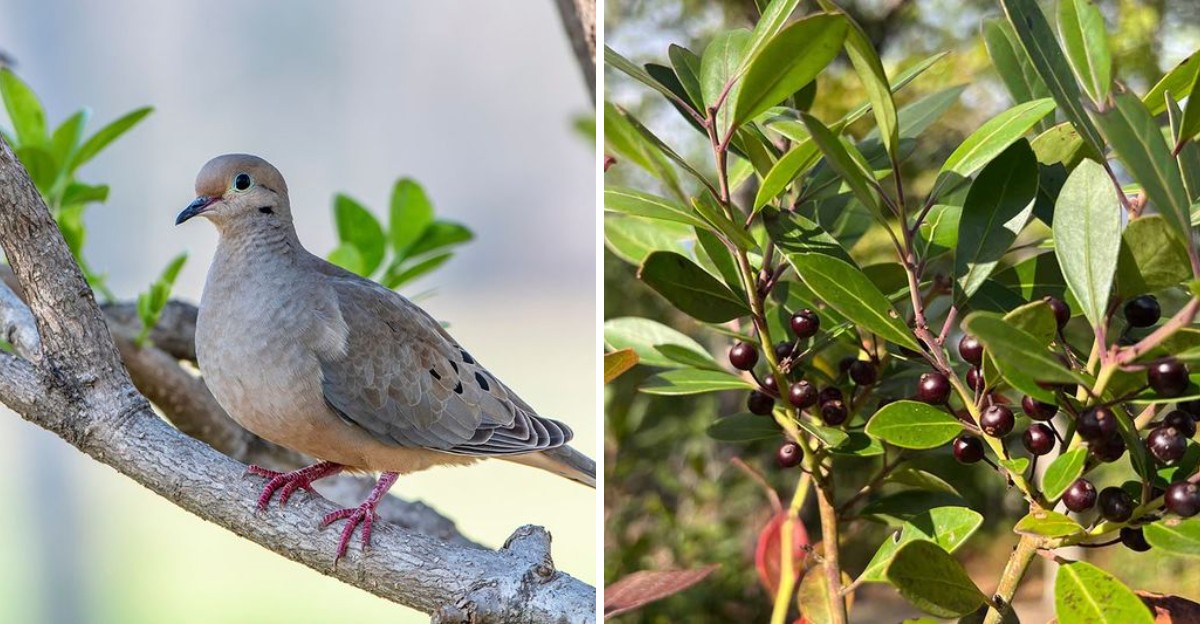
Mourning doves in snowy northern states sometimes lose toes to frostbite, a hard winter detail I learned from Cornell. Those soft gray birds still stay in Pennsylvania all winter, cooing from backyard feeders when most songbirds go quiet.
So where do they hide when sleet blows sideways and the thermometer drops into single digits overnight? Believe it or not, they often roost in thick green branches that block wind and hold body heat close.
I used to walk right past the scraggly trees along my fence, until I spotted six doves tucked inside. You might notice the same thing in your own yard, especially on bitter mornings after a heavy snowfall.
The right native plants can turn a plain Pennsylvania lot into a cozy winter hotel for these gentle birds. So which green giants and tidy shrubs deserve a spot in your yard before the next cold snap arrives?
1. Eastern Red Cedar
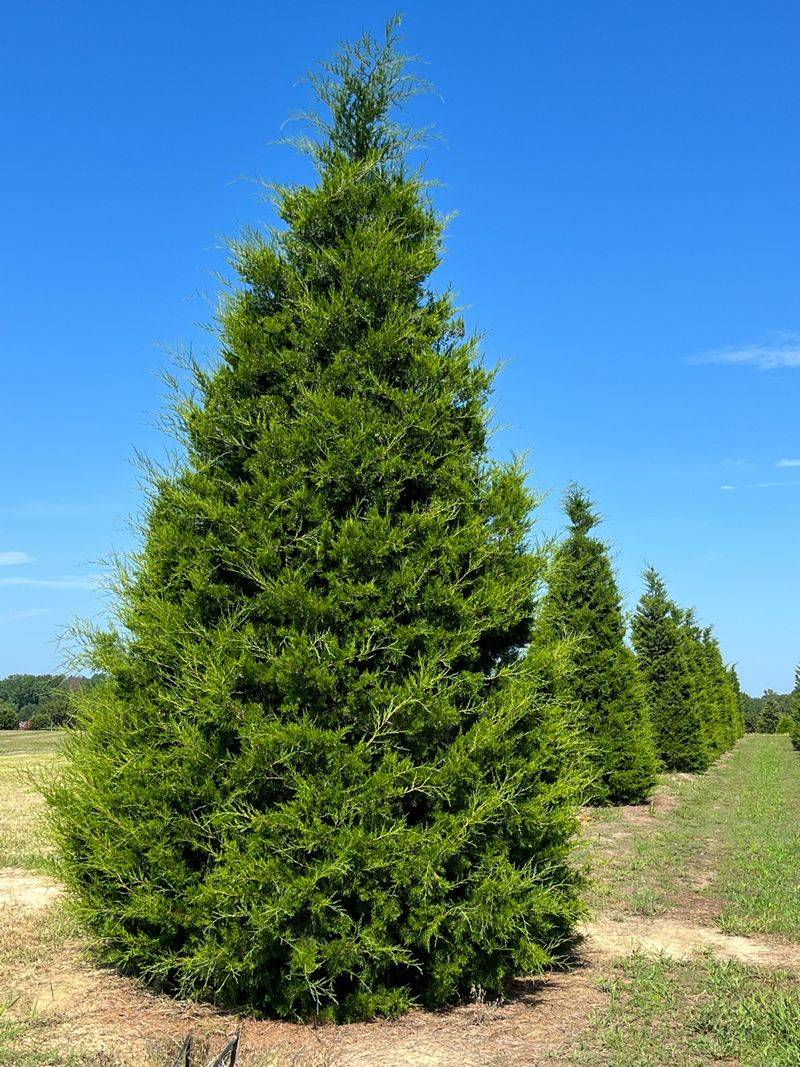
Old farm fences across the East often sprout rows of scruffy cedars, planted for free by birds dropping seeds. I love that a tree started by a passing bird ends up sheltering so many more birds later.
Eastern red cedar, or Juniperus virginiana, is actually a juniper with scratchy, tightly packed foliage that stays green through winter.
Mourning doves slip into that prickly tangle at dusk, where gusty wind and prowling hawks have a harder time reaching them.
Female trees carry dusty blue cones that look exactly like berries, and they feed waxwings, bluebirds and robins. Doves mostly eat seeds from the ground, so they visit cedars for cover and nesting spots more than snacks.
You can grow this tough native in zones 3 through 9, so it handles every corner of the state easily. It shrugs off dry, rocky soil and roadside conditions, though it needs full sun to stay thick and bushy.
Most trees reach 30 to 40 feet in yards, while a narrow shape keeps them tidy along property lines.
Personally, I like planting a short row of three or more, because grouped cedars make a much warmer windbreak.
One caution matters if you grow apples or crabapples nearby, since cedars host a fungus called cedar-apple rust. The orange jelly galls look alarming in spring, but they rarely harm the cedar itself in any serious way.
Plant young cedars in early fall or spring, and water them weekly through their first full summer. After that, they mostly take care of themselves while the doves quietly move in each winter.
2. Eastern White Pine
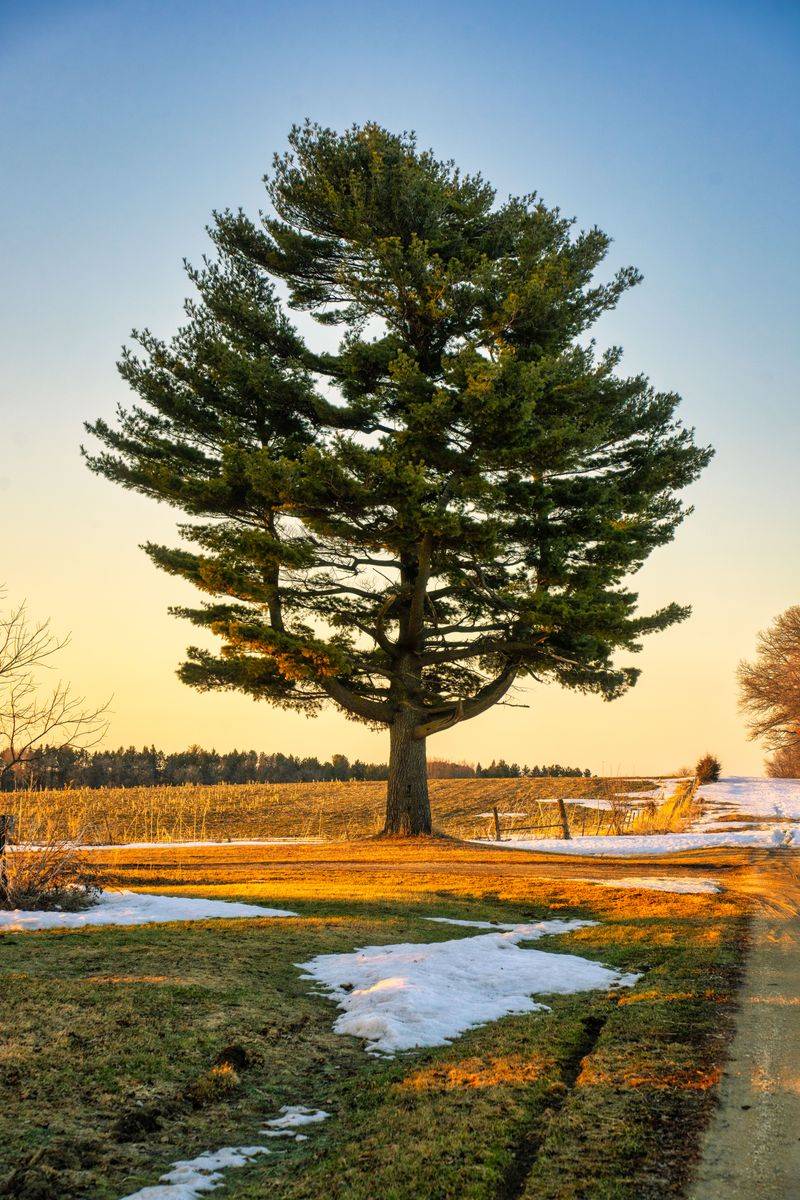
Run your hand along a white pine branch, and the needles feel more like a soft paintbrush than a pin cushion. Each little bundle holds exactly five needles, which makes this pine one of the easiest trees to identify.
Pinus strobus is the tallest native conifer in the Northeast, and old trees can tower well above 100 feet. In a home landscape, expect a faster grower that often reaches 50 to 80 feet over several decades.
Young white pines keep thick branches all the way down to the ground, which doves find hard to resist. They roost close to the trunk on cold nights, and they sometimes build flimsy stick nests there in early spring.
The long cones drop winged seeds that chickadees, nuthatches and squirrels gather eagerly through fall and early winter.
I have to admit the squirrel traffic around my own pine is half the entertainment on snowy weekend mornings.
Give this tree full sun or light shade and moist, well-drained soil that leans slightly acidic for best growth. It dislikes heavy clay, standing water and road salt spray, so keep it away from busy plowed streets.
Spacing matters too, because a mature pine spreads 20 to 40 feet wide and needs room to stay healthy. You can plant it at a property edge, where it blocks harsh northwest winds for your garden and the birds.
Skip heavy pruning, since lower limbs are exactly where doves hide when snow piles up overnight. A natural shape gives the best shelter, and honestly, it looks more graceful in the winter landscape anyway.
3. Eastern Hemlock
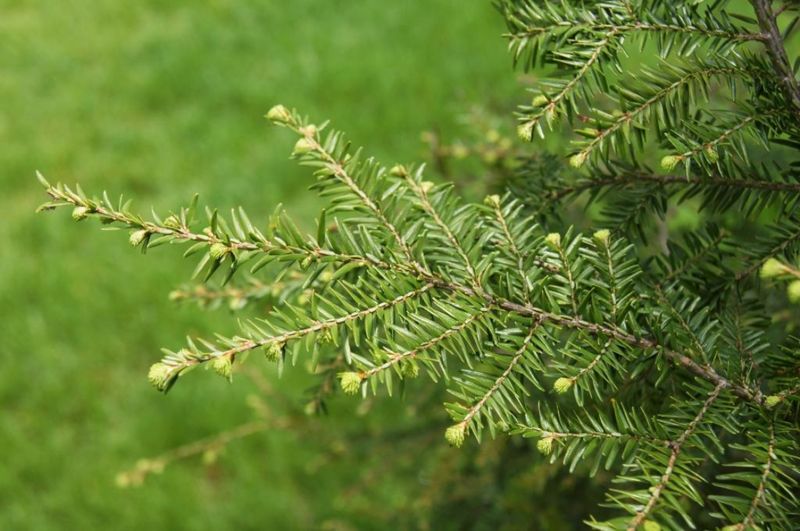
Walk into a hemlock grove on a frigid January afternoon, and the air feels noticeably calmer under those drooping branches.
Lawmakers chose this graceful conifer as the official Pennsylvania state tree back in 1931, and it suits the role.
Tsuga canadensis has short, flat needles with two thin white stripes underneath, and the tiny cones look like brown buttons.
Its layered boughs catch snow above while leaving pockets of sheltered space underneath for roosting birds.
Doves, juncos and owls all use hemlock cover during storms, since the dense canopy cuts wind far better than bare trees. I truly believe a single healthy hemlock can feel like a warm porch for every bird in the neighborhood.
This tree loves cool, moist, acidic soil and grows happily in partial shade, unlike most sun-hungry evergreens. It struggles in hot, dry, exposed spots, so a north-facing slope or shady corner gives it a real advantage.
Hemlocks face a serious threat from the hemlock woolly adelgid, a tiny invasive insect from Asia that sucks sap. Look for white cottony tufts under the twigs in late winter, then call an arborist or extension office quickly.
Treatments using systemic insecticides or helpful predator beetles can protect valuable Pennsylvania yard trees for many years with regular care.
Penn State Extension offers clear guidance on timing, so you can choose a safe approach for your own property.
You can also prune hemlocks into a dense hedge, which still gives doves a snug place out of the wind. Shearing lightly in early summer keeps the screen thick from top to bottom.
4. American Holly
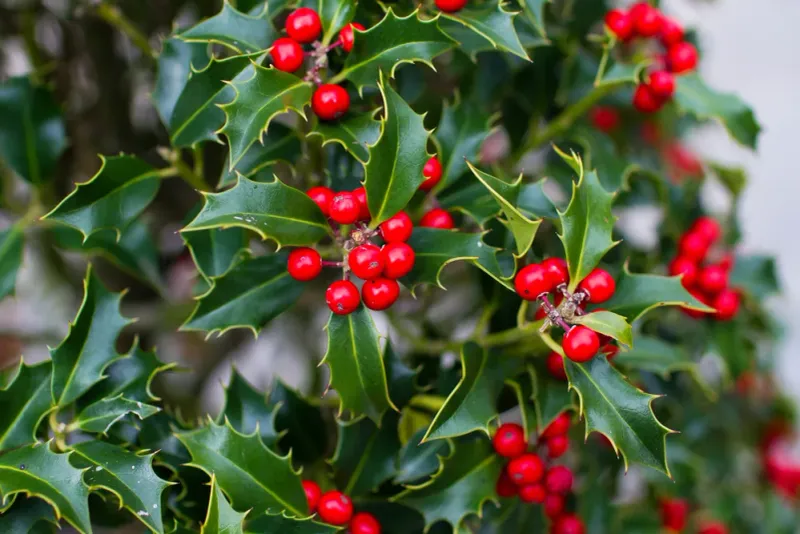
Prickly leaves might seem rude to visitors, yet those spines are exactly why small birds feel so safe inside a holly. A hungry cat or Cooper’s hawk thinks twice before pushing into that sharp, glossy wall.
American holly, known as Ilex opaca, is a native broadleaf evergreen that grows wild in the southeastern part of our state. It thrives in zones 5 through 9, so colder mountain towns should choose a sheltered planting spot.
Bright red berries ripen in fall and often hang on well into winter, feeding robins, mockingbirds and cedar waxwings.
Doves rarely eat the fruit, but they happily tuck into the thick, pyramid-shaped branches during icy weather.
You need both a male and a female plant for berries, because only the females produce fruit after pollination.
One male planted within a few hundred feet can usually serve several female trees nearby without any trouble.
Hollies prefer moist, well-drained, slightly acidic soil and full sun to partial shade for the heaviest berry crops. I mix shredded leaves into the planting hole, since this tree loves rich, woodsy soil similar to forest floors.
Expect slow growth, usually reaching 15 to 30 feet tall in a typical backyard over many years. Patience pays off, though, because an older holly becomes a thick green fortress that wildlife visits every single season.
Deer usually avoid the spiny foliage, which is a huge relief for Pennsylvania gardeners tired of nibbled shrubs. Wear sturdy gloves when pruning, because fallen leaves stay sharp long after they drop onto the lawn.
5. Inkberry Holly
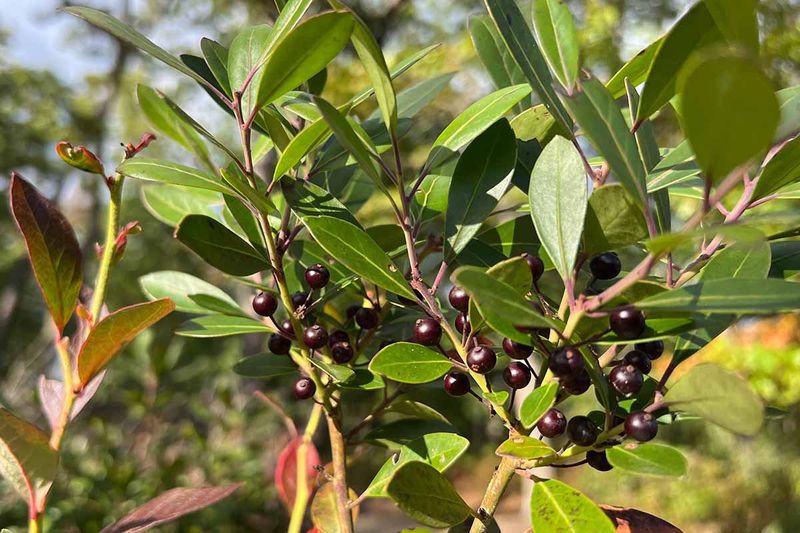
Nobody warned me that a holly could be soft enough to brush past without wincing, but inkberry proved me wrong. Its small, smooth leaves look almost like boxwood, minus the spines and many of the pest headaches.
Ilex glabra is a native shrub of the eastern coastal plain, and it grows well in zones 4 through 9. Most plants stay 5 to 8 feet tall, though compact cultivars like Shamrock remain closer to 3 or 4 feet.
Doves love feeding on the ground, so low evergreen shrubs near feeders give them a quick escape route. When a hawk swoops overhead, they can dart under the inkberry instead of flying across an open lawn.
Female plants carry small black berries that often hang on into late winter, offering backup food for hungry songbirds. As with other hollies, you need a male nearby, since only females make the dark, ink-colored fruit.
You’ll love how easy this shrub is, because it handles wet soil that would leave many evergreens sulking. It prefers acidic ground and full sun to partial shade, and it fits nicely in rain gardens or soggy corners.
Older plants sometimes get leggy at the base, losing leaves near the ground where doves like to hide. A light trim in early spring, or cutting a few old stems low, encourages fresh, dense growth again.
Plant several in a loose cluster rather than a single neat line for better bird cover. Personally, I place mine about ten feet from the feeder, which feels close enough for safety and comfort.
6. Rosebay Rhododendron
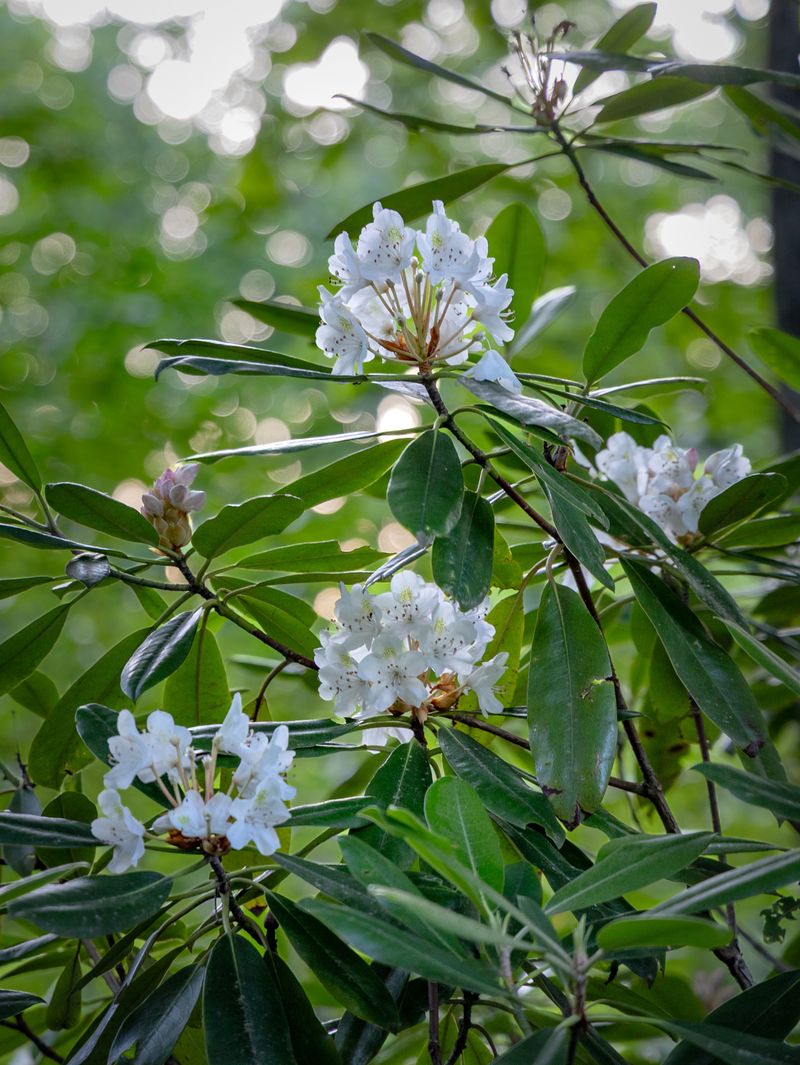
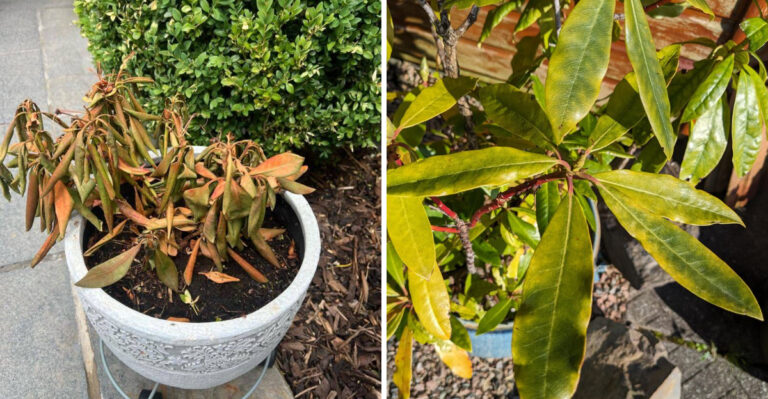
Some gardeners check the weather app, but I glance at my rhododendron leaves on frosty mornings instead.
When temperatures plunge well below freezing, the big leathery leaves curl into tight tubes and droop toward the ground.
Scientists think this curling helps protect the leaves from cold damage and drying winter winds, though research continues.
Either way, it makes rosebay rhododendron a fun natural thermometer you can watch right from your kitchen window.
Rhododendron maximum is the largest native rhododendron in the East, often forming wild thickets along shady mountain streams. In yards, it typically grows 10 to 15 feet tall and spreads just as wide over time.
Those tangled branches and broad leaves create sheltered hollows where doves and other birds can escape snow and wind.
Ruffed grouse and deer also seek out these thickets in the wild, which shows how valuable the cover becomes.
Pale pink or white flower clusters open in early summer, a bit later than most garden rhododendrons in our area. Bumblebees will crowd those blooms next season, so the plant keeps earning its place long after winter ends.
Give this shrub moist, acidic, well-drained soil with plenty of organic matter and shade from harsh afternoon sun.
Its roots stay shallow, so a two to three inch layer of shredded bark mulch keeps them cool and moist.
All parts of the plant are toxic to people, pets and livestock if eaten, so plan placement carefully. Deer usually leave it alone, although very hungry herds may still browse the leaves during a tough winter.
7. Mountain Laurel
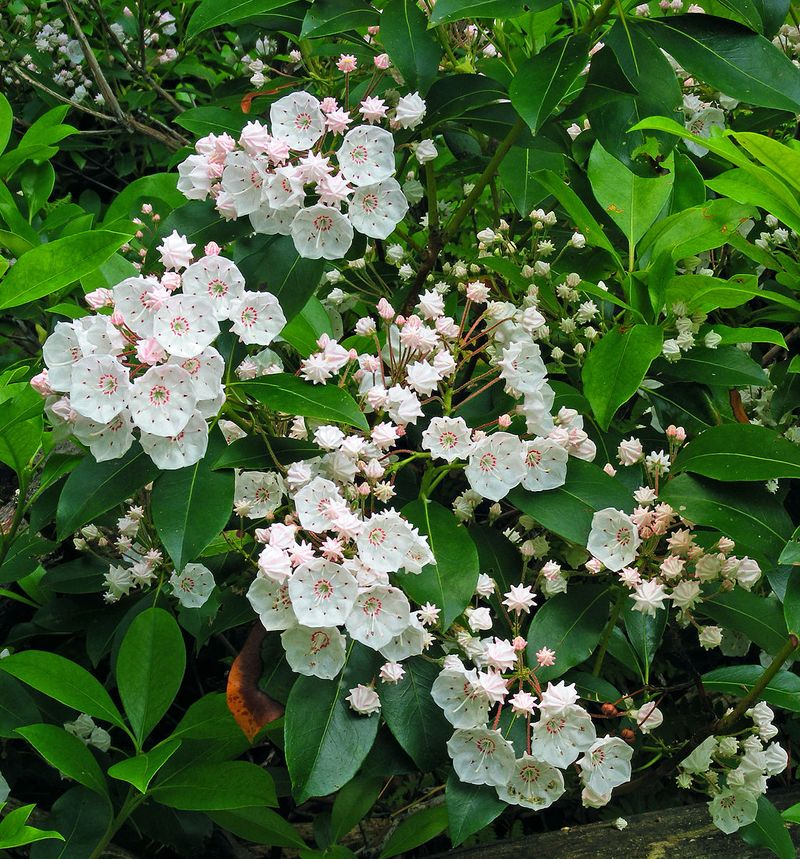
Here’s a fun twist about the official state flower of Pennsylvania, chosen in 1933 after a lively debate among lawmakers. Its blossoms have springy stamens that snap pollen onto visiting bees like tiny catapults.
Kalmia latifolia is a native broadleaf evergreen that blankets rocky hillsides and forest edges across much of the state. Garden plants usually reach 5 to 15 feet tall, with twisting stems that grow wonderfully dense with age.
That thick, shrubby frame stays leafy all winter, giving doves a low hideout close to their favorite ground feeding spots.
I like watching them shuffle under my laurels after scattering millet, since they feel safer with cover nearby.
Laurel is not a food source for doves, and the leaves are toxic to people, pets and livestock. Its real value comes from structure, so think of it as a sturdy windbreak rather than a winter snack bar.
Plant it in acidic, well-drained soil with partial shade, since harsh afternoon sun can scorch the glossy leaves. Heavy clay or soggy ground causes root problems, so raise the planting area slightly if drainage seems slow.
Late spring brings clusters of pink or white cup-shaped flowers dotted with tiny purple markings inside each bloom.
Snip off faded flower heads afterward, and the shrub puts more energy into fresh leaves for next winter.
Pair laurel beneath taller pines or hemlocks to create layered cover from the ground up through the canopy. Doves can then hop between levels as weather shifts, and your yard becomes a far more welcoming winter refuge.