Covering Georgia Vegetable Beds With Black Tarps In November Can Reduce Spring Weeds
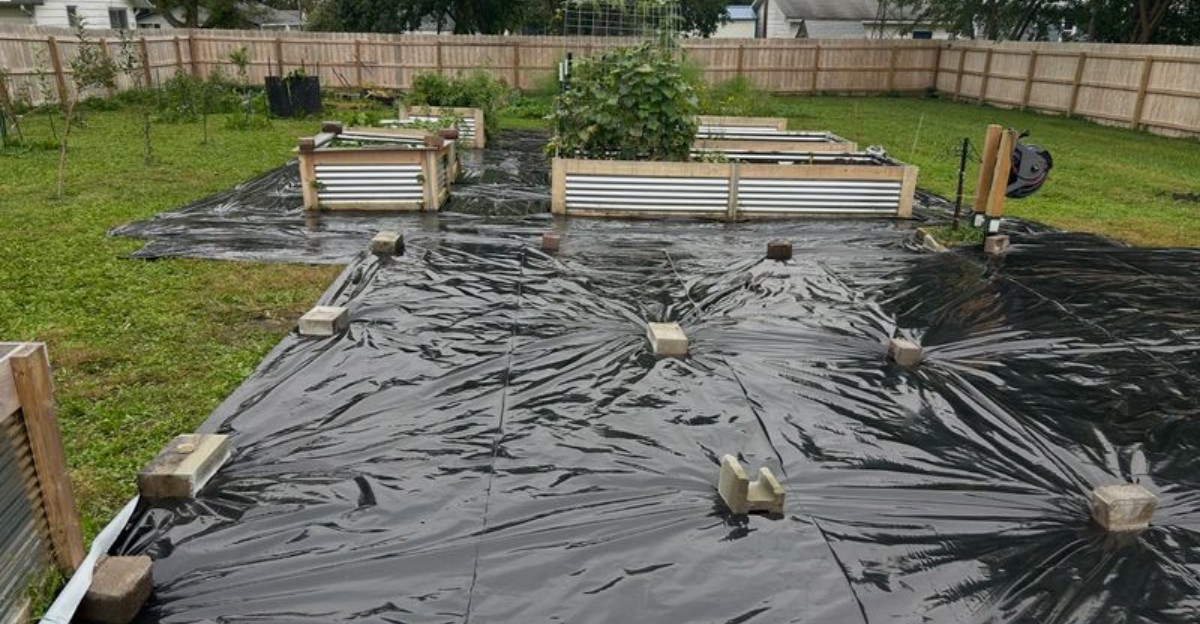
Weed seeds can sit in garden soil for years, waiting for one ray of light to wake them up. Researchers call that hidden stash the weed seed bank, and it is huge.
I used to think my spring weeding marathon was just bad luck. It turns out a lot of that mess was planted long before I ever touched a trowel.
Researchers have studied ways to reduce weeds without relying on chemicals. In Georgia, our mild winters give this trick plenty of time to work.
You need nothing fancy, just a sheet of plastic, a few heavy rocks, and some patience. The hardest part is walking past a covered bed for months without peeking.
While you’re busy with holiday plans, something useful could be happening beneath that covered bed, and it might change how you prepare your garden for spring.
1. Something Sneaky Happens Under A Black Garden Tarp
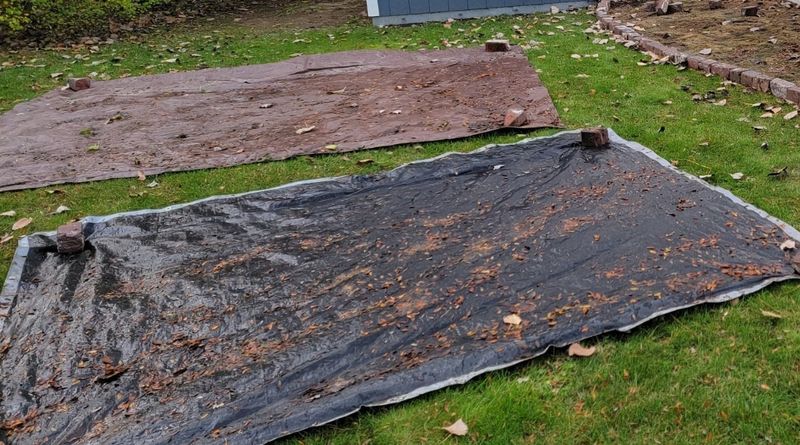
Lift a corner of a black tarp after a few weeks, and you might spot pale, yellow sprouts lying flat on the soil. Those are weed seedlings that woke up and found no sunlight waiting for them.
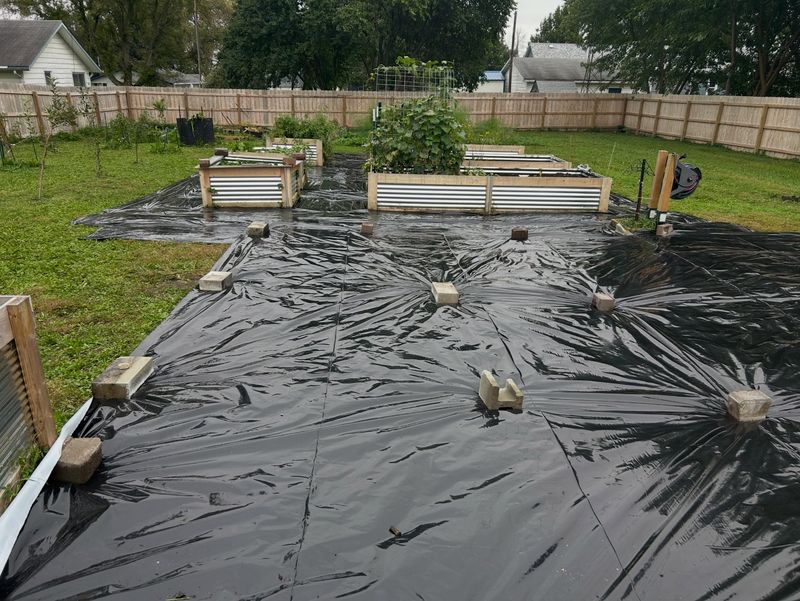
Growers call this method occultation. The dark plastic traps warmth and moisture, which convinces many weed seeds that spring has arrived.
They germinate, use up their stored energy, and then fail because they cannot make food without light.
I love how this flips the usual battle. Instead of fighting weeds in April, you let them sprout under a cover and fade away in winter.
Cornell University researchers studied tarps on vegetable beds and found far fewer weeds after tarps stayed down for about three weeks or longer. Each seed that sprouts under the plastic is one less seed left to bother you later.
The effect works best on annual weeds, the quick sprouters that grow from seed each year. Think chickweed, henbit, crabgrass, and pigweed.
Over time, you are shrinking the stash of seeds hiding in your top few inches of soil.
It is a slow, quiet process. Still, it feels a little like getting paid for doing nothing.
2. November Gives Your Tarped Beds A Long Head Start
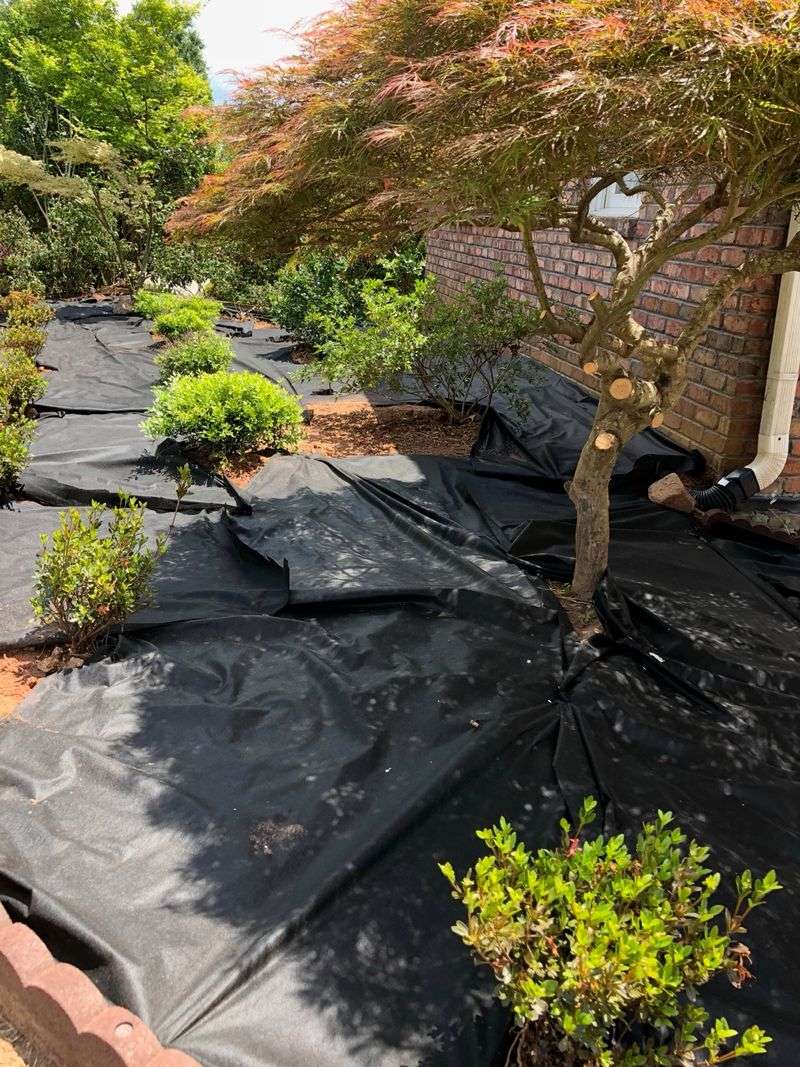
Timing is the secret ingredient here. Laying tarps in November gives them roughly three to four months of work before most Georgia spring planting begins.
Our state has a long, mild cool season. In much of Georgia, especially the Piedmont and Coastal Plain, soil rarely freezes hard for long, so some weed seeds keep sprouting on warm winter days.
A tarp catches those flushes as they happen.
Winter annual weeds like henbit, chickweed, and annual bluegrass usually sprout in fall. Covering in November helps smother many of them while they are still small and weak.
There is a practical bonus too. Your summer crops are usually finished by then, and the beds would otherwise sit bare.
Bare soil invites weeds, washes away in heavy rain, and loses nutrients.
If you live in the north Georgia mountains, spring planting comes later, so your tarp can stay on even longer. South Georgia gardeners may plant earlier and pull tarps sooner.
Personally, I think of November tarping as tucking the garden into bed. You clean up, cover it, and let winter handle the rest.
By late February or March, you will be glad you did.
3. Thick Silage Tarps Beat That Flimsy Blue Garage Tarp
My first attempt used a cheap blue tarp, and it shredded into confetti by January. Lesson learned the hard way.
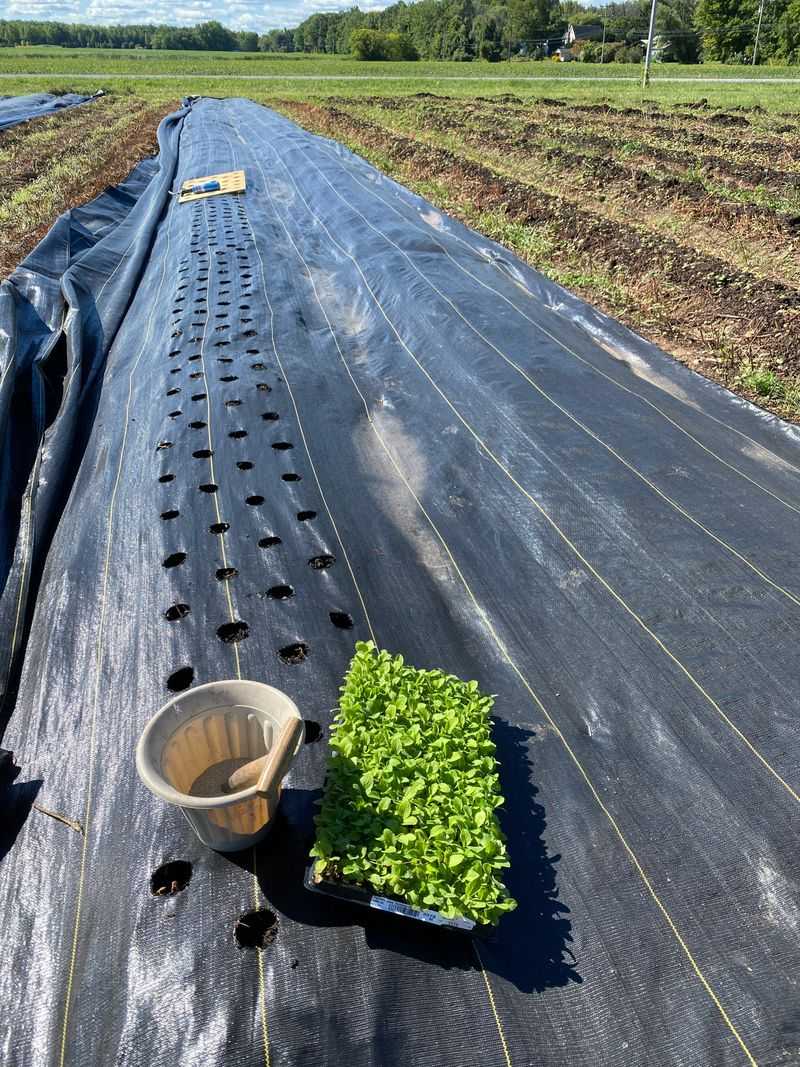
Most market growers recommend a UV-stabilized silage tarp, usually about 5 to 6 mil thick. Farmers use these to cover feed piles, so they handle sun and rain for several seasons.
Many gardeners report getting five years or more from one.
The color matters. You want plastic that blocks light fully, so black or black on one side and white on the other works well.
Put the black side up during cool months to soak up a bit of warmth.
Clear plastic is a different tool. It is used for soil solarization in hot summer weather, which UGA Extension describes for heating soil.
In November, clear plastic lets light through and can actually help weeds grow.
Landscape fabric is another option, but it lets some light and water pass. It is helpful in paths, though less effective for full darkness.
Size your tarp a bit bigger than the bed. Extra edges give you room to weigh it down.
You can cut one large silage tarp into pieces for several beds.
4. Cut Back Old Tomato Vines Before The Tarp Goes Down
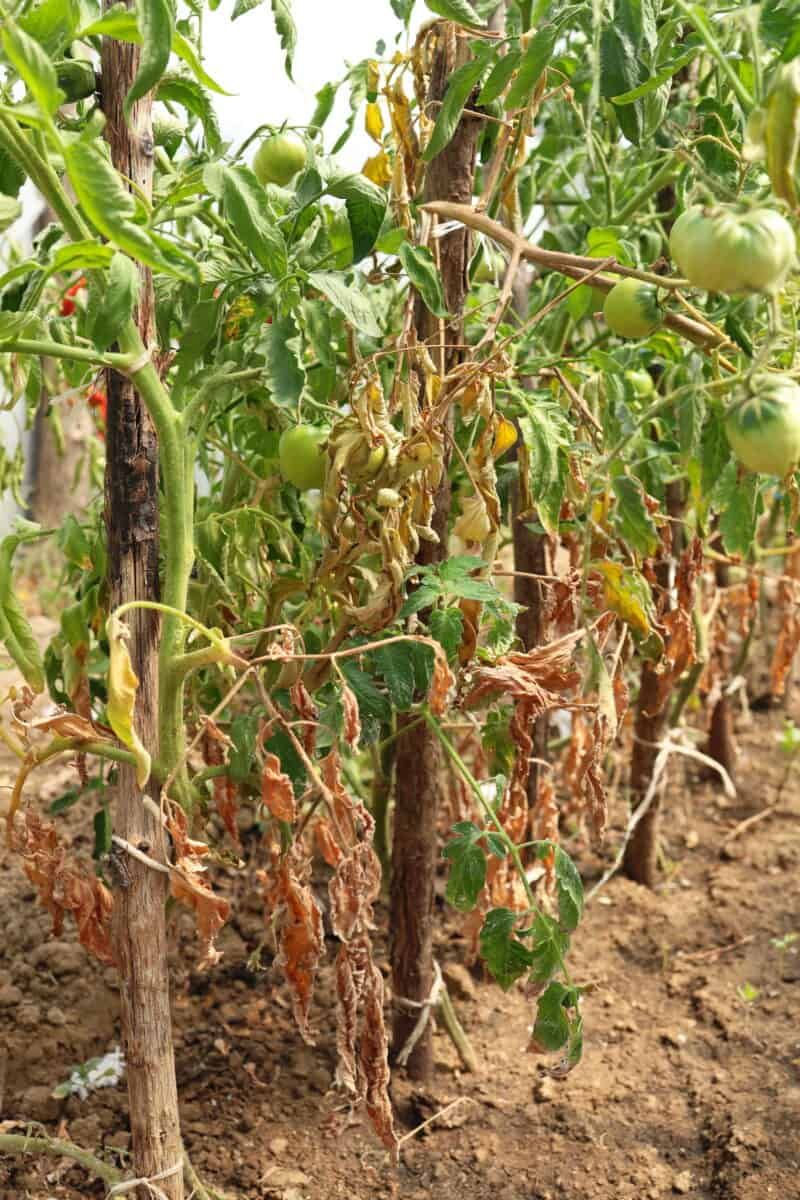
A little cleanup first makes a big difference. Tall, woody stalks hold the tarp up like tent poles, and light sneaks in underneath.
Start by pulling or cutting old tomato, pepper, and okra plants. Trim tall weeds down close to the soil.
Soft, chopped plant bits can stay on the surface, since worms and soil life break them down under the cover.
Remove any plants showing disease, like tomato leaves with blight spots. Bag them or toss them in the trash instead of leaving them in the bed.
Next, water the bed well if the soil is dry. Moist soil encourages more weed seeds to sprout under the tarp, which is exactly what you want.
Fall in Georgia can be surprisingly dry, so check before covering.
Some gardeners also spread compost before tarping. That way, the organic matter settles in over winter and is ready for spring planting.
Finally, rake the surface fairly smooth. A flat bed lets the plastic lie snug against the soil.
Fewer air pockets mean fewer spots where weeds can find light.
This prep takes maybe an hour per bed. It pays you back all season.
5. Sandbags On Every Tarp Edge Keep Winter Winds Out
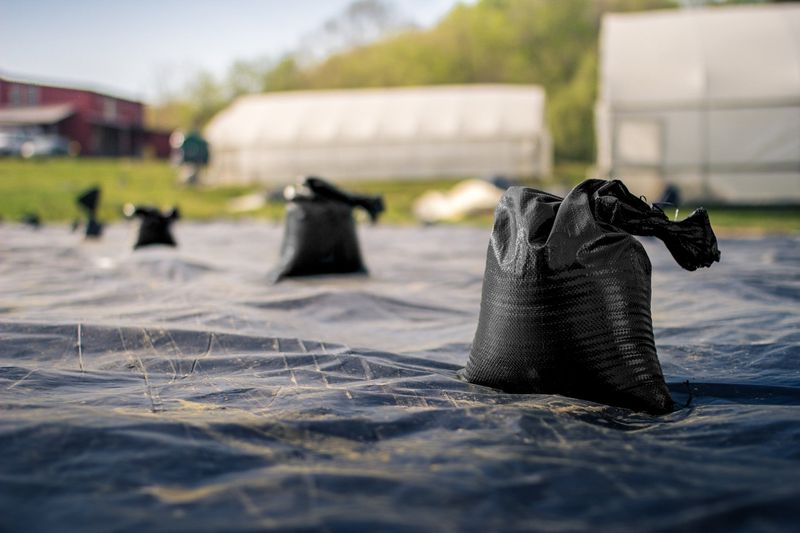
Georgia winter storms can toss a loose tarp clear across the yard. Ask me how I know.
Weigh down every edge and corner well. Sandbags are my favorite because they mold to the ground and rarely puncture the plastic.
Cinder blocks, bricks, logs, and smooth rocks work fine too.
Many growers also bury the edges in a shallow trench and pile soil on top. That seals the sides nicely and keeps wind from lifting the plastic like a sail.
Avoid sharp rocks or tools that can tear holes. Every hole lets light through, and weeds will happily pop up right under it.
If you use more than one tarp, overlap them by at least a foot. Set weights along the seam so no gap opens up.
Plan for puddles. Water collects in low spots on top of the tarp, which is mostly fine, but heavy pools can stretch the plastic.
Some growers poke a few tiny drain holes in the lowest spots, accepting a small weed tradeoff.
Walk your beds after big storms. A two-minute check and a quick reweighting keep the darkness steady all winter long.
6. Stubborn Nutsedge And Bermudagrass Need More Than One Winter
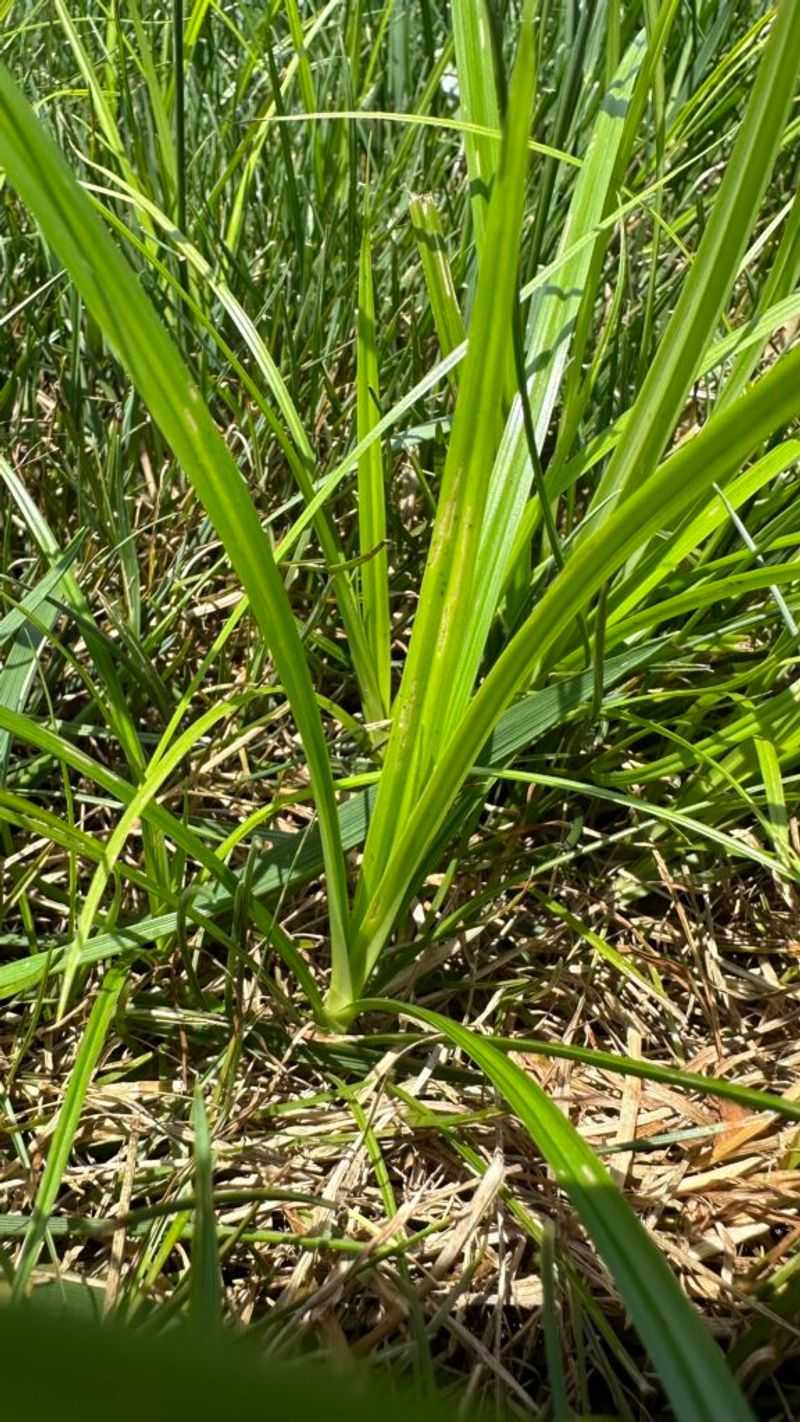
Honesty time. A tarp is great at handling annual weeds, but some Georgia troublemakers are tougher.
Nutsedge, often called nutgrass, grows from small underground tubers. Bermudagrass spreads with runners above and below ground.
Both store plenty of energy, so a few months of darkness may weaken them without clearing them out.
Research and grower experience suggest perennial weeds often need longer tarping, sometimes through a full season or more. Even then, some shoots may poke up once the tarp comes off.
Weakened sprouts are much easier to pull, though. Dig them out early, getting as much of the tuber or root as you can.
Steady follow-up over a few seasons usually brings these weeds under control.
Bermudagrass also likes to creep in from lawns and paths. A tarp cannot stop runners sneaking under the edges.
A buried edging strip or a regularly edged border helps a lot.
Spotty results do not mean the method failed. Your bed is still starting spring with far fewer seedlings than an uncovered one.
I treat tarping as round one. Hand weeding and mulch handle round two.
7. Earthworms Under The Tarp Quietly Improve Your Soil
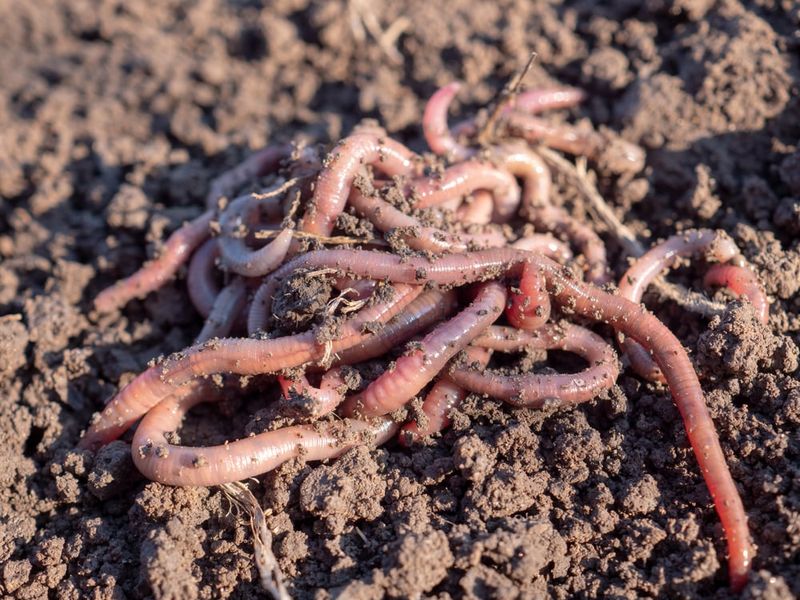
Peel back a tarp in late winter, and you often find earthworms wriggling near the surface. They love that dark, damp shelter.
Worms and soil microbes keep working under the plastic, breaking down old roots and leftover plant bits. That activity adds organic matter and helps build a loose, crumbly texture.
Tarps also shield bare soil from pounding rain. Georgia’s red clay can crust and wash away fast in winter storms.
A cover reduces erosion and helps keep nutrients from leaching out.
Soil moisture tends to stay steadier too, since less water evaporates. Come spring, your beds are often ready to plant sooner after a wet stretch.
Tarping fits nicely with no-till gardening. Less digging protects fungal networks and soil structure that plants rely on.
There is one watch-out. Tarps can shelter voles, slugs, and fire ants in some yards.
Check under the edges now and then, especially near lawns.
Also keep in mind that a tarp is not a cover crop. Crimson clover or cereal rye add roots and nutrients that plastic cannot.
Some gardeners alternate, tarping some beds and planting cover crops in others.
8. Pull The Tarp And Plant Without Tilling This Spring
Rolling back the tarp is the fun part. A clean, dark bed waiting for seedlings feels like a gift from your November self.
Resist the urge to till. Turning the soil drags buried weed seeds up to the light, undoing a lot of your winter progress.
Instead, rake the surface lightly and plant right in.
Uncover a week or two before planting. That gives the soil time to breathe and lets you spot and pull any leftover sprouts.
Cool-season crops like lettuce, spinach, and peas can go in first, while tomatoes wait until after your local last frost date.
Shake or sweep the tarp clean, let it dry, and roll it up. Stored out of the sun, it will be ready for next fall or a quick summer bed change.
Mulch soon after planting. Straw, shredded leaves, or pine straw help keep new weed seeds from settling in.
Your county UGA Extension office can share local planting dates and soil testing kits. A soil test in early spring helps you add only what your beds need.
One tarp, one winter, and far fewer weeds. That trade seems pretty fair to me.