Georgia Gardeners Buying Fall Mums May Be Missing Their Chance For A Second Season
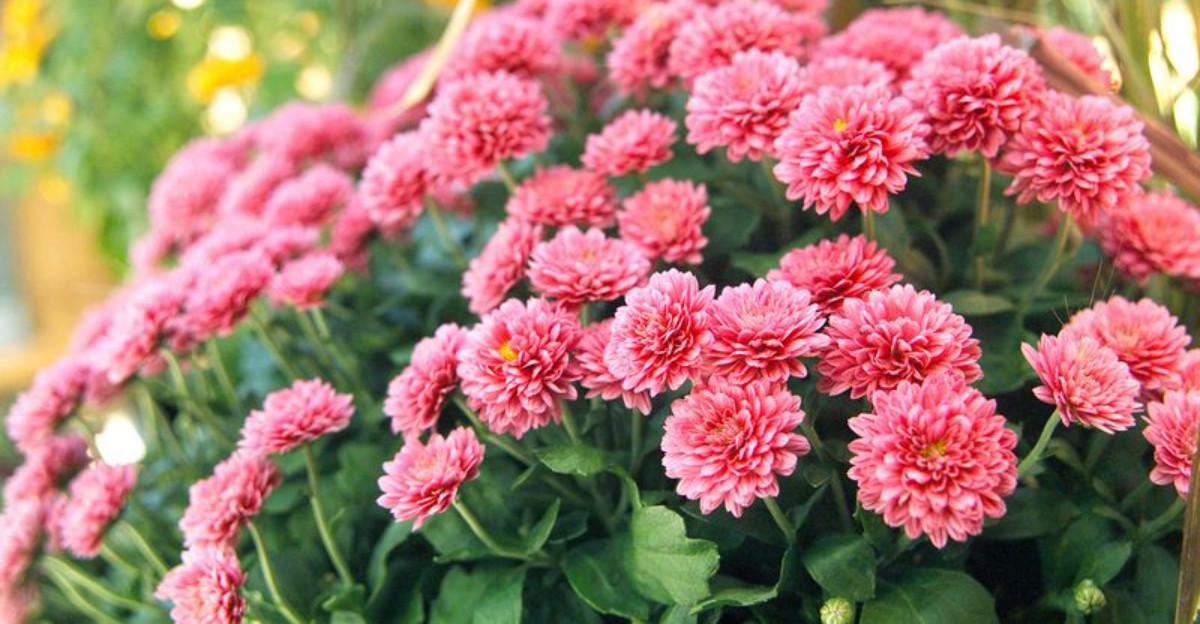
Fall mums can look perfect at the garden center, but bringing them home is only the beginning if you want another season of color.
Many pots are treated like temporary decorations once their flowers fade. That choice can cut short what some mums are capable of doing.
Georgia gardeners have another option when they choose hardy garden mums and get them established outdoors early enough.
Timing matters because roots need a chance to settle into the soil before colder conditions arrive. Plants left in containers too long have less protection around their roots.
Planting depth, drainage, and winter protection also influence how well mums return.
Give the right varieties a stronger start this fall, and those familiar blooms may have another season ahead.
1. Those Colorful Fall Pots Do Not Have To Be One-Season Decorations

Tossing a healthy mum in October might be the most common fall gardening habit around. Most of those plants were grown to bloom fast and look good in a pot, but some of them can live on.
Hardy garden mums planted in the ground early enough for roots to establish before winter have a real chance of coming back.
Potted mums usually arrive root-bound, with roots circling tightly inside a small container. Left on a porch, they dry out quickly and face cold snaps with very little protection.
Getting them into a garden bed changes that situation in a big way.
Across much of Georgia, winters are mild enough that a well-rooted mum can make it through to spring. Colder spots in the north Georgia mountains bring more risk, so results there can vary from year to year.
Not every plant will return, even with good care. A wet winter, heavy clay, or a weak root system can still cause trouble.
Even so, a planted mum gives you a much better shot than one left sitting in plastic.
Think of the store pot as a starting point rather than the whole story. If the plant is labeled as a garden or hardy mum, it deserves a spot in the soil instead of a trip to the trash can.
2. Garden Mums Have A Better Return Chance Than Florist Types
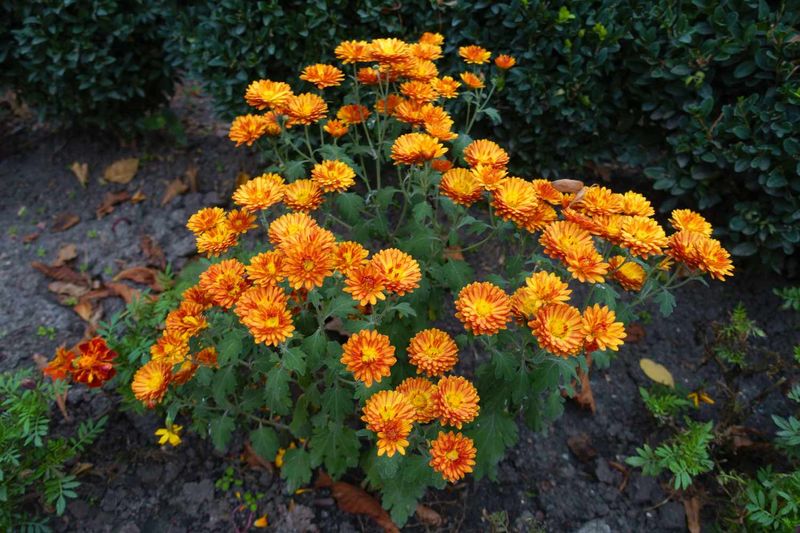
Two mums can look nearly identical on a store shelf and still behave very differently once winter arrives. One is bred for the garden, while the other is mostly meant for indoor display.
Florist mums often come wrapped in foil and sold near the checkout as gift plants.
Those types tend to have large, showy blooms and weaker cold tolerance. They can sometimes survive outdoors in warmer parts of the South, but their chances are usually lower.
Garden mums, sometimes called hardy mums, are the ones you want for planting.
Look at the plant tag before you buy. Words like hardy, garden mum, or a listed cold hardiness zone are good signs.
In Georgia, zones range from roughly 7a in the far north to 9a near the coast. A mum rated for zone 5 or 6 should handle most winters here with room to spare.
Your Georgia Garden Changes Every Week. Your Plan Should Too.
Gardening in Georgia changes quickly throughout the season. Every Friday you’ll receive a simple weekly plan showing exactly what to plant, prune, fertilize, harvest, and protect so you never miss the right timing.
If there is no tag, ask someone at the garden center for help.
Big box stores and local nurseries both sell garden mums, though labeling can be spotty. Plants with lots of tight buds instead of fully open flowers may also settle in more easily, since they spend less energy on blooming right away.
3. Earlier Fall Planting Gives Roots More Time To Settle In
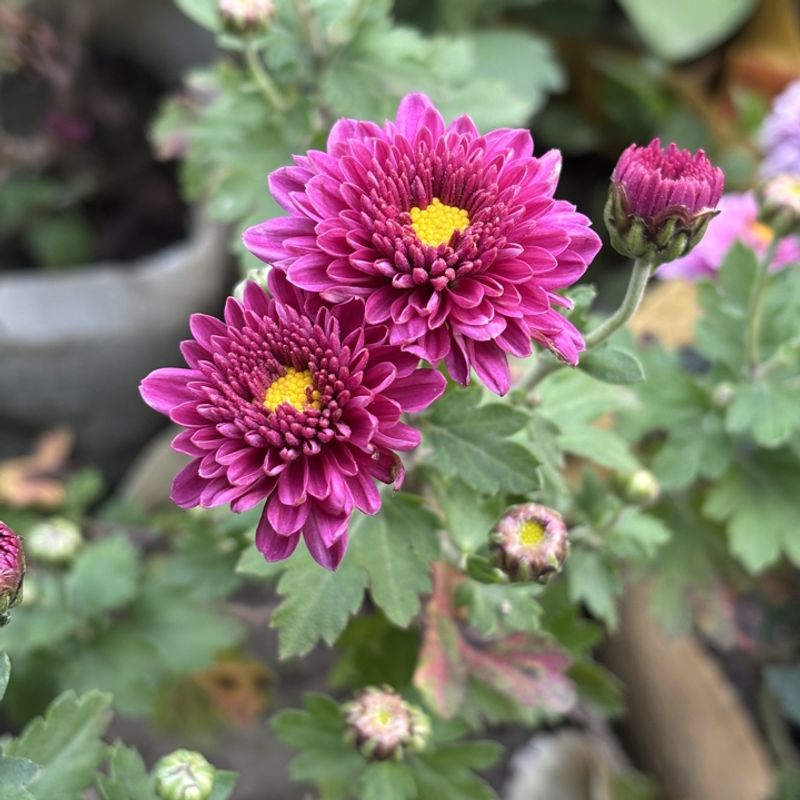
Timing matters more than almost anything else here. A mum planted in early September has weeks of warm soil ahead, while one planted in November has very little time.
Roots keep growing as long as the ground stays reasonably warm, even when the air starts to cool.
Aim to plant at least six weeks before your area usually gets its first hard freeze. That gives new roots a chance to spread out beyond the original root ball.
Georgia gardeners have different timing windows depending on where they live.
Around Atlanta, the first freeze often comes in early to mid November. North Georgia can see frost by late October, while coastal areas may not freeze until December or later.
Check your local frost dates through your county extension office for a better estimate.
Buying early can feel strange when summer heat still lingers in September. Water new plants deeply and often during those warm weeks, since young roots dry out fast.
Late buyers are not out of luck, though their odds are lower.
If you find a great mum in late October, you can still plant it and hope for a mild winter. Some gardeners in colder areas keep late purchases in a protected spot and plant them in spring instead.
4. Choose A Sunny Bed With Soil That Drains Well
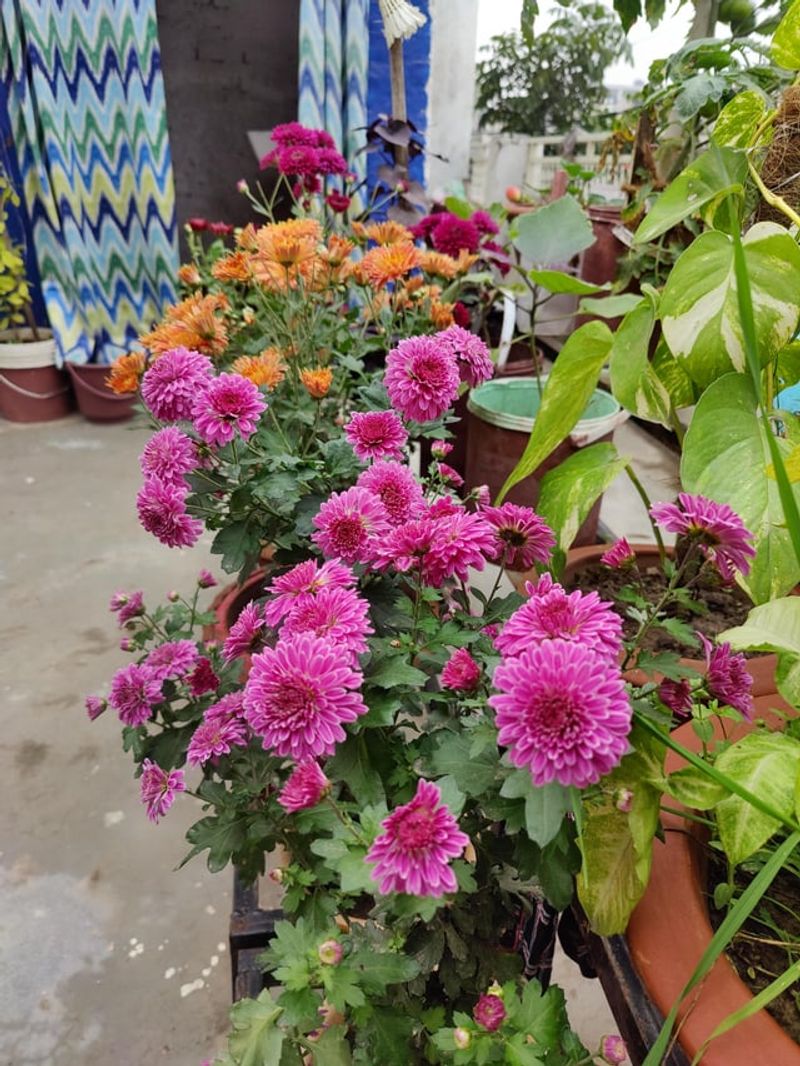
Soggy roots in winter are one of the biggest threats to a mum. Cold alone is often less of a problem than cold soil that stays wet for days.
Pick a spot that gets at least six hours of direct sun each day.
Mums grown in shade tend to stretch out and bloom less. Full sun helps them stay compact and gives them more energy for next year.
Drainage takes a little more thought, especially with Georgia red clay.
Clay holds water for a long time after rain. Mixing in compost or ground pine bark can help loosen it and let extra water move away from the roots.
Raised beds or gently sloped areas are also good choices.
Try a simple test before planting. Dig a hole about a foot deep, fill it with water, and see how long it takes to drain.
If water is still sitting there after several hours, that spot may be too wet for mums.
Avoid low corners of the yard where puddles form after storms. Areas near downspouts can also stay damp longer than you might expect.
A little effort here can make a real difference by spring.
5. Plant The Root Ball Level With The Surrounding Soil
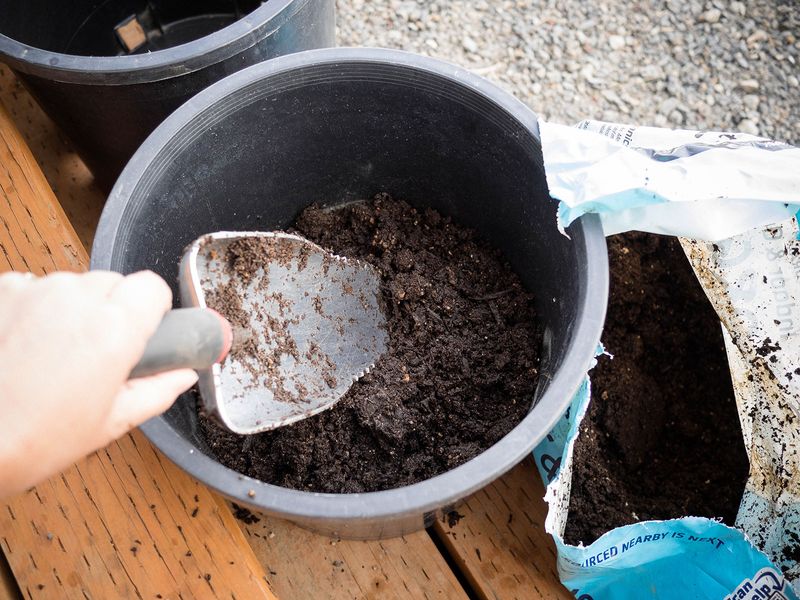
Bury it too deep, and a mum can struggle before it ever gets started. Set it too high, and the roots may dry out in the sun and wind.
Level is the goal, with the top of the root ball even with the ground around it.
Start by digging a hole about twice as wide as the pot but no deeper. A wider hole gives new roots loose soil to grow into.
Next, slide the plant out and check the roots.
Store-bought mums are often packed with circling roots. Gently pull some apart with your fingers or make a few shallow cuts down the sides so they spread outward instead of staying bunched up.
Place the plant in the hole and fill around it with the soil you removed.
Press the soil down lightly with your hands to remove large air pockets. Then water slowly until the area is soaked all the way through.
Spacing helps too, so leave about 18 to 24 inches between plants.
Crowded mums may compete for water and get less airflow, which can raise the risk of disease. In the humid Georgia climate, good airflow is worth planning for from the start.
6. Mulch Helps Protect Newly Planted Roots Through Winter

Pine straw might be one of the most useful things in a winter garden. It is easy to find, cheap, and works well around young perennials.
A layer of mulch helps keep soil temperatures steadier during cold snaps.
Wide swings between freezing nights and warm days can push shallow roots up out of the ground. Mulch reduces that heaving by insulating the soil a bit.
Spread about two to three inches around each plant after the ground starts to cool.
Pine straw is a favorite in Georgia because it stays loose and lets water through. Shredded hardwood or pine bark nuggets also work well.
Keep the mulch a couple of inches away from the base of the stems.
Piling it right against the plant can trap moisture and lead to rot. A small gap lets air move around the crown while the roots stay covered.
Mulch is helpful, but it does not replace good drainage or early planting.
Think of it as extra insurance during a rough winter. In milder years, it may not make a big difference, yet in a hard freeze it can help protect plants that are still settling in.
7. Wait Until Spring Before Cutting Back Winter-Damaged Stems
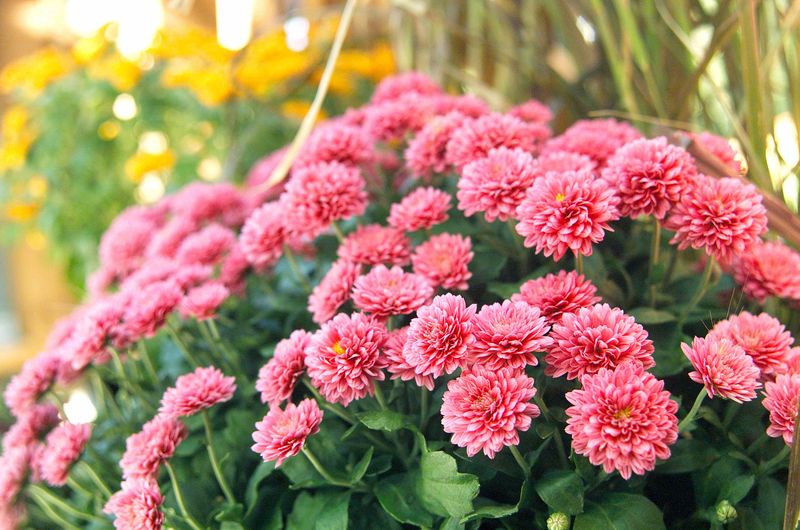
Brown, scraggly mum stems look rough in January. Resist the urge to cut them all down right away.
Old stems can help shield the crown of the plant from cold wind and frost.
Some gardeners prefer to trim in fall, and plants often still do fine. Leaving the stems in place, however, may offer a little extra protection in areas with harder winters.
Watch for new green growth at the base as spring arrives.
In Georgia, that often happens sometime between late February and April, depending on location and weather. Once you see fresh shoots, cut the old stems down close to that new growth.
Not seeing green right away is not a reason to dig the plant up.
Some mums are slow to wake up after a cold winter. Give them until mid spring before deciding whether they made it.
Pinching can help shape your plant for fall blooms.
Pinch the tips of new growth every few weeks until about early July. That encourages a bushier plant with more buds, and with a little luck, you will have a fuller show of color than the year before.