Why You Should Never Cut Hydrangeas Back To The Ground In Fall
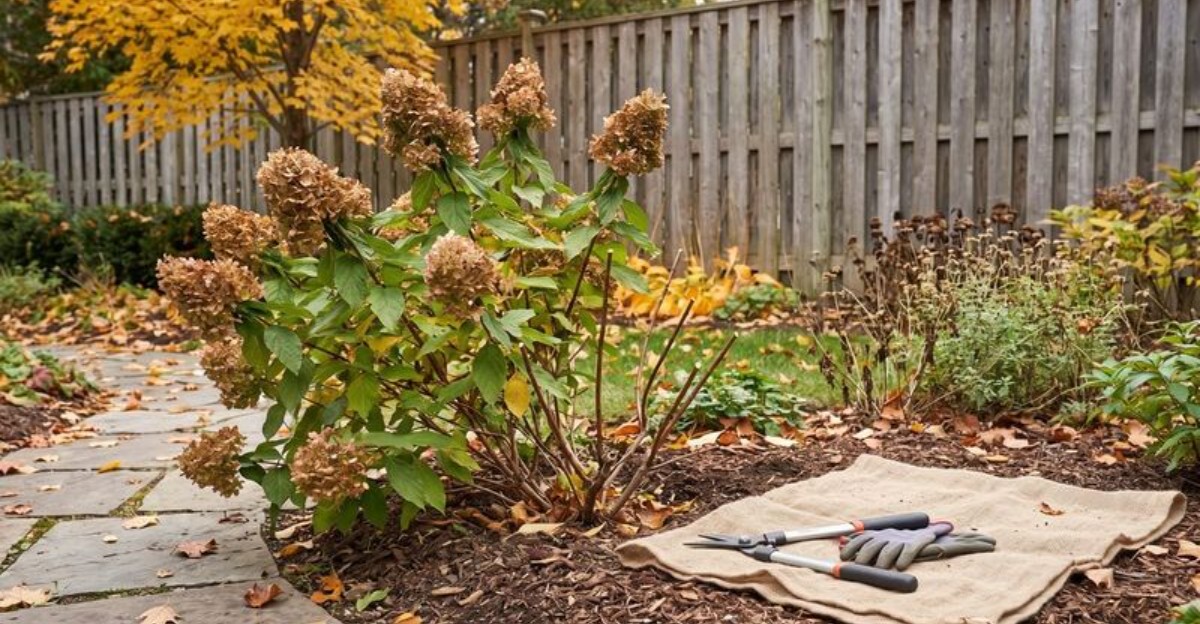
Next summer’s flowers on some shrubs are already tucked inside fat buds by the time autumn leaves start falling. One quick snip with tidy intentions can quietly cancel an entire season of big, colorful blooms.
Bigleaf types, along with oakleaf and mountain varieties, set those buds on last year’s stems during late summer. Other close cousins wait until spring and bloom on fresh growth, which changes the pruning rules a lot.
I skipped my usual autumn cleanup one year, mostly out of laziness, and got the best flower show ever. You build your garden habits slowly, so one small change in timing can feel surprisingly big.
You might notice bare green stems next June or July and wonder where all those big flowers went. So what exactly happens to your shrub when those sharp shears come out too early in the year?
1. Fall Pruning Snips Off Next Year’s Hydrangea Flower Buds
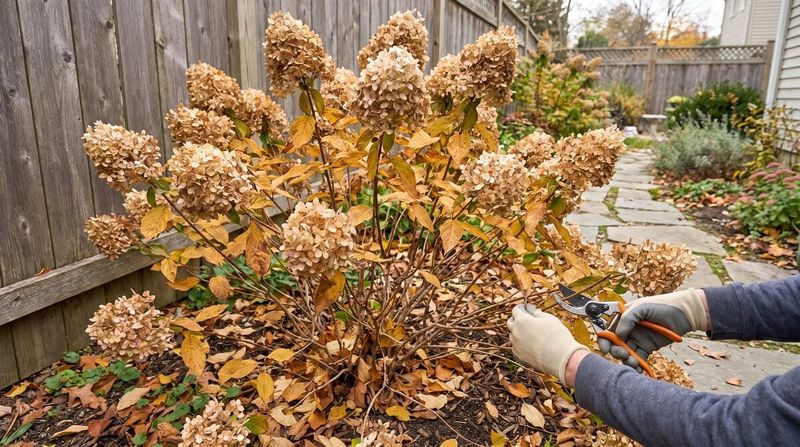
Those chubby little buds sitting near the tips of your bigleaf stems in October hold next summer’s entire flower show. Cut them away now, and you are basically tossing out a gift before you even open it.
Bigleaf, oakleaf, mountain, and climbing hydrangeas all form their flower buds on old wood during late summer and early fall. Those buds rest quietly through winter, then open into blooms once warm weather returns the following year.
I learned this the hard way after a big October trim left me with a leafy green blob all summer. The plant looked healthy and lush, yet not a single flower showed up to brighten my front walk.
Garden experts agree this is the most common reason old-wood hydrangeas skip a bloom season. Pruning in fall, or even late winter, removes buds that the plant cannot easily replace before summer arrives.
So when should you prune these old-wood types instead of waiting for autumn cleanup? The best window is right after flowering finishes in summer, before new buds start forming on the stems.
Faded flower heads can still come off in fall if they bother you, as long as you cut carefully. Snip just above the first set of full leaves below the bloom, leaving the lower buds untouched.
Broken or clearly damaged stems are fine to remove any time of year without hurting your flower count. Keep everything else in place, and let those hidden buds wait patiently for their big moment next summer.
2. Reblooming Bigleaf Hydrangeas Lose Their First Summer Flush
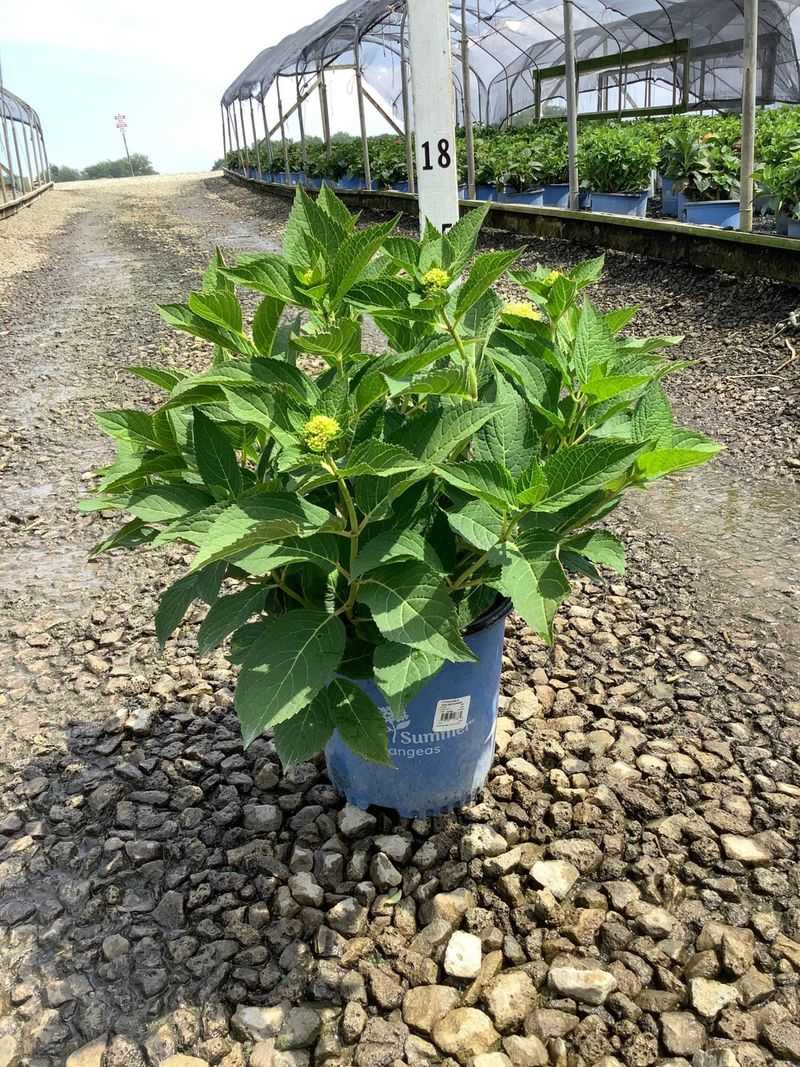
Reblooming hydrangeas sound like a safety net for gardeners who love to prune, but they come with a catch. Their earliest and often fullest wave of flowers still comes from buds set on last year’s stems.
Popular reblooming bigleaf varieties can flower on both old wood and new wood during the same growing season. That flexibility is wonderful, yet the opening show in early summer usually depends heavily on those overwintered buds.
Cutting these shrubs back hard in fall removes that first big flush of color you were probably waiting for. You may still get flowers later in summer, though they often arrive fewer in number and later than expected.
I find that first round of mopheads to be the most exciting moment of the whole gardening year. Watching fat clusters turn blue or pink in June feels like a reward for patience and gentle care.
Treat your reblooming shrub like any other old-wood hydrangea when autumn cleanup fever strikes your yard. Leave the stems standing, and only remove spent flowers just above the first healthy pair of leaves below them.
Spring is a smart time to check stems for winter damage before you make any bigger cuts. Wait until fresh green leaves appear, then trim back only the brown tips that clearly show no new growth.
Reblooming shrubs reward a light hand far more than a heavy one during the cool months. Your patience in fall pays off with two flower waves instead of one smaller, later show next summer.
3. Bare Hydrangea Stems Leave Buds Exposed To Winter Wind
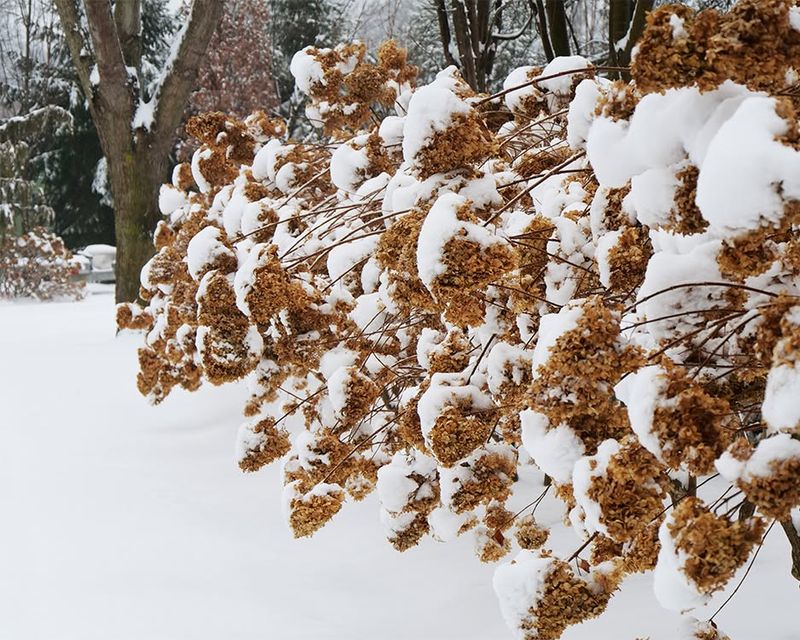
Frosty mornings make those papery old flower heads sparkle like tiny lace umbrellas over the bare branches. They look delicate, yet they quietly help shelter the precious buds hiding further down each stem below.
Uncut stems and dried flower heads act like a light natural blanket for overwintering buds during cold months. Taking them away in fall leaves those tender buds more exposed to harsh frost and drying winter wind.
Bigleaf hydrangea buds are known for being fussy about cold, especially in colder northern gardens with chilly winds. Flower buds often struggle more than the stems themselves, so extra protection can make a real difference next summer.
Honestly, I love having an excuse to do less garden work when the weather turns chilly and gray. Leaving the stems standing feels lazy, but it actually gives the shrub a helpful layer of winter defense.
In colder spots, you can add extra help by piling shredded leaves or mulch around the base. Some gardeners also wrap shrubs loosely with burlap to block harsh winds without trapping too much moisture inside.
Avoid wrapping plants in plastic, since trapped moisture and heat on sunny days can cause more harm than good. Breathable materials let air move freely while still softening the bite of icy winter gusts across your yard.
Remove any covering once hard freezes ease up in spring and new leaves start to show signs of life. Your shrub will thank you with healthier buds ready to burst open when summer finally rolls around again.
4. Late Cuts Push Tender Hydrangea Shoots Before Frost
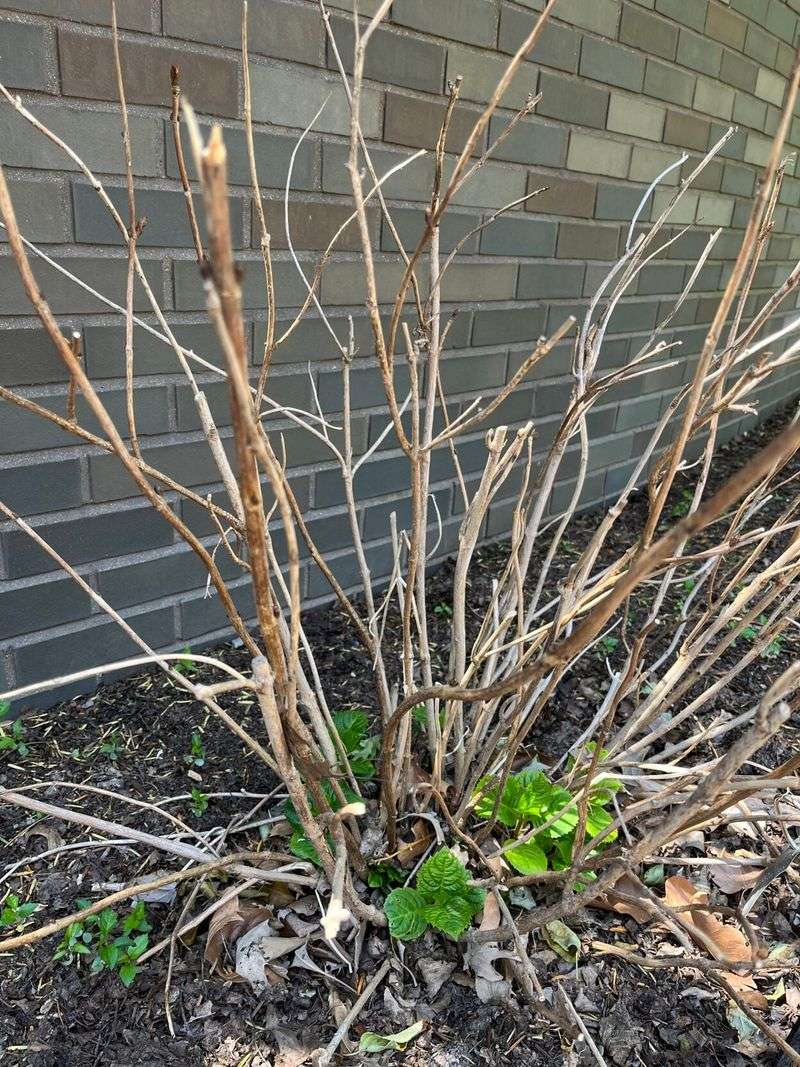
Shrubs respond to a pruning cut by sending out fresh growth, almost like they hear a wake-up call. That reaction works beautifully in spring, but in autumn it can set your hydrangea up for real trouble.
Pruning in fall may encourage soft new shoots to sprout from buds just below each fresh cut. Those tender stems usually lack enough time to toughen up before freezing temperatures arrive in late autumn.
Gardeners call this toughening process hardening off, and plants need several weeks of cooling weather to finish it. Fresh green growth that skips this step is often the first part of the shrub to sustain frost damage.
I once noticed bright little leaves popping out on a hydrangea I trimmed in early October. They looked cheerful for about two weeks, then turned black and mushy after the very first hard frost.
Fertilizer can cause a similar problem, so skip feeding hydrangeas with nitrogen once late summer arrives. Let the plant slow down naturally while shorter days and cooler nights signal that winter rest is coming soon.
Keep watering during dry autumn spells, though, since moist roots handle cold weather better than parched ones. A deep soak every week or two until the ground freezes helps your shrub enter winter in decent shape.
Save any shaping cuts for the right season based on your hydrangea type and its blooming habits. Patience now protects both your stems and your summer flowers from an unwelcome surprise later on.
5. Pruned Hydrangeas Spend Energy Healing Instead Of Resting
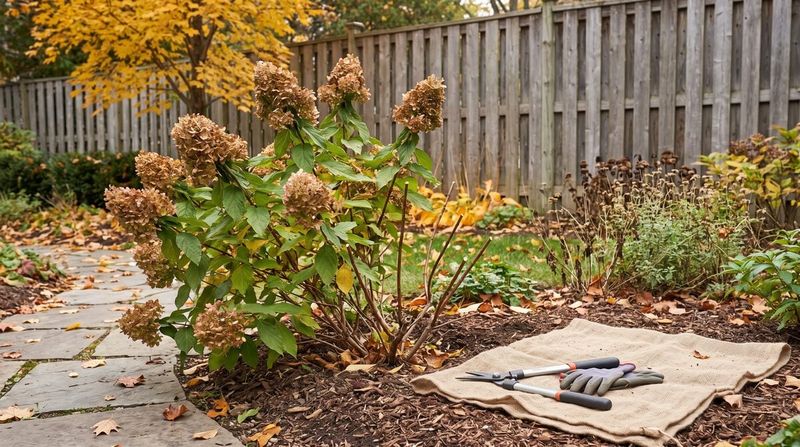
Autumn is nap season for your hydrangea, and a surprise haircut interrupts that well-earned rest in a big way. Plants spend these cooler weeks quietly preparing their stems and buds for the long months ahead.
During fall, shrubs gradually shift their focus toward storing resources and toughening tissues against cold weather. A heavy cutback pulls that effort elsewhere, toward sealing wounds and possibly pushing out weak new growth.
Think of it like getting ready for a long trip, then suddenly being asked to repaint the house. Your shrub can handle both tasks, though neither one gets done as well as it should before winter.
I have come to appreciate how much work goes on in the garden even when nothing seems to change. A quiet hydrangea in October is busy behind the scenes, and it deserves a little peace from us.
Healthy shrubs that rest properly tend to bounce back faster in spring with sturdy stems and strong buds. Stressed plants may leaf out slowly and put more effort into recovery than into producing lovely flowers.
You can support this resting phase by spreading a few inches of mulch around the root zone. Mulch keeps soil temperatures steadier and holds moisture, which helps roots stay comfortable through the chilly months.
Keep the mulch a few inches away from the stems themselves to avoid trapping moisture against the bark. Then simply step back, enjoy the fall colors, and let your shrub settle into its winter routine.
6. Fresh Pruning Wounds Invite Disease Into Hydrangea Stems
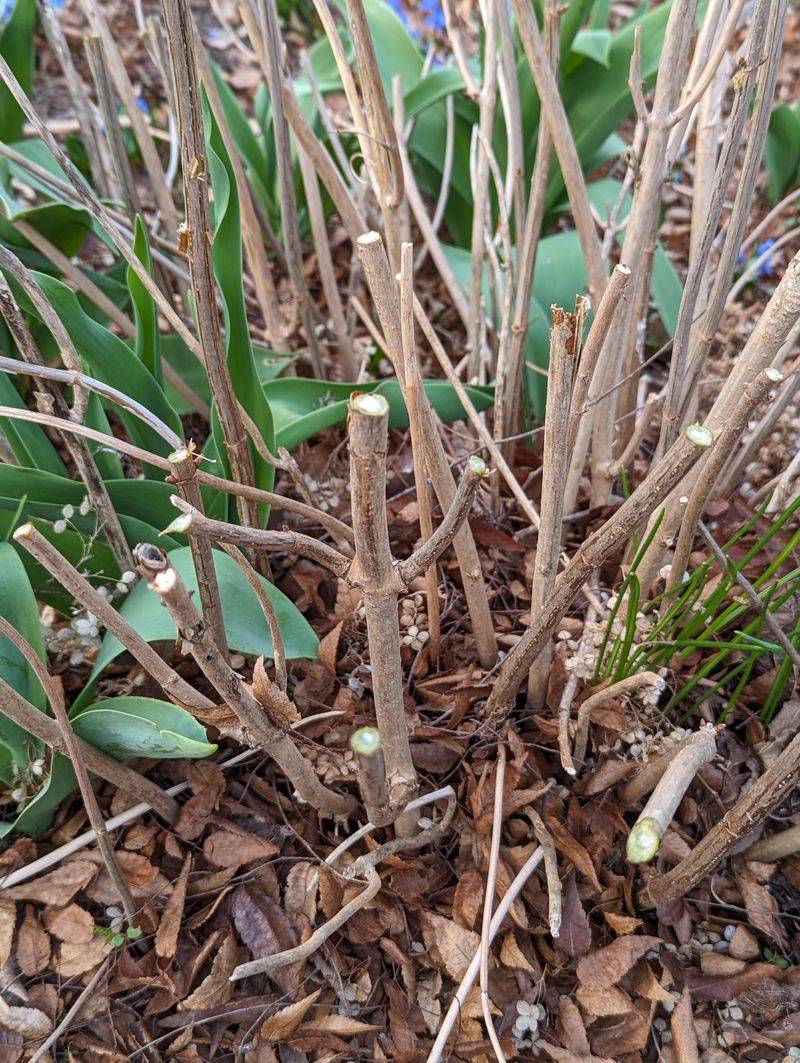
Every cut you make on a shrub is a small open doorway into its stems, at least for a while. In late fall, those doorways may stay open longer than you would like as growth slows down.
Fresh pruning wounds made late in the season may not seal well before cold weather settles in. Open cuts can give fungal diseases and overwintering pests an easier path into the woody tissue of your plant.
Hydrangeas usually heal quickly during active growing months when the plant has plenty of energy to spare. Once growth slows in autumn, that healing process drags, leaving wounds exposed through damp and chilly weeks.
Clean tools make a surprising difference whenever you do need to prune, no matter the season. I wipe my blades with rubbing alcohol between plants, mostly because I once spread leaf spot across my whole bed.
Sharp pruners matter just as much, since dull blades crush stems and create ragged wounds that heal slowly. A clean, smooth cut just above a healthy set of buds gives the plant its best chance to recover.
Broken or diseased stems are an exception, and removing them promptly in any season is usually a smart move. Leaving damaged wood in place can invite more problems than a careful, clean cut made with sanitized tools.
Otherwise, save bigger pruning jobs for the timing that matches your hydrangea type and its bloom habits. Your shrub will heal faster, and you will spend less time worrying about mystery spots on the stems.
7. Dried Hydrangea Flower Heads Lose Their Winter Charm
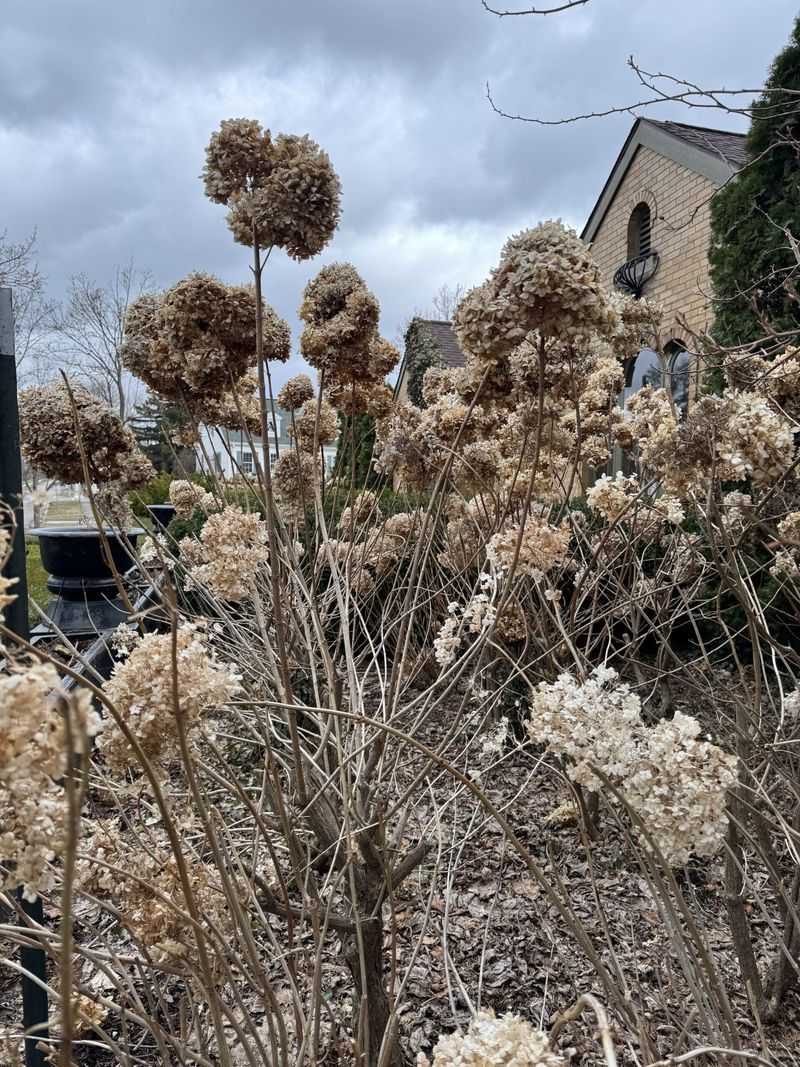
Snow settling on dried hydrangea blooms looks like powdered sugar sprinkled over vintage lace in a quiet garden. That scene disappears the moment you clip every flower head away in a burst of autumn tidiness.
Many hydrangeas hold their papery blooms well into winter, fading to soft shades of tan, rose, and antique green. Those lingering flowers add texture and interest to a landscape that otherwise looks pretty bare from December onward.
Panicle and oakleaf hydrangeas are especially good at this, with cone-shaped clusters that stand tall through cold months. Oakleaf types also offer peeling bark and rich fall leaf color, giving you plenty to admire during gray weather.
My kitchen window faces a row of old mopheads, and their dried blooms make winter mornings far less gloomy. I enjoy watching frost outline each tiny petal, and I honestly miss them when spring cleanup finally arrives.
Birds sometimes perch among the stems, too, using the shrub as a quick resting spot between feeder visits. Leaving some structure in your garden gives small wildlife places to pause during harsh winter weather.
If you love indoor decor, snip a few blooms for vases while still leaving plenty outside for show. Cut only the flower head with a short stem so you avoid removing buds lower down on old-wood types.
Spring is a fine time to clear those faded heads once new leaves begin unfolding below them. Until then, enjoy the free decoration your shrub kindly provides through the coldest stretch of the year.
8. Guessing Your Hydrangea Type Repeats The Same Mistake
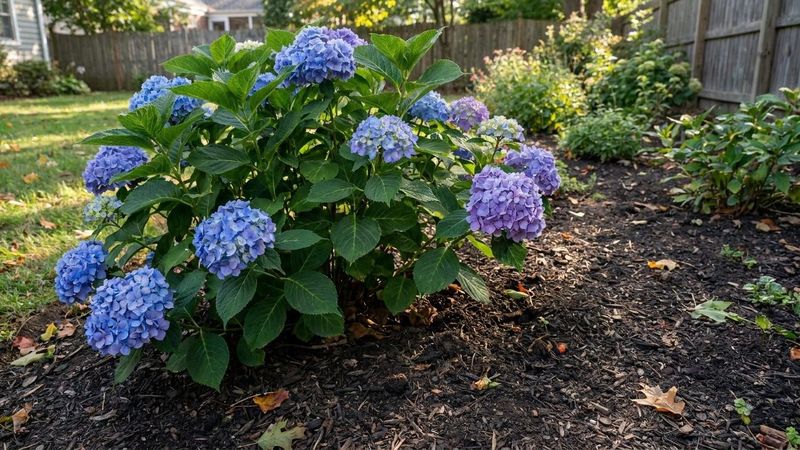
Plenty of gardeners prune every hydrangea in the yard the same way each fall without a second thought. That one-size-fits-all habit is why some shrubs bloom happily while others sulk year after year.
Panicle hydrangeas and smooth hydrangeas bloom on new wood, forming flower buds on stems that grow each spring. These types handle pruning in late fall after dormancy, or in late winter before fresh growth begins.
Bigleaf, oakleaf, mountain, and climbing hydrangeas behave differently, since they set buds on last year’s stems. Pruning these in fall repeats the same flowerless summer, which can leave gardeners puzzled and frustrated for years.
After I tested a simple plant tag system, my pruning confusion mostly disappeared within a single season. I wrote each variety name and bloom type on a label, then tucked it near the base of each shrub.
Not sure which type you have growing in your yard right now? Leaf shape offers clues, since oakleaf types have lobed leaves and panicle types produce cone-shaped flower clusters.
Mophead and lacecap blooms usually point to bigleaf or mountain hydrangeas, which belong in the old-wood group. Smooth hydrangeas, like the popular Annabelle, often show large white rounded blooms on thinner, more flexible stems.
Your local extension office or a trusted nursery can help identify mystery shrubs if you bring a photo. Knowing your plant once means fewer wasted cuts, healthier shrubs, and far more flowers for summers to come.