Will Potted Mums Come Back Next Year If You Plant Them In The Ground This Fall?

Those tidy domes of fall color at the grocery store were often grown in a greenhouse on a strict schedule. Growers trick them into blooming by controlling how many hours of darkness they get each night.
That greenhouse lighting schedule makes them look perfect for your porch, with every bloom opening on cue. It does not always give them the strength to handle the freezing temperatures of January.
I love a fall bargain as much as anyone, and I hate tossing a plant that still looks healthy. Honestly, I would rather give it a shot in the garden than send it to the compost pile in November. You probably feel the same way.
So can that cheerful pot by your front door really return next spring if you tuck it into the soil now? The answer depends on a few things most shoppers overlook. One small label detail might matter more than anything else you do this season.
That Grocery Store Chrysanthemum Might Not Be The Kind That Returns
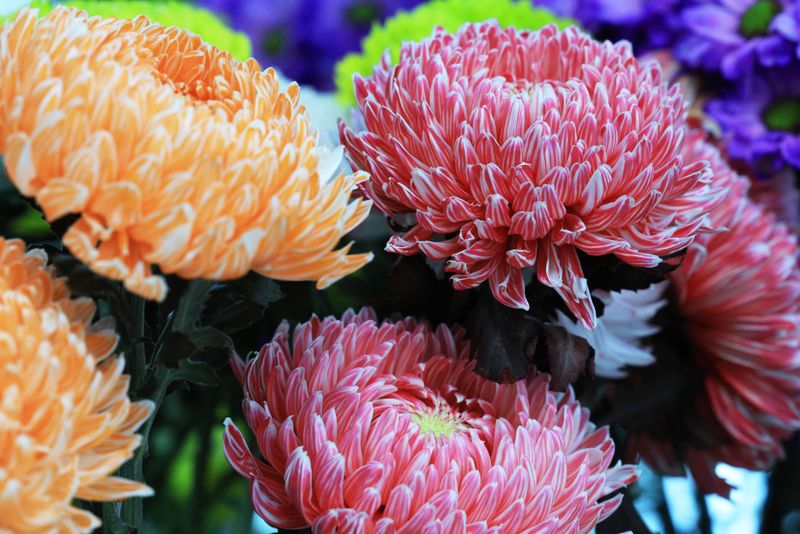
Two mums can look like twins on a store shelf and still behave very differently in your yard. One is often a florist mum, and the other is a garden mum, also called a hardy mum.
Florist mums are bred for big, showy flowers in controlled greenhouses. Many are treated like living bouquets, meant to look amazing for a few weeks and then be replaced. Their roots often stay small, and many are not cold-hardy enough to handle a real winter outdoors.
Garden mums are a different story. They are bred as perennials and are usually hardy in USDA Zones 5 to 9, with some reaching Zone 4. Healthy plants spread with underground runners called stolons, which send up fresh shoots each spring.
So how can you tell which one you bought? Check the plant tag first. Words like hardy mum, garden mum, or perennial are a promising sign.
A foil wrap, a gift tag, or a spot near the checkout flowers often hints at a florist type. Those plants may still squeak through winter in mild southern areas, but their return is a gamble. Knowing which one you have saves you from surprise disappointment next April.
Hardy Mums Planted Early Have The Best Shot At Coming Back

Roots are the whole secret here. A hardy mum needs time to push new roots into garden soil before the ground freezes.
Most experts suggest planting about six weeks before your first hard frost. In colder areas like Zones 5 and 6, that often means late August or early September. Gardeners in Zones 7 to 9 usually have a bit more wiggle room into early fall.
Here is where many of us slip up. We buy mums in October when they are covered in flowers, then plant them a few days before a freeze. A plant in full bloom puts most of its energy into those flowers, so root growth slows down.
A smarter move is to shop early and choose plants with tight buds instead of open blooms. They settle in faster and spend more effort building a strong base.
Bought yours late anyway? Plant it as soon as you can rather than waiting until after the blooms fade. A late start is not hopeless, especially in milder regions.
So yes, potted hardy mums can return after fall planting. Early timing simply tips the odds strongly in your favor.
Soggy Soil Is The Quiet Enemy Of Mum Roots
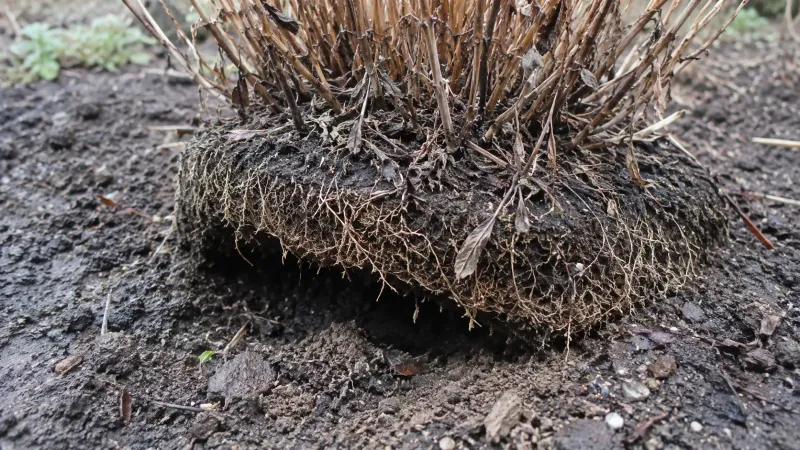
Ask any extension horticulturist what sinks mums over winter, and wet feet will come up fast. Cold soil that stays soggy invites root rot while the plant rests.
Pick a spot with full sun, meaning at least six hours of direct light. Watch out for spots that are bright in fall but shaded in summer once nearby trees leaf out. Mums want steady sun during the growing season to stay sturdy and bloom well.
Drainage matters just as much as light. If your yard has heavy clay, mix in compost or other organic matter before planting. A slightly raised bed can help too.
Dig a hole about twice as wide as the pot and the same depth. Set the plant at the same level it sat in the container, not deeper.
Many store-bought mums come root-bound, with roots circling tightly around the pot. Gently loosen them with your fingers so they can reach out into the new soil.
Skip low corners where rainwater puddles after storms. A little extra care with location now can make the difference between fresh green shoots in spring and an empty patch of mud.
Leave Those Brown Mum Stems Standing Until Spring
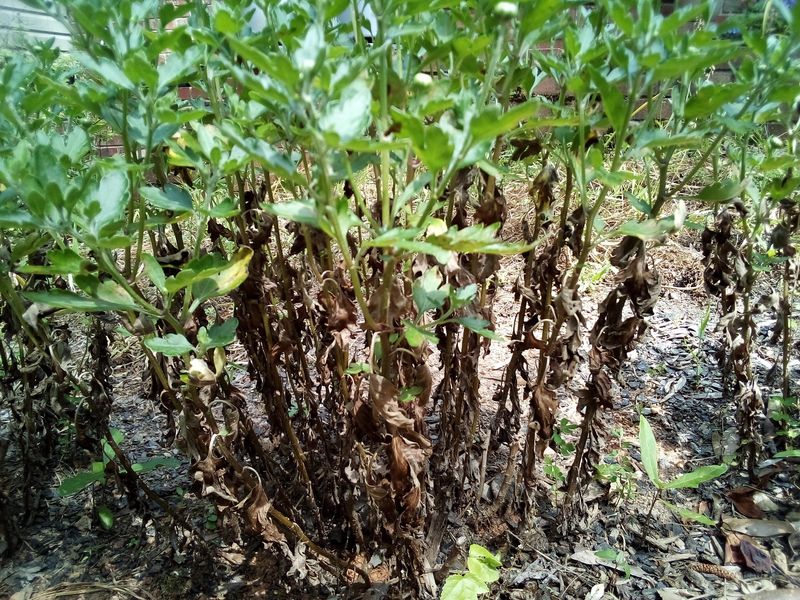
Tidy gardeners, this one might sting a little. Those faded, brown stems look messy in November, but they are doing your mum a favor.
Research and advice from several university extension programs suggest that leaving old stems in place helps plants make it through winter. The stems trap leaves and snow around the crown, adding natural insulation. They also help you remember where your plant lives.
Once the ground has cooled after a hard frost, add about three to four inches of loose mulch around the plant. Pine straw, shredded leaves, or evergreen boughs work nicely. Keep it fluffy so air can still move.
Why bother with mulch at all? Winter often brings freeze and thaw cycles that push shallow-rooted plants up out of the soil. Gardeners call this heaving, and it leaves roots exposed to cold, drying wind.
A good mulch layer keeps soil temperatures steadier and reduces that heaving. Think of it as a cozy quilt rather than a heavy blanket.
In early spring, once new green growth appears at the base, snip off the old stems and pull back some mulch. Your plant will be ready to stretch toward the sun.
A Watering Can Still Matters Before The Ground Freezes

Fall weather fools a lot of us. The air feels cool, so we assume plants need less water, but newly planted mums are still busy growing roots.
Keep watering your fresh transplants regularly until the ground freezes. Aim for soil that feels moist an inch or two down, not muddy. A deep soak once or twice a week usually works better than a quick daily sprinkle.
Dry autumns are especially risky. A plant that heads into winter thirsty is more likely to struggle when cold winds arrive.
Once the soil freezes solid, put the hose away. Established in-ground mums rarely need extra water during deep winter, and too much moisture can lead to rot.
Some folks choose to keep a pot in an unheated garage instead of planting it. That can work in colder zones. Check the soil every few weeks and water lightly, just enough to keep the root ball from drying out.
Skip fertilizer in fall and winter. Feeding now can push tender new growth that cold weather quickly damages. Save the plant food for spring, when your mum wakes up hungry and ready to grow.
Pinching Spring Mum Shoots Gives You A Fuller Fall Show
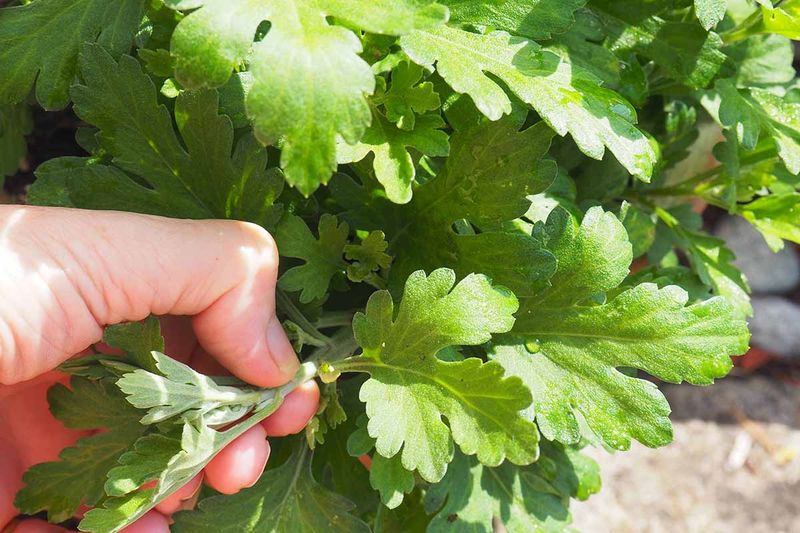
Spring arrives, green shoots pop up, and suddenly you feel like a proud plant parent. Now comes a trick that sounds odd but works beautifully.
When new stems reach about four to six inches tall, pinch off the top inch or so with your fingers. This step, called pinching, encourages the plant to branch out sideways. More branches mean more flower buds later.
Repeat every few weeks as the stems grow another few inches. Most guides suggest stopping by early to mid-July. Pinching later than that can remove the buds you want for autumn color.
Without pinching, overwintered mums often grow tall and floppy. They may split open in the middle or bloom earlier than you expect. Store-bought mums look so round partly because growers pinch them carefully.
Spring is also a great time to divide older clumps. Every two or three years, dig up the plant and replant healthy outer sections. The woody center often weakens with age.
A light feeding with a balanced fertilizer in spring and early summer helps too. With a little hands-on attention, your returning mum can look nearly as tidy as the day you bought it.
Korean And Rubellum Mums Make Coming Back Much Easier

Want a mum that treats winter like a minor inconvenience? Some types have earned a reputation for showing up year after year.
Korean mums and Rubellum mums are favorites among perennial lovers. Many have simple, daisy-like flowers and grow into loose, natural clumps. Popular picks include Sheffield Pink and Clara Curtis, both known for strong cold tolerance in many northern gardens.
Here is a fun bit of history. Chrysanthemums have been grown in China for well over a thousand years, and they became a beloved symbol in Japan too. Gardeners have been breeding them for toughness and beauty for centuries.
When you shop next fall, look for perennial nurseries or garden centers that list hardiness zones on the tag. Ask staff which mums have returned for local customers. Their real-world experience is gold.
Your best plan going forward is simple. Buy true hardy mums early, plant them in sunny, well-drained soil, water until freeze-up, and leave the stems for winter.
Even if this year’s grocery store mum does not return, you will learn something useful. Next season, you can pick a plant built to stick around and enjoy its color for many autumns.