That Moldy Compost Pile in Your New York Backyard Could Send Your Dog Into Seizures
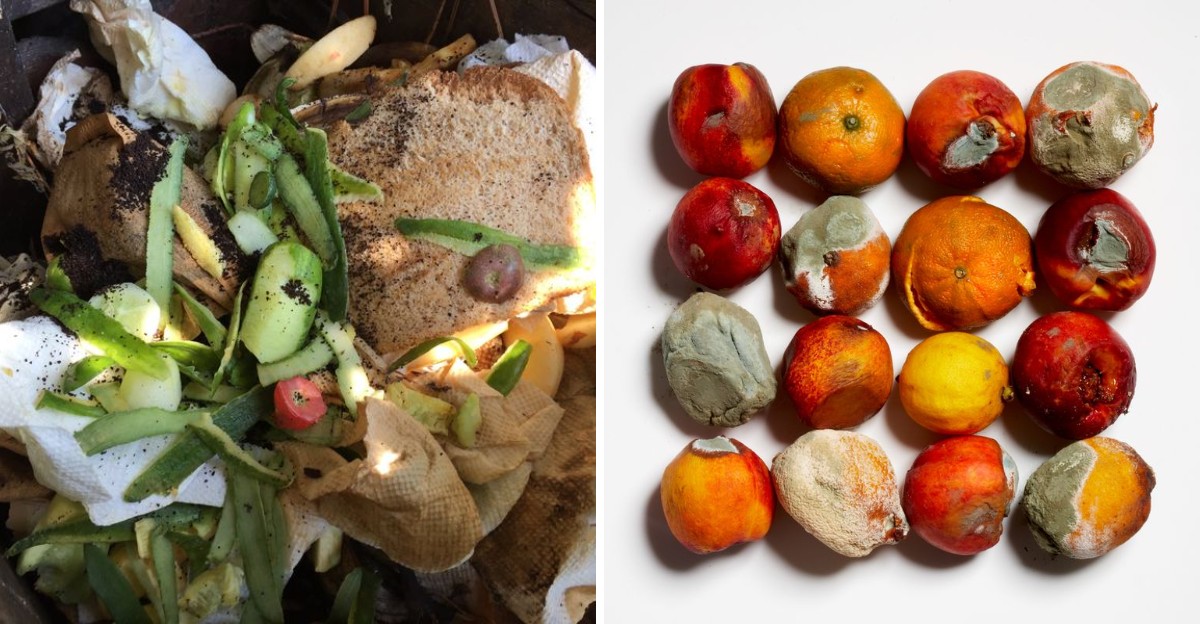
A crust of blue-green fuzz on old bread can make a healthy dog tremble within an hour. Veterinarians see it often enough to have a name for it.
I learned this the hard way when my beagle came back from the garden smelling like rotten coleslaw. Her nose had found my New York compost heap before I found her. Luckily, she only got a stomachache that time.
The culprit hides in plain sight. Certain molds brew invisible chemicals that target a dog’s nerves, and a warm pile of kitchen scraps gives them a cozy home. Your dog sees a buffet. The molds see an opportunity.
I still compost every week here in New York, and I am not giving it up. But I changed a few habits after talking with my vet. Would you spot the warning signs fast enough if your dog raided the pile tonight?
Trembling Legs and a Wobbly Walk Can Show Up Within an Hour
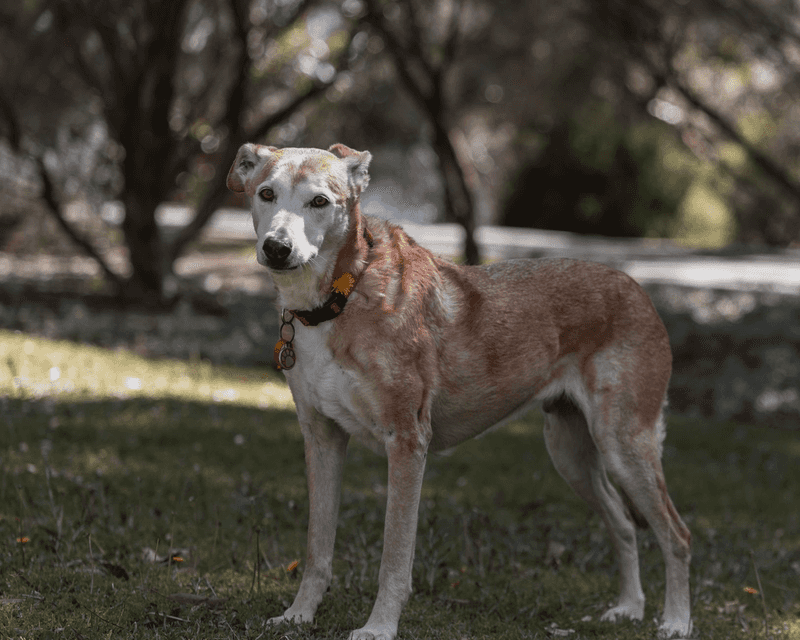
Speed is what surprises most owners. According to the Merck Veterinary Manual and many emergency vets, signs often start within 30 minutes to a few hours after a dog eats moldy material.
Early clues can be easy to brush off. You might see drooling, panting, restlessness, or vomiting. Some dogs act jumpy or overly sensitive to sound and touch.
Then the nervous system signs arrive. Fine muscle tremors may begin around the face and head before spreading to the body. A dog may stagger, sway, or struggle to stand, which vets call ataxia.
In more serious cases, tremors can turn into full seizures. Body temperature can climb fast because shaking muscles create a lot of heat. That overheating is one reason vets treat this as an emergency.
I keep a simple rule now. If my dog was out of sight near the compost and comes back shaky, I call the vet first and ask questions later.
Other things can cause tremors too, including certain medications, pesticides, and some plants. Telling your vet what your dog may have eaten helps them sort it out faster. Quick action makes a real difference.
Call the Vet Before You Reach for Hydrogen Peroxide
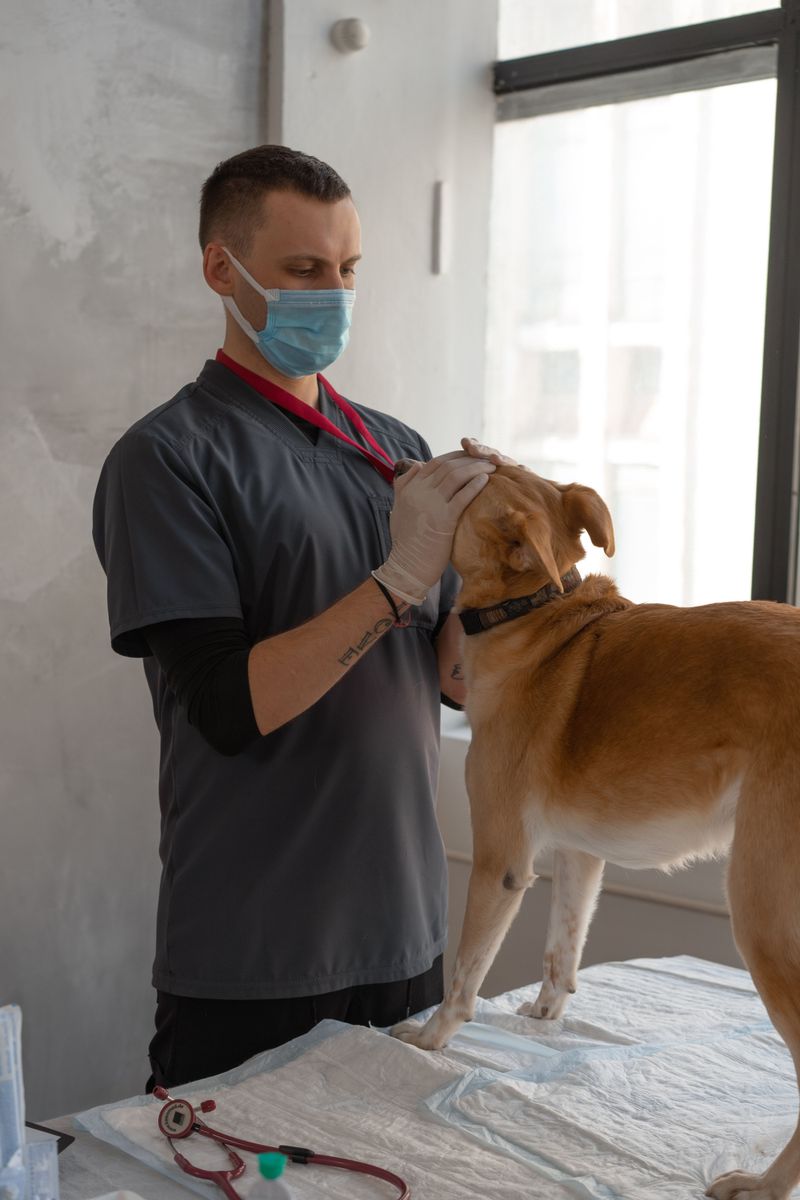
My first instinct during a pet scare is to do something, anything. With compost, the smartest move is a phone call. Get your dog away from the pile, then contact your vet or an emergency clinic right away.
Do not make your dog vomit at home unless a vet tells you to. A dog that is already trembling could inhale vomit into the lungs, which creates a new problem. Your vet will decide if inducing vomiting is safe.
The ASPCA Animal Poison Control Center at 888-426-4435 and the Pet Poison Helpline at 855-764-7661 are available any time. They usually charge a consultation fee, but they work directly with your vet.
Snap a quick photo of the pile, and note roughly when your dog got into it. Bring a sample in a sealed bag if you can grab one safely.
No specific antidote exists, so care focuses on support. Vets may give activated charcoal, IV fluids, cooling, and medications to calm tremors.
Most dogs treated promptly recover within a few days, according to veterinary sources. Waiting to see if symptoms pass often makes the situation harder to manage.
Those Fuzzy Spots on Your Kitchen Scraps Are Hiding Something
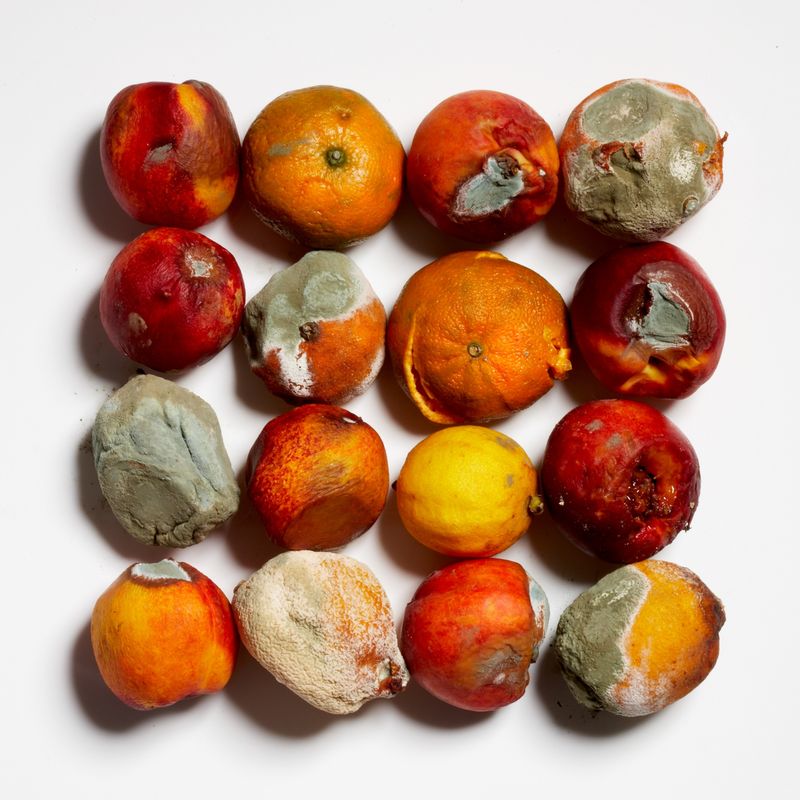
Fuzzy mold looks harmless, almost cute, sitting on a heel of bread. Some of those molds carry a hidden payload.
Certain species, especially in the Penicillium group, can produce chemicals called tremorgenic mycotoxins.
The name sounds fancy, but it simply means toxins that cause tremors. The two big ones vets talk about are penitrem A and roquefortine C.
Yes, roquefortine shares a root with Roquefort cheese, since related molds help make blue cheese.
Not every moldy pile is toxic. Mold growth varies a lot, and many molds produce no tremor-causing toxins at all. The problem is that you cannot tell which is which by looking.
A compost pile gives these molds a nice setup. Warm temperatures, moisture, and plenty of bread, cheese, and leftovers create a steady food supply.
In New York, piles tend to stay active from spring through fall, and the warm core can keep working longer.
Fun fact: these toxins can also turn up in moldy walnuts and other spoiled foods dropped in yards or trash cans. So the risk is not limited to compost. It follows rotting food anywhere a curious nose can reach it.
Dogs Find That Rotting Garbage Smell Irresistible
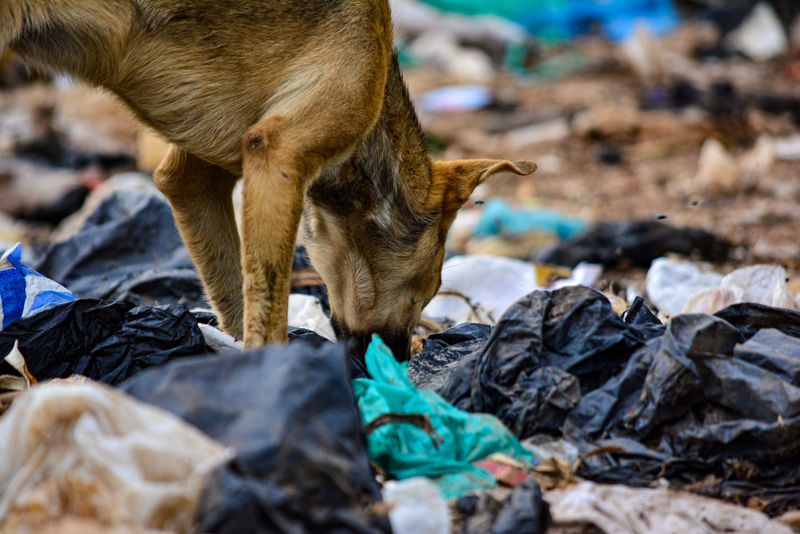
A dog’s nose holds roughly 300 million scent receptors, compared with about 6 million in ours. To your pup, a compost pile is not stinky. It is a loud, exciting announcement that food is waiting.
Labradors, beagles, and other food-loving breeds seem especially eager to investigate. Young dogs and bored dogs join the list too. Cats are reportedly poisoned less often, likely because they are pickier eaters.
The fermenting, sour smell from rotting scraps is part of the appeal. Dogs evolved as scavengers, and spoiled food did not scare off their ancestors. That instinct still shows up in our backyards.
My own beagle treats the garden like a treasure hunt. She will ignore a toy for an hour, then sprint across the yard to sniff a single apple core. Once I understood that drive, I stopped blaming her and started fixing the setup.
Digging behavior adds another layer. A dog that paws through the pile can reach the warm, moldy middle where scraps break down. That center often holds the oldest food. A good fence or bin beats any amount of scolding.
Bread, Cheese, and Walnuts Top the Risky Scrap List
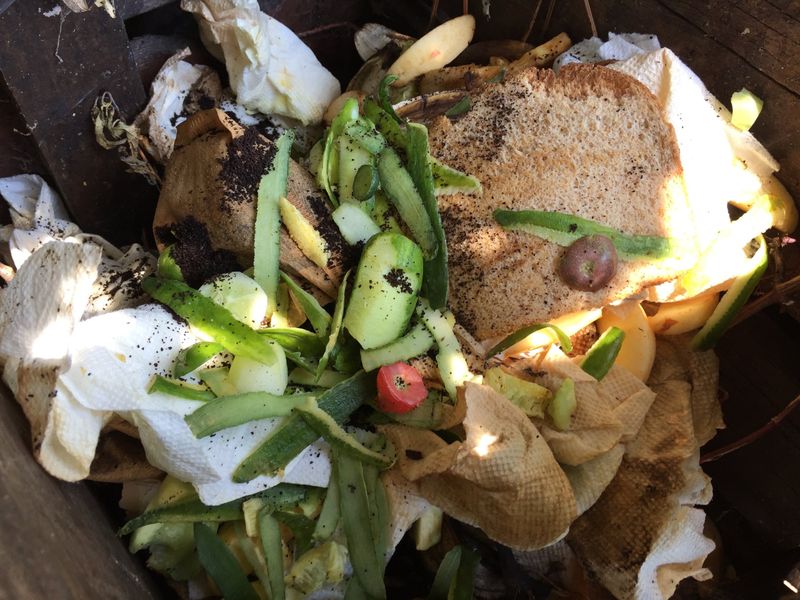
Some scraps grow trouble faster than others. Veterinary sources often point to moldy bread, pasta, rice, cheese, and nuts, especially walnuts. These starchy and fatty foods feed the molds linked to tremor toxins.
Dairy and meat create a double headache. They attract dogs with strong smells and can also draw raccoons and rats.
Most composting guides, including those from Cornell Cooperative Extension, suggest keeping meat, bones, and dairy out of home piles. Mold is not the only hazard hiding in there. Grapes and raisins can harm a dog’s kidneys.
Onions and garlic can damage red blood cells. Coffee grounds contain caffeine, which can make dogs jittery or sick.
Physical dangers matter too. Corn cobs, peach pits, and cooked bones can cause choking or block the gut. Those blockages sometimes need surgery.
I started keeping a small sticky note on my scrap bucket. It lists the items that go in the trash instead of the pile.
My family laughed at first, but now everyone checks it before tossing leftovers. Simple reminders turn into habits surprisingly quickly, and your compost still gets plenty of veggie peels and leaves.
A Locking Compost Bin Keeps Curious Snouts Out
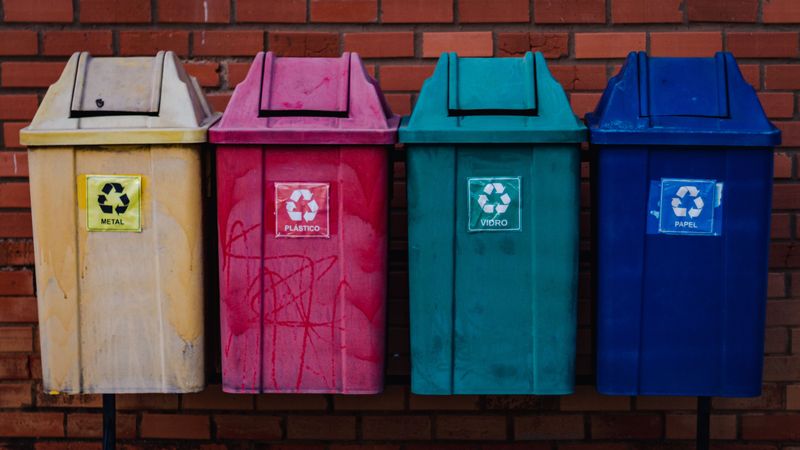
Swapping my open heap for a closed bin was the best garden upgrade I made last year. Tight lids and locking latches stop most dogs cold. Compost tumblers work well too, since they sit off the ground and spin shut.
Open piles can still work with a barrier. A sturdy fence of welded wire, at least waist high, keeps most dogs out. Bury the bottom edge a few inches if your dog loves to dig.
Location helps more than people expect. Place the bin away from the main play area and the back door. Out of sight often means out of mind for dogs.
Many New York towns and cities encourage pest-resistant bins anyway. New York City’s composting programs, for example, recommend enclosed bins to keep rodents out. That same design keeps your pup out.
Supervision fills the gaps. A quick walk around the yard before letting your dog roam can catch fallen scraps or tipped lids.
Remember windfall fruit and fallen walnuts too. Picking those up in late summer and fall removes another moldy snack from the menu. Small chores like that add up to a much safer yard.
Fall Leaves and Spring Thaws Can Stir Up Moldy Surprises
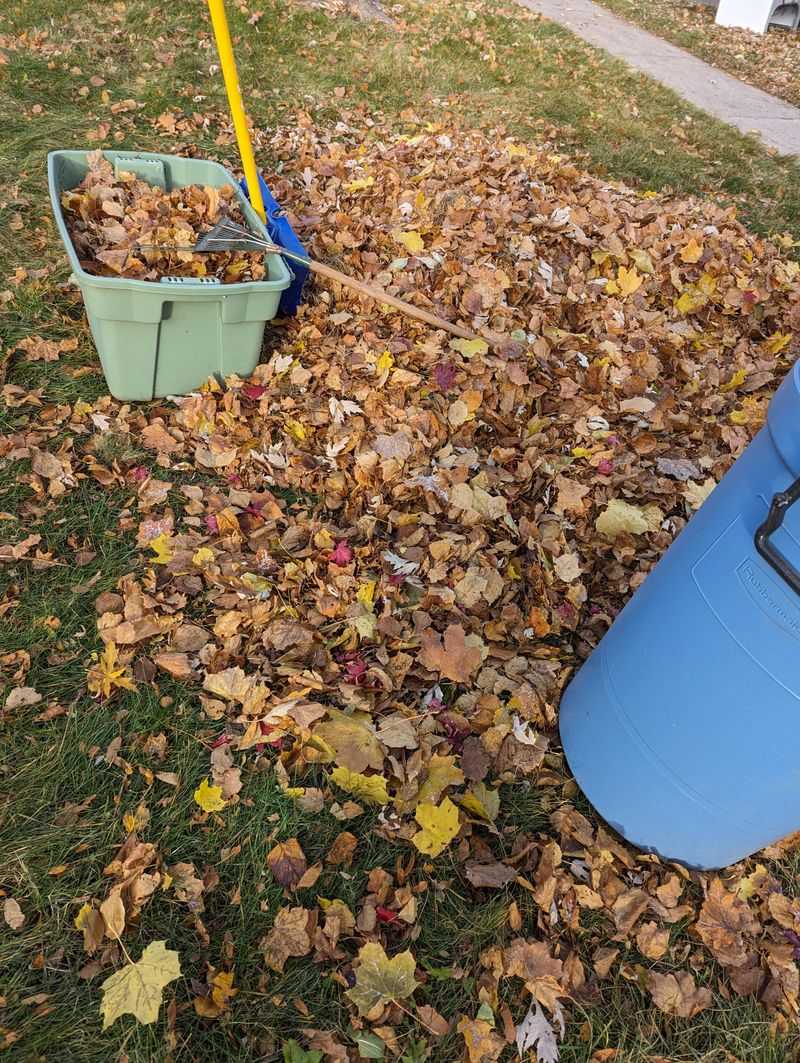
Seasons in New York shape how a compost pile behaves. Summer heat and humid stretches push mold growth into high gear. Warm, damp weather in late summer and early fall is prime time.
Autumn brings its own risks. Fallen walnuts, apples, and leaf piles can turn moldy on the ground.
Black walnut husks are a known source of tremor-causing molds, according to veterinary toxicology reports.
Winter slows things down in most of the state, from the Adirondacks to the Finger Lakes. Surface scraps may freeze, but the center of an active pile can stay warm. Dogs still dig.
Spring thaw is sneaky. Snowmelt uncovers forgotten scraps and soggy leftovers that sat all winter. I walk my yard every March and grab anything that looks suspicious.
Downstate areas like Long Island and New York City run milder, so piles stay active longer each year. Upstate gardeners get a short pause, but not a full break.
Adjusting your attention to the calendar helps. Extra checks during humid spells and leaf season catch most problems before your dog does. Think of it as a seasonal rhythm, like planting or pruning.
Healthy Compost and a Happy Dog Can Share One Backyard
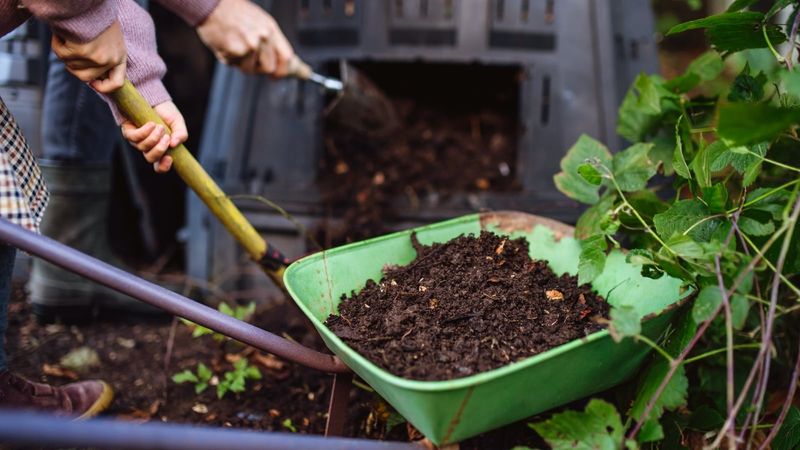
Nobody needs to give up composting to keep a pet safe. Finished compost feeds soil, cuts household waste, and keeps tons of food out of landfills. A few smart habits let you enjoy all that without worry.
Here is my simple routine. Keep risky scraps like bread, dairy, meat, and nuts out of the pile.Use a closed bin or fence, and check the yard before letting your dog run loose.
Training adds another safety net. A solid leave it command can stop a dog mid-sniff. Practice with low-value treats first, then work up to tempting smells.
Save your vet’s number and a poison control number in your phone today. During a scare, searching for numbers wastes precious minutes.
Talk with neighbors too. Dogs often wander into yards next door, and a friendly chat about compost can protect more pets than your own.
My beagle still patrols the garden like a tiny detective. The difference now is that her favorite mystery spot stays locked.
I get rich soil for tomatoes, and she gets a safe yard. That trade feels worth every bit of effort.