November Is a Good Time to Assess Your Arizona Daylilies
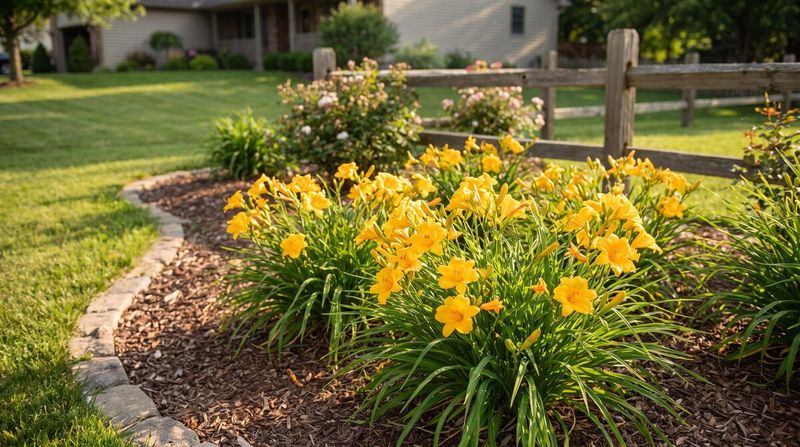
Daylilies get called the plant you can ignore, yet a crowded clump can quietly stop flowering well. November gives Arizona gardeners a calm moment to look at what is going on.
A quick check of your clumps can help you decide whether any work is needed at all. Here is how to read the signs without rushing into a shovel job.
November Is a Checkpoint, Not a Bloom Guarantee
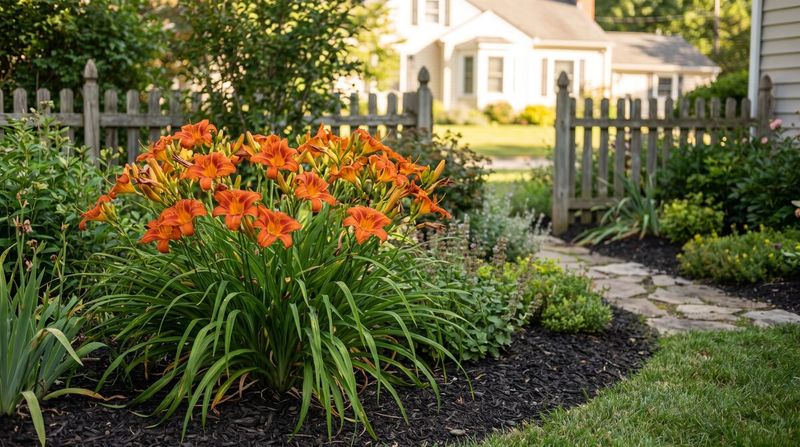
Let’s fix the promise in the original title first. No source backs the idea that a November task will double next spring’s blooms in Arizona.
What November does offer is a calm moment to look over your plants and your local conditions.
The phrase “double blooms” can mean two different things, and neither one guarantees a flower surge. Dividing a clump gives you more plants, because each rooted section can grow on its own.
A double-flowered daylily is something else, a cultivar with extra floral parts, as Purdue Extension explains when it separates double-flowered forms from other daylily traits.
There is also a catch with dividing. Kansas State Extension reports fewer blooms in the first year after division.
So treat November as a checkpoint. Look at the clump, think about your elevation, and decide if any work is needed.
Look for Crowding or Waning Flowers
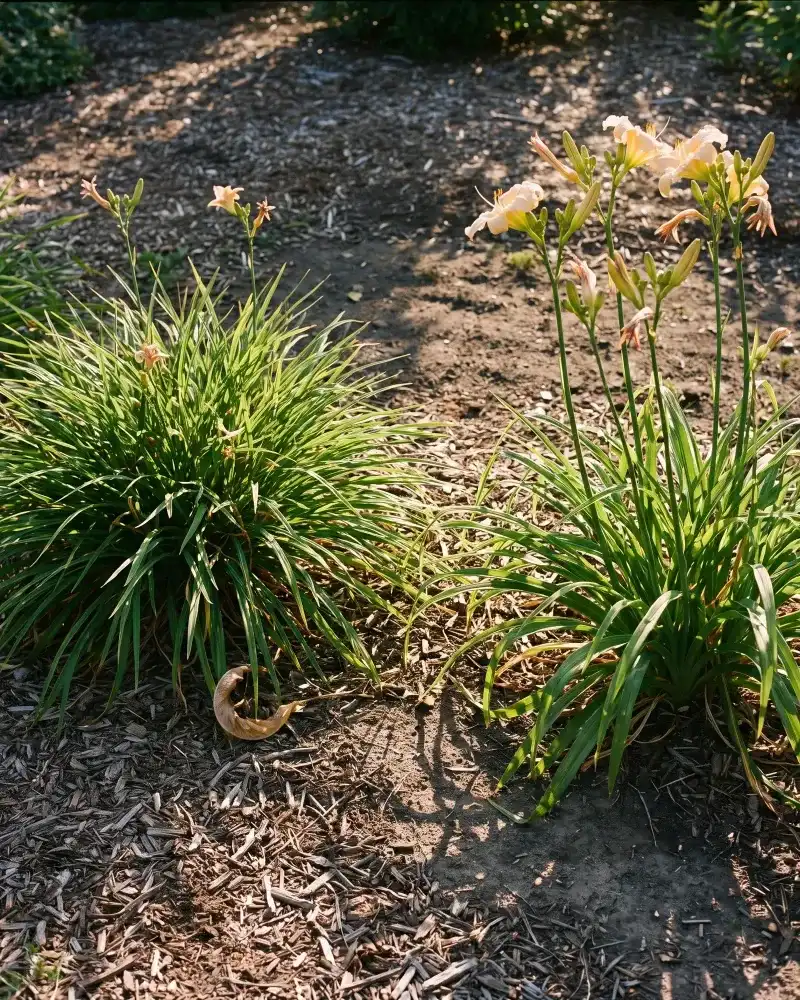
Daylilies grow as clumps, and over the years those clumps can get dense. The clearest clues are a tight mass of foliage and fewer flowers than you remember from past summers.
If both show up together, crowding may be the reason.
Division is one way to propagate daylilies, and it can help refresh flowering when a clump is packed. Clemson Extension describes daylilies as clump-forming perennials, and Arkansas Extension covers division in its daylily guide too.
Neither presents it as a routine must-do.
Age alone is not a reason to dig. A clump that still flowers well and has room to spread can be left alone.
Before you reach for a shovel, ask whether you see crowding, weaker flowering, or both.
Other things can trim blooms too, such as too much shade or uneven watering. Check those first.
If they look fine and the clump is jammed, division becomes a reasonable next step.
Let Arizona’s Elevation Guide the Calendar
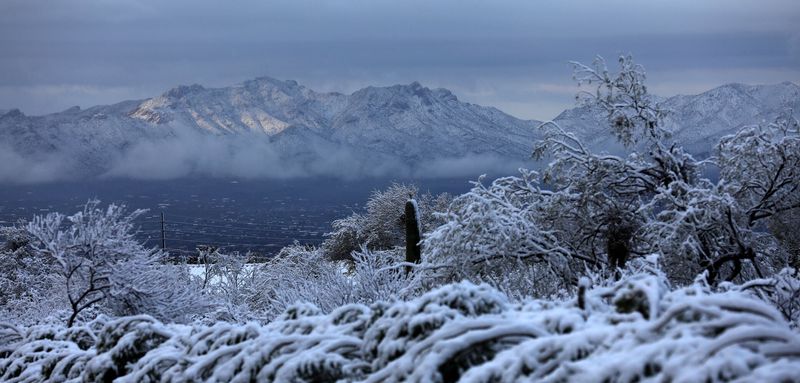
Arizona is not one climate. A Tucson yard and a Flagstaff yard live in very different worlds, and University of Arizona Extension lays out how much conditions change with elevation.
So a single November rule cannot fit the whole state.
The Pima County November guide recommends planting certain perennials and bulbs that month. It does not specifically recommend dividing daylilies then, so please do not read it as a green light.
Outside advice varies as well. Minnesota Extension suggests early spring or right after flowering.
Arkansas Extension mentions fall as plants go dormant or spring as growth emerges. Those are general or regional tips, not Arizona rules.
Use your own conditions as the guide. Notice how your plants are behaving, how cold your nights get, and whether the soil is workable.
Divide and Replant Rooted Sections
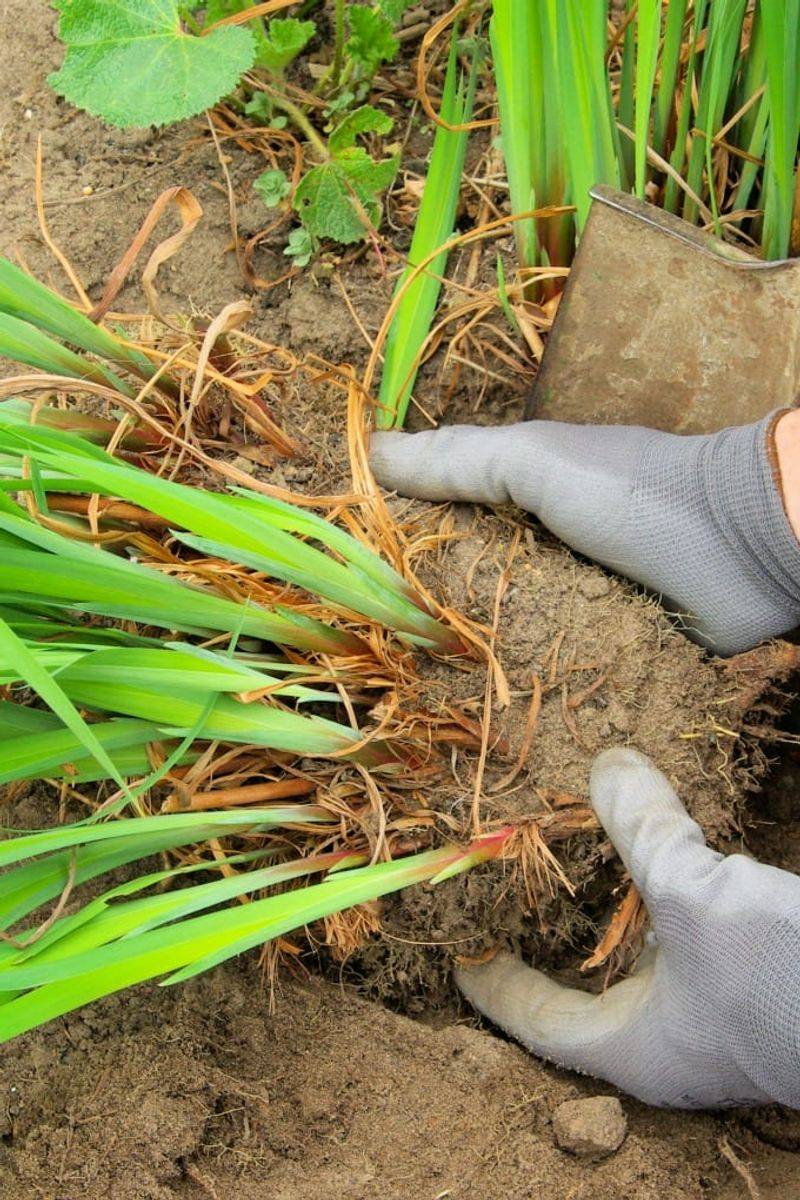
If your clump is crowded and local conditions suit the plant, lift it carefully with a spade. Shake off loose soil so you can see the roots and crowns.
Then separate it into rooted sections, each with several fans or crowns.
Replant soon after dividing so the roots do not dry out. Keep each crown near the soil surface.
Clemson Extension advises spacing plants 18 to 24 inches apart and keeping the crown no more than an inch below the surface.
Water the transplants while they establish, since new roots need steady moisture to settle in. Minnesota Extension also stresses replanting divisions promptly.
These steps give the plants a good start. They do not promise more flowers, and no particular date does either.
Allow Time for Flowering to Recover
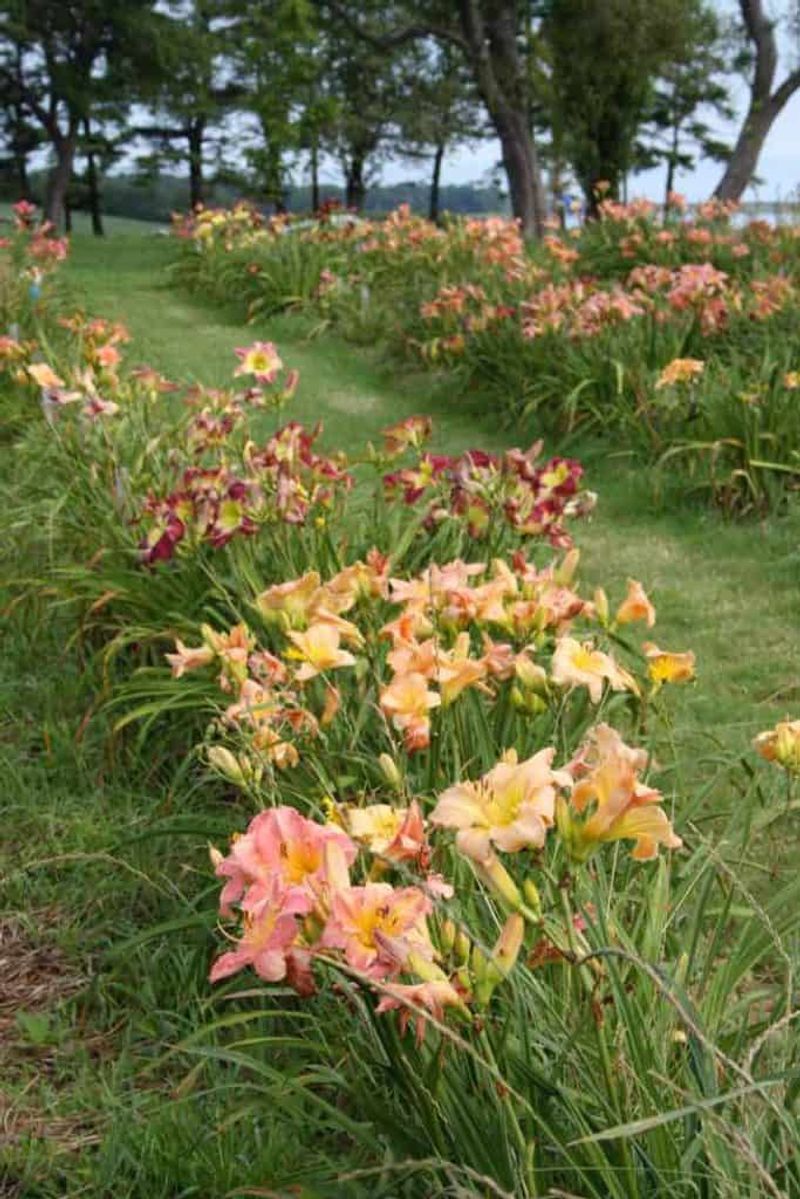
Freshly divided plants spend their energy on roots first. That means blooms can drop for a while.
Kansas State Extension specifically reports fewer blooms in the first year after division.
Minnesota Extension adds that plants divided in spring may not bloom that same summer. So a smaller show after dividing is normal and not a sign you did something wrong.
Division may help a crowded clump flower better later, and it gives you extra plants to place around the yard or share. But no source supports a set recovery time, a bloom count, or a particular result next spring.
Keep watering as the plants settle and give them room to grow. Patience is part of the job here, and the payoff, if it comes, shows up over seasons.
Skip the bloom-booster fertilizer too. Excess nitrogen can reduce flowering rather than boost it.
Match the Site to Daylily Needs
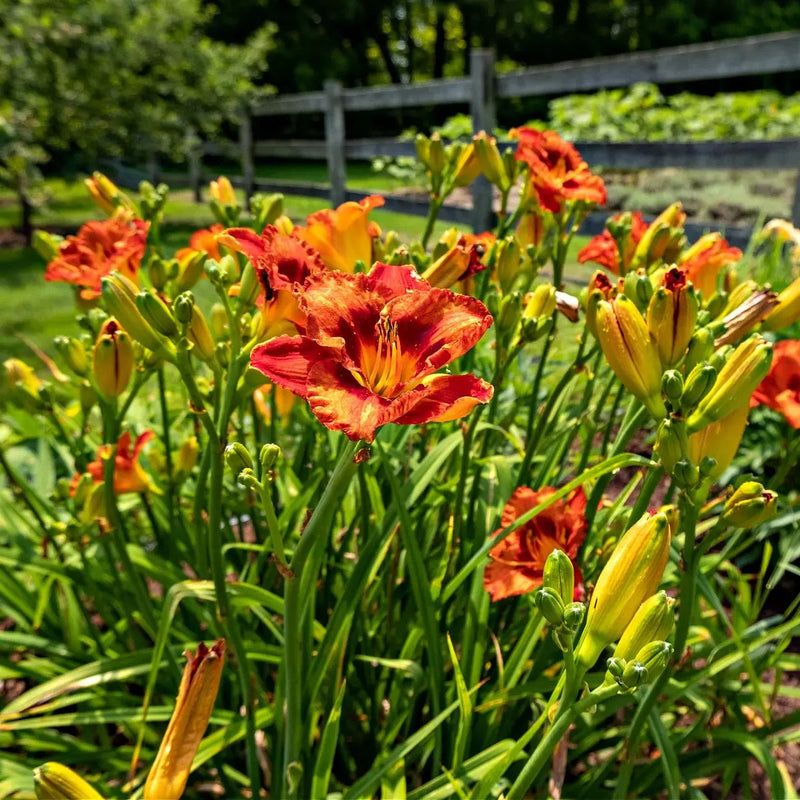
Daylilies are happiest in full sun, or morning sun with afternoon shade. The University of Arizona’s high-elevation perennial guide says so, and it lists them at 12 to 48 inches tall with a 24 to 36 inch spread.
That helps you plan space.
The same guide calls for moderate water and deep watering about weekly. Established plants can tolerate dry sites, but that does not make daylilies native or low-water plants.
Keep in mind the guide covers northern Arizona, so adjust for your own spot.
Blooms run roughly June through September, depending on the cultivar. The guide also says daylilies can be good for butterflies, a modest bonus rather than a habitat fix.
Do not count on them for pest control.
Keep Daylilies Away From Cats
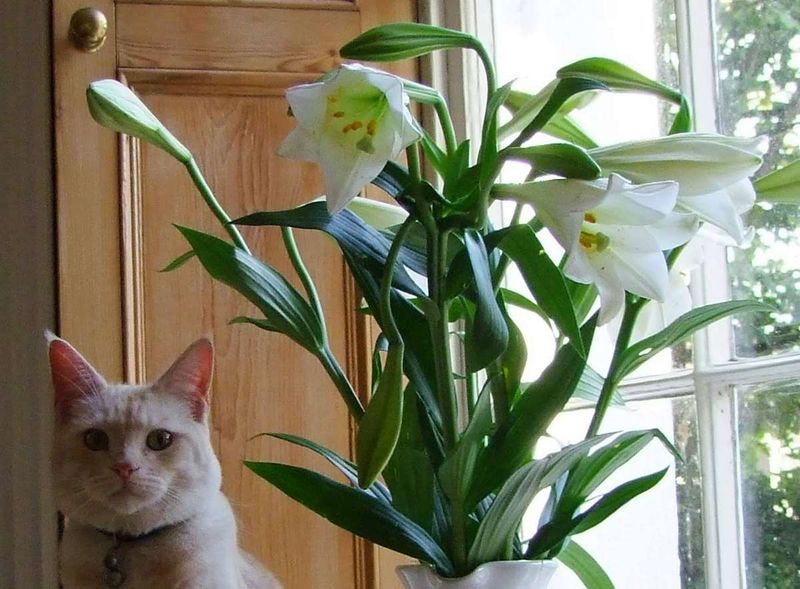
Daylilies are toxic to cats, according to the ASPCA. If you have a cat, think hard before planting them where it roams.
Wear gloves and clear plant trimmings away after dividing. If you suspect your cat has chewed any part of a daylily, contact a veterinarian or a poison-control service right away.
Make the Decision Clump by Clump
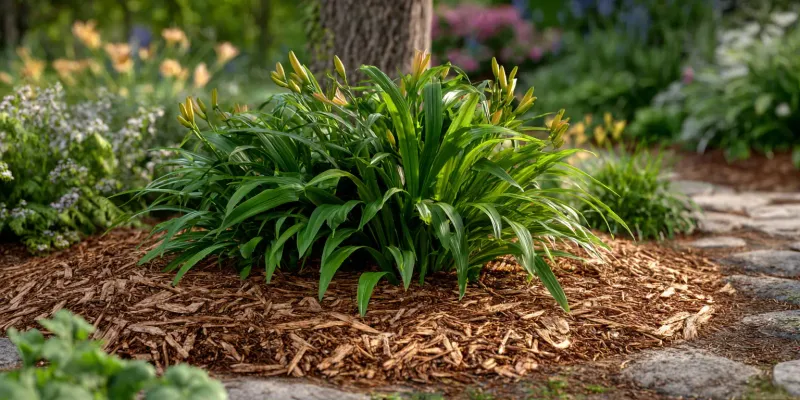
Start by looking at each clump. If it is crowded or flowering has faded, division may be worth it, and Clemson Extension treats it as an option, not a requirement.
Check your local timing and conditions before you dig.
The realistic payoff is more plants and maybe better flowering later. Kansas State Extension reminds us the first year can bring fewer blooms.
Sometimes the best November task is a good long look.