8 Deer-Resistant Plants That Brighten Georgia Winter Beds
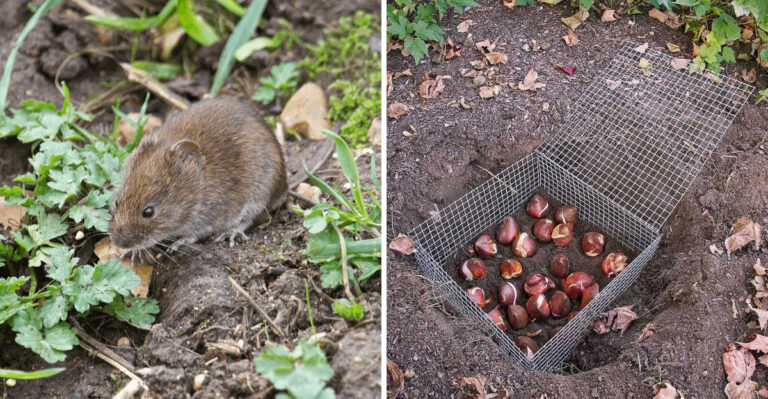
Hungry deer in winter will nibble pansies down to the stems, yet they often skip blooms laced with bitter toxins. That simple taste test can decide whether your cold-weather beds look cheerful in February or chewed to nubs.
Georgia has a huge white-tailed deer population, and many suburban yards now sit right in their feeding paths.
Food gets scarce once acorns run low, so browsing pressure on gardens often climbs during the coldest months.
I have to admit, I lost plenty of tender flowers before learning which ones deer mostly ignore. You might notice the winners often share fuzzy leaves or sharp flavors that make browsing animals hesitate.
No plant is fully deer proof, because a starving deer will sample almost anything when choices run thin. Still, a few cool season bloomers come surprisingly close, and some may already sit at your garden center.
1. Lenten Rose
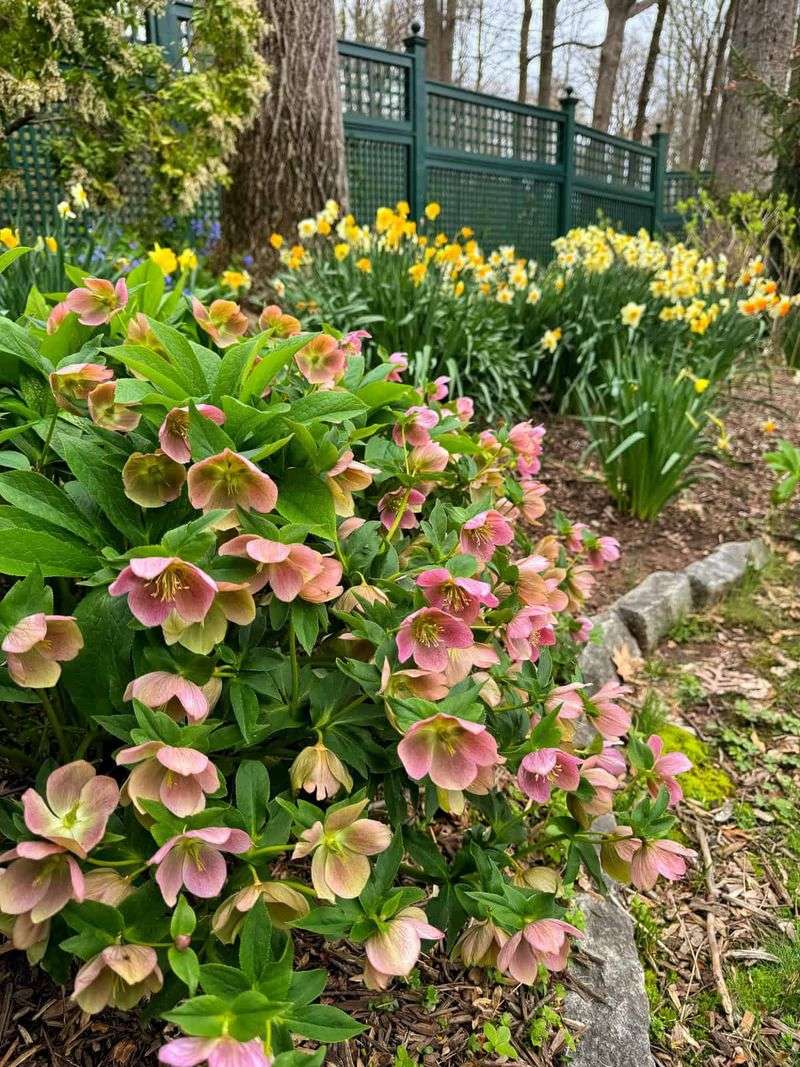
Snow can blanket the leaves and these nodding blooms still open, looking like little teacups tipped toward the ground.
I love how a single clump can flower from late winter into spring while most beds look bare.
Deer usually walk right past, since the thick leathery leaves taste unpleasant and every part of the plant is toxic. Rabbits tend to skip it too, which makes Helleborus orientalis a smart pick near woodland edges.
What looks like petals are actually sepals, so the colors hang on for weeks instead of dropping fast.
Shades range from creamy white and soft pink to deep plum, and some hybrids lean almost black.
Plant your clumps under deciduous trees, where they soak up winter sun and enjoy cool summer shade later. Hot afternoon sun can scorch the foliage, so morning light or dappled shade works much better here.
Rich, crumbly soil with good drainage keeps roots happy, because soggy ground invites fungal trouble around the crown. Mix in compost before planting, and keep mulch pulled back a few inches from the base.
Mature clumps usually reach about 12 to 18 inches tall and wide, forming tidy evergreen mounds over time. Once settled, they handle short dry spells, though a deep drink helps during a rainless winter stretch.
Personally, I snip off tattered old leaves as fresh growth appears, which lets the flowers shine clearly. Wear gloves for that chore, and keep curious pets away from the plant since it is toxic.
2. Winter Aconite
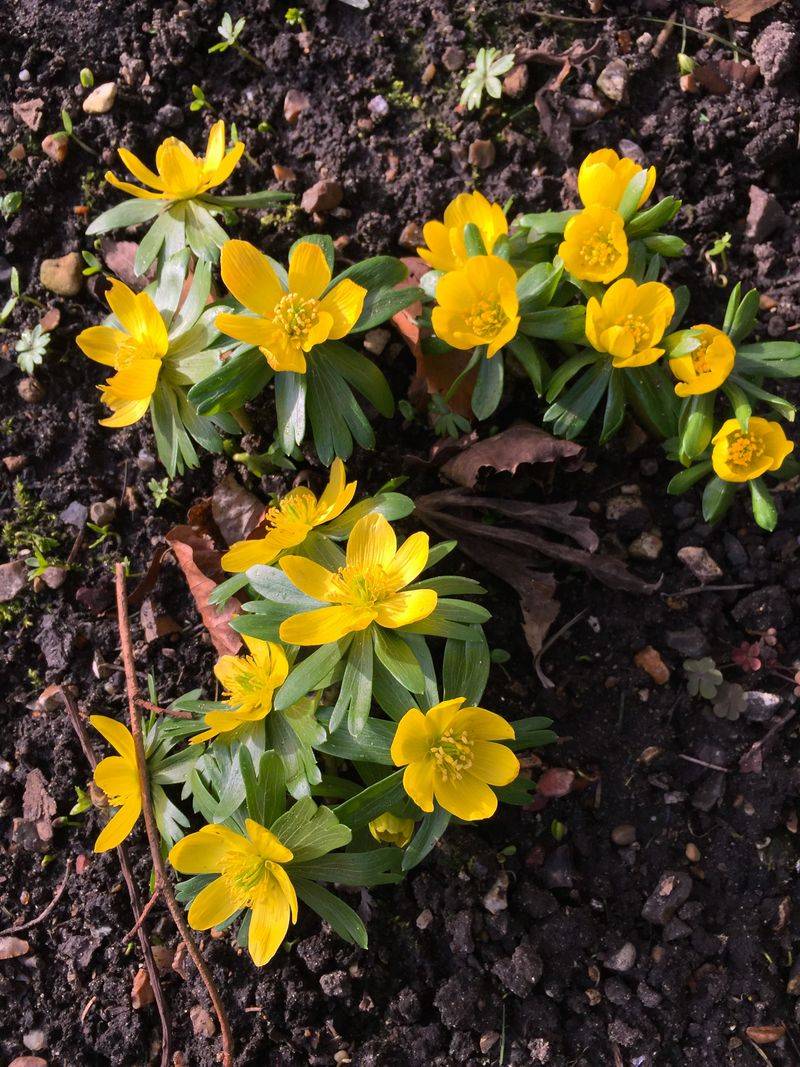
Bright yellow buttercup cups pop up through cold soil, each one wearing a frilly green collar like a tiny clown. Few flowers wake up this early, and that cheerful surprise is reason enough to grow a patch.
Eranthis hyemalis keeps deer and rabbits at bay because its tubers and foliage are poisonous if eaten.
That same toxicity means you should wear gloves while planting and keep pets from digging around.
Plants stay small, usually 3 to 6 inches tall, so they shine best when tucked in big drifts. A single tuber looks lonely, but fifty planted together create a golden carpet under bare trees.
Soak dried tubers in water for 12 to 24 hours before planting, which really helps them wake up. Set them about 2 to 3 inches deep and roughly 3 inches apart in humus rich ground.
In warmer southern counties, wait until October or November when soil temperatures drop to around 60 degrees. Gardeners up north can plant in early fall, since this tough little plant handles zones 4 through 9.
Keep soil evenly moist from winter into spring, when the plants are actively growing and flowering.
Leaf mold or compost worked into the bed gives them the woodsy, slightly alkaline soil they prefer.
By late spring the foliage fades and the tubers go dormant, so mark the spot before summer. I like pairing them with later perennials that fill the gap once the yellow show is over.
3. Daffodils
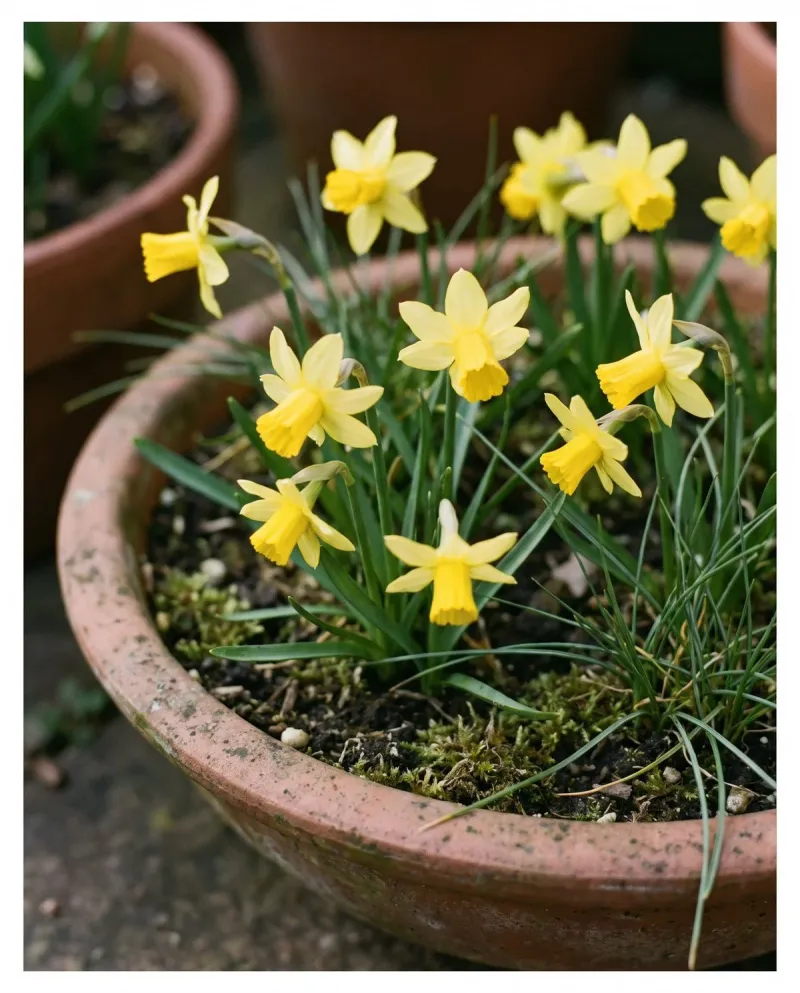
Old homesteads across the South still glow yellow each spring, thanks to daffodils planted generations ago and left alone. That staying power tells you plenty about how tough these cheerful trumpets really are in a yard.
Deer quickly learn to avoid Narcissus because the whole plant contains lycorine, an alkaloid that upsets their stomachs.
Voles and squirrels usually leave the bulbs alone too, which I sadly cannot say about tulips.
Plant bulbs from late October through early December, once soil temperatures stay below about 60 degrees. Dig holes six to eight inches deep and set each bulb with its pointed tip facing up.
During winter the roots settle in and green leaves push up, setting the stage for late winter blooms.
You might find early types flowering in February, while later varieties carry the show into spring.
Coastal and south Georgia gardeners should look for low chill types like Tazetta or Jonquilla daffodils. Standard varieties may need extra cold there, so prechilling them in the refrigerator can help a lot.
Full sun or part shade works fine, and they tolerate clay or sandy soil if water drains. Spots under deciduous trees are great, because the bulbs finish growing before the leaves fill in overhead.
After blooming, let the foliage stay for four to six weeks so the bulb can recharge. I believe that patience pays off, because healthy clumps slowly multiply and spread into bigger drifts each year.
4. Snapdragon
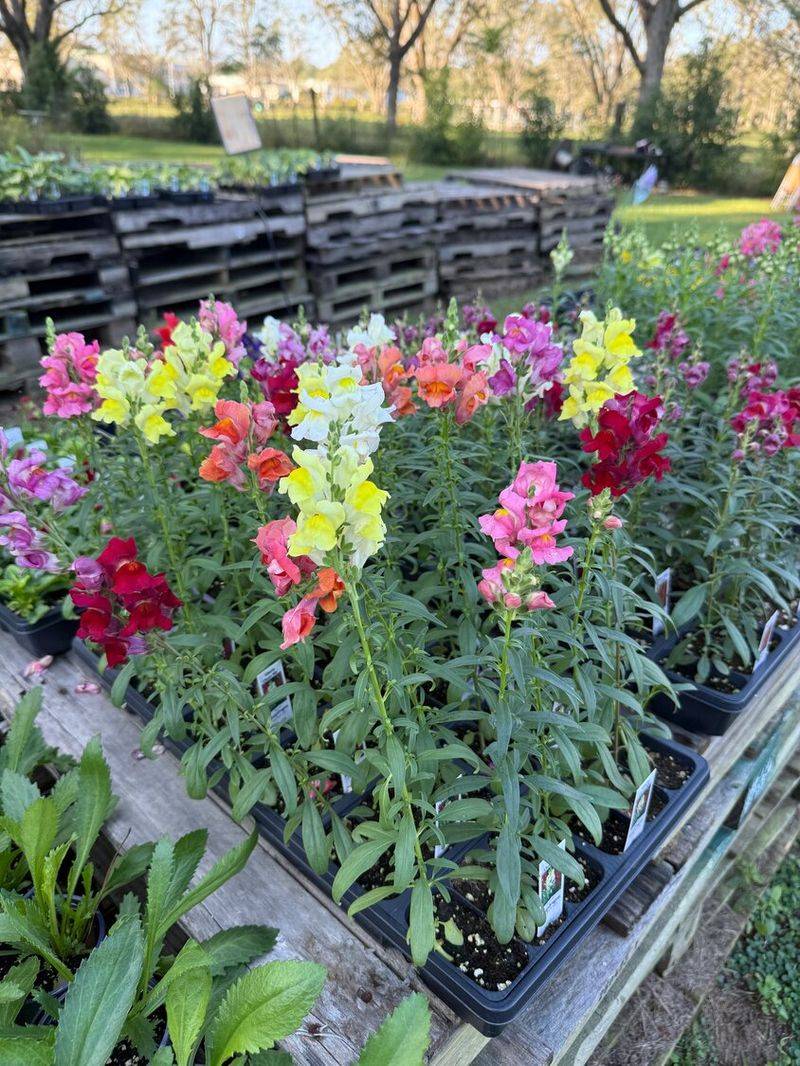
Gently squeeze the sides of a snapdragon flower, and the little dragon mouth pops open like a puppet. Kids love that trick, and honestly, I still do it every time I walk past mine.
Deer generally pass over Antirrhinum majus, and most extension lists rank it among the more resistant bedding flowers.
Unlike several plants here, it is not toxic to dogs or cats, though it tastes bitter.
Set out transplants in September or October, and they can flower on and off from November through April. Hard freezes may pause the blooms for a while, yet sturdy plants usually rebound when mild days return.
Heights vary a lot, from dwarf types for edging to tall cut flower types reaching about three feet. Colors cover nearly the whole rainbow except true blue, so mixing and matching is half the fun.
Give them full sun or light shade with rich, well drained soil boosted by a few scoops of compost. Aim for one to two inches of water weekly, and water well before a cold snap arrives.
Rust disease can show up as orange spots under the leaves, so choose resistant varieties when possible.
Watering at soil level instead of overhead keeps foliage drier and helps slow that fungal spread.
Pinch the tips of young plants to encourage bushier growth with many more flower spikes later. Snip off faded spikes as you go, and the plants keep sending up fresh color well into spring.
5. Sweet William
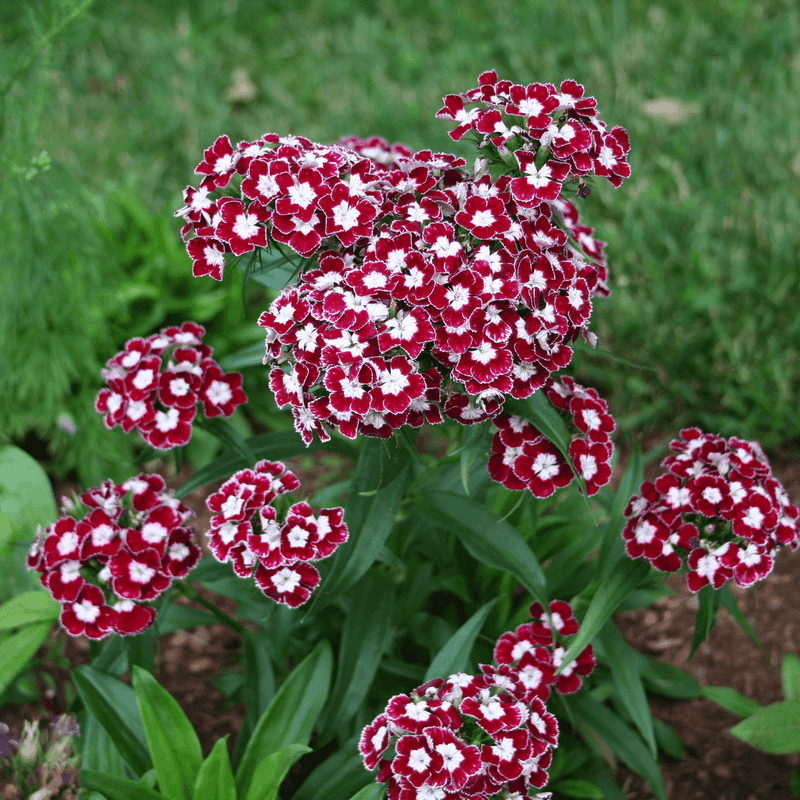
Cottage gardeners have treasured this old fashioned flower for centuries, and each clustered head looks like a ready bouquet. The petals often have fringed edges and contrasting eyes, which makes every cluster look hand painted.
Rutgers rates Dianthus barbatus as seldom severely damaged by deer, and NC State lists it as resistant too.
Young plants might get a curious nibble, yet heavy browsing on established clumps is fairly uncommon.
Fall planting is the secret, because many types are biennials that need a winter before they bloom. Plants set out in autumn spend the cold months building roots, then reward you with heavy spring flowers.
Cold hardly bothers them, since they handle temperatures down to about zero degrees Fahrenheit without fuss.
In mild Georgia winters they often act like short lived perennials, coming back for another round.
Choose a spot in full sun or part shade, with well drained soil that leans neutral or slightly alkaline. Afternoon shade can stretch the bloom season once our spring days start warming up rather quickly.
Water about once a week, giving roughly an inch or two, and ease off after plants settle in. Cutting stems back to around six inches in late winter encourages fuller, bushier plants for spring.
I love how bees and butterflies crowd the sweetly scented flowers once the weather finally warms. Snip a few stems for a vase, because cut clusters often last nicely indoors for a week.
6. Sweet Alyssum
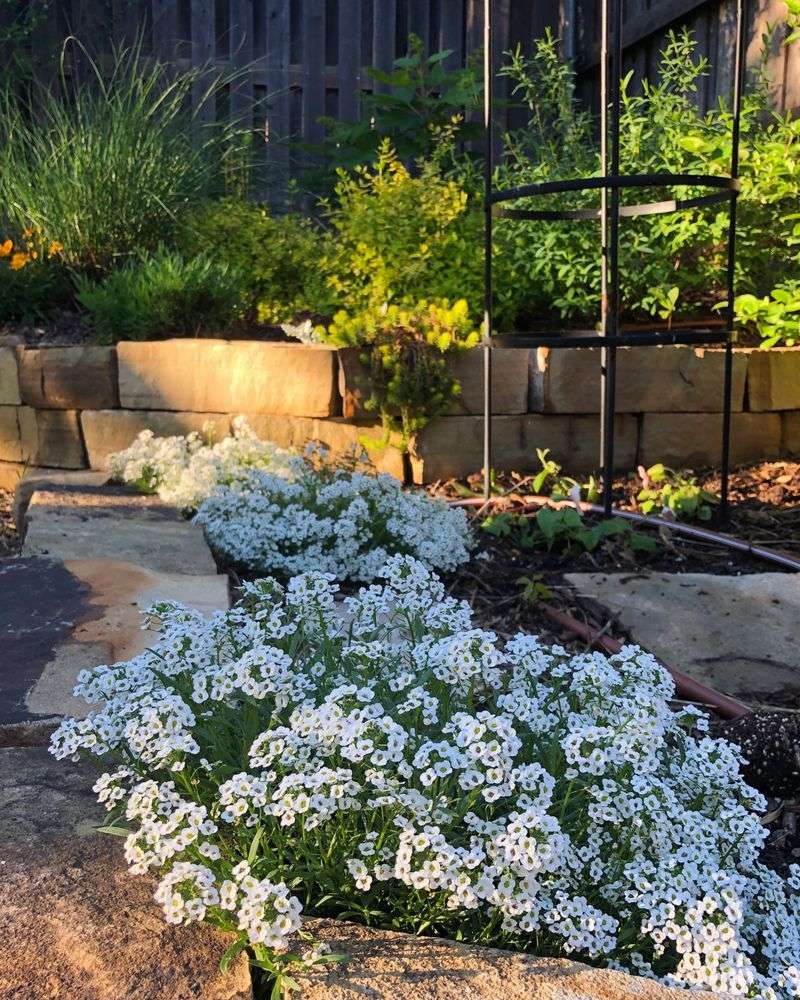
Kneel near a patch of alyssum on a sunny afternoon, and a honey scent drifts up to greet you.
Those tiny four petaled flowers pack a surprising amount of perfume for something so low to the ground.
Deer and rabbits seem to dislike the peppery taste of Lobularia maritima, which belongs to the mustard family. Resistance is reported rather than guaranteed, so I tuck it near tougher plants for extra protection.
Plants form soft mounds about 4 to 12 inches tall, perfect for edging paths or spilling from containers. Flower colors include white, pink, lavender, and purple, with white being the classic choice for bright contrast.
You can plant it from October until late spring here, since it shrugs off light frosts with ease.
Hard freezes may knock it back, but plants often bounce back with fresh blooms when temperatures warm.
Starting from seed is easy, just scatter seeds on the soil surface without covering, because light helps germination. Full sun works well during cool months, while afternoon shade helps as late spring heat builds.
Average, well drained soil suits it fine, but heavy clay that stays wet can cause problems. Regular watering keeps flowers coming, and shearing plants back by one third revives them when blooming slows.
What surprises me most is how many helpful insects it attracts, including hoverflies and tiny parasitic wasps. Those visitors help control aphids nearby, and the plant often reseeds itself to return next year.
7. Calendula
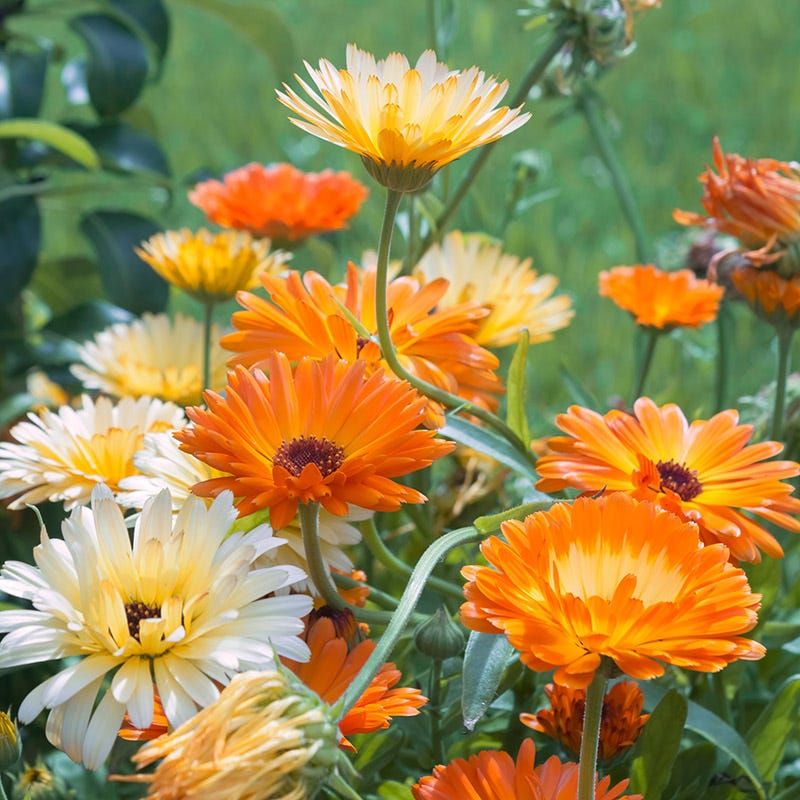
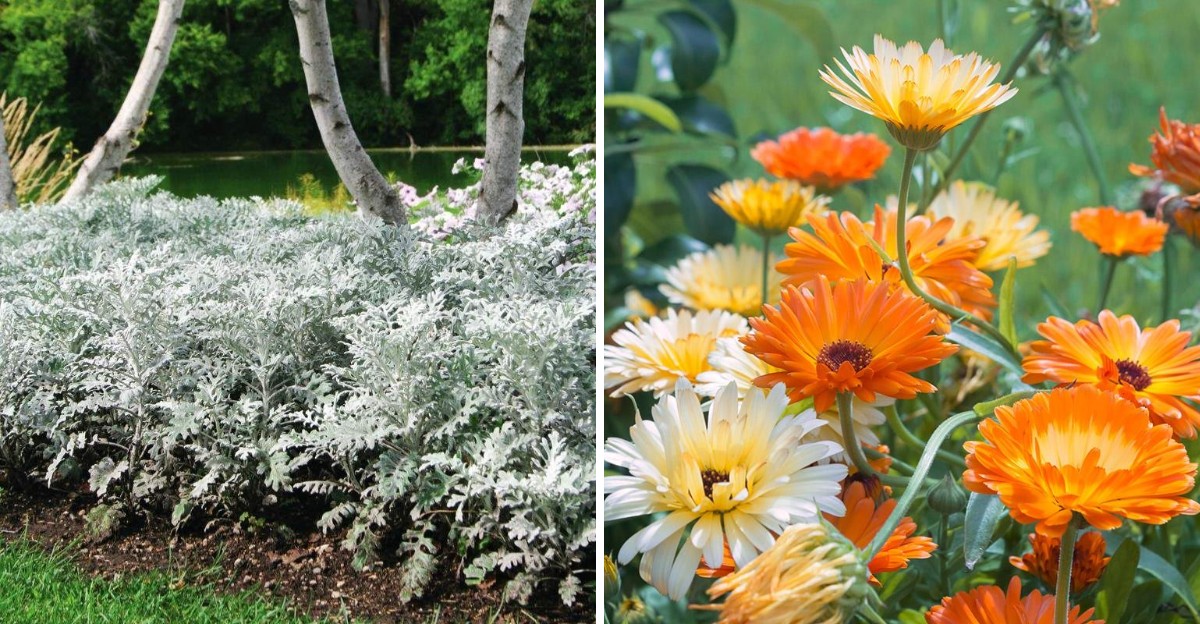
Those glowing orange flowers earned the nickname pot marigold because cooks once tossed the petals into soups and stews. Even today, I sprinkle a few petals on salads, and guests usually ask what that pretty confetti is.
Calendula officinalis is not a true marigold at all, even though the common name suggests otherwise.
Deer and rabbits tend to ignore its sticky, aromatic leaves, which is why it lands on resistant lists.
In zones 8 and warmer, sow seeds in fall and enjoy flowers through winter into spring. Many gardeners plant anytime from September through February, which gives you a generous window to work with.
Plants handle light frost well, though a hard freeze can damage tender growth in the northern mountains. Tossing a frost cloth over them on bitter nights helps keep those sunny faces looking fresh.
Full sun brings the most blooms, and plants usually grow one to two feet tall and wide. Skip the heavy fertilizer, because overly rich soil tends to produce lots of leaves and fewer flowers.
Average soil with decent drainage works great, and calendula handles both clay and sandy ground surprisingly well.
Keep moisture steady while seedlings establish, then let the plants tolerate short dry spells on their own.
Snipping spent flowers regularly keeps new buds coming, and early blooms offer nectar for bees on mild days. Leave a few flower heads to ripen, and calendula will often reseed itself for next season.
8. Dusty Miller
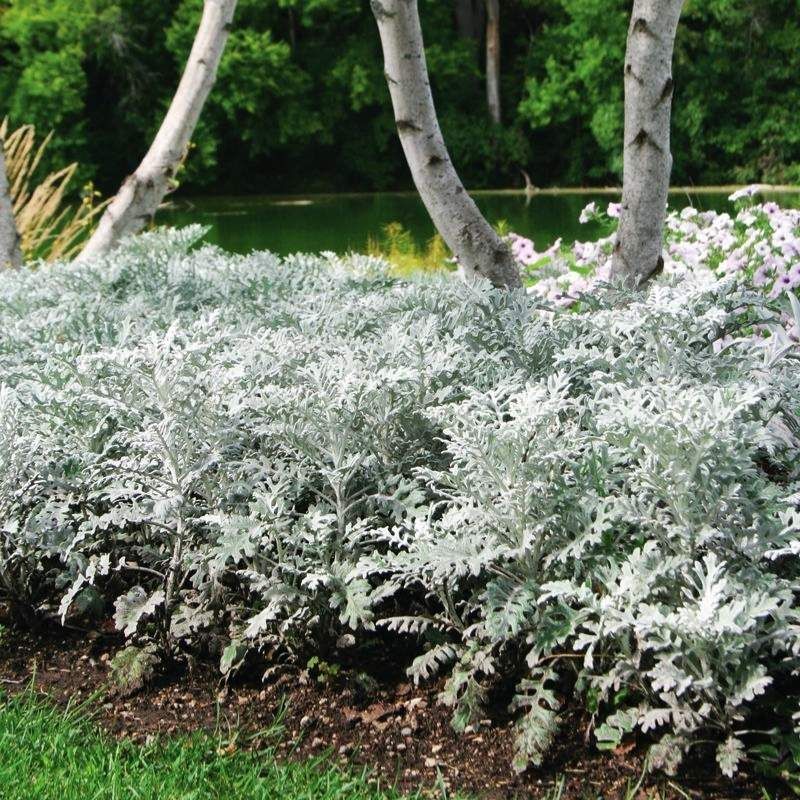
Silvery leaves that look dusted with frost even on warm days make this foliage plant a winter bed showstopper. Next to red snapdragons or orange calendula, that soft gray glow makes every color look brighter.
Its fuzzy, felt like leaves have a bitter taste, and deer seem to find that woolly texture irritating.
Botanists now call it Jacobaea maritima, though many plant tags still list the older name Senecio cineraria.
Hardy in zones 7 through 10, it often overwinters across much of Georgia and returns for another season. Gardeners in the colder mountain counties may treat it as an annual, especially after a harsh winter.
Plants usually stay between six and eighteen inches tall, which makes them handy for edging or container fillers. Full sun gives the brightest silver color, though partial shade still works if you accept softer tones.
Drainage matters more than richness here, because soggy soil can lead to root rot fairly fast. Let the top of the soil dry slightly between waterings, since mature plants handle drought pretty well.
In its second year, small yellowish daisy flowers may appear, but most gardeners pinch them off quickly.
Removing those blooms keeps the plant focused on producing more of its famous frosty silver foliage.
Every part of the plant is toxic if eaten, so keep it away from nibbling pets and toddlers. Personally, I think a few clumps tucked between flowers make any winter bed look polished and calm.