What To Do Before Voles Tunnel Through Your Georgia Garden Beds
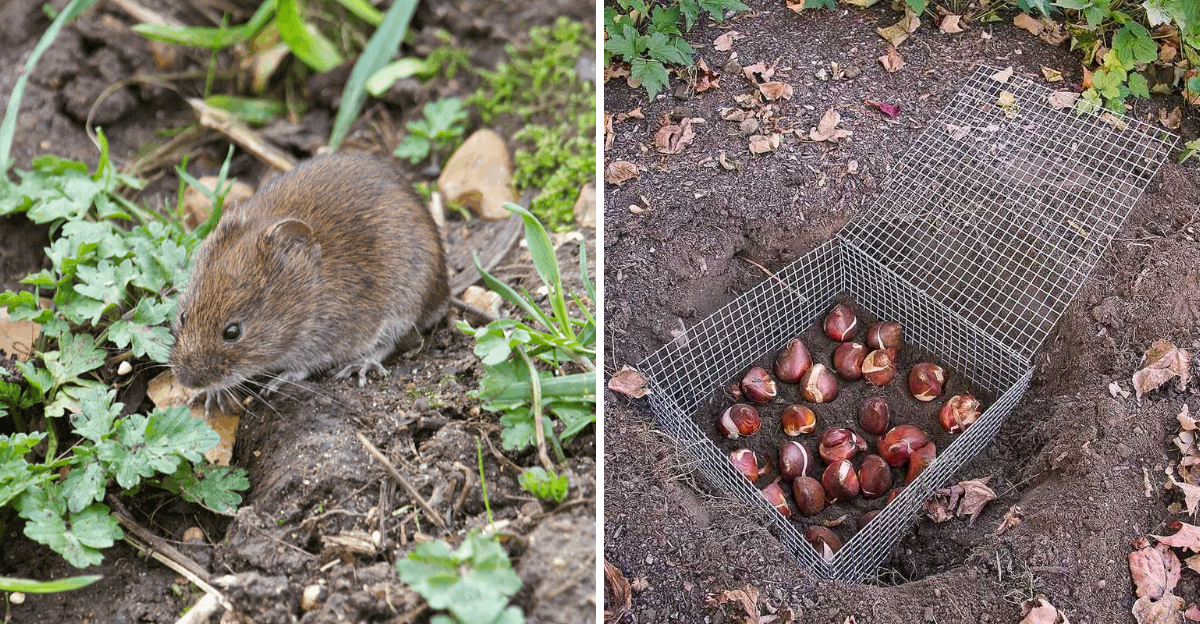
Small tunnels can appear long before you realize something is living beneath your garden beds. By the time plants begin to wilt or lose strength, the damage may already be spreading below the soil.
Waiting for obvious signs often gives voles plenty of time to settle in and expand their tunnels.
A few simple changes can make your yard much less inviting before that happens. In Georgia, thick mulch, dense vegetation, and clutter around garden beds provide the cover these rodents like to use.
Removing those hiding spots early can help protect plant roots and reduce future problems.
Paying attention now is much easier than dealing with damaged flowers, vegetables, and shrubs after voles have already established themselves underground.
1. Clear Dense Vegetation Around Garden Beds
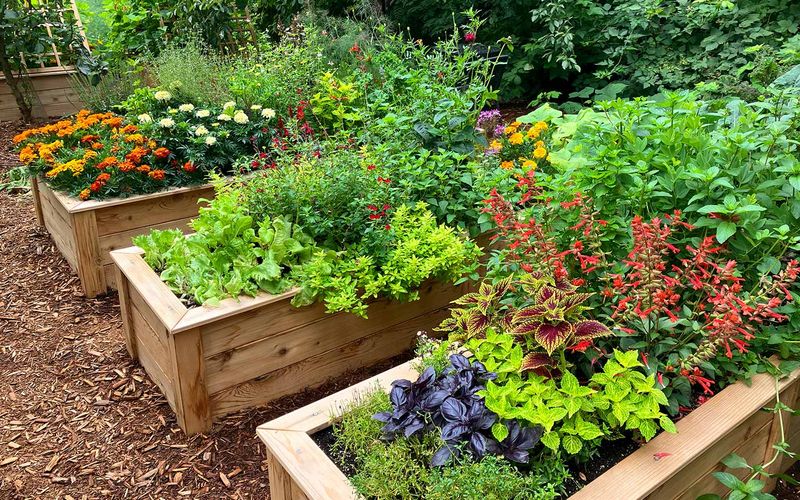
Overgrown edges are basically a welcome mat for voles.
Dense weeds and ground cover give them the perfect hiding spots to nest and move around undetected.
Voles prefer areas where they feel hidden from predators. Thick vegetation along garden borders acts like a protected highway for them to travel without being seen.
Clearing that growth removes their sense of safety. Without cover, voles become exposed to hawks, foxes, and other natural predators that help keep populations in check.
Start by pulling weeds along the edges of your beds. Cut back any low-growing plants that press tightly against your garden border.
Aim to keep a clear, open strip of at least 12 to 18 inches around each bed. Bare soil or short-cut grass works well as a buffer zone.
Doing this once is not enough. Vegetation grows back quickly, especially during Georgia’s warm, wet seasons, so plan to check and clear edges every few weeks.
A tidy garden perimeter does not just look better. It sends a clear signal to voles that your yard is not the easy shelter they are looking for.
2. Install Hardware Cloth Before Planting
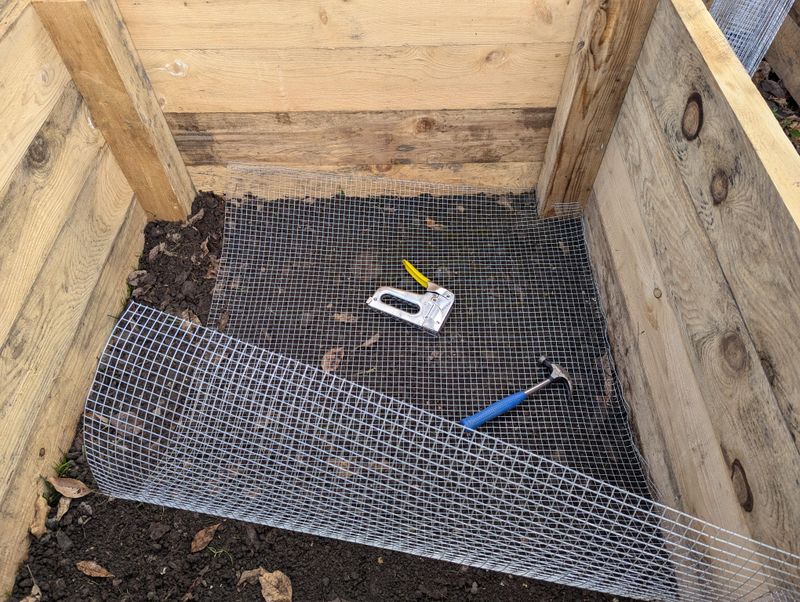
Hardware cloth is one of the most reliable physical barriers you can put between voles and your plants. Installing it before you plant makes the job far simpler.
Use a half-inch galvanized mesh for the best results. Smaller openings block voles without restricting water drainage or root growth too much.
Line the bottom and sides of raised beds before adding soil. Bend the cloth up a few inches along the walls to close off any gaps where voles might sneak through from the sides.
For in-ground beds, dig down at least 6 inches and lay the mesh flat before backfilling. Voles tend to tunnel shallow, so this depth provides solid protection in most situations.
Hardware cloth does not need to be replaced often. Galvanized versions hold up well in soil for several years, though conditions like high moisture can eventually cause corrosion.
Securing the edges matters just as much as covering the bottom. Loose corners or gaps in the mesh can give voles just enough room to squeeze through over time.
Taking the time to install this barrier at the start of a planting season saves a lot of frustration later.
Your Georgia Garden Changes Every Week. Your Plan Should Too.
Gardening in Georgia changes quickly throughout the season. Every Friday you’ll receive a simple weekly plan showing exactly what to plant, prune, fertilize, harvest, and protect so you never miss the right timing.
3. Avoid Thick Mulch Around Garden Beds
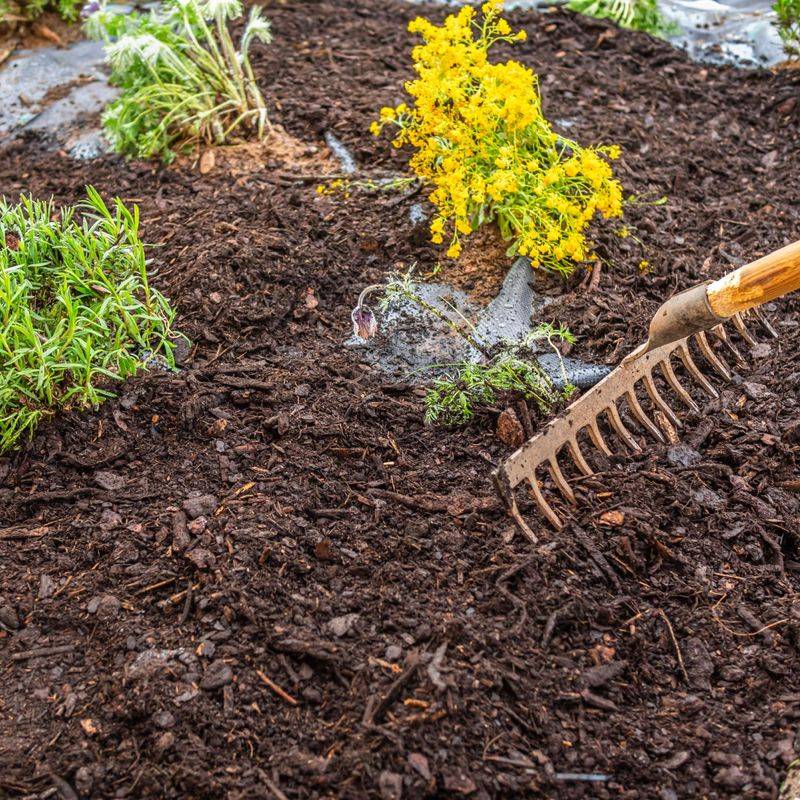
Thick mulch feels cozy and warm, and that is exactly why voles love it.
A deep mulch layer acts like insulation for their tunnels, making it much easier for them to move and nest undetected.
Most gardeners pile mulch on generously without realizing the problem it can create. A layer that is 4 or more inches deep becomes prime real estate for voles looking for a sheltered runway.
Keeping mulch to about 2 to 3 inches deep reduces that risk considerably. It still retains moisture and moderates soil temperature without creating a thick tunnel-friendly environment.
Pull mulch back a couple of inches from the base of plants and stems. Direct contact between mulch and plant crowns can also encourage rot, so keeping a small gap benefits the plants too.
Avoid using coarse, loose mulch right against garden bed borders. Finer, denser materials are slightly less inviting to voles than fluffy, easily-moved types.
Refreshing mulch seasonally is fine, but resist the urge to pile it higher each time. Buildup from year to year can quietly create the exact conditions voles prefer without you realizing it.
Mulch is genuinely useful in the garden. Applying it thoughtfully, rather than generously, keeps the benefits while cutting down on the unintended invitation to pests.
4. Protect Bulbs With Wire Cages
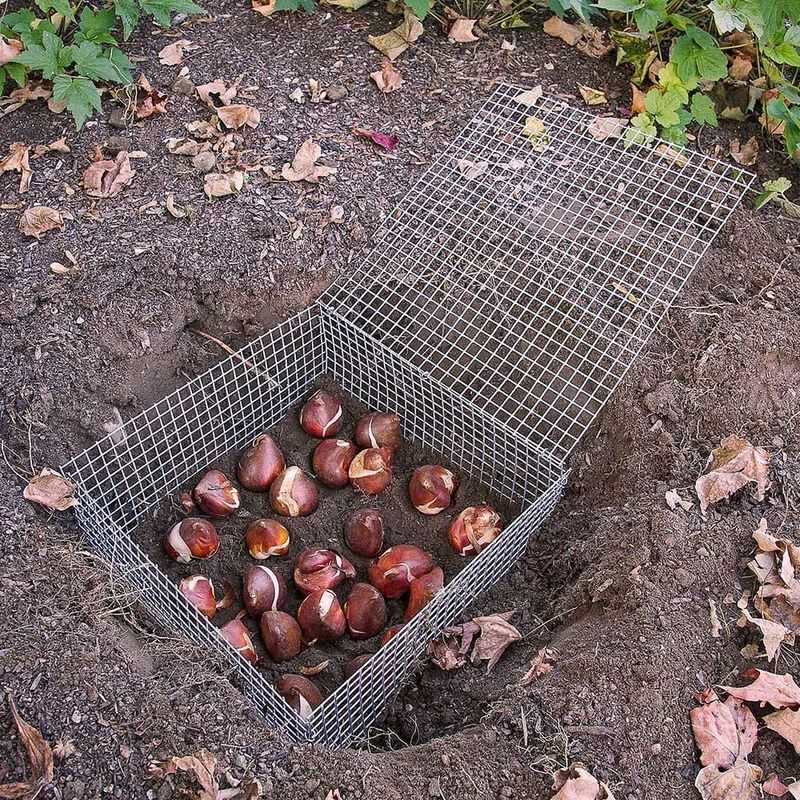
Bulbs are among the most vulnerable targets in any garden. Voles can locate and consume them surprisingly fast, often leaving no visible trace above ground until spring arrives with nothing to show.
Wire cages offer direct, reliable protection right at the source. You can buy pre-made bulb cages or cut your own from half-inch hardware cloth.
Shape the mesh into a small basket before planting. Set the bulb inside, fold the top closed, and bury the whole cage at the correct planting depth for that variety.
This method works well for tulips, lilies, and other bulbs that voles tend to target most aggressively. Daffodils and alliums are generally less appealing to voles due to their natural compounds, though no bulb is completely immune.
Cages do not need to be removed after planting. Roots and shoots grow through the mesh openings naturally, and the cage breaks down slowly over several seasons in most soil conditions.
Planting in fall, which is the right season for most spring-blooming bulbs, lines up perfectly with when vole activity tends to pick up in cooler weather. Getting cages in the ground early gives you a head start.
Wire cages take a bit more time upfront.
5. Mow Grass Around Garden Beds Regularly
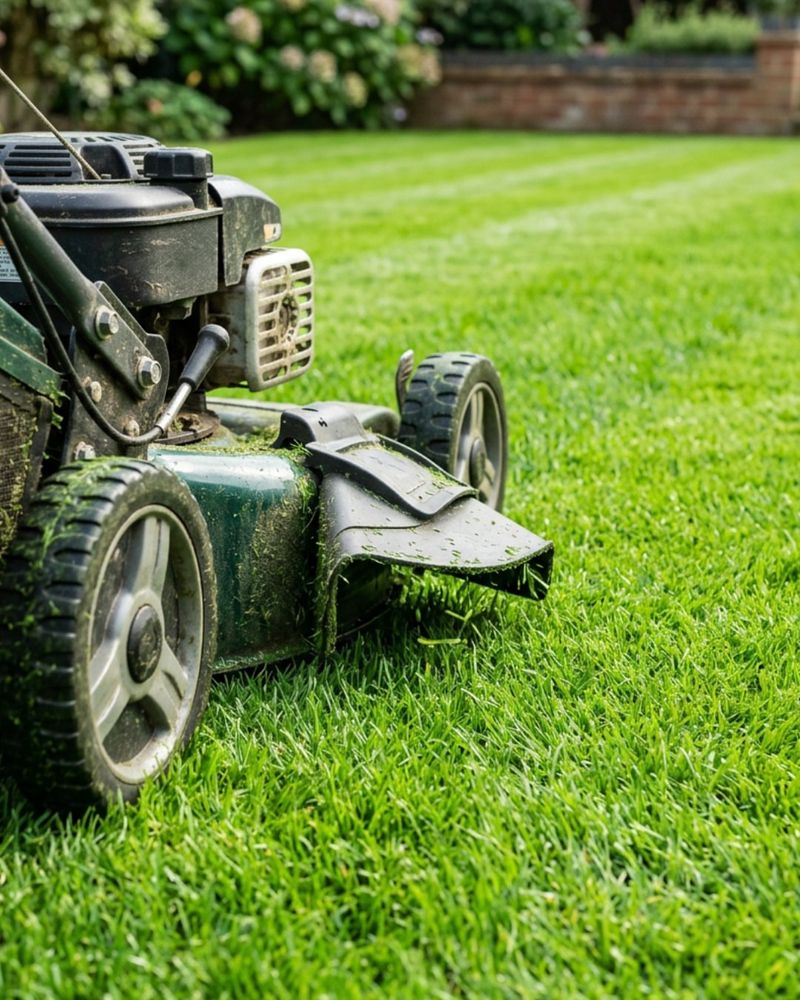
Short grass around garden beds removes one of the key things voles depend on: cover. When grass stays low, voles have far less protection as they move between feeding areas.
Tall, unmowed grass acts almost like a tunnel system above ground. Voles can travel through it without being spotted by predators or people.
Keeping grass trimmed to about 2 to 3 inches around your beds makes the surrounding area feel risky for voles. Exposed ground encourages them to look elsewhere for safer routes.
Mowing frequency matters more during active growing seasons. In Georgia, spring and summer bring rapid grass growth, so staying on a consistent schedule keeps that buffer zone effective.
Edging along bed borders also helps. A clean, defined line between the lawn and the bed removes the transition zone where grass tends to flop over and create hidden corridors.
Voles are prey animals. Anything that increases their exposure to open space works in your favor, and regular mowing does exactly that without requiring any special products or tools.
Pair consistent mowing with cleared vegetation along the edges, and you create a genuinely less appealing environment around your beds.
6. Remove Brush Piles And Yard Debris
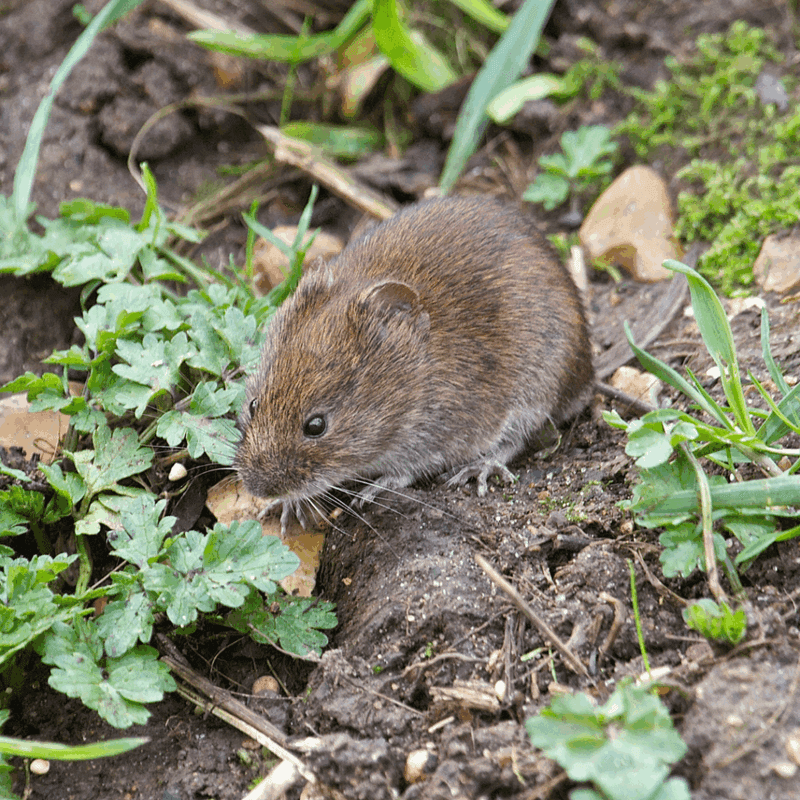
Brush piles and scattered yard debris are some of the most overlooked vole magnets in any garden. Stacked branches, leaf piles, and old wood create perfect nesting spots that voles can move into quickly.
A pile of leaves shoved against the fence line might seem harmless. To a vole, it looks like a ready-made home just steps away from your garden beds.
Clearing debris regularly removes that option entirely. Bag leaves after mowing, move brush piles away from beds, and avoid letting organic material stack up near planting areas.
Old lumber, unused pots, and stacked garden supplies can also serve as shelter. Keeping storage areas organized and off the ground reduces the number of hidden spots voles can use.
Compost bins near garden beds deserve attention too. An open or loosely covered bin can attract voles, especially if it contains roots, vegetable scraps, or other food material they recognize.
Using a sealed bin or placing the compost farther from your main beds cuts down on that draw. It does not eliminate all risk, but it removes an easy food and shelter combination that tends to encourage voles to stay close.
Yard cleanup does not need to be a massive project.
7. Watch For Early Signs Of Vole Activity
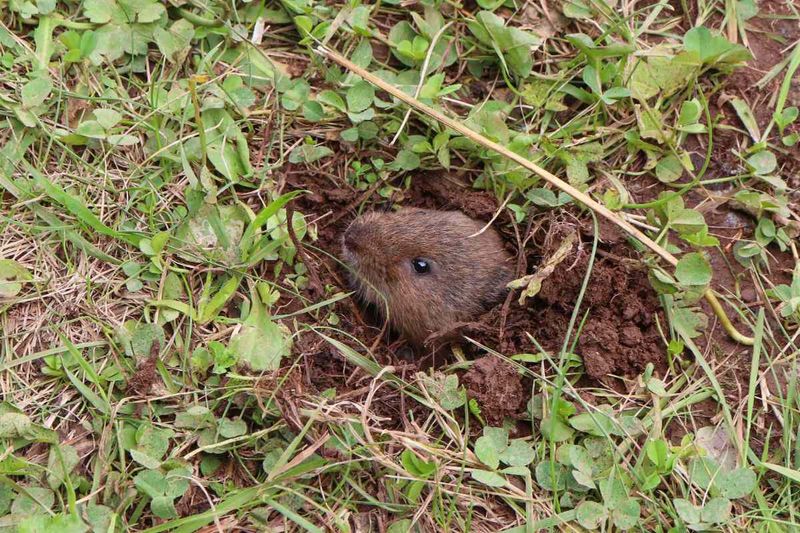
Catching vole activity early is the best way to avoid serious damage. Waiting until plants start wilting or disappearing means the problem has already grown well beyond the start.
Surface runways are one of the clearest early signs. Voles create shallow, narrow paths through grass and ground cover, usually about an inch or two wide, that connect burrow openings to feeding areas.
Look for these trails along the edges of your beds or running through nearby lawn areas. Fresh runways often have clipped grass or small droppings along the path.
Small entry holes in the soil near plant bases are another indicator. These openings are typically about the size of a quarter and may look slightly worn around the edges from repeated use.
Gnawed roots or missing bulbs discovered during spring planting or bed prep point to vole feeding that happened underground.
Wilting plants with no obvious above-ground cause also suggest root damage below the surface.
Checking your garden edges every week or two during active seasons gives you a chance to spot these signs before a small population grows larger.
Voles can reproduce rapidly under favorable conditions, so early detection matters.
Once you spot signs, you have several options including traps, repellents, or reinforcing physical barriers.