What to Do If Olives Are Falling in Your Arizona Yard
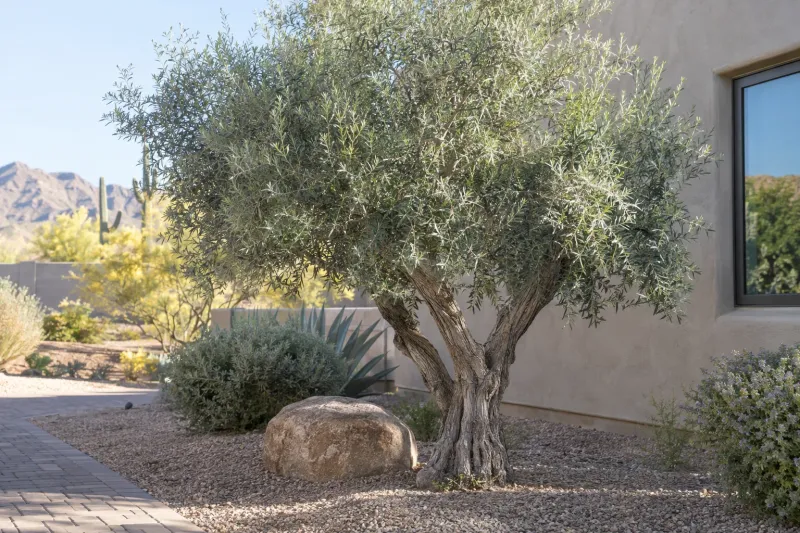
A single olive tree can drop fruit that stains a sidewalk for weeks. I have seen purple smears on pavement that look like a paint spill.
If olives are falling in your Arizona yard, you have a few simple choices. Pick fruit you plan to use, sweep up the rest, or tackle the stains.
Each path has its own steps, and some come with real safety rules.
When Do Arizona Olives Ripen?
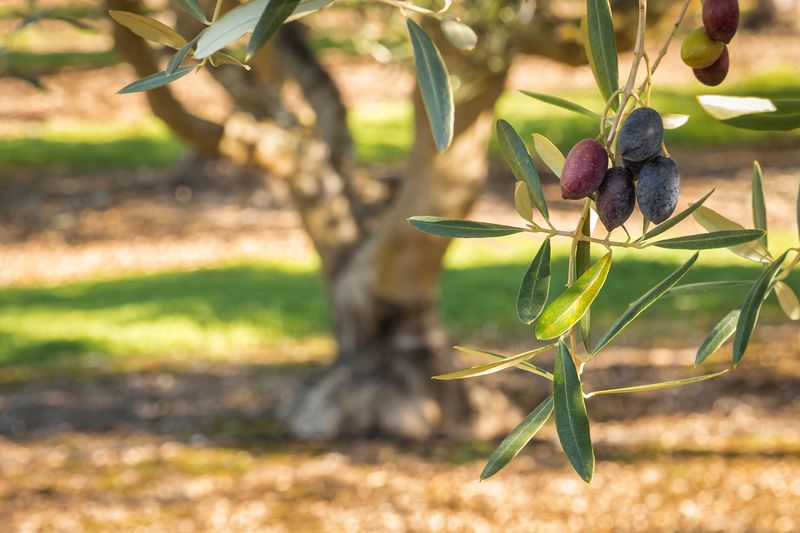
Fall often brings ripe olives, but your tree sets its own schedule. University of Arizona Arboretum records say the fruit ripens about six to eight months after flowering, and it is ready to drop once it reaches full color.
Timing shifts with location, cultivar, and the season itself. A desert yard in Yuma and a cooler yard in Flagstaff will not match, and neither will two different varieties on the same street.
For a local example, a 2015 Arizona Daily Star answer from a Cooperative Extension agent called late October a good harvest time for a Tucson-area tree turning from green to purple. Treat that as one neighborhood’s story, not a statewide deadline.
The best calendar is your own tree. Check the fruit color every week or so, note when the first olives start dropping, and write the dates down for next year.
Harvest Fruit You Plan to Use
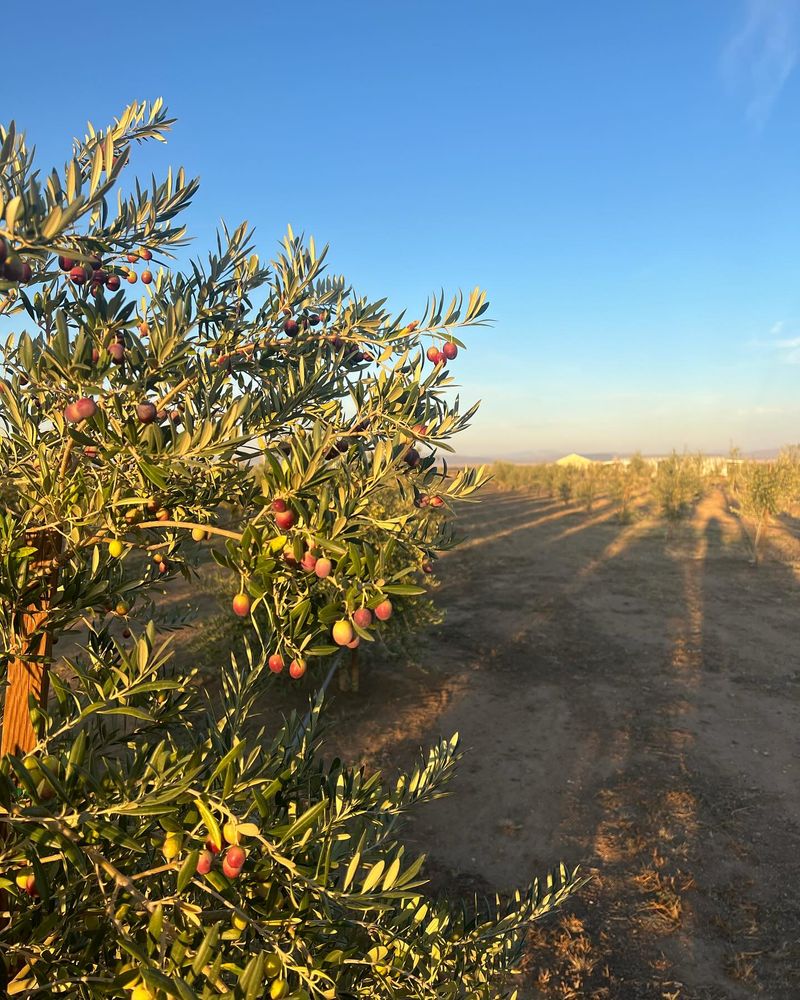
Want to actually use your olives? Then pick some before they hit the ground, since fruit that has already fallen is a poor starting point for food.
The UA campus harvests its olives in the fall, as described by the UA Arboretum.
The green-to-purple change in the Tucson example is one local clue, not a universal signal. The stage you want depends on what you plan to do with the fruit, so decide your purpose first.
Look over the tree, check the fruit’s color and condition, and pick only what looks sound. Skip anything soft, damaged, or questionable.
You do not have to harvest everything. Some people take a modest basket and leave the rest, which is a perfectly reasonable choice.
Collect Fallen Olives to Manage the Mess
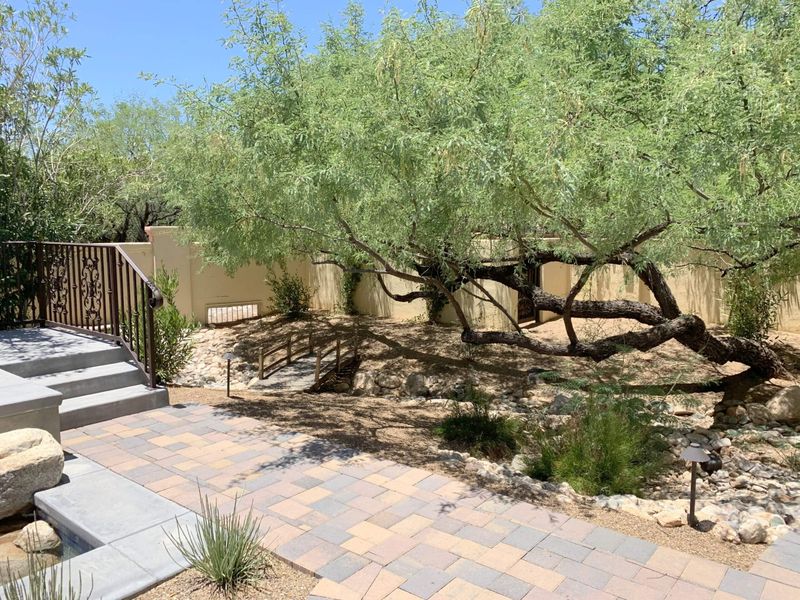
Ripe olives that land on a walkway can leave dark marks behind. The UA campus documents staining on sidewalks from fallen fruit, so your patio is not alone.
If litter bugs you, gather fallen fruit regularly. A rake, a broom, or a simple bucket does the job, and frequent passes keep olives from getting squashed underfoot.
Think of this as yard tidying, not food gathering. Fallen olives are not automatically fit for curing or eating, so toss them in the trash or green waste according to your local pickup rules.
Focus first on walks, driveways, and patios where people step. Shaded dirt under the tree can wait a bit longer.
Fresh Olives Need Careful Processing
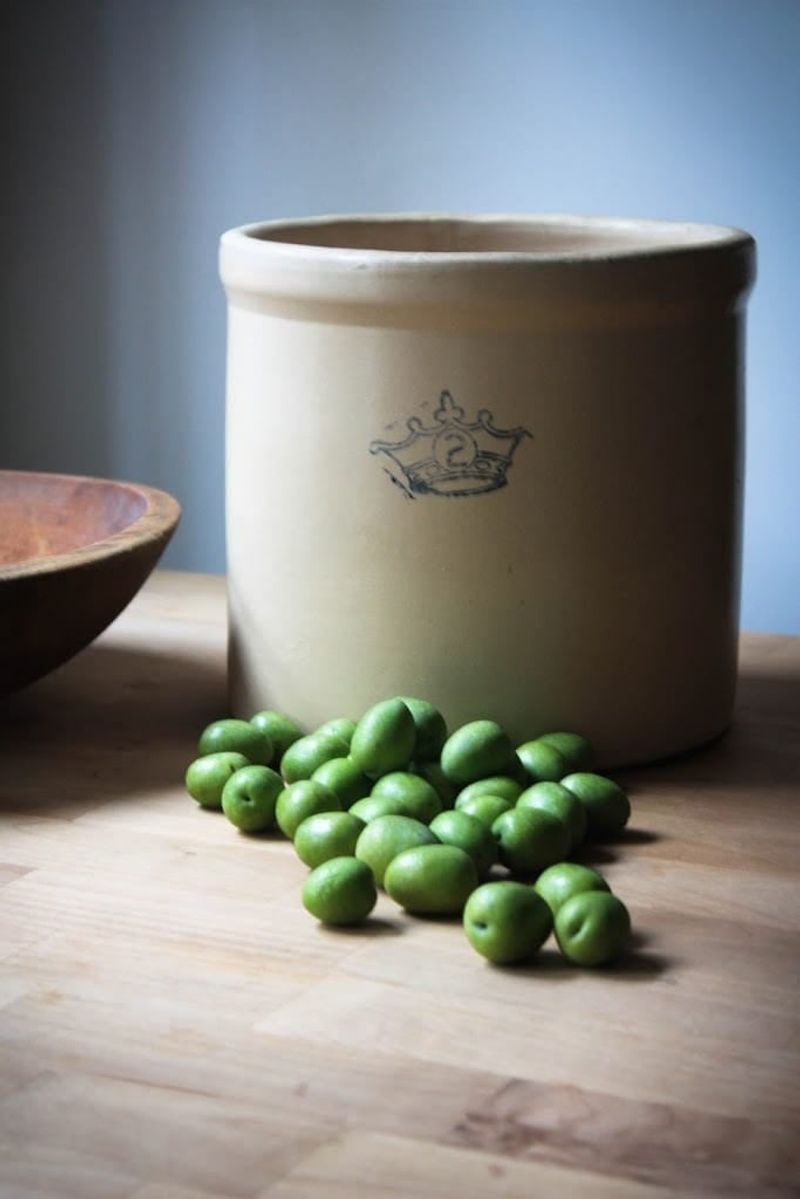
Straight off the branch, olives taste bitter, and they need processing before they make palatable food. Home curing is a food preservation task, not a quick snack project.
Follow current, tested guidance such as UC Agriculture and Natural Resources home pickling advice. Olives are low-acid, and shelf-stable canned olives require pressure canning.
Lye curing is a higher-risk method. Lye can cause severe burns, so it calls for protective equipment and the right containers.
If olives turn soft, moldy, or foul-smelling during curing, do not taste them to check. Skip improvised recipes and stick with tested instructions.
A Local Mill May Be an Option
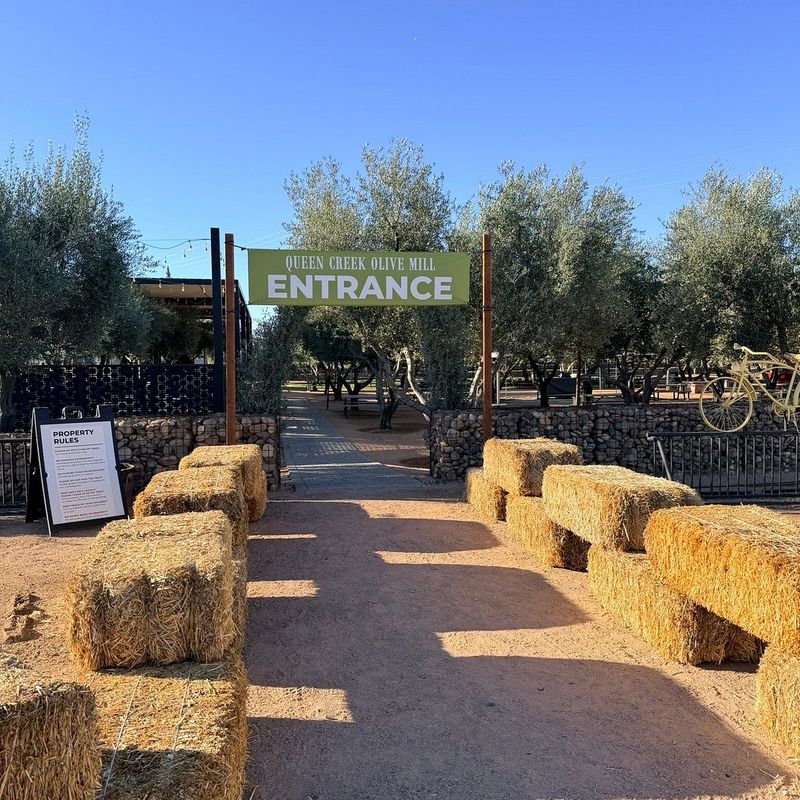
Not keen on curing? Milling is one possibility.
The UA campus sends its harvest to Queen Creek Olive Mill, according to the UA Arboretum.
That does not mean a mill will take a backyard crop. Mills set their own rules on quantity, condition, and timing.
Call or email a mill directly before you pick. Ask what they accept and how they want fruit delivered.
If they say no, you still have other options, including a smaller harvest or simple cleanup.
Start Paving Cleanup With Detergent and Water
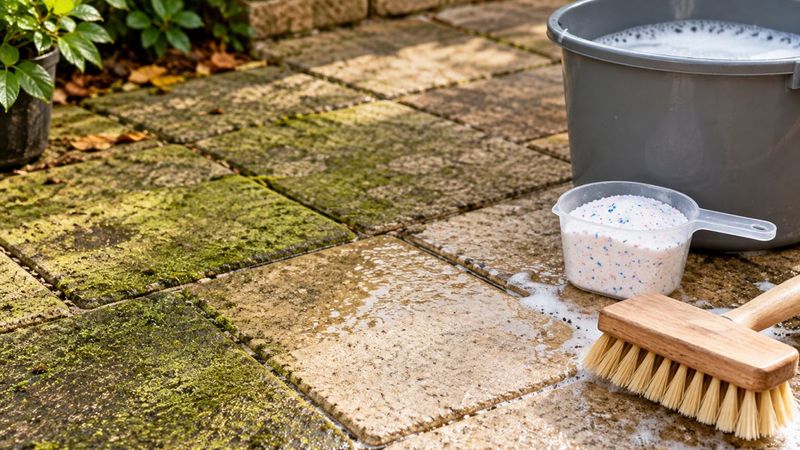
Pick up the fruit first, since squashed olives keep adding to the stain. Then start gently with detergent and water, scrub, and rinse well.
That approach follows University of Georgia Extension fruit stain guidance, which covers exterior masonry and paving.
If marks remain, test any stronger cleaner on a hidden corner first. Follow the product label closely.
No method promises a spotless result, and older stains can fade only partly. Patience and a few rounds often beat harsh shortcuts.
Check Local Rules Before Considering Tree Removal
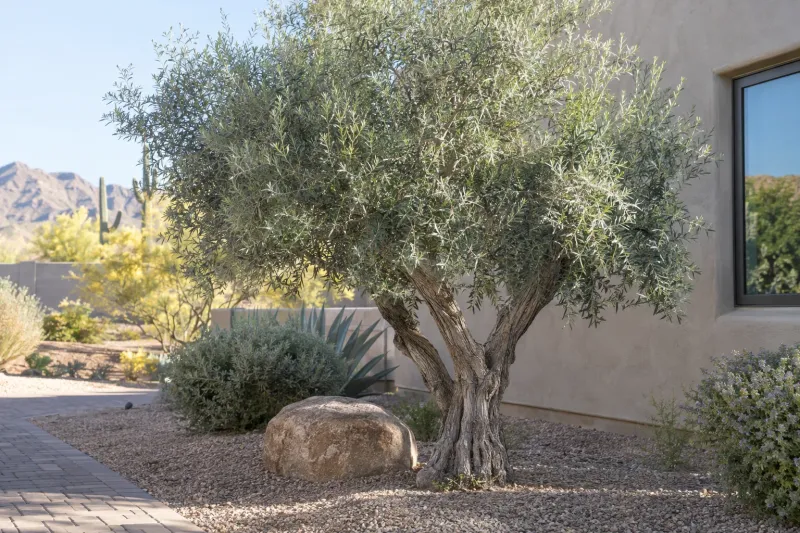
Tired of the mess? Before anyone talks about removal, check your local rules.
Planting rules and recommendations are different from rules for trees already in the ground.
Phoenix offers one example. Its landscape FAQ explains that existing olive trees may remain, including some grandfathered trees and trees in overlay districts.
That is only Phoenix, and it does not apply statewide. Contact your own city or county, or check your HOA, to see what applies to you.
Choose the Next Step for Your Yard
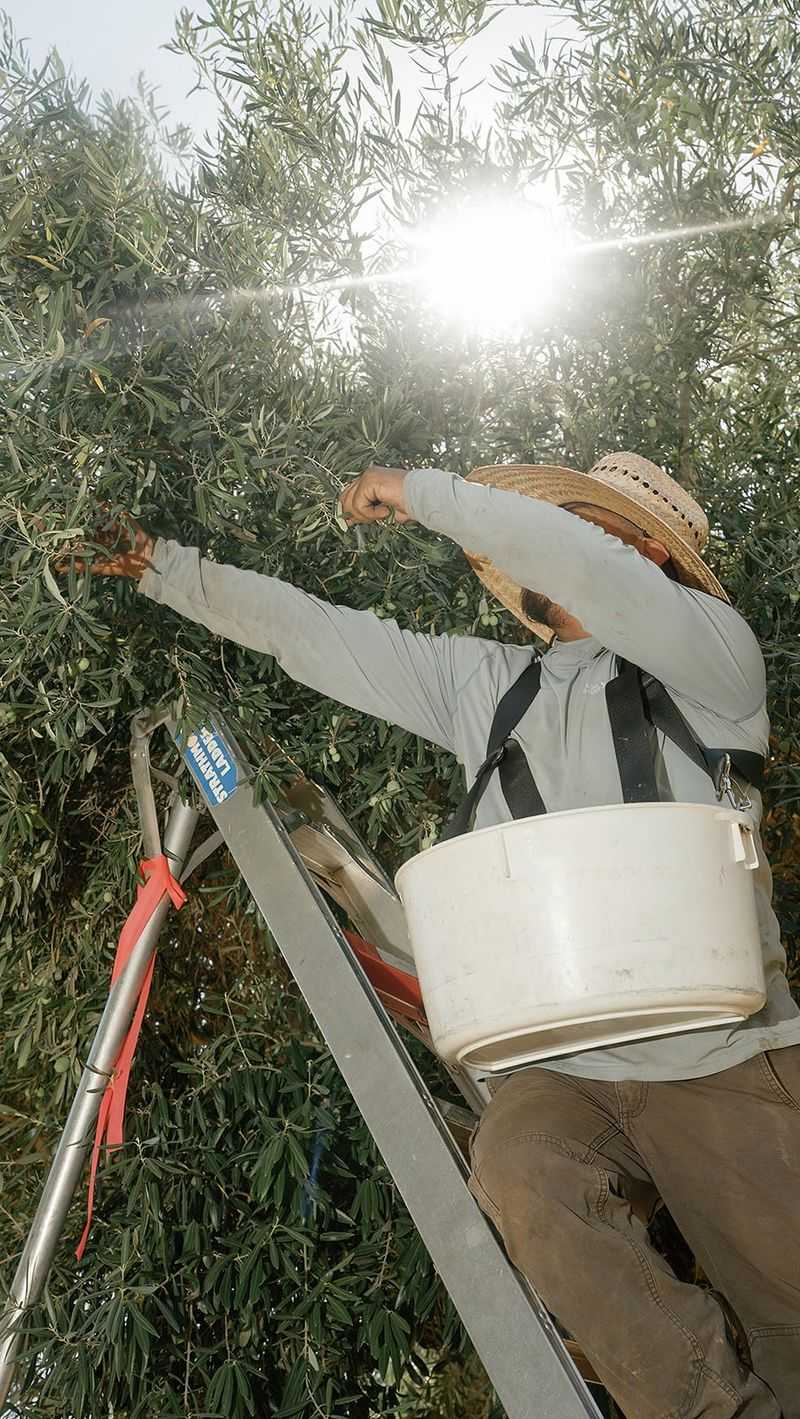
Pick your path. Harvest fruit you plan to process, sweep up fallen olives to cut the litter, or wash stained paving.
You can mix all three, and nobody says you must do everything at once. A tree that drops fruit is just asking for a plan, and now you have one.