8 Signs Spider Mites Are Taking Over Your Arizona Garden In August
August has a very particular talent for making plants look rough, and most of the time gardeners chalk it up to heat stress and move on. Which is completely understandable, because heat stress is everywhere this time of year.
But here’s where things get a little sneaky. Sometimes what looks like a plant struggling through another brutal Arizona afternoon is actually something else entirely.
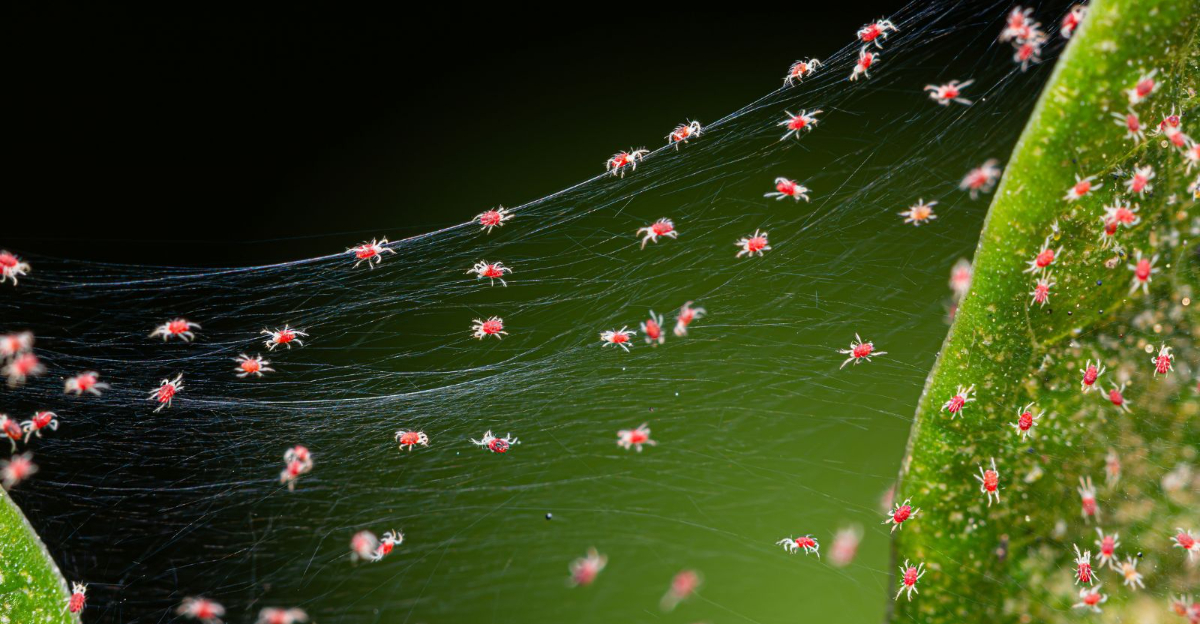
Spider mites are tiny, incredibly hard to see with the naked eye, and exceptionally good at causing damage that blends right in with ordinary summer stress symptoms.
By the time most gardeners figure out what’s actually going on, the mites have been quietly at work for a while already.
Hot, dry, dusty conditions are basically their ideal environment, and August in Arizona delivers all three in abundance. Knowing what to look for changes everything.
1. White Or Yellow Stippling Is Spreading Across The Leaves
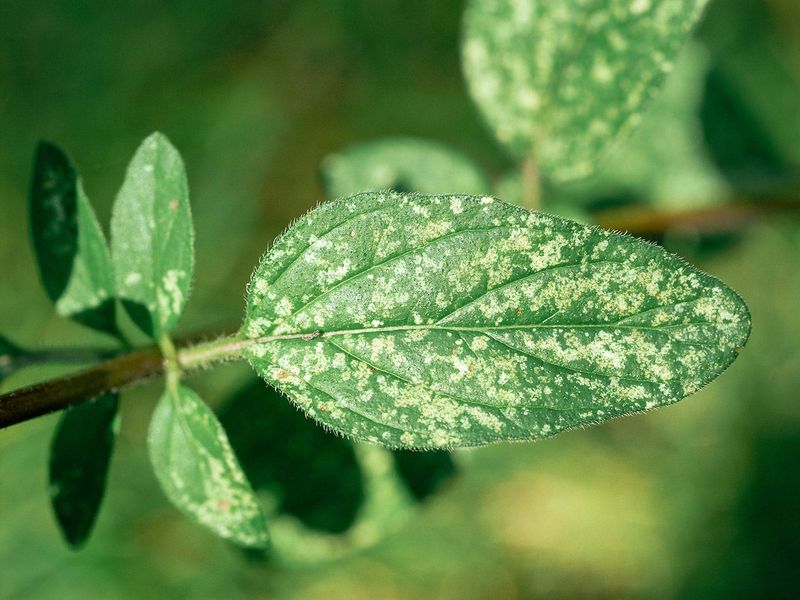
Leaves that look dusty or speckled in the summer sun often catch a gardener’s eye first. Spider mites feed by piercing individual plant cells and removing the contents inside, which leaves behind tiny pale, white, or yellow spots scattered across the foliage.
Gardeners often call this speckled look stippling. Up close, it can appear as though someone sprinkled fine dots of light color over otherwise green leaves.
On many Arizona ornamentals, shrubs, and vegetables, the spotting starts small and slowly spreads as feeding continues.
The tricky thing is that stippling can resemble other kinds of plant stress. Heat, salt buildup, uneven watering, and certain nutrient problems can all create pale spotting that looks similar at a glance.
Because of that overlap, it helps to treat stippling as one clue rather than final proof. Check whether the spots are increasing over days, and look at several leaves rather than just one.
Turning leaves over and inspecting the undersides gives you a better sense of what is happening. If stippling is showing up alongside fine webbing or moving mites, the case for spider mites grows much stronger.
For Arizona gardeners, catching stippling early during a hot August is useful because damage tends to build quickly when conditions stay dry.
Noticing the pattern gives you a chance to inspect further before jumping to any treatment, which helps you avoid reacting to simple summer stress.
2. Fine Webbing Is Appearing Around Leaves And Stems
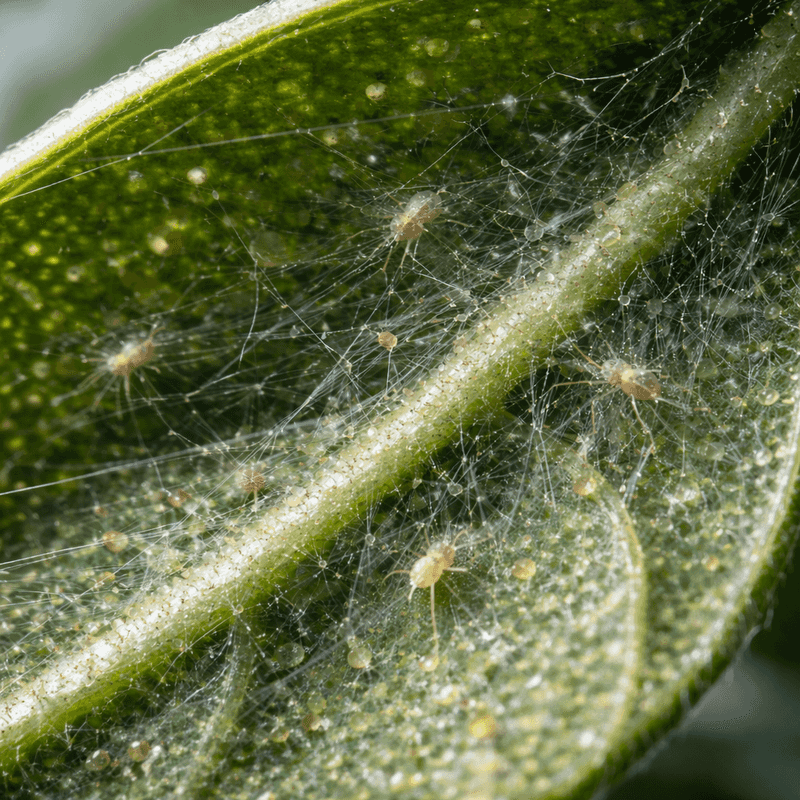
Delicate strands stretching between stems can be one of the more telling clues in a stressed garden. As spider mite populations grow, they may produce fine, silk-like webbing around leaves, stems, and other plant parts.
Light infestations often show little or no visible webbing, so a plant can have mites without obvious silk. Heavier populations, on the other hand, tend to create more noticeable webs that may collect dust and look grayish in the Arizona sun.
Because webbing is not always present early on, its absence does not clear a plant of mites. When you do spot it, though, that webbing is a stronger hint than discoloration alone.
Your Arizona Garden Changes Every Week. Your Plan Should Too.
Gardening in Arizona changes quickly throughout the season. Every Friday you’ll receive a simple weekly plan showing exactly what to plant, prune, fertilize, harvest, and protect so you never miss the right timing.
The best places to look are the joints where leaves meet stems, the undersides of leaves, and the tips of branches. Early morning light can make thin strands easier to see when they catch a little glow.
Keep in mind that other creatures also spin webs, so a single strand is not automatic proof. What matters is finding webbing together with stippling or actual moving mites on the plant.
During a dry Arizona August, webbing can develop faster because warm conditions may speed mite activity. If you notice silk spreading across more of the plant over just a few days, that trend is worth watching closely.
Spotting webbing early gives you a chance to confirm the pest and decide on gentle steps before the population expands further across your garden.
3. Leaves Or Needles Are Starting To Turn Yellow
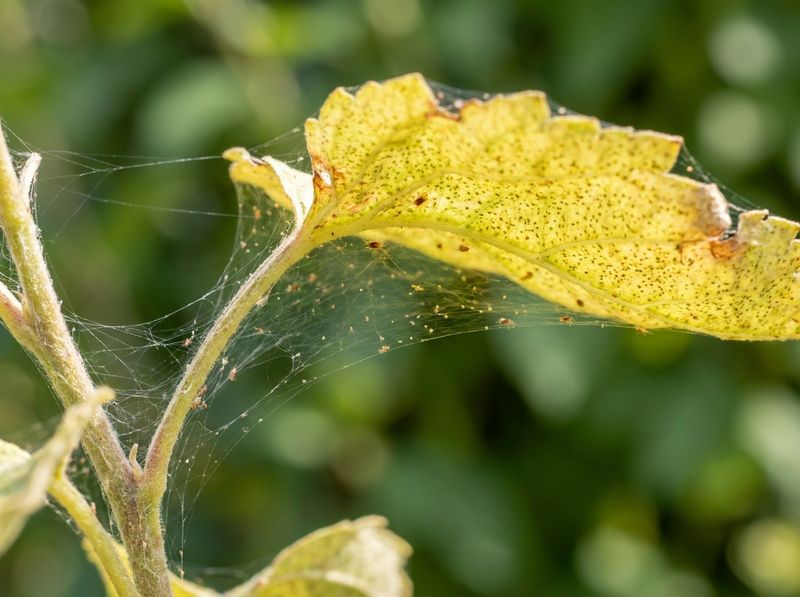
Foliage that slowly fades from healthy green to yellow can signal that something is drawing life from the plant. Continued spider mite feeding removes cell contents over time, and that steady loss can cause leaves or evergreen needles to lose their normal color.
University of Arizona guidance lists yellowing foliage among the symptoms linked to spider mite injury. When mites feed heavily, the tiny pale spots can blend together until larger sections of a leaf look washed out or yellowed.
Yellow leaves by themselves are not enough to blame spider mites, though. In Arizona gardens, irrigation problems, root stress, salt buildup, and nutrient issues can all produce similar yellowing during a hot August.
That is why it helps to look at the whole picture. Check whether the yellowing appears along with stippling, webbing, or mites you can actually see moving on the plant.
Inspect the undersides of yellowing leaves first, since mites tend to gather there. Compare affected plants to nearby healthy ones to judge whether the color change is spreading or holding steady.
Watering patterns matter too. If a plant is yellowing but the soil stays either too dry or too soggy, the cause might be water rather than pests.
Taking a moment to sort out these possibilities keeps you from treating for mites when the real issue is heat or irrigation. Careful checking leads to smarter, gentler responses in your garden.
4. Foliage Is Developing A Bronze Or Bleached Appearance
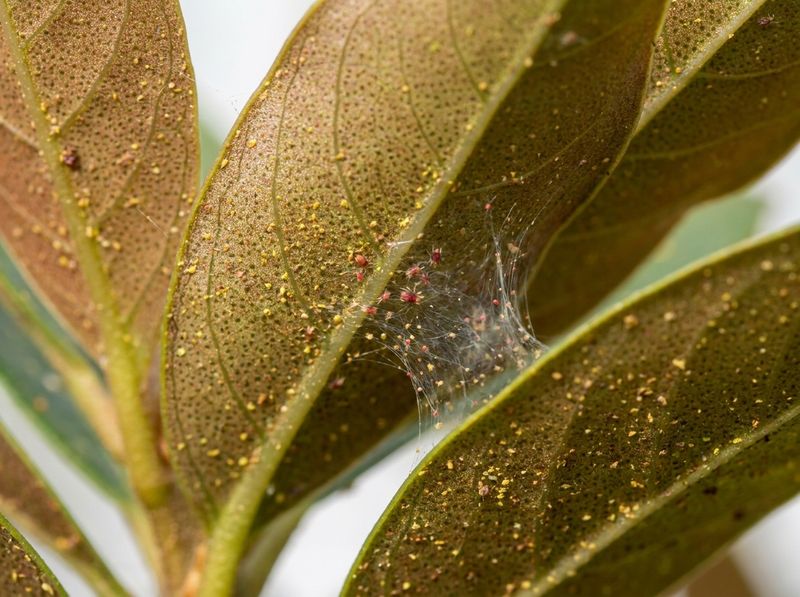
A dull, coppery cast spreading over once-green foliage tends to worry gardeners, and for good reason. Heavier spider mite feeding can move beyond small pale spots into broader areas that look bronze, yellowish, reddish, or bleached.
The exact look varies by plant. Some shrubs take on a rusty or bronze tone, while certain vegetables or ornamentals may appear faded and washed out as damage builds across many cells.
Because this color shift depends on the species, bronzing alone should not be treated as proof of mites. Sunburn, heat scorch, and mineral problems can also give Arizona plants a bleached or discolored appearance during August.
To sort things out, examine the pattern of discoloration and check the leaf undersides for stippling, webbing, or moving mites. Bronzing that appears together with those clues points more clearly toward spider mite injury.
It often helps to track how quickly the color is changing. Mite damage usually spreads gradually across leaves rather than appearing overnight, so watching over several days can reveal the trend.
Look closely at both older and newer growth. If the dulling starts on lower or inner leaves and creeps outward, that pattern is worth noting.
In the dry Arizona heat, plants already stressed by sun and limited water may show bronzing faster once mites are present. Combining these observations gives you a more reliable read before you decide on any next step.
5. Tiny Moving Mites Are Visible On Leaf Undersides
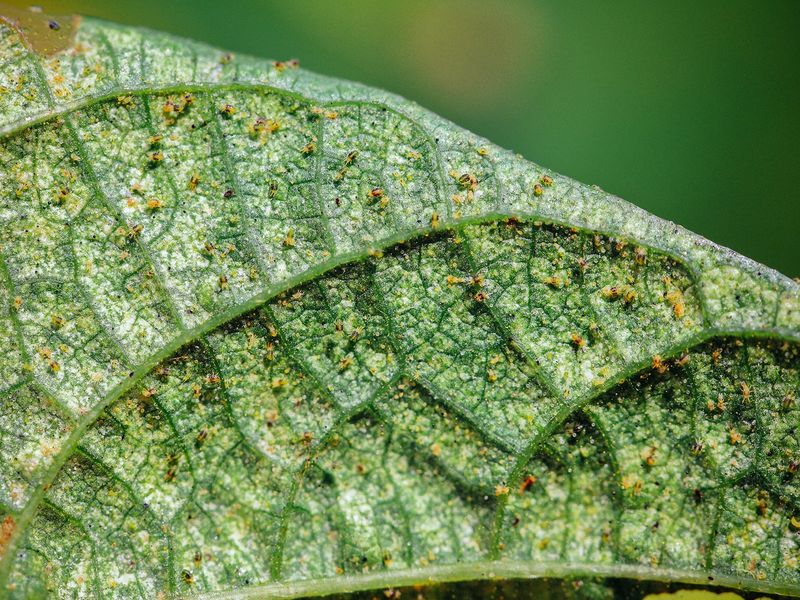
Flipping a leaf over and finding it faintly moving can be a startling moment for any gardener. Spider mites commonly feed and form colonies on the undersides of leaves, which is exactly where you should look when symptoms appear.
These creatures are extremely small and often hard to see without close inspection or a hand lens. They may look like little specks that seem to shift position when you watch them for a few seconds.
Seeing mites that are actually moving gives you far stronger evidence than discoloration alone. General yellowing or bronzing can come from many causes, but living, crawling mites on the leaf undersides point directly to an infestation.
To check, gently turn several leaves and hold them steady in good light. A magnifying glass or hand lens makes the tiny bodies much easier to spot against the leaf surface.
Focus on leaves that already show stippling or webbing, since mites tend to gather where feeding is heaviest. Inspecting both healthy-looking and damaged leaves helps you gauge how far the population has spread.
In Arizona’s dry August heat, colonies can build up quickly, so a plant that looked fine last week may reveal mites now. Regular leaf-underside checks during hot spells help you catch them sooner.
Confirming live mites before acting keeps you from treating plants that are simply stressed by the summer sun and limited moisture.
6. Tiny Moving Specks Appear During A White-Paper Test
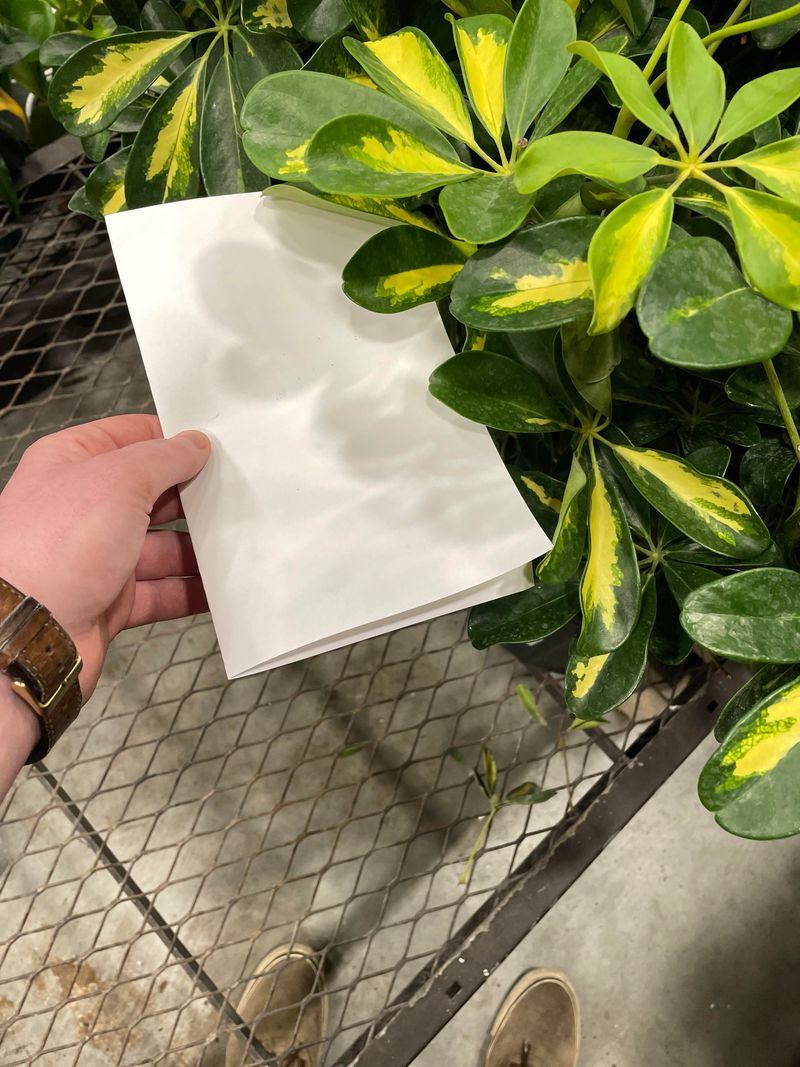
A simple sheet of white paper can turn into one of your best detective tools in the garden. To run the test, hold the paper beneath affected foliage and gently tap or shake the leaves and stems above it.
If spider mites are present, some may fall onto the paper and show up as tiny specks. What sets mites apart is movement, so watch closely to see whether those specks slowly crawl around.
Because they are so small, a magnifying glass or hand lens can make identification much easier. The extra magnification helps you tell living mites from bits of dust, pollen, or loose plant debris that also land on the paper.
Distinguishing moving organisms from still particles is the whole point of the test. Dust sits in place, while mites drift and shift across the white surface.
For the clearest results, choose leaves that already show stippling or a dulled color. Tapping several parts of the plant gives you a better sense of how widespread the population might be.
This method works well in Arizona because it lets you confirm pests without guessing based on heat-stressed leaves. A quick paper check can save you from treating a plant that is only reacting to the August sun.
When the paper reveals crawling specks alongside stippling and webbing, you have solid, hands-on confirmation that spider mites are truly active in your garden.
7. Webbing And Mites Are Becoming Widespread Across The Plant
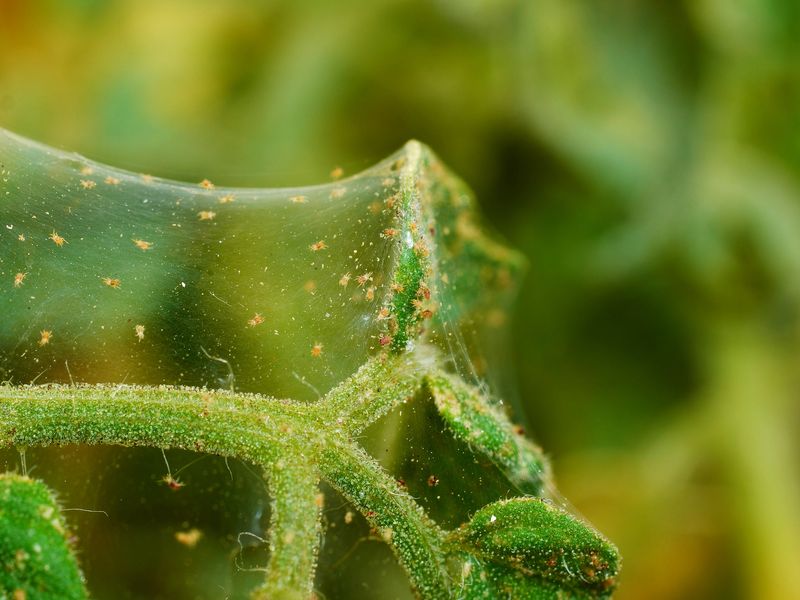
A plant wrapped in more and more silk, with speckled leaves at every turn, usually means the trouble has grown. Increasing amounts of webbing, visible mites, and feeding damage across many leaves or sections can point to a larger spider mite population.
Webbing on its own does not measure how serious things are. A plant might have scattered strands yet a small population, or heavy damage with only patchy silk depending on the species and conditions.
What makes the picture clearer is the combination of signs. When you find spreading stippling, obvious webbing, and mites you can actually see moving, those clues together suggest the infestation is expanding.
Look at the plant as a whole rather than a single branch. Damage that has moved from a few lower leaves to much of the canopy shows the mites are gaining ground.
Inspect several areas, including inner branches and leaf undersides, to judge how far things have spread. Comparing new growth to older growth also helps reveal the trend.
Arizona’s hot, dry August can speed this progression, since warm conditions may favor rapid mite activity. A plant that seemed lightly affected can look heavily involved within a short stretch of hot weather.
Recognizing widespread involvement early lets you focus on gentle, targeted steps and careful monitoring. Consulting University of Arizona extension guidance can help you choose responses suited to the specific plant.
8. Heavily Damaged Leaves Are Dropping Prematurely
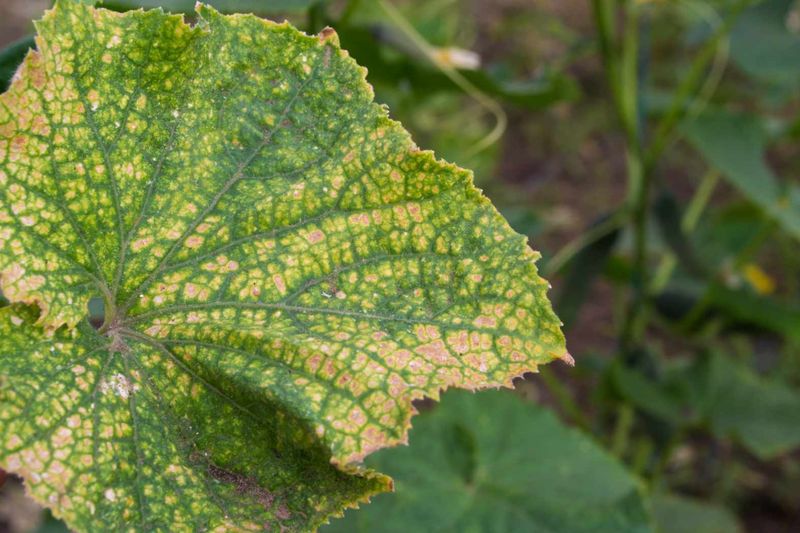
Watching leaves fall well before autumn can feel alarming, especially on a plant that looked fine not long ago. Substantial spider mite feeding can contribute to leaves yellowing, browning, and dropping earlier than expected.
Leaf drop generally shows up with heavier or longer-lasting damage rather than as an early warning. By the time foliage is falling, mites have often been feeding for a while, so this sign tends to appear later in the process.
Arizona’s summer conditions complicate the picture. Intense August heat and water stress can also cause plants to shed leaves, sometimes without any pests involved at all.
Because of that overlap, it pays to inspect carefully before blaming mites for the loss. Check the leaves that remain for stippling, webbing, and moving mites on their undersides.
It also helps to review your watering. A plant losing leaves in dry, cracked soil may be reacting mostly to thirst, while soggy roots can trigger drop for different reasons.
Compare the shedding plant to nearby ones under similar care. If only the mite-affected plant is dropping leaves while others hold theirs, that difference is meaningful.
Running a quick white-paper test on the remaining foliage can confirm whether live mites are still active.
Sorting out heat and water stress from pest damage keeps you from treating unnecessarily and points you toward the response that actually fits what your Arizona garden needs.