Why Your Michigan Firewood Pile Shouldn’t Be Stacked Against The House
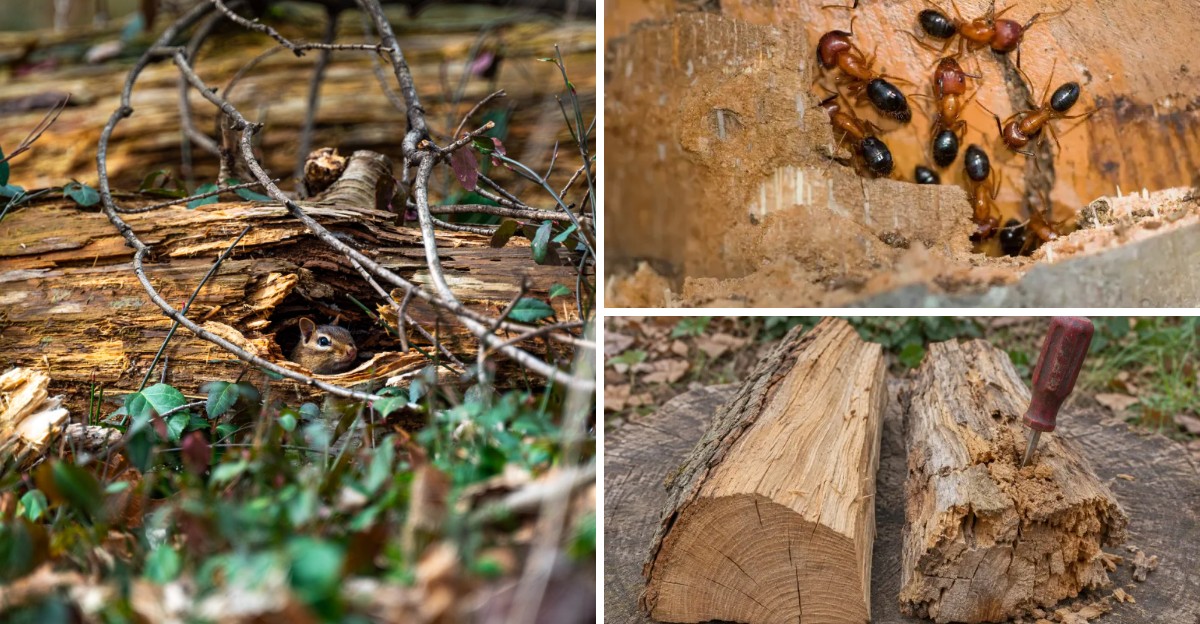
Carpenter ants don’t eat wood at all. They chew smooth tunnels through damp timber and kick the sawdust out like tiny housekeepers.
I learned that fact the hard way one spring in Michigan. A neat little trail of shavings showed up near my back steps, right beside the cozy log stack I was so proud of.
Truth is, I loved having fuel just a few steps from the door. Every fall, I stacked it tight against the siding and felt clever about saving trips through the snow.
That handy setup was quietly doing something else, though. It was holding moisture against my walls and building a sheltered highway straight to my foundation. So what else was moving in while I sipped cocoa by the fire?
That Tidy Log Stack Doubles As A Bridge To Your Siding
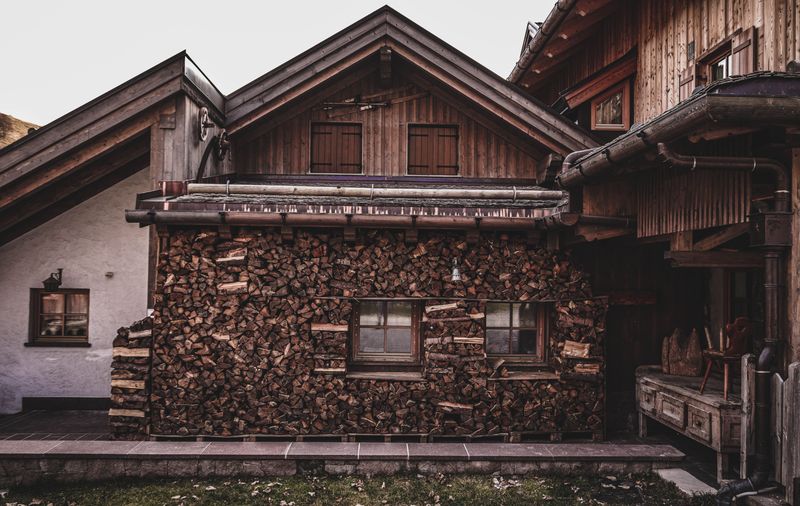
Folks see a cozy pile of split oak. Bugs and critters see a free apartment with a private hallway into your home.
A firewood stack is basically a shelter made of nooks, cracks, and shady gaps. Push it against your house, and the wood touches siding, trim, and the foundation all at once. That contact turns your wall into the next stop for anything living in the logs.
Michigan State University Extension and many pest experts give the same basic advice. Keep firewood stacked away from buildings so pests don’t have an easy route inside. It sounds simple, yet it’s one of the most common mistakes homeowners make.
Here’s what surprised me most. The problem isn’t just about the wood itself. A big stack also blocks your view of the wall behind it, so you can’t spot chewed trim, ant trails, or soft spots until the damage is already well along.
Moisture adds another layer. Wood resting against siding stays damp and shady, and that damp zone becomes a magnet for insects and rot.
So that charming stack by the back door works more like a doormat for trouble. Moving it is easier than you might expect.
Move The Woodpile At Least 20 Feet From Your Foundation
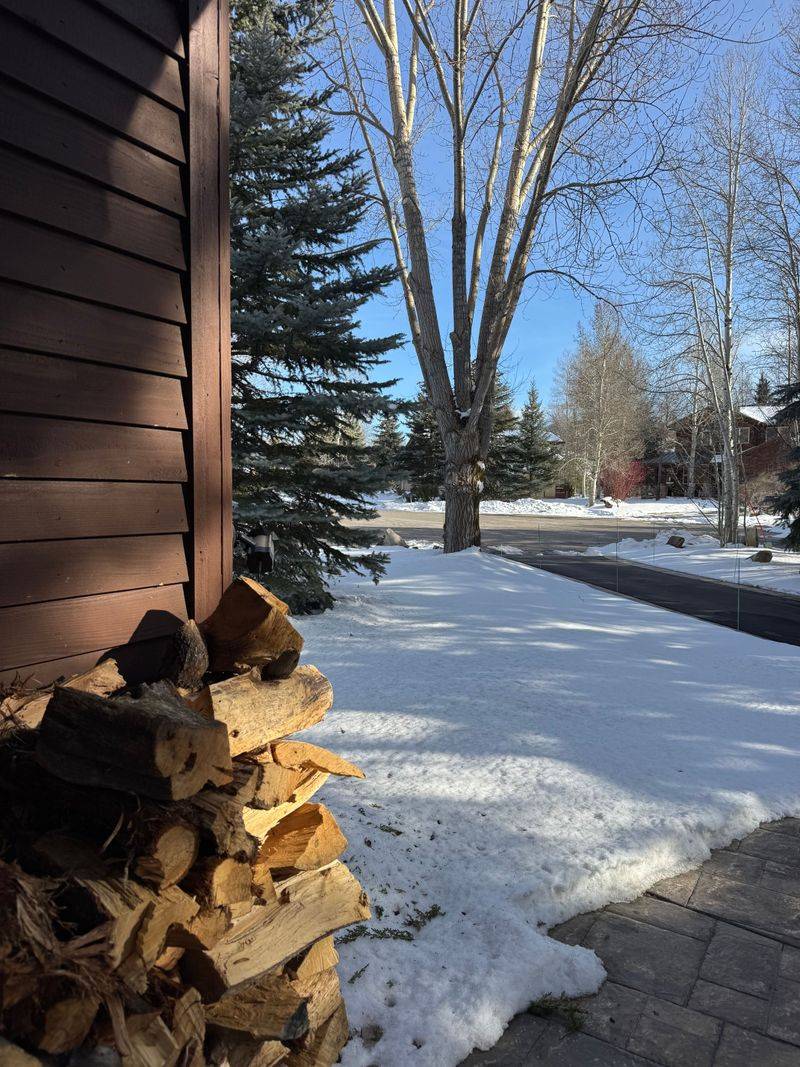
Distance is the real fix, and it costs nothing but a few extra steps. Many pest control companies and extension sources suggest keeping firewood at least 20 feet from your house, with some recommending up to 30 feet.
You’ll see smaller numbers too, like 5 feet. Treat that as the bare minimum, not the goal. The farther away the pile sits, the harder it is for ants, mice, and beetles to wander from the logs to your walls.
I get it. Nobody wants to trudge across a snowy yard in January. My compromise is a small sturdy rack near the door holding just a day or two of wood, while the main supply lives out back.
Pick a spot with good sun and wind if you can. Sunlight and breezes dry the wood faster, which helps it burn better and makes it less inviting to bugs.
Also keep the pile away from sheds, decks, and fences that touch your home. A deck can act like a bridge just as easily as a wall can.
A clear strip of lawn or gravel between pile and house is your best buffer.
Carpenter Ants Love Damp Firewood More Than You Do
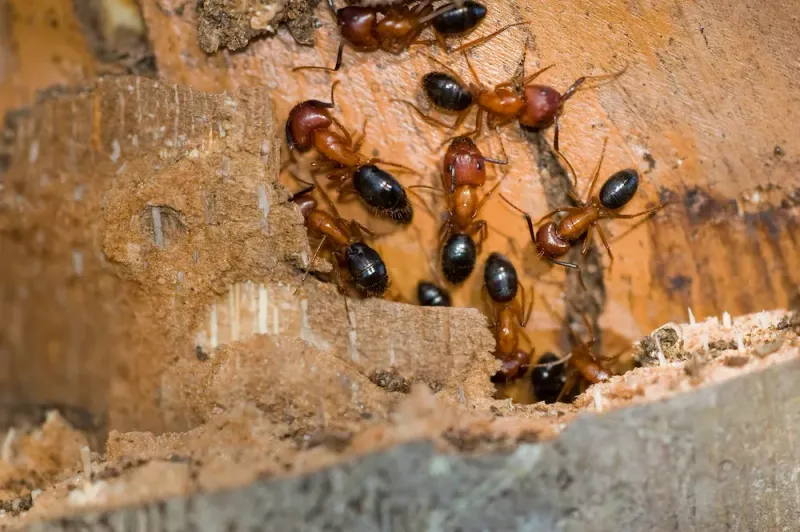
Big, black, and surprisingly busy, carpenter ants are among the most common wood pests in Michigan homes. MSU Extension notes they nest in moist or decaying wood, and a shady firewood pile fits that wish list nicely.
Fun fact: these ants don’t digest wood. They carve smooth galleries to raise their young and push out coarse sawdust called frass. Spotting little piles of that stuff near your stack or foundation is a strong clue.
A colony in your woodpile isn’t a crisis by itself. The worry starts when satellite colonies move into damp spots in your home, like soggy window frames, leaky roof edges, or wet sill plates.
Keeping wood away from the house cuts off that short commute. Fixing leaks and drainage around your home matters just as much, since dry wood is far less tempting to them.
Watch for large winged ants indoors in late winter or spring. Those swarmers can signal a nest inside the structure, and that’s a good time to call a licensed pest pro.
Keep an eye out for frass, rustling sounds in walls, and ants marching in at night.
Trapped Moisture Behind The Logs Invites Rot And Mold
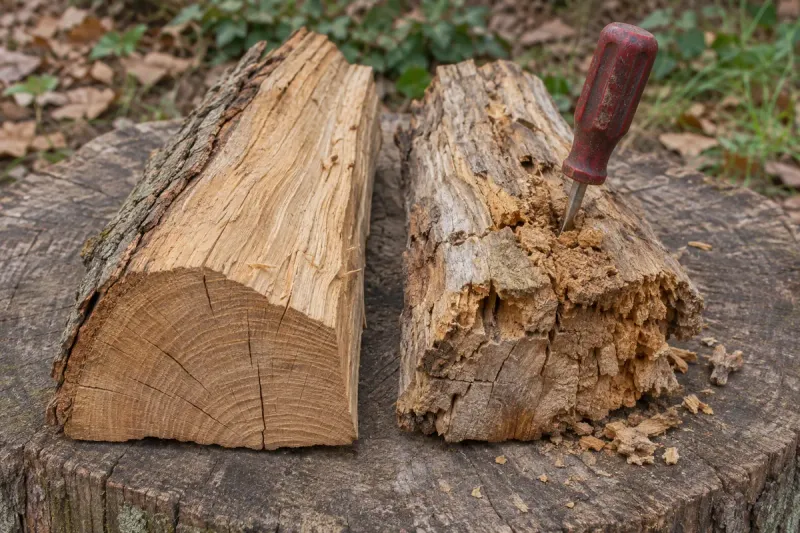
Pull a long-stacked pile away from a wall, and you might find a nasty surprise. Dark stains, mildew, and soft trim often hide right behind those logs.
Firewood holds water, especially fresh-split wood or logs sitting on bare soil. Stacked against siding, it blocks sunlight and airflow, so the wall behind it stays damp for days after a rain. Michigan’s wet springs and snowy winters keep that cycle going.
Steady dampness gives decay fungi a comfortable place to grow. Over time, wooden trim, sill plates, and siding can soften. Mold and mildew show up too, and they’re not something you want creeping toward basement walls.
Snowmelt makes things trickier. Snow piled on and around the stack slowly melts right against your foundation, keeping the soil there soaked well into spring.
If your wood has been leaning on the house for a while, move it and take a good look. Poke trim with a screwdriver to check for soft spots, and let the area dry out in the sun.
A dry wall is a healthy wall. Giving it room to breathe is one of the easiest repairs you’ll ever make.
Mice And Chipmunks Treat A Close Woodpile Like A Waiting Room
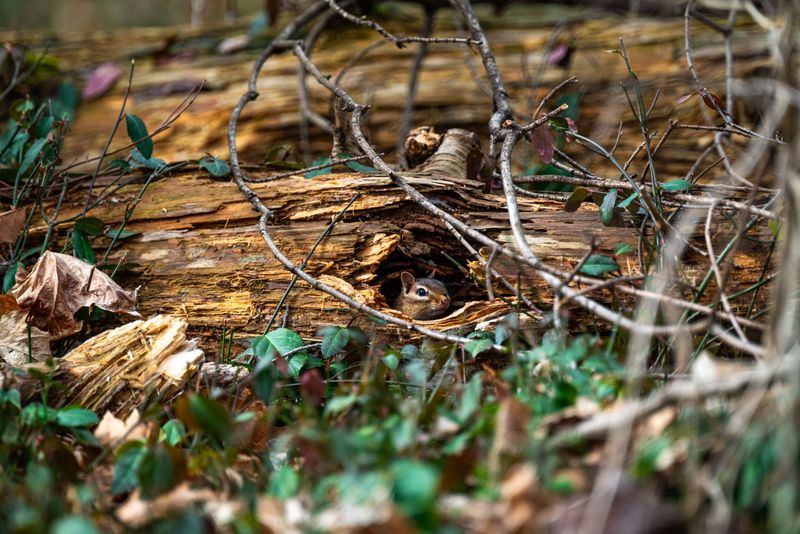
Chipmunks are adorable until one darts from your woodpile straight into a gap by your basement window. Mice, rats, and squirrels love these piles too.
As fall nights cool off, small rodents hunt for warm, hidden places. A dense stack of logs offers cover from hawks, owls, and cats, plus plenty of crevices for nests. Now place that hideout against your foundation.
Suddenly the rodents are inches from your house with total privacy. A house mouse can squeeze through a hole about the width of a pencil, so tiny gaps around pipes, vents, and sill plates are easy targets.
I’m the first to admit I didn’t connect the dots right away. Droppings near the back door made the link clear.
Moving the pile away helps a lot. Rodents crossing open lawn feel exposed, and many won’t make the trip.
While you’re at it, walk your foundation and seal small openings with steel wool, hardware cloth, or caulk. Trim back shrubs touching the house as well.
Those steps together make your home far less appealing as winter quarters.
Raise Your Firewood Rack And Cover Only The Top
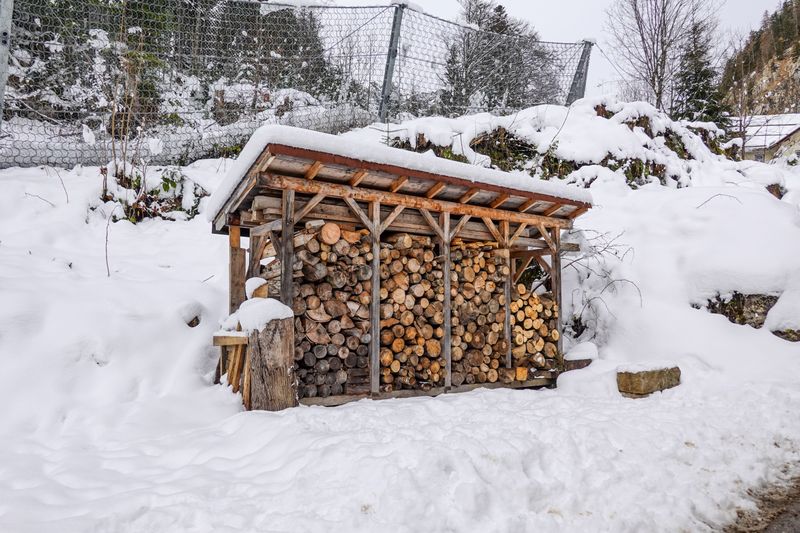
Lifting your logs even a few inches off the ground makes a big difference. Wood sitting on soil wicks up moisture and gives bugs an easy way in from below.
A simple metal rack works great. So do old pallets, treated lumber rails, or a row of bricks or concrete blocks. The goal is airflow underneath so the bottom layer can dry.
Covering matters too, but there’s a catch. Wrap a pile tightly in a tarp, and you’ve built a sauna. Moisture gets trapped, mildew grows, and the wood stays damp.
Cover just the top of the stack to shed rain and snow. Leave the sides open so wind can move through. A little woodshed with open slatted sides is even better if you have room.
Stack in loose rows with the bark side up on top layers when you can. Gaps between pieces help air circulate.
A nice bonus comes with this setup. Dry, well-aired wood lights easier and makes less smoke in your stove or fireplace, and that’s a win on a cold Michigan evening.
Bring In Only A Day’s Worth Of Logs And Keep Wood Local
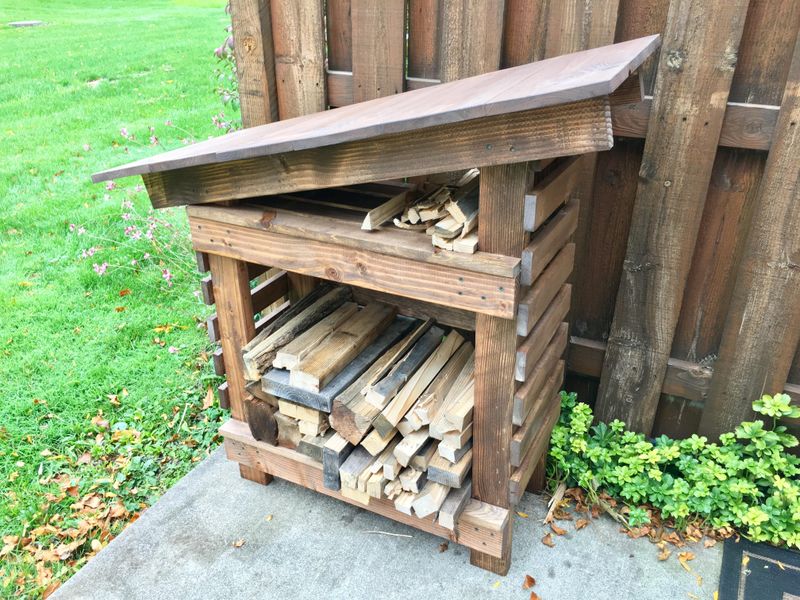
Once the pile is in a smarter spot, a couple of habits finish the job. Start with how much wood you bring indoors.
Carry in just enough for a day or so. Insects tucked in bark can warm up inside your house and start crawling around. Most firewood bugs can’t infest your furniture, but nobody wants beetles wandering across the living room.
Knock logs together outside to shake loose hitchhikers. Skip spraying firewood with pesticides, since treated wood shouldn’t be burned indoors.
Season your wood for six months to a year before burning. Drier wood attracts fewer pests and burns cleaner, which also means less creosote in your chimney.
One more Michigan tip deserves attention. Buy or gather firewood close to where you’ll burn it. The Michigan Department of Agriculture and Rural Development warns that moving firewood can spread invasive pests like emerald ash borer and spongy moth.
Look for certified heat-treated wood if you’re buying from far away. Rotate your pile each year too, burning older wood first so nothing sits around rotting.
These small changes protect your home, your trees, and your neighbors’ forests at the same time.