The Pennsylvania Window Placement Tweak That Helps Christmas Cactus Set More Buds
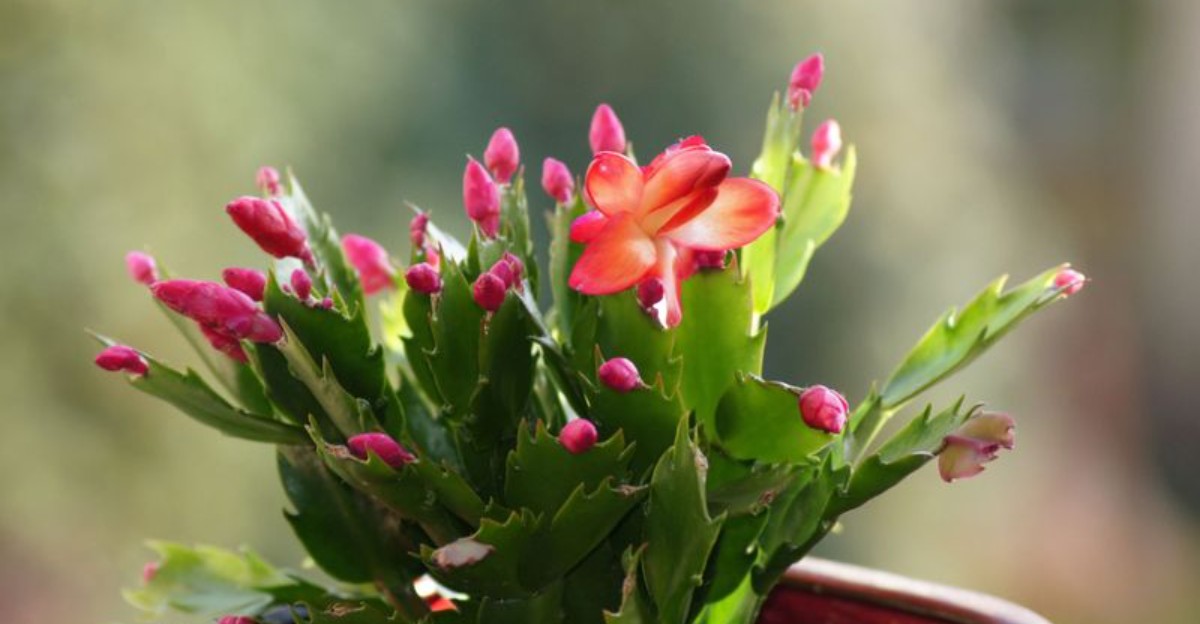
A single porch light glowing through the glass can cancel a whole season of flowers. I learned that the hard way, staring at a plant that stayed stubbornly green every December in my Pennsylvania home.
The plant in question comes from cloudy Brazilian mountain forests, not a desert. It grows on tree branches, tucked under shade, with cool nights and soft, filtered light.
Your living room probably looks nothing like that. Furnaces run warm, lamps stay on late, and sunny sills can bake leaves by afternoon, especially during a long Pennsylvania winter when the heat never seems to shut off.
You might notice your plant looks healthy and lush, yet it refuses to show a single bud. After I tested a few spots around the house, one quiet move changed everything.
The fix had nothing to do with fancy fertilizer or a special pot. Which window in your home is secretly holding back the flowers?
That Bright Windowsill Christmas Cactus May Be Getting the Wrong Signals
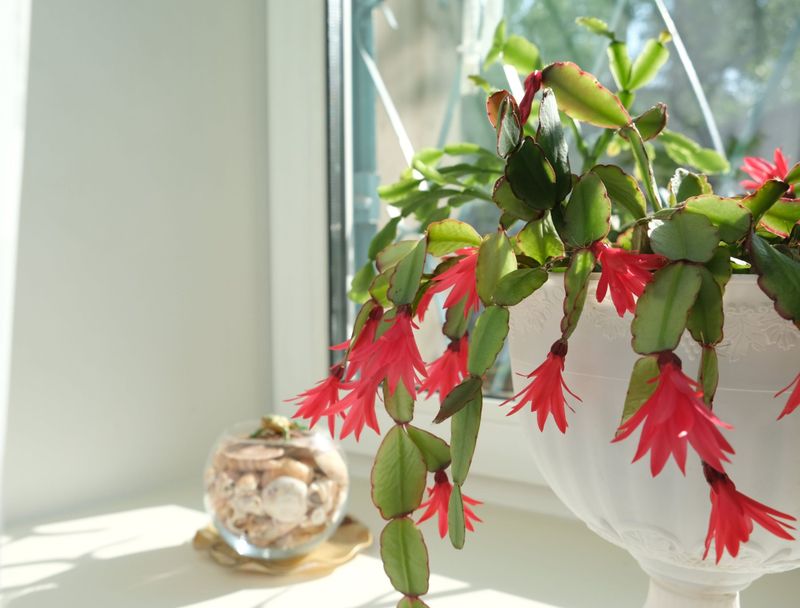
Plenty of gardeners blame the soil or the fertilizer when a holiday cactus stays green. In most cases, the plant is simply reading the room, and the room is sending mixed messages.
Christmas cactus is a short-day plant. Extension specialists at the University of Minnesota and Iowa State explain that buds form when nights grow long and cool in fall. If either cue is missing, the plant keeps pushing out new leafy segments instead of flowers.
Windows control both cues at once. A sill decides how much daylight the plant sees, how cold the nights get, and whether evening lamps or streetlights sneak in after sunset. A spot that looks perfect at noon might be a poor choice at 9 p.m.
I once kept my plant on a south sill right beside a reading lamp. It looked thrilled all summer, with glossy, plump segments. Come December, though, not a single bud appeared.
So the tweak is less about finding more light and more about finding the right kind of light and dark. Once you see your window as a daily timer and a thermostat, the whole puzzle starts making sense. The next sections show exactly how to set both.
An East-Facing Window Gives Christmas Cactus the Sweet Spot It Loves
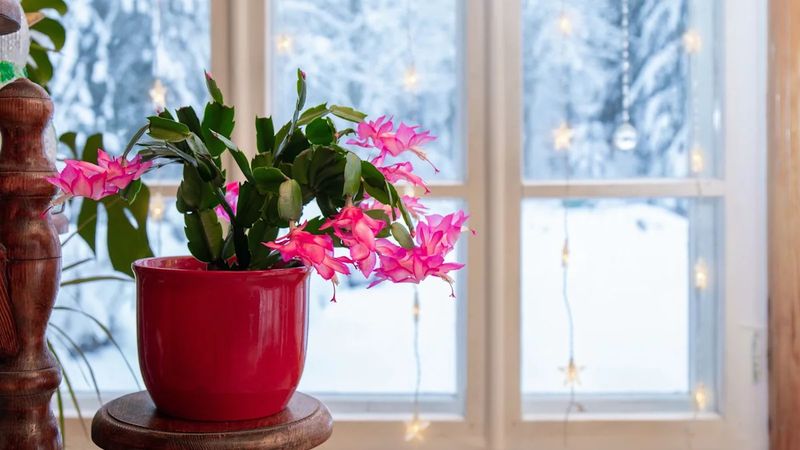
Morning sun is the friendliest light a holiday cactus can get. An east-facing window delivers bright, gentle rays early in the day, then shifts to soft indirect light by afternoon.
That pattern matches the plant’s forest roots. In the wild, it grows on tree branches under a leafy canopy, so strong direct sun can bleach or redden the flat segments. Extension guides recommend bright, indirect light for steady growth and healthy bud set.
Not every home has a free east window, and that is fine. A south or west window works if you pull the pot back a foot or two or add a sheer curtain to filter the glare.
North windows in Pennsylvania get pretty dim during fall and winter, so buds may come in thin or late there. Here is my simple test. Hold your hand a foot above the plant around midday.
A soft, fuzzy shadow means the light level is about right. A sharp, dark shadow means it is too intense, and almost no shadow means it is too dim.
Pick the spot in early fall and leave the plant there. Consistency matters more than chasing the perfect sunbeam every week.
Long Dark Nights Matter More Than Most Christmas Cactus Owners Realize
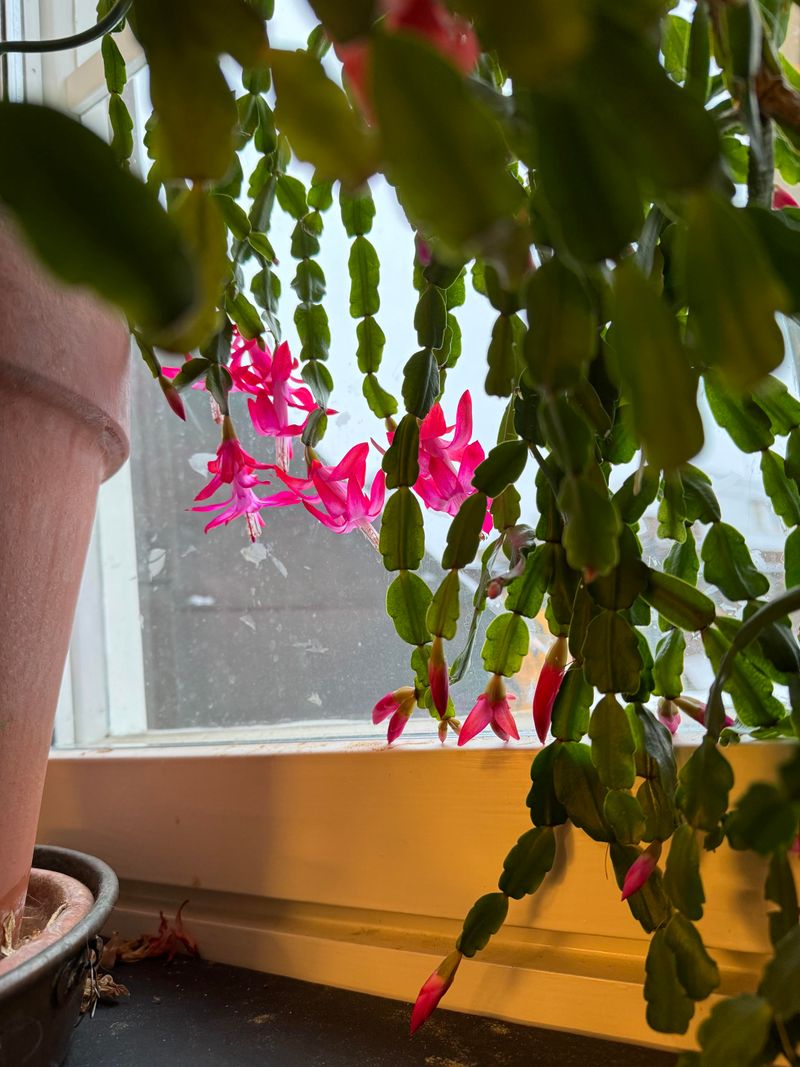
Darkness is the real magic ingredient. Research summarized by university extension services shows Christmas cactus sets buds when it gets roughly 12 to 14 hours of uninterrupted darkness each night for about six weeks.
Uninterrupted is the key word. A few minutes of lamp light, a TV glow, or a porch light shining through the glass can reset the plant’s internal clock. To the plant, that flash of light makes a long night look like a short one.
Many Pennsylvania homes run lights late into the evening, especially once the sun sets before 5 p.m. That cozy habit can quietly cancel the flower show.
Starting in late September or early October, choose a window in a room nobody uses after dark.
A spare bedroom, guest room, or quiet sunporch works wonderfully. If that is not possible, slip a cardboard box or dark cloth over the plant around 6 p.m. and remove it about 8 a.m.
I keep a sticky note on the box as a reminder, because forgetting a few nights is easy. Once you see buds the size of a grain of rice, you can relax the strict schedule a bit.
Cool Glass Near the Window Can Push Your Holiday Cactus Into Bloom
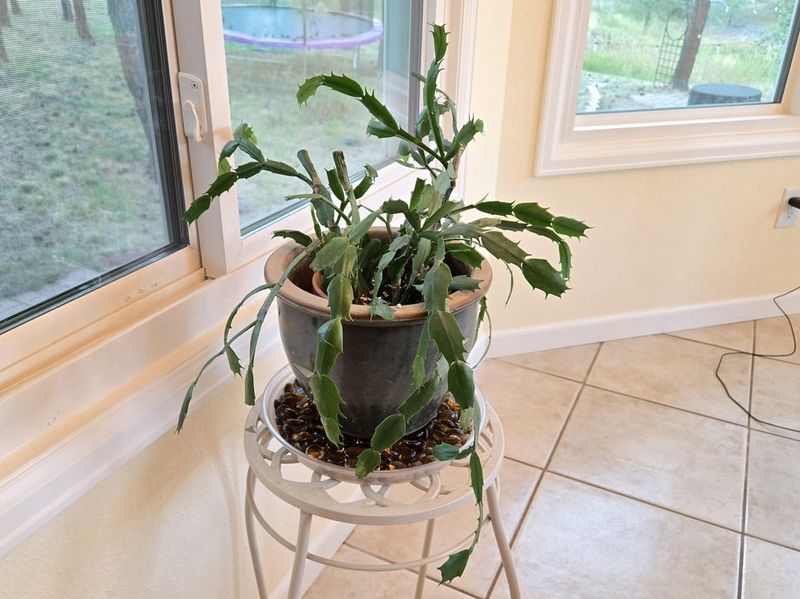
Chilly nights are a secret weapon for flower buds. Extension sources note that nighttime temperatures around 50 to 55°F can trigger bud set, even when day length is not perfect.
That is where window placement helps again. Air right beside the glass runs several degrees cooler than the middle of the room. In fall, a sill in Pennsylvania often naturally drops into that sweet range after dark.
Fun fact: at steady temperatures near 50 to 55°F, the plant can form buds regardless of day length. Warmer homes, around 60 to 65°F at night, still work, but then the long-darkness rule becomes much more important.
A cheap indoor thermometer is worth every penny here. Set it next to the pot for a few nights and check the reading before breakfast.
Watch the extremes, though. Leaves touching freezing glass in January can sustain cold injury, and anything near 40°F is too chilly.
Keep the pot a few inches from the pane once hard frosts arrive, especially in northern counties and the higher elevations of the state. Cool is helpful, while cold is a problem.
Heat Vents and Drafty Doors Can Make Christmas Cactus Buds Drop
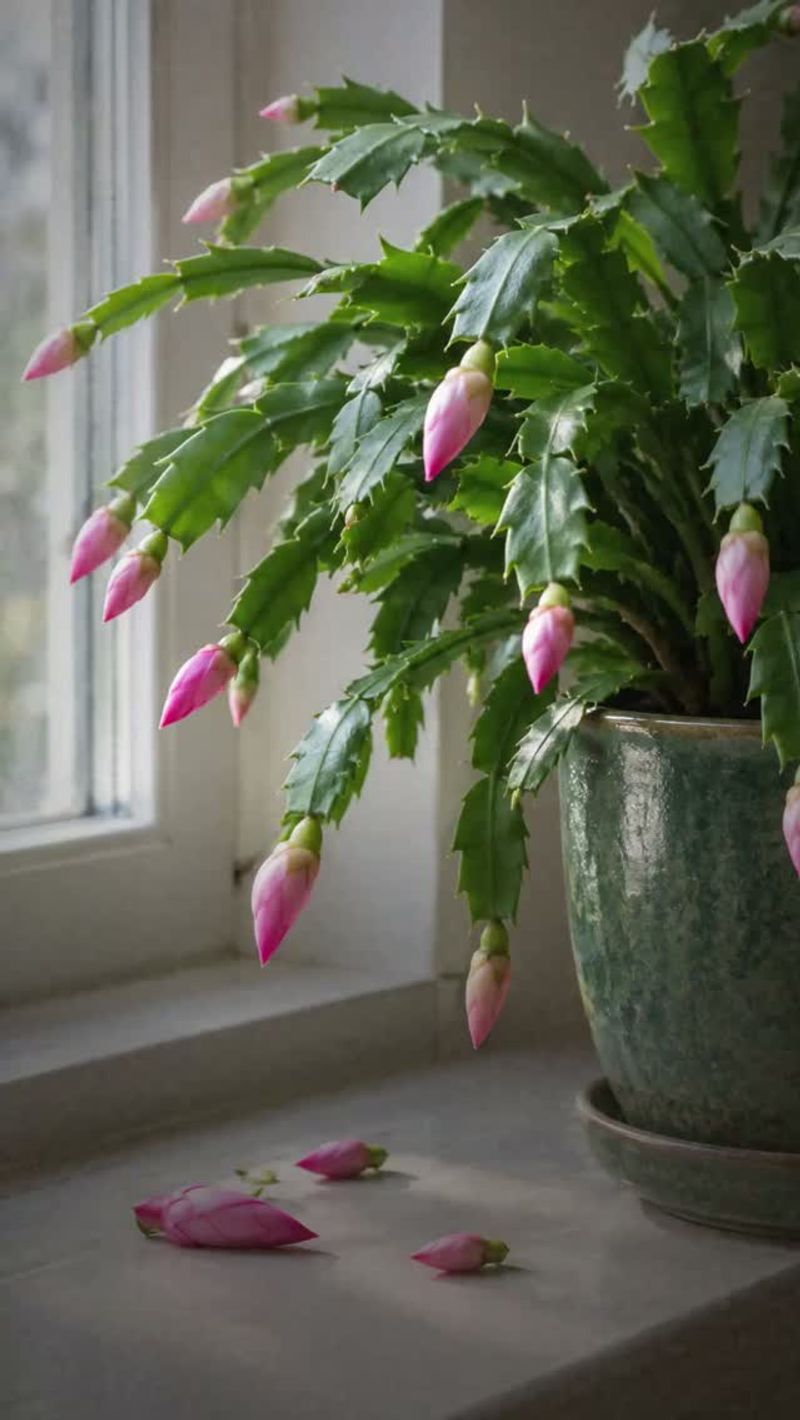
Nothing stings quite like watching plump buds tumble onto the windowsill. Bud drop is one of the most common complaints extension offices hear about this plant every winter.
Sudden changes are usually the culprit. Hot, dry air blasting from a floor register can stress the buds. So can icy drafts from an exterior door that opens a dozen times a day.
Pennsylvania furnaces kick on hard by November, so check what sits below and beside your chosen window. A heat vent directly under the sill can turn a cool, perfect spot into a desert overnight. Radiators, fireplaces, and space heaters cause the same trouble.
Dry indoor air adds more strain. A pebble tray filled with water under the pot raises local humidity without soaking the roots. Grouping a few houseplants together helps too.
I moved mine just three feet away from a register and the bud drop stopped that same season. Small shifts can make a big difference.
Before settling on a window, stand there for a minute when the heat runs. If you feel a warm blast or a chilly draft on your hand, find a calmer spot nearby.
Easing Up on Water and Fertilizer Helps Those Flower Buds Form
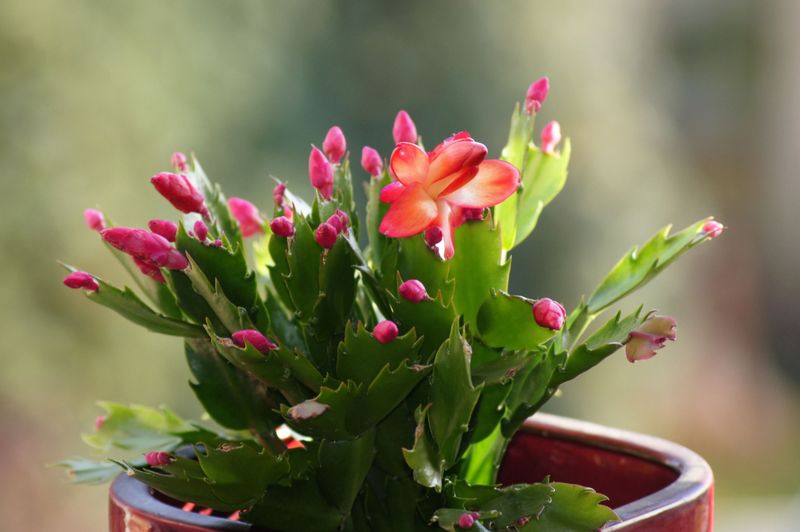
Sometimes the kindest move is doing a little less. Once fall arrives, a holiday cactus wants a calmer routine.
Extension guides suggest watering only when the top inch or so of soil feels dry. Soggy roots invite rot, and stressed roots rarely support a good bud set. Always empty the saucer after watering so the pot is not sitting in a puddle.
Fertilizer timing matters too. Feed with a balanced houseplant fertilizer during spring and summer growth, then stop by late summer or early fall. Too much feeding late in the year encourages leafy growth instead of flowers.
Repotting can wait as well. These plants actually bloom better when a bit snug in their containers, so spring is the time for a new pot, not October.
A loose, well-draining mix keeps roots happy. Many growers blend regular potting soil with perlite or orchid bark for extra airflow.
Once buds appear, go back to steady, even watering. Letting the plant swing between bone dry and soaked is a quick way to lose flowers. A consistent rhythm keeps buds plump all the way to opening day.
Leave That Budded Christmas Cactus Right Where It Is
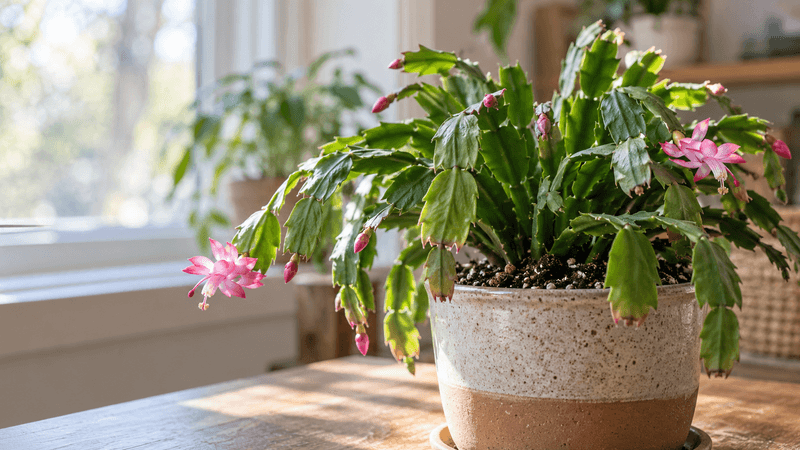
Patience pays off in petals. After all the work of finding the right window, the best final step is simply leaving the plant alone.
Moving a budded plant to a new room, or even spinning the pot, changes its light and temperature. That shift can cause buds to drop before they open.
Choose your display spot before buds form, so the plant can stay put through the whole show.
Here is a simple plan for next fall. Starting in late September, give it a bright east window or a filtered south one, in a room that stays dark at night. Keep nights cool, avoid vents, and water lightly.
Expect flowers roughly six to eight weeks after you begin. If your plant consistently blooms well before Thanksgiving, it may be a Thanksgiving cactus, a close cousin with pointed segment edges that responds to the same care.
Each bloom can last several days, and a happy plant keeps opening new ones for weeks. Some Pennsylvania families pass the same plant down for generations.
Jot your dates and window choice in a notebook this year. That record turns one lucky season into a reliable holiday tradition.