Removing This One Plant Type Cuts Snake Sightings In Pennsylvania Yards
What if the reason snakes keep appearing in your Pennsylvania yard has less to do with where you live and more to do with one specific type of plant you’re growing? Most homeowners focus on what they can add to deter snakes.
Deterrent sprays, specific plants, various products that promise to make the yard less welcoming. But the more effective approach often works in the opposite direction. It’s not about what you add. It’s about what you remove.
One specific plant type is responsible for more snake sightings in Pennsylvania yards than most homeowners ever think to connect to their snake problem.
It gets planted for completely reasonable purposes, maintained without a second thought, and never once suspected as the reason snakes keep turning up close to the house.
But this plant type creates exactly the conditions snakes find ideal, and yards that remove or significantly reduce it consistently report fewer encounters.
Thick Groundcover Creates Hidden Snake Habitat
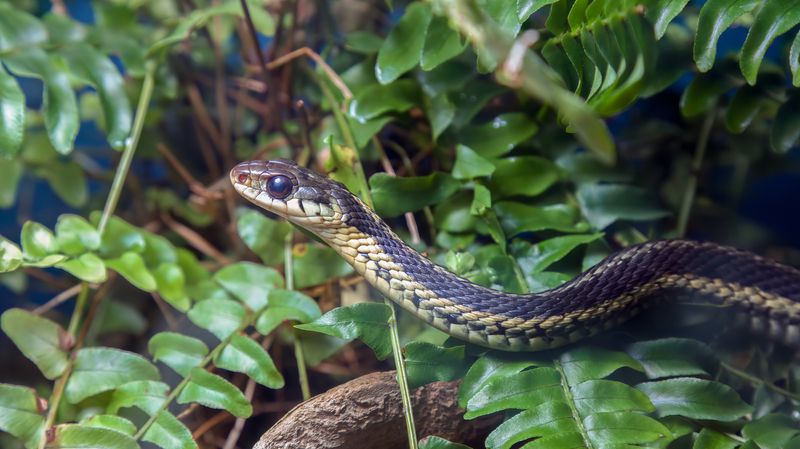
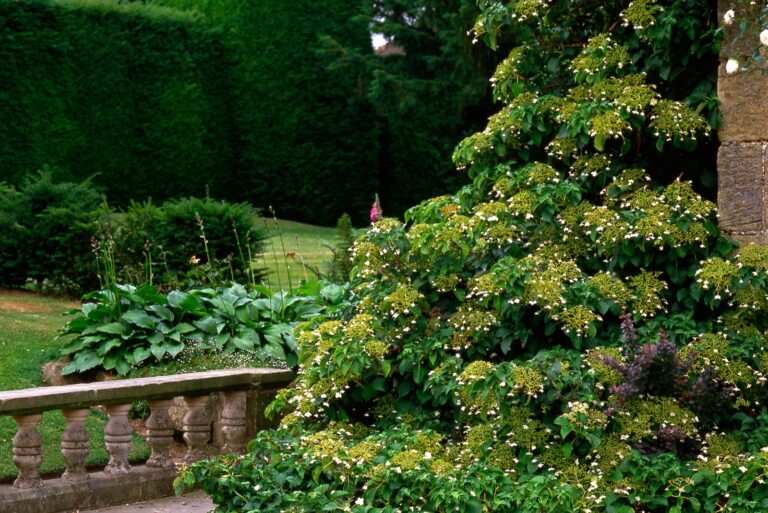
Walk through any Pennsylvania neighborhood and you will likely spot yards blanketed in thick, low-growing groundcover. Plants like English ivy, pachysandra, and vinca look tidy from a distance.
But up close, they create a completely different world at ground level. Snakes are cold-blooded, which means they rely on their environment to regulate body temperature. Thick groundcover acts like a natural insulator.
On warm days, the shaded, moist soil underneath dense plants stays cooler than open ground, making it an attractive resting spot.
On cooler mornings, snakes can warm up along the sun-facing edges of groundcover patches before retreating back into the shade when temperatures rise. This kind of shelter is exactly what snakes look for in a yard.
They do not need much space to feel safe, just a dark, quiet spot where they are unlikely to be disturbed.
Dense groundcover also provides visual cover. A snake hiding inside a thick mat of ivy is nearly invisible, even to a careful observer. Most people only notice them when they step close or reach down to pull a weed.
Pennsylvania yards with large sections of unmanaged groundcover near walkways, patios, or doors are especially likely to have regular snake activity. The plants create a sheltered corridor that connects open yard space to areas right next to your home.
Reducing or removing these dense patches eliminates some of the most appealing shelter available. Even thinning out groundcover significantly can make a noticeable difference in how comfortable snakes feel settling into your yard for any length of time.
Groundcover Can Support The Prey Snakes Search For
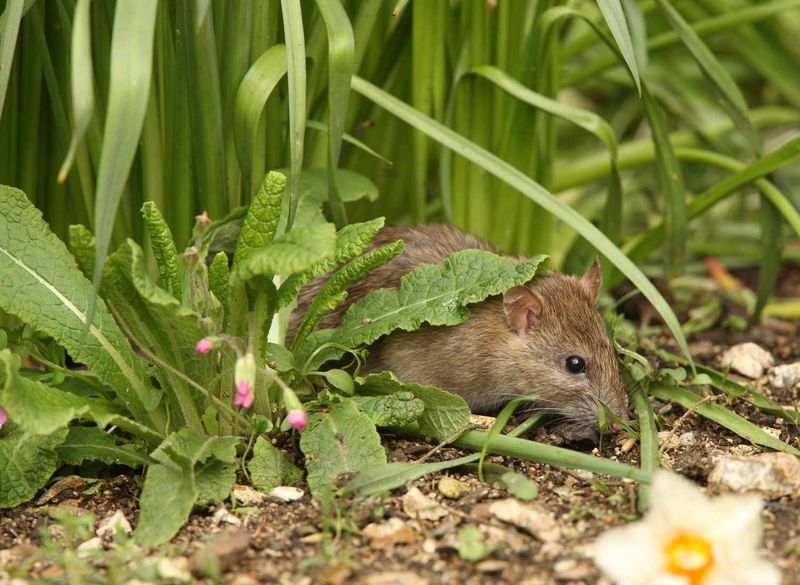
Snakes do not wander into yards randomly. They follow food. And dense groundcover happens to be one of the best places for their favorite prey to live and move around undetected.
Mice and voles are among the most common snake prey in Pennsylvania. Both animals love thick vegetation because it hides them from hawks, foxes, and other predators.
Groundcover gives them a ready-made network of tunnels and sheltered pathways right at ground level. When mice or voles move into a yard, snakes are not far behind.
Your Pennsylvania Garden Changes Every Week. Your Plan Should Too.
Gardening in Pennsylvania changes quickly throughout the season. Every Friday you’ll receive a simple weekly plan showing exactly what to plant, prune, fertilize, harvest, and protect so you never miss the right timing.
Frogs and toads also shelter under low, dense plants, especially near moist areas. Insects gather in the leaf litter that builds up beneath groundcover over time.
All of these creatures are regular menu items for the snake species found throughout Pennsylvania.
Think of thick groundcover as a full-service restaurant for snakes. It offers shelter, moisture, and a reliable supply of small animals in one convenient location. Removing or thinning dense patches reduces the habitat that supports this food chain.
When prey animals have fewer places to hide, they tend to spread out or move away entirely. Without a steady food supply, snakes have less reason to stay in or return to your yard.
This is why targeting groundcover is about more than just removing hiding spots for snakes. It disrupts the whole ecosystem that makes your yard attractive to them in the first place.
Cleaner, more open landscaping near your home creates an environment where prey animals feel exposed, and snakes find fewer reasons to stick around or hunt regularly.
Problem Areas Are Usually Near Homes
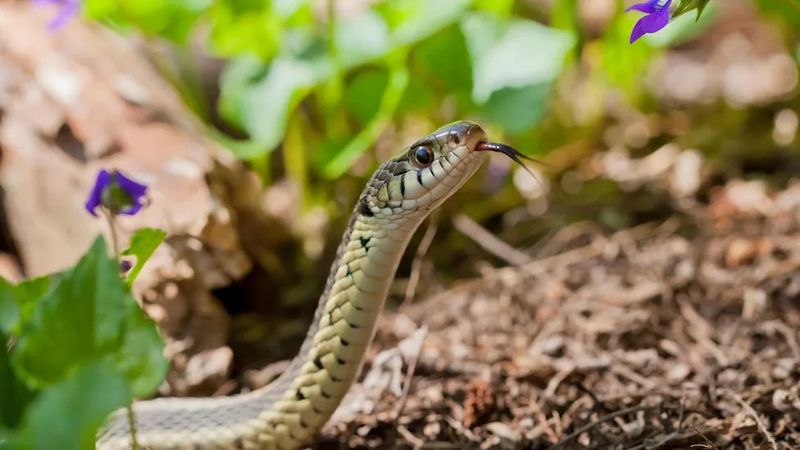
You might be surprised to learn that the most common spots for snake sightings in Pennsylvania yards are not out in the open. They are right next to the house.
Groundcover that grows up against foundations, decks, sheds, and walkways creates sheltered routes that snakes can travel without ever being seen.
Foundations are especially attractive. Concrete and brick absorb heat during the day and release it slowly at night, making the ground near a foundation warmer than surrounding areas.
Add a layer of dense groundcover on top of that warmth, and you have created one of the most comfortable spots a snake could ask for in your yard.
Sheds and decks present similar problems. Groundcover that creeps underneath these structures gives snakes a protected path from the open yard straight into a concealed, enclosed space.
Once a snake is under a deck or shed, it becomes much harder to spot and much harder to encourage to move on.
Walkways edged with thick plants are another common trouble zone. Snakes can move along these corridors while staying hidden, which means they can travel from one end of your yard to the other without crossing any open ground.
Most homeowners do not realize this is happening until they nearly step on one.
Clearing groundcover away from these high-traffic areas around your home makes a real impact. Even creating a gravel or mulch buffer zone between your foundation and any plantings can help.
Open space forces snakes to cross exposed ground, which makes them more visible and less likely to settle in close to where people spend their time outdoors.
Remove Overgrown Patches Instead Of All Plants
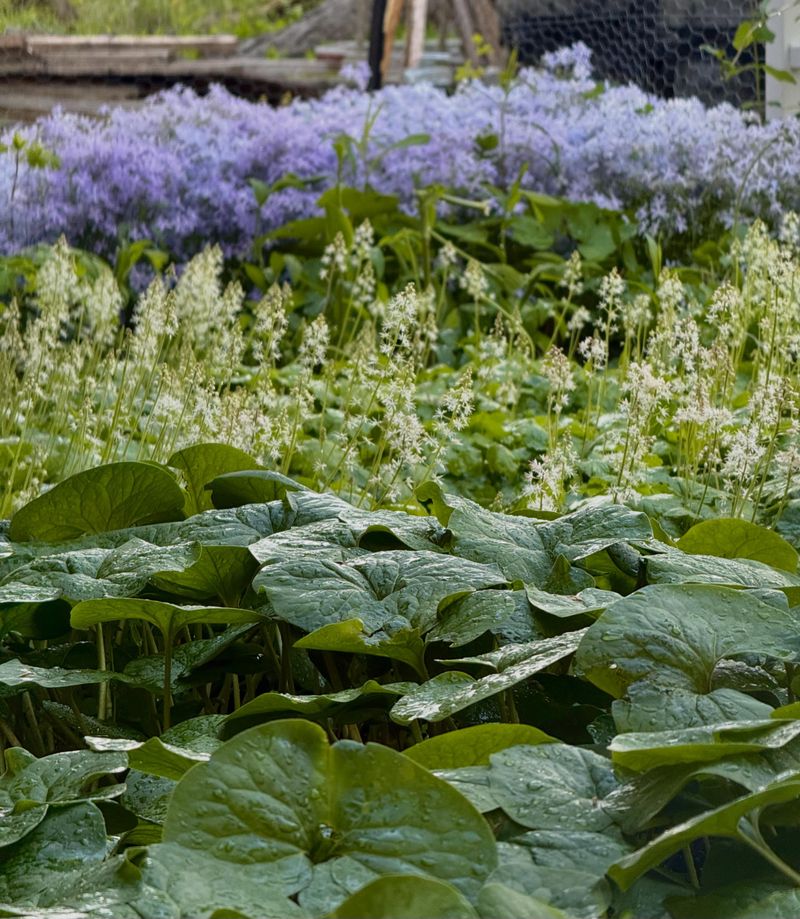
Good news for anyone who loves their garden: you do not have to rip out every plant to reduce snake activity. The real issue is not groundcover itself.
It is dense, unmanaged groundcover that has been left to grow thick and unchecked, especially close to areas where people walk and gather.
Healthy, well-maintained groundcover can still play a valuable role in a Pennsylvania landscape. It prevents erosion, holds moisture in the soil, and keeps weeds from taking over.
The goal is to manage it in a way that does not create a welcome mat for snakes. Start by identifying the thickest, most overgrown patches in your yard, particularly those close to your home, walkways, or outdoor seating areas. These are your priority zones.
Thinning these areas aggressively reduces the amount of ground-level cover available without stripping the yard bare.
Pay attention to how dense the canopy of the groundcover has become. If you cannot see the soil beneath it, that is a sign it has grown too thick.
Pulling or cutting back sections until the soil is partially visible removes much of the shelter value for both snakes and their prey.
Regular maintenance is just as important as the initial cleanup. Groundcover grows back quickly, especially during Pennsylvania summers.
Setting a schedule to trim and thin these areas every few weeks keeps them from returning to the dense state that attracted snakes in the first place.
A little consistent effort goes a long way toward keeping problem areas under control without sacrificing the look and function of your landscaping overall.
Replace Dense Groundcover With Better-Managed Plantings
Once you have cleared out overgrown patches, choosing the right replacement plants makes a big difference in keeping snakes away long-term. Not all low-growing plants are equally attractive to snakes.
The key is selecting varieties with open growth habits that do not form dense, impenetrable mats at ground level.
Plants with upright or loosely spreading growth allow sunlight to reach the soil and air to move freely through the planting bed. This makes the area drier, brighter, and far less appealing to snakes looking for cool, dark shelter.
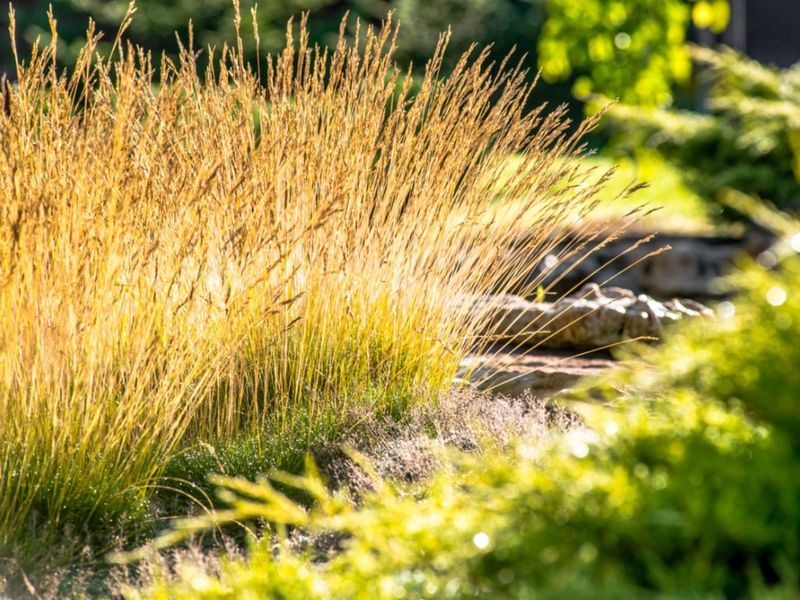
Good options for Pennsylvania yards include ornamental grasses with open bases, low-growing shrubs with visible stems, and perennials that die back seasonally, giving the ground a rest from dense coverage.
Spacing matters just as much as plant selection. Even a species with an open growth habit can become a problem if plants are crammed together without room to breathe.
Leave enough space between plants so that you can see the ground between them and move through the bed easily for maintenance.
Mulch is a great addition in these areas. A layer of wood chip or gravel mulch keeps weeds down and gives the bed a finished look without creating the kind of thick, matted cover that groundcover plants can produce.
Snakes can still move across mulch, but they cannot hide in it the way they can in dense ivy or pachysandra.
Thinking about plant choices with snake prevention in mind does not mean your yard has to look sparse or boring. Thoughtful plant selection and smart spacing can keep your Pennsylvania landscape both beautiful and far less inviting to unwanted reptile visitors.
Combine Groundcover Control With Yard Cleanup
Tackling groundcover is a great first step, but pairing it with a full yard cleanup makes the whole effort much more effective. Snakes are opportunists.
If you remove their favorite plants but leave behind brush piles, leaf piles, and stacked debris, they will simply move from one hiding spot to another.
Brush piles are among the most common snake shelters in Pennsylvania yards. Fallen branches, old wood scraps, and stacked logs create a network of gaps and tunnels that snakes find irresistible.
If you have a brush pile anywhere near your home, moving it far from the house or clearing it entirely is a smart move.
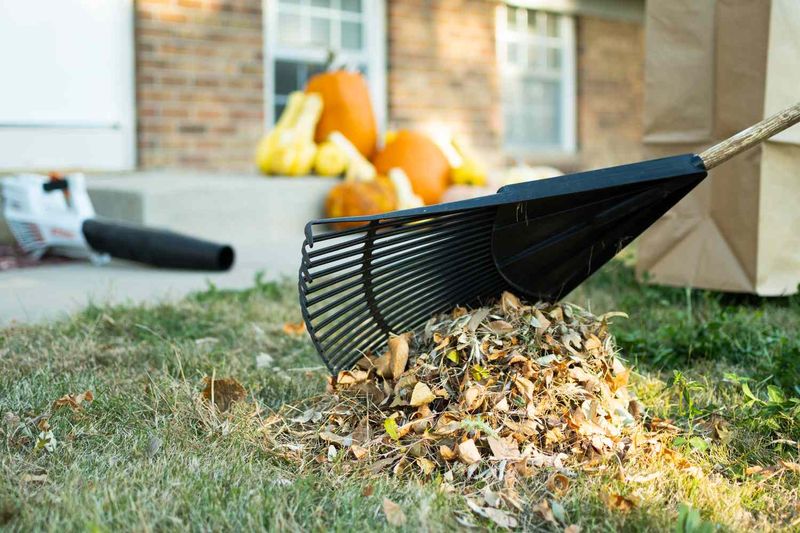
Leaf piles work the same way. Autumn leaves that accumulate against fences, under shrubs, or along the edges of the yard trap moisture and warmth.
Over time, they compact into a soft, insulating layer that is very similar to what dense groundcover provides at soil level. Raking and bagging leaf piles regularly removes this secondary shelter option.
Old garden equipment, unused pots, scrap lumber, and forgotten items stored in corners of the yard all create hiding spots too. A yard that is generally tidy and free of clutter is simply less attractive to snakes overall.
They prefer places where they feel hidden and undisturbed. Combining regular yard cleanup with groundcover management sends a clear message to any snakes scouting your property. There is no good shelter here.
When both vegetation and debris are kept under control, the yard becomes an open, exposed environment that snakes tend to pass through rather than settle into, which is exactly what most Pennsylvania homeowners are hoping for.