Red Candy On A Minnesota Evergreen Has A Secret Every Pet Owner Should Know
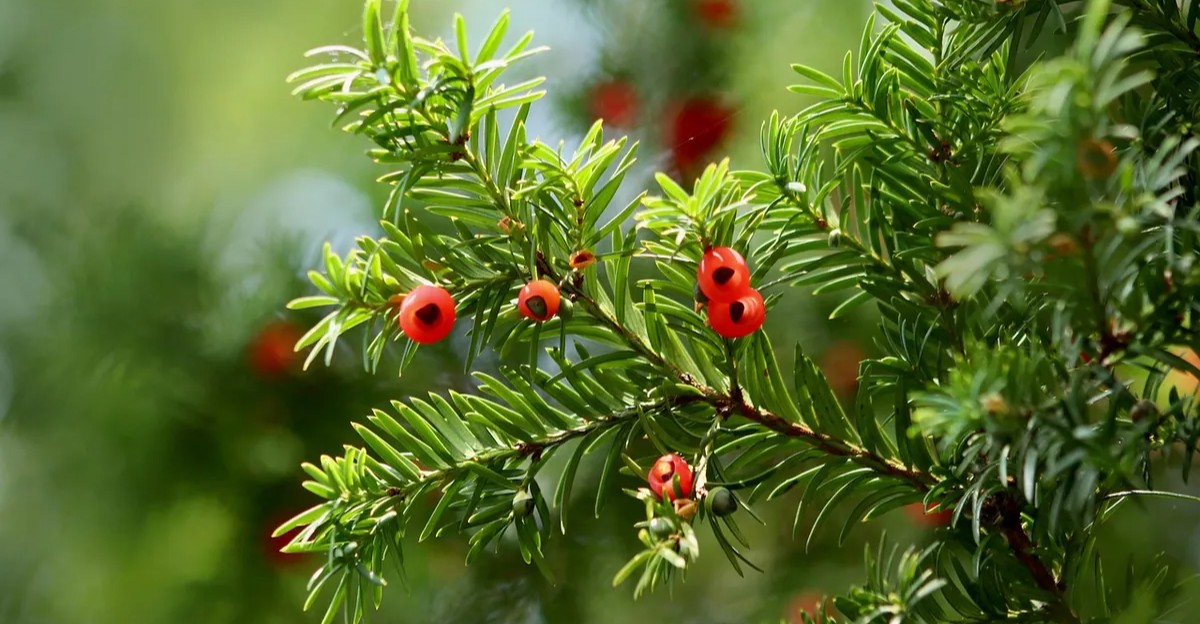
A shiny red bead on a common Minnesota hedge holds a seed that can seriously harm a dog’s health. The sweet, gooey part around it is the one piece of the plant that is mostly harmless.
I walked past these shrubs for years without a second glance. They sit by front steps, bank entrances, and church parking lots all over Minnesota. You probably pass a few every single week.
The red fruit shows up in late summer and often hangs on into fall. Birds gobble it up and pass the seed along safely. Dogs are a different story, and so are cats, horses, and even curious toddlers.
I am surprised how few pet owners can name this plant on sight. The needles, bark, and clippings carry the same risk as the seed. Learn the yew by sight, because the shrub by your door is wearing red jewels with a hidden risk.
That Red Berry on the Hedge Has a Hard Little Center
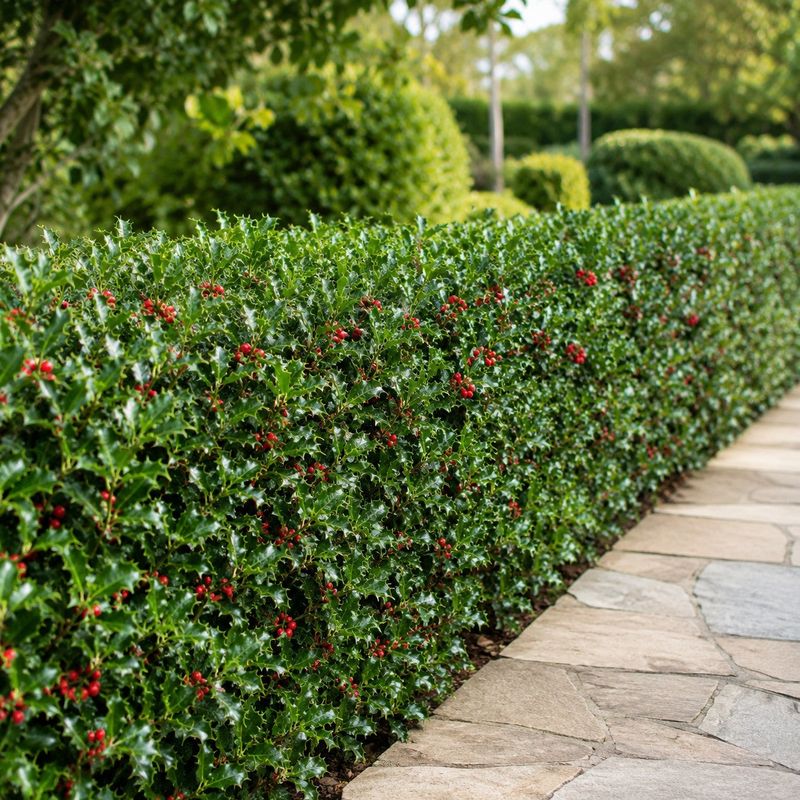
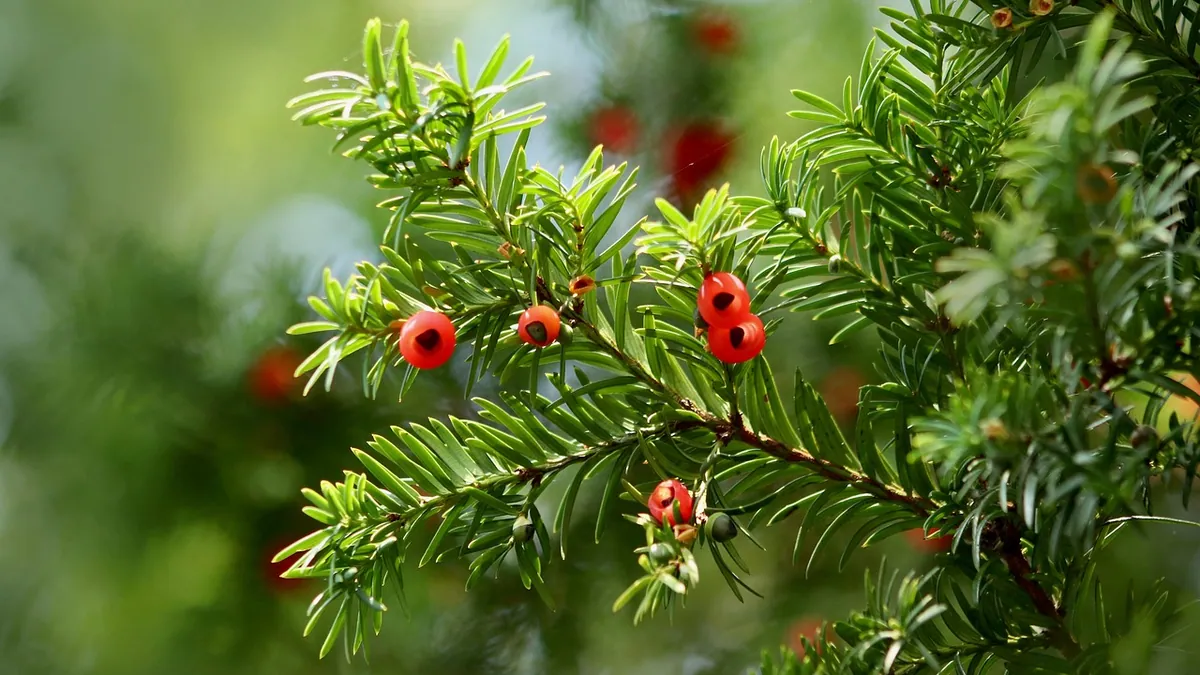
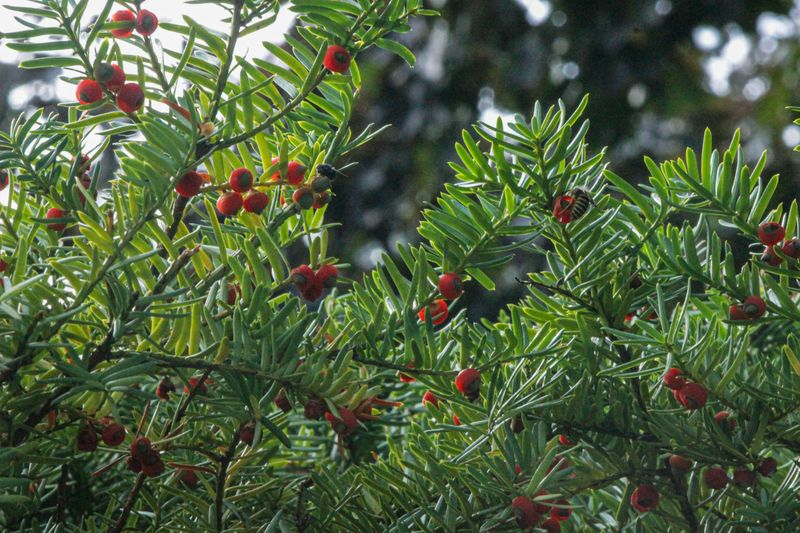
Squeeze one of those glossy red beads and you will find a surprise inside. A dark, hard seed sits in a cup of soft red flesh, peeking out the open end like a tiny eye.
The shrub is a yew, part of the Taxus group of evergreens. Gardeners plant them because they handle shade, take pruning well, and stay green through harsh winters.
That makes them a favorite for foundation beds and hedges. The red part is not a true berry. Botanists call it an aril, a fleshy coat that grows around a single seed. Female yew plants make these arils, while male plants make small pollen cones instead.
Many people assume the bright color is the warning sign. In this case, the colorful flesh is the mildest part of the whole plant. The seed tucked inside is where the real trouble hides.
You might notice the arils most from August through October. Some cling to branches even after early snow, which keeps them visible on walks later in the year.
Learning to spot this shape is your first line of defense. Once you see that open-ended red cup, you will recognize yews everywhere you go.
Yew Seeds, Needles, and Bark Carry Taxine Toxins
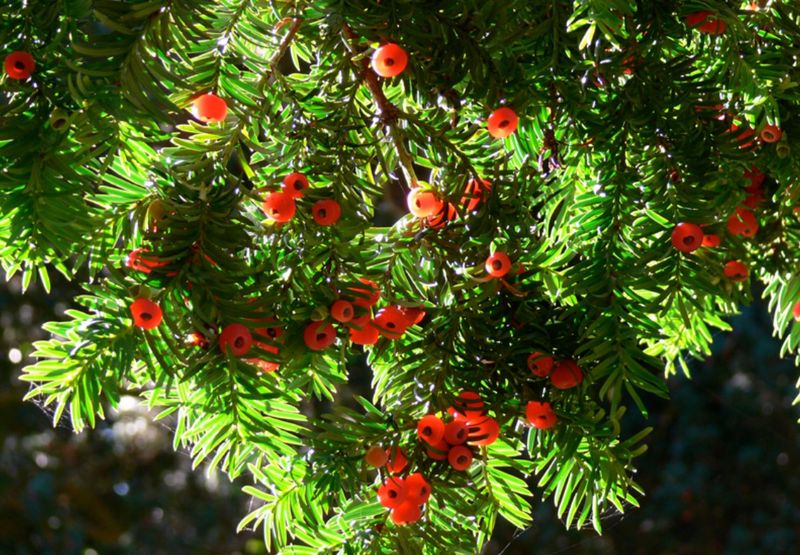
Toxic compounds called taxines run through nearly every part of a yew. The needles, bark, twigs, and seeds all contain them, according to veterinary and university extension sources.
Only the soft red flesh of the aril is considered low in toxin. A dog that swallows the whole berry still gets the seed, though. Chewing cracks the seed open and releases the harmful compounds.
Taxines mainly affect the heart. They interfere with how heart muscle cells handle sodium and calcium, which can slow the heartbeat and disrupt its rhythm. That is why yew is treated as an emergency by vets.
The ASPCA lists yew as toxic to dogs, cats, and horses. Livestock cases are well documented, especially when animals eat clippings. Pets are smaller, so even a modest amount can cause serious harm.
Dried plant material does not lose its punch. Old needles under the shrub or a pile of trimmings can be just as risky as fresh growth.
So the takeaway is simple. Treat the whole shrub as off-limits for pets, not just the eye-catching fruit. That one mental switch makes yard safety much easier.
Call Your Vet Fast If Your Dog Chews a Yew Branch
Speed matters more than anything else here. If you see your pet eating any part of a yew, call your veterinarian or an animal poison hotline right away.
Two well-known options are the ASPCA Animal Poison Control Center at 888-426-4435 and the Pet Poison Helpline at 855-764-7661. Both charge a fee, but they give clear advice fast. Save those numbers in your phone today.
Do not try to make your pet vomit on your own. Vets decide whether that is safe based on timing and symptoms. Home remedies can cause choking or delay real help.
Bring a sample of the plant if you can grab it quickly. A small twig with needles helps the clinic confirm what was eaten.
There is no specific antidote for yew poisoning. Treatment focuses on supportive care, such as decontamination, heart monitoring, fluids, and medicines that steady the heartbeat.
I keep a sticky note with both hotline numbers on my fridge. It feels a little dramatic until the day you need it. Quick action gives your pet the best possible chance at a full recovery.
Watch for Drooling, Trembling, and a Slow Heartbeat
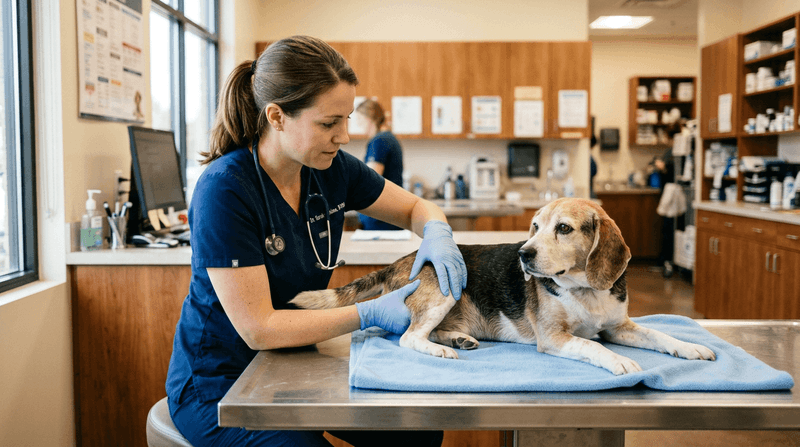
Symptoms can show up quickly. Veterinary sources often describe signs appearing within about one to a few hours after a pet eats yew.
Early clues tend to involve the stomach. Watch for vomiting, diarrhea, drooling, or a sudden lack of interest in food.
Nervous system signs may follow. Your pet could tremble, stumble, seem weak, or have widened pupils. Some animals have seizures.
The heart effects are the most serious. A slow or irregular heartbeat, trouble breathing, pale gums, and collapse are all red flags that need emergency care.
Here is the tricky part. Some animals show very few warning signs before collapsing, especially after eating a larger amount. That is why vets urge owners not to wait and see.
Cats can be harder to read than dogs. They often hide when they feel unwell, so an unusually quiet cat after time outdoors deserves attention.
Write down what you notice and when it started. Those details help your vet choose the right treatment. Even if your pet seems fine, a call is worth it when you know yew was involved.
Minnesota Yards Grow Both Native and Imported Yews
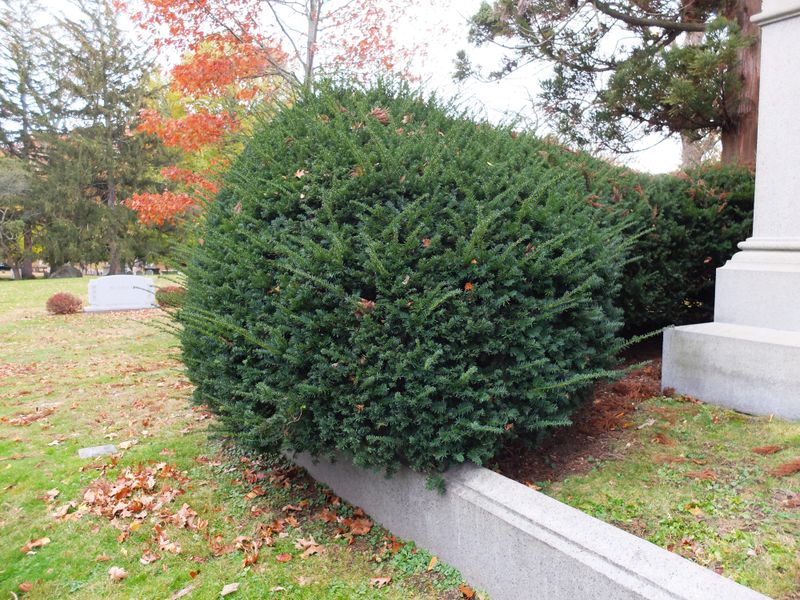
Plenty of Minnesota homes have yews without the owners knowing it. Japanese yew and the hybrid Taxus x media are common in landscapes because they tolerate shade and cold.
Minnesota also has its own native species. Canada yew, Taxus canadensis, grows as a low, sprawling shrub in cool, moist forests, mostly in the northern and eastern parts of the state.
Deer love to browse Canada yew. In some forests it has become scarce because of heavy deer feeding. It is a valuable native plant worth protecting in the wild.
Hikers with dogs should know what it looks like. Canada yew rarely tops five feet and spreads along the forest floor with flat, pointed needles.
In town, check foundation plantings, hedges, and shady corners of parks. Upright and spreading forms both show up, and many get sheared into neat boxes.
Fun fact: the cancer drug paclitaxel was first found in the bark of Pacific yew. Scientists later studied other yews, including Canada yew, as sources of related compounds. The same chemistry that heals in a lab can harm a pet that chews a branch.
Fresh Yew Clippings Need Bagging Right After Pruning
Pruning day is one of the riskiest times for pets. Freshly cut branches land right at nose level, and many dogs love to chew sticks.
Clean up as you go. Rake needles and twigs onto a tarp, then bag them before letting pets back outside.
Keep clippings out of compost piles that pets or livestock can reach. Never toss yew trimmings over a fence into a pasture, because horses and cattle are especially sensitive.
Fallen arils deserve the same care. Late summer and fall bring a scattering of red fruit under female plants. A quick daily sweep keeps the ground clear.
University of Minnesota Extension notes yews handle pruning well, and light shaping is often done in late spring or early summer. Plan your trimming around times when pets can stay indoors.
Wear gloves while you work. The plant is not dangerous to touch for most people, but gloves keep sap and needles off your hands and remind you to wash up.
I learned to do a final walk with a flashlight after evening pruning. Tiny twigs hide easily in mulch, and one slip-up is enough.
A Short Fence Around the Yew Shrubs Keeps Noses Away

Not ready to dig up a mature hedge? That is understandable, since yews can take years to reach a nice size.
A simple barrier often does the job. Low decorative fencing, garden edging, or a section of wire panel keeps most dogs from wandering in to chew.
Training helps too. A solid leave it command works wonders on walks past neighbors’ shrubs and park hedges.
Supervise younger dogs closely. Puppies explore with their mouths and are more likely to chomp on twigs or fallen fruit.
Keep your pet on a short leash in parking lots and along building entrances. Commercial landscapes across Minnesota use yews heavily, and red arils often drop onto sidewalks.
Indoor safety counts during the holidays. Fresh yew branches sometimes sneak into wreaths and greenery arrangements. Check what your decorations are made of before setting them near a curious cat.
Give your pet safer things to chew outdoors. A sturdy toy in the yard can redirect attention away from the hedge.
Small habits like these add up to a much safer space without losing the green backdrop you enjoy.
Pet-Safe Evergreens Can Replace Yew Hedges Over Time
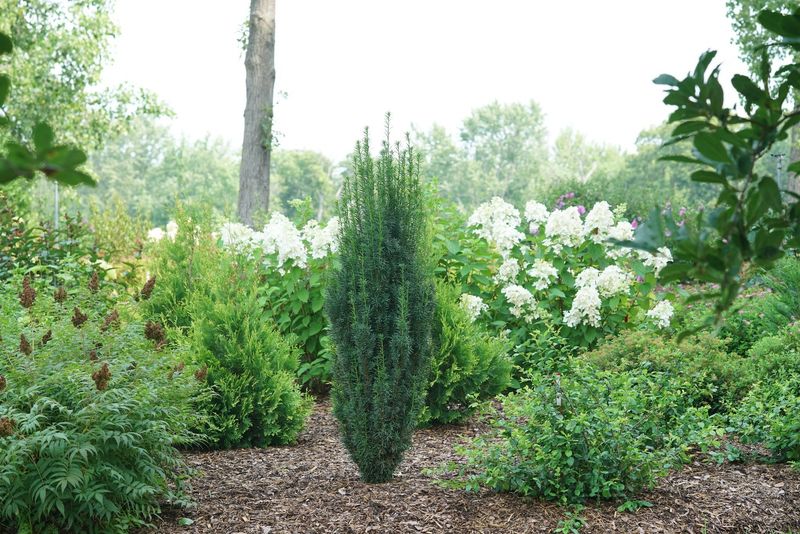
Sometimes the smartest move is a gradual swap. If your dog cannot resist the hedge, replacing yews may bring real peace of mind.
Several evergreens make solid substitutes for Minnesota yards. Arborvitae, also called northern white cedar, handles cold winters well, but check the ASPCA plant list or your vet to confirm its pet safety before planting.
Spruce and fir offer year-round color too. Their needles are not considered seriously toxic, though sharp tips can upset a stomach if a pet eats a lot.
Boxwood looks tidy but is listed as toxic, so skip it for pet zones. Match the plant to your site. Yews thrive in shade, while arborvitae and spruce prefer more sun. A local nursery can suggest varieties hardy in Zones 3 through 5.
Remove old yews carefully. Bag every root scrap, branch, and needle, and keep pets inside until the area is clean.
You do not have to tear everything out at once. Start with the shrubs closest to doors and play areas. Each change shrinks the risk, and your pet gets to enjoy the yard with fewer worries.