8 Signs A Groundhog Has Moved Into Your Minnesota Garden
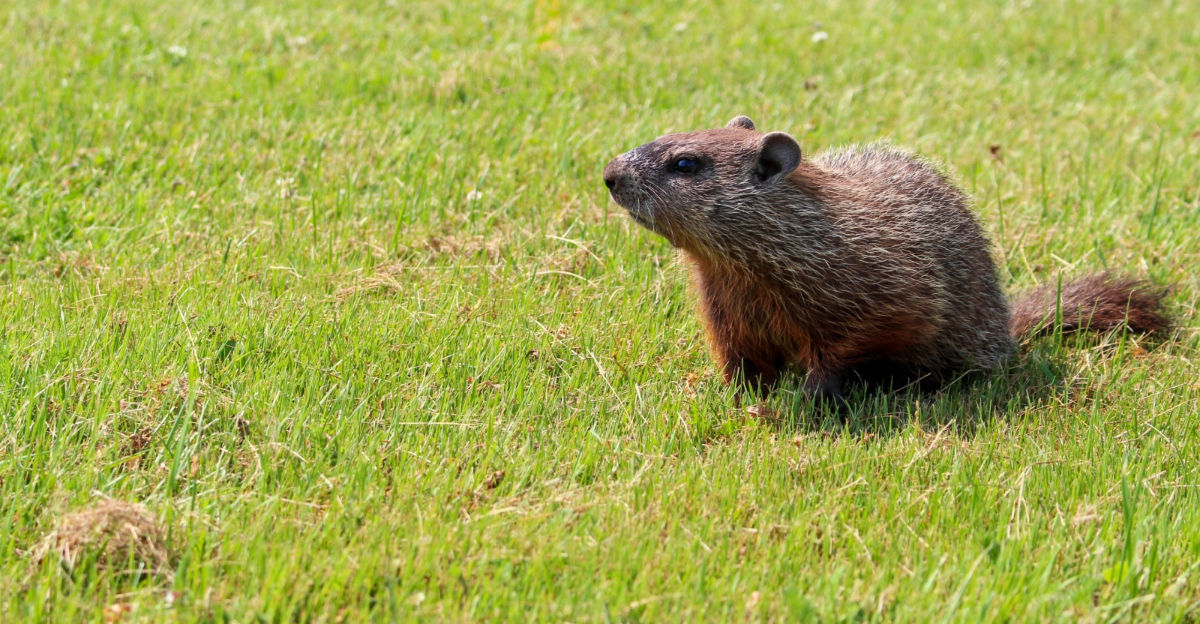
Your garden was perfectly fine yesterday, and today it looks stripped and unsettled. Vegetables are half-eaten, soil is heaved up, and the trail leads nowhere obvious.
Blaming the neighbor’s dog is easy, but dogs do not dig like this and they do not vanish without a trace. Groundhogs are quiet, calculated, and remarkably bold about making your garden their own.
Tunneling deep under sheds, decks, and fence lines, they set up home without a sound. Most Minnesota gardeners never see one directly, and what they find instead are subtle clues hiding in plain sight.
Do you know what you are actually looking for? Spotting those clues early is the difference between saving your harvest and watching it disappear one bite at a time. Miss them, and the groundhog wins.
1. Large Round Burrow Entrances Appear Near Fences Or Sheds

That hole appeared out of nowhere. One morning your fence line looks fine, and the next there is a wide, round opening in the dirt that was not there before.
Groundhog burrows are unmistakable once you know what they look like. The entrance is typically four to six inches wide, smooth around the edges, and surrounded by a small mound of loose soil.
Unlike rabbit holes, which are narrow and shallow, groundhog tunnels go deep. A single burrow system can stretch six feet underground and run up to twenty-five feet in length.
They almost always choose spots near solid structures. Sheds, fences, decks, and concrete foundations give them overhead protection from hawks and other predators above ground.
Check around the base of your shed first. Groundhogs are creatures of habit and they love the dark, sheltered feel of a structure overhead while they dig.
You might also notice a secondary entrance nearby. Groundhogs often dig a back door, a hidden exit hole with less disturbed soil around it, tucked into tall grass or behind a bush.
Fresh burrow entrances in your yard are not just a nuisance. They can compromise the structural stability of fences, sheds, and even concrete slabs over time.
If you spot a wide, clean-edged hole near your garden shed, do not ignore it. A groundhog has likely moved into your Minnesota garden and already made itself very comfortable underground.
2. Fresh Soil Mounds Pile Up Overnight
You go to bed with a tidy garden. You wake up and there is a pile of dirt that was not there the night before.
Fresh soil mounds are one of the clearest signs a groundhog has moved into your Minnesota garden. They excavate quickly, moving an impressive amount of earth in a single digging session.
A single groundhog can move up to 700 pounds of soil per day when actively digging, and that kind of earthmoving leaves a visible mark near the entrance of the tunnel.
The soil looks loose and freshly churned, often a darker color than the surrounding ground. It has not been compacted or rained on yet, which tells you the digging happened recently.
Your Minnesota Garden Changes Every Week. Your Plan Should Too.
Gardening in Minnesota changes quickly throughout the season. Every Friday you’ll receive a simple weekly plan showing exactly what to plant, prune, fertilize, harvest, and protect so you never miss the right timing.
Moles also create soil mounds, but theirs are volcano-shaped and much smaller. Groundhog mounds are flat, wide, and pushed outward from the burrow entrance in a fan-like pattern.
Check the mound texture with your hand. Groundhog soil feels crumbly and damp, almost like freshly potted garden mix, because they are pulling from deeper, moister layers underground.
These mounds can pop up along garden borders, near raised beds, or beneath low-growing shrubs. They tend to appear close to whatever food source the groundhog has already discovered nearby.
Spotting a fresh mound before sunrise means the groundhog is active and well-established. Act quickly, because the longer they dig, the harder the burrow becomes to manage.
3. Plants Are Clipped At The Base With Clean Cuts
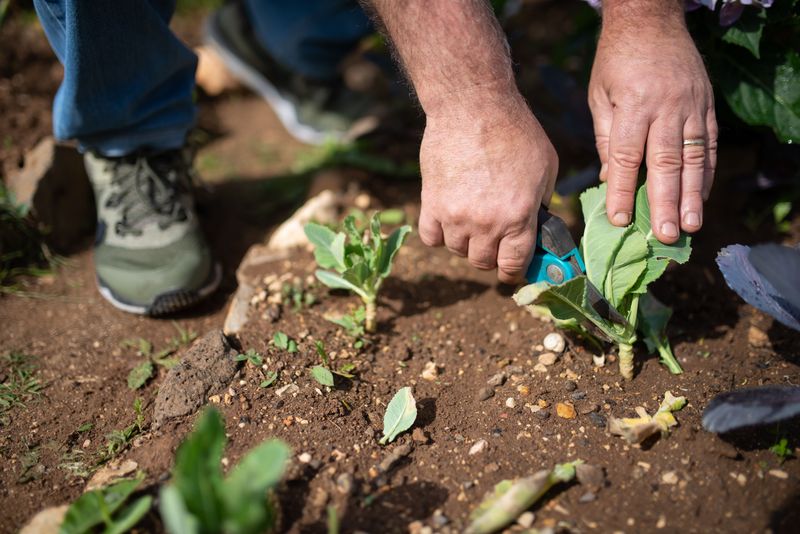
Clean cuts at the base of your plants are a signature move. Groundhogs do not tear or shred like rabbits sometimes do. They bite through stems with precision.
If you walk through your garden and find young plants snipped neatly at ground level, a groundhog is almost certainly responsible. The cuts look almost surgical, smooth and flat across the stem.
They target tender plants with soft stems first. Hostas, beans, peas, lettuce, and young squash are among their favorites during early summer in a Minnesota garden.
Deer also clip plants, but they leave ragged edges and tend to browse higher up on the plant. Groundhog damage is always low to the ground, right at or just above the soil line.
Rabbits create similar damage, but their cuts tend to be at a slight angle. Groundhog cuts are almost perfectly horizontal, like someone used a tiny pair of scissors.
Check for multiple plants clipped in the same session. Groundhogs are systematic feeders, moving methodically through a bed and sampling or consuming several plants in one visit.
The damage often appears overnight or in the early morning hours. Groundhogs are most active at dawn and dusk, which is why you rarely catch them in the act.
Once you spot that clean-cut pattern across your garden bed, do not assume it will stop on its own. A groundhog that finds easy food will return consistently, often visiting the same spot multiple times a week.
4. Vegetables Go Missing Between Morning And Evening Checks

You planted three rows of beans last week. Now two of them are just bare soil and tiny stubs. Your plants did not thin themselves out between yesterday and today.
Groundhogs are enthusiastic eaters with enormous appetites. A single adult can consume a significant amount of plant material in a day, with some estimates putting daily intake close to a pound or more depending on the season.
They tend to target whatever is most tender and ripe in the garden. Tomatoes, cucumbers, zucchini, peppers, and sweet corn are all on the menu during a Minnesota summer.
What makes groundhog feeding damage so frustrating is the speed of it. A plant you were watching ripen for days can vanish completely between sunset and sunrise.
They do not just nibble. Groundhogs often pull entire plants from the ground, dragging them toward the burrow or eating them right there in the bed.
Check whether the root is still in the ground. If the stem is gone but the root remains, the plant was clipped and carried. If the whole thing disappeared, it was likely pulled free entirely.
Squirrels and chipmunks also steal produce, but they focus on seeds and fruit. A groundhog takes the whole plant, leaves, stems, and all, with impressive efficiency.
Losing a vegetable crop you have been tending carefully is genuinely frustrating for any home gardener. If it keeps happening, a groundhog has moved into your Minnesota garden and claimed your harvest as its own.
5. A Worn Trail Runs Between A Burrow And Your Garden

Groundhogs are creatures of routine. They take the same path every single day, and over time that repeated route wears a visible trail right through your lawn.
Look for a narrow, flattened strip of grass running from a burrow entrance toward your garden beds. The grass along this trail looks pressed down, brown, or completely worn away in patches.
This trail is one of the most underrated signs a groundhog has moved into your Minnesota garden. Most homeowners walk right past it without connecting it to their missing plants.
The path is usually only a few inches wide, just wide enough for a groundhog’s body to pass through comfortably. It often follows a straight or gently curving line across open ground.
Worn trails appear faster than you might expect. A groundhog making two trips a day can create a noticeable path in under two weeks of consistent travel.
Check between any burrow entrances and your raised beds, compost pile, or vegetable rows. The trail almost always leads directly to whatever food source the groundhog has been targeting.
You might also notice bent or broken low-growing plants along the trail’s edge. The groundhog brushes against them repeatedly as it travels the same route back and forth.
Finding a worn trail is actually good news in one way. It tells you exactly where the groundhog is moving, which makes trapping or deterring it much more strategic and effective.
6. Clawed Paw Prints Appear Near Holes Or Fence Lines

Soft mud near your fence line holds secrets. After a rain, press your fingers into the soil near any suspicious holes and you might find something looking back at you in print form.
Groundhog tracks are distinctive once you know what to look for. Their front feet leave four-toed prints, while the back feet show five toes with visible claw marks in soft ground.
The prints are wider than a squirrel’s and smaller than a raccoon’s. Front prints measure roughly one and a half inches wide, and the back prints run slightly larger at about two inches.
Look for the claw marks specifically. Groundhogs have strong, curved claws built for digging, and those claws leave sharp, thin lines extending from each toe in the track.
Muddy areas near burrow entrances, garden borders, and low fence crossings are the best places to find clear prints. Freshly watered garden beds also hold tracks well after an early morning visit.
Compare what you find to a reference image online. Groundhog tracks are often confused with opossum or skunk prints, but the claw depth and toe spread tell the story clearly.
You can also set up a simple tracking station. Spread a thin layer of flour or fine sand near a suspected burrow entrance and check it the following morning for fresh impressions.
Clear paw prints near your fence mean a groundhog is actively patrolling your yard. That kind of evidence makes it easier to decide exactly where to place a live trap.
7. Small Oval Droppings Pile Up Near Food Sources
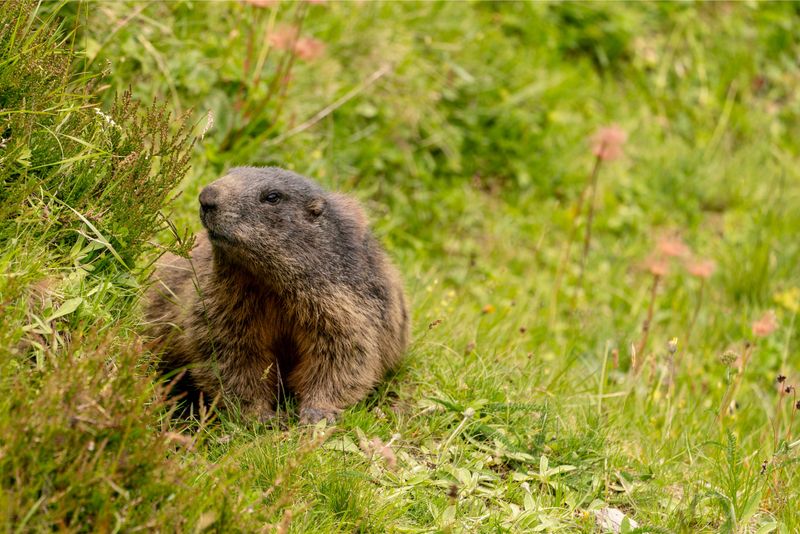
Nobody wants to find droppings in their garden. But spotting them near your vegetable beds is actually a useful clue that helps you identify exactly which pest you are dealing with.
Groundhog droppings are small, oval-shaped, and dark brown or nearly black. They measure roughly half an inch to three quarters of an inch in length, similar in size to a large raisin.
They tend to leave droppings near feeding areas rather than randomly throughout the yard. Finding a cluster near your bean rows or squash bed is a strong sign of repeated groundhog activity.
Rabbit droppings are round and pellet-like, while deer droppings are larger and more elongated. Groundhog scat sits somewhere in between, with a smooth, slightly tapered oval shape.
Fresh droppings appear dark and moist. Older ones dry out and turn grayish-brown, which can help you gauge how long the groundhog has been visiting that particular spot in your garden.
Check near the base of plants that have already been clipped or stripped. Groundhogs often stop to feed and then leave droppings right there, marking the area with their scent as well.
You might also find droppings near the burrow entrance or along the worn trail between the tunnel and your garden. The pattern of where they appear tells you a lot about the groundhog’s routine.
Finding consistent droppings near the same food sources confirms a regular visitor. A groundhog that keeps returning will not leave on its own. Fencing, live trapping, or scent deterrents are your most practical next steps.
8. Predators Like Coyotes And Hawks Start Lingering In Your Yard
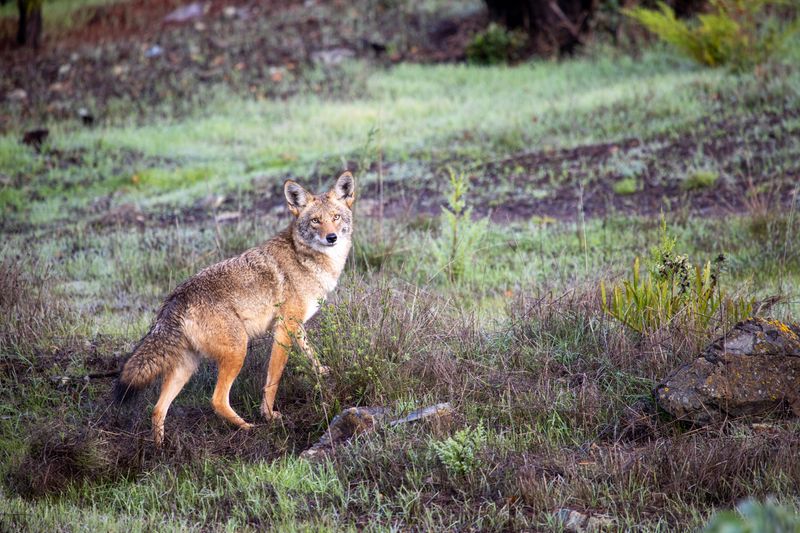
When predators start appearing more often near your yard, it can be a sign that something worth hunting has moved in nearby.
A sudden increase in coyotes, foxes, or hawks near your yard is one of the most overlooked signs a groundhog has moved into your Minnesota garden.
Predators follow prey. If a groundhog has set up a burrow on your property, the local wildlife food chain is going to notice and respond fairly quickly.
Red-tailed hawks are one of the most common groundhog predators in the upper Midwest. If you start seeing one perched on your fence post and scanning the ground, it has spotted something worth watching.
Coyotes will circle a yard repeatedly when they detect a groundhog burrow nearby. You might notice tracks, hear yipping at night, or spot a coyote standing unusually still near your shed or fence line.
Foxes are quieter about it. They tend to sit and wait near burrow entrances during early morning hours, which is why you might spot one just sitting in your yard at dawn, looking oddly patient.
This predator activity is a natural alarm system. Nature is essentially flagging your yard as active groundhog territory, which confirms what your chewed plants and fresh mounds already suggested.
Do not shoo predators away too quickly. Their presence near the burrow can sometimes deter a groundhog from staying long-term, making your yard feel less safe for extended occupation.
Paying attention to what animals are watching your garden can tell you just as much as what is eating it.
Increased predator activity around your yard is one more reason to look closer. The local food chain tends to notice a new resident before most gardeners do.