How To Overwinter Potted Hydrangeas In North Carolina So The Flower Buds Survive
Next summer’s flowers are already hiding on your patio. They sit tucked inside fat little buds at the tips of bare, brown stems, and they formed back in late summer.
That means one rough January night can erase a whole season of color before spring even arrives. I find that both thrilling and a little nerve-racking.
Pots make the stakes higher. Roots in a container feel the cold from every side, while roots in the ground stay wrapped in warm soil. Here in North Carolina, mild spells followed by sudden freezes add extra drama to the mix.
Personally, I used to think a leafy, healthy plant meant blooms were guaranteed. You’re in for a surprise if you believe that too. A plant can look perfectly fine in May and still refuse to flower. So what separates a pot full of blossoms from a pot full of leaves?
1. Those Plump Hydrangea Buds Already Hold Next Summer
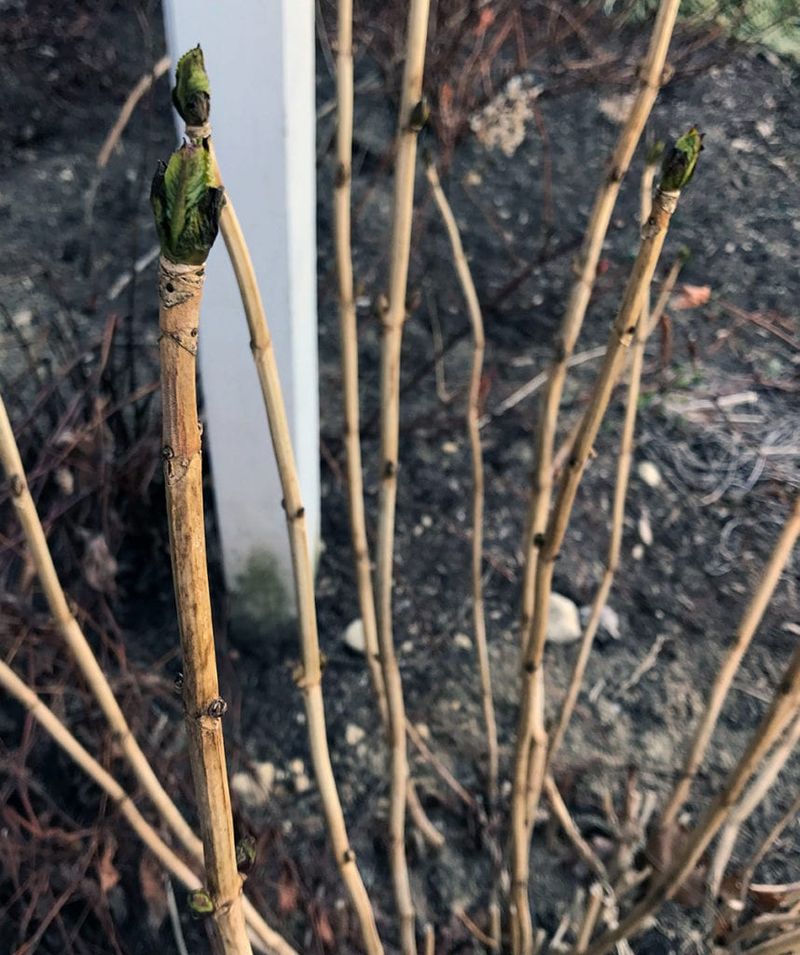
Grab a dormant stem and look at the very tip. That swollen bud is a tiny packed suitcase holding next year’s flowers.
Bigleaf hydrangeas (Hydrangea macrophylla) and oakleaf hydrangeas (Hydrangea quercifolia) set these buds in late summer and fall.
Gardeners call this blooming on old wood. If the tip bud freezes, the plant often pushes out leaves but skips the flowers.
Panicle hydrangeas and smooth hydrangeas like Annabelle work differently. They build their flower buds in spring on fresh growth. Winter damage rarely ruins their show, so they need far less fuss.
Rebloomers such as the Endless Summer series try to hedge their bets. They flower on old wood and new wood, so a cold winter may delay blooms rather than cancel them. Still, the earliest and biggest flush usually comes from those old buds.
So step one is simple. Check your plant tag or look up the variety name. If you have a bigleaf or oakleaf type, every tip in this guide matters a lot. If you have a panicle or smooth type, you can relax a bit and focus mostly on protecting the roots.
2. Roll That Hydrangea Pot Into An Unheated Garage
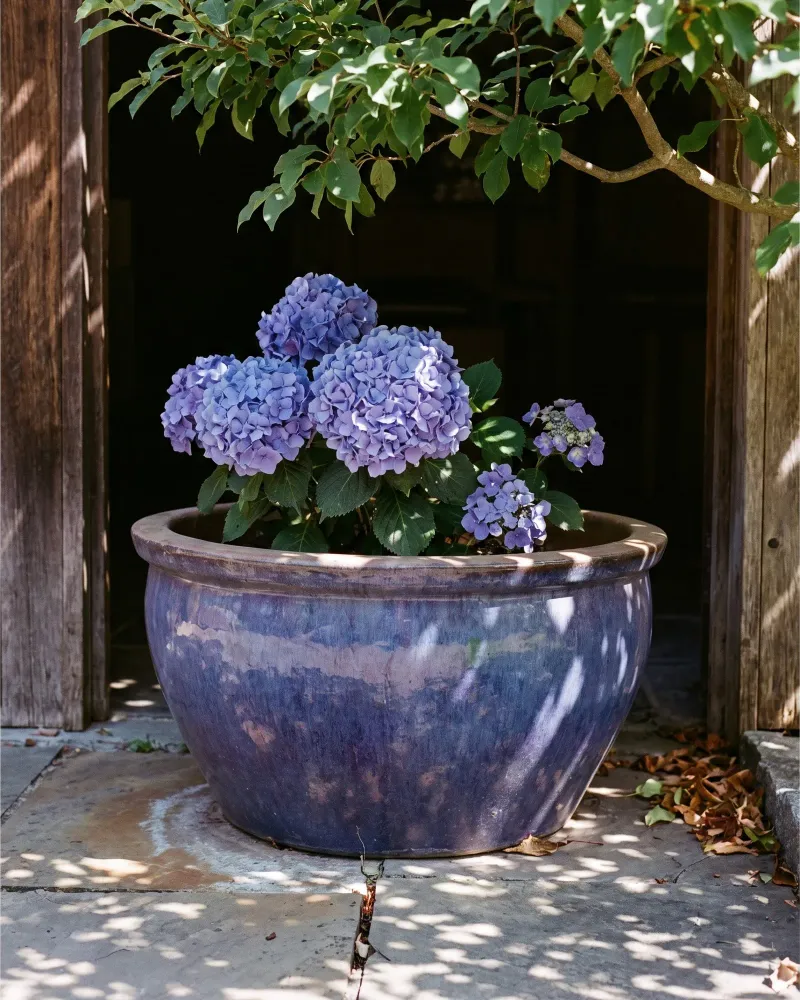
Moving the pot is the single most helpful thing you can do. An unheated garage, shed, or cool basement keeps the roots and buds above the harshest lows without waking the plant up.
Aim for a spot that stays roughly between 30 and 45 degrees. That range keeps the hydrangea dormant and safe. A heated room is too warm and can trick it into pushing soft growth too early.
Light needs are small for a leafless plant. A dim garage works fine through the dormant months. Just bring it back outside once spring is steady.
Timing matters a little too. Wait until the plant has had a few cool nights outside and the leaves have dropped or browned. Those chilly weeks help it harden off and settle into dormancy.
A furniture dolly or plant caddy saves your back with heavy pots. I keep one parked by the patio every fall for exactly this job.
In the coastal plain, a bigleaf hydrangea in a big pot may get through many winters outside with basic protection. In the Piedmont and mountains, a garage move is often the safest bet for flower buds.
3. Wrap And Cluster Containers Left On The Patio
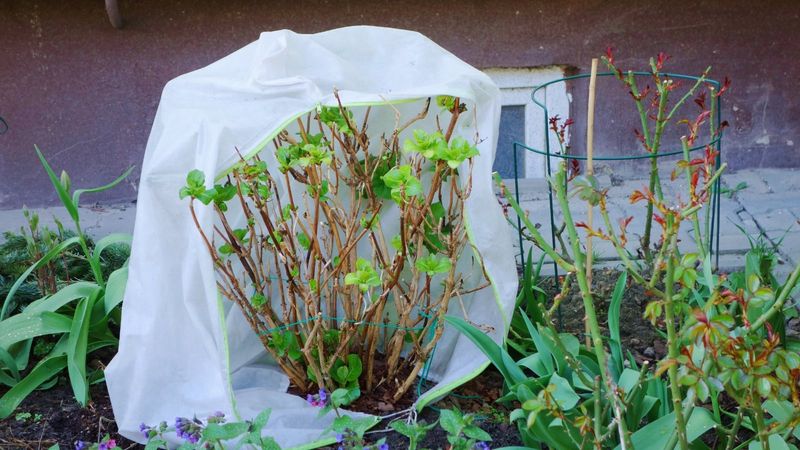
Some pots are just too big to budge. You still have solid ways to shield them outdoors.
Start by grouping containers tightly together against a north- or east-facing wall. The house gives off a little warmth and blocks wind. Huddled pots also shelter each other, a bit like penguins in a storm.
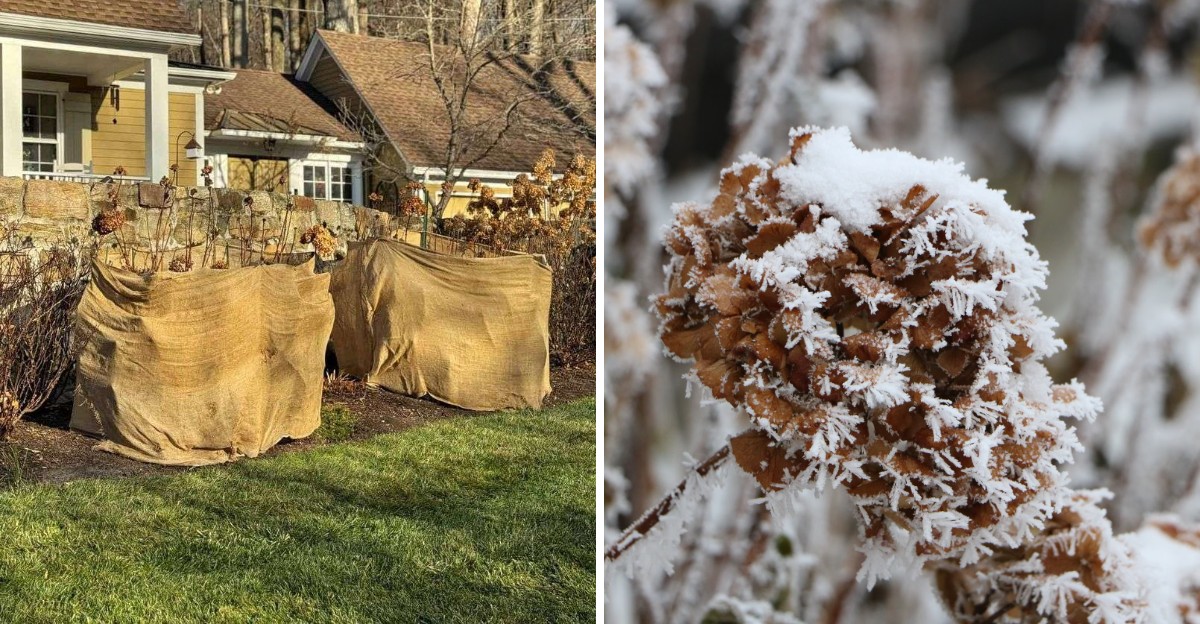
Next, wrap the outside of each pot with bubble wrap, burlap, or frost cloth. Layers trap air, and trapped air slows the chill moving into the root ball. Some gardeners stuff dry leaves between clustered pots for extra padding.
Lift pots off cold concrete with pot feet or a couple of bricks. Doing so improves drainage and keeps the bottom from freezing to the ground.
Container material makes a difference. Glazed ceramic and terra cotta can crack when wet soil freezes and expands. Plastic, fiberglass, resin, or thick wood handle winter much better.
One more trick works well for in-between pots. Sink the container into a garden bed up to its rim, then mulch over the top. The surrounding earth acts like a thick, free insulating jacket for the roots.
4. Put The Pruning Shears Away Until Green Leaves Appear
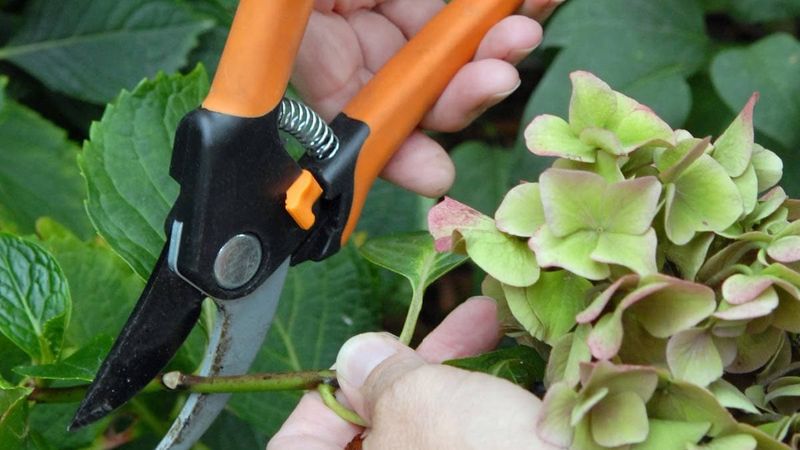
I learned this one the painful way. One tidy fall afternoon with my pruners, and the following summer I got a pot of handsome leaves and zero flowers. On bigleaf and oakleaf hydrangeas, fall pruning snips off the very buds you are trying to save.
Those papery brown flower heads look scruffy, but leaving them in place is fine. Many gardeners like them for winter texture, and they may give the buds below a touch of cover.
Wait until spring when new leaves start unfolding. At that point, you can clearly see which stems are alive. Cut back only stems that stay bare and brittle, and trim spent flower heads just above a healthy pair of buds.
Panicle and smooth hydrangeas play by easier rules. You can prune them in late winter or very early spring, because they bloom on growth that has not formed yet.
A quick scratch test helps if you are unsure about a stem. Scrape a bit of bark with your fingernail. Green underneath means it is alive, while tan or brown means it can go.
5. Dormant Hydrangea Roots Still Need A Drink
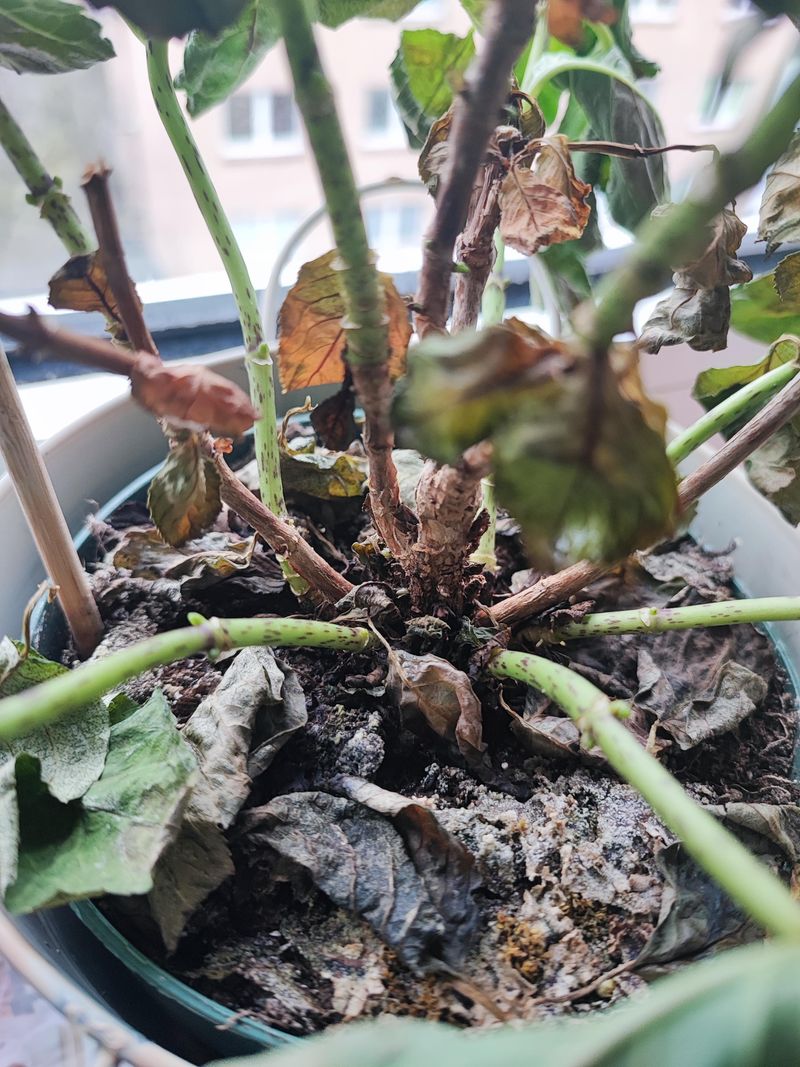
Bare branches can fool you into forgetting the pot entirely. Roots keep working quietly all winter, and dry roots handle cold far worse than moist ones.
Water deeply in late fall before the first hard freeze. Moist soil holds heat better than dry soil, which gives the roots a small buffer on frigid nights.
After that, check about every two weeks. Push a finger an inch or two into the soil. If it feels dry and the soil is not frozen, give it a slow drink on a mild day.
Garage plants usually need water only every few weeks. Outdoor pots may get by on winter rain, though dry spells and windy weather can parch them faster than you expect.
Soggy soil brings its own trouble, including root rot. Make sure drainage holes stay open and saucers are emptied. A pot sitting in a puddle of ice water is miserable for any hydrangea.
Skip fertilizer until spring. Feeding a dormant plant does not help, and late-season nitrogen can push tender growth that frost easily nips.
6. Mountain Gardeners Face Tougher Hydrangea Winters Than The Coast
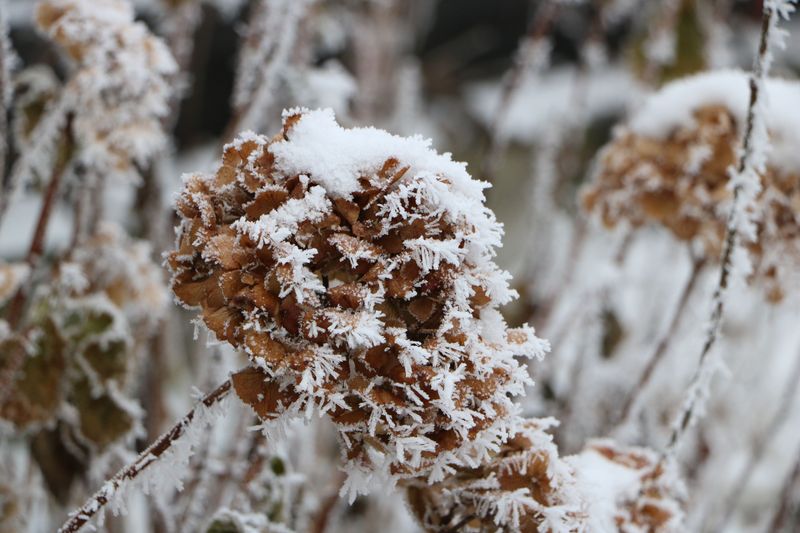
Fun fact: North Carolina spans USDA hardiness zones from about 6a in the high mountains to 8b along the southern coast and even 9a on parts of the Outer Banks. That is a big spread for one state.
Mountain gardeners around Boone and Asheville see the coldest lows. Bigleaf hydrangea buds can suffer when temperatures dip toward single digits, and a container makes that risk even greater. Indoor storage is often the smartest move up there.
The Piedmont, including Charlotte, Raleigh, and Greensboro, sits mostly in zones 7a to 8a. Winters there are moderate, yet surprise cold snaps still happen. Wrapped, sheltered pots often do well, with a garage backup for the worst forecasts.
Coastal gardeners from Wilmington to the Outer Banks enjoy milder weather. Salt winds can be drying though, so a sheltered spot still pays off.
Keep in mind that a potted plant behaves as if it were one or two zones colder than its spot. Roots sitting above ground lack the earth’s steady warmth.
NC State Extension offers free local advice through county offices. A quick call can help you match your plan to your neighborhood.
7. Breathable Covers Rescue Hydrangea Buds On The Coldest Nights
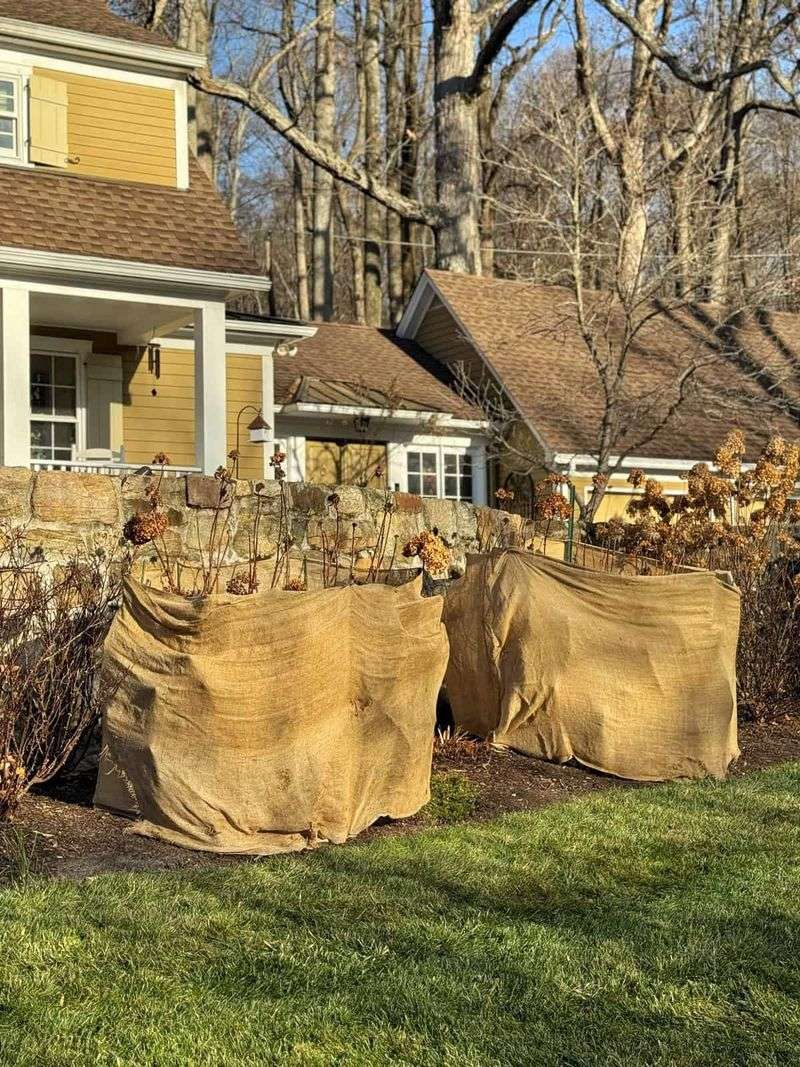
Watch the forecast like a hawk once December rolls in. A single night in the teens can harm exposed bigleaf buds, especially after a warm stretch.
Frost cloth, burlap, or an old cotton sheet makes a handy emergency blanket. Drape it over the whole plant and let it reach down to the pot, where it can trap a bit of rising warmth. Clothespins or twine keep it from blowing away.
Plastic sheeting is a poor choice. It traps moisture and can heat up quickly in sunshine, which may nudge buds out of dormancy. If plastic is all you have, put a layer of cloth underneath and remove it the next morning.
Windbreaks help too. Hammer a few stakes around the pot and wrap burlap around them, leaving several inches of space around the branches. Drying winter wind can harm buds almost as much as the cold.
Uncover plants once temperatures climb back above freezing. Buds need air and light, and leaving covers on for days invites mold. Keeping a stack of covers by the back door means you can protect everything in about five minutes.
8. Bring Your Hydrangea Back Outside Slowly After The Last Frost
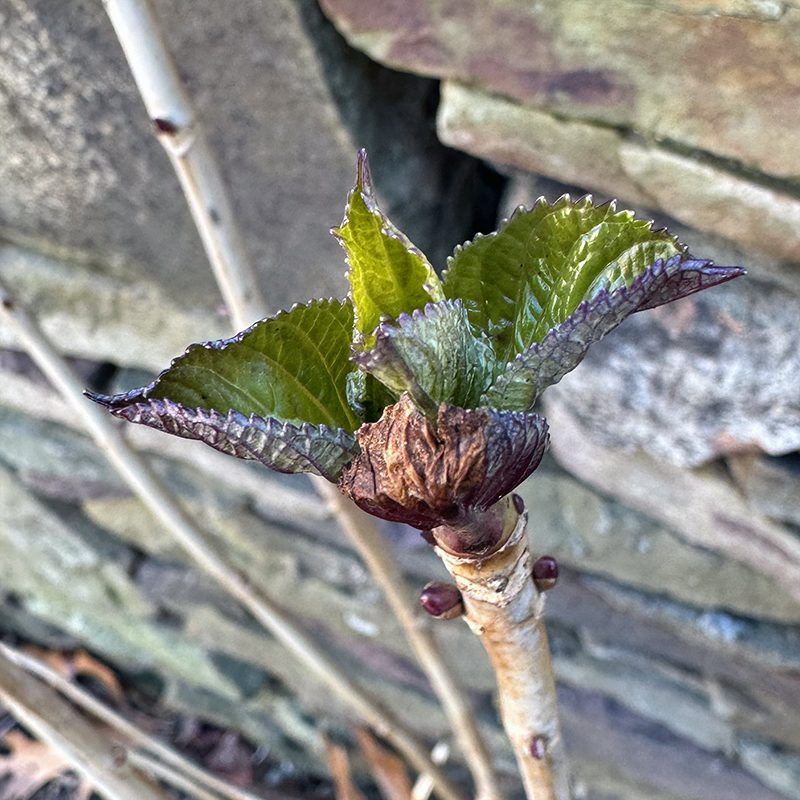
Spring is the payoff for all that winter babysitting. Rushing it, though, can undo months of careful work.
Fresh leaves and swelling buds are tender. A late frost in March or April can blacken them overnight, and that happens often across the Piedmont and mountains. Check your local average last frost date before moving pots out for good.
Ease garage plants back into daylight over a week or two. Start with a few hours of morning sun in a sheltered spot, then slowly add more time. Sudden full sun can scorch leaves that grew in dim light.
Keep frost cloth handy through April. Throwing a cover over the plant on a chilly night is easy insurance. Once new growth is clear, prune any stems that stayed bare. Then begin light feeding with a slow-release fertilizer and resume steady watering.
Jot down what worked this year, like your storage spot, cover dates, and bloom results. That simple note makes next winter far easier.
Before long, those carefully guarded buds will open into the big, bright flower heads that made you fall for hydrangeas in the first place.