Why North Carolina Gardeners Are Planting Elderberry Along Fence Lines This Fall
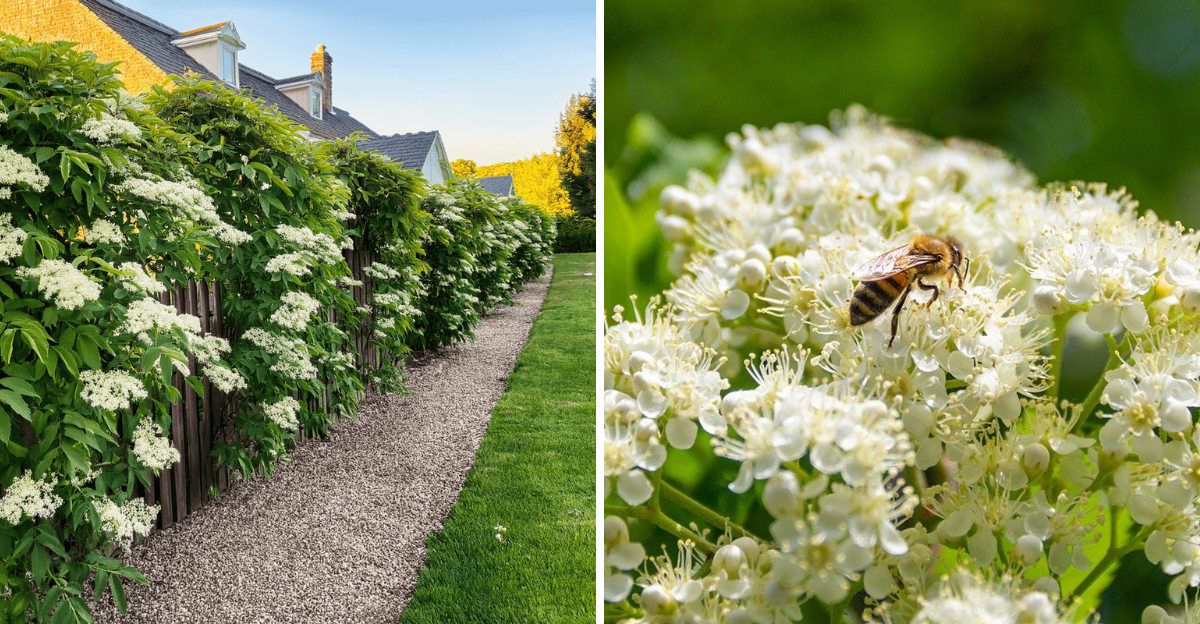
Elderberry is gaining attention in North Carolina yards, and fence lines are turning out to be one of the best places to plant it.
As a native shrub, elderberry adapts well to local conditions, and fall planting gives its root system time to establish before next year’s growing season kicks in. Fence lines offer more than just convenient space.
They give elderberry room to spread naturally while creating a living border that supports pollinators and birds throughout the year.
This dual purpose is a big part of why more North Carolina gardeners are choosing function over purely ornamental options this fall. Planting now, while the soil is still warm but the heat has eased, sets elderberry up for stronger growth once spring arrives.
For gardeners looking to make their fence lines more productive and wildlife-friendly, this fall planting window is worth paying attention to.
1. Elderberry Naturally Works As A Hedge
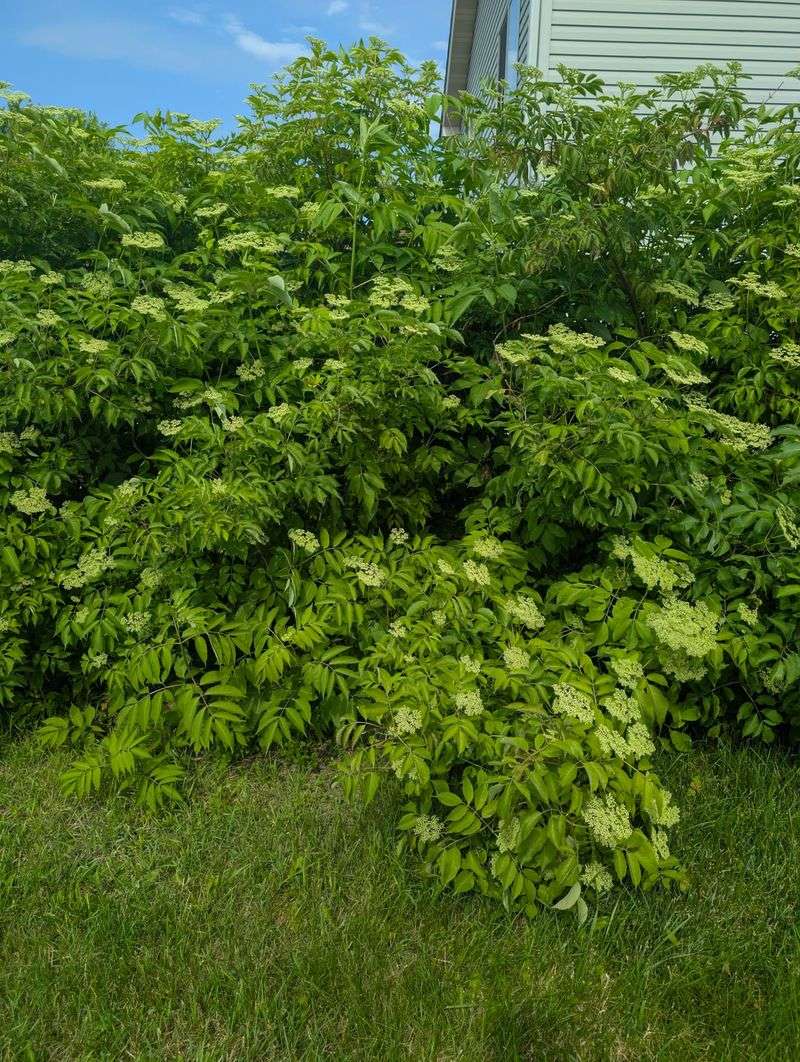
Picture a plant that fills in a fence line without much fuss. American elderberry grows with many stems shooting up from the base, which gives it a naturally bushy shape. That growth style makes it a smart pick for property edges.
Instead of a single trunk, elderberry sends up several canes that lean and arch outward. Over time these stems crowd together and form a thicket. The result is a living screen that softens a plain fence and adds real texture to the yard.
Because the shrub keeps producing new shoots, gaps fill in on their own. You do not have to plant a dozen bushes side by side to get coverage. A few well spaced plants will spread and knit together into a green wall.
The dense growth also blocks views and slows down wind. If you want a little privacy from the road or a neighbor, elderberry does the job while looking relaxed and natural rather than boxy. It feels like part of the landscape, not a stiff wall.
Gardeners love that this hedge grows fast once it settles in. Within a couple of seasons, thin new plants become full and leafy. That quick payoff keeps folks motivated to plant more along their fences.
Keep in mind that this is a casual, wild looking hedge. It works best where you want charm and wildlife appeal instead of sharp, trimmed lines. For fence borders, that easygoing style is exactly the point.
2. It Is Native Across North Carolina
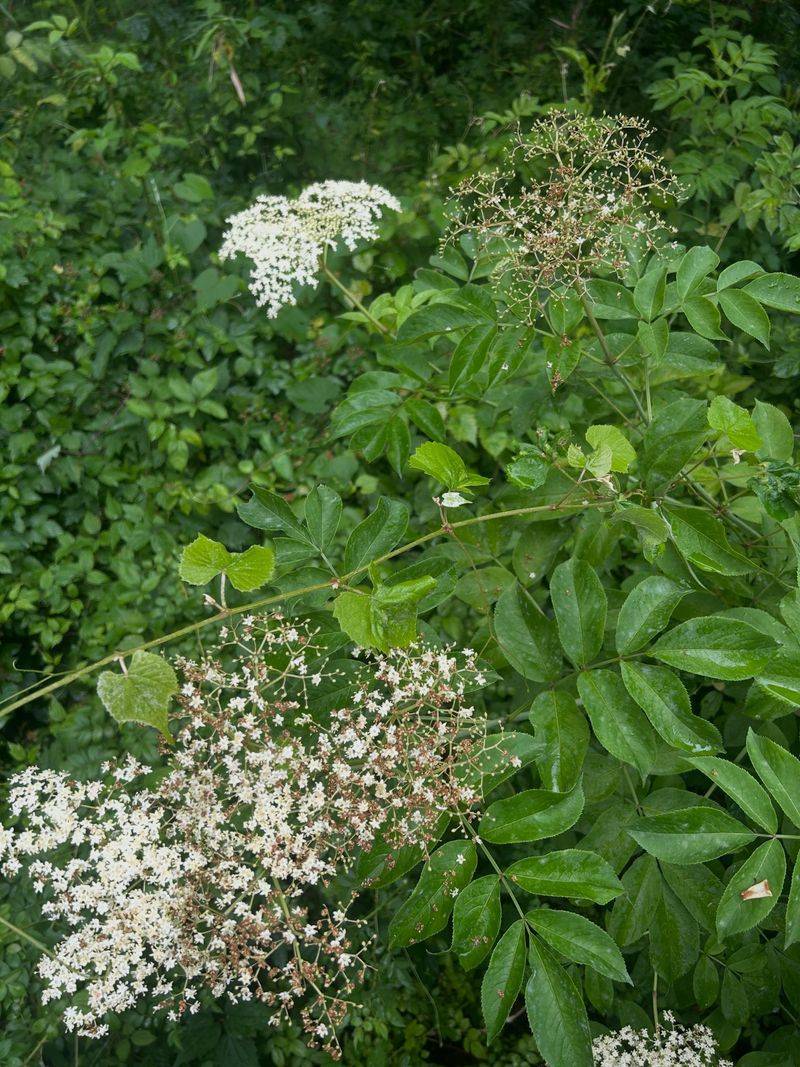
Few plants feel more at home in North Carolina than American elderberry. It grows wild in every corner of the state, from the cool Blue Ridge Mountains through the rolling Piedmont and all the way to the flat Coastal Plain.
That wide range tells you it belongs here. According to North Carolina State Extension, Sambucus canadensis occurs throughout the state naturally.
Because it already thrives in local soils and weather, you are not fighting nature when you plant it. You are working with it.
Native plants have deep roots in the region, both literally and figuratively. They have adapted to local rainfall, heat, and cold over a very long time. That means less babying from you and fewer surprises down the road.
Your North Carolina Garden Changes Every Week. Your Plan Should Too.
Gardening in North Carolina changes quickly throughout the season. Every Friday you’ll receive a simple weekly plan showing exactly what to plant, prune, fertilize, harvest, and protect so you never miss the right timing.
Choosing a native shrub also supports the web of local life. Insects, birds, and other creatures already recognize elderberry as food and shelter. When you plant something familiar to them, the whole ecosystem responds.
There is a nice sense of place that comes with growing what naturally belongs here. Your fence line becomes part of the larger North Carolina landscape instead of standing apart from it.
Since it is so widespread, you can often find elderberry at local native plant nurseries and plant sales. Buying stock suited to your region gives you a stronger start. Ask for plants grown from local sources when you can.
Planting native is a simple way to garden in harmony with the state you love. Elderberry makes that choice easy and rewarding.
3. It Handles Moist Soil Well
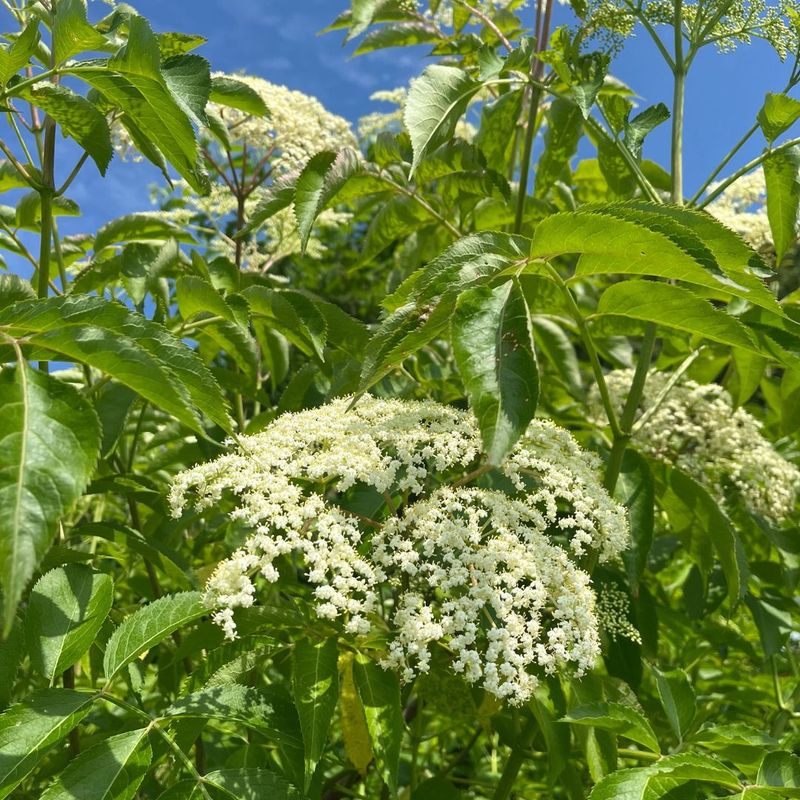
Every yard seems to have that one soggy spot where other plants sulk. Elderberry loves exactly that kind of place. It prefers rich, moist soil and grows happily where water tends to collect.
Low fence lines often stay damp after storms because rain drains toward them. Many shrubs struggle there, but elderberry takes it in stride. Those wetter edges become the perfect home for it.
What makes this plant even more useful is its flexibility. While it enjoys steady moisture, it can also handle drier spells once its roots dig in. That range means you do not need perfect conditions to succeed.
For gardeners with clay soil or areas that puddle up, elderberry offers a practical solution. Instead of trying to fix the drainage, you can plant something that actually appreciates it. That saves time, money, and frustration.
Rich soil packed with organic matter gives the best results. Mixing in compost when you plant helps the roots settle and encourages strong growth. A layer of mulch on top keeps moisture steady and weeds down.
Even so, brand new plants still need attention while they establish. Water them regularly during dry stretches in the first year, even in a naturally damp spot, until the roots reach deep.
Matching a plant to your conditions is one of the smartest gardening moves you can make. When your fence line runs low and stays wet, elderberry turns a problem area into a thriving green feature that looks great.
4. Fall Planting Gives Roots Time To Establish
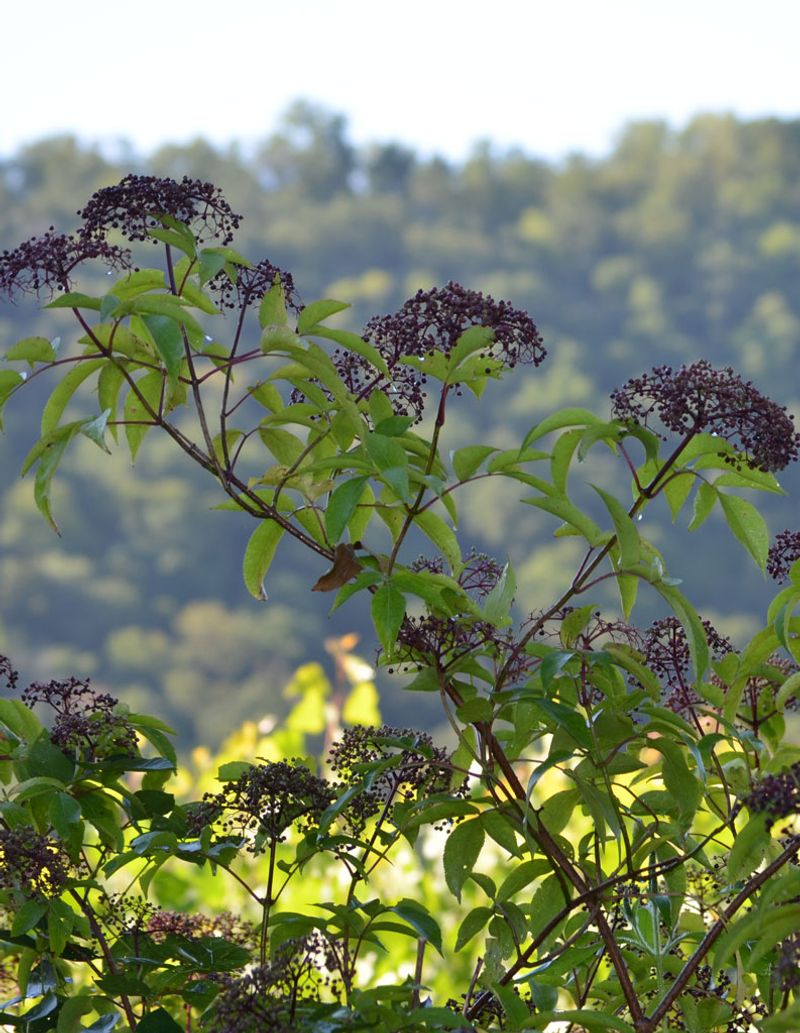
Timing matters more than most people think, and fall is a quiet winner for planting. When you set a container grown elderberry in the ground during the cooler months, the plant focuses its energy underground.
Cooler air means the shrub is not busy pushing new leaves or fighting summer heat. Instead, the roots keep growing in the still warm soil. By the time next summer arrives, that root system is ready to support the plant.
A strong root network makes a huge difference during hot, dry weather. Plants that go in during fall often handle their first summer far better than those planted in spring. They simply had more time to prepare.
North Carolina falls tend to bring gentle rains, which helps too. Nature does some of the watering for you, easing the shrub through its early days. That extra help gives young plants a smooth start.
Still, a newly planted elderberry is not on its own completely. Even in fall, you should water it well after planting and check the soil during dry stretches. Roots need consistent moisture to spread properly.
Adding mulch around the base locks in that moisture and protects the roots from cold snaps. Keep the mulch a little away from the stems so they can breathe.
Getting plants in early gives them a head start you cannot buy later. If your fence line is calling for elderberry, this cooler season is a wonderful window to answer.
5. The Flowers Feed Pollinators
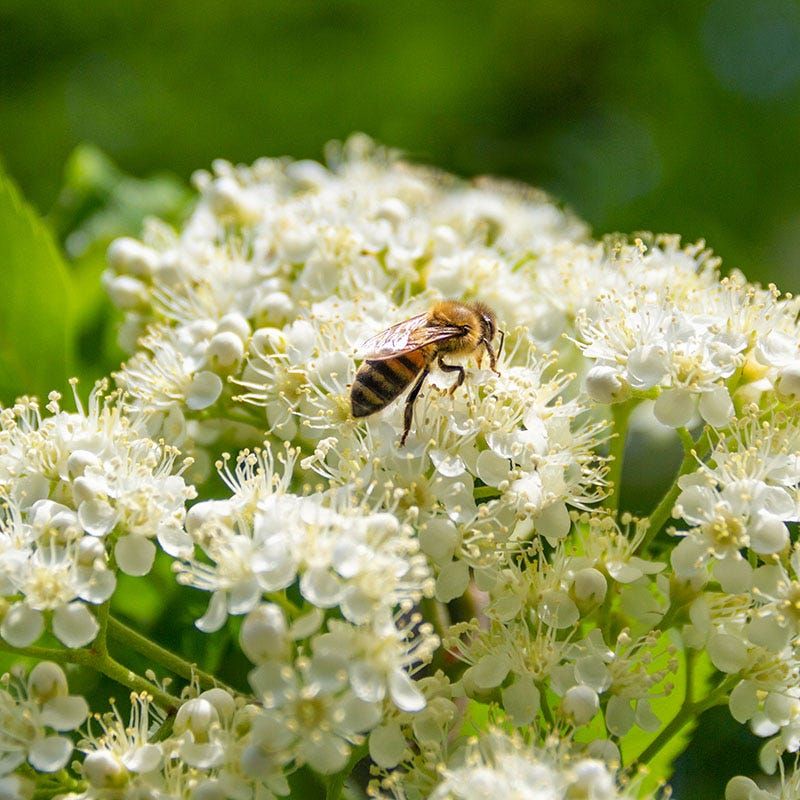
Come summer, elderberry puts on a show that pollinators cannot resist. The shrub bursts with wide, flat clusters of tiny white flowers that look like lacy plates spread across the branches.
Those blooms are more than pretty. They serve as a busy dining hall for butterflies, bees, and all sorts of helpful insects. On a warm afternoon, the flowers practically hum with activity.
Pollinators play a giant role in gardens and farms alike. When you feed them, you are helping the plants nearby set fruit and seed too. A single elderberry can support dozens of visitors at once.
The flat flower shape makes it easy for insects to land and reach the nectar. That simple design invites a wide range of creatures, not just one or two picky species. Variety is exactly what a healthy garden wants.
Placing elderberry along a fence line puts this pollinator buffet right at the edge of your property. It becomes a corridor where insects travel, feed, and move between wild areas and your yard.
Watching butterflies drift from bloom to bloom is a small daily joy. Kids especially love spotting the different visitors and learning their names. If you want a lively, buzzing garden, elderberry earns its keep during flowering season alone.
And here is a bonus worth knowing: those same summer flowers turn into the berries that wildlife loves later. One plant, two gifts, and a whole lot of activity along your fence.
6. The Berries Feed Birds
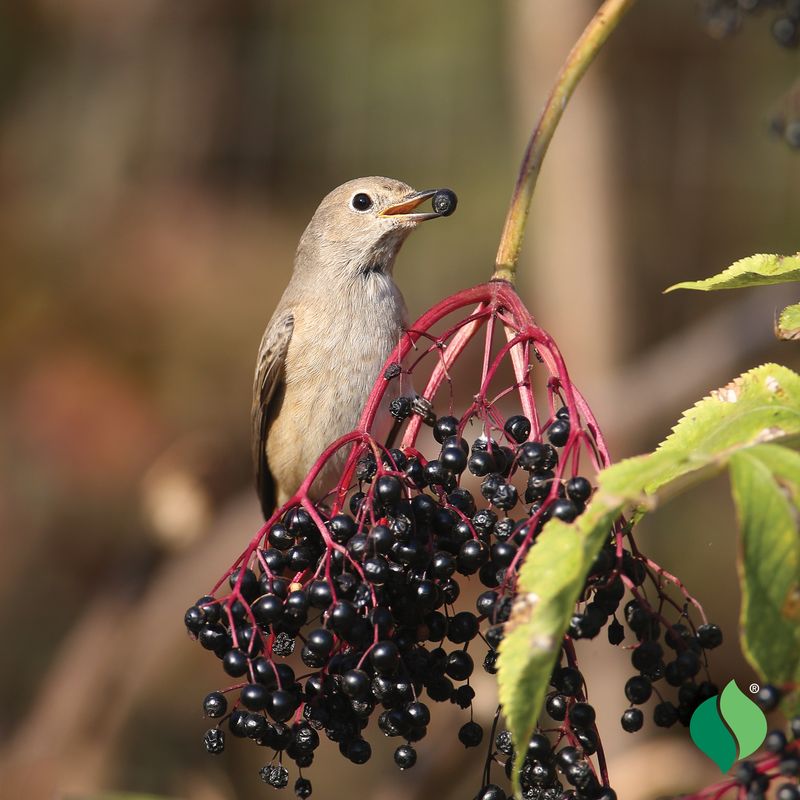
After the flowers fade, something even better shows up for wildlife. Elderberry branches fill with clusters of small, glossy purple black berries in late summer and fall.
Songbirds go wild for these fruits. According to North Carolina State Extension, elderberries provide food for many birds and other backyard creatures. A loaded shrub can turn into a popular gathering spot overnight.
Robins, catbirds, and plenty of other feathered visitors stop by to feast. Watching them flit in and out is like having a front row seat to a nature program right outside your window.
Feeding birds naturally means you do not need to rely only on store bought feeders. The shrub does the work, offering fresh fruit at the exact time birds need extra energy for migration and cooler days ahead.
A fence line planting puts this fruit right where birds already like to perch and travel. They move along the edge, snacking as they go, which brings more song and color to your yard.
Berries also feed other small wildlife, making elderberry a generous host for the whole neighborhood. That ripple effect strengthens the local food web in a meaningful way.
Because birds spread the seeds, you may even find new little elderberry seedlings popping up nearby. Nature keeps the cycle going with almost no effort from you.
If you dream of a yard full of birdsong, planting elderberry is one of the tastiest invitations you can offer them. The show is worth every berry.
7. It Can Help Fill A Wildlife Friendly Border
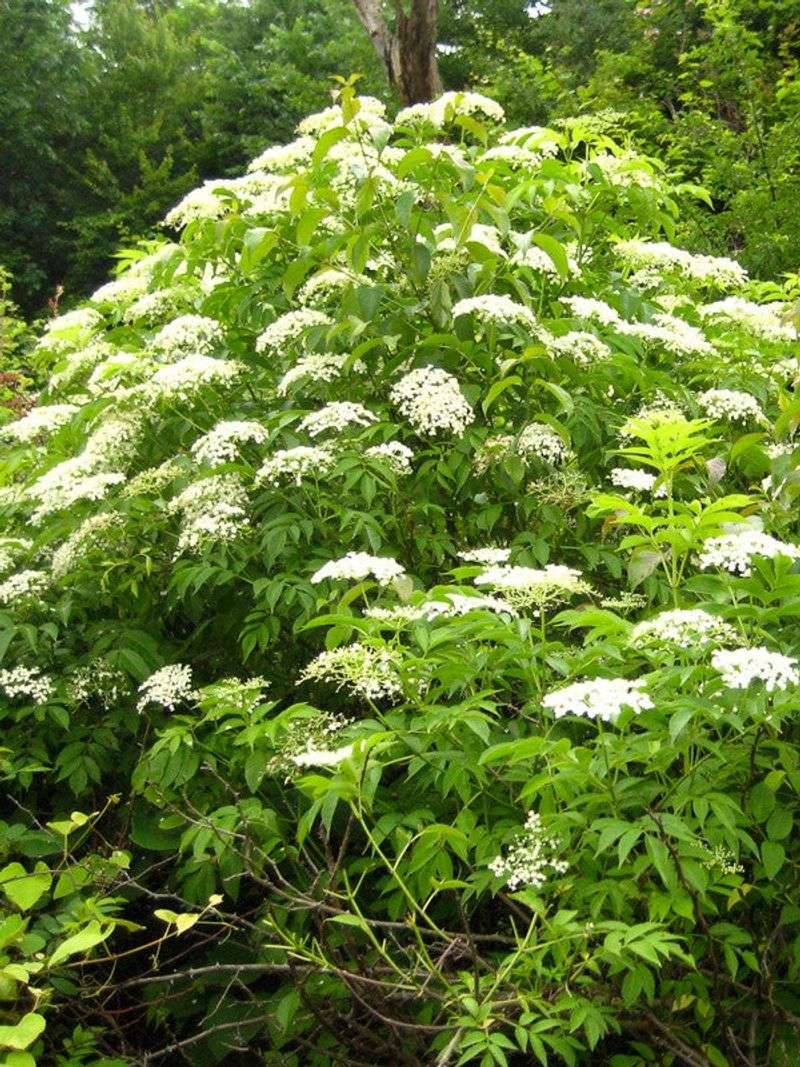
Some plants offer a meal, and some offer a home. Elderberry manages both, which makes it a standout for a wildlife friendly border along your fence.
The flowers and berries handle the food side of things. Meanwhile, the shrub’s thick, tangled growth gives birds safe places to build nests and hide from predators. Shelter matters just as much as snacks.
Those long, arching branches create layers of cover at different heights. Small creatures can tuck into the lower tangle while birds settle higher up. It is like a natural apartment building for backyard wildlife.
Fence lines are often the wilder, less tidy parts of a yard, and that is where elderberry shines. It does not need to look perfect, so it fits right in at the relaxed edges of your property.
By planting a mix of natives around it, you can build a rich border that supports even more life. Elderberry acts as the leafy backbone that ties the whole planting together.
This kind of border also acts as a travel path. Wildlife moves along it safely, connecting your yard to nearby fields, woods, or streams.
There is real satisfaction in knowing your fence line is doing double duty. It marks your property while quietly caring for the creatures around you.
For gardeners who want their space to feel alive, a wildlife friendly border built around elderberry delivers. It turns an ordinary edge into a busy, welcoming habitat that gives back all year long.
8. Give It Room To Spread
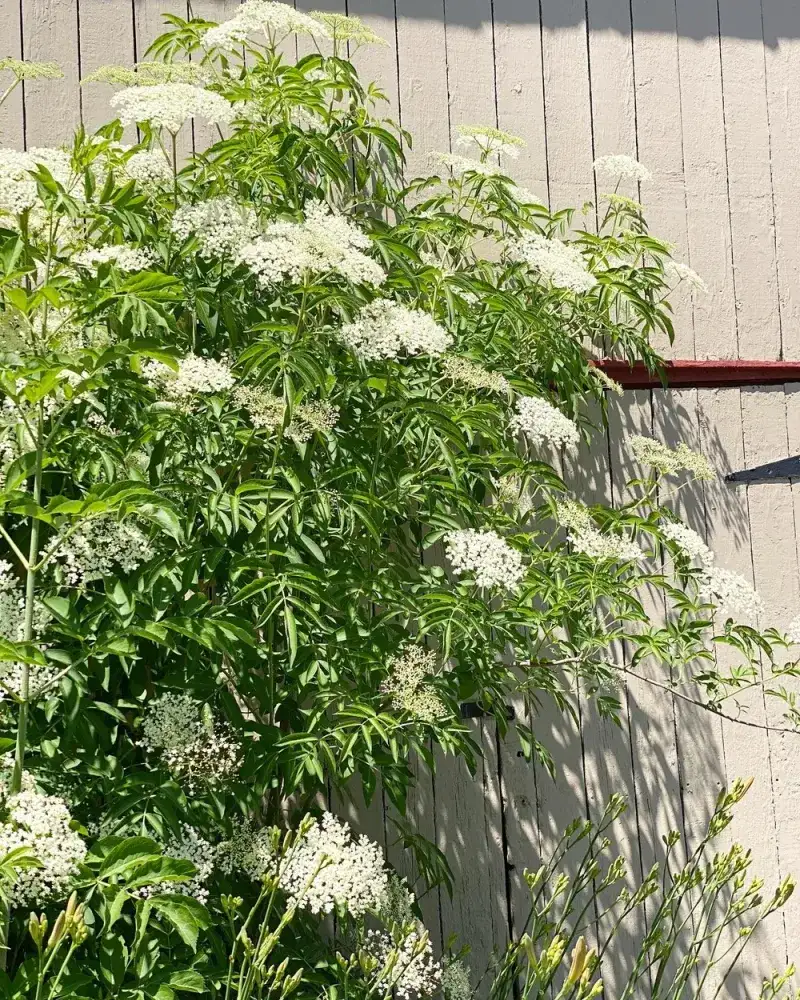
Here is a friendly heads up before you plant. Elderberry likes to spread. It sends up new shoots, called suckers, from its roots and slowly forms a growing thicket over time.
That habit is wonderful when you want a full, natural border. The plant fills in gaps on its own and creates a lush, layered look without much help from you.
The trick is placing it where spreading is welcome. A wide open fence line, a back corner, or the edge of a field gives elderberry room to do its thing happily.
Trying to force it into a tight, formal hedge usually leads to frustration. This shrub does not want sharp corners or perfectly straight lines. It wants to sprawl a little and follow its own rhythm.
If you love a neat, trimmed look, elderberry may not be your best match for that spot. There are tidier shrubs for formal designs. Save elderberry for the relaxed areas where its wild energy fits.
Planning ahead saves you work later. Think about how much space you can offer, then give the plant a little extra room to expand.
You can still guide the spread by removing suckers you do not want each year. That keeps things reasonable while letting the shrub stay full and healthy.
When you match this plant to the right spot, its spreading nature becomes a gift instead of a chore. A generous fence line lets elderberry show off exactly what it does best.
9. Choose The Fence Line Carefully
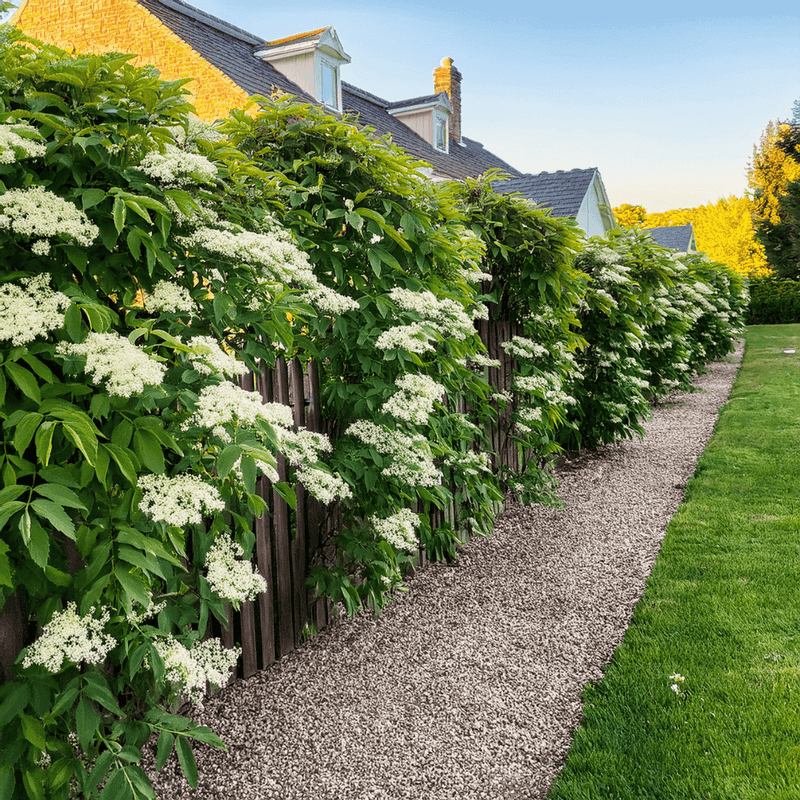
Location can make or break your elderberry planting. Before you dig, take a good look at the fence line you have in mind and think about what the plant truly needs.
Sunlight tops the list. Elderberry does best with plenty of sun, which fuels strong flowering and heavy berry production. A bright, open spot gives you the fullest, most productive shrub.
Moisture is the next thing to check. Since elderberry enjoys steady water, a fence line that stays a bit damp will keep it thriving. Very dry, baked areas are harder for it.
Space is the big one to plan for. A mature plant can reach anywhere from five to twelve feet tall and wide. Give it enough room so it does not crowd walkways, gates, or your neighbor’s side.
Look up before you commit. Planting under power lines is a mistake, since the shrub can grow tall enough to reach them. Keep it well clear of any overhead utilities.
Also think about access. You do not want the spreading branches to block a gate, a path, or the space you need to mow and maintain the fence.
Taking a few minutes to picture the full grown plant saves headaches later. It is much easier to choose the right spot now than to move a large shrub down the road.
When the sunlight, moisture, and space all line up, elderberry rewards you with years of blooms and berries. A little planning turns a good idea into a lasting success.