The Hidden Reasons Your Houseplant Leaves Are Turning Purple
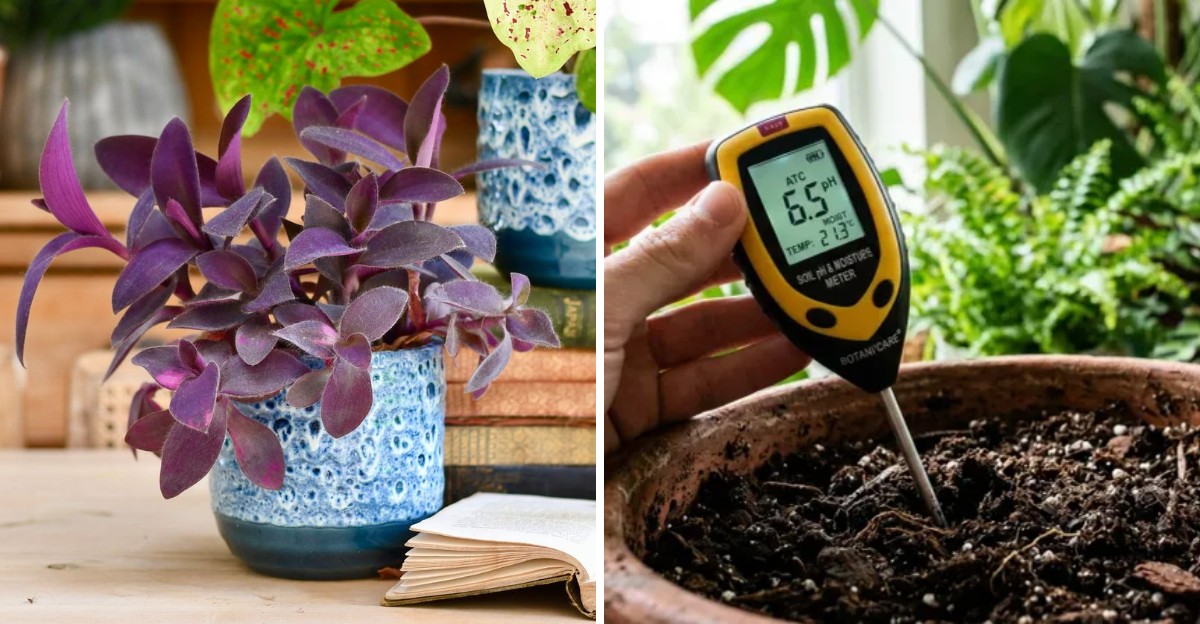
The purple in a stressed houseplant leaf comes from the same pigment family that colors blueberries and red cabbage. Plants build those pigments on purpose, often as a shield when something in their surroundings starts going wrong.
Cold roots and hungry soil can both nudge a normally green leaf toward a deep violet or burgundy shade. Some plants wear that color naturally, so the trick is knowing when purple means trouble and when it means nothing.
I spotted my first lavender blush on a pothos sitting beside a drafty window in my apartment. You might notice the same thing on your shelf, even in mild winters with cool nights.
Every shade of purple tells a slightly different story about what is happening above the soil and below it. Learn to read the color, and your plant will point you to what it needs.
1. Hungry Roots Missing Phosphorus Show Purple Leaves
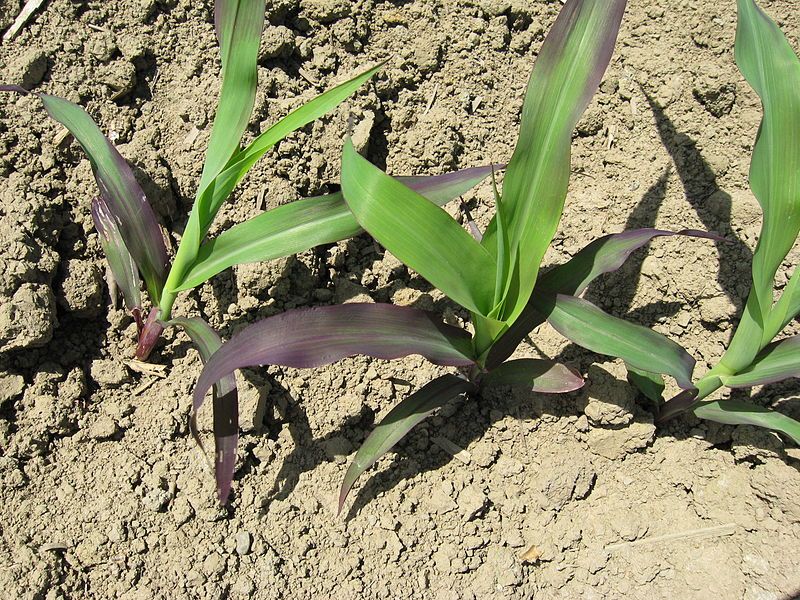
Dark green leaves with purple undersides puzzled me for weeks until I learned about phosphorus, a nutrient roots crave. Plants use phosphorus to move energy around their cells, so a shortage slows nearly every growth process.
Older, lower leaves usually show the color first because plants shift mobile phosphorus toward fresh new growth. You might see a dull bluish green tone before the purple or reddish shading spreads across the leaf.
Surprisingly, the soil often holds plenty of phosphorus, but cold roots struggle to pull it up efficiently. University extension specialists point to cool soil as a common reason young plants turn purple even when fertilized.
Houseplants in fresh potting mix rarely run short, yet plants sitting in the same mix for years can. Frequent watering slowly washes nutrients out, and old peat-based mixes lose much of their feeding power over time.
Start by checking the pot temperature, since a plant on a cold tile floor may simply need lifting. A plant stand or cork mat keeps roots a few degrees warmer during cooler months in most homes.
Next, feed with a balanced houseplant fertilizer at half strength during active spring and summer growth periods. Skip the heavy bloom boosters, because too much phosphorus can build up and interfere with other nutrients.
Repotting into fresh mix every year or two also refreshes the nutrient supply without much guesswork at all. New leaves should come in greener, though older purple ones usually keep their color until you trim them.
2. Chilly Window Drafts Turn Leaves Purple
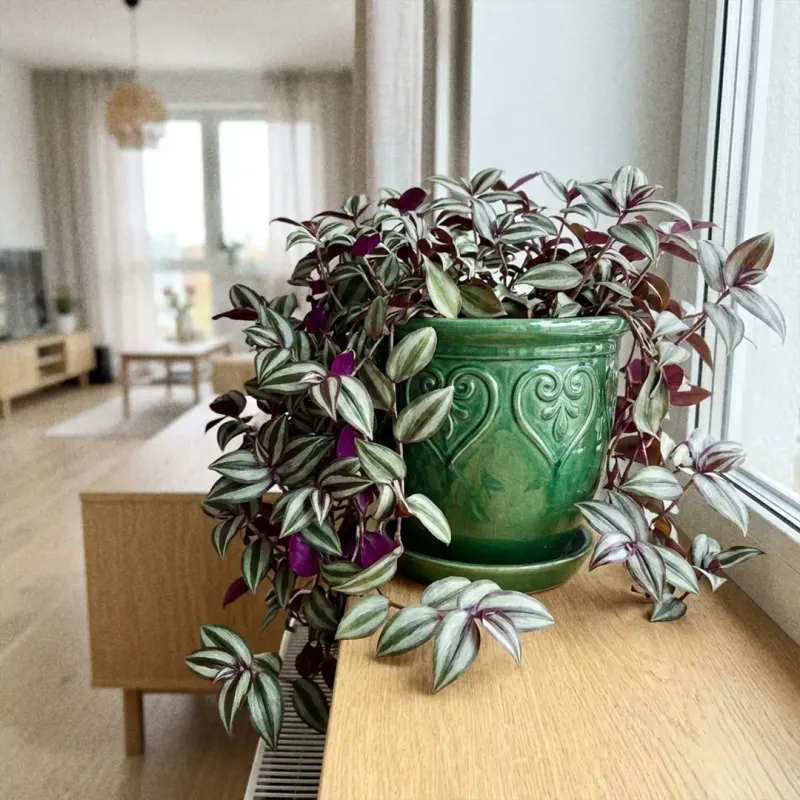
Cold air pouring off winter glass can drop leaf temperatures far below the reading on your living room thermostat. Many tropical houseplants dislike temperatures under about 50 degrees Fahrenheit, and some react with purple or bronze tints.
Plants respond to chilling by producing anthocyanins, the pigments responsible for bright autumn color on many outdoor trees. Researchers believe these pigments help protect stressed leaf cells while photosynthesis slows down in the cold.
I once tucked a prayer plant beside a bathroom window, and its leaf edges darkened within a couple weeks. Moving it just three feet away from the glass brought back steady green growth by early spring.
You might also notice curled leaves and slower growth, especially where foliage presses right against the cold window. Leaves touching icy glass can develop chilling injury that looks water-soaked before it turns brown or papery.
Air conditioning vents cause the same trouble in summer, blasting chilly air straight onto plants placed nearby. Even in mild homes, nighttime temperatures near a single-pane window can sink lower than you expect.
A cheap digital thermometer placed next to your plant overnight reveals hidden cold spots surprisingly fast. Aim to keep most tropical houseplants between 60 and 80 degrees, with steady temperatures and few sudden swings.
Pull plants back from glass on frosty nights, or slip a curtain between them and the window. Damaged leaves may stay tinted, but fresh growth should emerge green once the plant feels cozy again.
3. Bright Sun And Grow Lights Trigger Purple Blushing
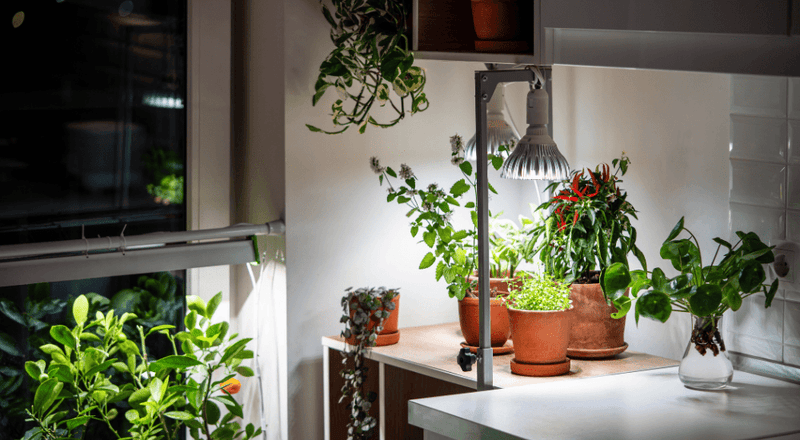
Sunburn on a plant can look surprisingly like a blush, with purple or reddish patches appearing on exposed leaves. Those pigments act a bit like sunscreen, absorbing extra light energy before it damages the delicate green chlorophyll.
This reaction often shows up after a big move, like carrying a shade-loving plant onto a sunny patio. Plants grown in dim conditions develop thinner leaves that simply cannot handle a sudden jump in bright light.
Grow lights cause trouble too, especially powerful LED panels hanging just a few inches above the foliage. Check the manufacturer’s recommended hanging distance, since stronger fixtures usually need more space between bulb and leaf.
Honestly, I love a sunny windowsill, but my snake plant taught me that a south window in July can be intense. Its leaves turned reddish bronze on the side facing the glass, while the shaded side stayed perfectly green.
You can tell light stress apart from other causes by checking which leaves change color first. Sun-related purpling usually appears on the top or outer leaves, rather than older leaves near the soil.
Bleached or crispy tan spots alongside the purple suggest the light is strong enough to scorch tissue. Those scorched areas rarely recover, so clip them if they bother you and focus on new growth.
Move the plant a few feet back from the window, or filter the sunlight with a sheer curtain. When raising light levels on purpose, increase exposure gradually over one or two weeks to let leaves adjust.
4. Purple Heart And Coleus Are Purple By Nature
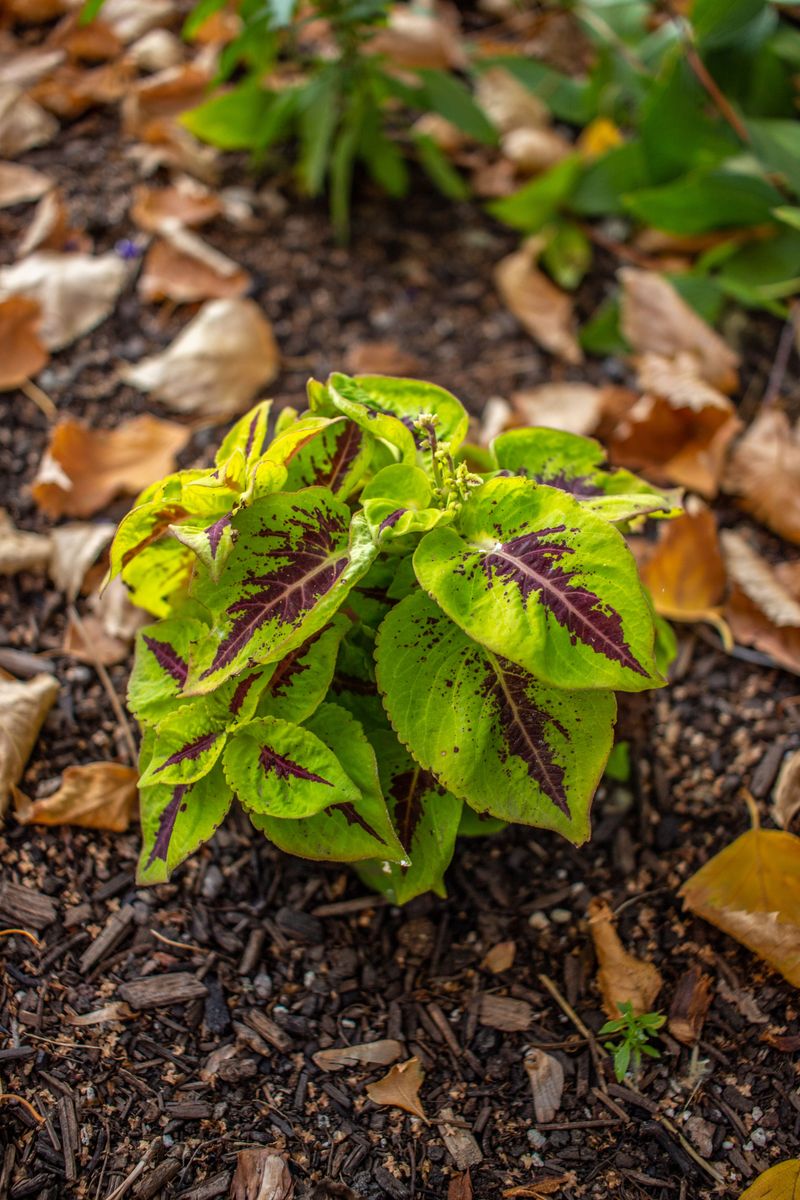
Sometimes the purple you see is not a warning at all, just a plant showing off its natural colors. Plenty of popular houseplants carry genes that pack their leaves with anthocyanins from the moment they sprout.
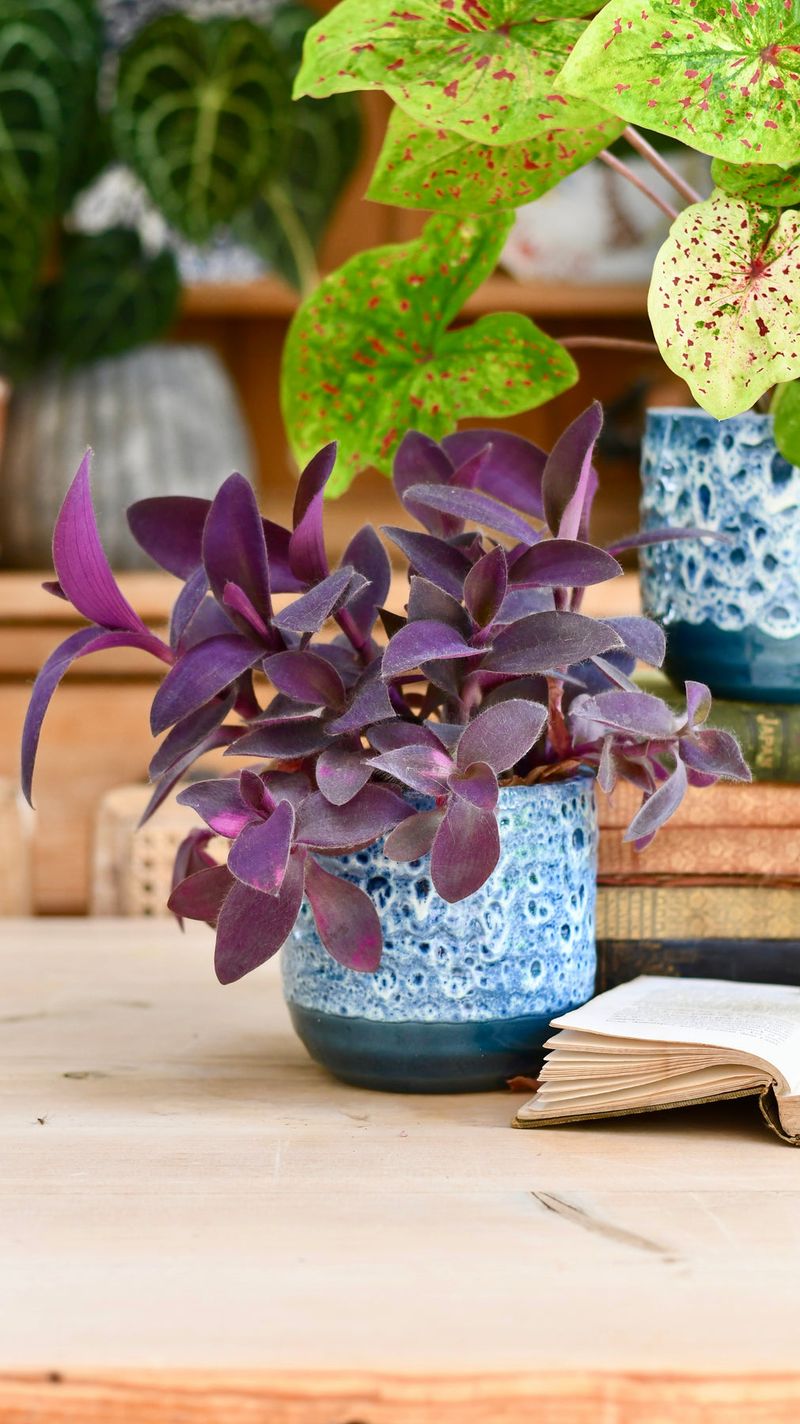
Purple heart, known scientifically as Tradescantia pallida, grows stems and leaves in a rich violet shade. Wandering dude, Tradescantia zebrina, adds silvery stripes over purple undersides that shimmer nicely in good light.
Coleus, Plectranthus scutellarioides, comes in many cultivars with deep burgundy or nearly black foliage worth admiring. Persian shield, Strobilanthes dyerianus, glows with metallic purple leaves that almost look painted by hand.
Several prayer plants and calatheas also sport purple or maroon undersides that peek out when leaves fold up. I still remember thinking my new rattlesnake plant was sick, until I flipped a leaf and read its tag.
Light plays a big role here, because naturally purple plants often fade greener in dim rooms. If your purple heart turns dull green, it probably wants more bright light, not more fertilizer or water.
Before you panic, check the plant label or search its scientific name to learn its normal coloring. A purple tint that appears suddenly on a normally green plant deserves a closer look than built-in color.
Keeping naturally purple plants in bright, indirect light usually holds their color at its richest, most dramatic level. Pinching back leggy stems also encourages bushier growth, giving you more of that gorgeous color on every pot.
5. Soggy Soil And Root Rot Stress Houseplants
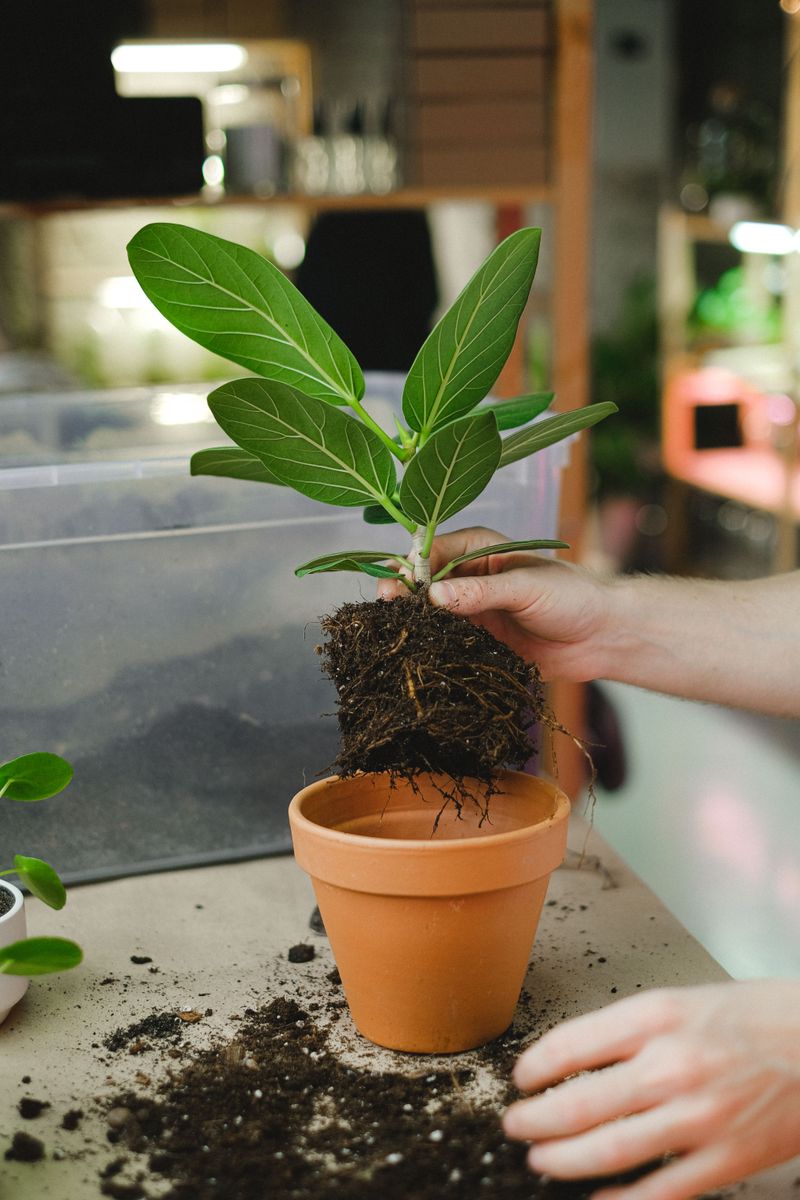
A sour, swampy smell drifting from a pot is often the first clue that roots are in trouble. Soggy soil squeezes out oxygen, and roots sitting in that airless mud lose their ability to absorb nutrients.
Once roots stop working properly, leaves above can show all sorts of stress signals, including purple or reddish tints. Drooping is common too, which tricks many of us into watering again and making the problem much worse.
I learned this the hard way with a rubber plant sitting in a decorative pot without drainage holes. Water collected at the bottom for weeks, and the roots turned brown and mushy before I finally checked.
Healthy roots usually look white or light tan and feel firm, while rotting roots feel slimy and soft. Slide the plant gently out of its pot to check, since a quick look tells you much more than guessing.
Trim any mushy roots with clean scissors, then repot into fresh, well-draining mix in a container with holes. Choose a pot only slightly larger than the root ball, because extra soil holds extra water around roots.
Compacted soil causes similar problems, especially in old mixes that have broken down into a dense, heavy texture. Adding perlite or orchid bark to your potting mix helps air move through the root zone more easily.
Before watering, push a finger about an inch into the soil and wait if it still feels damp. Root-bound plants can also struggle, so look for roots circling the pot or poking from the drainage holes.
6. Sap Sucking Pests Stress Houseplant Leaves
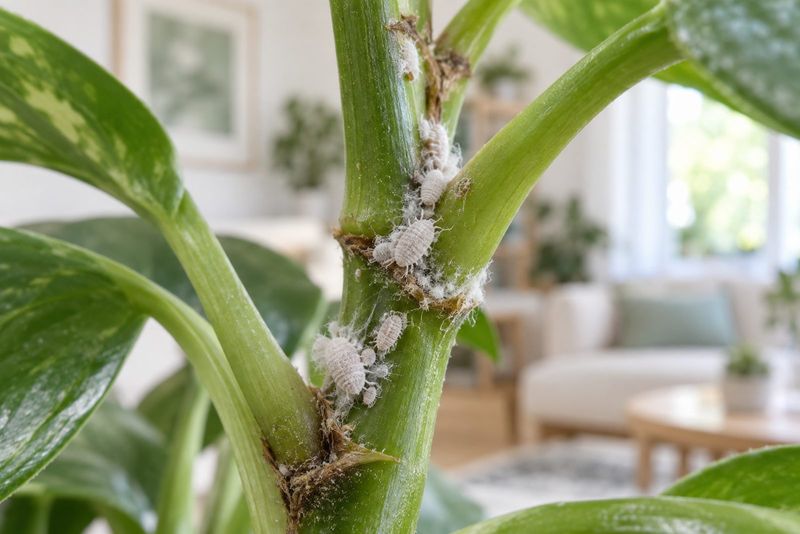
Tiny bugs with big appetites can quietly drain a houseplant, and the plant sometimes answers with unusual leaf color. Spider mites and aphids feed by piercing leaf tissue and sucking out sap, which steadily weakens the plant.
Heavy feeding stresses the plant, and some species respond with reddish, bronze, or purplish discoloration on damaged leaves. Purpling from pests is less common than speckling or yellowing, so look for other clues before blaming insects.
Spider mites leave tiny pale dots on leaves, plus fine webbing tucked under leaves and along stem joints. Hold a white sheet of paper under a branch and tap it, then watch for moving specks.
Mealybugs look like small tufts of cotton hiding in leaf joints, while aphids cluster on soft new growth. Both pests produce sticky honeydew that can coat leaves and attract a dark, sooty mold over time.
My favorite habit is a quick leaf check every time I water, flipping a few leaves over carefully. Catching a small infestation early saves you a lot of effort, since pests multiply quickly in warm homes.
For light infestations, rinse the plant in the shower and wipe leaves with a soft, damp cloth. Insecticidal soap or horticultural oil works well on many soft-bodied pests when you follow the label directions.
Isolate an infested plant from the rest of your collection until you see no fresh signs of pests. Repeat treatments every week or so, because eggs often hatch after the first spray and restart the cycle.
7. Magnesium Shortage Tints Older Leaves
Every chlorophyll molecule has a single magnesium atom sitting right at its center, like the jewel in a ring. Without enough magnesium, plants cannot build chlorophyll properly, and older leaves begin losing their healthy green shade.
Classic symptoms start with yellowing between the veins on lower leaves, while the veins themselves stay green. In some plants, reddish or purplish tints creep in along the leaf margins as the shortage gets worse.
Magnesium moves easily within a plant, so it gets pulled from older foliage to feed new leaves first. That explains why the bottom of the plant often looks rough while the top still seems fine.
Houseplants in long-used potting mix, or plants fed only with high-potassium fertilizer, can run low over time. Too much potassium or calcium competes with magnesium, which makes it harder for roots to absorb what is present.
Many gardeners reach for Epsom salt, but extension experts warn against using it without confirming a real deficiency. Extra magnesium can build up in containers and interfere with calcium uptake, creating a brand new problem.
A complete houseplant fertilizer that lists magnesium among its ingredients is usually the safest fix for most collections. Check the label carefully, since many balanced formulas include magnesium alongside several other important trace nutrients for plants.
I find the yellow-veined pattern easy to spot once you know it, almost like a green fishbone sketch. Affected older leaves rarely regain full color, but healthy new growth shows the fix is working well.
8. Soil Acidity Problems Lock Away Plant Nutrients
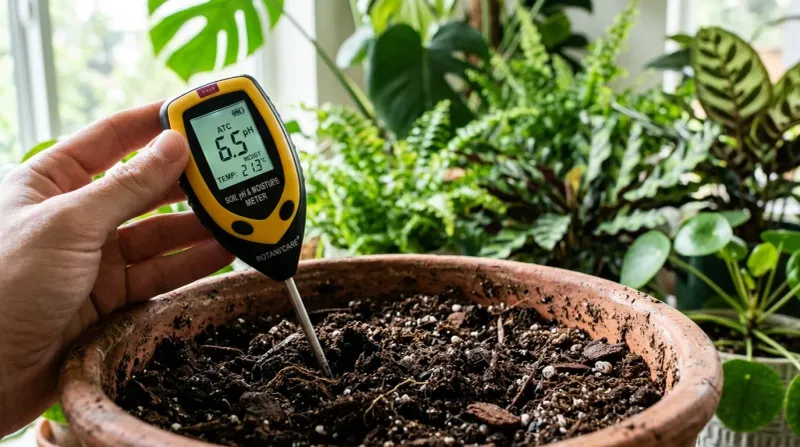
Your plant can sit in nutrient-rich soil and still go hungry if the soil pH is off balance. Most houseplants grow best in slightly acidic to neutral soil, with a pH falling somewhere between about 6.0 and 7.0.
Outside that range, certain nutrients become chemically locked up, so roots cannot grab them even when present. Phosphorus is especially sensitive, and pH problems can produce the same purple tinting a true shortage causes.
Hard tap water is a common culprit in many regions with mineral-heavy supplies. Over months, those dissolved minerals can gradually push potting mix toward a higher, more alkaline pH level.
A white crust on the soil surface or pot rim often signals mineral and fertilizer salt buildup. I scrubbed that crust off a terracotta pot once and realized my watering habits needed a serious rethink.
Inexpensive pH meters and test kits from garden centers give you a quick reading in just minutes. Testing the water that drains from the pot offers a helpful estimate of conditions around the roots.
Flushing the pot with plenty of clean water every few months helps wash away accumulated salts and minerals. Let water run through the drainage holes for a minute, then allow the pot to drain fully afterward.
Repotting with fresh, quality mix designed for houseplants resets pH quickly and usually beats chemical adjustments for beginners. Rainwater or filtered water can also help sensitive plants, especially varieties known to dislike hard water.