Fuzzy Teardrop-Shaped Caterpillar With A Surprise Hidden Under Its Soft Fur Is Out In Louisiana Trees
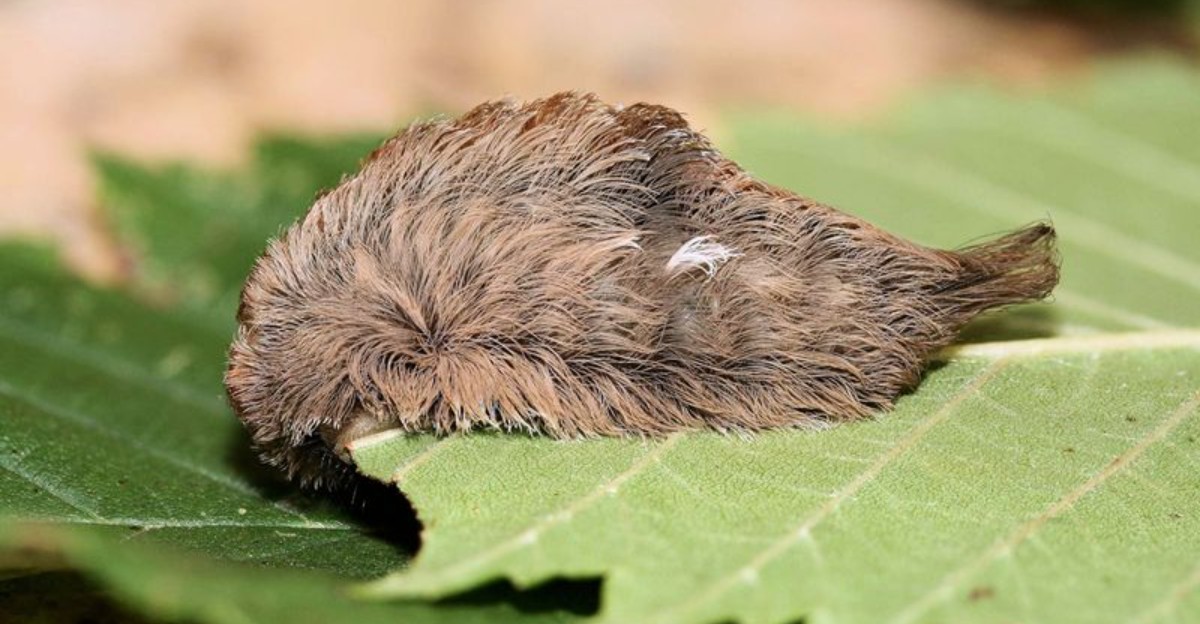
A caterpillar the size of a cotton ball can send a grown adult to the doctor. People who have brushed one describe the pain as a hot burn that climbs up the arm.
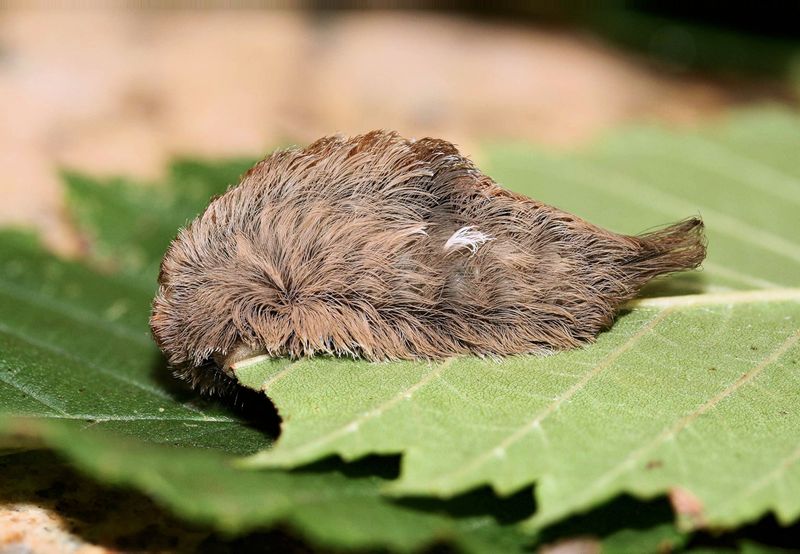
The culprit looks like a tiny toupee or a fluffy tuft of a cat’s tail. It creeps along oak and hackberry leaves in Louisiana yards, schools, and parks.
I am still surprised something so cute can pack such a punch, especially here in Louisiana, where these fuzzy stingers turn up every fall.
You might pass right by one while pruning shrubs or raking under a shade tree. Its head stays tucked under that silky coat, so it barely looks like a bug at all.
I spotted my first one on a rose bush and nearly scooped it up for a closer look. So what exactly hides under all that soft fluff, and how do you stay out of its way?
That Fluffy Teardrop on Your Oak Leaf Is Not a Tuft of Fur
I once mistook one for a clump of dryer lint stuck on a leaf. Then it moved, slowly and smoothly, like a tiny furry slipper on a mission.
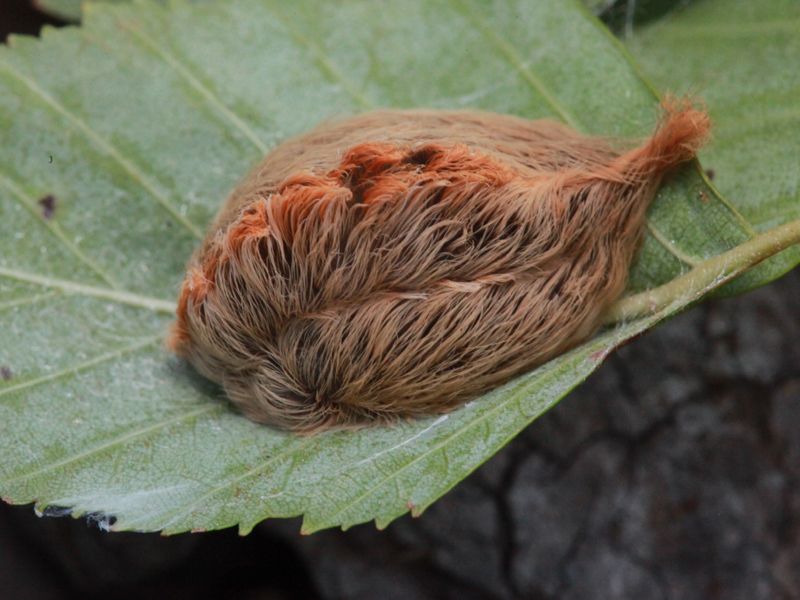
The creature is the puss caterpillar, the young stage of the southern flannel moth, known to scientists as Megalopyge opercularis.
It grows to about one inch long, sometimes a bit more. The body is shaped like a teardrop, wide at the front and tapering into a little tail of hair.
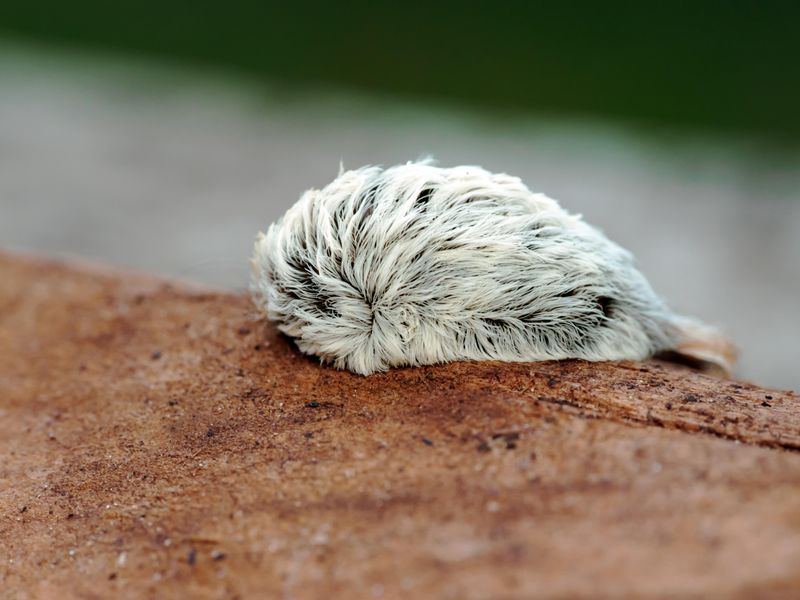
Colors vary quite a bit from one caterpillar to the next. Some are pale yellow or gray, while others look tan, golden, or rusty brown.
Many have a darker stripe running down the middle of the back, which gives them a combed hairdo look.
The head stays hidden underneath all that fluff. That is one reason people struggle to recognize it as an insect. It honestly looks more like a pom-pom or a wig for a doll.
Fun fact: the adult moth is fuzzy too, with orange-yellow wings and furry legs. It looks a little like a flying teddy bear, and it is harmless to touch. Only the caterpillar stage carries the painful defense.
Venomous Spines Hide Under the Puss Caterpillar’s Silky Coat
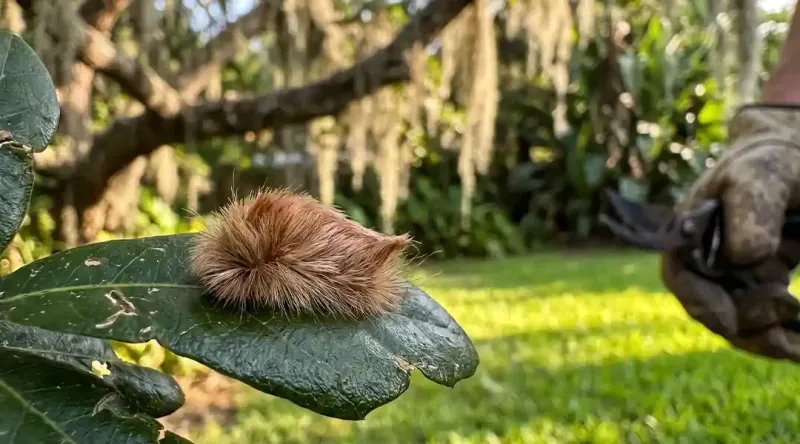
Soft on top, sharp underneath. That pairing is the whole secret of this caterpillar, and it surprises nearly everyone who learns about it.
Beneath the long, silky hairs sit short, stiff, hollow spines. Each spine connects to a tiny gland that holds venom.
When your skin presses against the caterpillar, the spines break off and push venom into you.
Extension experts at Texas A&M and other universities rank it among the most painful stinging caterpillars in the United States.
People describe a throbbing, burning pain that shows up right away. Some say it feels like a bee sting, while others compare it to touching a hot stove.
The pain can spread beyond the spot that got stung. A sting on the hand may cause aching up into the arm or armpit. Red marks often appear in a grid or track pattern that matches where the spines touched.
Most symptoms fade within a few hours, though some people feel sore for a day or more. Spines on shed skins and old cocoons can still cause trouble, so look but do not touch. That fluffy coat works like a warning label written in fur.
Watch Your Hands Around Oak, Hackberry, and Pecan Branches

Your favorite shade tree could be a caterpillar cafeteria right now. Puss caterpillars munch on many common yard trees and shrubs across the South.
Oaks top the list, which matters in a state packed with live oaks and water oaks. They also feed on hackberry, elm, maple, sycamore, pecan, and citrus. Rose bushes, plum trees, and some ornamental shrubs host them as well.
Because they love residential shade trees, they turn up where people gather. Schools, playgrounds, parks, and backyards are common places to find them. Kids playing under low branches are often the ones who get stung.
The caterpillars usually feed in small numbers instead of huge swarms. That means you rarely see serious leaf damage, but you may still bump into one.
Check the undersides of leaves, along with fences, walls, and benches where they wander before making cocoons. A simple habit helps a lot here. Before grabbing a branch, look at it for a second or two.
I now glance over leaves before I prune my Louisiana roses, and that quick pause has saved me from at least one fuzzy surprise.
Summer and Fall Bring Two Waves of Fuzzy Caterpillars
Mark your calendar, because these caterpillars follow a fairly steady schedule. In the Deep South, they usually show up in two generations each year.
The first wave often appears in late spring and early summer, roughly May through July. A second wave follows from late summer into fall, often running through October. Warm Gulf Coast weather can stretch those windows a little on either side.
The fall group tends to get noticed more. Caterpillars are bigger by then, and people spend more time outside raking, trimming, and enjoying cooler days. More outdoor chores mean more chances for an accidental touch.
Many Louisiana residents report sightings during these normal seasonal windows. Numbers can rise or drop from year to year, but a noticeable season is common.
Spotting a few in your yard is usually part of the natural cycle, not a sign of something unusual.
After feeding, each caterpillar spins a tough, tan cocoon on bark or a wall. The adult moth crawls out through a little hatch-like lid.
Those empty cocoons can still hold loose spines, so leave them alone or scrape them off with a tool.
Grab the Tape First If a Puss Caterpillar Gets You
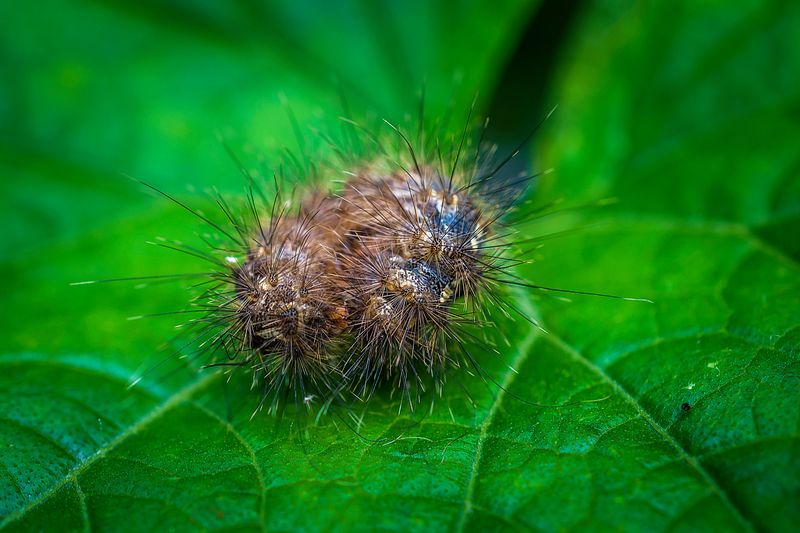
Tape is the hero of this story, believe it or not. Plain clear tape or duct tape can pull out the tiny broken spines that keep releasing venom.
First, get the caterpillar off your skin without bare fingers. Use a stick, a leaf, or a gloved hand.
Then press a strip of tape onto the sting, pull it off quickly, and repeat with fresh pieces several times.
Next, wash the area gently with soap and water. An ice pack can calm the burning and help with swelling. Many health sources also suggest a baking soda paste or hydrocortisone cream for the itch.
An oral antihistamine may ease itching and redness. An over-the-counter pain reliever can take the edge off the ache. Follow package directions, especially for children.
Avoid rubbing or scratching the spot right after a sting. Rubbing can push spines deeper and spread them around.
I keep a roll of tape in my garden bucket now, and it takes up almost no space. You can also call the Louisiana Poison Center at 1-800-222-1222 for free advice any time.
Some Caterpillar Stings Need a Doctor Right Away
Most stings stay painful but manageable at home. A few people react more strongly, and spotting the warning signs early matters.
Young children, older adults, and anyone sensitive to insect stings deserve extra attention. Watch for nausea, vomiting, headache, fever, dizziness, or muscle cramps. Swollen lymph nodes near the sting can also appear.
Call a doctor or the poison center if any of those symptoms show up. They can help you decide whether a clinic visit makes sense. Keeping calm and watching closely goes a long way.
Some signs call for emergency care without waiting. Trouble breathing, chest pain, swelling of the face or lips, or hives spreading across the body can mean a serious allergic reaction. Call 911 if these happen.
A sting near the eyes or mouth also needs a medical check. Spines in the eye can cause real trouble and should not be handled at home.
Snap a photo of the caterpillar from a safe distance if you can. That picture helps medical staff know exactly what caused the reaction, and it saves guesswork during a stressful moment.
Long Sleeves and Gloves Keep Tree Work Sting-Free

A little prep beats a painful afternoon every time. Since these caterpillars rarely harm trees, your main job is protecting your skin, not spraying the yard.
Wear long sleeves, long pants, and sturdy gloves when pruning, trimming hedges, or raking under trees. Eye protection helps if you work overhead. Caterpillars can drop from branches and land on necks or collars.
Teach kids what the fuzzy teardrop looks like. A simple rule works well: if it looks like a tiny wig, leave it alone. Check swings, benches, and play sets that sit under shade trees.
If one sits somewhere risky, remove it with a stick or tongs and drop it into soapy water. Chemical sprays are usually unnecessary, according to LSU AgCenter and other extension services. Natural enemies, including parasitic wasps and flies, help keep numbers in check.
Honestly, I have grown fond of these odd little critters from a distance. They are part of the Louisiana landscape, just like cicadas and pecans.
Learn their look, keep tape handy, and enjoy your shady garden with a little more awareness each summer and fall.