Warning Signs Are Flashing Again As Louisiana Enters A Second Fire Danger Season
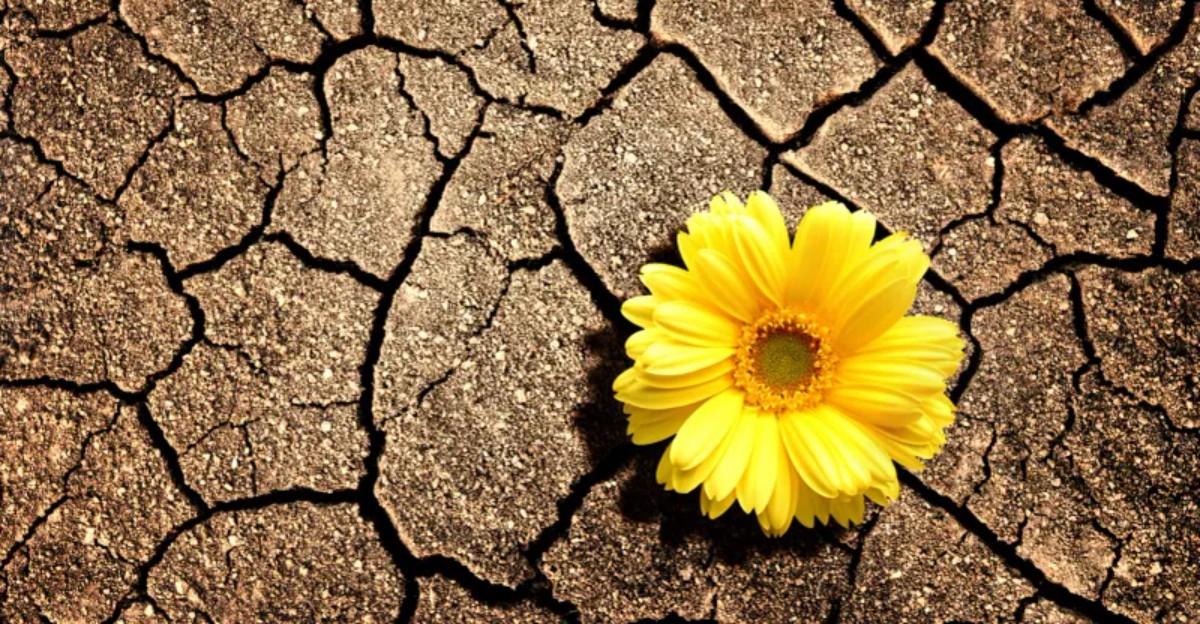
Static clings to your skin before smoke ever reaches your street. Louisiana’s ground has turned brittle beneath your boots, and ditches crack like old pottery. Rain keeps missing its September mark, and you feel the shortfall.
Wind slides in from the north, dry and impatient against your skin. Officials watch the same charts that troubled them last year. Numbers keep sliding in the wrong direction.
Restrictions loom, smoke advisories spread, and county alerts multiply. Property owners across Louisiana face a sharper version of this risk. A stray spark can travel farther than you think in this wind.
Grass this dry catches faster than you can react. Neighbors depend on choices you make this week. Your lungs, your fence line, your neighbor’s field all sit vulnerable.
This season moves fast, and it moves without pause. You need to know what drives it and what stops it before it spreads.
Rainfall Deficits Have Quietly Stacked Up Since Midsummer
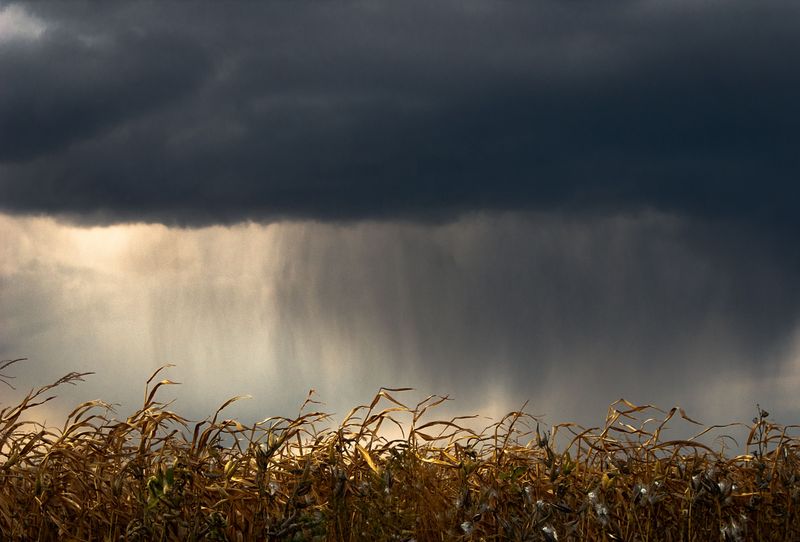
Ask any farmer in central Louisiana how the summer went and you may get a long pause followed by a shrug. The rain came in scattered bursts, missing whole parishes while soaking others by a few miles.
Those misses add up. When weekly totals fall short for eight or ten weeks straight, the soil loses its deep moisture, not just the surface layer. Grass roots pull back, leaf litter dries out, and the ground itself starts acting like kindling.
Drought monitors track this using a mix of rainfall records, streamflow readings, and soil moisture sensors.
By early September, large portions of the state slipped into moderate or severe drought categories, conditions similar to patterns observed in recent years.
What makes autumn tricky is timing. Trees begin dropping leaves and needles, adding a fresh layer of dry fuel right when the ground is already parched. Pine straw in particular burns fast and hot, which is why forestry crews watch it closely.
For homeowners, the practical takeaway is simple. Check the gutters, rake the pine straw away from your foundation, and keep an eye on the drought monitor map that updates each Thursday.
Also worth knowing is that dry soil heats faster during the day, which pushes afternoon temperatures higher. Warmer air holds moisture differently, and the cycle feeds itself. Small rain events help for a day or two, but they rarely reverse a deficit built over months.
Northerly Winds Are Stripping Moisture From The Landscape
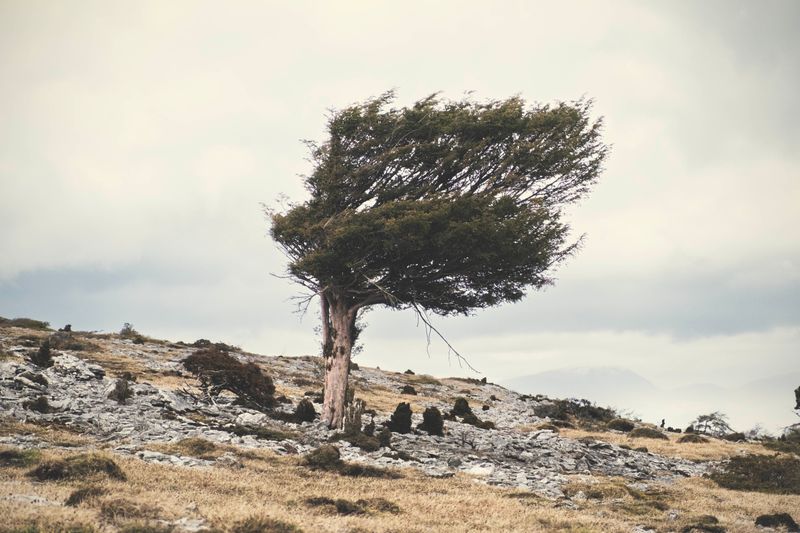
There is a particular kind of breeze that shows up in September and feels almost pleasant. It carries away the humidity that sat on the state all summer, and porches suddenly become usable again.
That same breeze is doing something less charming to the vegetation. Dry continental air moving down from the north pulls water out of grass, brush, and fallen leaves at a surprising rate.
Fire behavior specialists talk about relative humidity dropping into the twenties or teens on these days. At those levels, fine fuels can lose enough moisture in a few hours to carry flame across a field.
Your Louisiana Garden Changes Every Week. Your Plan Should Too.
Gardening in Louisiana changes quickly throughout the season. Every Friday you’ll receive a simple weekly plan showing exactly what to plant, prune, fertilize, harvest, and protect so you never miss the right timing.
Wind also does a second job. It feeds oxygen to any flame it touches and pushes embers ahead of the main front, sometimes for hundreds of feet.
A grass fire that would creep along on a calm day can sprint with a fifteen mile per hour gust behind it. Firefighters call these spot fires, and they are the reason a manageable situation turns complicated fast.
Practical advice here is about timing your yard work. Avoid running equipment that throws sparks, such as chainsaws, grinders, or mowers over gravel, during windy afternoons.
Early morning generally offers higher humidity and lighter wind, which is a safer window for outdoor chores.
Pay attention to Red Flag Warnings issued by the National Weather Service. Those alerts combine wind speed and humidity into a single heads-up, and they are worth taking seriously.
Burn Bans Are Returning Parish By Parish
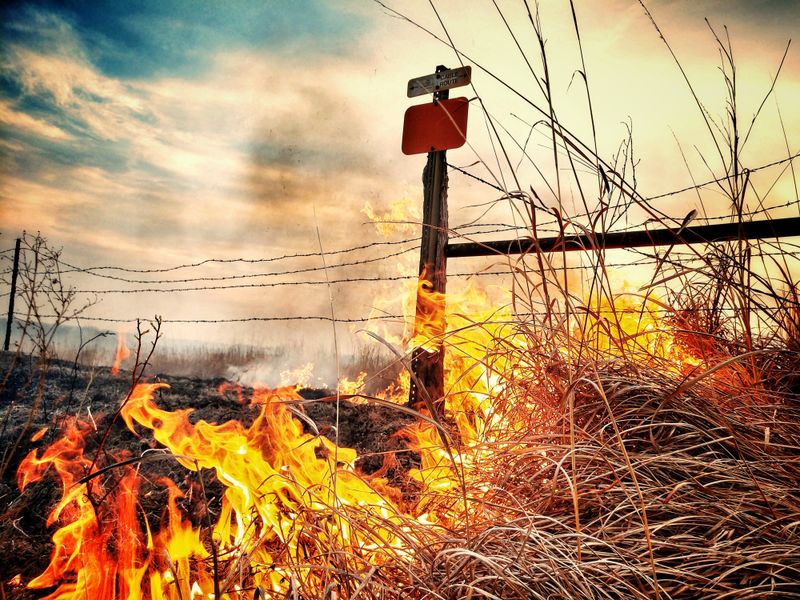
Few things frustrate a weekend yard cleanup like discovering the brush pile has to stay put. Yet burn bans exist for a reason, and their return is one of the clearest signals that conditions have shifted.
In Louisiana, the State Fire Marshal can issue a statewide ban, while individual parish governments may add their own restrictions. That layered system means rules can differ from one side of a parish line to the other.
A ban typically prohibits outdoor burning of debris, leaves, trash, and agricultural material. Some versions carve out exceptions for enclosed grills, cooking fires, or permitted prescribed burns handled by trained crews.
Checking before you strike a match is the smart move. Parish sheriff offices and fire districts post updates on social media, and the Louisiana Department of Agriculture and Forestry keeps a running list.
Penalties vary, but fines and liability for suppression costs are real possibilities. If a fire escapes your property and damages a neighbor’s fence or timber stand, the financial side gets uncomfortable quickly.
Instead of burning, consider alternatives. Many parishes run seasonal debris pickup, and chipping branches into mulch handles the material while improving your soil.
Composting leaves works well too, especially with the volume that falls in October and November.
In past years, bans have sometimes lasted for weeks, sometimes catching residents off guard. Planning cleanup projects around the forecast, rather than the calendar, saves a lot of hassle.
Marsh And Grassland Fuels Ignite Faster Than People Expect
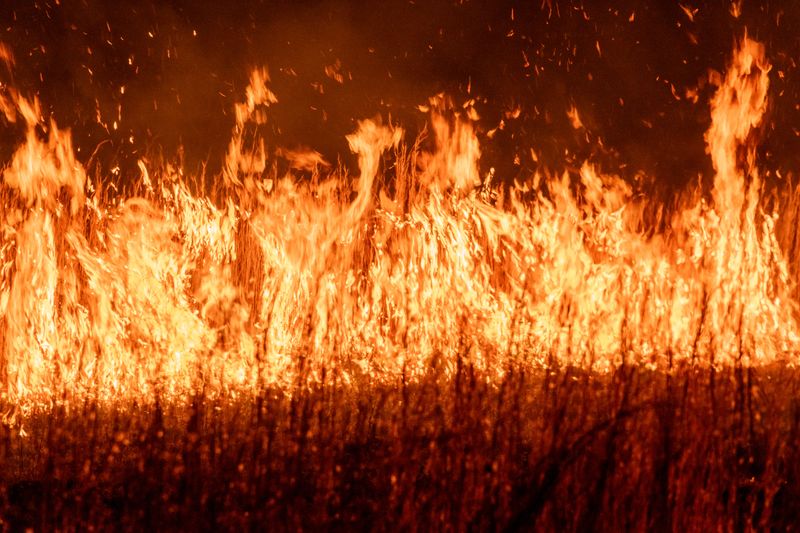
Southern Louisiana is famous for water, which makes the idea of a fire risk feel almost like a joke. Then the marsh dries down, and the joke stops landing.
Coastal marsh grasses grow tall and dense, and when water levels drop they become an enormous bed of fine, dry fuel. Roseau cane, cordgrass, and phragmites all cure to a pale gold that lights with very little encouragement.
Underneath sits something trickier. Organic peat soil can smolder below the surface for weeks, popping back up long after the visible flames are handled.
Crews working these fires often describe them as stubborn rather than dramatic. The flame front may pass in minutes, but the smoldering ground keeps producing smoke that drifts across highways and neighborhoods.
Prairie and pasture grass inland behaves similarly on a smaller scale. A pasture that looks harmless in July becomes a fast-moving fuel bed once it cures brown.
If you live near open grassland, creating a mowed or disked break around structures makes a genuine difference. A strip of short green grass or bare soil gives responders something to work with.
Vehicles matter too. Parking a hot truck or ATV over tall dry grass is a common ignition source, since catalytic converters run far hotter than the grass can tolerate.
Keep a shovel and a water extinguisher in the truck bed during these stretches. Small actions in the first minute often prevent a long afternoon.
Smoke Drift Is Creating Problems On Highways And In Homes
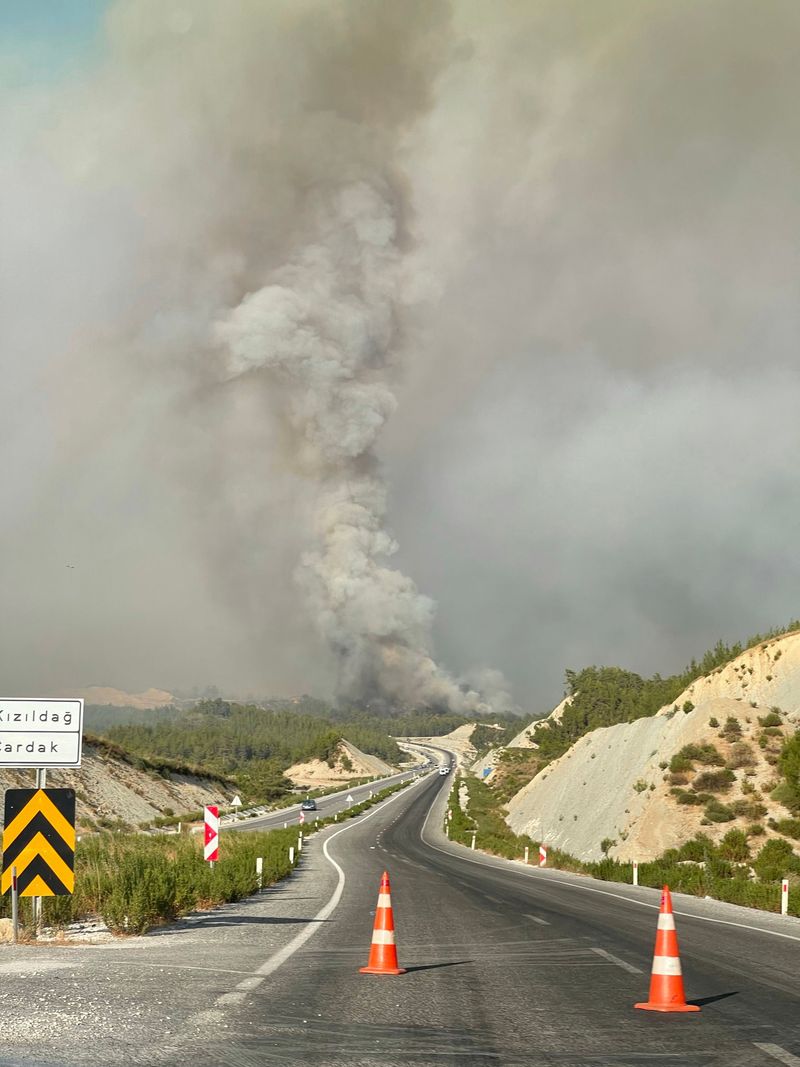
Somebody once described Louisiana smoke season as fog with an attitude. At dawn, when cool air settles, smoke sinks and mixes with moisture into a thick gray blanket right at road level.
Interstate and highway visibility can drop sharply with almost no warning. Troopers have handled multi-vehicle pileups tied to this exact combination, which is why smoke advisories get posted alongside weather alerts.
Driving advice is straightforward. Slow down well before you reach the gray wall, turn on low beams rather than high beams, and resist stopping in a travel lane.
If you must pull over, get fully off the roadway and turn off your lights so other drivers do not follow your taillights into the ditch.
Indoors, the concern shifts to air quality. Fine particles from vegetation smoke irritate lungs, and folks with asthma, heart conditions, or breathing sensitivities feel it first.
Running your air conditioner on recirculate helps, as does a portable filter with a HEPA rating. Changing your HVAC filter more often during smoky stretches is a cheap upgrade.
The AirNow website and app publish local readings, and checking before outdoor exercise takes about ten seconds.
Pets deserve consideration too, especially older dogs and those with flat faces that already work harder to breathe.
Smoke from fires hundreds of miles away sometimes arrives here on upper level winds, tinting sunsets orange. Visually notable but harmful if inhaled.
Defensible Space Around Your Home Pays Off Now

Homeowners in fire-prone western states have talked about defensible space for decades. Louisiana residents are now having that same conversation, and it turns out the principles travel well.
Think of your property in zones. The first five feet around the foundation should hold very little that burns, meaning no mulch beds packed with pine straw, no stacked firewood, and no plastic storage bins against the wall.
From five to thirty feet, keep grass mowed short and space out shrubs so flame cannot climb from one to the next. Trimming lower tree limbs six to eight feet off the ground removes the ladder that carries fire upward.
Gutters are the sneaky one. A gutter full of dried leaves sitting under a wooden eave is a tidy invitation for an ember.
Screening vents with fine metal mesh blocks embers from slipping into attics and crawl spaces. Hardware cloth with one eighth inch openings works well and costs very little.
Driveways matter for responders. A clear path wide enough for a fire truck, with branches trimmed overhead, means help can actually reach you. Store propane tanks away from the house and keep a garden hose connected and ready.
Louisiana Forestry personnel offer property assessments in many parishes, and a walkthrough is usually quick, often less than an hour.
Doing this work in September, before leaf drop peaks, sets you up for a calmer autumn and a house that can handle a rough day.