What to Do When a Neighbor’s Palm Drops Fronds and Coconuts in Your Florida Yard
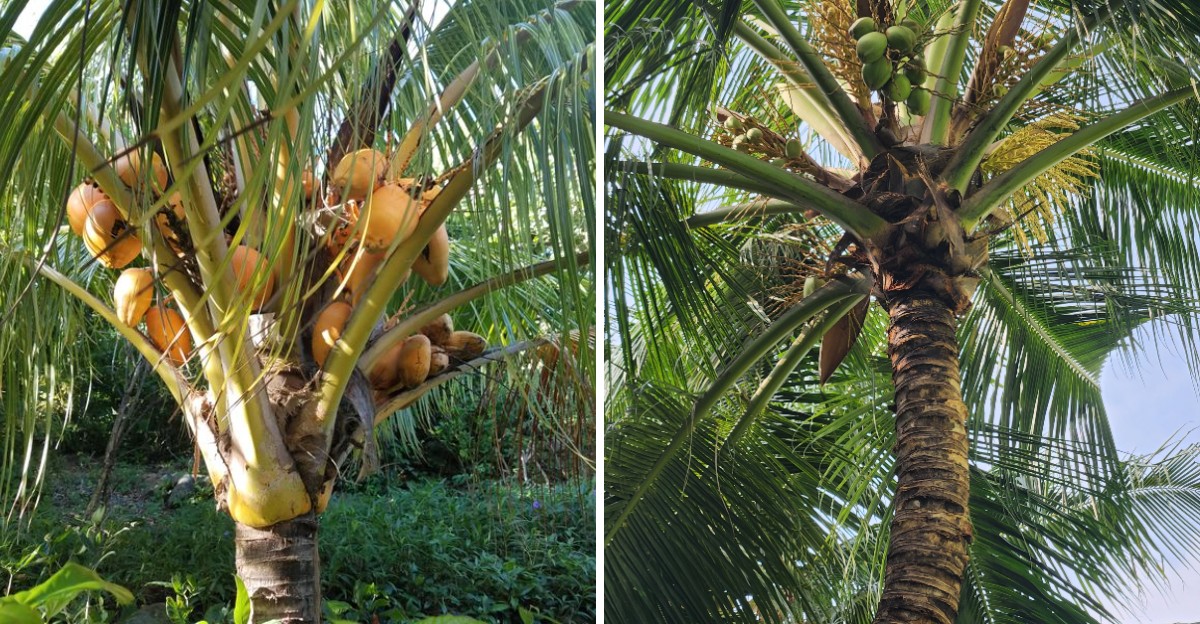
A husk-wrapped fruit weighing up to four pounds can drop from three stories up with no warning at all. That is enough force to crack a windshield or leave a nasty dent in a car roof.
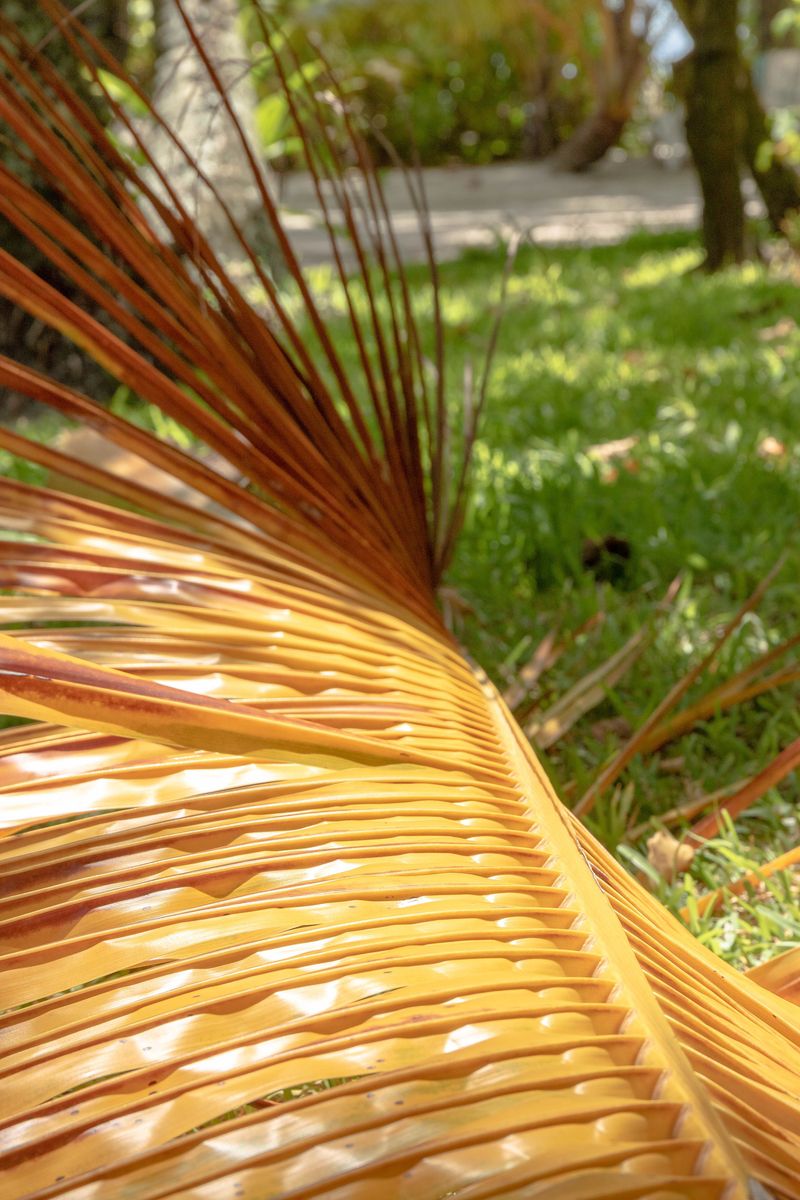
Add giant dried leaves that can stretch 15 feet long, and your tidy yard starts to look like a storm just rolled through. The strangest part is that the tree causing the mess is not even yours.
Here in Florida, this is one of the most common backyard gripes I hear from fellow gardeners. Who rakes it up, and who pays when something breaks?
Can you grab the pole saw and handle it yourself?
I believe the answers are simpler than most people expect, and a few of them might change how you see that tree next door. Your next move matters more than your rake.
That Thud From the Coconut Palm Next Door Comes With Real Risk
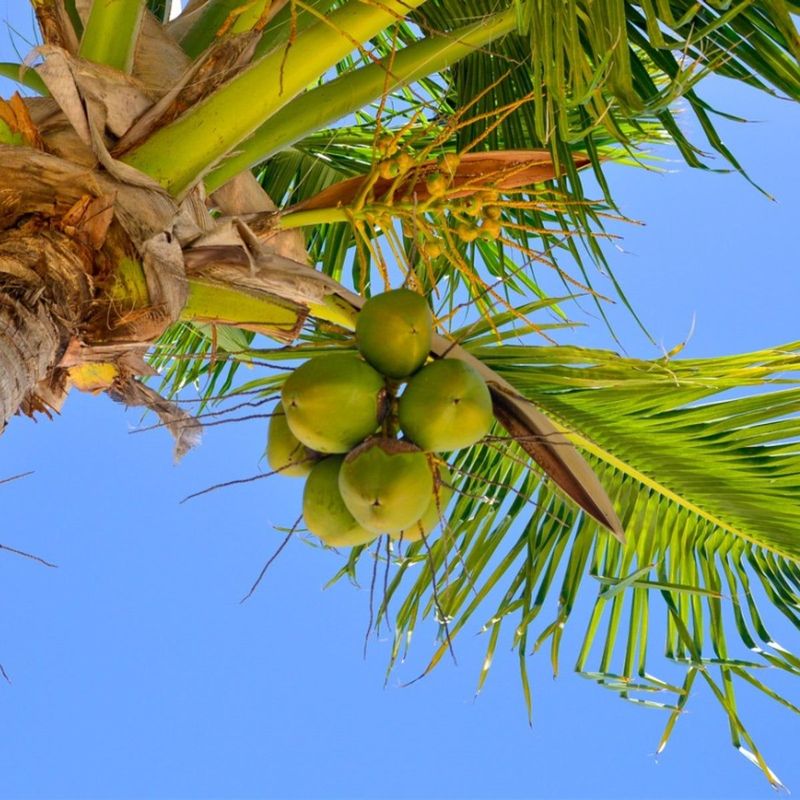
Coconuts don’t float down like feathers. A mature nut still in its husk often weighs two to four pounds, and coconut palms in South Florida yards commonly grow 40 to 60 feet tall.
Put those numbers together, and you get a falling object that can crack roof tiles, shatter a windshield, or seriously hurt someone standing below. Dried fronds are sneakier, since a single coconut frond can stretch 12 to 18 feet and feel surprisingly heavy when it lands.
Most drops happen with zero warning. A breezy afternoon is often all it takes, usually right when you’re bent over pulling weeds underneath.
You may have heard a wild statistic about how many people get hurt by coconuts each year. That popular number has no solid source behind it, but medical reports from tropical regions do describe real head and neck injuries from falling nuts.
So treat the space under an overhanging palm like a hard-hat zone. Move patio chairs, swing sets, grills, and parked cars out from under the canopy, and keep pets from napping there too.
Once you know exactly where the drop zone sits, every other decision on this list gets a lot easier. Safety comes first, and the paperwork and conversations can follow.
Fallen Palm Fronds on Your Side Are Usually Your Cleanup Job
Brace yourself, because this one surprises plenty of people. Under general Florida law, the owner of a healthy tree usually isn’t responsible for leaves, fronds, or fruit that drop naturally onto the property next door.
Courts tend to view falling debris from a healthy plant as a normal part of nature. That means the fronds and coconuts on your grass are mostly yours to pick up, even though the trunk stands on your neighbor’s lot.
The same idea often applies after storms. If a healthy palm topples during a hurricane, each homeowner typically turns to their own insurance for damage on their own property.
Insurance has limits, though. Many policies pay for debris removal only when the falling tree actually damages a covered structure, like your roof or fence, so read your policy before you need it.
For routine cleanup, check your city or county yard waste rules. Many Florida communities ask residents to cut fronds into shorter pieces and bundle them for curbside pickup, with specific size and weight limits.
Pick up fallen coconuts quickly as well. Left alone in moist soil, they can sprout into little palms that you’ll be pulling out of your flower beds next season.
A Rotting or Leaning Palm Tree Shifts the Blame to Its Owner
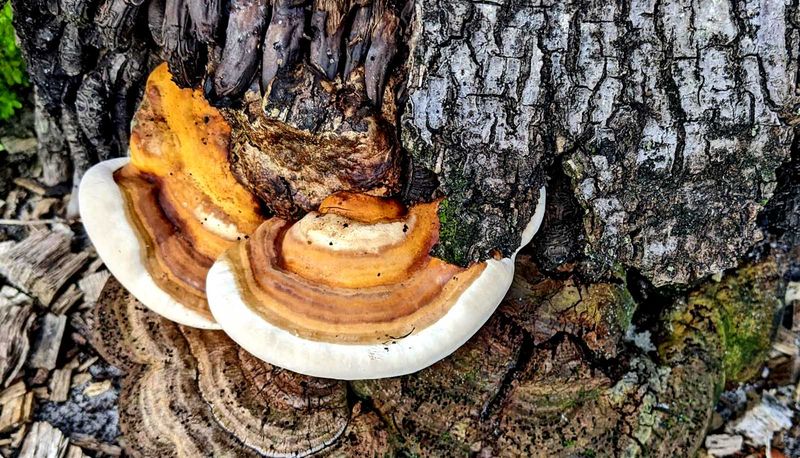
Things change fast when a palm is clearly in trouble. If your neighbor’s tree is rotting, leaning badly, or visibly declining, and they knew or reasonably should have known, they may be liable for damage it causes.
Lawyers call this negligence. In plain words, the owner ignored a hazard that a reasonable person would have handled.
So what does a troubled palm look like? Watch for shelf-shaped fungal growths near the base, which can signal Ganoderma butt rot, a disease UF/IFAS says has no cure once it appears.
Other red flags include cracks or soft spots in the trunk, a crown that suddenly flops over, a bent or collapsed spear leaf, and a trunk that keeps leaning more each month. A palm with only a few limp fronds left is also worth a closer look.
Start a paper trail if you spot these signs. Take dated photos, then send your neighbor a polite written note describing what you see.
That note helps prove they were aware of the problem. Florida law also lets homeowners remove their own hazardous trees without a local permit when a certified arborist documents the danger, which gives your neighbor an easier path to fixing it.
Trimming Overhanging Palm Fronds at the Property Line Is Allowed
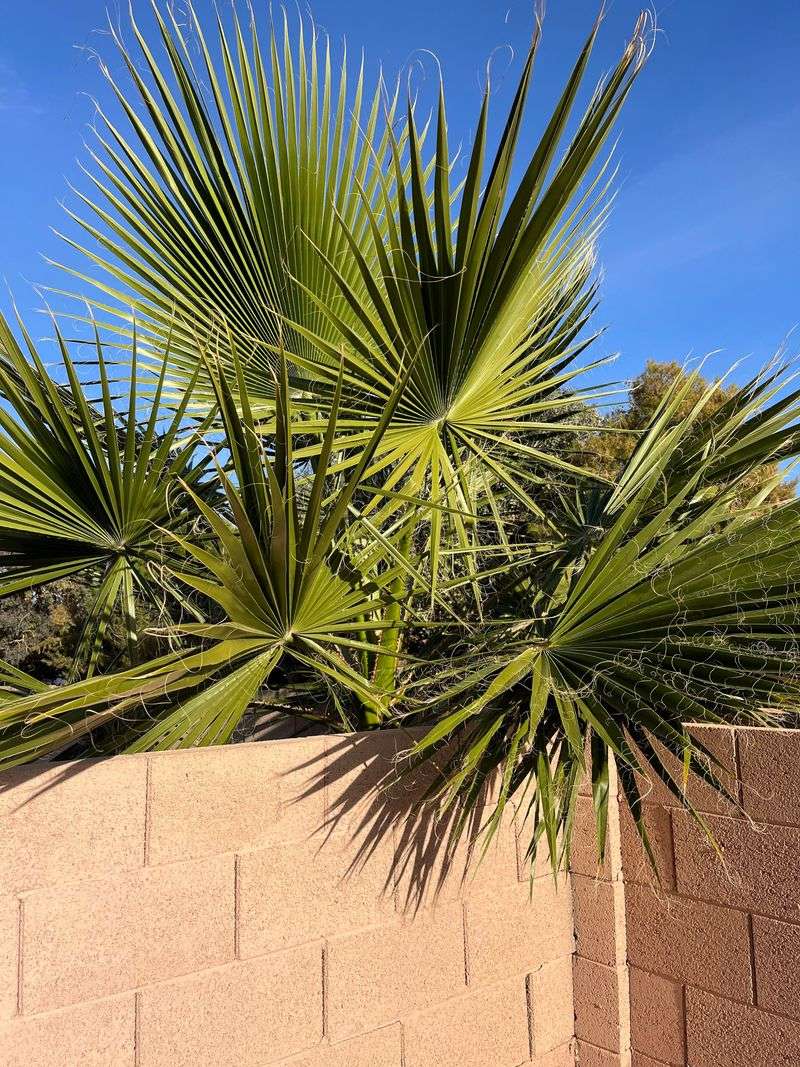
Good fences may make good neighbors, but a pole saw can help too. Florida follows a common rule that lets you trim branches and fronds that hang over your property line.
There are strings attached. You can cut only up to the line, you pay for the work yourself, and you can’t step onto your neighbor’s land without permission.
The biggest catch involves the tree’s health. If your trimming seriously harms or topples the palm, you could owe your neighbor for its value, and mature palms can be pricey to replace.
Palms are unusual because they grow from a single bud at the top. Cutting into that crown or stripping too many green fronds can weaken the whole tree in ways an oak would shrug off.
Skip climbing spikes as well. Arborists avoid them on palms because every puncture leaves a permanent wound that can invite pests and disease.
Look up before you start any cut. Fronds tangled near power lines belong to the utility company or a line-clearance professional, not a homeowner on a ladder.
For tall coconut palms, hiring an ISA certified arborist is usually the smartest move. They have the gear, the insurance, and the know-how.
Brown Fronds Dropping Off Is Mostly Normal Palm Behavior
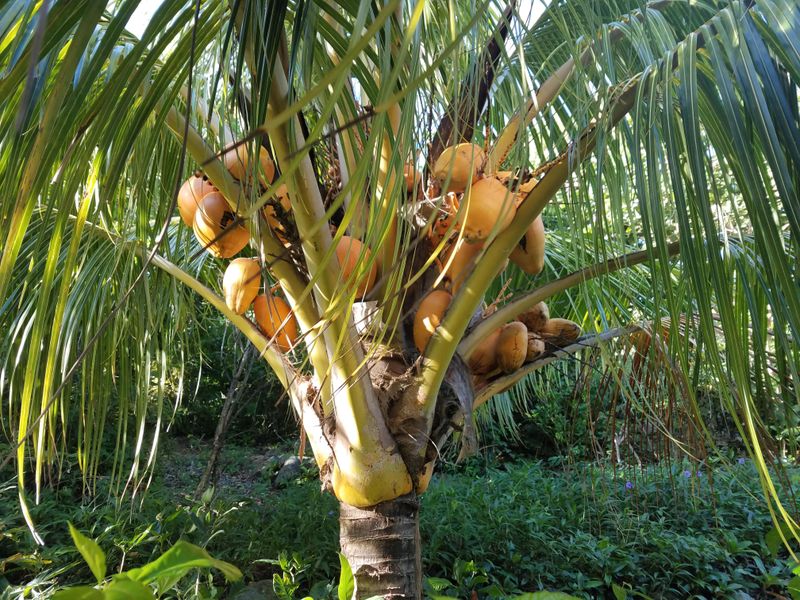
Palms shed on a schedule, much like a cat sheds fur. A coconut palm keeps a crown of roughly 25 to 35 fronds and adds a new one about every month, so the oldest ones at the bottom gradually yellow, brown, and let go.
Some species handle this neatly. Royal palms and foxtail palms are called self-cleaning because their old fronds detach on their own, sometimes dropping a big, heavy leaf base along with them.
Coconut palms are messier. Their dried fronds may cling for a while, then fall all at once during a gusty afternoon.
Stress speeds things up. UF/IFAS notes that potassium deficiency is one of the most common palm problems in Florida, showing up as yellow or speckled older fronds that decline early.
Cold snaps, drought, and heavy storms can trigger extra shedding too. Hurricane season, from June through November, often brings a noticeable pile of debris after strong wind.
Coconuts follow their own rhythm. Coconut palms flower and set fruit year-round, which explains why nuts seem to land in every season instead of just one.
Knowing this pattern helps you tell normal shedding from a real warning sign.
Hurricane Cut Palms Look Tidy but Pay the Price Later
Ever see a palm trimmed down to a skinny tuft of upright fronds, like a feather duster? Many folks call that a hurricane cut, and palm experts wish it would go away.
UF/IFAS research shows that green fronds feed the palm, and even yellowing ones still supply potassium to newer growth. Strip them off, and the tree loses nutrients it can’t easily replace.
Over time, repeated heavy pruning can lead to a narrowing trunk, sometimes called pencil-pointing, plus weaker growth and higher disease risk. Ironically, a bare palm often handles wind worse, not better.
Here’s the rule worth sharing with your neighbor. Remove only fronds that are fully brown, and avoid cutting any frond that sits above a horizontal line, like the 9 and 3 positions on a clock.
Clean tools matter too. Fusarium wilt can spread on pruning saws between certain palms, mainly Canary Island date palms and queen palms, so pros disinfect blades between trees.
If your neighbor already plans to trim, hand them this tip kindly. A palm with a full, rounded crown stays healthier and drops fewer surprises into your yard down the road.
Removing Coconut Clusters Before They Fall Makes Everyone Safer
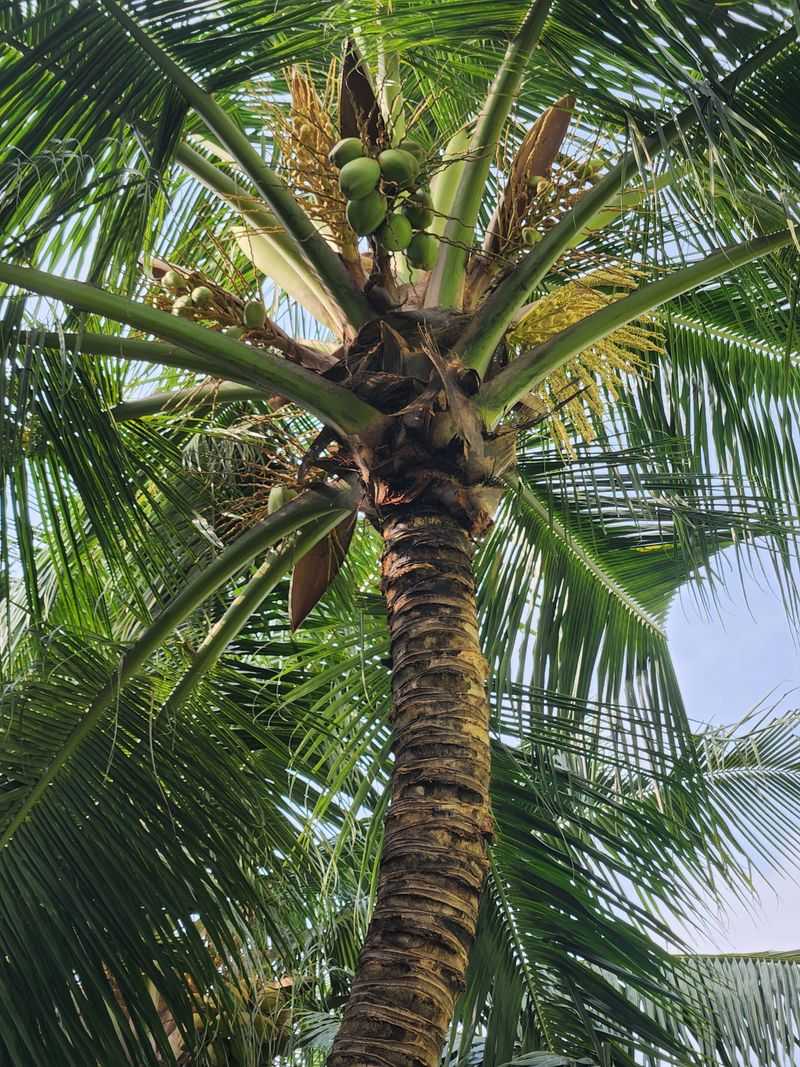
Arborists have a wonderfully blunt name for this job. They call it de-nutting, and it’s one of the best fixes for a coconut palm hanging over your yard.
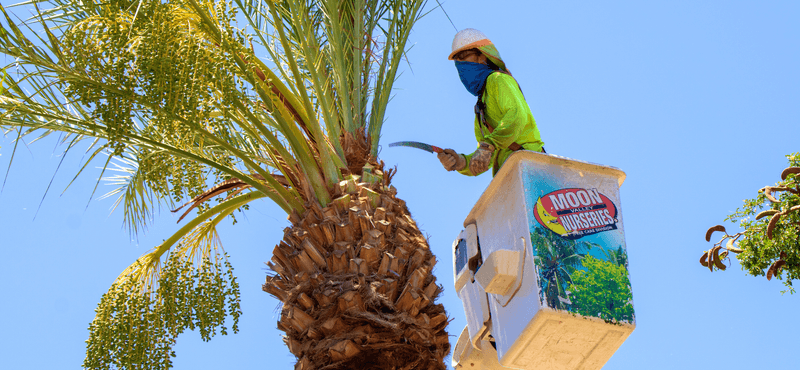
During a de-nutting visit, a trained climber or bucket truck crew removes developing coconut clusters and flower stalks before they get heavy. Many homeowners schedule it once or twice a year, since coconuts take roughly a year to ripen and new clusters keep forming.
Another option exists for people who want fewer nuts long term. Licensed professionals can apply plant growth regulators that reduce fruit set, though results vary and the treatment needs repeating.
Removing clusters does more than prevent dents. Roof rats like to nest in dense palm crowns and snack on young fruit, so fewer nuts can mean fewer visitors scurrying along your fence.
Here’s a fun bit of trivia for your next chat. Coconuts can float across oceans and still sprout on a distant beach, which helps explain how the palm spread to tropical shores worldwide.
If cost is the sticking point, offer to split the bill. A modest shared expense beats a cracked windshield, and it shows your neighbor you’re on the same team.
A Friendly Chat Over the Backyard Fence Beats a Lawyer’s Letter
Most palm disputes start with a coconut and end with a conversation. Your neighbor may not even realize how many fronds are landing on your side, especially if their patio sits far from the fence.
Pick a calm moment, not right after a nut smashes your planter. Bring a few dated photos and keep the tone curious, like you’re solving a puzzle together.
Suggest specific solutions instead of complaints. Offer to split a de-nutting visit, share the UF/IFAS palm pruning guide, or agree on a yearly trim schedule before hurricane season starts.
Keep notes after each talk. A quick text summarizing what you both agreed on helps everyone remember, and it builds a record if things go sideways.
When friendly talks stall, look at other options. Your HOA may have landscape rules, and many Florida counties offer community mediation programs that cost little or nothing.
Small claims court handles disputes up to $8,000 in the state, but treat it as a last resort. Lawsuits rarely make backyard living more pleasant.
The real takeaway is simple. Stay safe under the canopy, know your rights, and lead with kindness, because that palm will likely outlast any argument.