The Late-Fall Watering Your Minnesota Arborvitae Is Counting On
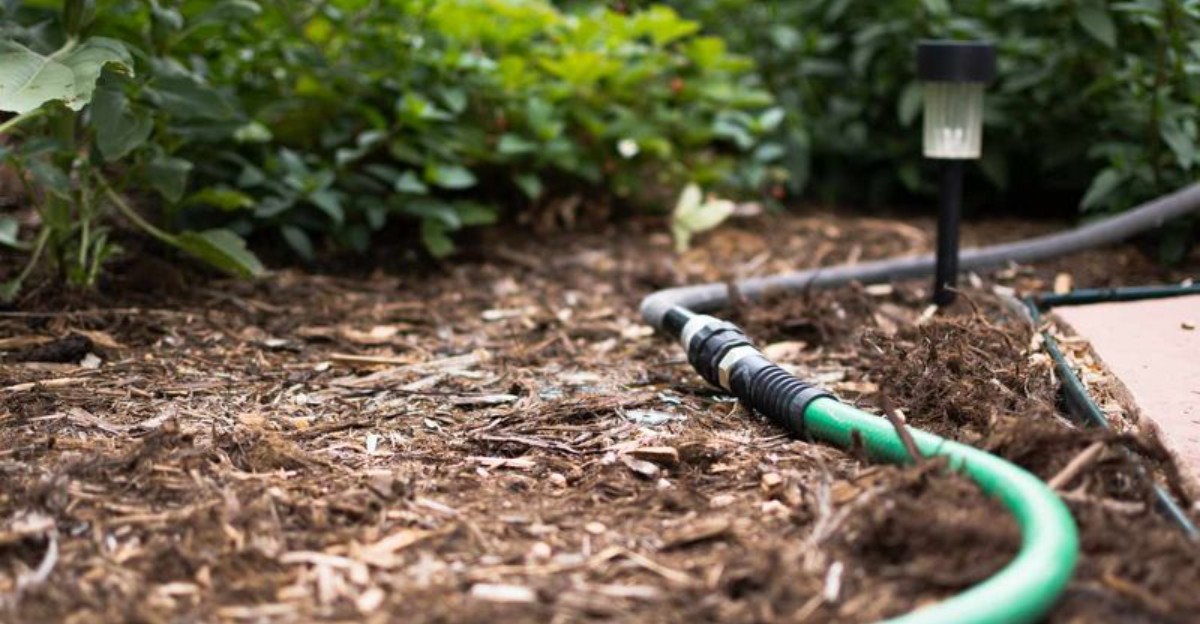
Evergreen needles keep losing water all winter long, even when the ground turns to solid ice. I learned that the hard way after a spring full of rusty brown arborvitae in Minnesota.
Roots stay active in unfrozen soil well into late fall. That means a mild stretch of weather is more than a nice excuse for one last porch coffee in Minnesota.
You might notice the soil still feels soft under your boots right now. That softness is a gift, and it rarely sticks around once the cold settles in for good.
I skipped this chore one year because the leaves looked fine and the yard looked tidy. My shrubs paid for it by April with crispy tips and thin growth.
Give your evergreens one deep, thorough watering before the ground locks up, because that single soak decides how they look come spring.
Soft Soil Under Your Evergreens Won’t Stay Open Much Longer
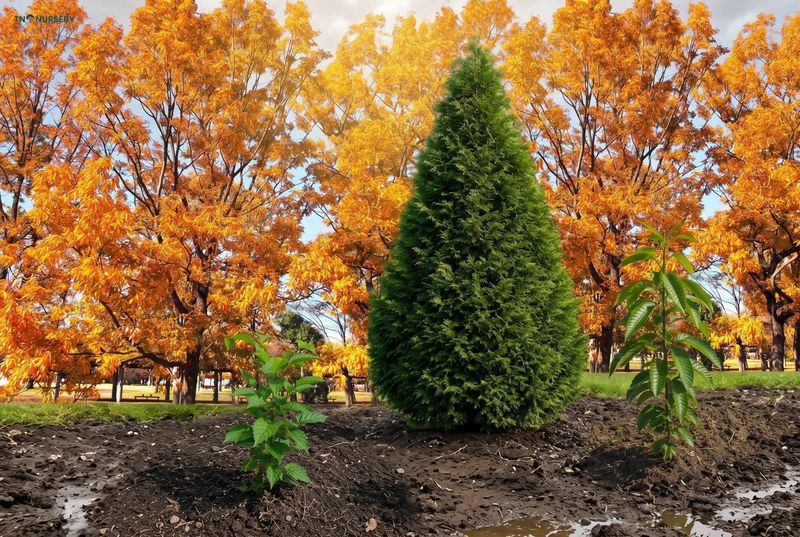
Grab a trowel and push it into the soil near your shrubs. If it slides in easily, you still have time for the most valuable chore of the season.
That chore is a deep, slow watering before the ground freezes. University of Minnesota Extension recommends watering trees and shrubs in fall until the soil freezes, especially after a dry stretch.
Roots keep pulling in moisture as long as the soil stays unfrozen, and they store it for the long months ahead.
Evergreens need it most. Their needles and leaves keep releasing water through winter, but frozen ground blocks the roots from replacing it.
That mismatch leads to winter burn, the brown, scorched look you often see on arborvitae, yews, and boxwood in spring.
A mild spell is the sweet spot because the water soaks in rather than freezing on the surface. Cold, hard soil sheds water like a parking lot.
I check the forecast and aim for a day when temperatures sit above freezing. Water in the morning or early afternoon so it has time to move down before night.
Fallen leaves can hide dry soil, so trust the trowel test, not the surface. One good soak now can save you a spring full of replacement shopping.
A Slow Soak With a Garden Hose Outperforms a Quick Sprinkle
Ten minutes with a sprinkler feels productive, but it mostly wets the top inch. Roots of trees and shrubs sit deeper, so the water has to travel.
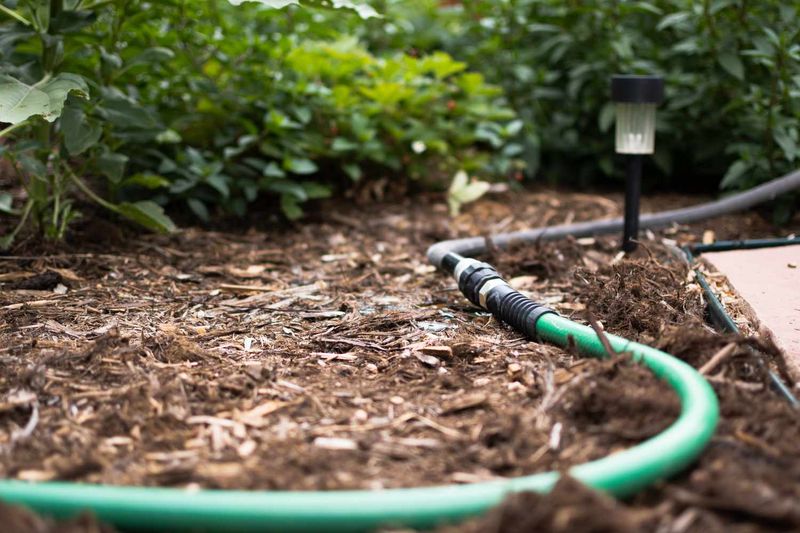
A garden hose on a gentle trickle works wonders. Set it near the base of each shrub or along the drip line of a tree, which is the area under the outer edge of the branches.
Let it run until the top 8 to 12 inches of soil feel moist.
A soaker hose snaked around a bed saves you from dragging the hose every twenty minutes. Tree watering bags also help young trees by releasing water slowly over several hours.
Extension experts often suggest about 10 gallons per inch of trunk diameter for trees. A small shrub may need 5 gallons or so, depending on its size and your soil type.
Sandy soil drains fast and may need a second soak a week later. Heavy clay holds water longer, so go slower to avoid runoff.
Here is my lazy trick: I set a phone timer and move the hose each time it buzzes. Afterward, dig down a few inches with a trowel to confirm the moisture reached the root zone.
New Trees and Young Shrubs Get First Dibs on the Water
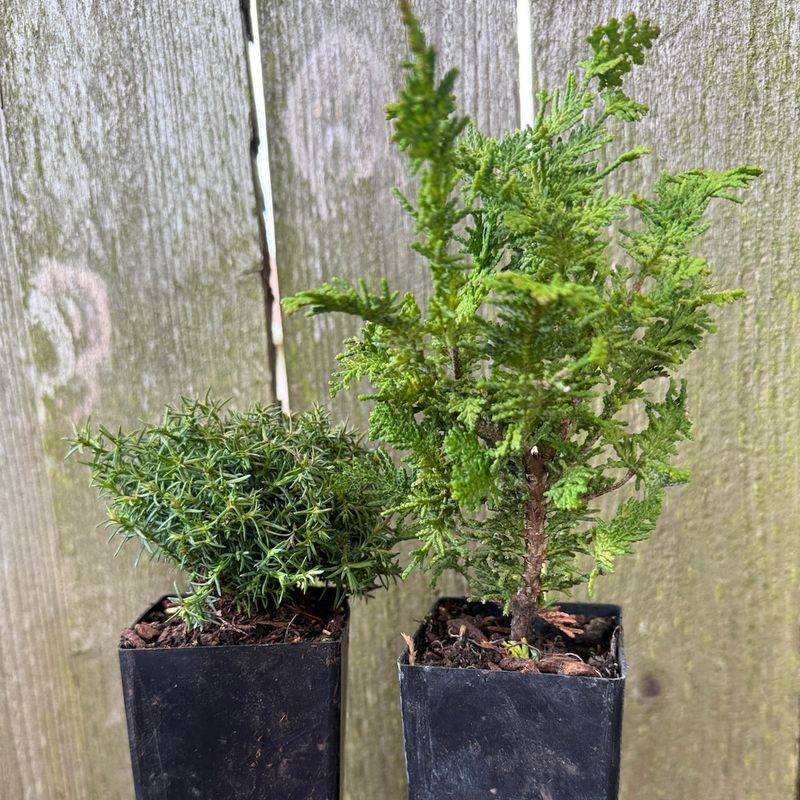
Planted something new this year? That little spruce or fresh lilac is the thirstiest member of your yard, even if it looks perfectly calm.
Newly planted trees and shrubs have small root systems that have not spread into the surrounding soil yet. They can only reach water close to the original root ball.
Experts generally consider trees as establishing for one to three years after planting, and some larger trees take even longer.
Evergreens planted this season rank highest on my list. White pine, spruce, and arborvitae all keep their foliage through winter and lose moisture on windy, sunny days.
Shrubs planted near south or west walls deserve extra attention too. Reflected heat and sun can dry them out faster, even in December.
Give these young plants a deep watering first, then work outward to older, established ones if you have time. Mature trees with wide roots usually handle winter better, though a dry fall can stress them as well.
A ring of wood chip mulch around new plantings helps hold moisture in the soil. Keep it a few inches away from the trunk so bark stays dry and healthy.
Brown Arborvitae in April Usually Started in Winter
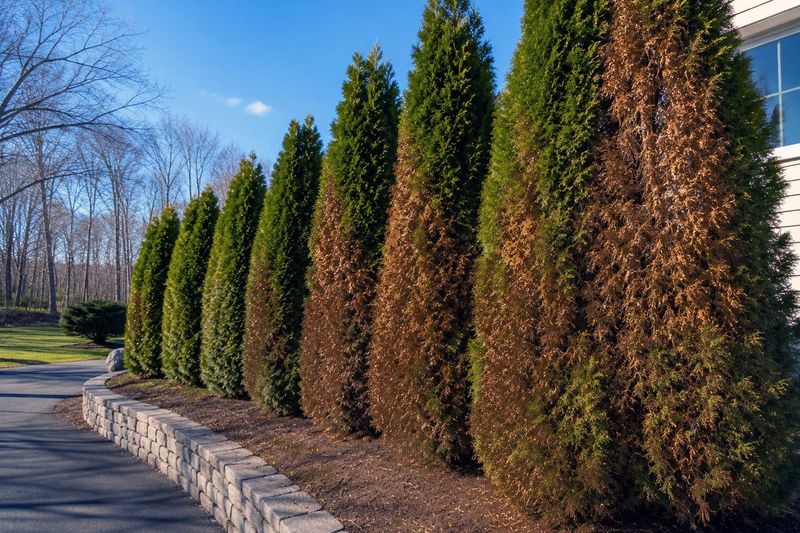
Every spring, someone posts a photo of a browned arborvitae and asks what went wrong. Often the answer traces back to the previous fall.
Winter burn happens when evergreen foliage loses more water than the roots can supply. Bright sun bouncing off snow, dry winds, and frozen soil all play a part.
The damage often shows on the south, west, or windy side of a plant.
Dry soil going into winter makes the problem worse. A well-watered root zone gives plants a reserve to draw on during warm winter days, when the soil near the surface may thaw briefly.
Other causes can look similar, so stay curious. Road salt spray, dog urine, root injury, or a poorly sited plant can also brown foliage.
Extension specialists recommend looking at the pattern of the damage before blaming the weather.
Burlap screens placed on the windward side can reduce drying winds for exposed evergreens. Leave space for air to move rather than wrapping plants tightly.
Fall watering does not guarantee perfect results after a harsh winter. Still, it removes one big stress, and that improves your odds of seeing green when the snow melts.
Drain the Hose Before Ice Splits It Open
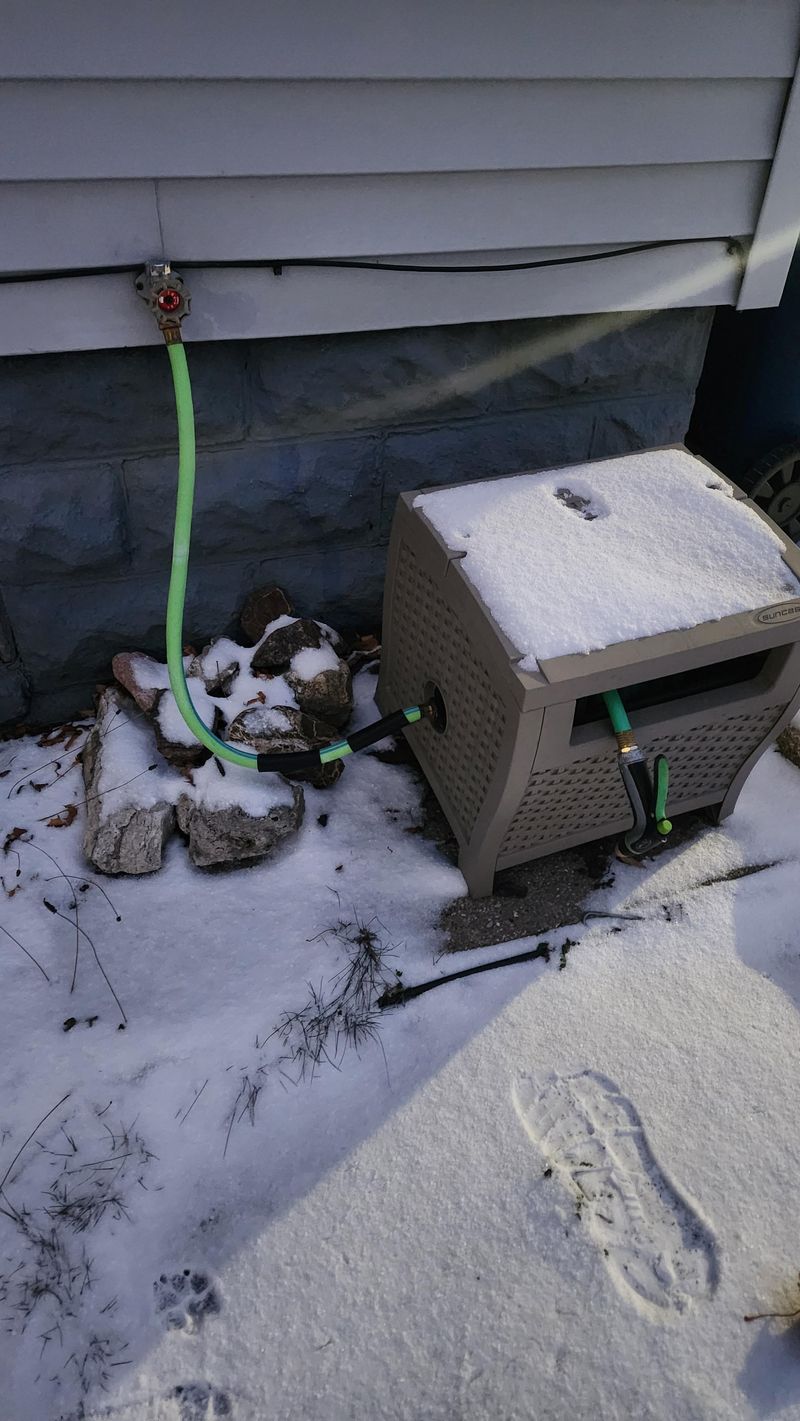
Once the last soak is done, the hose itself needs a little care. Water left inside expands when it freezes and can crack hoses, nozzles, and fittings.
Unscrew the hose from the spigot and stretch it out on a slope. Walk it downhill hand over hand so the water drains out the far end.
Coil it loosely and store it in a garage or shed.
Outdoor faucets matter just as much. Many newer Minnesota homes have frost-free spigots, but they still need the hose disconnected to drain properly.
Older homes may have an indoor shutoff valve that should be closed, with the outdoor tap opened to drain.
Rain barrels deserve a look too. Empty them, disconnect them from the downspout, and flip them over or bring them inside so ice does not split the plastic.
Bird baths made of concrete or ceramic can crack when water freezes in them. Empty and store them, or switch to a heated bird bath if you enjoy winter bird traffic.
I keep one short hose handy in the garage for surprise mild days. It comes in useful for a quick midwinter watering when the soil thaws.
Hold Off on the Mulch Pile and the Pruning Shears
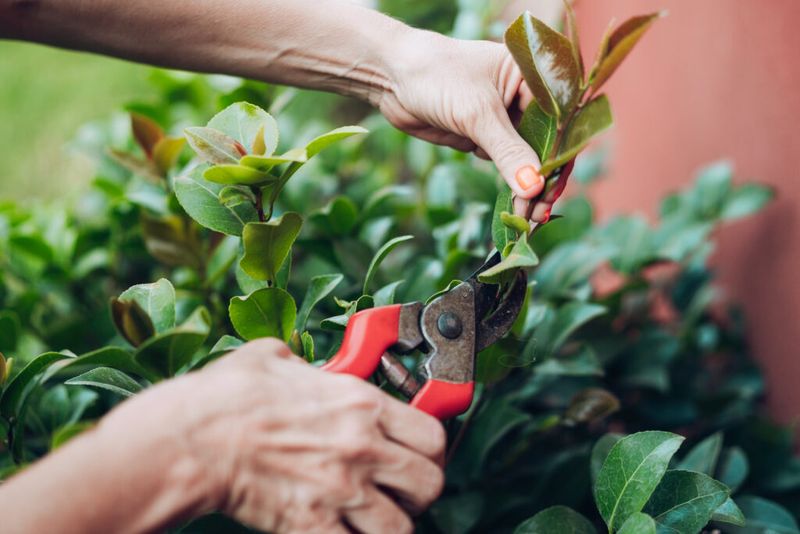
Feeling ambitious after watering? Hang on before you pile mulch everywhere or start cutting branches.
Winter mulch for perennials and tender plants works best after the ground freezes. University of Minnesota Extension notes that the goal is to keep soil frozen and steady, not to keep it warm.
Mulching too early can delay hardening and give voles and mice a cozy place to settle in.
Gather your materials now so they are ready. Shredded leaves and clean straw make excellent winter covers, and a 4 to 6 inch layer works well over perennial crowns once the soil is frozen.
Pruning can wait too. Late winter, usually February through March, is ideal for most trees and many shrubs because you can see their structure clearly.
Spring bloomers like lilac and forsythia are best pruned right after flowering, or you will remove next year’s buds.
Skip fertilizer for trees, shrubs, and perennials now as well. Late feeding can nudge tender growth at the wrong moment.
Removing broken or diseased branches is fine anytime. Beyond that, put the shears away and enjoy a break.
Rabbit Guards on Young Tree Trunks Finish the Job
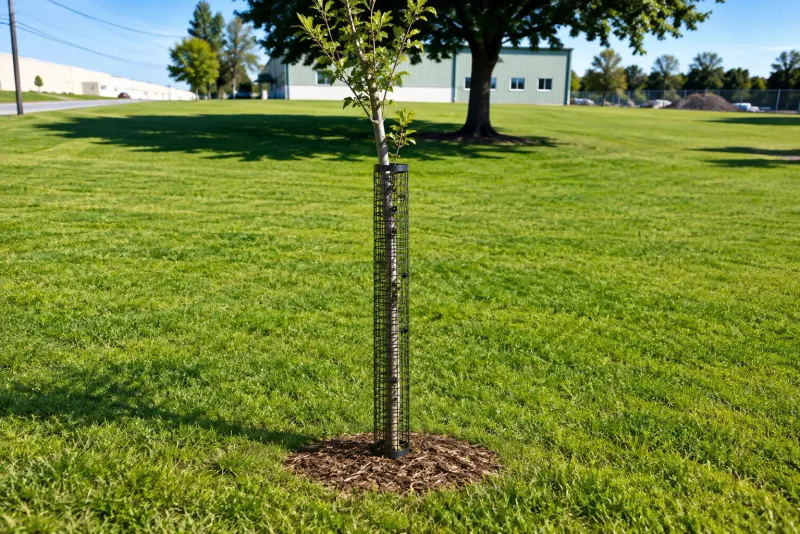
Rabbits in Minnesota get creative once snow covers the grass. Young bark becomes a tempting snack, and deep snow lets them reach higher up the trunk.
Since you are already out by each tree with the hose, add protection while you are there. Hardware cloth cylinders with quarter-inch mesh work well for rabbits and voles.
Set them a couple of inches into the soil and make them tall enough to stand above expected snow depth.
Fruit trees, burning bush alternatives like native serviceberry, and young maples are common targets. Apple trees in particular draw rabbits and voles throughout winter.
Leave a gap between the guard and the trunk so air can circulate. Remove plastic wraps in spring to prevent moisture and insect problems underneath.
Deer can be trickier. Taller fencing or netting around small evergreens like arborvitae helps in areas with heavy browsing.
Before heading inside, take a final walk and note any plants that looked stressed this year. A quick list now makes spring planning easier.
Your yard will rest better with moist roots, protected trunks, and a gardener who finished the chore that mattered most.