The Simple Tool Cleaning Habit That Helps California Gardeners Avoid Spreading Plant Diseases
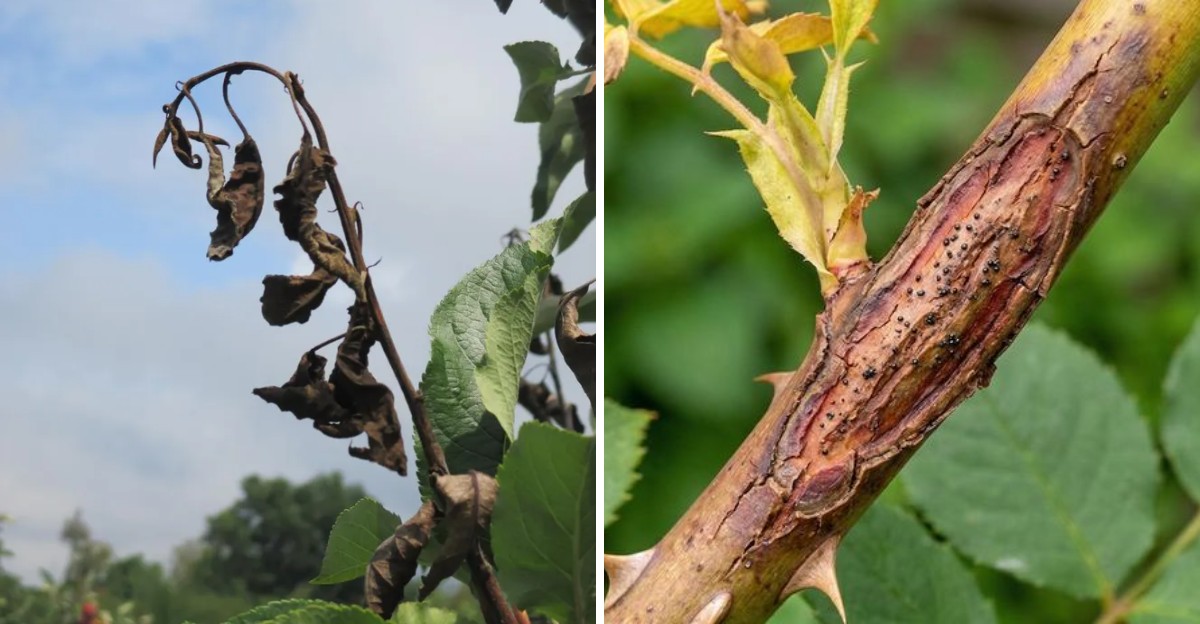
A single pruning cut through a fire blight canker can coat your blades with enough bacteria to infect the next tree you touch.
Plant experts have warned about this for decades, yet most of us still snip our way down the row without a second thought.
The trouble hides in plain sight. Sticky sap, crumbs of soil, and bacterial ooze cling to steel, and many of these germs are far too small to see. One rose bush can quietly hand its problems to the next one in under a minute.
Personally, I used to wipe my pruners on my jeans and call it good. I cringe a little now. California gardeners prune almost all year, so our tools get a serious workout in every season.
The fix takes less time than refilling a watering can. So why do so many of us still skip it?
Those Trusty Pruning Shears Could Be Carrying More Than Sap
Last spring I cut out a blackened pear twig, then moved straight to a healthy apple tree. A few weeks later, that apple showed the same scorched tips. Lesson learned the hard way.
Pruning shears do more than slice. Each cut leaves an open wound on the plant, and that fresh tissue is an easy doorway for germs. If your blades just touched a sick branch, they can carry bacteria, fungal spores, or viruses right into that doorway.
Many of these hitchhikers are microscopic. Your pruners can look shiny and still hold a thin film of infected sap. Fire blight bacteria, for example, ooze out of cankers in sticky droplets that cling to metal very well.
Wind, rain, insects, and splashing water spread plenty of plant diseases too. Tools are only one route. Still, they are the route you control most, and they deliver germs directly into fresh wounds instead of leaving it to chance.
University of California experts list dirty tools as a common way diseases move through home gardens and orchards. That makes your pruners one of the easiest places to stop trouble before it starts. A small change in habit can protect a whole yard of plants.
Scrub First, Then Disinfect Your Garden Blades
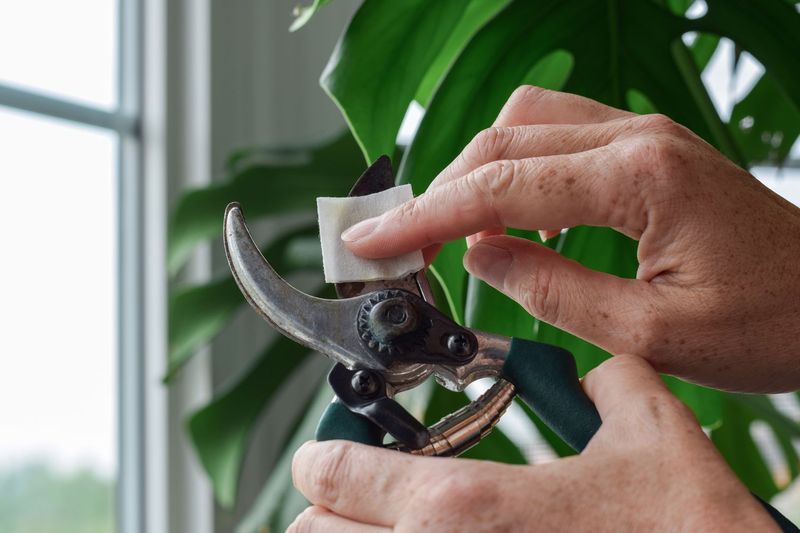
Two quick steps make up the whole habit. First you clean, then you disinfect. Skipping the first step is the most common mistake I see.
Start by removing every bit of dirt, sap, and leaf debris. A stiff brush and soapy water work great, and a strong spray from the hose helps too. For gummy sap, a little steel wool or a rag with some cooking oil can loosen the mess.
Why bother scrubbing? Soil and plant residue can shield germs and weaken many disinfectants. Clean metal lets the disinfectant reach the surface and do its job.
Next comes the disinfecting step. Dip, spray, or wipe the blades with a household disinfectant such as Lysol or Pine-Sol, or with a diluted bleach solution. Give it some contact time instead of a quick splash, usually at least 30 seconds.
Finally, dry your tools well. Moisture left on steel invites rust, and rust creates rough spots where gunk can stick. A light coat of oil after drying keeps the pivot moving smoothly.
The whole routine takes about two minutes once you get the rhythm down. Keep a small kit with a brush, rag, and disinfectant in your garden bucket, and you will rarely skip it.
Lysol, Pine-Sol, or Bleach for Your Pruners?
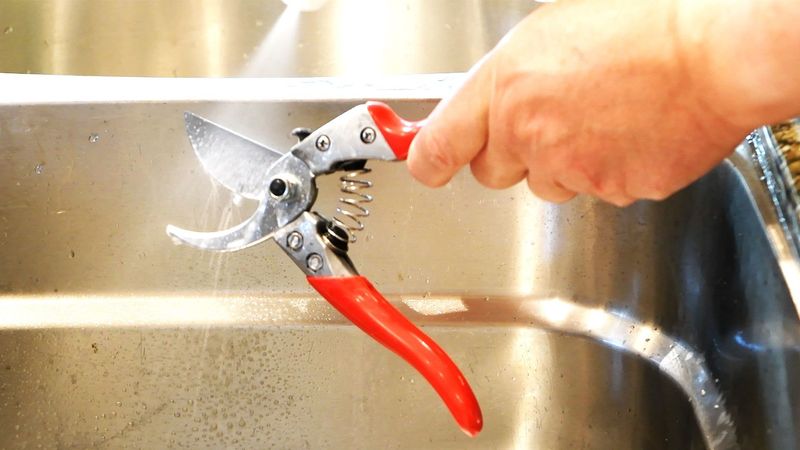
Ask five gardeners which disinfectant is best, and you might hear five answers. Each option has strengths and quirks worth knowing.
Household disinfectants like Lysol concentrate are my everyday pick. They work well against many plant germs, and they are far gentler on blades than bleach. A small spray bottle of the diluted product makes it easy to use between plants.
Pine-Sol is another solid choice. Extension researchers have found both products very effective for cleaning pruning tools, with less corrosion than bleach. Follow the label for dilution and contact time.
Bleach is the old classic. A mix of one part household bleach to nine parts water works against bacteria, fungi, and many viruses. The catch is corrosion. Bleach can pit blades and damage finishes, so rinse and oil tools afterward.
Bleach solutions also lose strength quickly, so mix a fresh batch each day you use it. Never mix bleach with other cleaners, because some combinations release harmful fumes.
Wear gloves and work in a ventilated spot with any of these. Whichever product you choose, the real winner is the one you actually keep within reach while you prune.
Fire Blight on Pears and Apples Loves a Dirty Blade

Shepherd’s crook is the nickname, and once you see it, you recognize it fast. Infected shoot tips bend over like a cane and turn black, as if scorched by a torch.
Fire blight is a bacterial disease that hits pears, apples, quince, loquat, pyracantha, and other rose family plants. It shows up often across California during warm, wet spring weather while trees bloom.
Pruning infected branches can smear bacteria onto your blades. UC experts recommend cutting well below the visible damage, usually 8 to 12 inches into healthy wood. They also advise disinfecting tools between cuts while removing infected wood.
Timing helps too. Pruning out cankers during dry summer or winter weather lowers the chance of fresh infection. Bag the cut branches and toss them in the trash instead of the compost pile.
Other troublemakers travel on tools as well. Several viruses and bacterial diseases can move through sap on blades, including some that affect roses, tomatoes, and orchids. Fungal wilts like Verticillium live mostly in soil, so dirt on shovels and pruners can carry them into new beds.
Knowing which plants are vulnerable in your yard tells you when to slow down and clean more often.
Clean Between Each Rose Bush When Something Looks Off
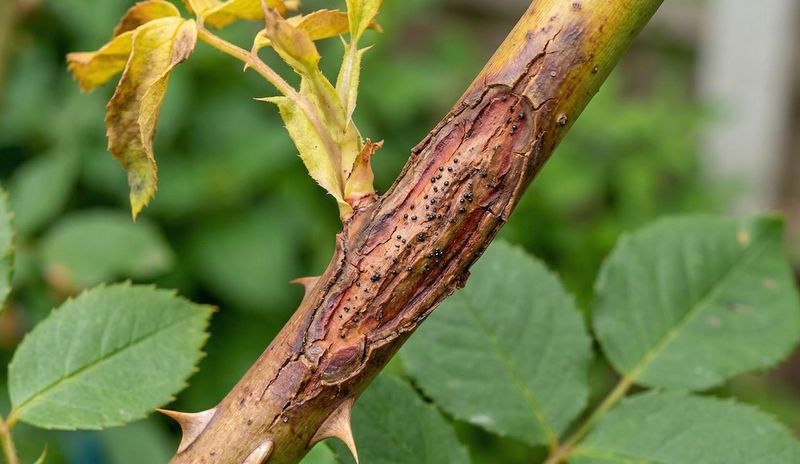
Honestly, nobody needs to sterilize their pruners after every snip of a healthy daisy. The trick is knowing when extra care matters.
For routine trimming on healthy plants, cleaning at the end of the session is usually fine. Things change when you spot wilting, odd spots, cankers, oozing, or strange leaf mottling.
Once a plant looks sick, disinfect after finishing it and before moving on. For serious bacterial problems like fire blight, disinfect between each cut on the infected plant.
Moving between different gardens or plant groups is another good time to clean. Heading from your vegetable bed to your fruit trees? Give the blades a wipe. Borrowing a neighbor’s loppers? Clean them before and after.
A handy plan is to save sick plants for last. Prune the healthy ones first, then tackle the troubled plants and clean thoroughly afterward. Fewer chances to carry germs around.
Since many California gardens get pruned in winter, spring, and summer, these checks fit almost every month. A small spray bottle of disinfectant clipped to your belt makes the habit nearly effortless, and your roses will thank you with cleaner foliage.
Shovels, Saws, and Loppers Need Some Love Too
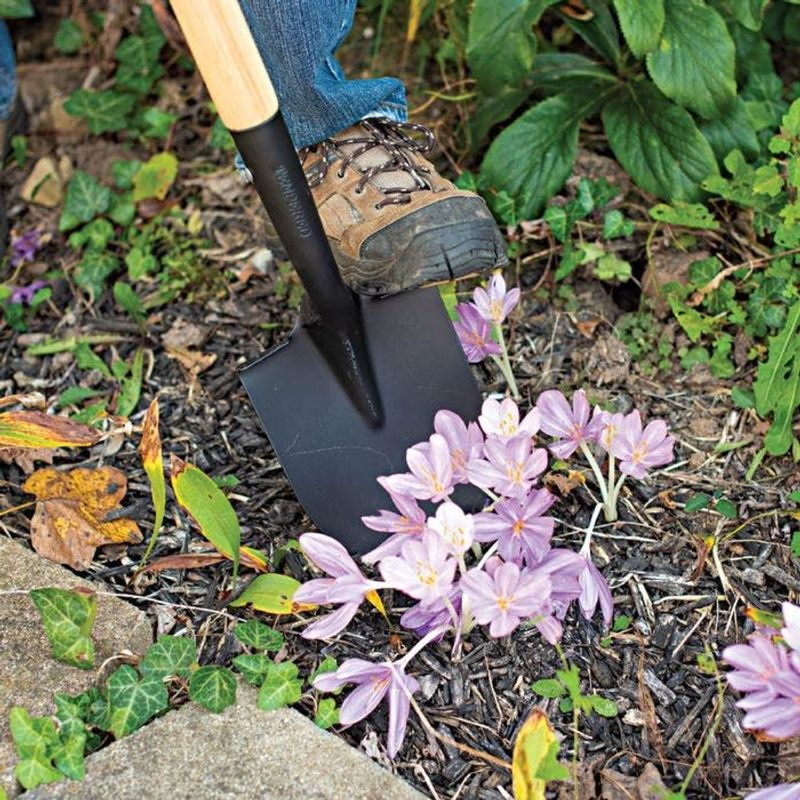
Pruners get most of the attention, yet the rest of the tool shed matters too. Shovels, trowels, hoes, and saws all touch soil or plant tissue that may carry trouble.
Soilborne diseases are the big concern here. Verticillium wilt, Fusarium, and root rot organisms can ride along in clumps of dirt stuck to a spade. Digging in an infected bed and then planting in a fresh one can move them right along.
Knock off big clods first, then rinse tools with the hose. For tools used around known disease, follow up with a disinfectant after the dirt is gone.
Pruning saws deserve special attention. Their teeth trap sawdust and sap, so use a stiff brush to clear each groove before disinfecting.
Do not forget containers and stakes. Reused nursery pots and tomato cages can hold disease from last season. Scrub them, then soak or spray with a disinfectant before reuse.
Even your gloves and boots can carry soil between beds. A quick rinse when switching areas helps. Storing everything clean and dry in a garage or shed also keeps rust away and extends the life of your favorite tools.
Healthy Habits Beyond the Tool Bucket Keep Your Garden Thriving
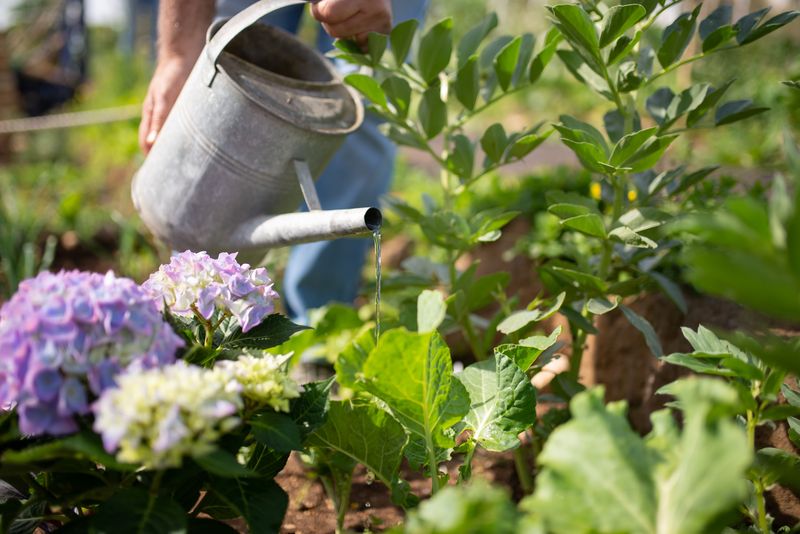
Clean tools are a strong first line of defense. They work even better alongside a few other smart garden habits.
Remove diseased leaves, twigs, and fruit as soon as you notice them. Bag them for the trash or green waste bin, depending on local rules, instead of your home compost. Backyard piles often do not get hot enough to break down every germ.
Watering style matters a lot. Drip irrigation or watering at the base keeps leaves dry, which slows many fungal and bacterial diseases. Morning watering lets foliage dry quickly in the sun.
Give plants room to breathe. Good spacing and thoughtful pruning improve airflow, especially in humid coastal areas of California. Inland gardens face more heat stress, so steady watering and mulch help plants stay strong.
Choose disease-resistant varieties when you can, and buy plants from trusted nurseries. Inspect new arrivals before planting them near your other favorites.
When something looks strange, reach out to your local UC Master Gardener program. These volunteers can help identify problems and suggest next steps. Pair their advice with your new cleaning routine, and you give every plant in your yard a much better shot at a long, healthy life.