Kumquats Handle Georgia Cold Better Than Most Citrus And Ripen Through Late Fall And Winter
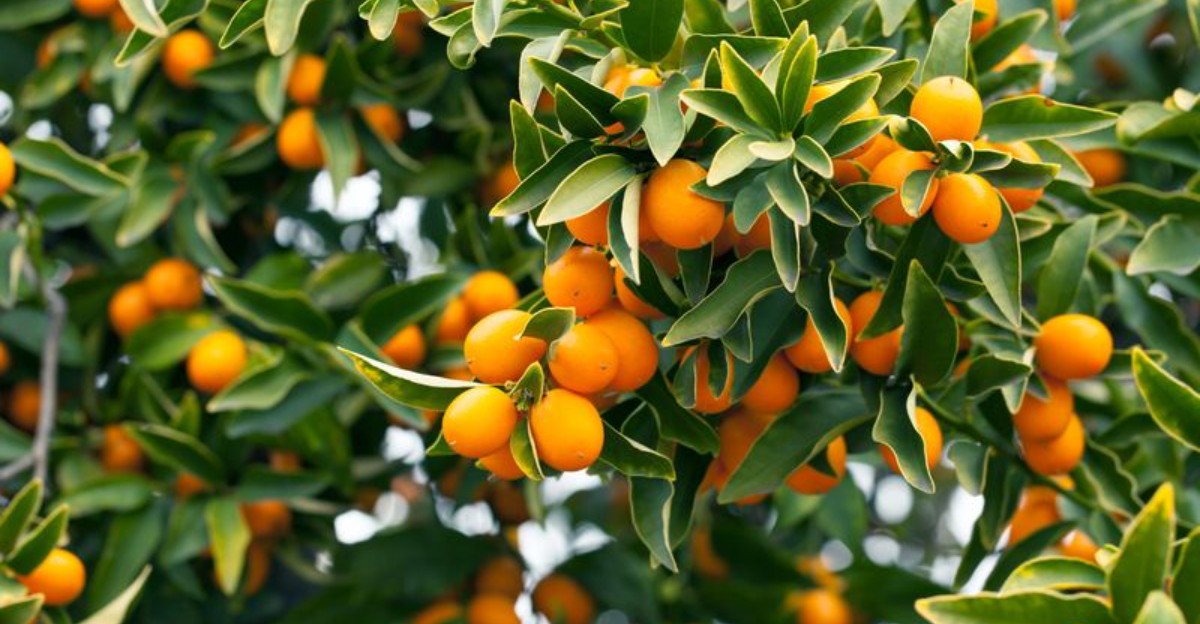
Some citrus fruit is meant to be eaten peel and all, and the peel is the sweet part. I still grin every time I pop one in my mouth and the rind turns out sweeter than the tangy center.
The little tree that grows these fruits can shrug off nights in the upper teens.
Lemons and limes often suffer real damage in the mid 20s, so that toughness feels like a minor miracle here in Georgia.
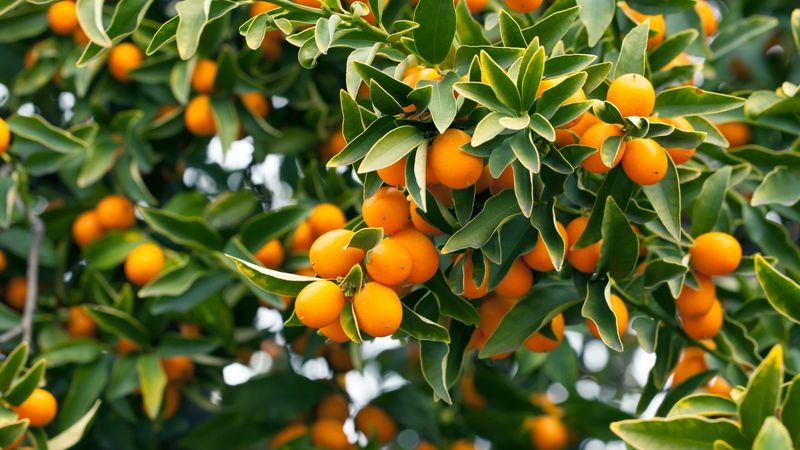
Better yet, the fruit shows up when most gardens look tired. Bright orange ovals glow against glossy green leaves from late fall into winter, and they hang on the branches for weeks.
I can’t imagine a cheerier sight on a gray January morning. You might wonder why more of us are not growing one by the back door, so let me share what I have learned.
1. That Tiny Orange Kumquat Has A Hidden Cold Weather Talent
Winter dormancy is the quiet trick behind it all. Kumquats slow their growth way down once fall temperatures cool off, and they stay sleepy longer than most citrus.
A resting tree handles cold far better than one pushing tender new shoots. That is a big reason kumquats can take brief dips to about 18 to 20 degrees Fahrenheit, while many lemons and limes struggle in the mid to upper 20s.
University of Georgia Extension lists kumquats among the most cold-hardy edible citrus you can grow. Some well-hardened trees have even come through brief lows near 15 to 17 degrees with only minor damage.
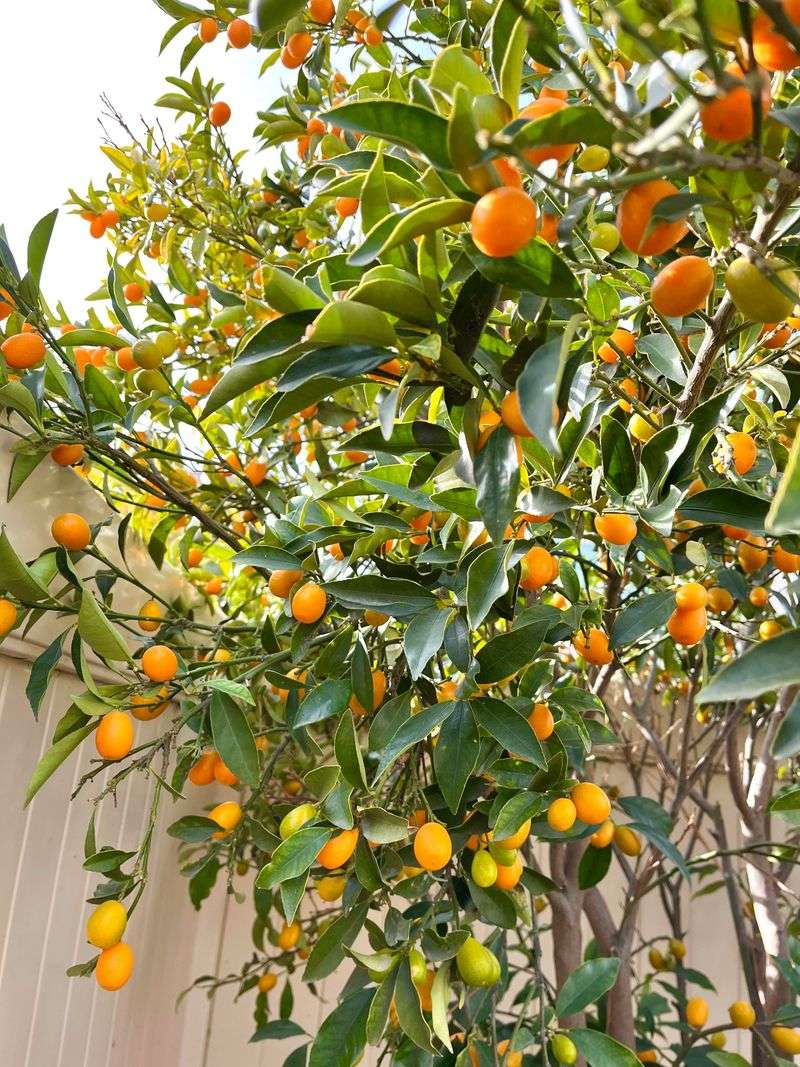
I find it charming that such a small fruit carries such a sturdy reputation. The tree itself usually stays compact, often 6 to 10 feet tall in the ground, so it fits nicely in a suburban yard.
Still, toughness has limits. How cold it gets, how long it lasts, and how old the tree is all matter a lot.
A sudden hard freeze after a warm spell can hurt any citrus. Treat that cold hardiness as a strong head start rather than a guarantee, and your tree will reward you for it.
2. Bright Kumquats Ripen Just As Your Other Fruit Trees Go Quiet
Late fall is when the show begins. Most kumquats start coloring up in November or December in Georgia, though some trees show orange as early as October.
The harvest does not stop after a week or two. Fruit often keeps ripening and hanging on through winter, and some trees still hold good fruit into March.
My favorite part is the built-in storage. Ripe kumquats can stay on the branch for weeks, so the tree works like a living fruit bowl.
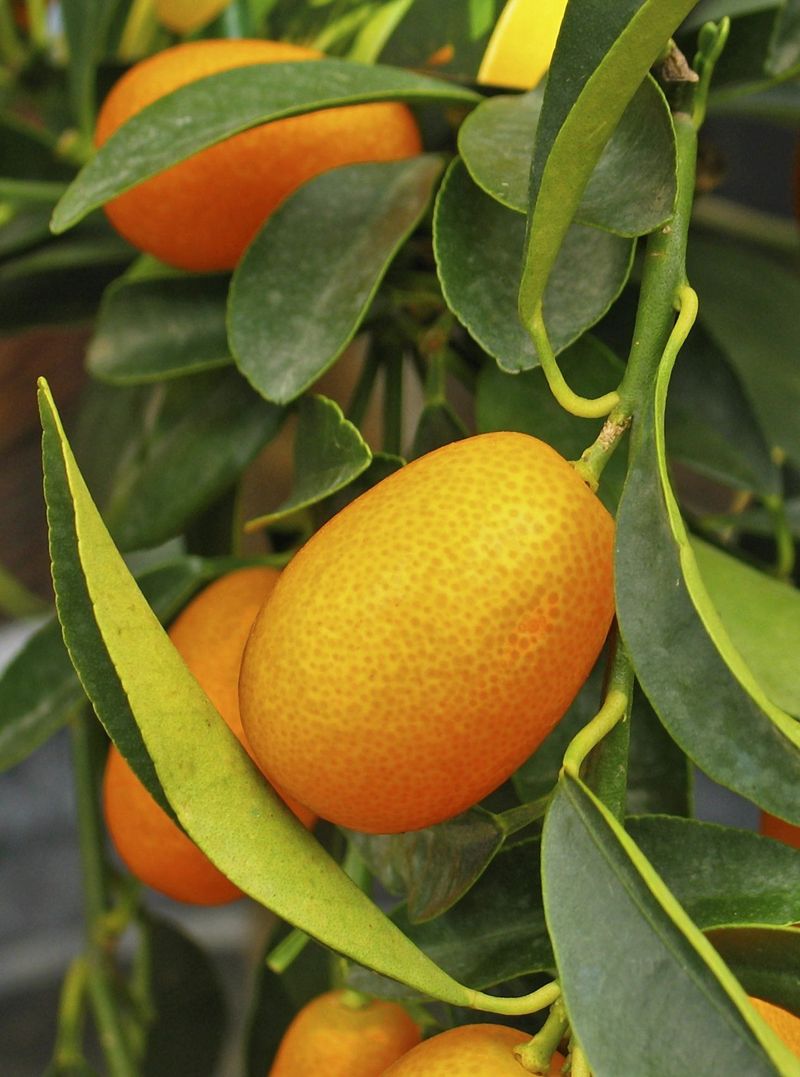
You can tell they are ready when the skin turns a deep, even orange. A ripe fruit feels firm but gives just slightly when you squeeze it gently.
Greenish patches mean it needs more time. Pale or yellowish fruit is often still too sour to enjoy.
Timing also shifts with your location. South Georgia trees tend to color a bit sooner and hold fruit with less cold risk than trees farther north.
Leaving fruit on too long has a small downside. Very old fruit can turn soft or dry out, and birds may start sampling, so pick steadily once the color looks rich.
3. Nagami, Meiwa, And Marumi Kumquats Each Bring Something Different
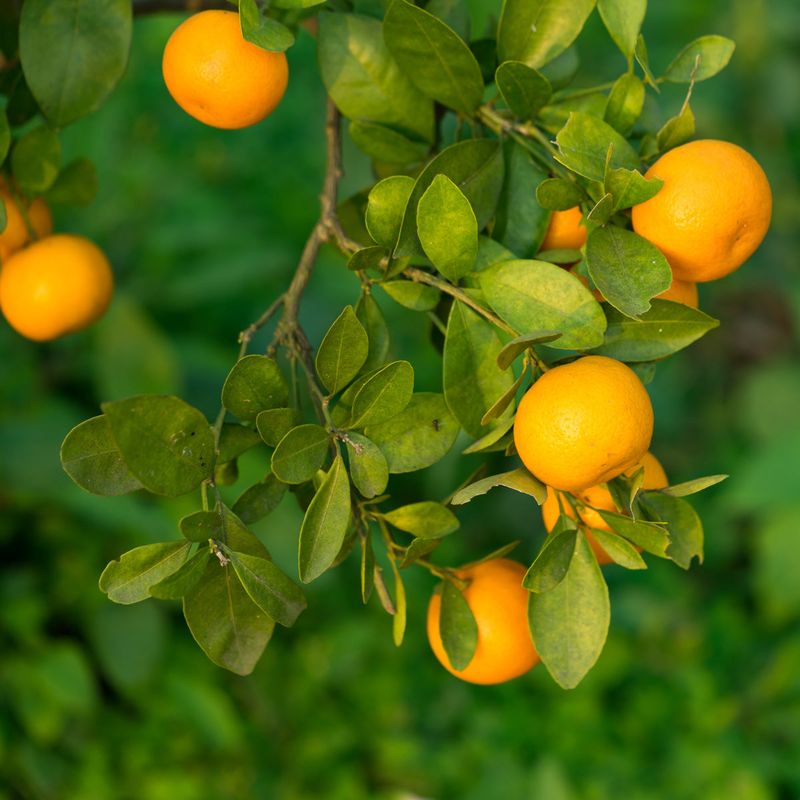
Picking a variety feels a little like choosing a favorite candy. Each common kumquat has its own shape, flavor, and personality.
Nagami is the classic oval kumquat you often see in stores. Its peel is sweet, but the juicy center is quite tart, and it is widely grown thanks to solid cold tolerance.
Meiwa produces round fruit that many people call the best for fresh eating. Both the peel and pulp taste sweeter, which makes it a hit with kids.
Marumi offers small round fruit and a reputation for good cold hardiness. Some growers describe it as slightly spicy or aromatic.
A study in coastal Georgia offers a useful reality check. Young Meiwa, Nagami, and Longevity kumquats suffered major cold damage when temperatures fell to 13.5 degrees.
So no variety is bulletproof, especially while young. Buy from a nursery that sells grafted trees suited to the Southeast.
Fun fact for your next garden chat. Kumquats are native to China, and the name comes from Cantonese words meaning golden orange, which suits that glowing winter fruit perfectly.
4. A Sunny Spot Near A South Wall Gives Kumquat Trees A Warm Edge
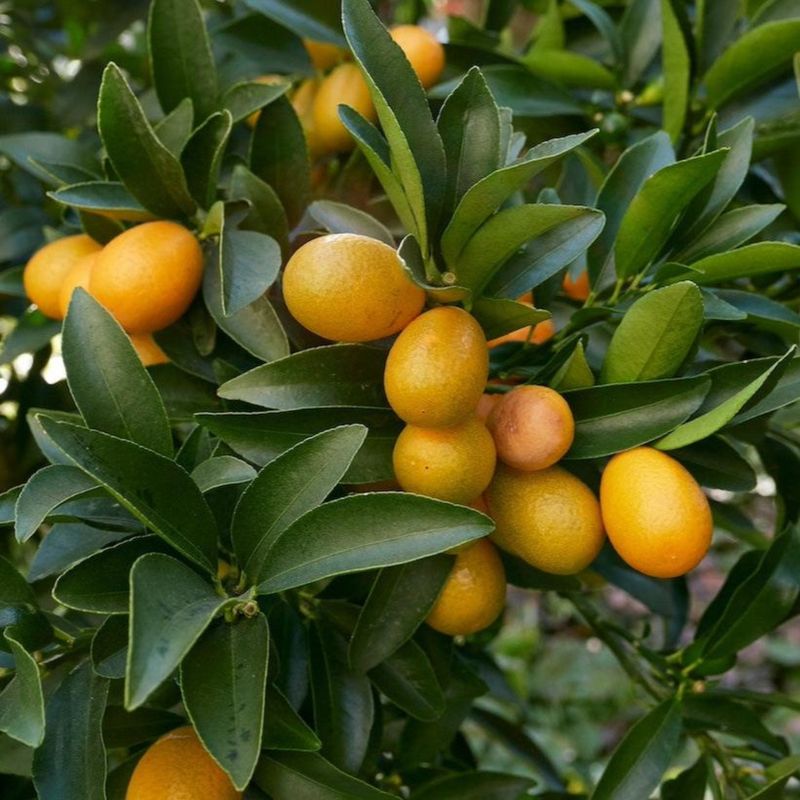
Location can add a few precious degrees of protection. A spot on the south side of your house soaks up winter sun and gives back heat at night.
Kumquats need full sun to flower and fruit well. Aim for at least six to eight hours of direct sunlight each day.
Brick walls, fences, and buildings block cold north winds. That sheltered pocket, called a microclimate, can make a real difference during a sharp cold snap.
Avoid low spots in the yard. Cold air sinks and collects there on still nights, which is rough on citrus.
Soil matters just as much as sunshine. Kumquats want well-drained ground with a slightly acidic to neutral pH, roughly 5.5 to 6.5.
Heavy Georgia clay can stay soggy and stress the roots. A wide raised bed or a gentle mound helps water drain away.
When you plant, keep the graft union a couple of inches above the soil line. Skip fertilizer in the planting hole, since it can burn new roots.
Early spring, after the last frost, is a smart time to plant in the ground so roots settle before next winter.
5. Frost Cloth And Mulch Help Young Kumquat Trees Through Cold Snaps
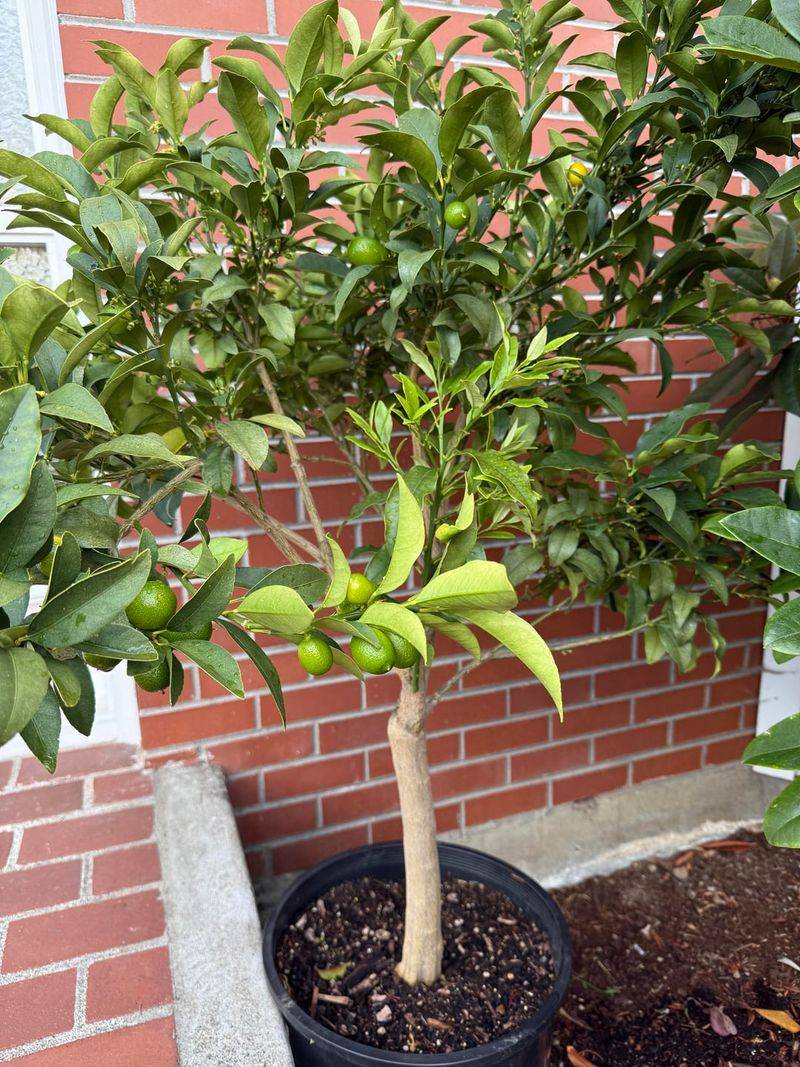
First winters are the riskiest stretch for any kumquat. A young tree has thin bark, a small root system, and fewer leaves to shield its branches.
Start watching forecasts once nights head toward the low 20s or below. A day or two before a freeze, water the soil deeply, because moist ground holds and releases heat better than dry ground.
Mulch helps protect the roots. Spread it in a wide ring but keep it about a foot away from the trunk to prevent bark problems.
For a serious cold night, drape the tree with frost cloth or an old blanket. Let it reach the ground so it traps warmth rising from the soil.
Plastic touching leaves can make damage worse. If you use plastic, build a frame so it stays off the foliage.
Some gardeners add old-style incandescent string lights under the cover for gentle warmth. Use outdoor-rated lights and keep them from touching the fabric.
Uncover the tree once temperatures climb the next morning. Older, established kumquats often manage with much less fuss, so your effort pays off most in those early years.
6. Potted Kumquats Let North Georgia Gardeners Join The Fun
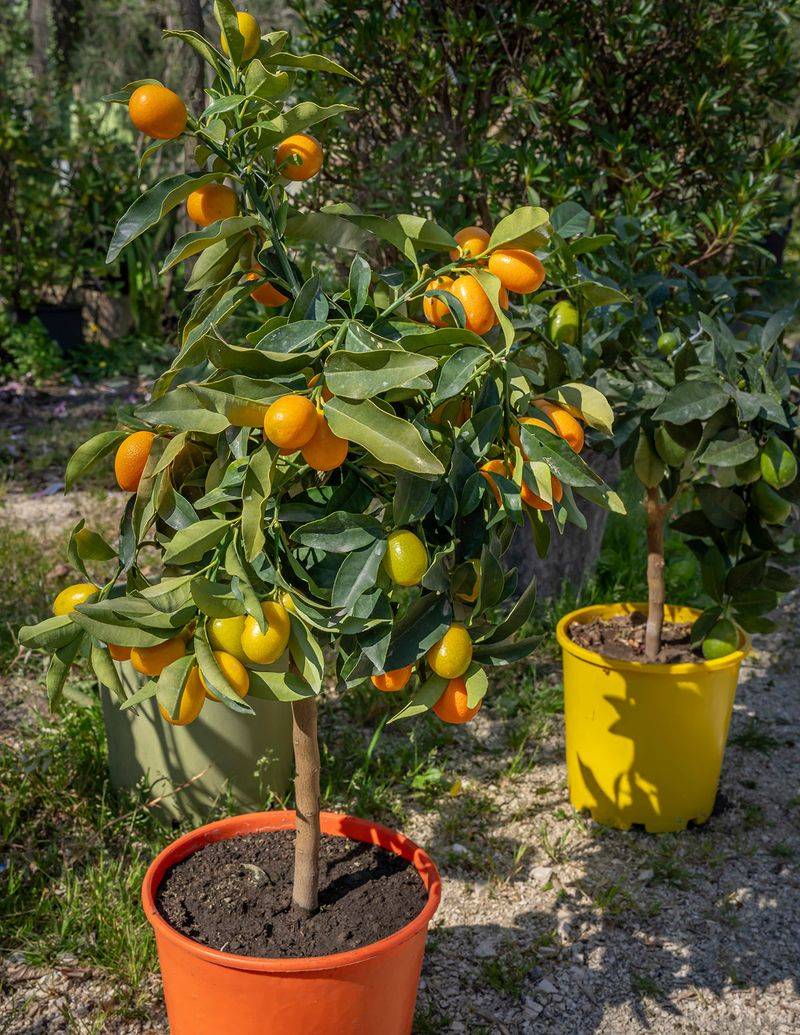
Mountain gardeners sometimes feel left out of the citrus party. Containers change that story in a hurry.
Much of North Georgia sees winter lows that dip below what kumquats handle comfortably. A potted tree can roll into a garage or sunroom when a hard freeze is coming.
Kumquats suit containers nicely because they stay small and fruit at a young age. Choose a pot at least 15 to 20 gallons with plenty of drainage holes.
Use a fast-draining potting mix made for citrus or cacti. Regular garden soil packs down and holds too much water.
Roots in a pot are more exposed to cold than roots in the ground. That makes moving the tree even more helpful on frigid nights.
Indoors, give the tree your brightest window. Move it back outside once the danger passes, since long stretches inside often cause leaf drop.
A plant dolly or caster base saves your back. I learned that lesson after wrestling a soggy pot across the patio one December evening.
Feed with a citrus fertilizer during the growing season, roughly spring through late summer, and ease off in fall.
7. Watch Out For Late Fertilizer And Soggy Roots Around Your Kumquat
Kindness can backfire with citrus. A late dose of fertilizer is one of the most common ways gardeners accidentally weaken a kumquat before winter.
Feeding in late summer or fall pushes tender new growth. Those soft shoots get hurt easily by the first real cold.
Most Georgia citrus guidance suggests fertilizing from about February or March through midsummer. After that, let the tree slow down and harden off naturally.
Overwatering causes trouble too. Kumquat roots dislike sitting in wet soil, and soggy conditions can lead to root rot.
Check the soil a couple of inches down before watering. If it still feels damp, wait a few more days.
Pruning at the wrong time is another misstep. Heavy cuts in fall trigger fresh growth, so save shaping for late winter or early spring after cold danger passes.
Keep an eye out for pests as well. Scale insects, aphids, and leafminers sometimes show up, though healthy trees often bounce back.
Small habits add up. A well-timed, well-drained, lightly pruned tree goes into winter strong and ready to hold its fruit.
8. Fresh Picked Kumquats Turn A Gray Winter Day Into A Treat
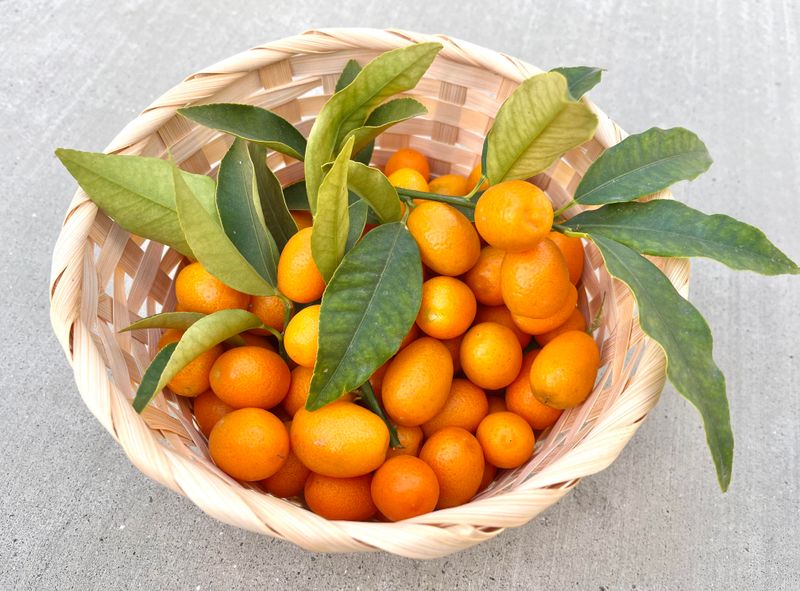
Nothing beats eating one straight off the tree. Roll the fruit gently between your fingers first to release the oils in the peel, then pop the whole thing in your mouth.
The sweet rind and tart center mix into a bright, zingy bite. Spit out the seeds or chew around them.
Picking a few at a time keeps the harvest going for weeks. Use small clippers or snip with a little stem, which helps the fruit keep longer.
Fresh kumquats last about two weeks in the refrigerator. Store them in a bag or covered container so they stay plump.
Kitchen ideas are endless. Try marmalade, candied kumquats, chutney, or thin slices tossed into salads and roasted chicken.
They also make cheerful gifts. A small basket of homegrown kumquats in January surprises friends who think citrus only grows in Florida.
My best advice for next steps is simple. Choose a grafted, cold-hardy variety, plant it in your sunniest sheltered spot in spring, and protect it during its first few winters.
Do that, and you will likely be sharing golden fruit while everyone else waits for spring.