Georgia Homeowners Should Recognize This Sign Of Armadillo Activity Before Blaming Moles
Fresh holes scattered through your lawn can quickly make you suspect moles. Before deciding what caused the damage, take a closer look at those marks.
Armadillos can leave behind clues that look different once you know what matters. Georgia homeowners may spot their feeding activity where insects are easy to reach.
That distinction matters because guessing wrong can send you toward the wrong solution. Your lawn may be showing evidence that deserves a different response.
Pay attention to the shape and placement of disturbed soil before making assumptions. Small details can reveal more than the damage itself seems to show.
Once you recognize the key clue, identifying the visitor becomes much easier.
Before blaming moles for another torn patch, learn what armadillo activity looks like and why recognizing it can save unnecessary lawn work.
1. Armadillos Leave Shallow Cone-Shaped Holes
Scattered cone-shaped holes across your lawn are one of the clearest signs of armadillo activity. Unlike other animals, armadillos use their snouts to root around and dig in a very specific way.
Each hole is usually about 3 to 5 inches wide and only a few inches deep.
Moles rarely leave open holes like this. Their activity tends to push soil upward rather than scoop it out.
Armadillo holes look almost like someone pressed a small bowl into the ground and removed a chunk of dirt.
You might find these holes scattered randomly across your yard with no pattern. Armadillos move around while foraging, so the holes often appear in clusters or spread across a wide area.
Checking the shape is your fastest clue.
Soft, loose soil makes digging easier for them, so areas that were recently watered or rained on tend to attract more digging. If your yard shows multiple small cone-shaped pits with no raised ridges nearby, armadillo activity is likely the cause.
Moles simply do not leave that type of hole behind.
2. Moles Usually Leave Raised Tunnels Instead
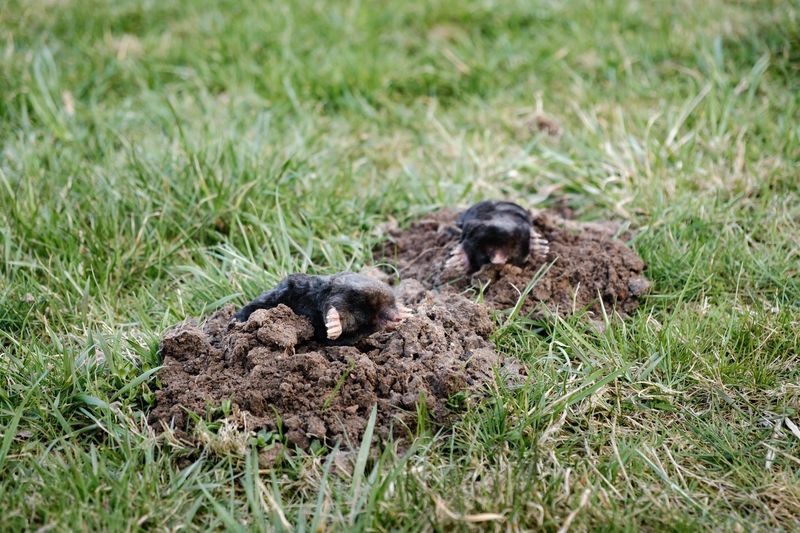
Raised ridges snaking across your grass are a classic sign of mole activity. Moles tunnel just below the surface, pushing soil upward as they move.
That creates those distinctive raised lines you can sometimes feel when walking across your lawn.
Armadillos do not tunnel the same way. They dig downward to grab insects rather than pushing horizontally through soil.
So if your yard shows surface ridges and no open holes, moles are more likely involved.
Mole tunnels can feel spongy underfoot because the soil beneath has been loosened. Pressing down on the ridge often reveals a hollow space just below the surface.
Armadillo damage, by contrast, leaves open pits that do not feel hollow around them.
Both animals can cause real damage to a lawn, but the type of damage looks completely different. Moles tend to concentrate their tunnels in areas with dense earthworm populations.
Armadillos focus on soil insects like grubs and beetles, which pulls them toward different spots.
Knowing which signs belong to which animal helps you respond correctly. Treating for moles when armadillos are the actual problem will not solve anything.
Your Georgia Garden Changes Every Week. Your Plan Should Too.
Gardening in Georgia changes quickly throughout the season. Every Friday you’ll receive a simple weekly plan showing exactly what to plant, prune, fertilize, harvest, and protect so you never miss the right timing.
Look for raised tunnels to confirm mole activity before taking any action.
3. Several Small Pits Can Appear Overnight
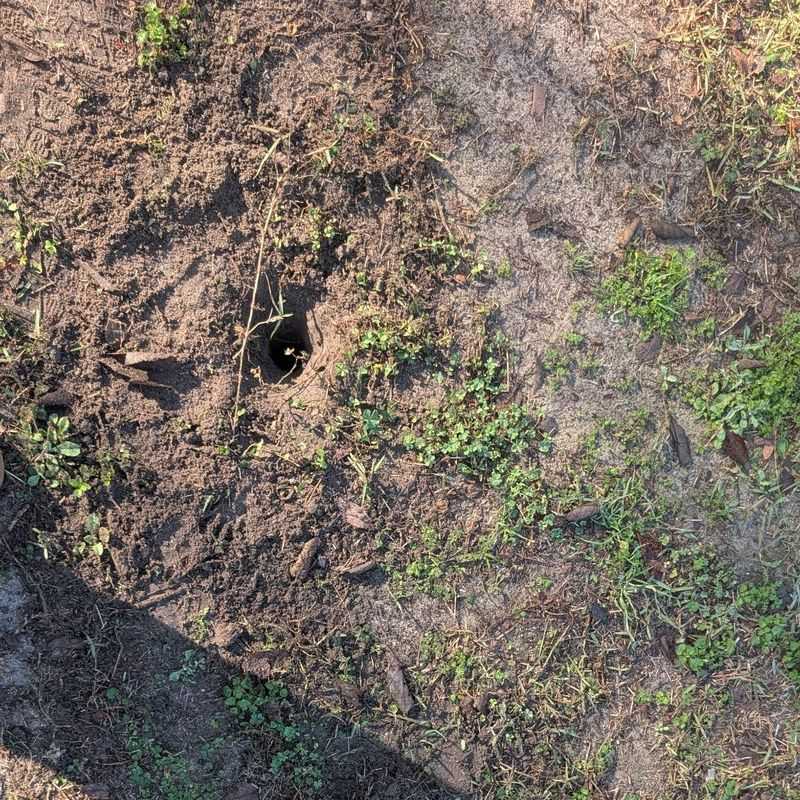
Going to bed with a clean yard and waking up to a field of small holes is a jarring experience. Armadillos are mostly active at night, which is why the damage often appears suddenly without any daytime warning.
You rarely see them in action.
A single armadillo can create dozens of small pits in just one night. They move steadily across a yard while sniffing out insects just below the soil surface.
Once they find a productive spot, they keep digging in that general area.
Fresh holes will have loose, recently disturbed soil around the edges. The dirt often looks darker and slightly moist compared to the surrounding lawn.
That freshness is a strong indicator that the digging happened within the last several hours.
Moles also work at night, but their damage shows up as ridges rather than pits. Seeing a collection of open holes in the morning strongly points toward armadillo foraging rather than mole tunneling.
Checking your yard in the early morning gives you the best view of fresh damage. Dew on the grass makes recently disturbed soil even easier to spot.
If the holes are new and cone-shaped, armadillos were likely active in your yard that night.
4. Moist Soil Is A Common Place For Digging
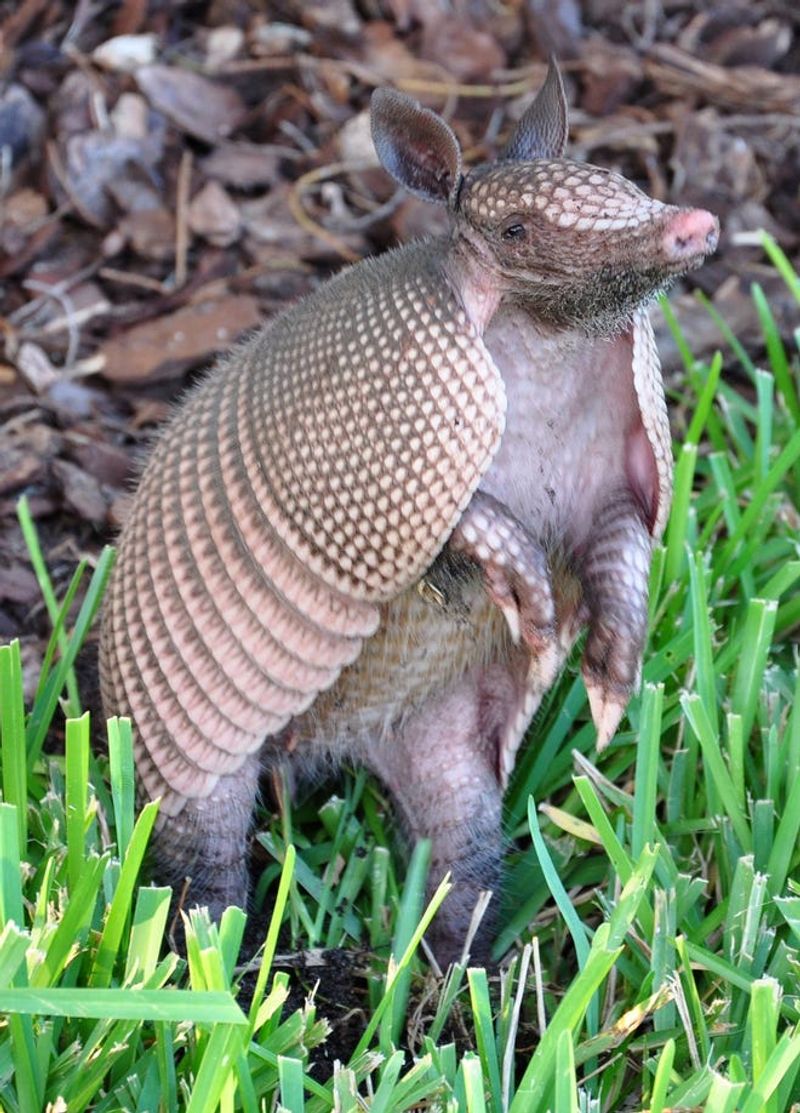
Wet soil is practically an invitation for armadillos. After rain or irrigation, the ground softens and insects move closer to the surface.
Armadillos can sense that and zero in on those spots quickly.
Yards with irrigation systems or poor drainage tend to attract more armadillo visits. The consistently moist soil makes digging easier and keeps insects active near the top layer.
Dry, compacted soil is much harder for them to work through.
Flower beds and garden borders near sprinkler heads are especially vulnerable. Water pooling near foundations or low-lying areas of the yard also draws them in.
If you notice damage near areas that stay consistently wet, moisture is likely a key factor.
Reducing overwatering can sometimes make your yard less attractive to foraging armadillos. Letting soil dry out slightly between watering cycles may lower insect activity near the surface.
That removes part of what draws armadillos to a specific spot.
Moles also prefer moist soil since earthworms tend to gather there. But moles leave tunnels, while armadillos leave pits.
Checking the soil moisture levels in damaged areas can help confirm which animal is more likely responsible for what you are seeing in your yard.
5. They Dig While Searching For Soil Insects
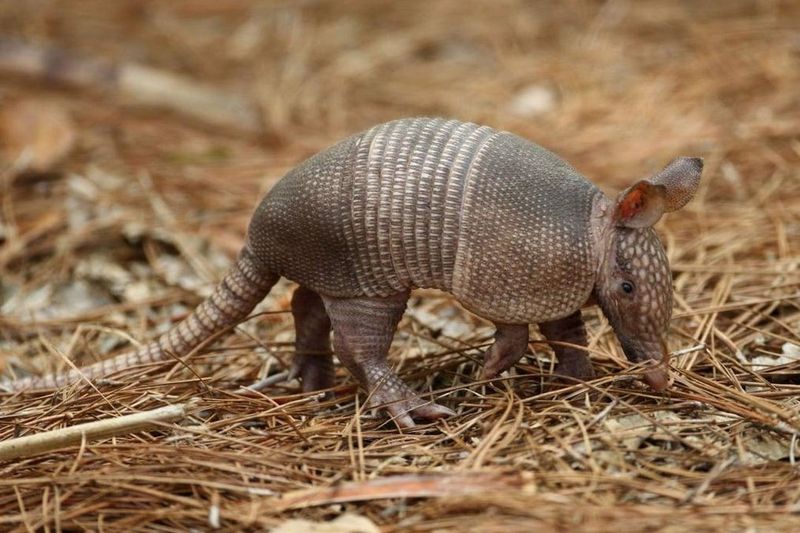
Armadillos are not digging just to cause trouble. Every hole they make is part of an active search for food.
Grubs, beetles, ants, and other soil insects are what pull them into your yard night after night.
Their sense of smell is surprisingly strong. Armadillos can detect insects several inches below the soil surface before they start digging.
That is why their holes tend to appear in areas with high insect activity rather than random spots.
Grub populations peak during warmer months, which is also when armadillo activity tends to increase. Lawns with heavy grub infestations can attract repeated visits from foraging armadillos.
Treating for grubs may reduce some of the appeal your yard holds for them.
Moles also eat soil insects, particularly earthworms, but their feeding strategy is different. Moles tunnel through soil to intercept prey as it moves.
Armadillos dig straight down to grab insects sitting in one spot.
Understanding why armadillos dig helps you think about solutions more clearly. Reducing the insect population in your soil is one practical approach.
Pest control professionals can assess grub levels and suggest appropriate treatments. Addressing the food source is often more effective than focusing only on the armadillo itself.
6. Flower Beds May Show Similar Damage
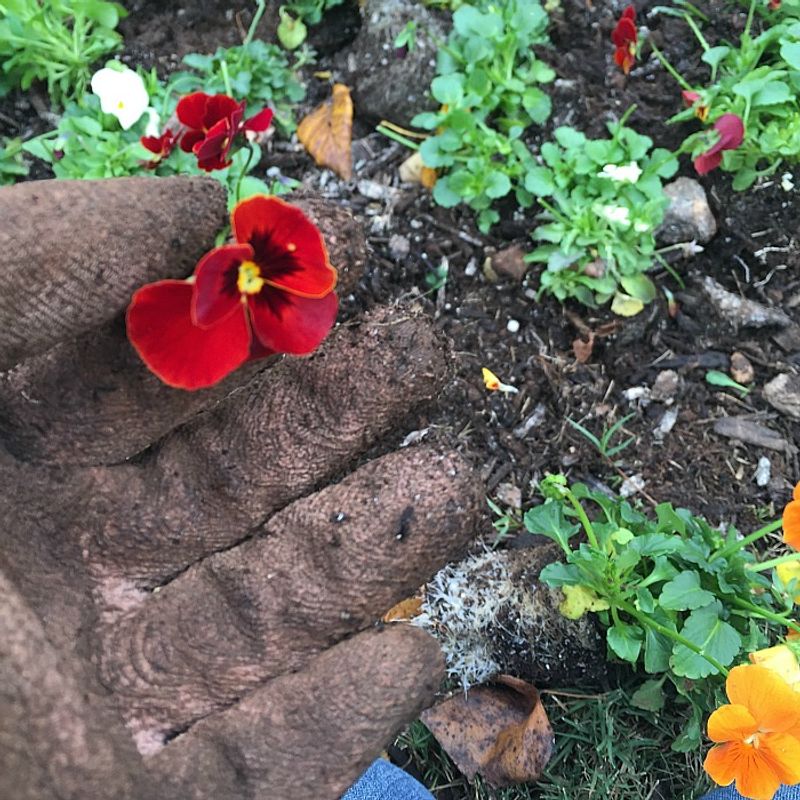
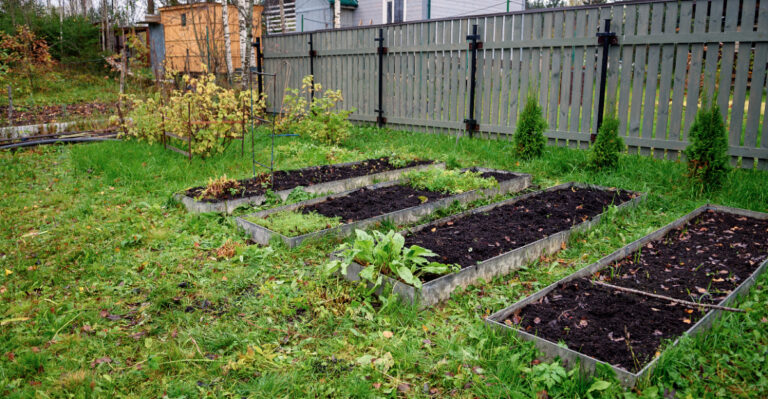
Flower beds are a frequent target for armadillos, and the damage there can look especially messy. Loose mulch and soft garden soil make digging easy.
Plants can get uprooted even when they are not the actual target.
Armadillos do not eat plants intentionally. Roots and flowers just get in the way when they are after insects below the surface.
A bed that looked fine in the evening can look completely torn up by morning.
Moles can also disturb flower beds, but again, their damage shows as raised soil or tunneling rather than open pits. Seeing scattered holes with displaced mulch points more toward armadillo activity.
Both types of damage are worth addressing quickly before more plants get affected.
Placing physical barriers like hardware cloth just below the soil surface can help protect specific garden beds. Some homeowners in Georgia have found that edging with buried mesh discourages armadillos from digging in those areas.
Results can vary depending on how determined the animal is and how rich the insect population is beneath.
Keeping mulch layers thinner may also reduce the appeal of flower beds. Thick mulch retains moisture and creates ideal hiding spots for insects.
Less moisture and fewer insects makes a flower bed less worth visiting for a foraging armadillo.
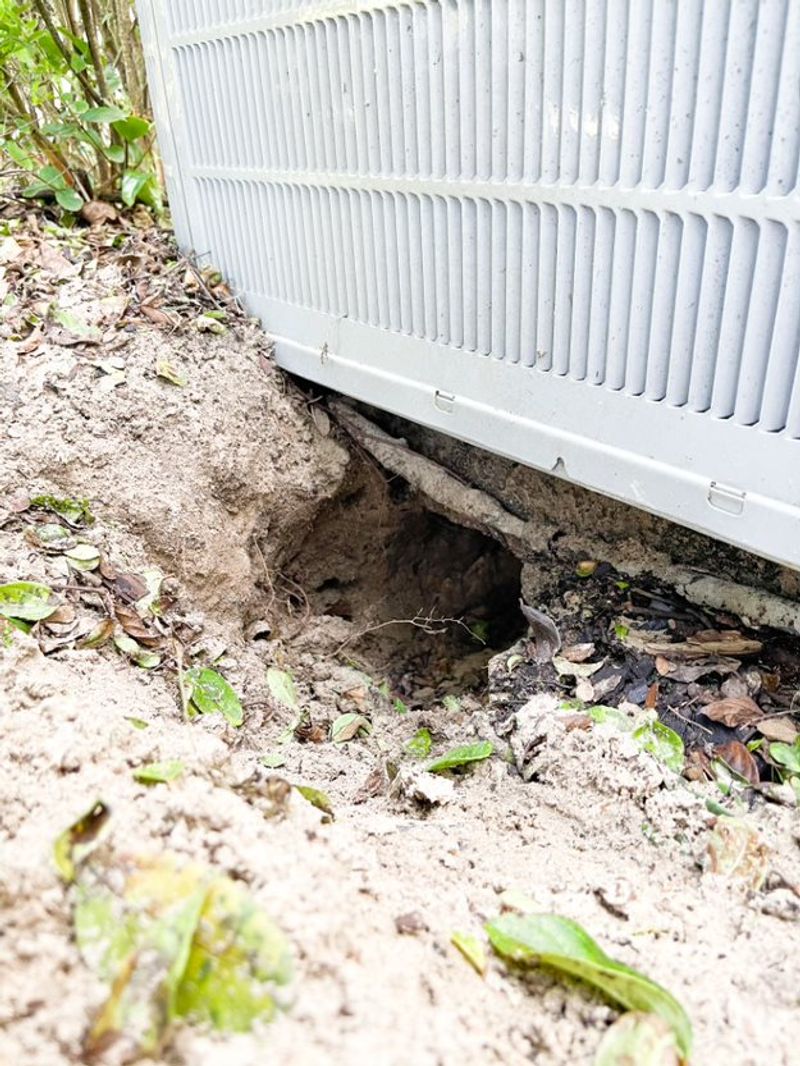
7. Burrow Entrances Are Much Larger Than Feeding Holes
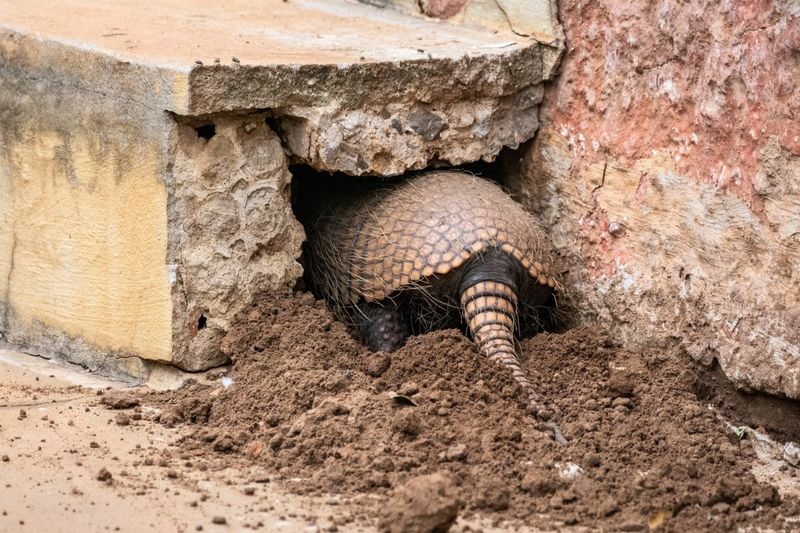
Not every hole an armadillo makes is a feeding hole. Armadillos also dig burrows for shelter, and those are a completely different size.
Burrow entrances can measure anywhere from 7 to 10 inches wide, much larger than the small feeding pits scattered across a lawn.
Burrows are usually found near the base of a structure. Fences, sheds, brush piles, and dense shrubs are common locations.
The entrance tends to be oval-shaped and slopes downward into the ground.
Seeing a large hole near the edge of your yard or under a structure is a strong signal that an armadillo may be living on your property rather than just passing through.
Residents across Georgia have reported finding these burrows tucked under decks and along fence lines.
Moles do not create burrow entrances like this. Their tunnels stay near the surface and rarely produce large open holes.
A wide, sloped entrance near a structure is almost exclusively an armadillo sign.
Burrows can also attract other wildlife over time if left open. Snakes and other small animals sometimes move into abandoned armadillo burrows.
Addressing the burrow sooner rather than later is generally a good idea.
Contacting a local wildlife removal professional is a practical option if you find an active burrow on your property.