8 Pennsylvania Trees You May Not Be Allowed To Cut Without Permission
Some Pennsylvania towns require paperwork before you snip a backyard tree trunk barely wider than a coffee can. I nearly dropped my pruning saw when I learned that rule applies on private land in certain boroughs.
Philadelphia even keeps special protections for big old trees growing inside certain zoning areas across the city.
Pittsburgh and Allentown, meanwhile, ask residents to get permits before cutting branches on trees growing in the public right-of-way along streets.
No single statewide law covers backyard pruning, so the rules change from one town line to the next. You could follow every step correctly in one township and still earn a fine just a few miles away.
I learned to call the borough office before sharpening my loppers, and that habit has saved me headaches. Which trees around your Pennsylvania home might quietly carry a permit tag you have not noticed yet?
1. Street Trees Along The Curb
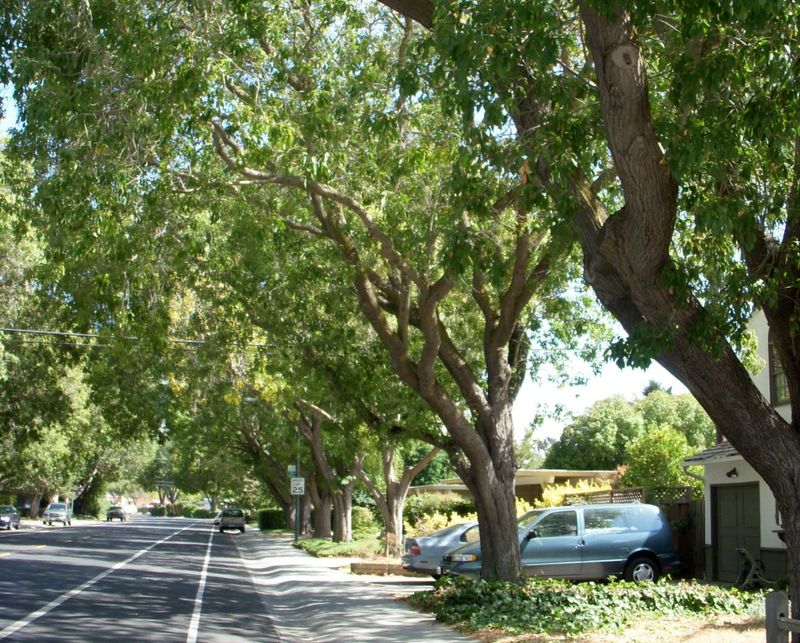
That shady maple between your sidewalk and the street may feel like yours, but cities often see it differently. Many Pennsylvania towns treat curbside trees as public property, even when you rake their leaves every single autumn.
Pittsburgh requires a permit for pruning, planting, or removing trees in the public right-of-way along streets. Philadelphia asks homeowners to get approval through its Parks and Recreation department before cutting street tree branches.
Allentown, Pennsylvania, follows a similar path, so a permit comes first for pruning trees growing along public streets. I find it reassuring, because one bad pruning cut can weaken a shared tree for many years.
Those trees shade busy sidewalks and soak up stormwater, so cities want trained hands handling the work. A permit also lets city foresters check for hidden problems like weak branch unions or decay inside the trunk.
Start by calling your local Pennsylvania municipal office and asking exactly who manages trees growing in the right-of-way. Some towns handle the pruning themselves, while others approve a licensed contractor that you hire and pay.
Snap a few photos of the branches you want removed before you call, since that speeds conversations. Clear pictures help the staff understand whether you need light clearance pruning or something much more serious.
Low limbs over the sidewalk are a common request, and many cities happily approve reasonable clearance work. Patience here keeps your wallet safe and keeps that friendly curbside maple standing tall for decades.
2. Large Shade Trees Over The Size Limit
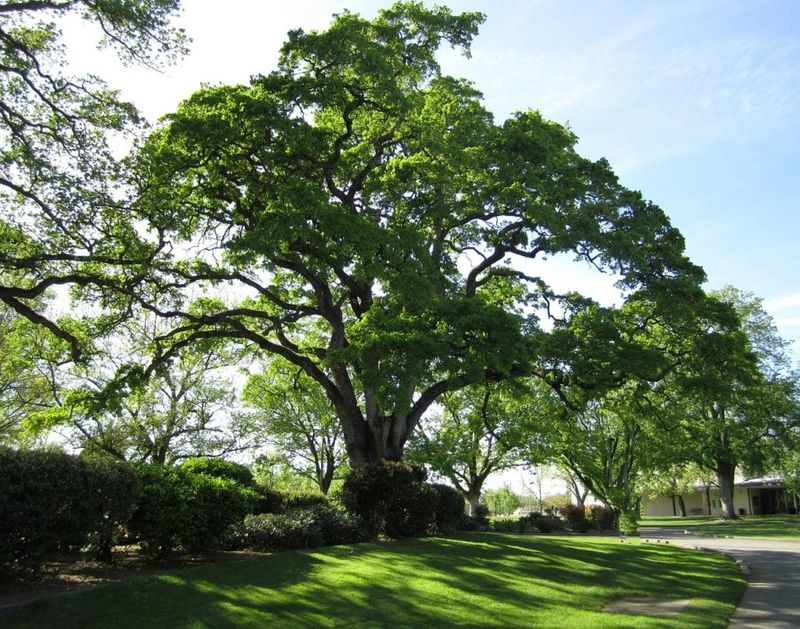
Grab a tape measure and wrap it around your favorite backyard oak about four and a half feet up. Foresters call that spot diameter at breast height, and some towns use it to decide when permits apply.
Doylestown Borough requires a permit to remove protected trees measuring six inches or more at breast height, though it does not require one for ordinary pruning. That size describes a fairly young tree, so plenty of ordinary backyard shade trees easily qualify there.
Lancaster City sets its own thresholds for trees growing on private lots within its city limits. Trees twelve inches across within twenty feet of a public right-of-way need a permit before removal or root pruning.
Elsewhere on a Lancaster lot, trees reaching twenty-four inches in diameter fall under the same permit rules. I like that these limits target big, established trees that took decades to reach their impressive size.
To convert your tape reading, divide the trunk circumference by about three point one four for diameter. A trunk measuring nineteen inches around works out to roughly six inches across, which surprised me.
Check your local ordinance carefully, because definitions of trimming and removal vary from place to place. Some rules cover only major limb removal, while others include almost any cut on a protected trunk.
Write down your measurements and keep them with your house records for quick reference later on. That small habit makes permit conversations faster and helps you plan pruning before late winter dormancy.
3. Heritage Oaks And Maples
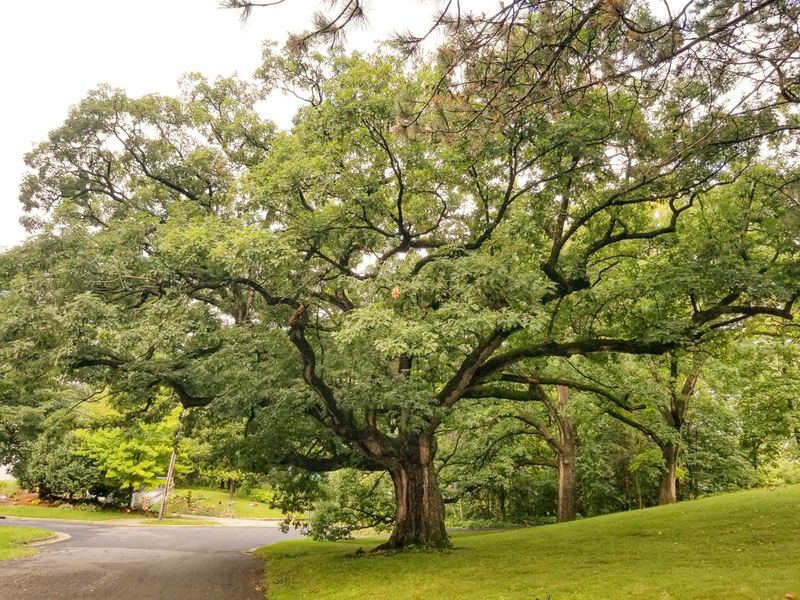
Some old trees earn a title, almost like a knighthood, and Philadelphia calls its honored giants heritage trees. Native oaks and maples top that list, and they carry extra protection once their trunks grow large enough.
Philadelphia’s zoning code identifies certain species as heritage trees when they reach twenty-four inches in diameter. Sugar maple and native oaks such as white oak appear among the species that city planners want preserved.
Removing a heritage tree during development often requires special approval or replacement plantings set by the city. Rules can be detailed, so I suggest reading the current code or calling the planning office directly.
Doylestown Borough also protects certain ornamental species, including flowering dogwood and cherry, from removal at a slightly smaller five-inch trunk size. That detail caught my attention, since dogwoods rarely grow huge yet still receive careful local protection.
Big native oaks support hundreds of caterpillar species, which in turn feed many songbirds raising hungry chicks. Losing one mature oak means losing a busy food web that took generations to build around it.
If you own a giant oak or maple, hire an ISA certified arborist before planning any heavy pruning. Oaks are best pruned in winter dormancy, since warm-season wounds can attract beetles that spread oak wilt.
An arborist can also help with paperwork and explain whether your tree carries any special local status. Honestly, a little extra care feels fair for a tree that has shaded your street for a century.
4. Mature Trees In Historic Districts
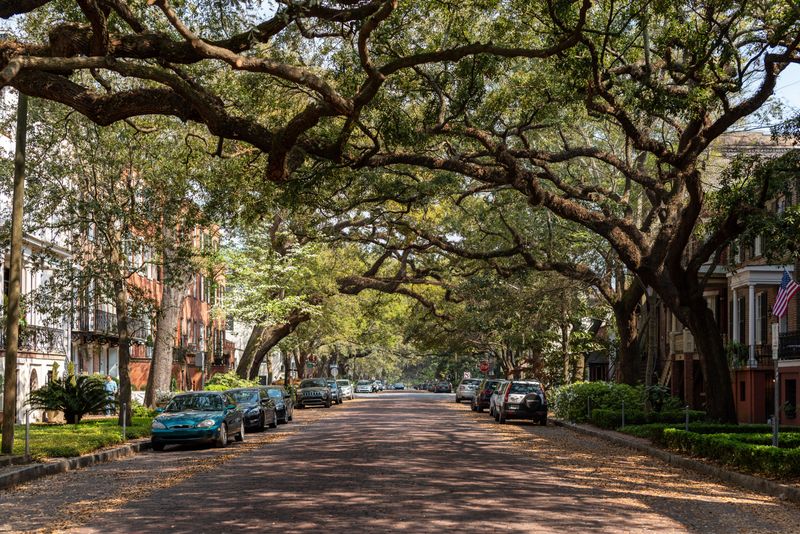
Cobblestone streets and brick row houses get plenty of attention, but the old trees matter in historic neighborhoods too. In some districts, a tree’s location gives it protection, regardless of what species it happens to be.
Lancaster City’s tree ordinance covers street trees and protected trees citywide, including those within its Historic District. That means work on a stately sycamore near a historic home may require a city tree permit first.
Historic commissions care about the whole streetscape, including how mature canopies frame old facades and porches. A heavily topped tree can change a block’s character for years, so reviewers look closely at proposals.
I find this charming, honestly, because those leafy tunnels are often what draws visitors to older towns. Big shade trees soften brick and stone in ways that newer neighborhoods take decades to match.
Before scheduling any work, contact your historic commission or planning department and ask about required documents. Some offices want photos and a short letter from your arborist describing the planned cuts and reasons.
Meetings may happen only once a month, so plan ahead rather than waiting until branches threaten your roof. Early contact also gives you time to compare arborist quotes without feeling rushed by a looming cutoff.
Proper thinning cuts usually satisfy reviewers more easily than heavy topping, which harms tree health over time. Treat the process like a conversation with neighbors who love that old canopy as much as you do.
5. Hillside Trees On Steep Slopes

Roots on a steep hillside work like hidden netting, gripping soil that would otherwise slide downhill after storms. Some cities guard those slope trees closely, and Philadelphia offers one of the clearest examples around.
Philadelphia’s zoning code includes a Steep Slope Protection area along with a special Wissahickon Watershed overlay district. Tree work inside these zones may face extra review, since disturbing slopes can increase erosion and runoff.
Other townships across the state protect floodplains and wooded hillsides through their own zoning and stormwater rules. Streamside trees shade the water, which helps keep it cool for fish and aquatic insects living below.
Ask your municipality whether any part of your lot sits within a floodplain or steep slope overlay. Many counties also offer online parcel maps that show these zones with just a few quick clicks.
Light pruning of small broken limbs may be allowed, but heavy clearing usually triggers a closer look. Rules differ widely, so confirm the details in writing before any saw touches a hillside trunk near you.
Native choices like river birch and sycamore make wonderful replacements if you ever need new plantings there. Their thirsty roots hold soil well and handle wet feet better than many common landscape trees.
I love how these rules quietly protect the creeks we enjoy on weekend hikes and summer walks. A tree on your slope does real work for everyone downstream, even when nobody notices it.
6. Boundary Trees Shared With Neighbors
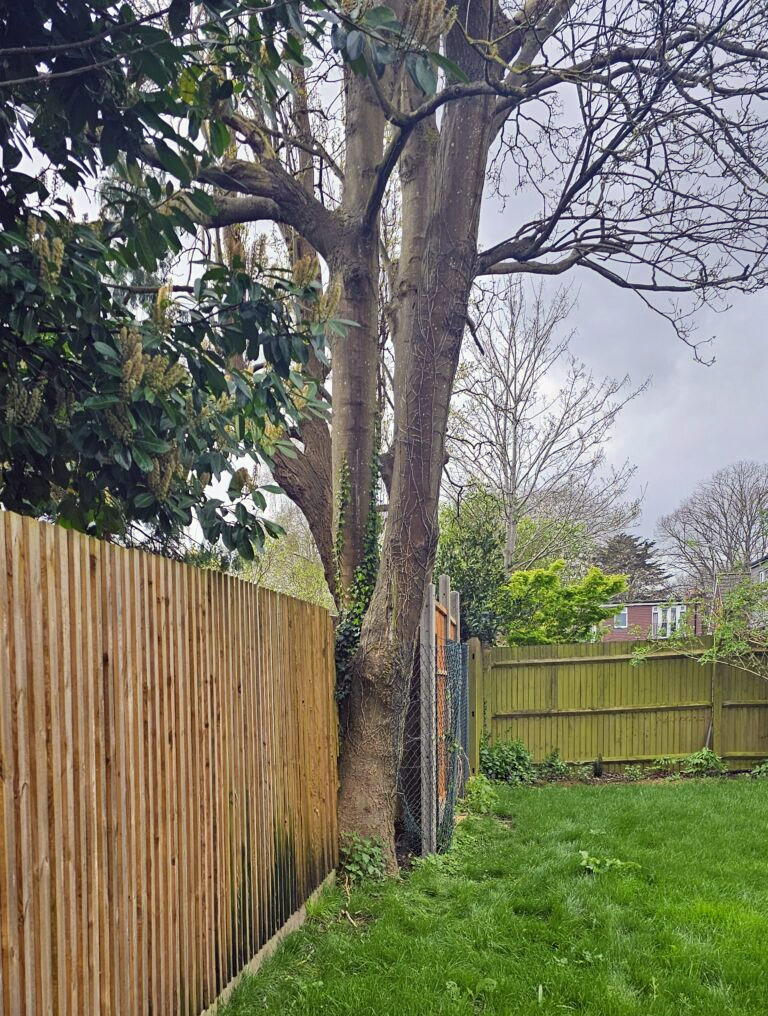
Nothing tests a friendship quite like a big silver maple growing right on the line between two yards. This one involves neighbors rather than permits, yet the legal stakes can feel just as serious.
Under Pennsylvania law, you may generally trim branches and roots crossing onto your side of the property line. That self-help right usually requires no permission, as long as your cuts do not seriously harm the tree.
Things change when the trunk itself straddles the boundary, because courts often treat that tree as jointly owned. Neither owner should remove or heavily cut a shared trunk without the other neighbor agreeing first.
Removing a jointly owned tree alone can lead to lawsuits, and damages for trees can surprise people. Some cases involve claims based on replacement value, which adds up quickly for large mature trees.
I recommend walking the line with your neighbor and chatting before any arborist arrives with a bucket truck. A friendly conversation over the fence solves most problems faster than any letter from a lawyer.
If the exact boundary is unclear, a licensed surveyor can mark it before anyone starts cutting. Put your agreement in writing, even a simple signed note, so everyone remembers what was decided later.
Local permit rules may still apply on top of neighbor consent, especially for large or protected trees. Shared shade stays happiest when both households treat the tree like a joint project worth protecting.
7. Trees On Construction Sites
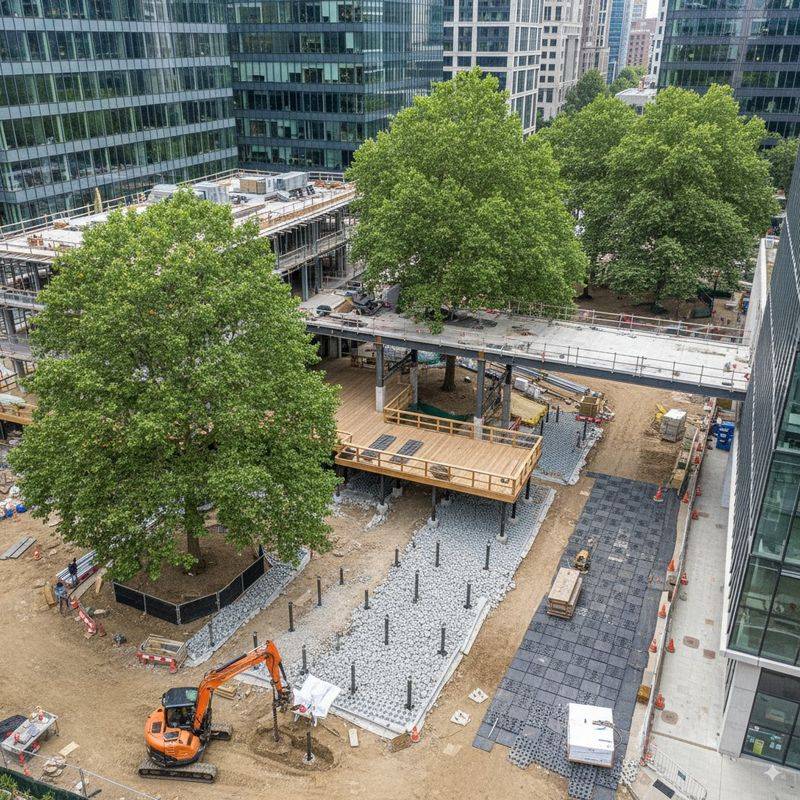
Building a new garage or addition feels exciting until someone mentions the old trees standing in the way. Many municipalities treat development as a moment to review tree work, even on fully private land.
Philadelphia regulates private trees on certain parcels undergoing development, with added rules for lots over five thousand square feet. Plans often must show existing trees and explain which ones will stay and which require replacement plantings.
Across many suburban townships, subdivision and land development ordinances include similar tree protection or replacement requirements too. These rules aim to slow canopy loss as fields and woodlots become new homes and driveways.
Construction damage often hurts trees more than pruning, since heavy machinery compacts soil over sensitive roots. Most feeder roots live in the top foot of soil, spreading well beyond the branch tips.
Ask your arborist to set up protective fencing around the root zone before any equipment arrives on site. Keeping trucks and stacked materials off that zone gives your tree a much better chance of thriving afterward.
Talk with your zoning officer early, ideally while drawings are still rough sketches on your kitchen table. Early planning saves money and spares you from redesigning a project after permit reviewers raise concerns.
I think of a mature tree as a free design feature that no contractor can install overnight. Working around it often adds more charm and value than any fancy patio or brand new deck.
8. Trees Growing Near Power Lines
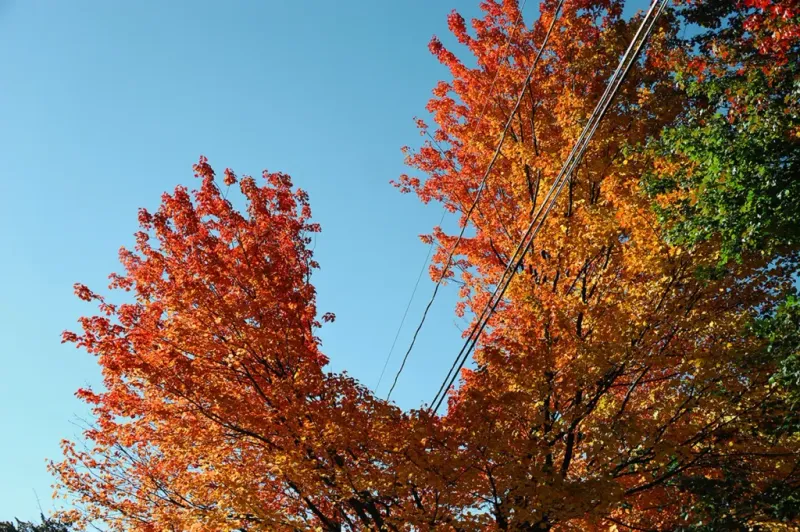
A tall pine brushing against power lines might look like an easy weekend job, but it truly is not. Electricity can jump from wires to branches, and homeowners get hurt every year attempting this kind of work.
Federal safety rules require workers to stay at least ten feet from many energized lines unless properly qualified. Only trained line clearance professionals should cut branches near those wires, regardless of who owns the tree.
In this case, permission usually comes from your electric utility rather than a borough permit office. Utilities like PPL and PECO maintain clearance programs and trim trees near their distribution lines on schedules.
Call your utility first if branches touch or hang close to the service line feeding your house. They may trim the tree themselves or temporarily disconnect service so your contractor can work safely.
Some towns also require permits when the tree sits in the street right-of-way beneath utility wires. Checking both offices covers your bases and keeps surprise fines away from your mailbox later this year.
When planting near lines, choose small native trees like serviceberry or redbud that stay below wire height. Penn State Extension and many utilities recommend keeping tall species well away from overhead lines near homes.
I sleep better knowing my own redbud will top out politely under the wires each spring. A smart planting choice today spares you from awkward pruning calls and lopsided trees down the road.