How to Create a “Jungalow” Indoor Jungle in a Small New York Apartment
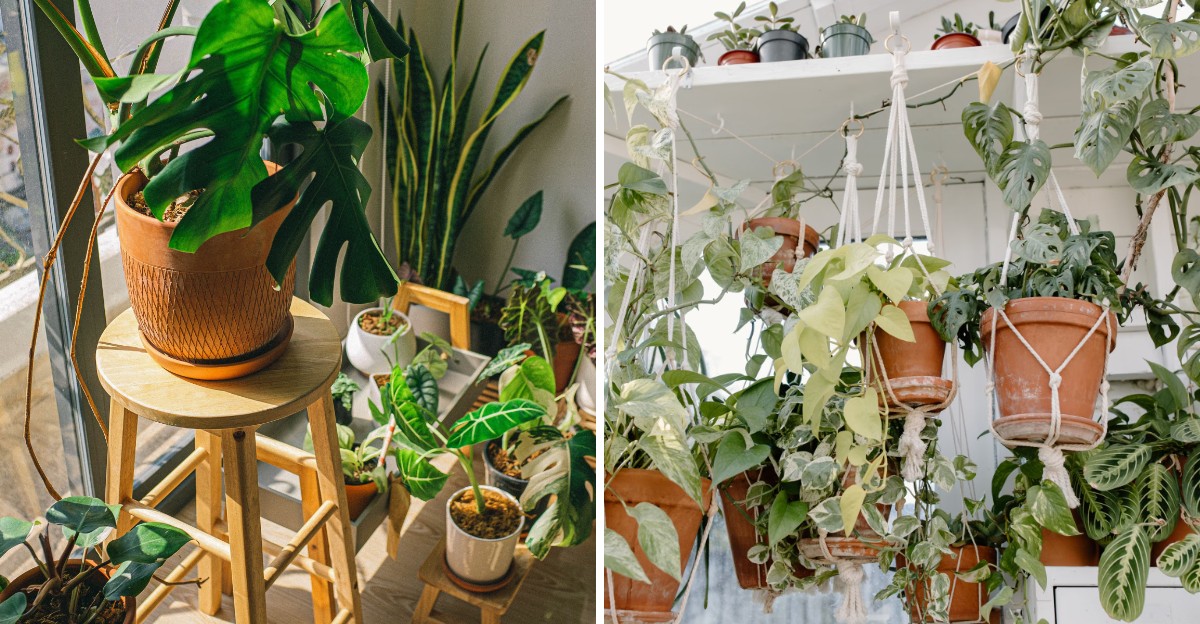
A snake plant can survive weeks of neglect in a dim hallway and still push out new leaves. Funny thing is, that tough little survivor is often the first step toward something much wilder.
In my own cramped apartment, I learned that a north window and a hissing radiator are not deal breakers. They just change the rules. Heated winter air indoors can drop to around 30 percent humidity, which feels closer to a desert than a rainforest.
Truth be told, I once thought lush indoor greenery belonged to people with sunrooms. Then I started stacking shelves, hanging pots, and grouping leaves together. My tiny New York rental slowly began to smell like damp soil and fresh growth.
You need patience, a few smart choices, and maybe one good lamp. So how lush can a shoebox apartment really get?
A Monstera Corner Can Turn Your Studio Into a Jungalow Overnight
Designer Justina Blakeney coined the word Jungalow by blending jungle and bungalow. Her style mixes lots of plants with rattan, wood, woven textures, and bold patterns.
The result feels relaxed, colorful, and alive.
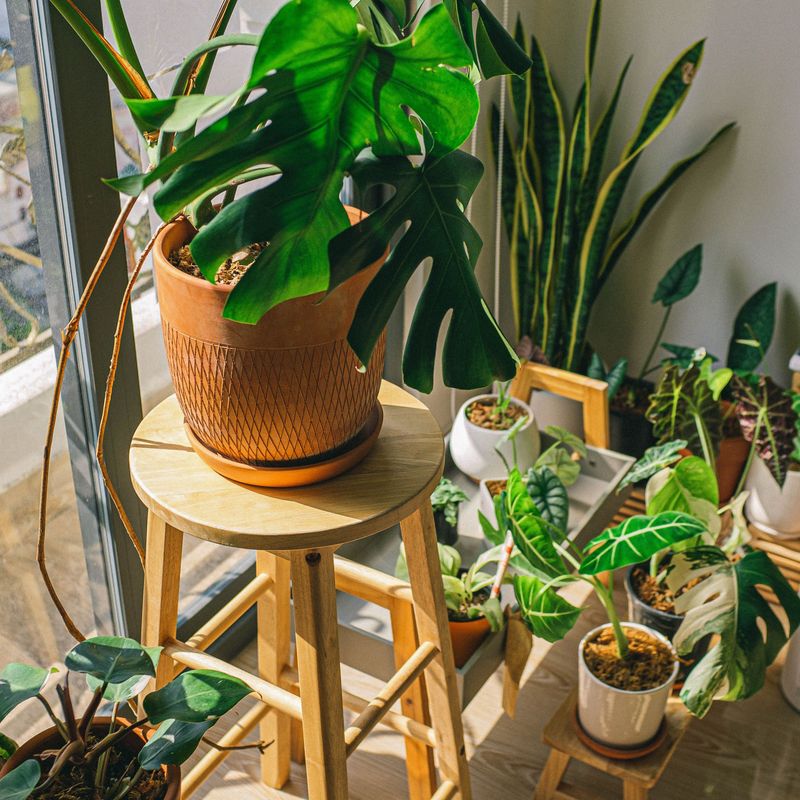
In a small apartment, I like to start with one anchor plant. A Monstera deliciosa with its split leaves grabs attention fast and makes a corner feel tropical.
Set it in the brightest spot you have, often near an east or west window, and let it become the star.
From there, the jungle grows around that anchor in layers. Tall plants sit on the floor, medium plants rest on tables, and trailing vines spill from shelves.
That layering tricks the eye into seeing depth, even in a 400 square foot studio.
You do not need dozens of plants on day one. Five or six well-placed ones can shift the whole mood of a room.
Add more slowly, once you see which spots keep plants happy.
My advice is to sketch your room on paper first. Mark windows, radiators, and doors, since drafts and heat matter a lot.
That quick map saves money and keeps you from buying a gorgeous plant with nowhere good to live.
Start small, watch closely, and let the green spread at its own pace. A real jungle grows over time, and yours can too.
Snake Plants, Pothos, and ZZ Plants Shrug Off Dim City Windows
Plenty of New York windows stare straight at another building. That shadowy view rules out sun lovers, but it opens the door to some seriously tough plants.
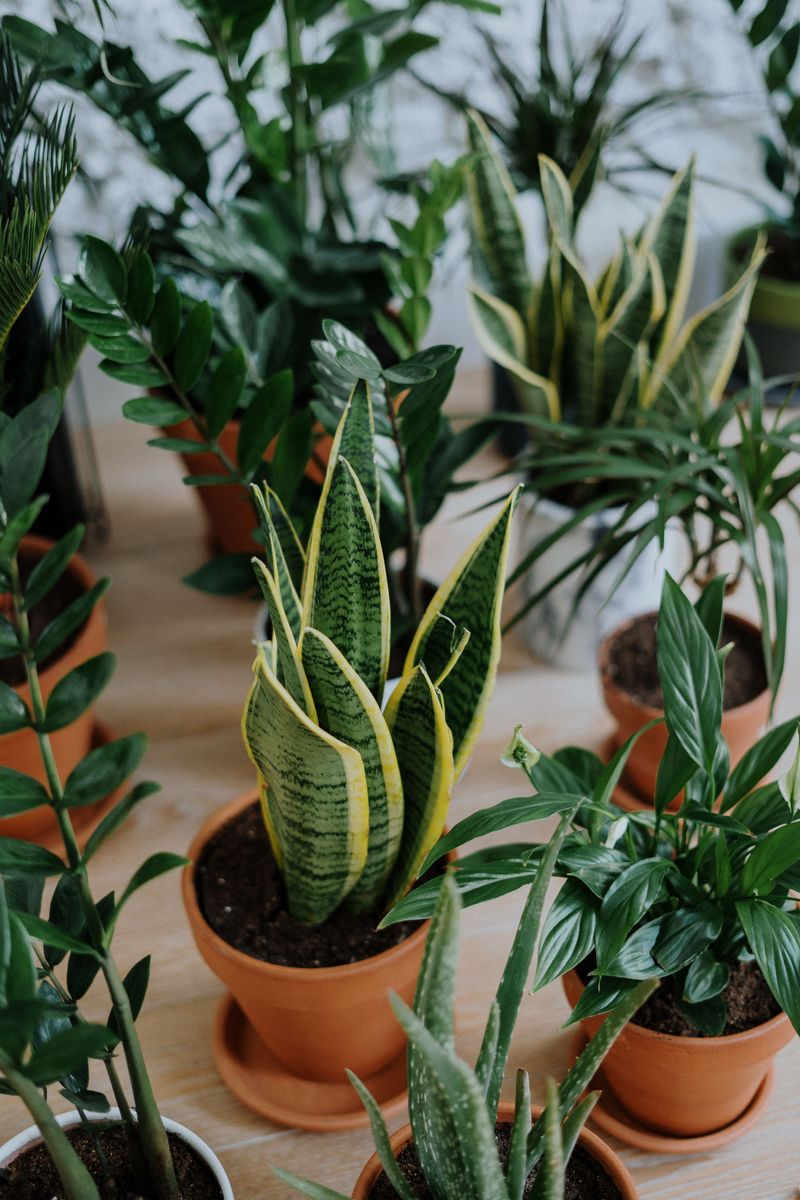
Snake plants handle low light and dry air with very little fuss. ZZ plants store water in thick underground rhizomes, so missing a watering rarely bothers them.
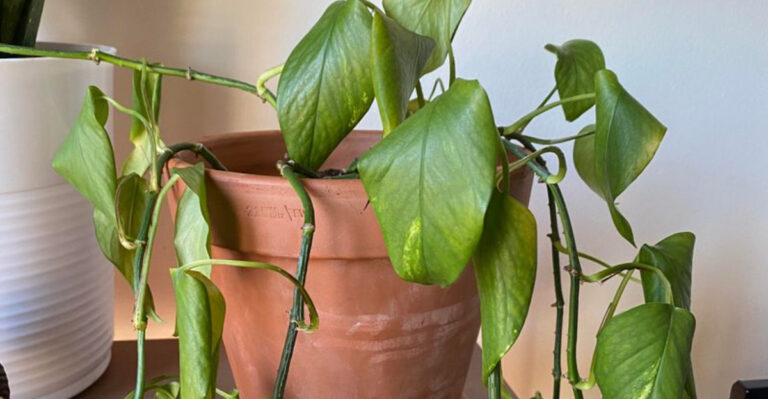
Pothos trails beautifully and tells you when it is thirsty by drooping a bit.
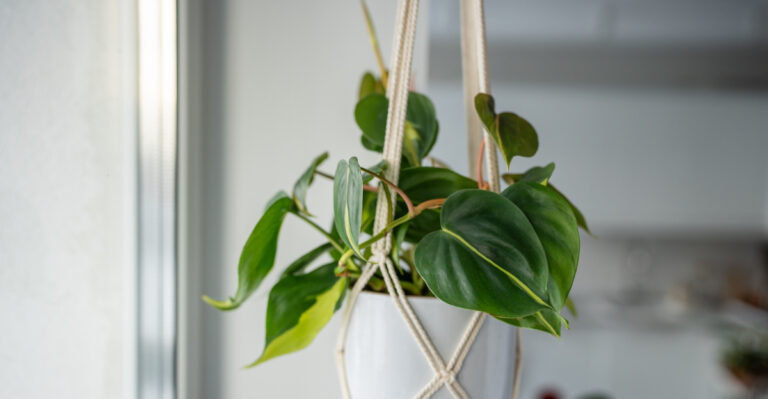
Heartleaf philodendron is another easygoing choice for dim rooms. Its soft, heart-shaped leaves look great spilling from a high shelf.
Cast iron plant earns its name, too, putting up with shade that most greenery would reject.
If you do have a bright spot, the options open up. A bird of paradise or a fiddle leaf fig can add drama, though both want several hours of strong light.
Be honest about your windows before you fall for a plant at the shop.
Air plants are fun extras, since they need no soil at all. They do still want bright, indirect light and a regular soak, so they are not quite care-free.
One small warning for pet owners matters here. Pothos, philodendron, snake plant, and ZZ plant can irritate cats and dogs if chewed.
The ASPCA keeps a helpful list of safe plants, like parlor palms and Boston ferns, if your pets love to nibble.
Wall Shelves and Macrame Hangers Lift Your Plants Off the Floor
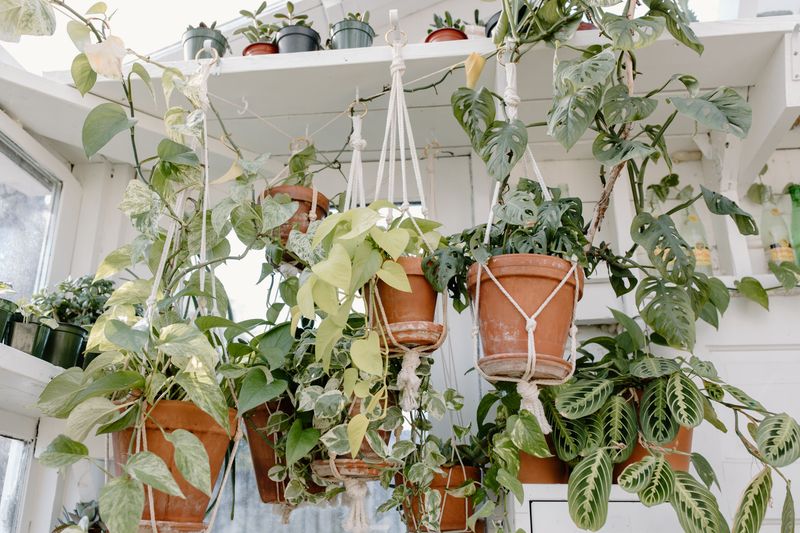
Floor space in a city apartment disappears fast. Walls and ceilings, though, usually sit empty and waiting.
That unused space is where a small jungle really takes off.
Floating shelves are my favorite trick. Line them with trailing plants like pothos, hoya, or string of hearts, and the vines will soon drape down like green curtains.
Keep heavier pots on lower shelves so nothing feels wobbly.
Macrame hangers bring instant boho charm. Hang them near a window so the plants catch light from above the furniture line.
Use a sturdy ceiling hook rated for the weight, because a wet pot gets heavier than you expect.
Renters, check your lease before drilling. Tension rods, over-the-door racks, and freestanding ladder shelves offer plenty of height without holes.
A leaning ladder can turn a skinny corner into a tower of leaves.
Bookshelves count, too. Tuck small pots between books, or raise some plants on stands so the heights stay varied.
That staggered look feels more natural than a neat row.
Watering hanging plants can be tricky. I keep a small watering can with a long spout and take pots to the sink once in a while for a full drink.
A saucer or liner inside each hanger protects your floors from surprise drips.
Radiator Heat Turns Tropical Leaves Crispy Without a Humidity Boost
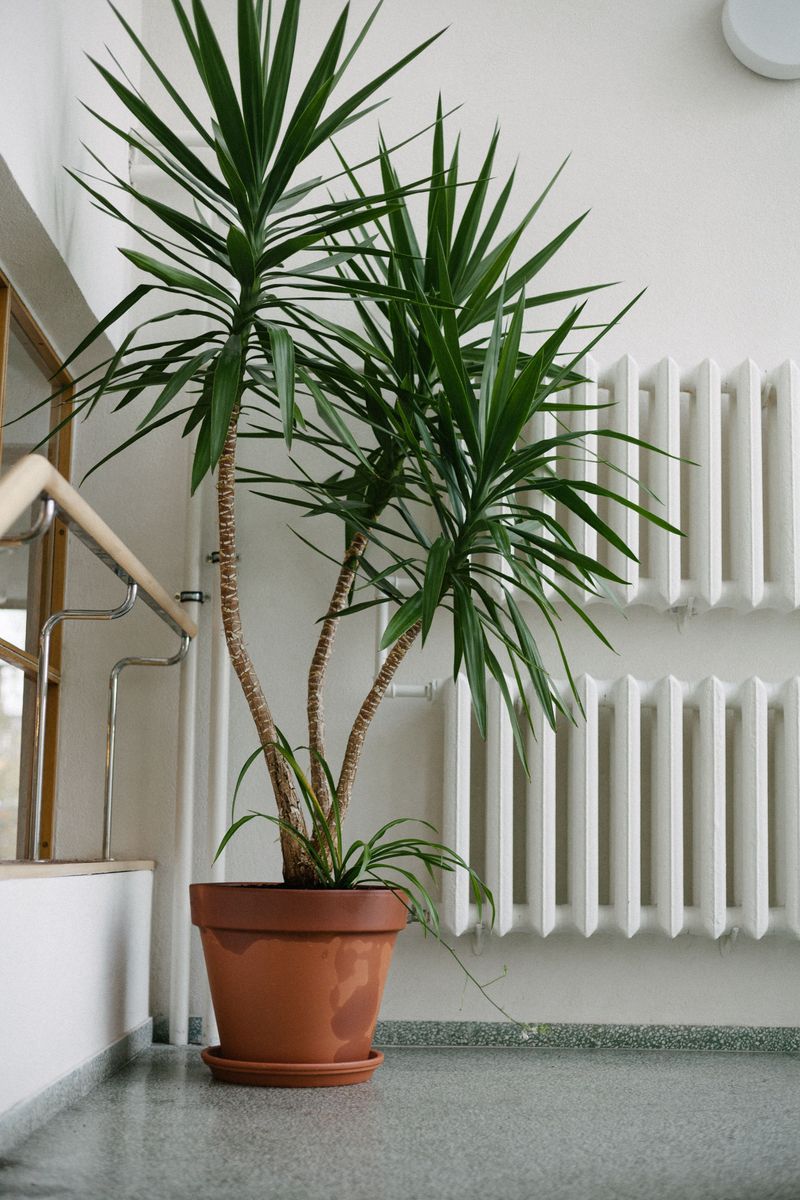
Those clanking steam radiators keep New Yorkers cozy all winter. Sadly, they also dry the air down to levels many tropical plants dislike.
Crispy brown leaf tips are often the first clue.
Most jungle plants feel happiest around 50 percent humidity or higher. Heated apartments can dip to 30 percent or lower from roughly November through March.
A cheap digital hygrometer will tell you exactly where your room stands.
Grouping plants together helps a little. Leaves release moisture as they breathe, so a cluster creates a slightly damper pocket of air.
Pebble trays filled with water add a small local lift, as long as the pot sits above the waterline.
A cool-mist humidifier makes the biggest difference. Run it near your plant group, and clean it often so mold does not grow inside.
Distilled water helps prevent white dust on furniture.
Misting feels nice, but the effect fades within minutes. University extension experts generally say it does little for long-term humidity.
Save your energy for methods that actually last.
Placement matters as much as moisture. Keep plants at least a few feet from radiators and away from blasting heat.
A cover or shelf over the radiator can redirect warm air, but never set pots right on top of a hot unit.
Your Watering Can Might Be Loving Those Plants Too Much
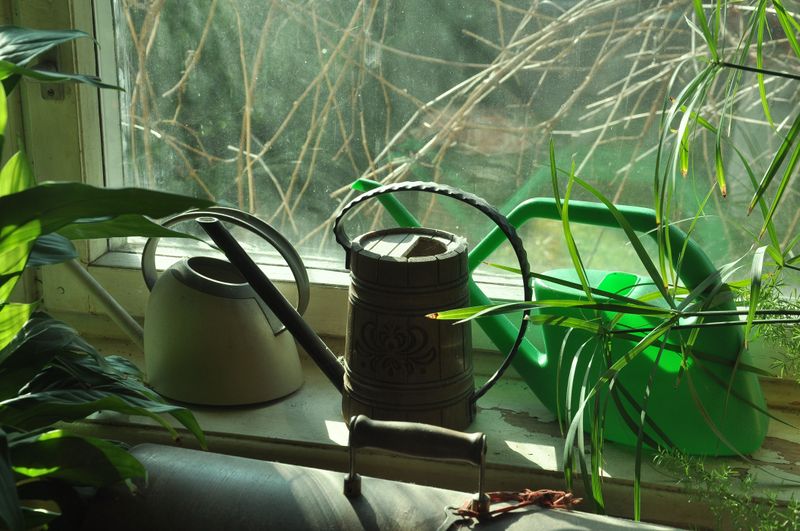
Overwatering trips up more indoor gardeners than almost any other mistake. I learned that the hard way with a soggy peace lily and a pot that had no drainage hole.
Roots need air as much as water. When soil stays wet for days, roots suffocate and start to rot.
Yellow lower leaves, mushy stems, and a sour smell are warning signs.
The easiest test is your finger. Push it about an inch or two into the soil, and water only when it feels dry.
Succulents and ZZ plants can go even longer, while ferns like steadier moisture.
Every pot needs a drainage hole. Pretty cachepots without holes are fine as covers, but slip a plastic nursery pot inside.
Empty the outer pot after watering so roots never sit in a puddle.
Seasons change the rhythm, too. Plants grow slowly in short winter days, so they drink less, even if radiators dry the top layer faster.
Spring and summer usually call for more frequent checks.
Water thoroughly when you do water. Let it run out the bottom, then let the pot drain fully.
A deep, occasional soak beats daily sips, which keep the surface damp while deeper roots stay confused.
A Full-Spectrum Grow Light Can Rescue a Shady Apartment
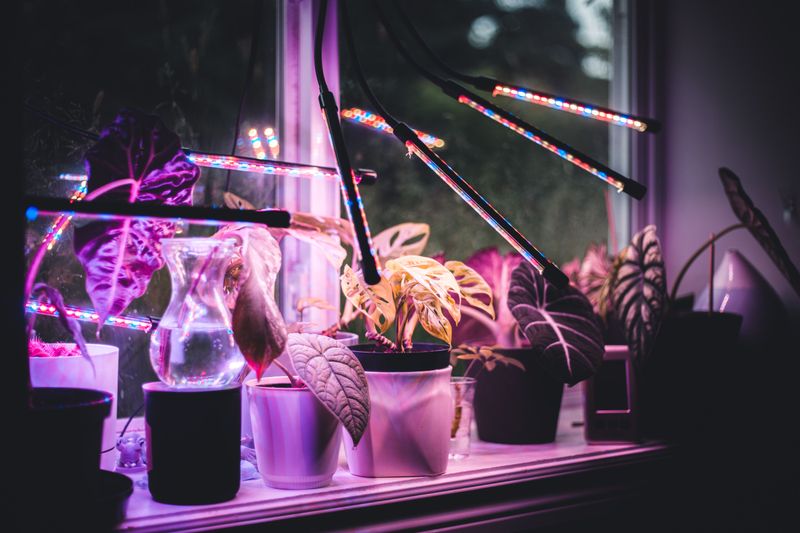
Light is food for plants, plain and simple. When a window faces an air shaft, even the toughest greenery can grow leggy and pale.
A full-spectrum LED grow light fills that gap nicely. Modern bulbs look like regular household lights, so they fit right into a floor lamp or pendant.
No purple glow is required anymore.
Position matters a lot. Most grow lights work best around 12 to 24 inches above the leaves, depending on the bulb’s strength.
Check the package for guidance, since brighter models can sit a bit farther away.
Timing is the other half of the trick. Running lights about 12 to 14 hours a day suits most tropical houseplants.
A simple outlet timer handles it for you, which is a lifesaver on busy weeks.
Natural light still deserves attention. Rotate pots a quarter turn every week or two so stems grow straight instead of leaning.
Wipe dusty leaves with a damp cloth, since grime blocks light more than people realize.
Watch your plants for feedback. Stretched stems and small new leaves mean they want more light.
Bleached or scorched patches suggest the lamp sits too close. Small tweaks usually fix either problem within a few weeks.
Fungus Gnats and Spider Mites Love Crowded Indoor Jungles
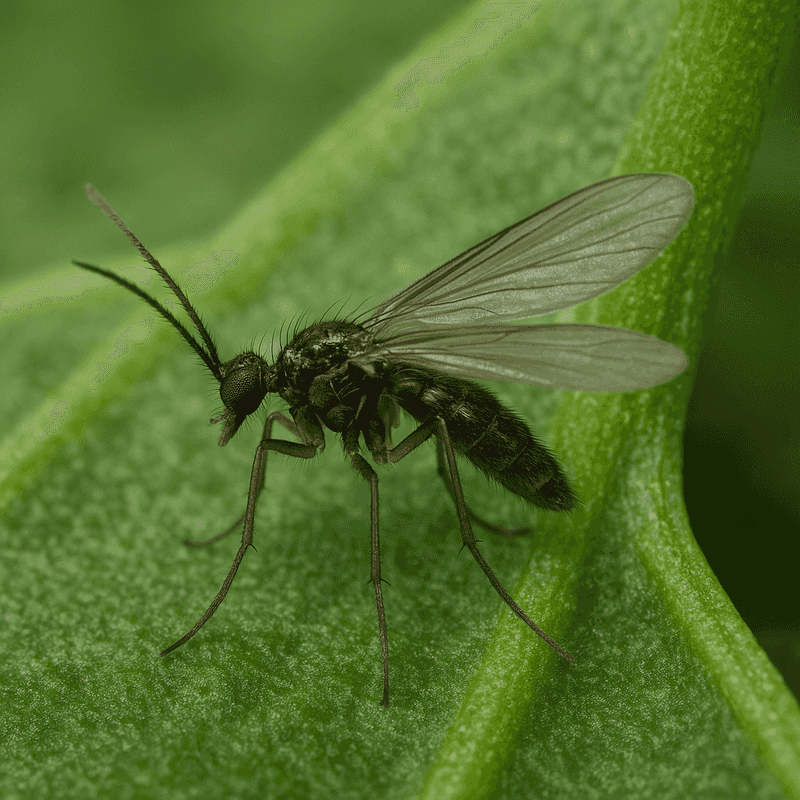
Nothing ruins a cozy plant corner like tiny flies buzzing around your face. Fungus gnats are usually the culprit, and they breed in soil that stays too wet.
Letting the top inch or two of soil dry out breaks their life cycle. Yellow sticky traps catch the adults.
For bigger outbreaks, products containing Bacillus thuringiensis israelensis, often sold as mosquito bits, target the larvae in the soil.
Spider mites prefer the opposite conditions. They thrive in warm, dry air, which makes radiator season prime time.
Look for fine webbing and speckled, dull leaves, especially on the undersides.
Mealybugs look like small bits of white cotton tucked into stems. Dab them with a cotton swab dipped in rubbing alcohol.
Insecticidal soap or neem oil works on many soft-bodied pests, but test a single leaf first.
Prevention beats any spray. Keep new plants away from your collection for two or three weeks and check them closely.
I also peek under leaves whenever I water, which takes about ten seconds per plant.
Crowded plants share problems quickly. If one gets infested, move it away from the group right away.
A quick shower in the tub can knock off many pests before they spread further.
Rattan, Woven Baskets, and Bold Prints Pull the Jungalow Look Together
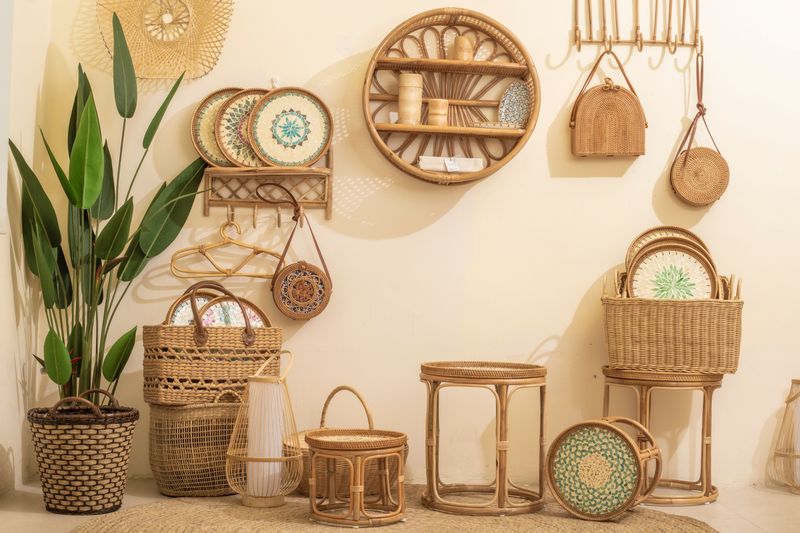
Plants bring the jungle, but textures bring the bungalow. Without them, a room full of greenery can feel more like a plant shop than a home.
Natural materials are the backbone here. Rattan chairs, cane cabinets, jute rugs, and woven baskets add warmth that plays nicely with leaves.
Baskets also hide plain plastic nursery pots, which keeps drainage simple.
Color is where the fun kicks in. Blakeney’s style leans on terracotta, mustard, deep green, and pink, plus patterned pillows and rugs.
Pick two or three favorite shades so the room feels lively instead of chaotic.
Small apartments reward editing. Choose a few bold pieces, then leave some breathing room on surfaces.
A cluttered shelf hides the plants you worked so hard to grow.
Flea markets and stoop sales across Brooklyn and Queens are treasure troves for this look. Vintage planters, old textiles, and secondhand rattan often cost far less than new pieces.
They also carry a bit of story, which suits the style perfectly.
My final tip is simple. Add one plant, one texture, or one color at a time, then live with it for a week.
Your jungle will grow into a space that feels truly yours, and that is the whole point.