This Is The Grass Height New York Lawns Should Head Into Winter With
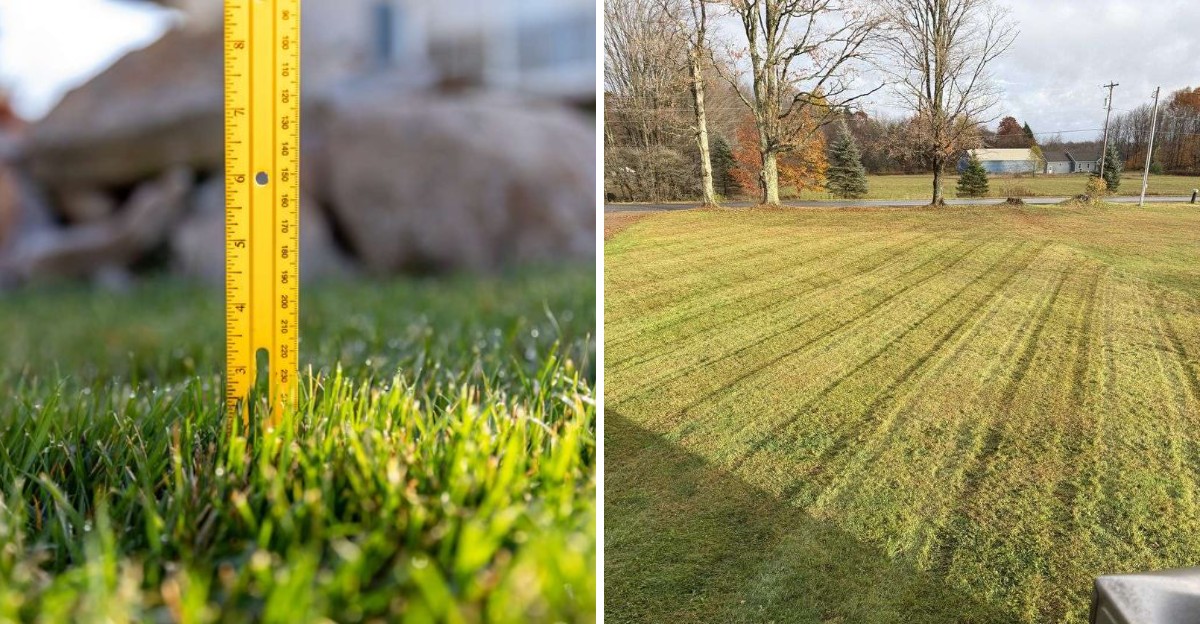
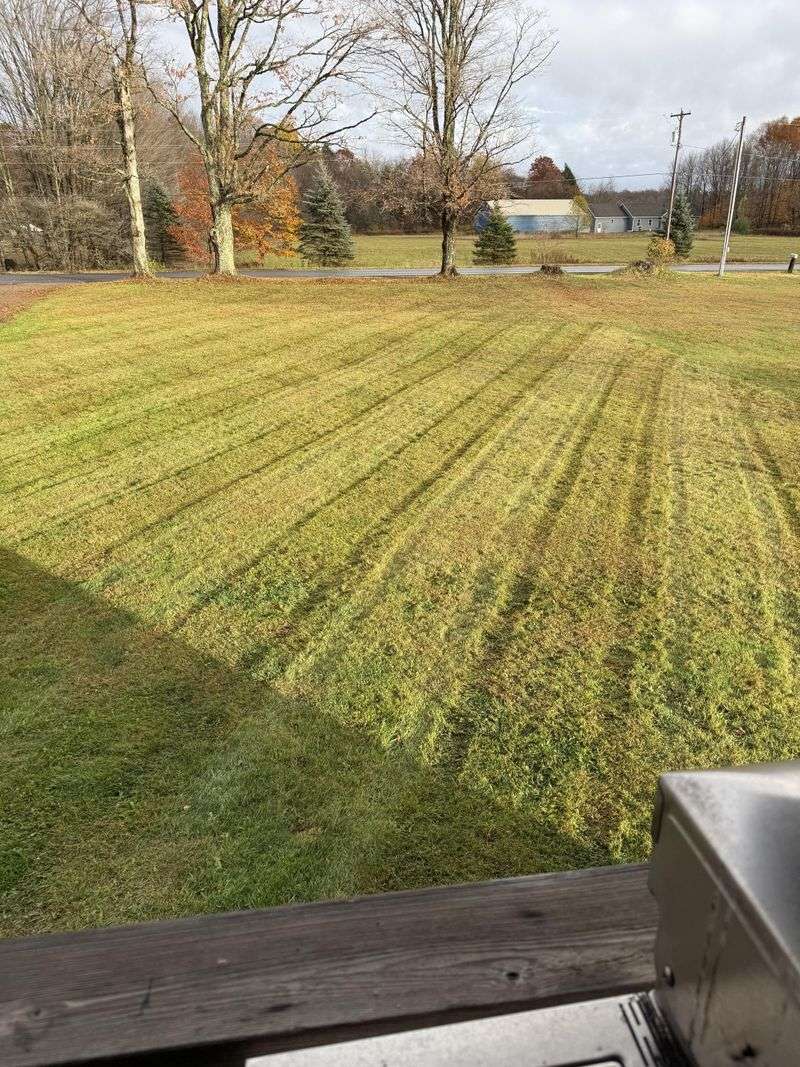
Your lawn mower is probably ready for a long winter nap, but it has one more job first. That final cut of the year matters more than most people realize.
Leave the grass too tall, and snow can flatten it into a soggy, moldy mat. Cut it too short, and the roots struggle to bounce back when spring finally arrives.
Somewhere in the middle sits a sweet spot that keeps New York lawns healthy through the freezing months. Getting there takes a bit of timing and a little patience.
Leaves, fertilizer, and even tiny critters that love tall grass all play a part. A few smart habits now can prevent a patchy mess in April.
Whether you live near Buffalo or in Brooklyn, the right plan makes a big difference. Your lawn deserves to be tucked in properly before the snow flies.
Aim For About 2.5 To 3 Inches On The Final Cut
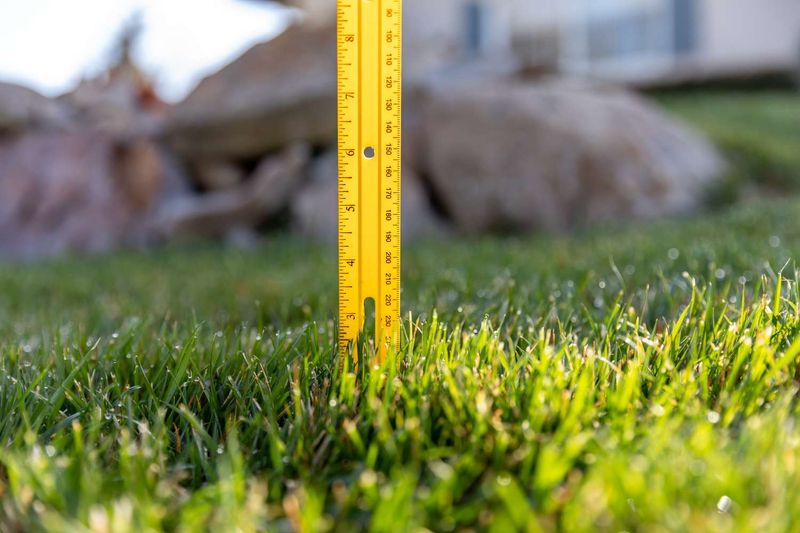
Think of the last mow as tucking your lawn into bed for a long winter. A height of about 2.5 to 3 inches gives grass a comfy, tidy length.
Most New York lawns grow a little taller during summer to handle heat. In fall, you can bring that height down just a touch.
Some lawn experts even suggest going slightly lower, around 2 to 2.5 inches. Either range works well, as long as you avoid extreme heights in either direction.
Shorter grass lets air move between the blades much more easily. Better airflow helps keep fungus and mold from setting up shop under the snow.
At the same time, the blades still hold enough green to feed the roots. Those leaves make energy that the plant stores before cold weather arrives.
Measuring is easier than you might expect with a simple household ruler. Stick it into the lawn after mowing and check the height in a few spots.
Most mowers have height settings marked on a lever or knob near each wheel. Check your manual, since the numbers do not match actual inches on every model.
Here is a handy trick for busy weekends during the fall season. Mark your ideal setting with a dab of bright paint so you remember next year.
Cool-season grasses like Kentucky bluegrass and fescue love this moderate height. They handle the chilly months better when they are neither shaggy nor scalped.
Getting this number right sets the stage for every other winter tip. Once you have the target, timing becomes the next big puzzle to solve.
Keep Mowing Until The Grass Stops Growing
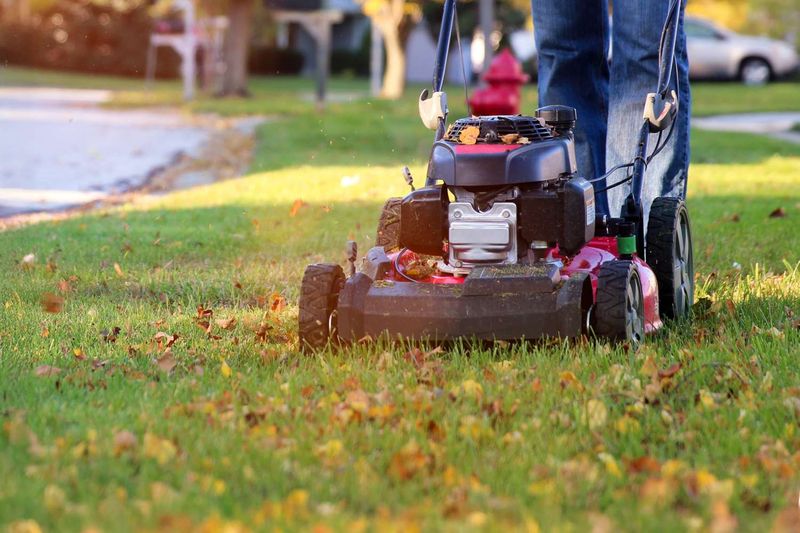
Plenty of folks park the mower in September and call it a season. Grass, however, keeps growing well into fall, especially during mild spells.
Your lawn decides when mowing ends, not the calendar on your fridge. Growth slows and then stops once daytime temperatures stay below about 50 degrees.
Across the state, that shift usually happens between late October and late November. Some years it comes early, while warm autumns can stretch the season longer.
Stopping too soon leaves grass long and floppy heading into winter. Long blades invite matting, mold, and pests, which you will read about shortly.
Your New York Garden Changes Every Week. Your Plan Should Too.
Gardening in New York changes quickly throughout the season. Every Friday you’ll receive a simple weekly plan showing exactly what to plant, prune, fertilize, harvest, and protect so you never miss the right timing.
Mowing after the lawn goes dormant can cause trouble too. Cutting sleeping grass adds stress, especially if blades are frosty or the ground is frozen.
A simple way to judge growth is to watch your mowing schedule. If a week passes and the lawn barely changes, the season is winding down.
Frost deserves special attention during these late weeks of the year. Walking or mowing on frozen blades can snap them and leave brown footprints behind.
Wait until the morning frost melts before starting the mower. Mid-day mowing on a dry, sunny afternoon gives the cleanest and safest cut.
Keep the mower blade sharp for these final passes as well. A clean cut heals faster than a torn one, which helps grass rest peacefully.
Once growth truly stops, you can drain the gas and store the mower. That moment feels like a small victory after a long season.
Lower The Height Gradually, Not All At Once
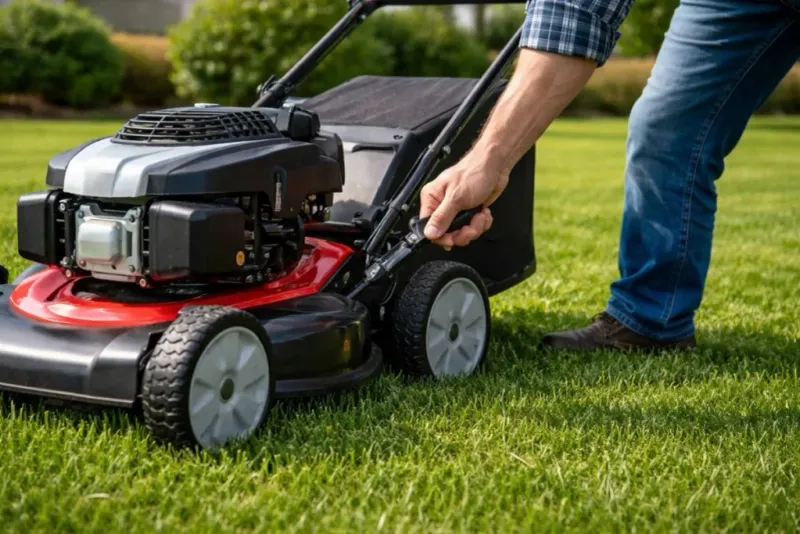
Imagine getting a dramatic buzz cut after years of long hair. Your lawn feels a similar shock when you chop off too much at once.
The smart approach involves stepping down slowly over several mowing sessions. Drop the mower deck about half an inch each time until you reach your target.
A classic rule says to remove no more than one-third of the blade per cut. If grass is 4.5 inches tall, cutting to 3 inches fits that guideline nicely.
Following this rule protects the roots from sudden stress. Roots shrink when the plant loses too much leaf, and weak roots struggle all winter.
Gradual changes also give grass time to adjust its energy storage. The plant keeps feeding itself while slowly adapting to a shorter, winter-ready length.
Here is a sample plan many homeowners find easy to follow. Start lowering your deck in early October, then trim a little each week afterward.
By the time growth stops, you should land right around your goal. No panic, no scalping, and no surprise brown patches waiting for you in spring.
Bagging or mulching clippings is up to you during these cuts. Small clippings break down quickly and return useful nutrients to the soil.
Heavy clumps are another story, so spread them out with a rake. Thick piles can smother patches of grass underneath.
Patience pays off here more than almost anywhere else in lawn care. Slow and steady truly wins this particular race.
Scalping The Lawn Leaves Grass Weak By Spring
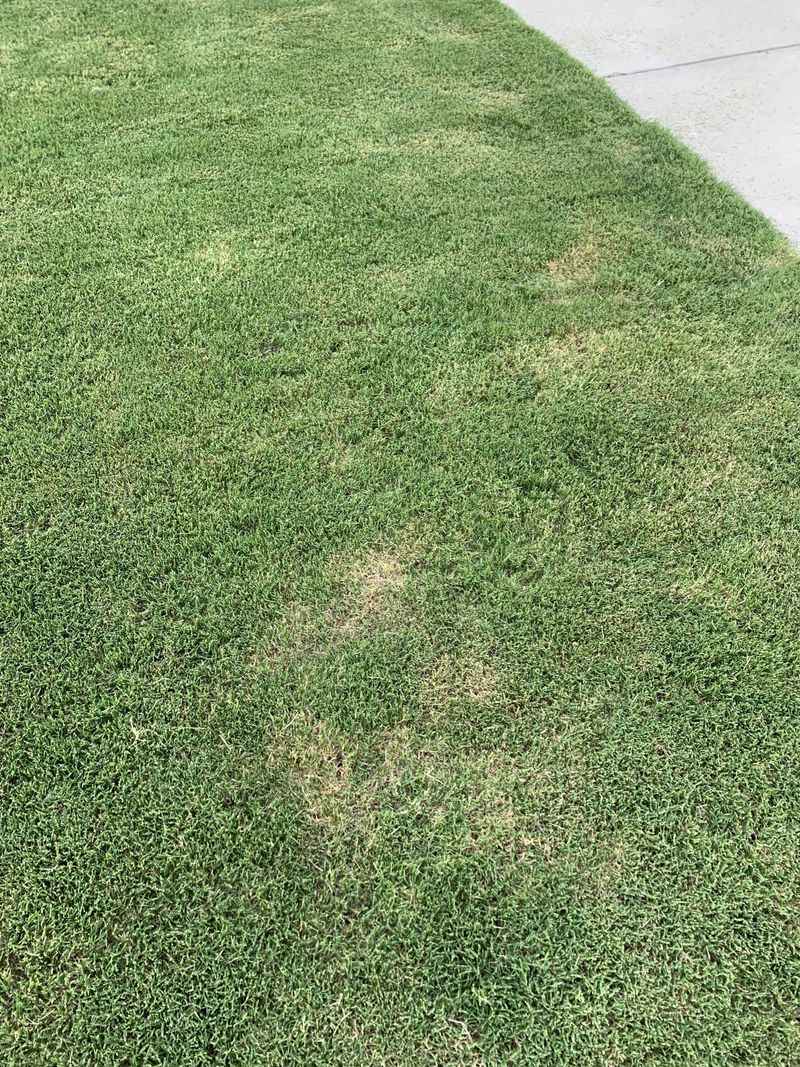
Picture a lawn that looks like a bad haircut, with brown stubble and bare soil peeking through. Scalping causes exactly that sad scene.
Some people cut super short in fall, hoping to skip a spring mow. Unfortunately, the plan backfires and usually creates more work later on.
Grass blades act like tiny solar panels for the plant. They capture sunlight and turn it into food through a process called photosynthesis.
Chop those blades too low, and the plant cannot make enough energy. Roots then grow weaker and shallower right before the toughest season of the year.
Scalping also exposes the crown, which sits near the soil surface. The crown is where new growth starts, so damage there spells serious trouble.
Freezing winds and icy temperatures hit that exposed crown hard. Grass that survives often spends spring recovering instead of greening up quickly.
Bare spots open the door for weeds too. Crabgrass and other invaders happily move into thin areas once the weather warms up.
Uneven ground makes accidental scalping more common than you might think. Bumps and dips let the mower blade dig into high spots.
Raise the deck slightly on lumpy areas or mow at an angle. Filling low spots with topsoil in spring can smooth things out for next year.
Fun fact: golf greens are cut very short but need daily care. Your home lawn simply is not built for that kind of treatment.
Long, Floppy Grass Mats Down Under Heavy Snow
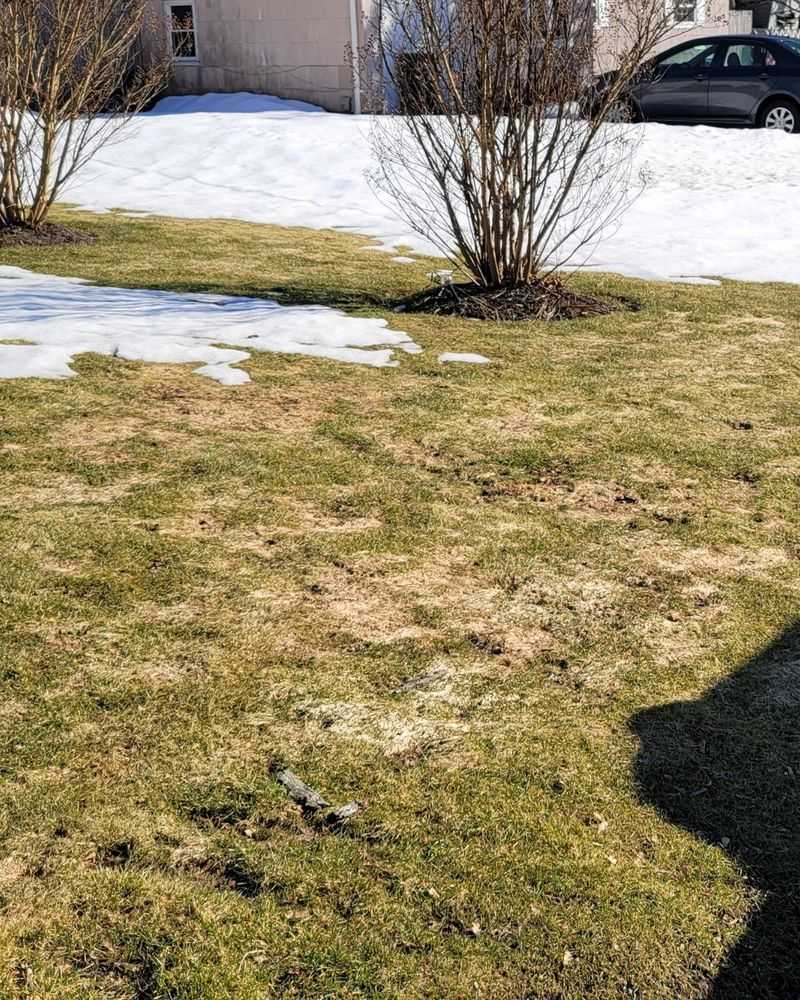
Snow looks light and fluffy falling from the sky. Pile a few feet of it on your lawn, though, and it gets surprisingly heavy.
Tall grass cannot stand up under all that weight for months. The long blades bend, fold over, and press flat against the soil below.
Gardeners call this matting, and it causes more trouble than you might guess. Flattened grass traps moisture right against the blades and crowns.
Without airflow, that moisture just sits there week after week. Cold, damp, and dark conditions become a cozy home for harmful fungus.
Winters can bring long stretches of snow cover. Lake-effect storms near Buffalo and Syracuse can bury lawns for months at a time.
The longer snow stays put, the more matting tends to happen. Patchy, tangled lawns often appear once everything finally melts in March or April.
Shorter grass handles the load much better than floppy, long grass. Blades stay more upright and allow at least a little air to circulate.
Shoveling habits matter here too, so think about where you pile snow. Huge mounds from driveways sit on the same spot longest and squash grass hard.
Try spreading snow piles around rather than stacking them in one place. Melting happens faster, and the grass underneath gets relief sooner.
In spring, a gentle rake helps lift matted areas back up. Fluffing the grass lets sunshine and air reach the soil again.
Matted Turf Is An Open Invitation To Snow Mold
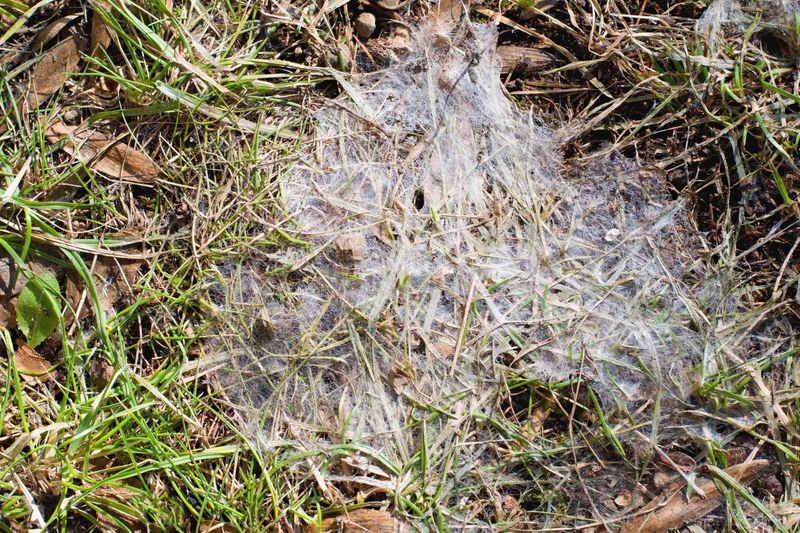
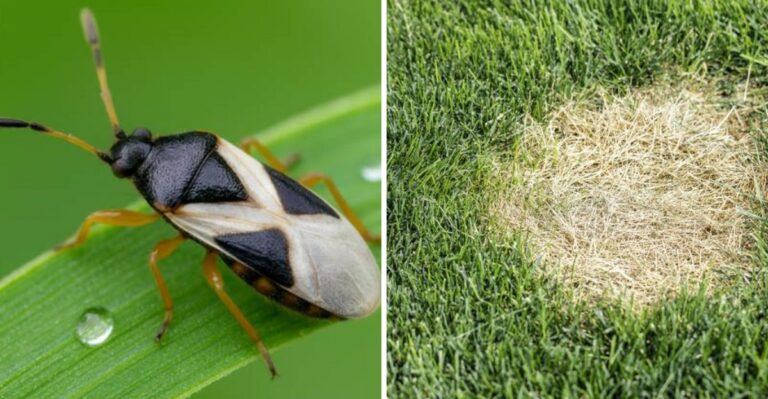
Gray, crusty circles on the lawn every spring can feel like a mystery. The likely culprit has a fitting name: snow mold.
Snow mold is a fungus that thrives under cold, wet snow. It grows quietly all winter, then reveals itself as the snow melts away.
Two main types show up in New York yards each year. Gray snow mold leaves pale, straw-colored patches with a cobweb look.
Pink snow mold appears as patches with a pinkish or salmon-colored edge. It can be tougher on grass and sometimes harms the crowns.
Kentucky bluegrass is common across the state and quite susceptible. Perennial ryegrass and fine fescues can also struggle when mold settles in.
Matted turf creates the perfect hiding spot for these fungi. Long blades pressed together hold moisture and block the air that dries things out.
Keeping grass at the right height is your best first defense. Removing leaves and avoiding late, heavy fertilizer helps cut down the risk too.
Spotted some patches already this spring? Gently rake the area to break up the matted blades and let them dry.
Most lawns recover from gray snow mold on their own as weather warms. Severe pink snow mold patches may need a little overseeding to fill in.
Fungicides exist, but most homeowners rarely need them. Good mowing and cleanup habits usually keep this fuzzy visitor under control.
Tall Grass Gives Voles A Cozy Winter Hideout
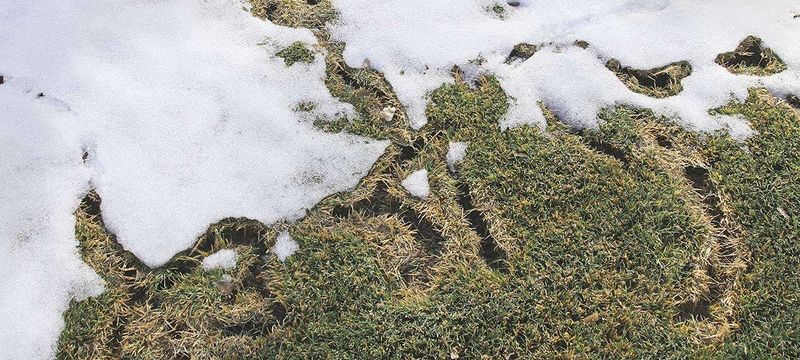
Snow melts, and suddenly your lawn looks like a tiny highway map. Winding trails crisscross the yard as if someone drew them with a marker.
Voles are the little engineers behind those odd paths. These small rodents look a bit like mice but have shorter tails and stockier bodies.
Unlike some animals, voles stay busy all winter long. They travel under the snow, nibbling grass blades, roots, and even bark from shrubs.
Tall grass gives them a perfect hiding place before snow arrives. Thick cover keeps hawks, owls, and foxes from spotting them easily.
Once snow blankets the yard, voles build runways right at the surface. Spring reveals these trails as narrow strips of chewed and flattened grass.
Shorter grass makes your yard much less inviting to these critters. Fewer hiding spots mean predators can spot them more easily.
Clearing debris helps too, such as leaf piles, brush, and thick mulch near the lawn. Pull mulch a few inches back from tree trunks to protect bark.
Here is a fun bit of trivia for curious readers. A single vole family can grow quickly, with females having several litters each year.
Luckily, most vole damage on lawns is shallow and fixable. Rake the trails, add a little topsoil, and sprinkle seed in spring.
Your grass usually fills in within a few weeks. Keeping it trimmed next fall can prevent a repeat performance.
Clear Away Leaves Before The First Snowfall
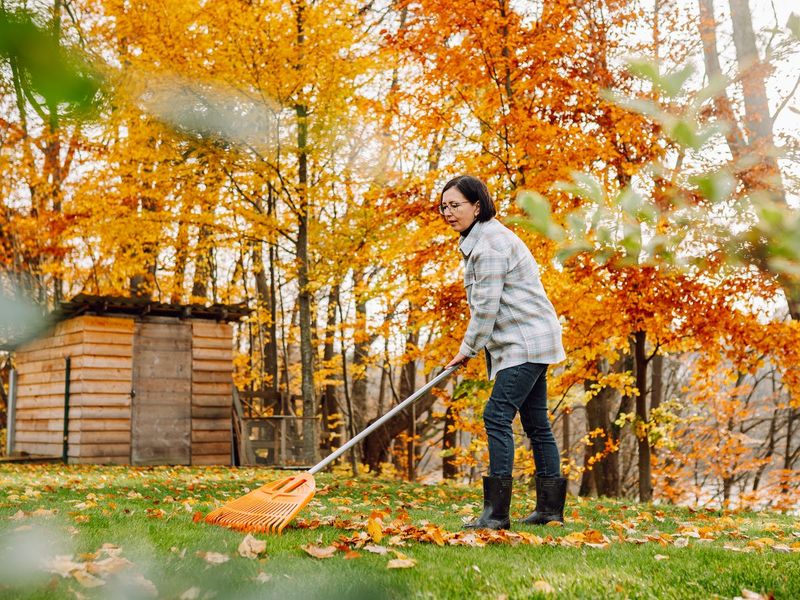
Crunchy leaves are one of autumn’s best sounds. Left on the lawn all winter, though, they turn into a soggy, smothering blanket.
A thick layer of leaves blocks sunlight from reaching the grass. Grass still needs some light in late fall to store energy for winter.
Wet leaves also trap moisture against the turf below. Fungus, mold, and disease love that damp, airless setup under the snow.
Pests enjoy leaf piles too, especially voles and mice. Clearing leaves removes one more cozy shelter from your yard.
Try to tackle leaves before the first real snowfall arrives. Once snow covers them, they sit there until spring and cause trouble.
Raking works well, but your mower can also help out. Mulching mowers chop leaves into tiny pieces that break down into the soil.
A light layer of shredded leaves can actually feed your lawn. Just make sure you can still see grass poking through after mowing.
Heavy piles should be bagged or added to a compost bin. Many towns offer curbside leaf pickup during fall months.
Check your local schedule so you do not miss the last collection day. Some areas require paper bags instead of plastic ones.
Shredded leaves also make great free mulch for garden beds. Your flowers and shrubs will appreciate the extra winter protection.
Skip Heavy Fertilizer This Late In The Season
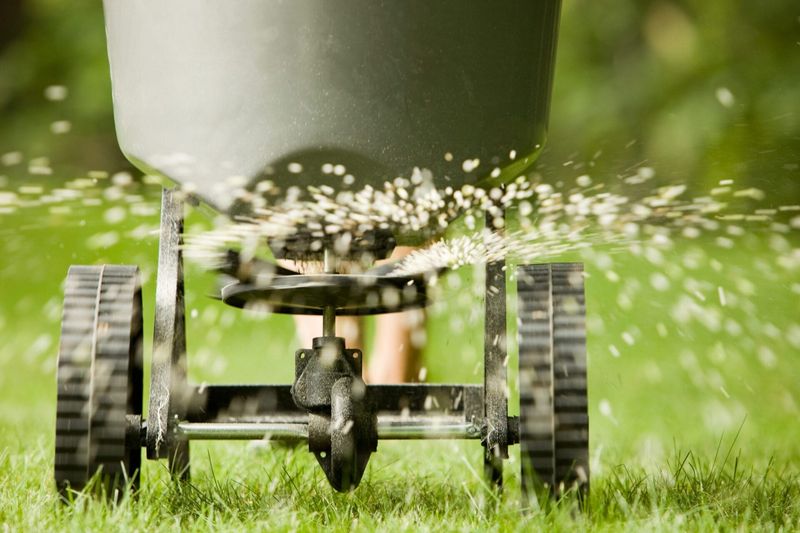
Feeding your lawn one more time before winter sounds generous. Timing matters, though, and late, heavy feeding can do more harm than good.
New York has a Nutrient Runoff Law that limits lawn fertilizer. Applying it between December 1 and April 1 is not allowed statewide.
The rule helps protect lakes, rivers, and streams from extra nutrients. Frozen ground cannot soak up fertilizer, so it washes away with melting snow.
The best time for fall feeding comes earlier than many people think. Aim for two to three weeks before the ground freezes.
Mid-October works well as a general target across the Northeast. Grass can still absorb nutrients and store them in the roots.
High-nitrogen products applied too late cause a different issue. They push tender new growth just as cold weather and snow arrive.
That soft, leafy growth becomes an easy target for snow mold. Instead of a stronger lawn, you may end up with more spring patches.
Look for fall fertilizers labeled for root growth and winter hardiness. Read the bag carefully and follow the spreading rate listed on the label.
Sweep any granules off sidewalks and driveways after spreading. Those stray pellets can wash into storm drains during the next rain.
A soil test every few years can guide your choices too. Local Cornell Cooperative Extension offices often help homeowners understand their results.
Upstate Lawns Wrap Up Weeks Before NYC Lawns
New York is a big state with very different weather from corner to corner. A lawn in the Adirondacks and one in Queens live in separate worlds.
Upstate areas cool down much earlier in the fall. Upstate cities often see frost by early to mid-October, though lake-moderated Buffalo usually holds out until later in the month.
Grass in those regions usually stops growing by late October. Final mowing and cleanup often wrap up well before Thanksgiving.
Down in New York City, things move on a slower schedule. Concrete, buildings, and the nearby ocean keep temperatures warmer for longer.
Scientists call this the urban heat island effect. Pavement and buildings soak up heat during the day and release it at night.
Lawns in Brooklyn or Staten Island may keep growing into late November. Long Island yards often follow a similar, later pattern.
Hudson Valley homeowners usually land somewhere in between these two extremes. Elevation also plays a role, since hilltop yards cool faster than valley ones.
Instead of copying a neighbor across the state, watch your own grass. Active growth is the most reliable signal for when to stop mowing.
Keep a simple notebook or phone note of your final mow date. After a few years, you will spot a helpful pattern for your yard.
Wherever you live, the goal stays the same. Send your lawn into winter neat, healthy, and ready to wake up green.