7 November Jobs for Arizona Penstemon Before Spring Blooms
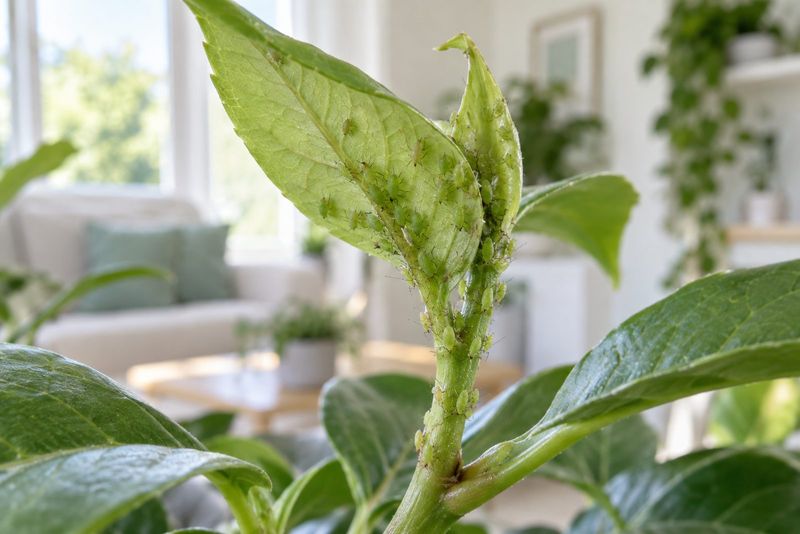
Some desert wildflowers can sit as a flat rosette for months, then shoot up a flower stalk taller than your knee. Hummingbirds seem to know the exact week those tubular red blooms open each spring.
I have to admit that the real magic starts long before anyone notices color in the garden beds. Cool nights in late fall are when roots quietly spread through gritty soil and build serious strength.
You might notice how quiet the yard feels in Arizona once the brutal summer heat finally loosens its grip. Personally, I think that calm stretch is the best window for small chores with very big payoffs.
A few simple jobs now can mean more flowers, more pollinators, and fewer headaches across your Arizona yard. So which easy tasks deserve a spot on your calendar before the first spring hummingbird zooms past?
1. Plant New Penstemons In Gritty Native Soil
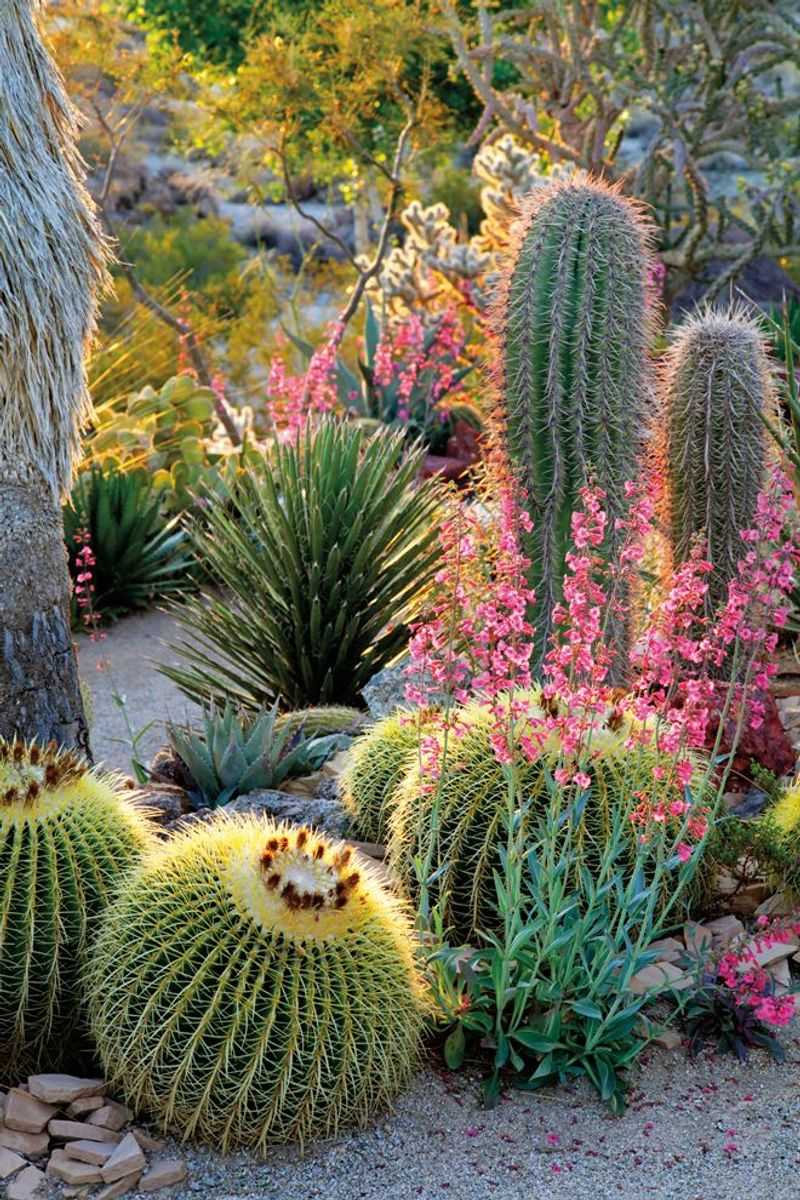
Fall planting gives desert perennials a whole winter to grow roots before the scorching summer sun returns again. I love how a tiny nursery pot can turn into a hummingbird magnet by the following spring.
Choose a sunny spot with fast-draining decomposed granite or rocky native soil rather than rich garden beds. Skip compost and fertilizer at planting time, because these plants honestly prefer lean ground with little fuss.
Dig a hole two or three times wider than the root ball, but keep it no deeper. Set the crown slightly above the surrounding soil, since standing water near the base often invites rot.
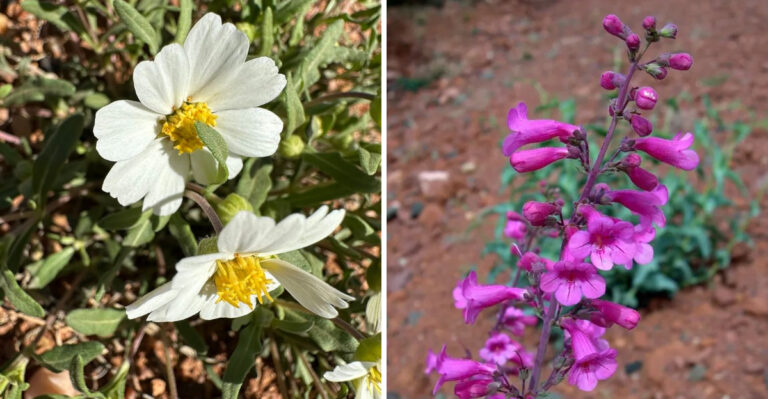
Water deeply right after planting, then slowly stretch the time between soakings as roots settle into place. Parry’s penstemon and firecracker penstemon are both popular natives that handle low desert gardens quite well.
Afternoon shade can help in the hottest valleys, though most penstemons still want plenty of bright sun overall. Plant several together if you can, because a cluster of blooms draws native bees and hummingbirds faster.
2. Sow Penstemon Seeds For Natural Cold Stratification
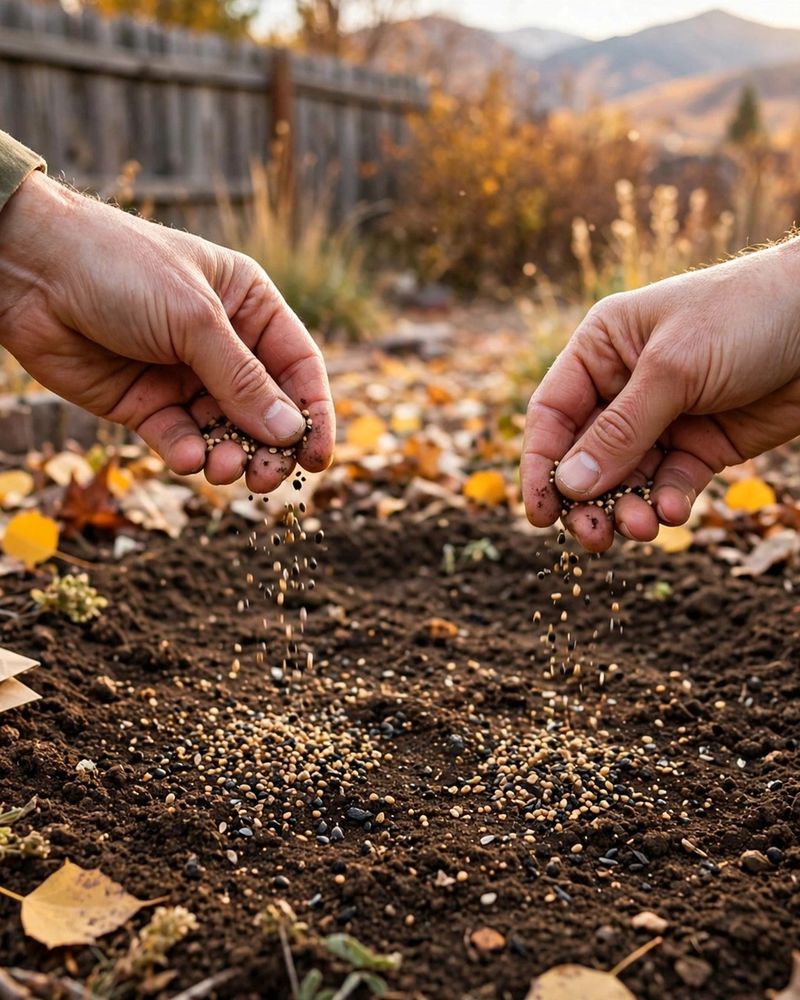
Penstemon seeds actually need a chilly spell before they agree to sprout, which makes fall sowing wonderfully easy. Mother Nature handles the cold treatment for free while you relax indoors with a warm cup of tea.
That process is called cold stratification, and it breaks seed dormancy so germination happens once spring warmth arrives. You get the same result as weeks in a refrigerator, minus the cluttered crisper drawer and plastic bags.
Press seeds about a quarter to half inch into loose soil, then keep the area lightly moist afterward. A small patch of bare ground works fine, especially if you mark it so nobody steps there by accident.
Patience matters here, since seed-grown plants usually take a year or more before producing their first flower stalks. I believe the wait feels worth it, because those homegrown seedlings often adapt nicely to your exact yard.
Collect seeds from your own plants later, or buy native seed packets from a reputable regional supplier nearby. Sowing a few varieties together can stretch your bloom season and keep pollinators visiting for many more weeks.
3. Cut Back Watering For Established Penstemon Plants
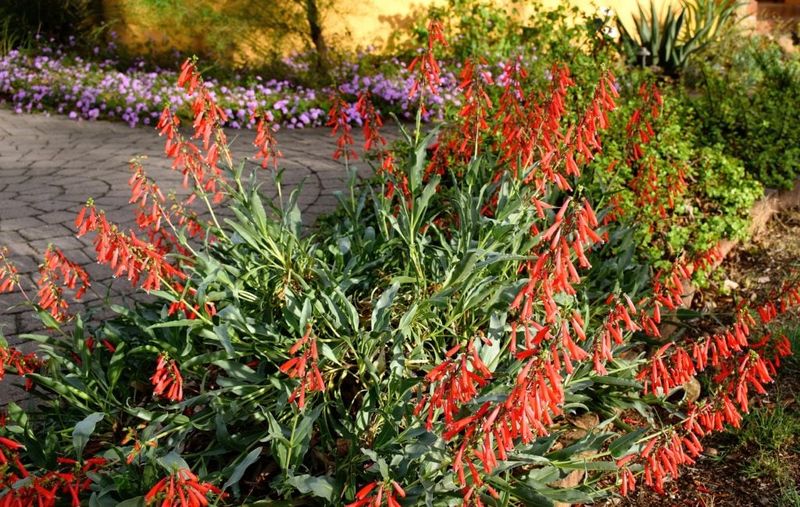
Too much love from the hose is honestly the quickest way to lose a healthy penstemon during cool weather. Soggy roots in chilly soil often rot quietly, long before the leaves show you anything is wrong.
Established plants usually need water about once a month in winter, sometimes even less when rains cooperate nicely. Let the soil dry thoroughly between soakings, because these tough natives evolved with long dry spells between storms.
Newly planted penstemons are different, so keep watering them every seven to ten days while roots establish. You need to watch young plants closely, since their small root systems dry out faster than older ones.
Poke a finger or a soil probe several inches down before reaching for the hose each time. That simple habit beats any calendar, because weather swings can change moisture levels from one week to the next.
Parry’s penstemon may appreciate an occasional extra drink if winter rain stays sparse before its spring blooms. Saving water this way also lowers your utility bill, which feels pretty satisfying in a thirsty desert climate.
4. Spread Gravel Mulch Around Penstemon Crowns
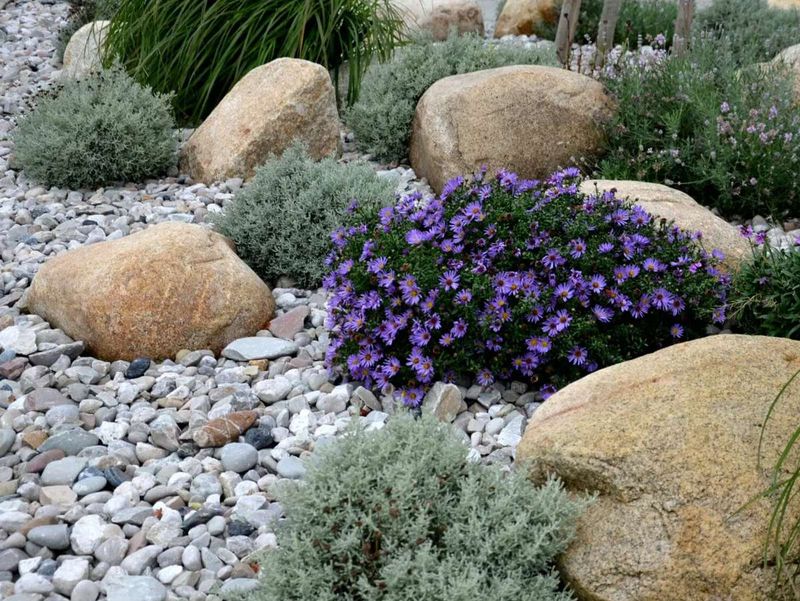
Gravel might look plain, but it acts like a raincoat for the delicate crown of a desert penstemon. I like how a simple layer of crushed rock keeps the base dry and tidy through wet winter storms.
Decomposed granite or small gravel drains quickly, so moisture rarely lingers against stems where rot likes to begin. Thick bark or shredded wood mulch holds dampness, which suits colder regions far better than warm desert yards.
Leave a few inches of open space between the mulch and the stems when spreading it out. That small gap lets air move freely, helping the crown stay dry even after a long, soaking rain.
Gravel also reflects warmth and suppresses some weeds, so you spend less time pulling unwanted seedlings by hand. Fewer weeds mean less clutter near the ground, and that can reduce hiding spots for scorpions around beds.
Match the rock color to your existing landscape so the planting blends naturally with surrounding desert natives. A neat gravel ring makes those bright spring flower stalks look even more dramatic against the earthy background.
5. Skip The Fertilizer For Lean Desert Penstemons
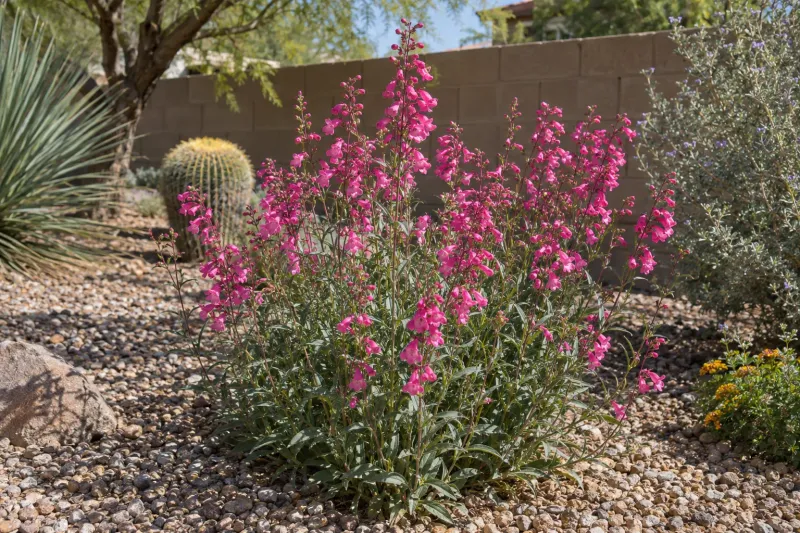
Feeding a desert penstemon can backfire in a surprising way, giving you floppy stems instead of more flowers. These plants grew up in rocky, lean ground, and they seem happiest when we leave them a little hungry.
Extra nutrients push soft, leggy growth that often struggles to hold up heavy flower stalks in spring. Rich feeding combined with cool, damp winter soil can also raise the chances of root rot taking hold.
What surprises me most is how many weak penstemons actually suffer from drainage trouble rather than poor nutrition. Check whether water pools near the plant, or whether nearby trees now cast too much shade overhead.
Moving a struggling plant to a sunnier, better-drained spot often helps far more than any bag of fertilizer. Potted penstemons are a slight exception, since container soil can run low on nutrients over several seasons.
Skipping fertilizer also saves money and keeps excess nutrients out of local washes during winter rains. Honestly, it feels great when the best advice for a plant is simply to step back and let it be.
6. Inspect Penstemon Leaves For Mildew And Aphids
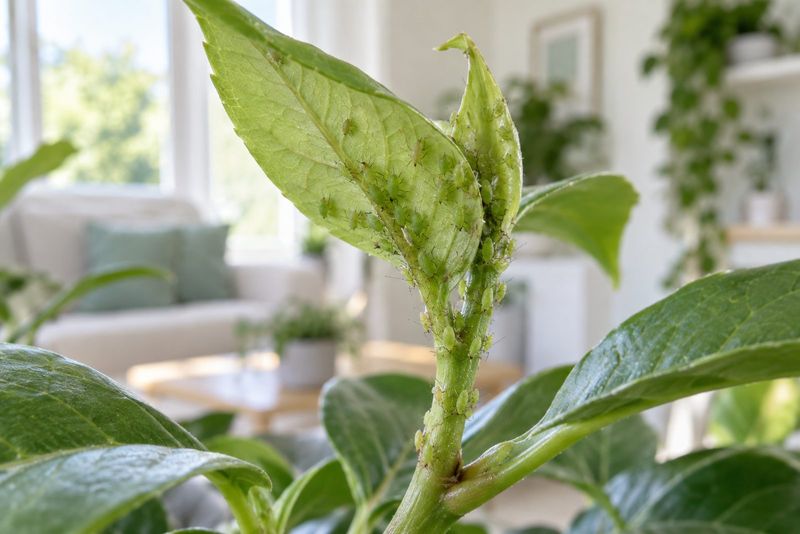
A quick leaf check now can save you from disappointing flower stalks once spring finally rolls around again. Penstemons are generally tough, yet a few problems can sneak in while growth slows during cooler months.
Root rot tops the list, and it usually follows overwatering or heavy soil that stays wet for days. Yellowing leaves or a mushy crown are warning signs worth taking seriously before the problem spreads further.
Powdery mildew may appear as a dusty white coating when plants sit in deep shade or damp corners. Giving each plant enough elbow room improves airflow, which helps leaves dry quickly after rain or morning dew.
Flip leaves over to look for aphids or spider mites clustering on tender growth near the center. A strong spray of water often knocks them loose, and ladybugs or lacewings frequently help control them naturally.
Personally, I enjoy this chore because it gets me outside noticing lizards and birds hunting among the plants. Those garden helpers eat plenty of insects, so a pesticide-free yard often stays healthier and more balanced overall.
7. Leave Dry Penstemon Stalks For Finches And Seedlings
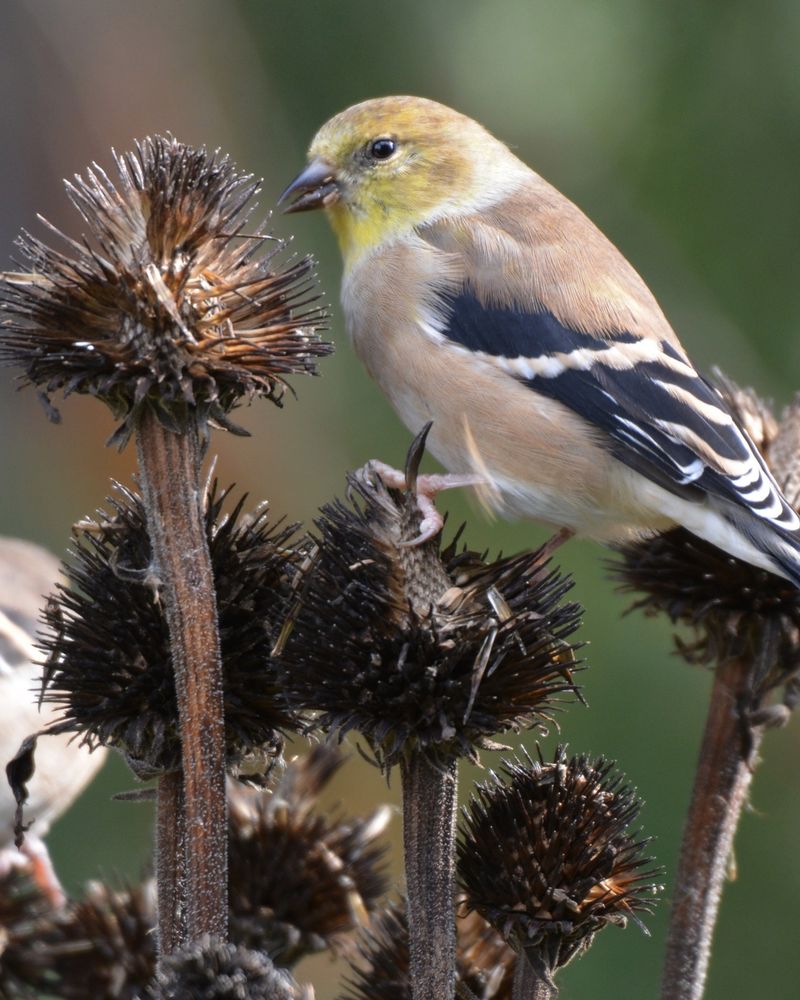
Those brown, brittle flower stalks might look scruffy, but finches see them as a perfectly stocked winter snack bar. I can’t imagine snipping them all off once you watch little birds swinging on the swaying seed heads.
Leaving dried stalks in place also lets many penstemons self-seed, including popular Parry’s penstemon in desert gardens. Since most penstemons only live a few years, fresh seedlings help keep your planting going without extra purchases.
Prefer a tidier look in your Arizona yard? Lightly trimming spent stalks on firecracker or beardlip penstemon can encourage new basal shoots and may help extend the plant’s lifespan.
You can split the difference by leaving a few stalks standing and cutting the rest for neatness. That compromise keeps birds fed while your front yard still looks cared for to neighbors passing by on walks.
Seed capsules ripen when they turn brown and dry, and you can shake them over bare ground later. Watching tiny volunteer rosettes pop up nearby feels like getting free plants from a generous garden friend each year.