The Best Arizona Plants For Filling Empty Spaces Without Taking Over
Arizona yards can start looking patchy surprisingly fast once heat settles in for weeks at a time. Empty spots near gravel, along borders, or between larger plants become much more noticeable once summer sun starts hitting everything day after day.
Even healthy yards can lose that full balanced look when certain areas never seem to fill in properly.
Fast spreading plants create a completely different headache. Strong early growth may look perfect at first, then suddenly turn into nonstop trimming once warm weather pushes everything into overdrive.
One plant can easily start crowding nearby flowers, blocking smaller plants, or taking over entire sections before the season is even halfway over.
Finding plants that stay controlled while still filling space well makes a huge difference in Arizona conditions. Heat tolerance matters, but growth habit matters just as much once the hottest months arrive and the yard starts changing fast.
1. Parry’s Penstemon Fills Gaps With Spring Color
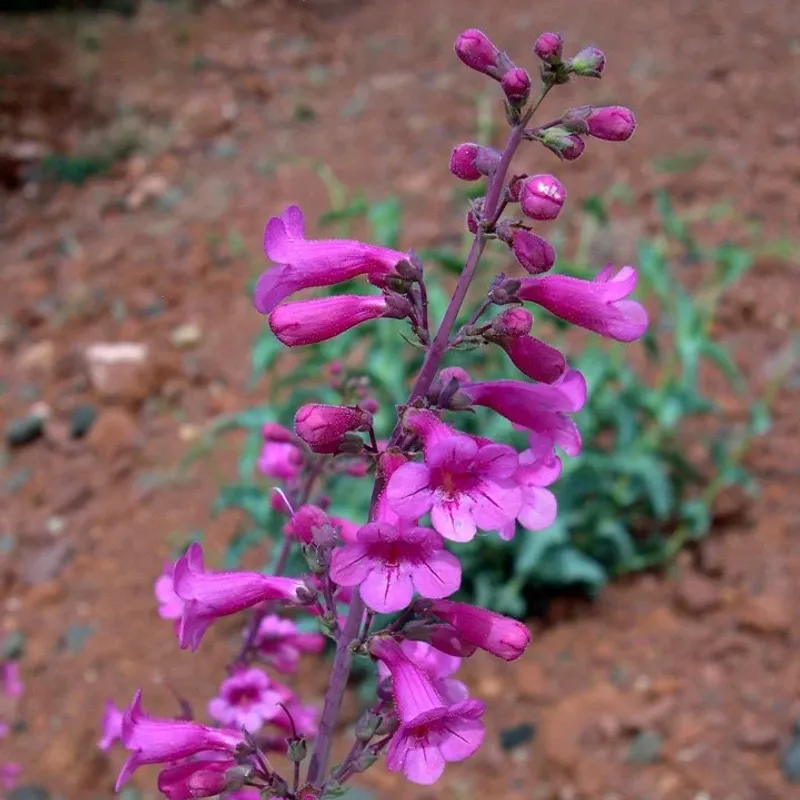
Few plants announce spring in Arizona quite like Parry’s Penstemon. When those tall, hot-pink flower spikes shoot up in March and April, they pull hummingbirds in from every direction.
A single clump can easily light up an empty spot that felt dull all winter long.
Native to the Sonoran Desert, this plant is built for dry, rocky soil and full sun. Once established, it needs almost no extra water, which makes it a practical choice for gardeners across Tucson and the greater Phoenix metro area.
Planting it in well-drained soil is really the only major requirement worth stressing over.
Clumps stay relatively tidy, usually reaching about two to three feet tall when blooming. After flowering wraps up, the foliage stays low and compact, so it won’t crowd out neighboring plants.
Letting a few seed pods mature at the end of the season allows natural reseeding, which can slowly fill nearby gaps over time. That slow spread is manageable and actually works in your favor if you want more coverage without buying extra plants.
Just pull any seedlings that pop up somewhere unwanted, and you stay in complete control of where this beauty grows.
Parry’s Penstemon also handles Arizona wind and reflected heat extremely well, which makes it dependable for exposed desert landscapes where more delicate flowers struggle.
2. Fairy Duster Stays Airy Without Taking Over Beds
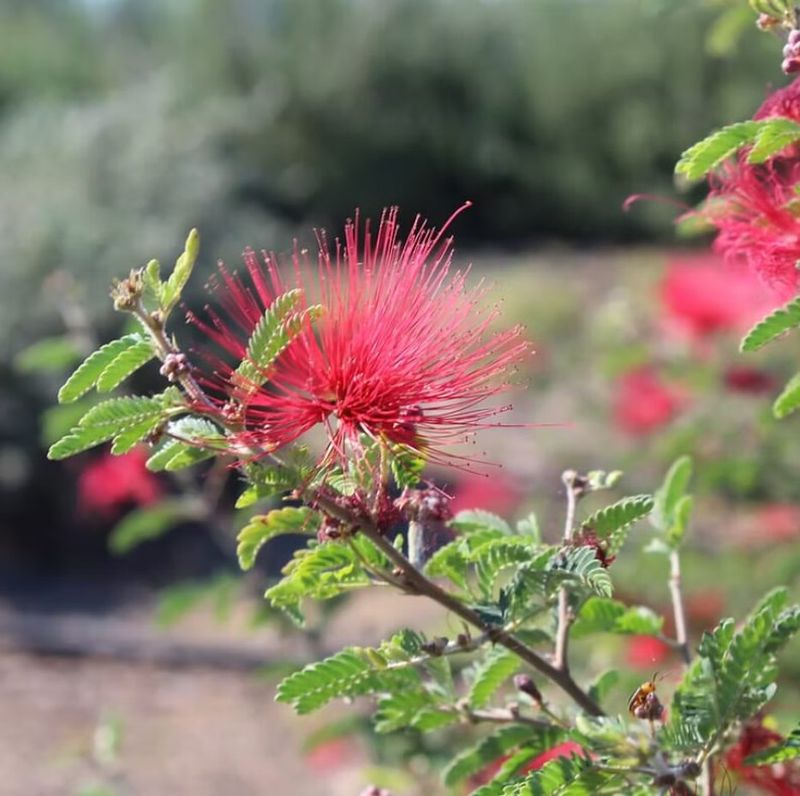
Fairy Duster has one of the most playful looks of any native Arizona plant, with fluffy pink blooms that honestly resemble something from a craft store. What makes it stand out beyond its looks is how politely it behaves in a garden bed.
It grows as a loose, airy shrub that never seems to bully its neighbors.
Calliandra eriophylla, its botanical name, stays low, typically under three feet tall and wide. That compact size makes it ideal for tucking into spaces between larger shrubs or along pathways where you want something soft but not overwhelming.
Across southern Arizona especially, it blooms heavily in spring and often again after summer monsoon rains arrive.
Butterflies and native bees are wild about the blooms, so planting Fairy Duster near a patio or sitting area turns an empty spot into a lively little ecosystem. It handles rocky, lean soil without complaint and rarely needs supplemental irrigation once it’s been in the ground for a full growing season.
Your Arizona Garden Changes Every Week. Your Plan Should Too.
Gardening in Arizona changes quickly throughout the season. Every Friday you’ll receive a simple weekly plan showing exactly what to plant, prune, fertilize, harvest, and protect so you never miss the right timing.
Pruning isn’t really necessary unless a branch gets out of shape. The natural open form is part of its charm, and trying to over-manicure it tends to reduce flowering the following season.
Give it space, minimal water, and it rewards you generously year after year.
Fairy Duster fits especially well into natural desert-style landscapes because its soft texture blends easily with stone, gravel, and other native Arizona plants.
3. Desert Ruellia Adds Purple Blooms In Sunny Spaces
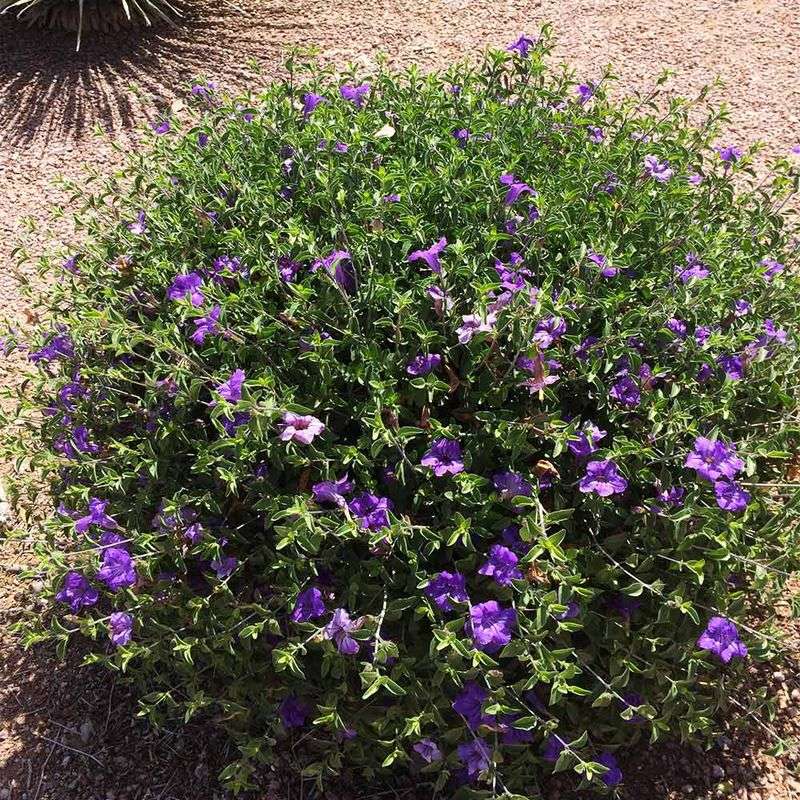
Purple flowers in the middle of a hot Arizona summer feel almost rebellious, but Desert Ruellia pulls it off without breaking a sweat. Ruellia peninsularis blooms heavily during warm months when most plants are struggling to stay presentable.
That makes it genuinely useful for filling bare spots that need color right when the heat peaks.
Growing roughly three to four feet tall and wide, it forms a rounded shrub shape that looks intentional without requiring much fuss. Plant it in full sun with decent drainage, and it settles in quickly.
Gardeners in the Phoenix area often use it along walls or in rock gardens where reflected heat would stress out less adapted plants.
One thing worth knowing upfront: Desert Ruellia can reseed, and in some parts of Arizona it is considered potentially invasive, so checking with your local county extension office before planting is a smart move. In managed garden settings where you pull unwanted seedlings regularly, it stays well-behaved.
Hummingbirds visit the blooms consistently, adding extra life to whatever corner you plant it in. Water it occasionally during its first summer, then scale back significantly once roots are established.
Compared to many ornamental plants sold at Arizona nurseries, its water needs are genuinely low, which matters a lot during long stretches of dry heat.
4. Baja Ruellia Forms Compact Clumps In Dry Soil
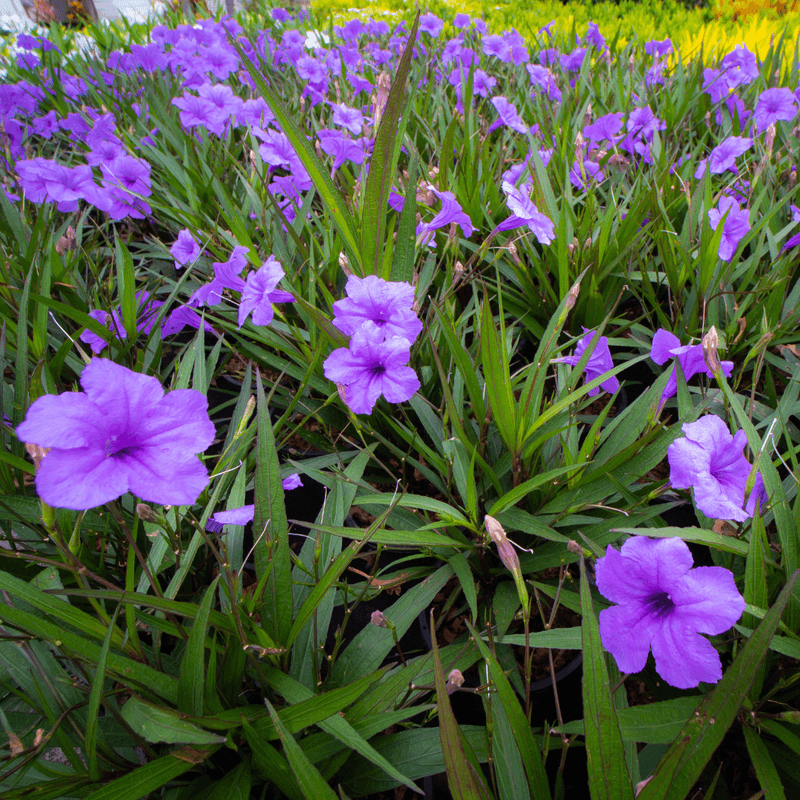
Smaller and better-mannered than its Desert Ruellia cousin, Baja Ruellia is a go-to option for Arizona gardeners who want ground-level color without constant babysitting. Ruellia californica stays low, usually under two feet, and spreads into tidy clumps rather than sprawling aggressively across a bed.
Lavender blooms appear reliably from spring through fall, especially after any rainfall or supplemental watering. The flowers are small but numerous, creating a soft purple haze across the plant when it’s performing at its best.
In Tucson and other parts of southern Arizona, it’s frequently used as a low border plant or filler between larger shrubs.
Dry, gritty soil actually suits it better than rich amended soil, which can cause floppy, weak growth. Full sun is preferred, though it tolerates light afternoon shade without losing much vigor.
Once established, very little irrigation is needed outside of the driest stretches of the year. Clumps can be divided every few years if they get too wide, giving you free plants to fill other empty spots around the yard.
Unlike some fillers that look ragged by midsummer, Baja Ruellia stays relatively tidy through the hottest months. It’s a reliable, low-drama choice that earns its spot in any water-conscious Arizona garden without demanding much in return.
Baja Ruellia works especially well near pathways and gravel borders because the compact growth stays neat without constantly spilling into surrounding areas.
5. Chocolate Flower Brings Color And A Light Fragrance
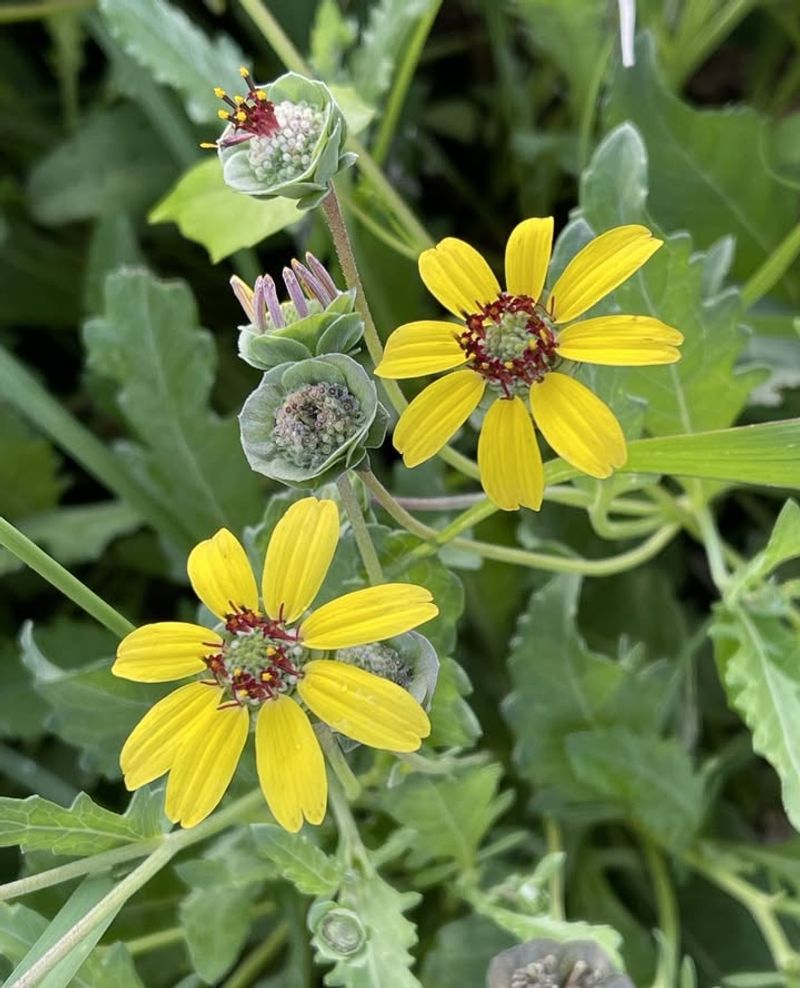
Walking past Chocolate Flower early in the morning is a genuinely surprising experience the first time. Berlandiera lyrata releases a faint but unmistakable chocolate scent from its blooms, strongest right after sunrise and fading as temperatures climb.
That alone makes it one of the more memorable plants you can add to an Arizona garden.
Yellow daisy-like flowers appear from spring through fall on plants that stay under two feet tall. Growth is clumping and well-contained, so it fills small gaps nicely without spreading beyond where you put it.
Rocky or sandy soil with excellent drainage suits it perfectly, and full sun brings out the best blooming.
Native to the grasslands and desert edges of the Southwest, Chocolate Flower is completely at home across Arizona’s varied elevations. It reseeds modestly, which means you might find a few new plants nearby each season, but nothing aggressive or hard to manage.
Pollinators, especially native bees, visit frequently throughout the blooming period. Once established, irrigation needs drop significantly, though a deep drink every couple of weeks during summer keeps plants looking their best.
Cutting back spent flower stalks encourages fresh blooms and keeps the plant looking tidy. For anyone wanting sensory interest beyond just visual color, this plant offers something genuinely different from the standard Arizona garden palette.
Cool desert mornings are when Chocolate Flower feels most noticeable in the garden, since the scent drifts farther before the Arizona heat settles in.
6. Desert Zinnia Spreads Gently Across Open Areas
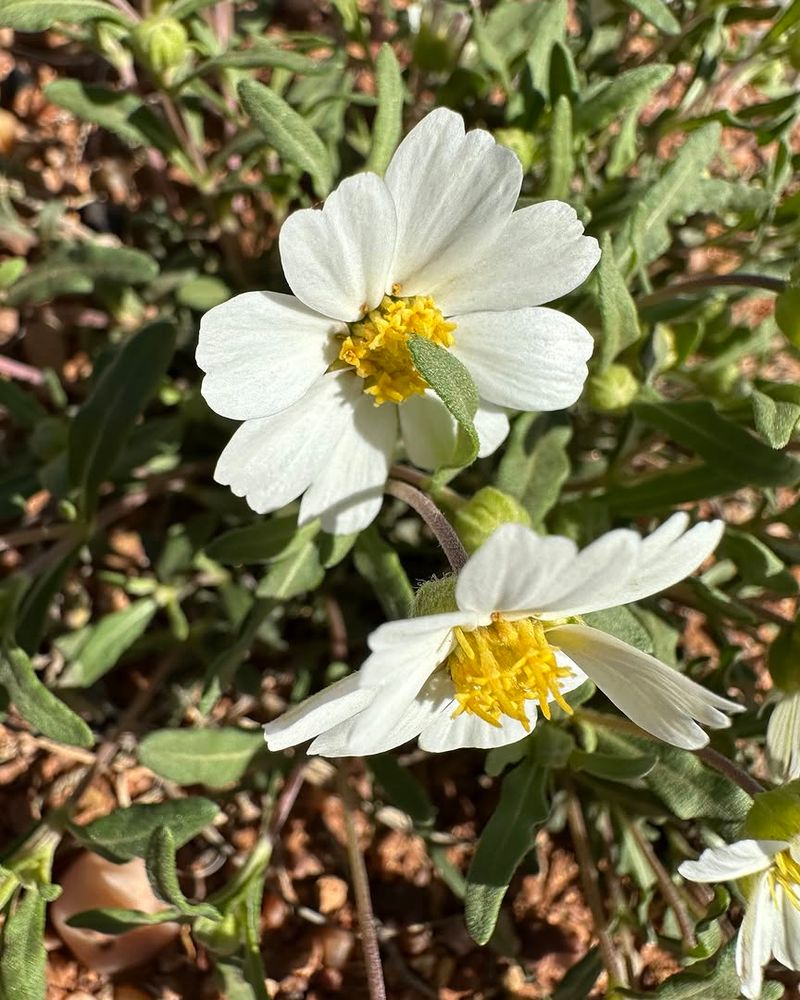
Ground-level coverage is something a lot of Arizona gardeners struggle to find without resorting to aggressive spreaders, but Desert Zinnia solves that problem quietly and reliably.
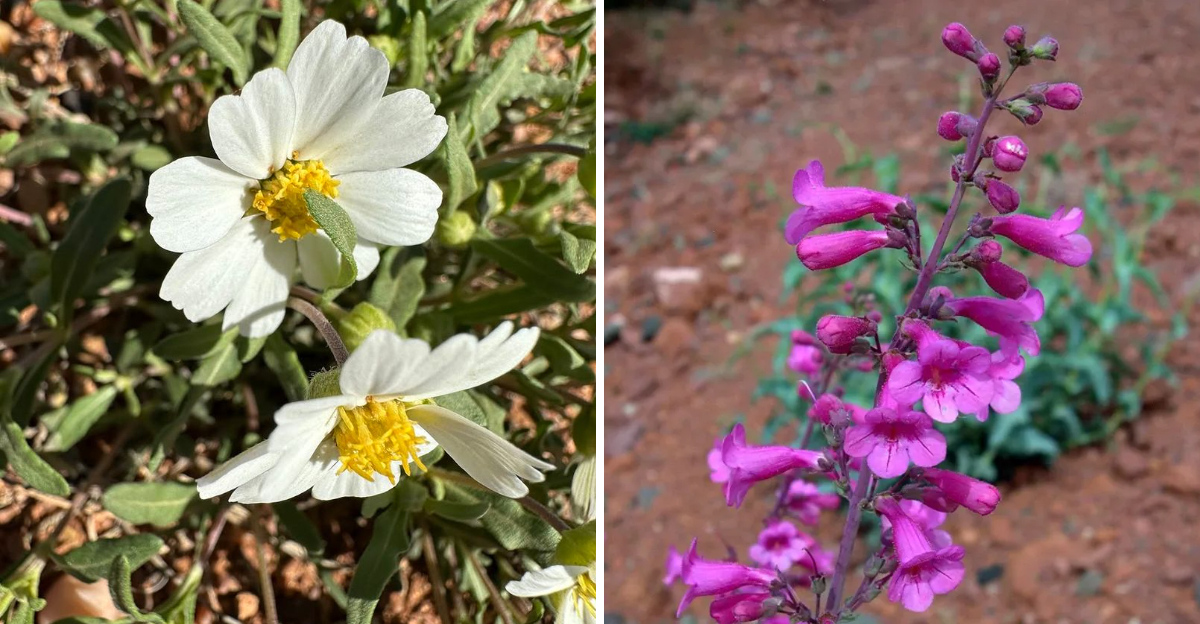
Zinnia acerosa creeps low across open ground, typically staying under a foot tall, and produces cheerful white flowers with yellow centers throughout warm months.
Rocky, dry soil is exactly where this plant thrives. In native Arizona landscapes across the Sonoran and Chihuahuan Desert zones, it naturally colonizes open ground between larger plants, which is essentially what you want it to do in a garden setting.
It fills without crowding, which is a balance that’s harder to find than it sounds.
Full sun is non-negotiable for good performance. Shade or even partially filtered light tends to make plants stretch and bloom less.
Established plants need very little water, making Desert Zinnia one of the most drought-tolerant fillers available at Arizona native plant nurseries. Seed heads left on the plant through late summer allow natural reseeding, gradually expanding coverage over time.
That slow, gentle spread is easy to guide by removing seedlings from spots where you don’t want them. Native bees and small butterflies work the flowers regularly.
For large open areas where you want a natural-looking low carpet with seasonal blooms, few plants match Desert Zinnia’s combination of toughness and restrained spreading habit.
7. Bush Morning Glory Softens Empty Spots With Silver Foliage
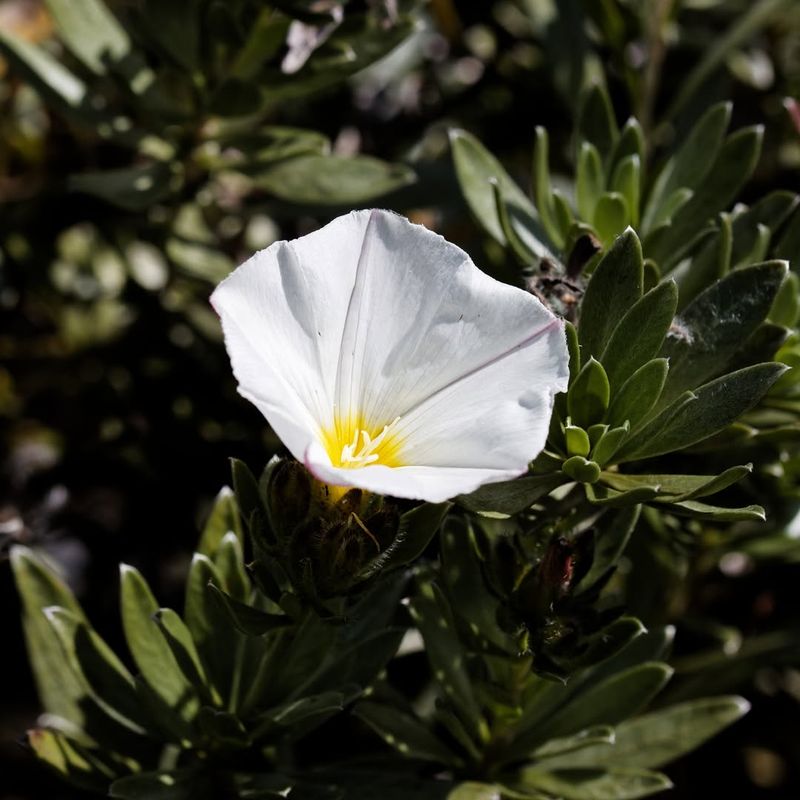
Silver foliage is one of the most underused tools in Arizona gardening, and Bush Morning Glory delivers it in a soft, almost luminous way.
Convolvulus incanus, sometimes called silky morning glory, forms low mounding clumps covered in fuzzy gray-green leaves that reflect sunlight and cool down visually hot garden corners.
Pink to white funnel-shaped blooms appear in spring and sometimes again after monsoon moisture arrives. The flowers are pretty, but honestly the foliage is the main event here.
Silver-leaved plants pair beautifully with purple, orange, or yellow bloomers, making Bush Morning Glory a strong supporting player in mixed desert plantings across central and southern Arizona.
Clumps stay under two feet tall and spread slowly, filling gaps without ever becoming a nuisance. Lean, well-drained soil keeps growth compact and healthy.
Rich or overly amended soil tends to push the plant toward weak, floppy stems that flop outward and lose their tidy shape. Once established, it handles extended dry periods without visible stress, which is a big deal during Arizona’s brutal pre-monsoon stretch in May and June.
Occasional deep watering during summer helps maintain vigor without encouraging excessive growth. Pruning lightly after flowering keeps the mound looking neat.
For gardeners who want texture and color contrast rather than just blooms, this plant fills empty spaces with real visual purpose.
Soft silver foliage catches early morning and late evening light especially well, which gives Bush Morning Glory a brighter presence than many other low-growing Arizona plants.
8. Firecracker Penstemon Adds Bright Color Without Heavy Spread
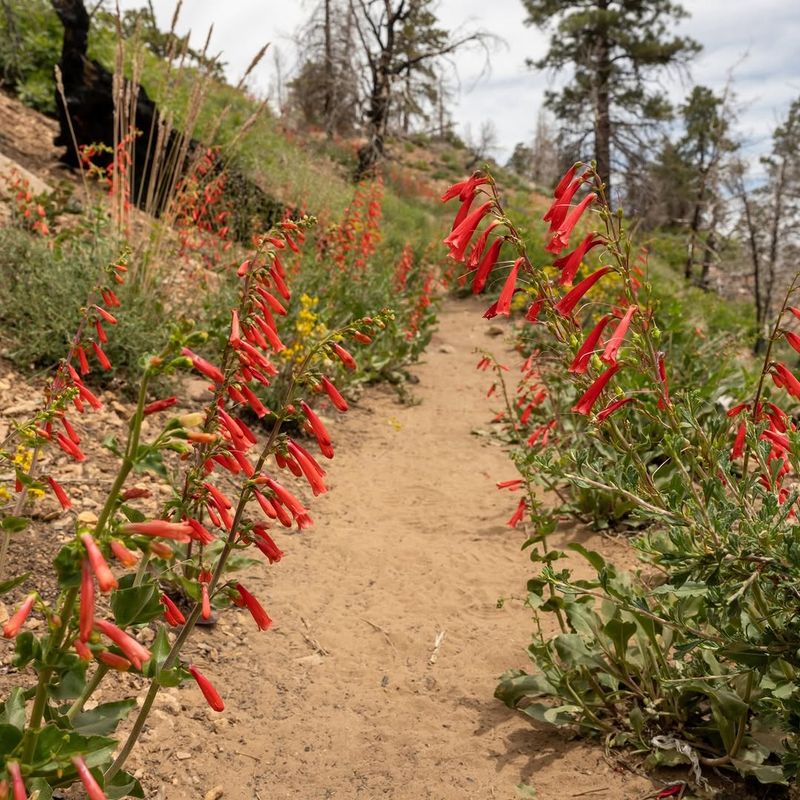
Red flowers that look like they’re lit from inside, tall upright spikes, and hummingbirds hovering nearby every single day of bloom season: Firecracker Penstemon earns its name completely.
Penstemon eatonii is one of the most visually striking native plants available to Arizona gardeners, and it achieves that drama without sprawling or seeding out of control.
Bloom time runs from late winter through spring depending on elevation, making it one of the earliest sources of red nectar for migrating hummingbirds moving through Arizona. Spikes reach two to four feet tall, rising from low basal rosettes of gray-green leaves that stay put and don’t expand aggressively.
Spacing a few plants together creates a bold vertical accent in otherwise flat desert plantings.
Rocky, fast-draining soil and full sun are the two conditions it genuinely needs. Clay soil or poor drainage causes root problems over time, so raised beds or slopes work better than flat, dense ground.
Water regularly during the first growing season to help roots establish, then pull back to deep, infrequent irrigation afterward. Mature plants in well-drained Arizona soil handle dry stretches impressively well.
Leaving seed heads on the plant allows some natural reseeding, but the spread stays modest and manageable.
Compared to showier ornamentals that require constant attention, Firecracker Penstemon is refreshingly self-sufficient while still delivering a genuine visual punch season after season.