8 Smells That Pull Javelinas Into Arizona Yards at Night
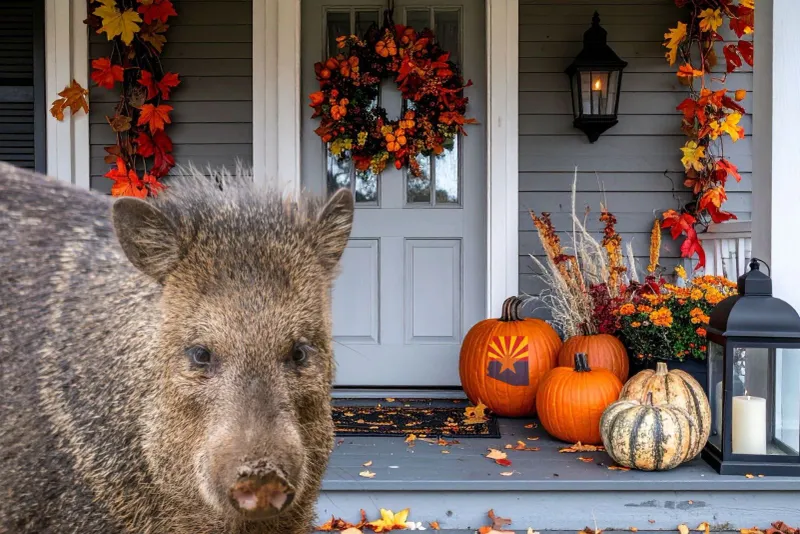
A hungry herd can sniff out a single fallen orange from surprising distances, then shred your flowerbed before sunrise. Their eyesight is famously weak, so their noses do nearly all the work after dark across Arizona neighborhoods.
These bristly desert animals look like pigs, yet they belong to a separate family called peccaries. They travel in family groups, and their strong musky scent glands help members stay together while foraging at night.
I have to admit, my first visit from them felt like a surprise party nobody invited me to attend. You might notice chewed agave, scattered pots, and a lingering skunky odor drifting across your patio the next morning.
October brings cooler nights, so Arizona herds start roaming more widely through suburban yards near desert washes. So which irresistible scents keep calling them back to your garden, and how many are sitting outside tonight?
1. Sweet Fallen Citrus Fruit
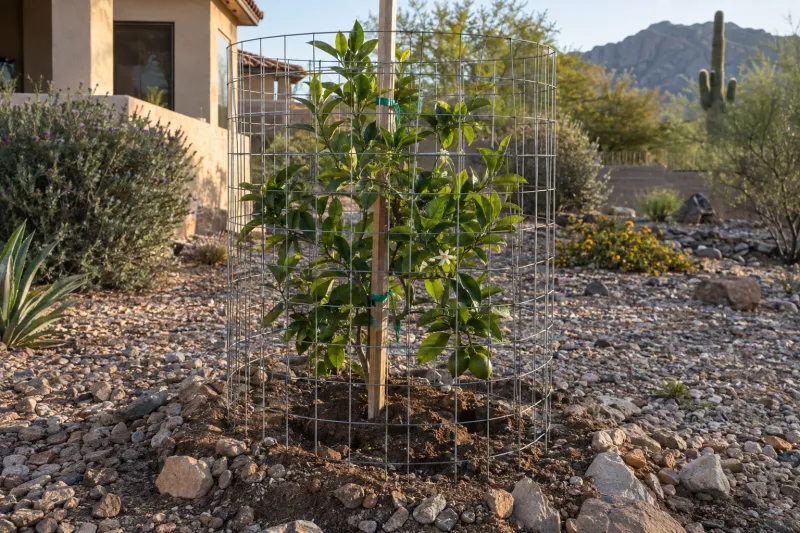
Nothing rings the dinner bell quite like a ripe grapefruit splitting open on warm gravel beneath your backyard tree. Javelinas follow that sugary perfume through the dark, and they rarely leave a single wedge behind for morning.
Citrus in the low desert starts ripening through late fall, with many oranges and grapefruit sweetening by winter months. Wildlife officials note that fallen fruit becomes a favorite food source once those trees begin dropping their harvest.
Personally, I make a quick evening lap under my trees, gathering every soft or split fruit into a lidded bin. You need to stay consistent, since even a few overlooked oranges can teach a herd your yard is reliable.
Native plants like hackberry and jojoba also drop food that javelinas happily eat in natural desert settings. Those shrubs belong in wildlife gardens, but planting them far from patios keeps nighttime feeding away from your doors.
Picking ripe fruit early helps too, because sweet fruit stores well right on most citrus branches for weeks. Tall fruit left hanging tempts them less than fragrant piles sitting at snout level beneath the canopy.
2. Juicy Agave And Prickly Pear Pads
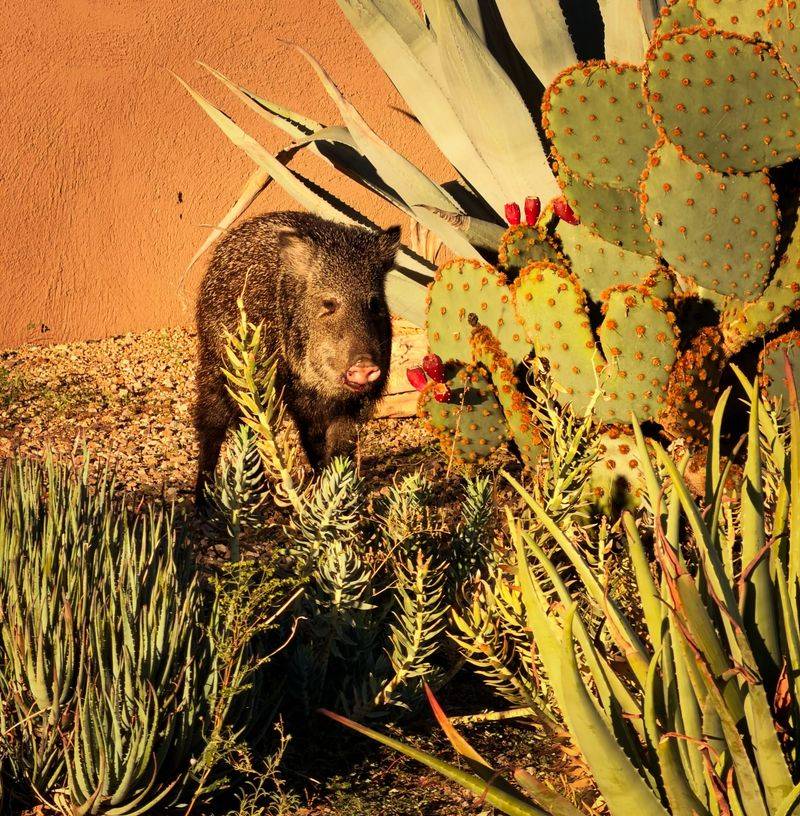
Spines barely slow these animals down, which honestly amazes me every time I find a shredded prickly pear pad. The moist, fleshy scent of succulents signals water, and that matters greatly to desert wildlife after long, dry summers.
Prickly pear pads make up a large share of their natural diet, supplying both moisture and energy across the year. Young agaves suffer most, because javelinas chew into the soft, starchy centers and leave hollowed rosettes behind.
You might notice damage clustered around freshly planted succulents rather than established, tougher specimens nearby in the same bed. Newly watered nursery plants smell especially lush, so protecting them through their first season makes a real difference.
I like using sturdy wire cages around young agaves until their leaves harden and spines grow longer. Native plants like creosote bush and brittlebush tend to see less browsing, so mixing them in softens the overall attraction.
Prickly pear remains wonderful habitat for bees and birds, so I would not pull it out entirely. Planting it along your outer edges lets wildlife enjoy it while your patio succulents stay mostly untouched.
3. Soft Petunias And Pansies
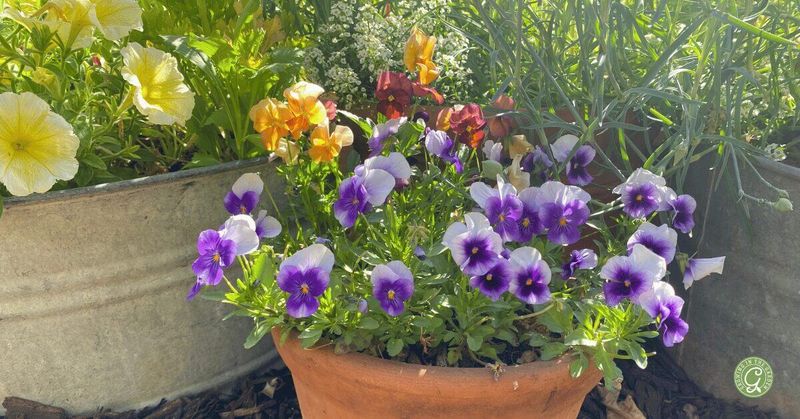
Fall planting season feels exciting until a herd treats your fresh pansies like a sampler platter at midnight. Soft-leaved annuals smell tender and juicy, and javelinas seem to view them as their favorite desert dessert.
October is prime time for planting cool-season flowers in the low desert, which unfortunately overlaps with wider javelina wandering. Petunias, pansies, and snapdragons rank among the plants that local nurseries report getting eaten most often.
I believe containers solve much of this, especially when raised on tables or hung well above snout height. Javelinas stand roughly two feet tall, so elevated pots and hanging baskets keep blooms mostly out of reach.
Ground beds need a different plan, like a low fence or a sturdy barrier buried slightly below the soil. Some gardeners swap in tougher natives, such as desert marigold or penstemon, which often see much lighter browsing.
What surprises me most is how quickly herds remember a successful meal and return within a few nights. Protecting new plantings right away helps break that habit before your flowerbed becomes part of their regular route.
4. Freshly Dug Soil And Bulbs
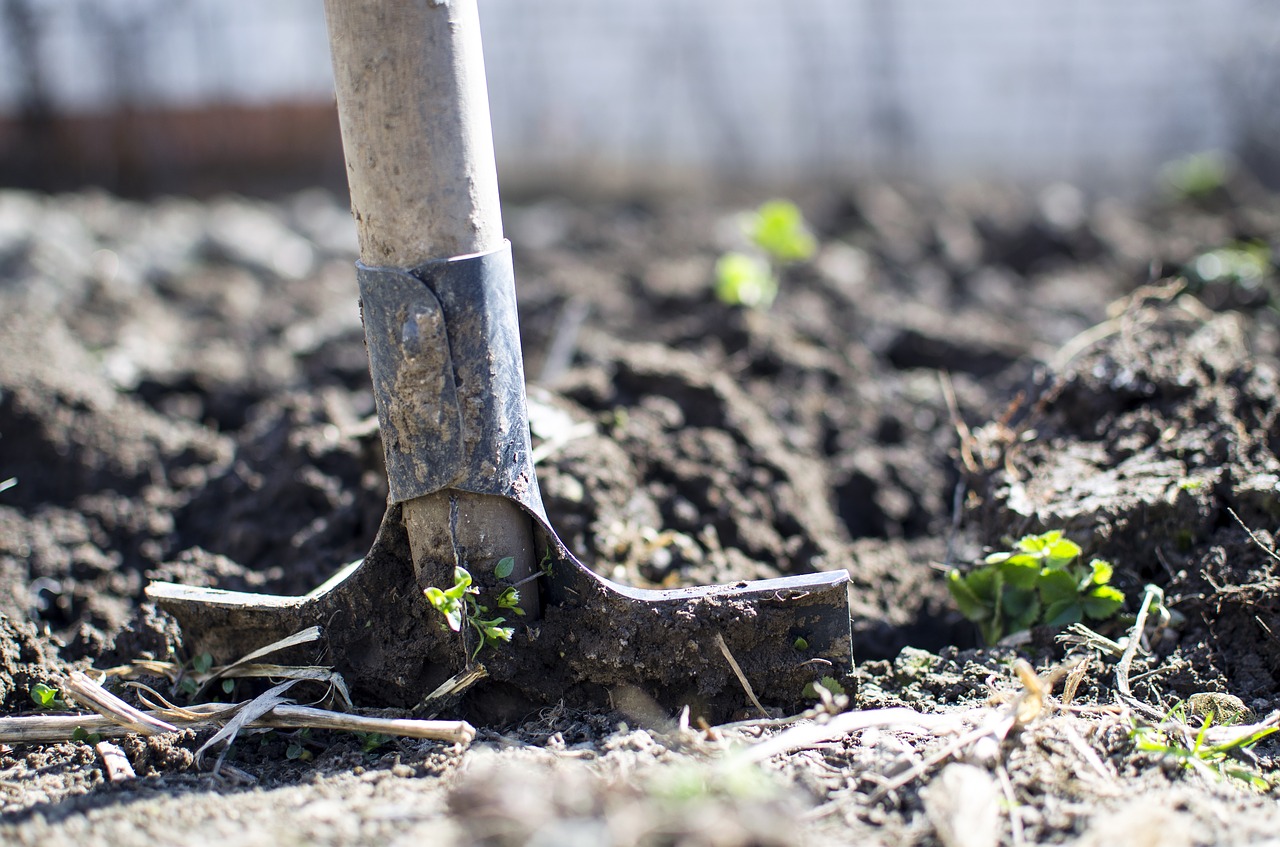
That earthy smell after you turn a garden bed is pure temptation to an animal built for rooting. Javelinas use their tough snouts like little shovels, digging for roots, tubers, and bulbs hiding just below the surface.
In the wild, they dig up native bulbs like ajo lilies and mariposa lilies during their nightly foraging. Freshly planted garden bulbs smell much the same, so newly loosened soil practically advertises a buried snack.
Personally, I lay chicken wire flat over bulb beds right after planting, then cover it with a mulch layer. Shoots grow through the openings later, but digging snouts hit the wire and usually give up quickly.
October is when many gardeners tuck spring bulbs into the ground, so this timing deserves extra attention. Watering bulbs deeply but less often helps too, because constantly damp soil releases stronger scents into the night air.
You might notice shallow, scattered holes rather than neat tunnels, which separates javelina rooting from gopher work. Raking those spots smooth and adding wire quickly helps you see whether the herd keeps coming back.
5. Fall Pumpkins On The Porch
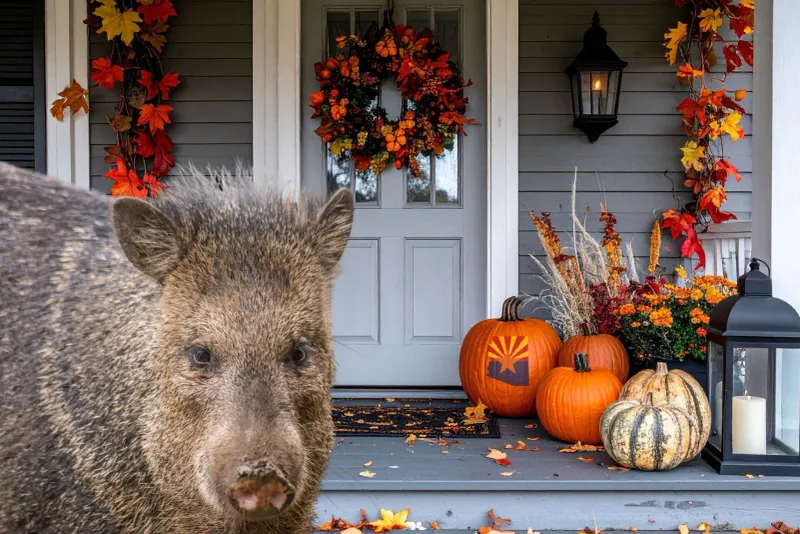
Few fall traditions vanish faster than a porch pumpkin in javelina country, sometimes overnight and with plenty of mess. That sweet, squashy aroma drifts across neighborhoods, and herds treat seasonal decorations like a free harvest buffet.
Cut or carved pumpkins smell even stronger, since the exposed flesh releases moisture and sugars into cool October air. Garden vegetables like tender squash seedlings and young greens attract them too, especially in unfenced backyard beds.
I love fall decor as much as anyone, so I moved my pumpkins inside a gated courtyard this year. You need to bring them indoors at night if your porch sits open to the desert or a nearby wash.
Artificial pumpkins offer a cheerful alternative that looks festive without inviting a crowd of snorting visitors at midnight. Vegetable gardens benefit from raised beds with sturdy fencing, ideally at least three feet tall and firmly anchored.
Leftover pumpkins after the holiday should go into sealed bins rather than open compost or the alley. Feeding javelinas, even accidentally, is discouraged by state wildlife officials because it encourages bolder behavior around homes.
6. Pet Food Bowls Left Outside
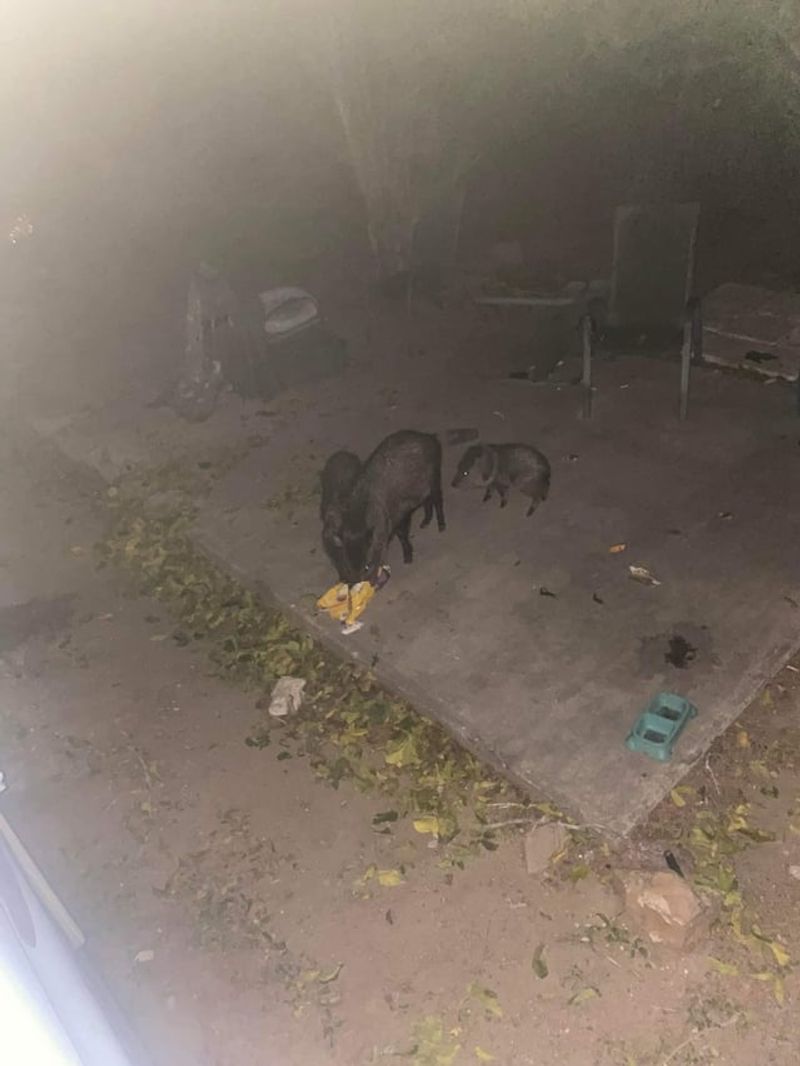
A single bowl of kibble can turn a quiet patio into a nightly meeting spot for an entire herd. Savory, oily pet food smells strong and travels far, and javelinas are rarely picky about whose dinner they eat.
Arizona Game and Fish advises removing uneaten pet food promptly, since it ranks among the most common yard attractants. This matters for safety, because javelinas can react defensively around dogs, which they may see as coyotes.
I feed my pets indoors now, and I have to admit the patio feels calmer after sunset. You need to rinse outdoor bowls too, since lingering crumbs still carry enough scent to draw curious snouts.
Storing bags of food in a closed garage or sealed plastic bin keeps that tempting aroma locked away. Bird seed falls into the same category, so try catching spilled seed with a tray beneath your feeders.
Keeping dogs leashed or supervised at dusk helps prevent tense encounters near brush or along desert edges. A quick porch light check before letting pets out gives everyone a chance to avoid surprises.
7. Open Garbage Cans And Compost Piles
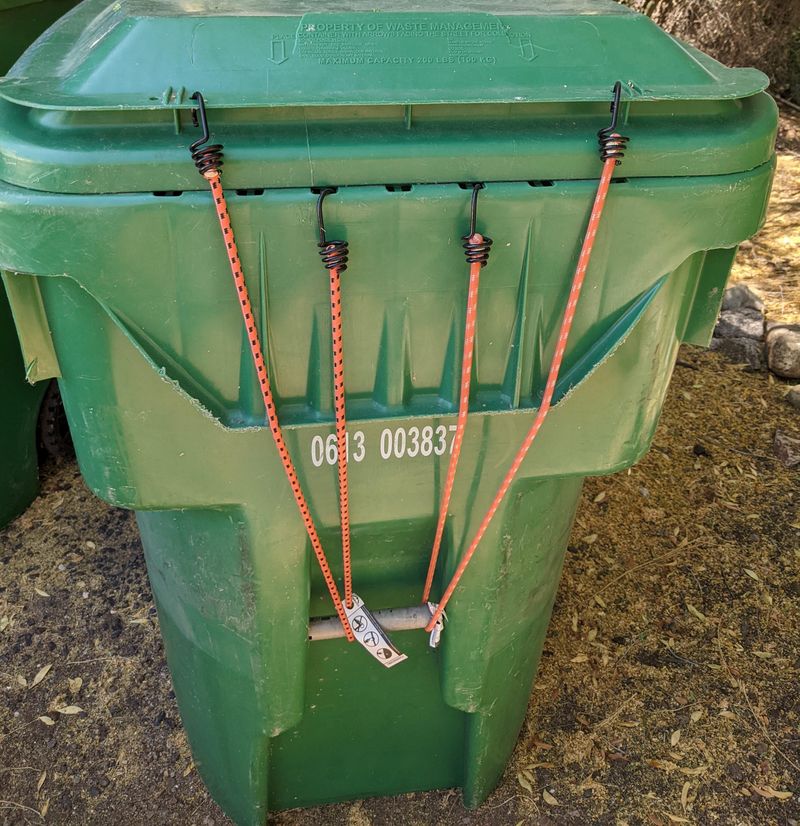
Kitchen scraps start smelling interesting to javelinas long before they start smelling bad to us. Fermenting fruit peels and food waste send a powerful signal through the night air, and those noses catch it quickly.
Wildlife officials recommend secure, lidded trash cans, ideally stored inside a garage or a sturdy enclosure until pickup morning. Herds can tip unsecured cans easily, scattering trash across driveways in a way neighbors notice right away.
Composting fits beautifully with water-wise desert gardening, so I would not abandon it just because of nighttime visitors. You need an enclosed bin, though, rather than an open pile where melon rinds sit on top.
Burying fresh scraps under a layer of dry leaves or finished compost reduces odors noticeably in my experience. Avoiding meat, dairy, and greasy leftovers in compost also keeps smells milder and less tempting for wandering wildlife.
Placing trash out on collection morning instead of the night before makes a surprisingly big difference in many neighborhoods. A bungee cord across the lid offers cheap backup if your bin lacks a locking latch.
8. Mesquite Pods Under Native Trees
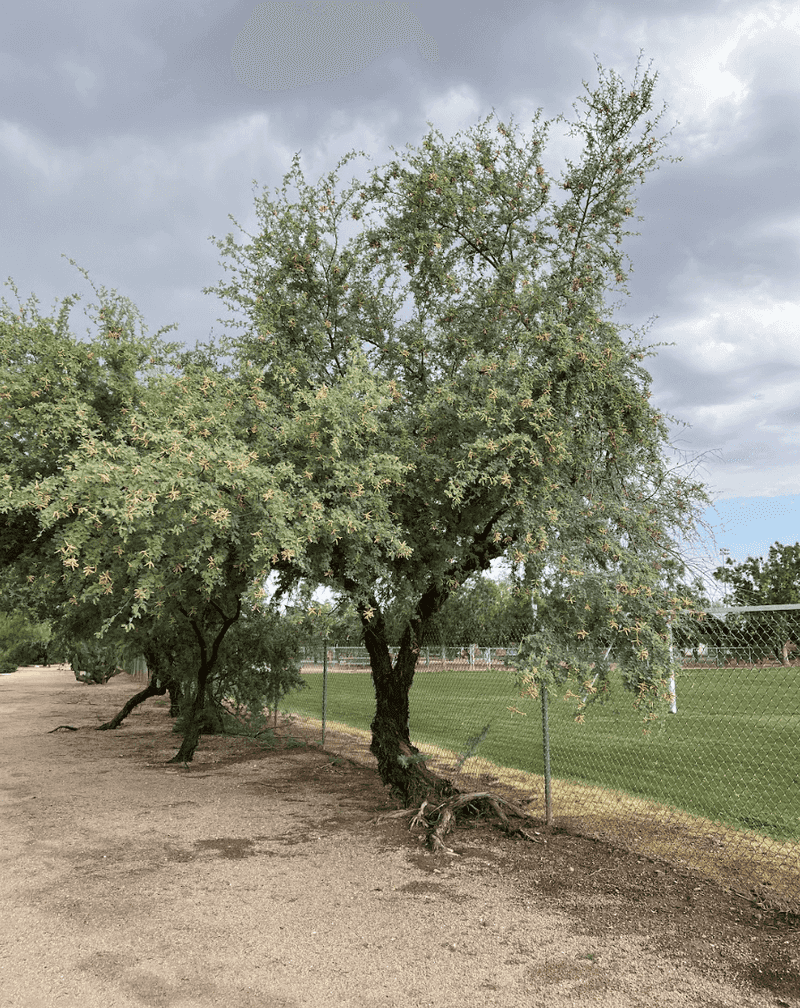
Long before suburbs existed, mesquite pods were feeding desert wildlife with their sweet, carbohydrate-rich seeds every single summer. Javelinas know that scent well, and a pod-covered yard can draw them back to familiar feeding grounds.
Mesquite pods ripen mostly from early to late summer, and many trees have finished dropping them by October. Lingering pods still smell appealing, though, so cleanup this month helps break the habit before cooler roaming nights.
I love native mesquites for their filtered shade, which keeps patios cooler and supports birds, bees, and lizards. Velvet mesquite is a fantastic choice for local landscapes, needing little water once its deep roots settle in.
Raking fallen pods into a lidded bin keeps the ground less inviting without sacrificing a beneficial shade tree. Some people even grind clean, freshly gathered pods into mesquite flour, which has a lovely sweet, nutty flavor.
What surprises me most is how a single tree can shape wildlife traffic across an entire block. Keeping the ground tidy lets you enjoy native habitat while gently steering hungry visitors toward wilder desert areas.