These Are The Arizona Plants Whiteflies Cloud Around In August
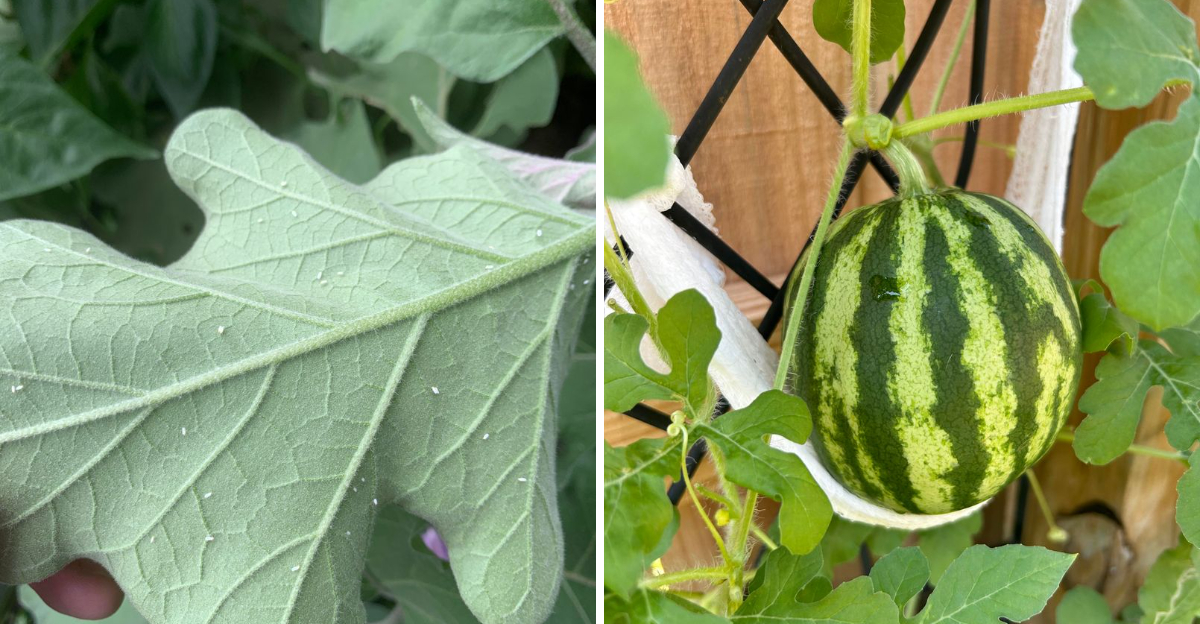
Arizona gardeners know the cloud.
You brush a leaf, bump a vine, or shake one tired summer plant, and a pale swarm lifts like garden dust with wings. It looks almost harmless for one second. Then you flip the leaf over and see the real problem tucked underneath.
Whiteflies love the hidden side of August.
They gather where sun cannot roast them as quickly, feed on sap, leave sticky honeydew, and may carry viruses that plants cannot simply outgrow.
The heat does not scare them off. In many Arizona gardens, it helps them build faster, especially on vegetables with broad leaves, dense vines, and stressed summer growth.
The trick is not waiting for the whole plant to look bad. By then, the colony has usually settled in.
So which Arizona plants should you scout first when whiteflies start rising in little clouds?
Start with the leaves you do not usually check, because the underside is where August’s smallest garden trouble often gets comfortable.
1. Tomatoes Hide Colonies Under Lower Leaves
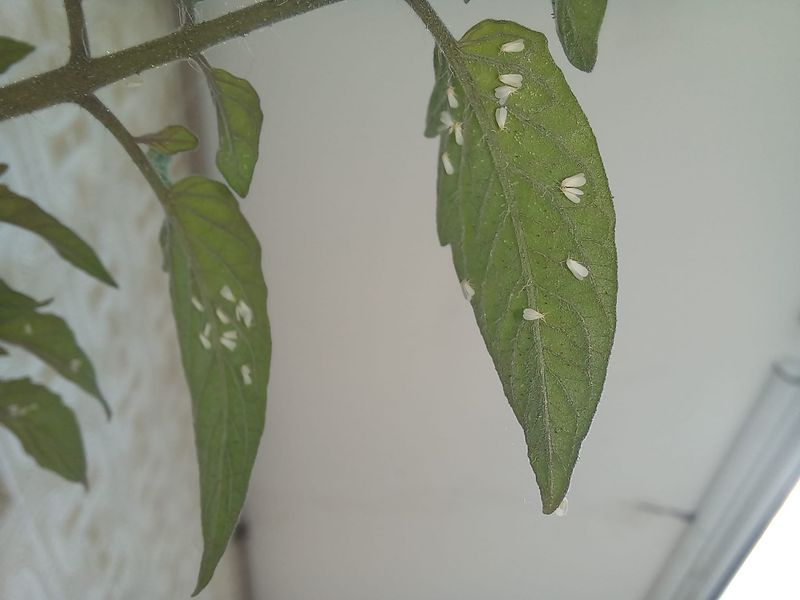
Tomatoes may look clean from above while the whiteflies are throwing a whole meeting underneath.
That is the frustrating part. The upper leaves can look only mildly tired from heat, but flip the lower foliage and you may find adults, eggs, and flat pale nymphs lined up along the leaf surface.
The lower leaves offer shade, shelter, and a little protection from wind, which makes them prime August real estate.
In Arizona vegetable gardens, silverleaf whitefly is a common concern on tomatoes. Adults fly up when the plant is disturbed, but the nymphs stay put.
Those nymphs are the real proof that a colony has established, not just passing adults that landed for a moment.
Look for yellowing leaves, sticky honeydew, and black sooty mold growing on that residue. Sooty mold looks dramatic, but it follows the honeydew. The feeding comes first.
Viruses are the bigger worry. Some whiteflies can transmit plant viruses, and no spray fixes a virus-infected tomato once the plant has it.
Scout lower leaves twice a week in August. Use a hand lens if you have one, because young nymphs can look like tiny pale scales.
Remove the worst lower leaves if they are packed with insects, then seal them in a bag. Do not drop them under the plant like a pest welcome mat.
Healthy watering matters too. A heat-stressed tomato can lose ground fast when sap feeders pile on.
Tomatoes do not need daily panic. They need leaf-flipping discipline.
2. Squash Leaves Shelter Developing Nymphs
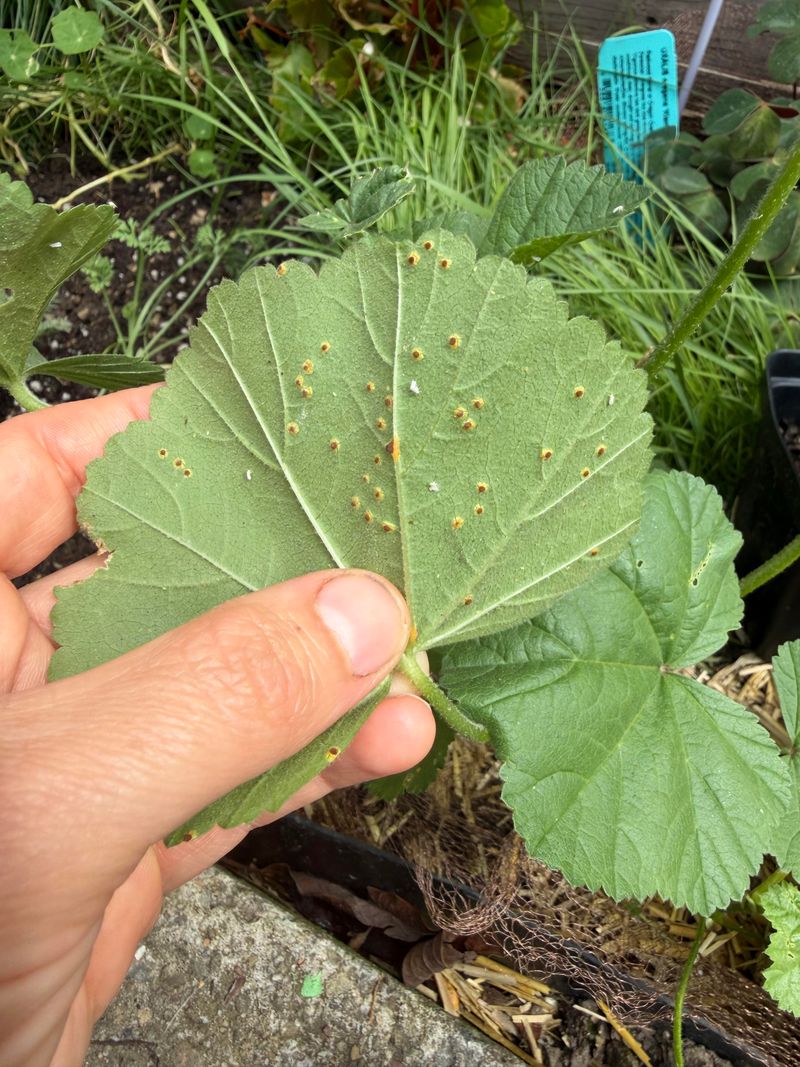
Squash leaves are rough, broad, and perfect for hiding trouble.
Whiteflies use the undersides as sheltered feeding sites, and the leaf texture can make colonies harder to notice until adults start flying up in little bursts. By then, eggs and nymphs may already be settled across older leaves.
August makes squash scouting more urgent in Arizona. Heat, overlapping growth, and pest pressure all stack up at the same time.
Do not inspect only the newest leaves. Start with the older leaves in the center of the plant, where shade and still air help whiteflies establish.
Your Arizona Garden Changes Every Week. Your Plan Should Too.
Gardening in Arizona changes quickly throughout the season. Every Friday you’ll receive a simple weekly plan showing exactly what to plant, prune, fertilize, harvest, and protect so you never miss the right timing.
Adults flutter when disturbed. Nymphs do not. They stay fixed to the leaf surface, feeding in place like tiny pale scales.
That difference helps separate whiteflies from other squash pests. Squash bugs are larger, darker, and shaped very differently.
Spider mites may leave stippling and fine webbing. Whiteflies bring flying adults, flat nymphs, honeydew, and often sooty mold.
Remove spent or badly infested leaves when the plant can spare them. Bag the leaves instead of tossing them beside the bed.
Do not strip the plant bare. Squash still needs foliage to shade developing fruit and feed the plant.
Water at the base when possible. Overhead watering does not solve whiteflies and can add leaf disease problems to a plant already under stress.
Give plants enough spacing for airflow. A crowded squash patch becomes harder to inspect and easier for pests to use.
Squash can handle a little pest pressure. It struggles when a hidden whitefly nursery grows unchecked under the leaves for weeks.
3. Eggplants Support Dense Summer Populations

Eggplant leaves make whiteflies feel far too welcome.
They are broad, slightly fuzzy, and generous with shaded underside space. In August heat, that combination can support dense colonies before the gardener notices anything more than a little yellowing from above.
Start with older lower leaves. Whiteflies often build there first, tucked away from direct sun and some predators. Turn the leaf gently and look for adults, tiny eggs, and immobile nymphs in different sizes.
The adults are easy to notice when they flutter up. The nymphs deserve more attention because they show the plant is already hosting the next generation.
Feeding can cause stippling, yellowing, and weaker growth. Honeydew may coat leaves below the colony, and sooty mold can follow. Fruit can get sticky too, which is not the harvest texture anyone wants.
Do not assume every white insect cloud needs an instant broad spray. Eggplants often host beneficial insects too, including tiny parasitic wasps that attack whitefly nymphs.
A harsh spray can knock those helpers back and leave the pest problem worse later.
Remove only the most heavily infested leaves when practical. Bag them before carrying them through the garden.
Keep watering steady. Eggplants already work hard in Arizona summer, and dry, stressed plants can become easier targets for quick population jumps.
Check plants in the morning, when heat is less punishing and adults are easier to observe without wilting the gardener first.
Eggplants can keep producing through pressure, but only when you catch the colony before the underside turns into a whitefly apartment complex.
4. Brassicas Carry Whiteflies Into Fall
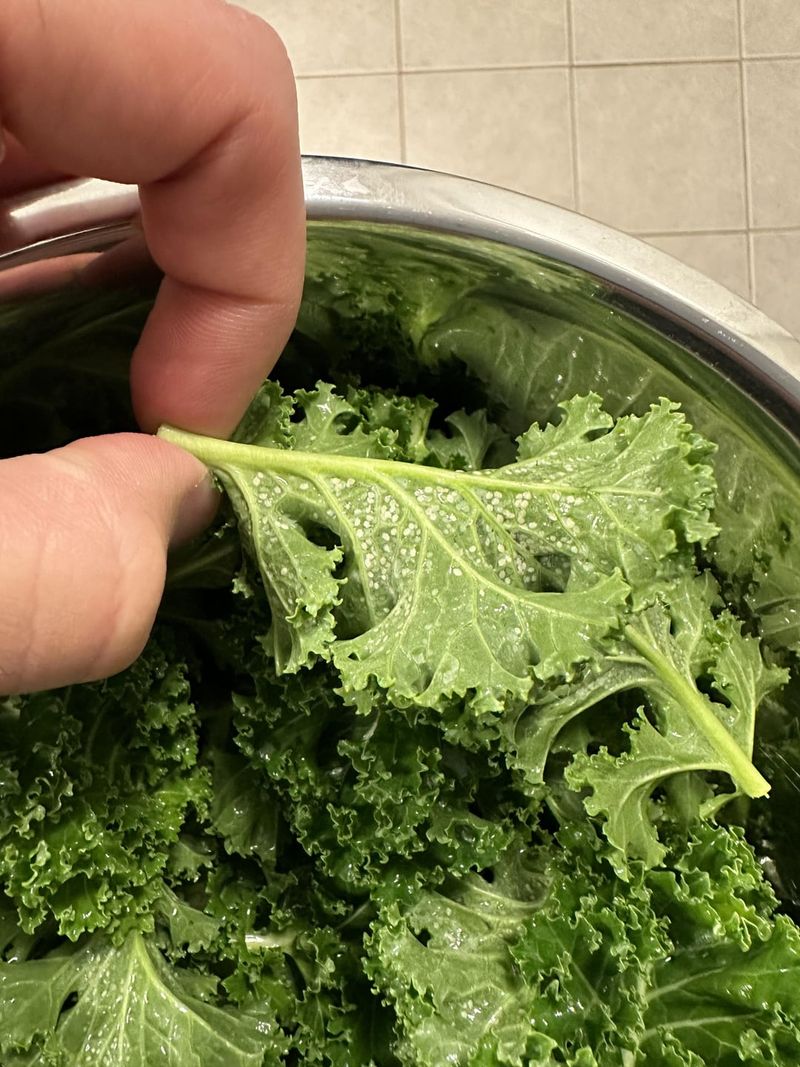
Brassicas can bring summer whitefly problems straight into the fall garden.
That surprises gardeners who think broccoli, cabbage, kale, and cauliflower belong to cooler weather and should somehow escape August pests.
In Arizona, the planting window for fall brassicas can overlap with high whitefly activity, especially when transplants go into warm late-summer beds.
Check every transplant before planting. Look under the leaves, along the ribs, and near the crown. Nursery plants can arrive with eggs or nymphs already attached, and row cover will not help if it traps pests inside with the crop.
Young brassicas are vulnerable because every leaf matters. A small transplant does not have much foliage to spare, and whitefly feeding can slow growth right when the plant needs to establish before cooler weather arrives.
Row cover is useful here because brassicas do not need pollinators for the leaves and heads you harvest. Install it right after planting over pest-free starts, then secure the edges well.
Still inspect underneath. Lift the cover regularly and check leaf undersides. A protected bed can become a hidden problem if one infested transplant slips through.
Delaying planting by a short stretch may help in areas with especially heavy regional pressure. That small timing shift can reduce early colonization, especially if fall cooling is close.
Keep plants evenly watered so they root quickly in warm soil.
Brassicas are supposed to be the relief crop after brutal summer gardening. Do not let whiteflies hitch a ride into that better season.
5. Melons Feed Fast Whitefly Buildup
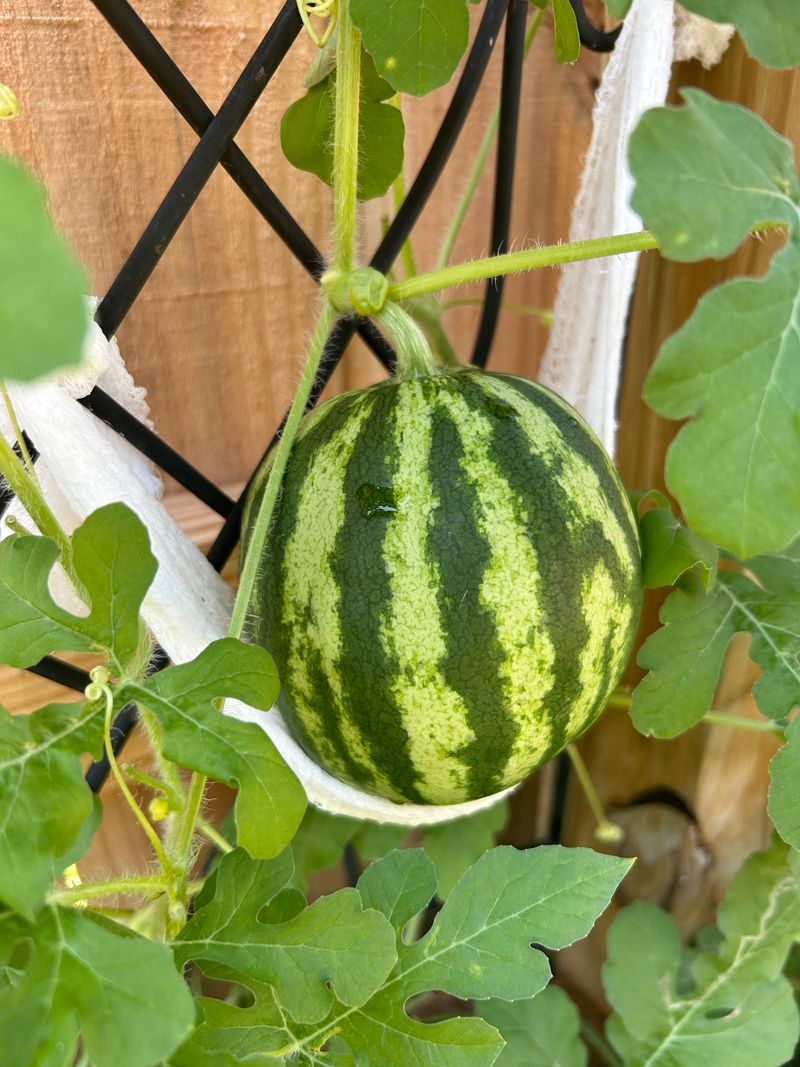
Melon vines can hide a whitefly problem under all that leafy sprawl.
That is what makes them tricky in Arizona gardens. A cucumber or tomato plant at least stands where you can inspect it.
Melons run, overlap, shade themselves, and create hundreds of leaf undersides that pests can use without much interruption.
By August, a mature melon patch may have enough foliage to support a fast whitefly buildup before the fruit gives any obvious warning.
Start scouting before you see clouds. Lift vines gently near the base and flip older leaves. That is often where colonies settle first.
Look for pale nymphs attached to the underside, tiny eggs, sticky honeydew, and adults that lift off when disturbed.
Do not rely on adult clouds alone. Passing adults can land during regional pressure, but nymphs mean the plant is feeding a colony.
Melons also bring the virus concern. Whitefly-transmitted viruses can distort growth, reduce yield, and leave gardeners with plants that never really recover.
Row cover can help young melon plants early, but it has to come off once flowers need pollination. After that, scouting becomes the main defense.
Keep vines watered deeply and evenly. Stress will not cause whiteflies, but it can make plants less able to handle feeding pressure.
Avoid letting old, yellowing leaves pile up inside the vine mat. Removing spent foliage can improve airflow and make scouting less like crawling through a green maze.
Melons can go from fine to overwhelmed fast.
The bigger the vine, the more important it is to check the hidden leaves before the cloud tells you what already happened.
6. Cotton Supports Regional Pest Movement
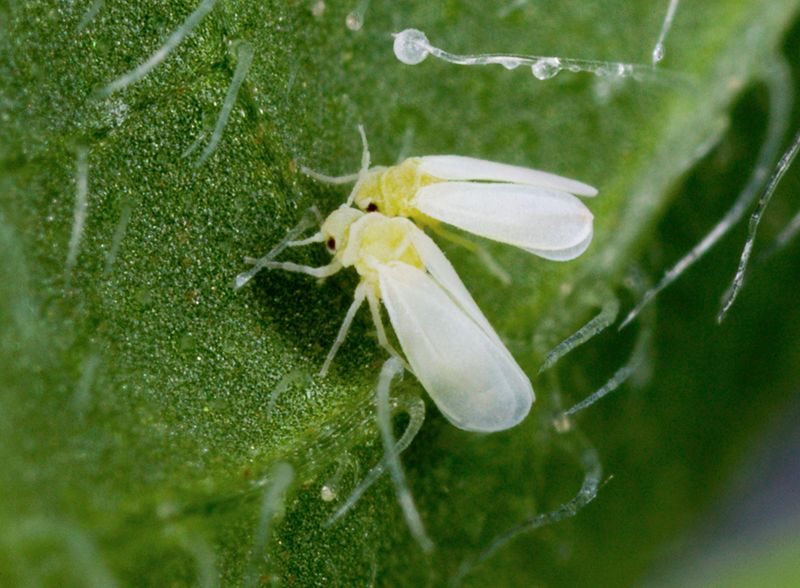
Cotton may not be in your backyard, but it can still affect your garden.
Arizona cotton fields are major hosts for silverleaf whitefly. When regional populations build in late summer, adult whiteflies can move across the landscape, especially as fields mature, dry down, or get disturbed.
That is why a home gardener can walk outside in August and suddenly see more whiteflies than the day before.
It may feel like they appeared out of nowhere. They probably came from somewhere, just not always from the plant you noticed first.
This does not mean every nearby cotton field caused your outbreak. Wind, distance, crop stage, and regional pressure all matter. The useful lesson is simpler: when whitefly pressure is high in agricultural areas, home gardens need closer scouting.
Adults landing on plants are not the same as an established infestation. The key is what happens next.
Flip leaves and look for eggs and nymphs. Adults can pass through. Nymphs mean reproduction is happening on your plant.
Gardeners in cotton-growing regions should be especially watchful on tomatoes, melons, squash, eggplants, sweet potatoes, and young fall vegetables.
Do not respond to every adult cloud with an immediate broad-spectrum spray. That may harm predators and parasitoids that help keep populations in check.
Use regional pest updates when available, then let those alerts guide scouting frequency.
Cotton reminds gardeners that whiteflies are not just a single-plant problem.
They are a landscape pest, and August winds can make your porch tomato part of a much bigger summer story.
7. Sweet Potatoes Provide Another Host
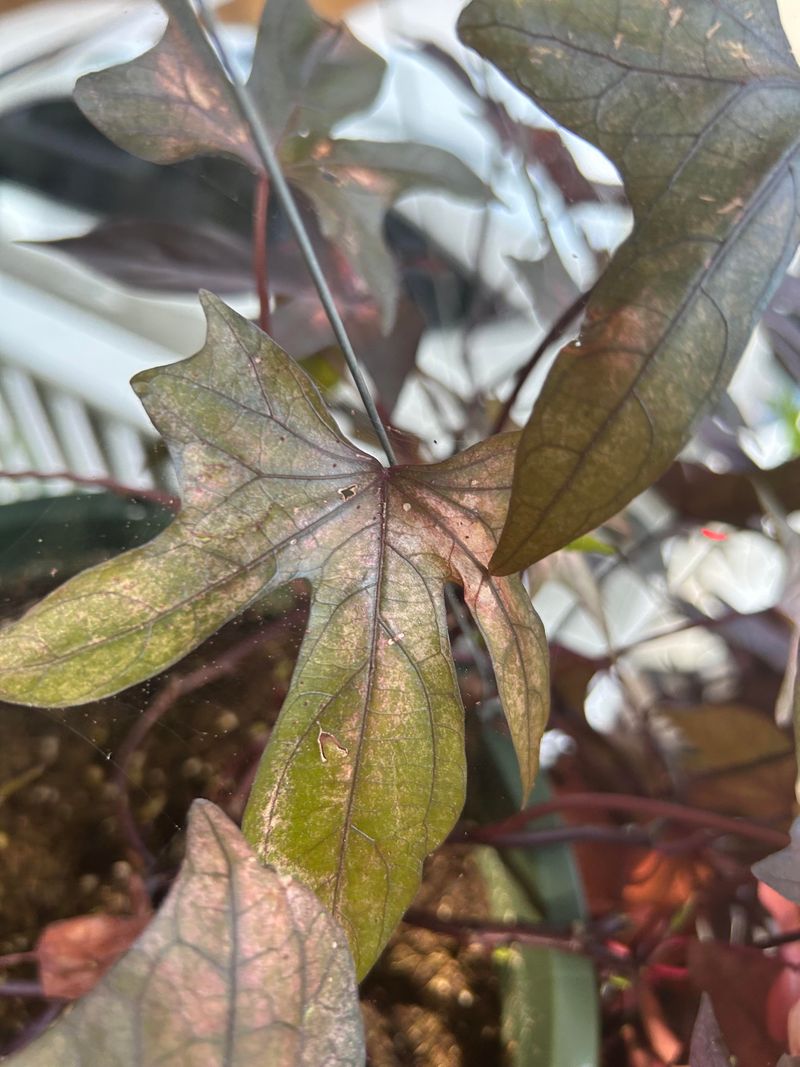
Sweet potato vines love Arizona heat, and whiteflies know it. Both edible sweet potatoes and ornamental sweet potato vines can host colonies through August.
That matters because ornamental vines near patios, containers, or vegetable beds may quietly build pest pressure while the gardener focuses on tomatoes or melons.
The leaves overlap as the vines run, creating shaded pockets underneath. Whiteflies use those spots for eggs and nymphs, then adults lift off when the foliage is disturbed.
Scout near the base first. Older growth often holds the earliest colonies, especially where leaves are dense and airflow is limited.
Look for sticky honeydew on lower leaves or hard surfaces below the vine. Black sooty mold may follow, making the plant look dirtier than the pest itself.
Do not ignore ornamental varieties just because you do not plan to eat them. A decorative vine can still act as a whitefly host and sit close enough to vegetable crops to matter.
Lift sections gently and check the underside of leaves. If populations stay low and you see signs of parasitized nymphs or predator activity, natural control may be doing useful work.
Avoid broad sprays that wipe out beneficial insects unless a labeled treatment is truly needed and targeted.
At season’s end, remove old vines completely, especially if they carried heavy infestations. Do not leave pest-loaded debris around the garden.
Bag heavily infested material instead of composting it casually.
Sweet potatoes can be productive and beautiful, but in August they deserve the same underside inspection as every other whitefly magnet in the yard.