7 Little Known Tips That Make California Hydrangeas Bloom Bigger Next Year
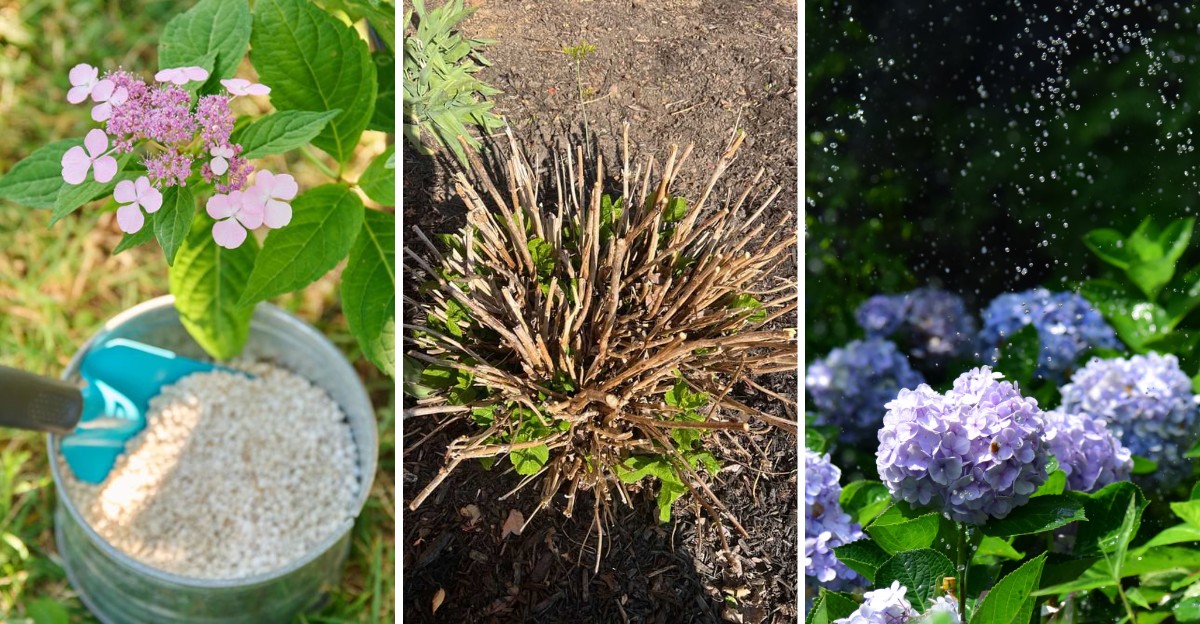
Those giant flower clusters on your porch shrub are mostly showy sepals, not true petals at all. Even stranger, the buds for next summer often form on this year’s stems by early autumn.
That means one careless snip in fall can quietly erase a whole season of color in a California yard. I have to admit, I learned this lesson the hard way with a very leafy, very flowerless shrub.
Our dry summers and alkaline soils add a few extra twists for gardeners living along the Pacific. You need more than luck, because the right timing and smart care make a surprising difference in size.
What surprises me most is how small, simple changes can turn modest flowers into heads as big as dinner plates. So which quiet habits are holding your blooms back, and which ones could change everything in California next year?
1. Prune Bigleaf Hydrangeas Right After They Flower
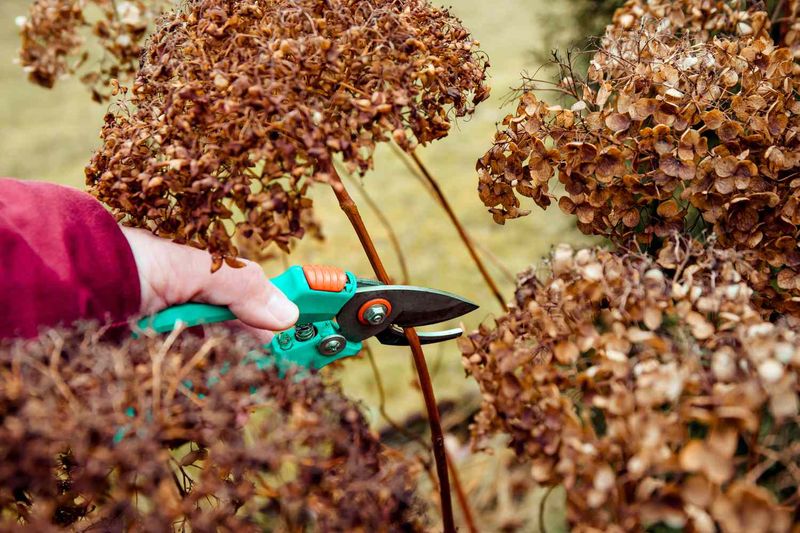
Bigleaf hydrangeas start building next summer’s flower buds surprisingly early, often by late summer or early fall. Every stem you trim after that point can carry away blossoms you would have loved next June.
Bigleaf and oakleaf types flower on old wood, which means their buds sit on stems grown last year. Personally, I keep my pruners holstered until the last flowers fade, then I move quickly before buds set.
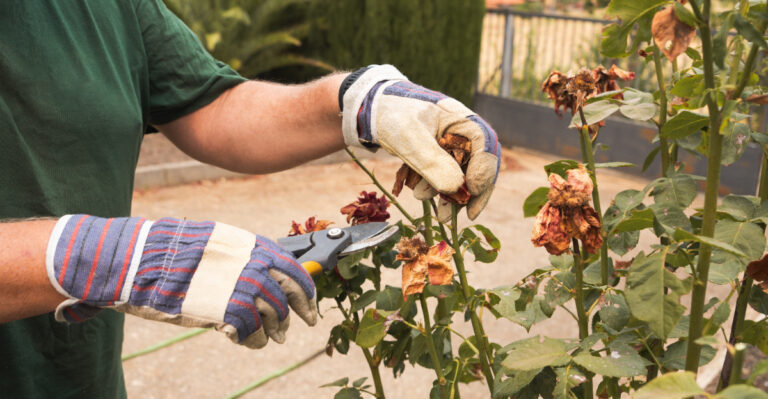
Aim to finish any shaping by mid-July or early August, depending on how warm your area stays. Cut each flowering stem back to the first healthy pair of fat buds below the faded bloom.
Those plump buds are your future flowers, so treat them gently and avoid shearing the whole shrub flat. Shearing removes buds evenly across the top, which often leaves you with a tidy green bush and few blooms.
Reblooming varieties like the Endless Summer series are a little more forgiving, since they also flower on new growth. You can trim those through summer, then ease off in fall so fresh buds can settle in.
In mild coastal gardens, some bigleaf plants keep pushing growth late into the year, which tempts us to tidy up. Resist that urge, because a winter haircut usually trades next year’s big blooms for a pile of leaves.
I like to snap a quick photo after pruning so I remember which stems still hold buds. That little habit saves me from guessing, and it keeps my clippers away from the stems that matter.
2. Cut Panicle Hydrangeas Low In Late Winter
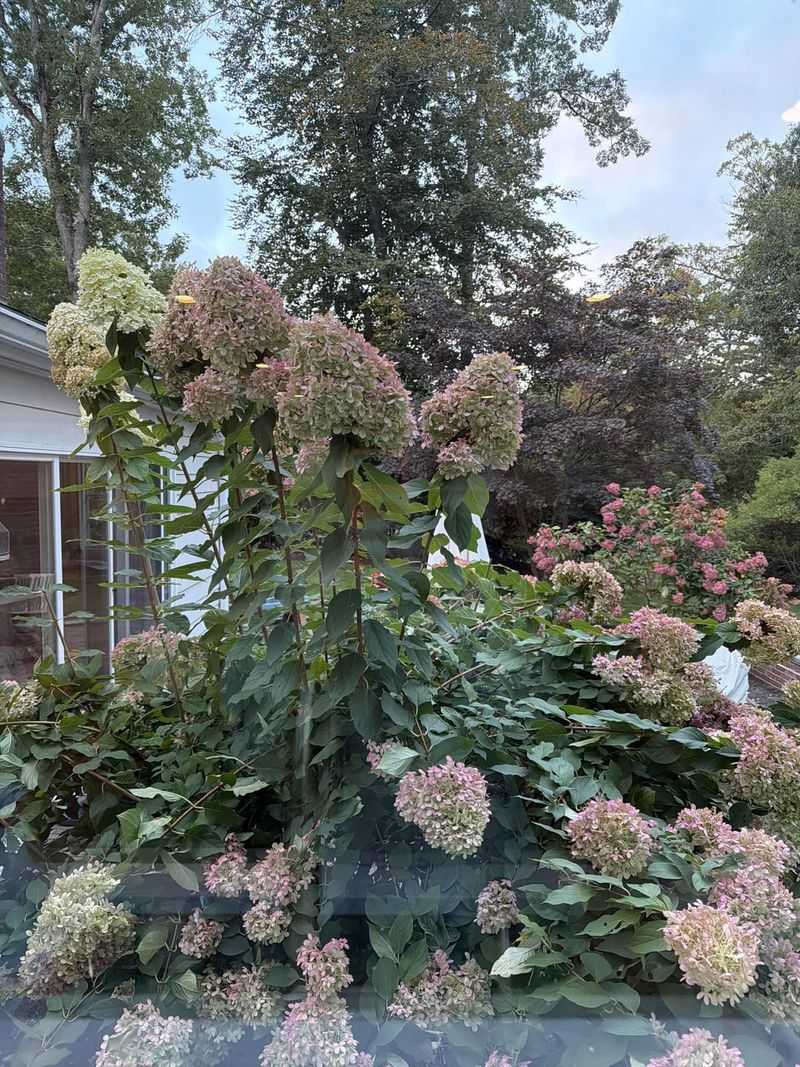
Panicle and smooth hydrangeas play by different rules, and honestly, I find that refreshing after fussing over bigleaf types. Both form flower buds on fresh spring stems, so a late winter cut actually helps them flower generously.
Varieties such as Annabelle and Limelight respond to firm pruning with fewer but noticeably larger flower heads. Cutting stems back to roughly eight to ten inches from the ground directs energy into a smaller number of shoots.
That hard cut works best while plants are dormant, before new leaves unfold and the season speeds up. In most of the state, late January through February is a sensible window for this job.
You might notice Annabelle stems flopping after a hard prune, since those huge heads get heavy after rain. A simple ring of hoop stakes set in early spring keeps those blooms upright and looking tidy.
If you prefer a fuller shrub, trim stems to about eighteen to twenty-four inches instead of going low. Blooms will still size up nicely, and the plant keeps a sturdier framework for holding those heavy flowers.
Panicle types handle more sun and heat than bigleaf plants, which makes them handy for warmer inland yards. I love how Limelight shifts from lime green to soft pink as the season cools down.
Clean, sharp cuts just above an outward facing bud help shape the plant and reduce crowded centers. Wipe your blades between plants, too, because tidy tools lower the chance of spreading disease around the garden.
3. Swap High Nitrogen Food For Gentle Hydrangea Feeding
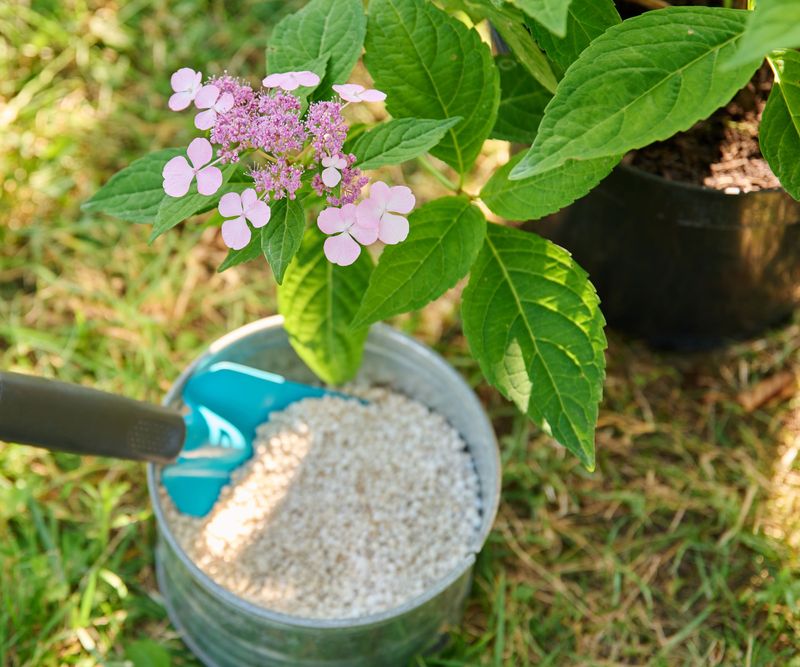
A hydrangea stuffed with nitrogen turns into a gorgeous green salad, with plenty of leaves and very few flowers. I have to admit, my first lawn-food experiment produced the leafiest shrub on the block and zero blooms.
Lawn fertilizers are packed with nitrogen, so keep them away from hydrangea beds whenever you feed the grass. Runoff from a nearby lawn can quietly push hydrangeas toward foliage instead of the big heads you want.
Hydrangeas usually do well with a balanced, slow-release fertilizer applied lightly in early spring as new growth appears. A second light feeding in early summer can support plants, especially rebloomers that keep flowering for months.
Wrap up feeding by late summer, because late fertilizer can push soft growth that struggles when nights turn chilly. Overfeeding also builds up salts in soil, which can scorch leaf edges during hot, dry stretches.
Phosphorus, the middle number on the bag, supports flowering, but blue bigleaf hydrangeas need a gentler approach. High phosphorus can tie up aluminum in soil, which makes those blue flowers drift toward purple or pink.
For blue blooms, many growers choose a fertilizer lower in phosphorus and higher in potassium for steady color. Pink lovers can lean on a more phosphorus-rich bloom formula, since it helps keep aluminum out of reach.
Personally, I mix an inch of compost around my shrubs each spring to feed the soil gently. Compost releases nutrients slowly and helps those shallow roots hold onto moisture much longer between summer waterings.
4. Water Hydrangea Roots Deeply And Mulch Them Well
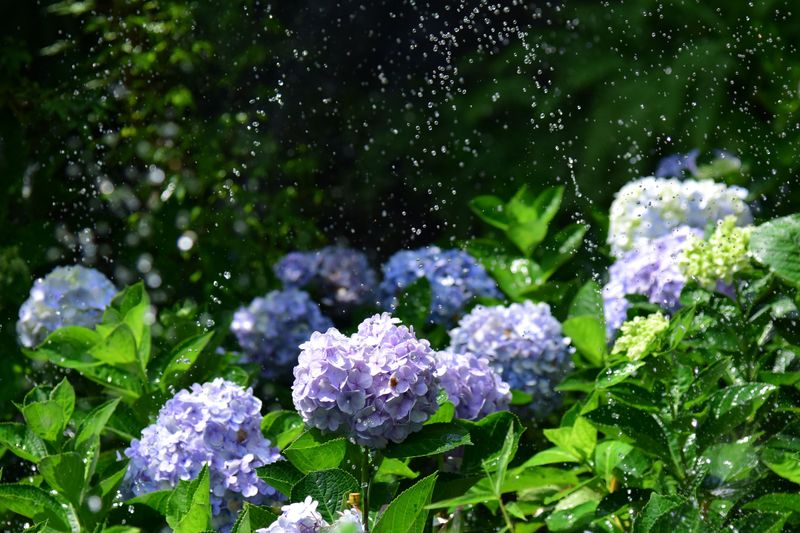
Even the name hydrangea hints at water, since it comes from Greek words for water and vessel. Those shallow, fibrous roots dry out fast, and wilted leaves on a sunny afternoon tell the story clearly.
Light daily sprinkles keep only the top inch damp, so roots stay near the surface and suffer in heat. A slow, deep soak once or twice a week encourages roots to reach lower where soil stays cooler.
Water in the morning and aim at the base, so leaves stay dry and less moisture drifts away. Drip lines or a soaker hose make this easy, and they work nicely with California watering schedules and restrictions.
Before watering again, push a finger into the soil and check whether the top inch or two feels dry. Afternoon wilting can simply be heat stress, so check the soil before you grab the hose in a panic.
Potted hydrangeas dry out much faster, and in hot weather they may need water every single day. Bigger containers hold more moisture, so I suggest moving up a size if your pot plant seems constantly thirsty.
Spread two to three inches of bark or shredded leaves around the plant, keeping mulch a few inches from stems. That blanket keeps roots cooler and slows evaporation through long, dry summer weeks in sunny yards.
Dry winters happen here, too, so give dormant shrubs an occasional deep drink when rain stays away. Roots that stay hydrated through winter head into spring stronger, ready to push out sturdy stems and bigger flowers.
5. Give Hydrangeas Shade From The Hot Afternoon Sun
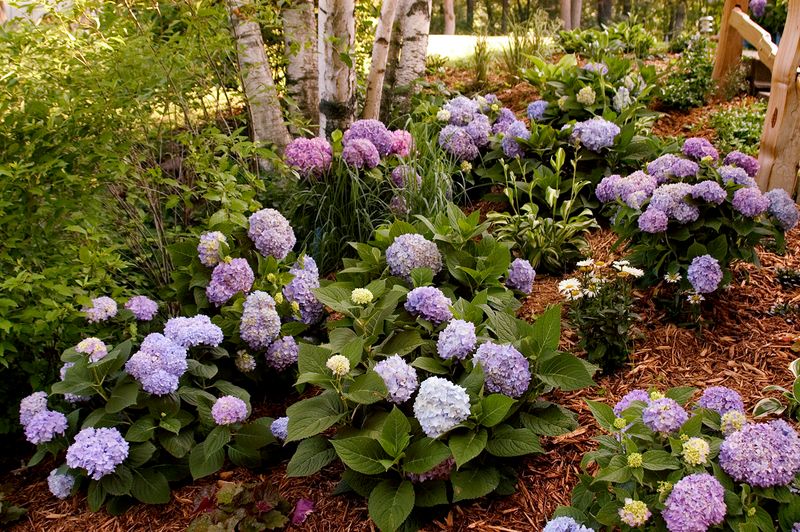
Hydrangeas wear their stress on their sleeves, and crispy brown leaf edges are a classic sign of afternoon sun overload. Blooms can fade and flop early as well, even when you water faithfully and deeply every morning.
Most bigleaf types thrive with about four to six hours of gentle morning sun followed by bright afternoon shade. Morning light fuels flower production, while afternoon shade protects petals and leaves from the harshest heat of day.
Near the coast, bigleaf and mountain hydrangeas often handle more sun, since marine fog softens summer afternoons nicely. Inland valleys and desert edges feel very different, and a west-facing wall can turn into a toasty oven.
In those hotter spots, panicle and oakleaf hydrangeas usually cope better, especially once their roots settle in well. Oakleaf types also bring gorgeous fall color, which I think makes them an underrated choice for warm gardens.
If your shrub already sits in a scorching spot, lightweight shade cloth during heat waves can offer real relief. Choose around thirty to forty percent shade and secure it on stakes, so air still flows around the plant.
Taller neighbors make lovely living umbrellas, so consider planting hydrangeas on the east side of a small tree. Just leave enough room, because tree roots compete for water and can leave your shrub thirstier than expected.
I like to watch my yard on a hot July afternoon to see exactly where shadows fall. Those few minutes of observation often reveal the perfect spot for transplanting a struggling shrub during the cooler months.
6. Test Your Soil Before Chasing Blue Hydrangea Blooms
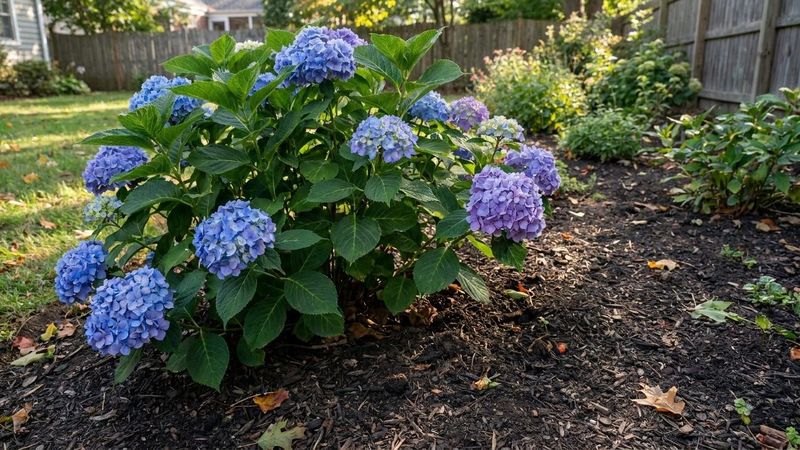
Bigleaf hydrangeas work like living mood rings, changing color based on how much aluminum their roots can absorb. Acidic soil around pH 5.2 to 5.5 frees up aluminum, which usually pushes those flower heads toward blue.
Alkaline soil around pH 6.5 or higher locks aluminum away, so blooms tend to stay pink or red. Many California soils lean alkaline, especially in southern and inland areas, so pink often wins by default.
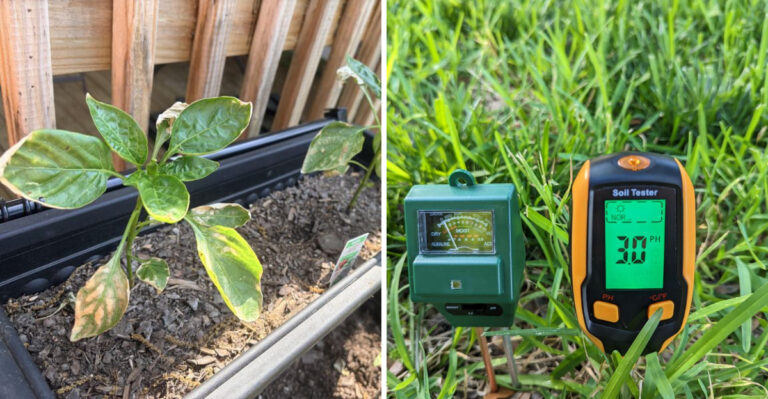
Testing first saves money and frustration, since guessing can lead you to add the wrong amendment for months. A simple home kit works, though your local extension office or a soil lab offers more detailed results.
For bluer flowers, gardeners often apply aluminum sulfate or garden sulfur carefully, following label rates to avoid root burn. Changes happen slowly, so expect a season or two before colors shift noticeably in ground-planted shrubs.
Garden lime raises pH for pinker blooms, and it works best spread in fall or early spring. Watering with hard, alkaline tap water can nudge soil upward over time, which surprises plenty of gardeners.
Healthy pH matters beyond color, because extreme readings can limit iron uptake and leave leaves yellow between veins. Leaves with healthy green color feed the plant better, and well-fed shrubs have more energy for bigger blooms.
White hydrangeas ignore this color game, so you can skip amendments and simply focus on general soil health. Personally, I find growing blue blooms in a pot of acidic mix much easier than fighting native soil.
7. Remove The Oldest Hydrangea Canes To Refresh The Shrub
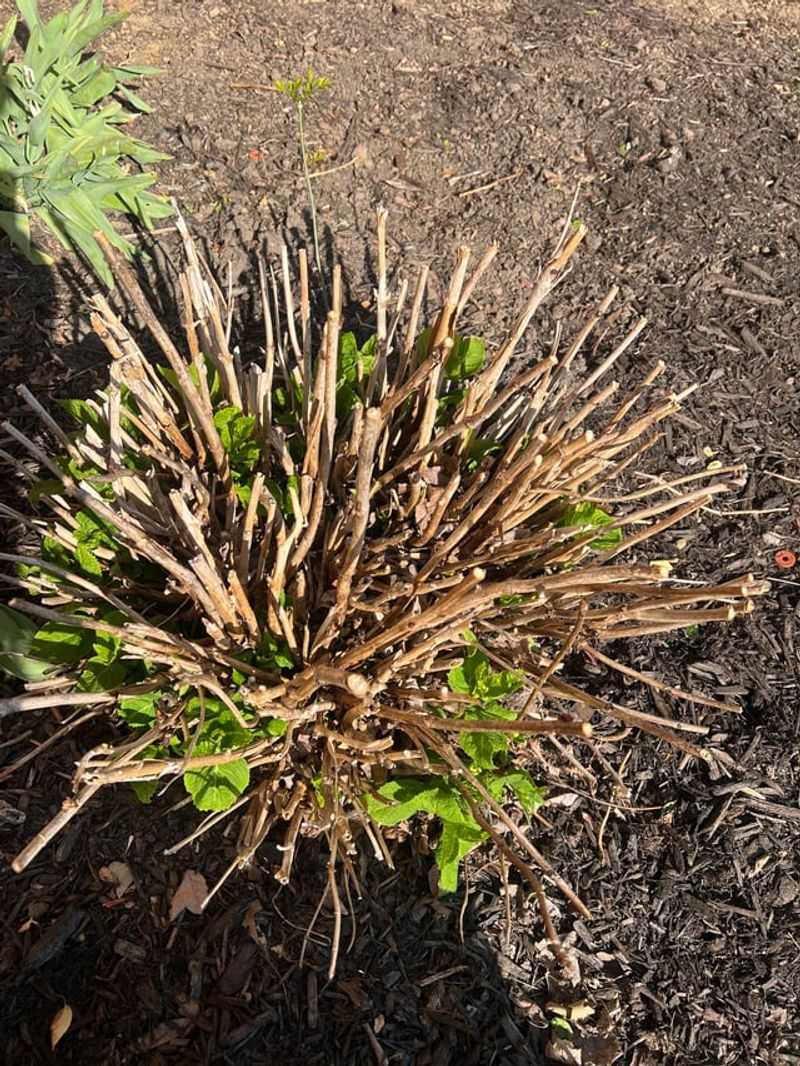
Older hydrangeas can get crowded with thick, woody canes that produce smaller flowers each passing year. A rejuvenation cut clears out some of that old timber and invites strong young stems to take over.
This trick suits mature shrubs, roughly five years or older, that look tired and bloom less than before. Younger plants rarely need it, so focus on regular light pruning until your shrub fills its space.
For bigleaf and oakleaf types, remove up to one third of the oldest canes at ground level right after flowering. Look for gray, flaky stems, since those usually produce weaker growth than younger and smoother canes nearby.
Spread the job over three years, and you get a refreshed shrub without losing a whole season of color. I love how quickly fresh shoots appear from the base once sunlight reaches the crowded center again.
Panicle and smooth hydrangeas get their refresh in late winter, while they are still dormant and bare. Take out a few of the oldest, thickest canes at the base to improve airflow and encourage vigorous new stems.
Better airflow also helps reduce powdery mildew, which can show up on crowded shrubs in humid coastal gardens. Remove any broken or clearly lifeless wood at the same time, cutting back to healthy green tissue.
Follow up with compost and steady water, because fresh canes need extra support while they establish themselves. Your patience pays off next year when those sturdy young stems carry bigger, brighter flowers across the whole shrub.