The Native California Plant That Once Covered Entire Valleys And Is Making A Comeback
Some landscapes leave only faint traces of what they once were. A few surviving clues, scattered along roadsides and rocky slopes, hint at a very different California from the one most people know today.
One modest plant sits at the center of that story. It shaped the land for thousands of years, then quietly slipped out of sight.
Its decline happened gradually, driven by newcomers that arrived in wave after wave.
Now a growing number of people are giving it a second chance, from land managers to backyard gardeners.
The comeback asks for a little patience, yet the rewards reach well beyond any single yard.
Sometimes the most meaningful garden plants carry a piece of history in every root.
Purple Needlegrass Once Blanketed California Valleys
Two hundred years ago, a road trip through California would have revealed rolling slopes dotted with neat green clumps of grass instead of brown summer weeds. Many of those clumps were purple needlegrass.
Botanists have long considered it a major part of the native grassland that once covered the Central Valley, coastal valleys, and foothills.
Some researchers now think wildflowers played an even bigger role in places, but the grass clearly mattered.
Its range stretched from Northern California into Baja California. Oaks, wildflowers, and other bunchgrasses shared the space.
Bunchgrasses grow differently from lawn grass. Each plant forms a tight tuft rather than spreading by runners.
Small gaps of open soil between clumps filled with poppies, lupines, and other wildflowers each spring, creating a meadow that resembled a living quilt.
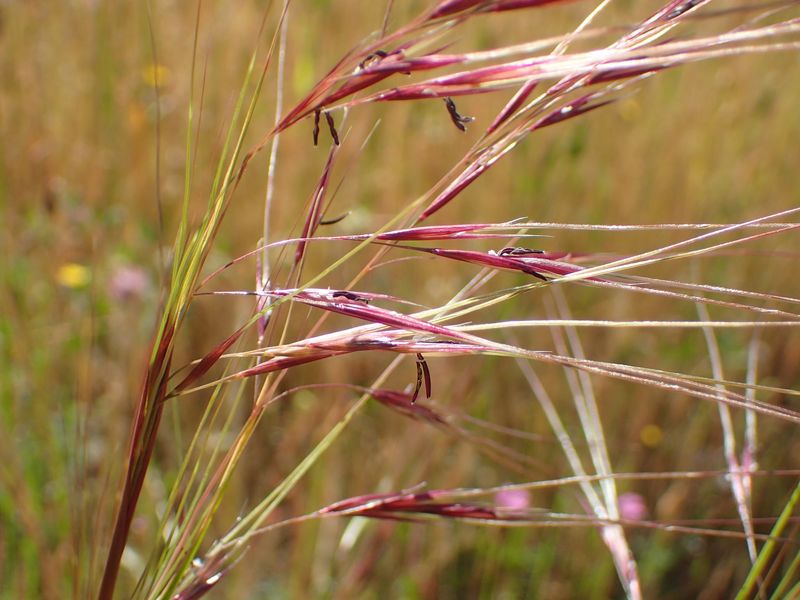
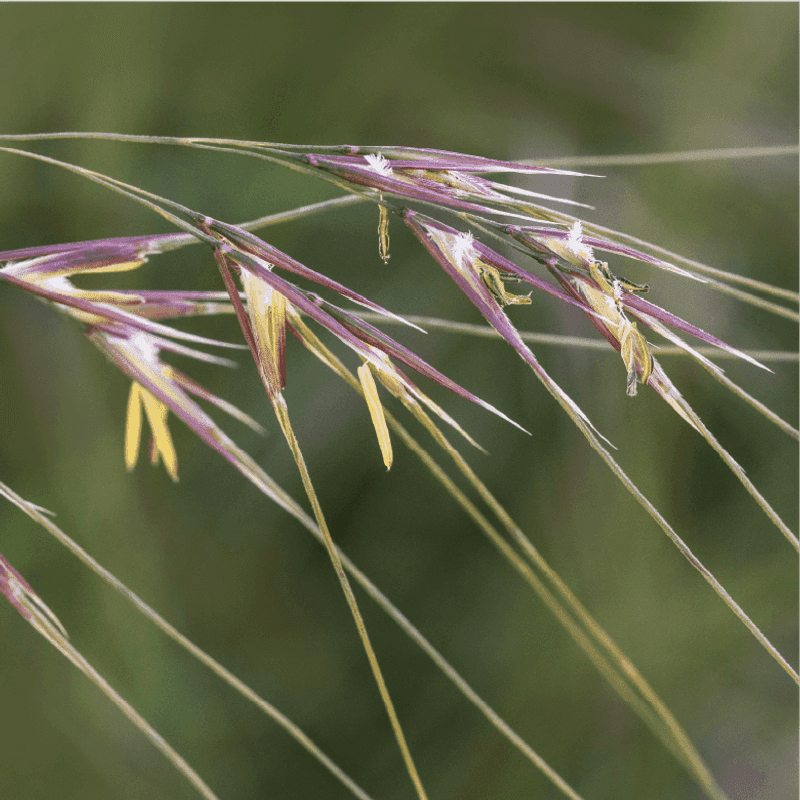
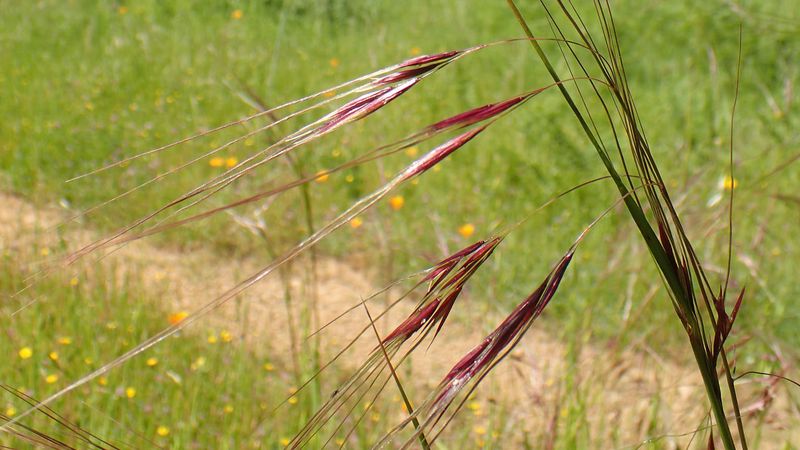
In spring, purple needlegrass, known botanically as Nassella pulchra or Stipa pulchra, sends up airy stems about three feet tall. Young seed heads carry a reddish-purple tint, the source of its name.
By early summer, those heads fade to silver and tan. Each seed carries a long, twisted tail called an awn that helps it drill into the ground.
Native peoples knew these grasslands well, and many groups used fire to keep shrubs at bay and help grasses and seed plants thrive.
Elk, pronghorn, and countless birds roamed through. Many valleys crossed by freeways today once formed a wild prairie, and this grass ran through it like a main thread.
Annual Grasses Pushed It Aside
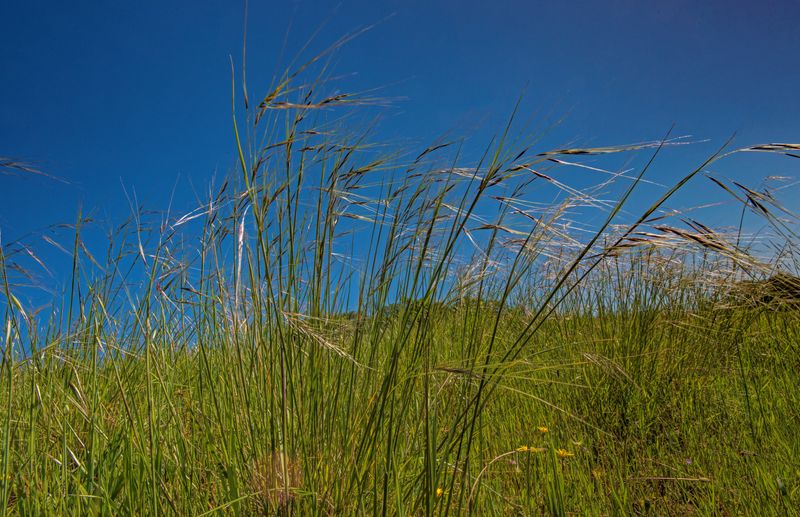
Those golden hills on postcards owe most of their color to newcomers. Wild oats, ripgut brome, soft chess, and other annual grasses arrived from the Mediterranean region, starting in the Spanish mission era and continuing afterward.
Seeds hitched rides in livestock feed, on animals, and in crop seed. California felt a lot like home, with wet winters and hot, dry summers.
Annual grasses sprout fast after the first fall rains, grow quickly, set seed, and turn brown by late spring. Each year they pack the ground with enormous numbers of seeds.
Purple needlegrass plays a slower game. Its seedlings take time to build roots before growing tall.
When fast annuals sprout right beside them, young needlegrass plants get shaded out and lose the race for water and light. A thick layer of old, brown thatch also covers the bare soil that native seeds need.
Your California Garden Changes Every Week. Your Plan Should Too.
Gardening in California changes quickly throughout the season. Every Friday you’ll receive a simple weekly plan showing exactly what to plant, prune, fertilize, harvest, and protect so you never miss the right timing.
Other changes stacked the deck. Heavy grazing, plowing for farms, drought, and spreading cities all broke up the old grasslands, and fire patterns shifted, too.
Over time, annual grasses became the main cover across much of the state.
Still, the native grass held on. Mature clumps can live for decades, so old plants survived along roadsides, in cemeteries, on rocky slopes, and in lightly grazed pastures.
Those stubborn survivors became seed sources for today’s comeback, a resilience worth celebrating as fall rains return and planting season begins.
It Became The Official State Grass In 2004
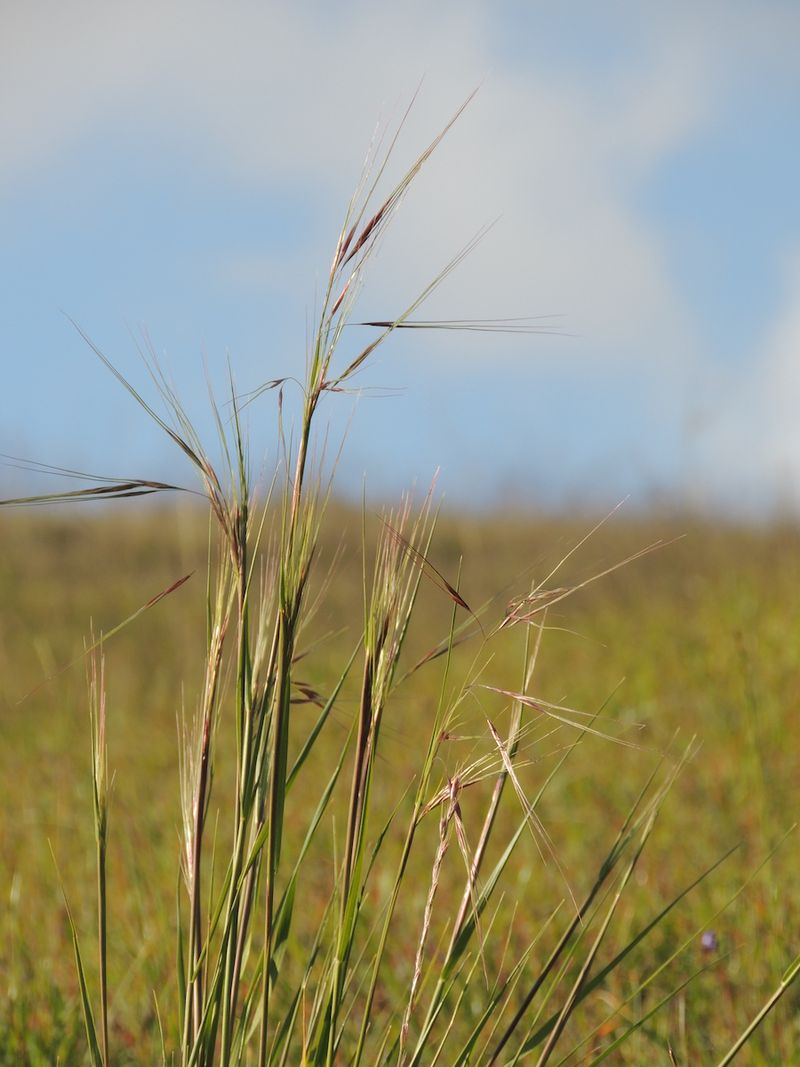
Golden poppy, grizzly bear, redwood, and then a grass? The choice makes more sense than it first appears. In 2004, California lawmakers passed a bill naming purple needlegrass the official state grass.
Supporters, including native plant groups, pointed to its long history across the state. Once widespread in grasslands from north to south, it represents California’s natural landscape well.
Unlike many familiar garden plants, it’s a true local rather than an import from far away.
The law also highlighted its usefulness. Purple needlegrass fed wildlife and grazing animals for thousands of years, and Native Californians relied on grassland plants for food and other needs.
Today it helps control erosion and restore damaged land.
The state title also aimed to raise awareness about native grasslands, now among the most altered habitats in California. That message still matters as development and invasive species continue to press in.
The California State Capitol Museum lists it alongside other state symbols. It joins the California poppy as an emblem of the open land that once spread across the valleys.
Classrooms can make the comparison come alive. A lawn grass spreads into a carpet and needs regular watering, while a needlegrass clump stands in a tidy fountain and survives summer with little help.
That simple contrast explains why the state chose a plant built for California’s climate. October, when seed and nursery plugs become easier to find, makes a fitting time to plant a piece of that history.
Deep Roots Handle Dry Summers
A shovel pushed beside a mature clump tends to give out long before the roots do. Purple needlegrass grows a dense, fibrous root system that can reach many feet into the soil.
Those deep roots act like straws. When the top layer of soil bakes dry in July, the plant can still tap moisture stored far below.
Shallow-rooted annual grasses can’t do that, so they finish their life cycle and turn to straw by early summer.
The needlegrass has another trick. During the hottest months, it slows down and rests, and while some leaves may brown, the crown stays alive, waiting for cooler weather.
When fall rains return, fresh green shoots emerge from the base. In mild coastal areas or spots with a bit of extra water, it may stay green much of the year.
Those roots help the soil, too. They hold slopes in place, add organic matter as old roots break down, and create tiny channels where rainwater soaks in.
Over time, ground beneath a bunchgrass meadow grows richer and spongier.
For home gardens, that toughness pays off. After the first year or two, established plants usually need little or no summer water across much of California.
Overwatering can weaken them and invite weeds, so this grass does best treated more like a camel than a lawn.
Planting in October lets those deep roots start their downward journey with the season’s first rains.
Restoration Projects Are Bringing It Back
Bare dirt on a freshly graded hillside invites trouble. One big winter storm can wash it straight into a creek, which is exactly why restoration crews often turn to purple needlegrass.
Agencies, land trusts, parks, and volunteers plant it along roadsides, old farm fields, creek banks, and burned or disturbed slopes. Its roots grip the soil and slow erosion, while the clumps provide cover year after year.
As a long-lived perennial, it keeps working long after a project wraps up.
Crews rely on a few common methods. Some spread seed by hand or with drills, while others plant small nursery-grown plugs that get a head start on weeds.
Many projects collect seed from nearby wild plants, so the new grass suits local conditions.
Weed control remains the hardest part. Teams may mow annual grasses before they set seed, use carefully timed grazing, or try controlled burns to clear thatch and open the soil.
Those steps give young needlegrass room to grow during its slow early years.
Ranchers have joined in, too. Some find that native bunchgrasses steady their pastures, since perennial clumps stay green longer than annual grass. Researchers at universities and agencies keep testing ways to improve results.
Volunteer planting days with local land trusts, regional parks, or a nearby California Native Plant Society chapter offer a great way to help.
Fall and early winter, when rains soften the soil, bring the busiest planting season. Muddy boots are optional but highly likely.
Gardeners Use It For Meadow Lawns
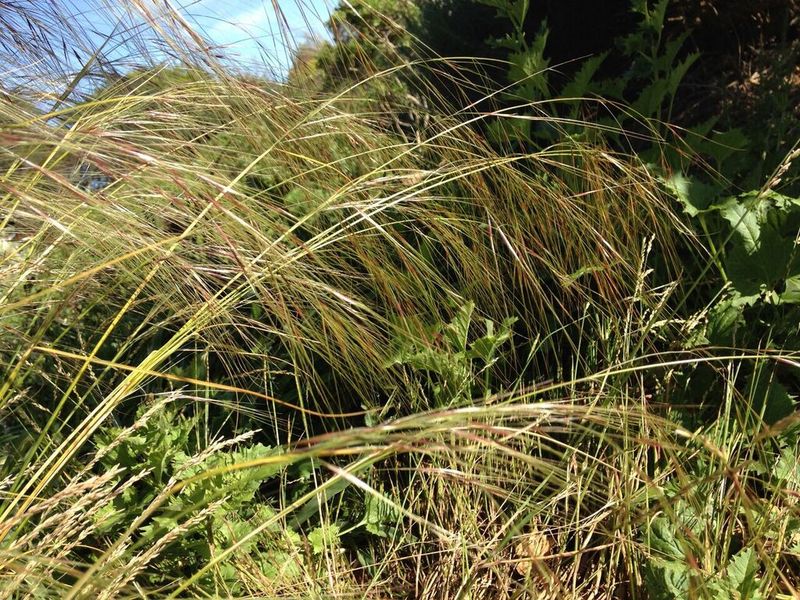
Weekend mowing and a thirsty lawn lose their appeal quickly. Plenty of Californians have swapped turf for a native meadow, and purple needlegrass makes a lovely backbone for that style of yard.
A meadow garden looks loose and natural rather than clipped and flat. Plants spaced about one to two feet apart create a fuller look.
In spring, fluffy seed heads sway and catch the light, adding motion a lawn can’t offer. California poppies, lupines, and blue-eyed grass fill gaps with color.
This grass won’t serve as a walking lawn, though. Bunchgrass can’t handle soccer games or daily foot traffic, so a path of flagstone or decomposed granite works well where people need to walk.
Other native grasses, such as California fescue or meadow barley, blend in for added texture.
Full sun or light shade and well-draining soil suit it best, and clay usually works fine. Heavy fertilizer is best avoided, since rich soil mainly helps weeds.
Water savings can grow substantial once plants settle in, and bees, butterflies, and birds visit more often.
Fire safety deserves a thought, too. Dry summer clumps belong beyond the first five feet around the house, where approved Zone 0 rules limit plant height. A trim after seeds drop keeps fuel low.
October planting, timed with the first rains, gives roots the best start. Before long, the yard becomes a small slice of old California, and the mower can enjoy a long retirement.