Don’t Rush To Remove New Shoots Around Your Georgia Elderberry Bush This Winter
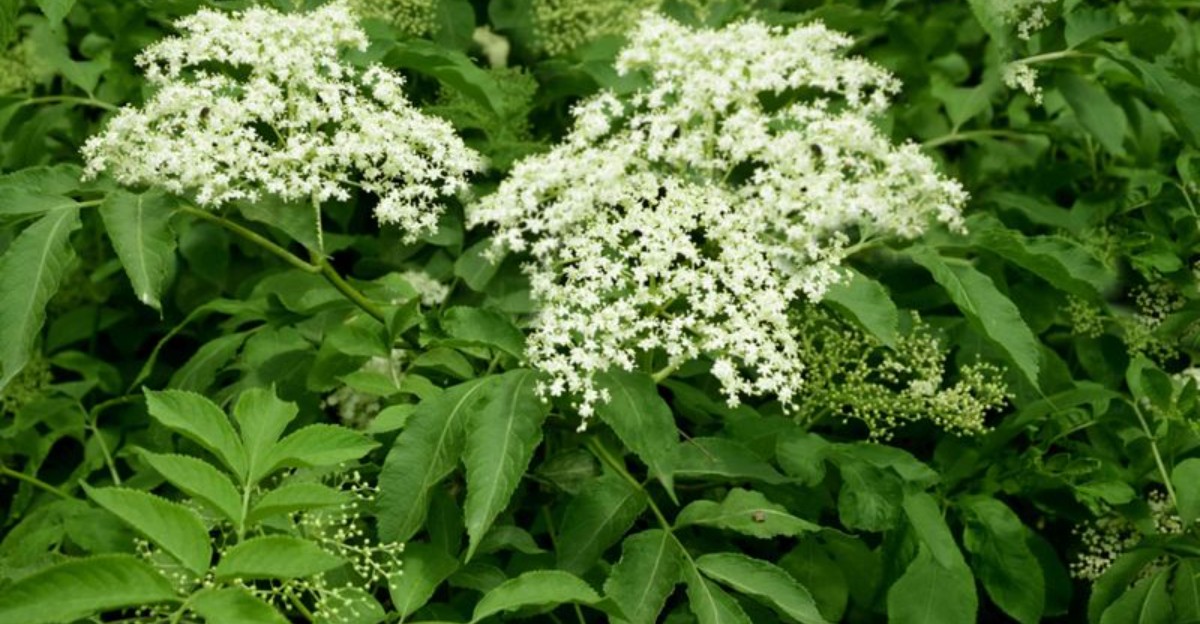
The scrappy little sprouts poking up near one of my shrubs this winter are next summer’s dessert. Each of those pencil-thin canes could hold flat, lacy flower heads by May and dark purple berry clusters by August.
I used to treat them like weeds. Out came the shovel the moment the yard looked messy, and I wondered why my harvest stayed so small.
This native plant spreads through underground runners, and it fruits best on young wood. That means the stems you yank in a fit of tidiness may be the very ones that were ready to feed you, the birds, and a crowd of tiny native bees.
Here in Georgia, winter is quiet time for this shrub, not cleanup time. Before you grab the loppers, ask yourself a simple question.
Are you pruning away a mess, or pruning away your next harvest?
1. Those Elderberry Sprouts Around The Base Are Not Random Weeds
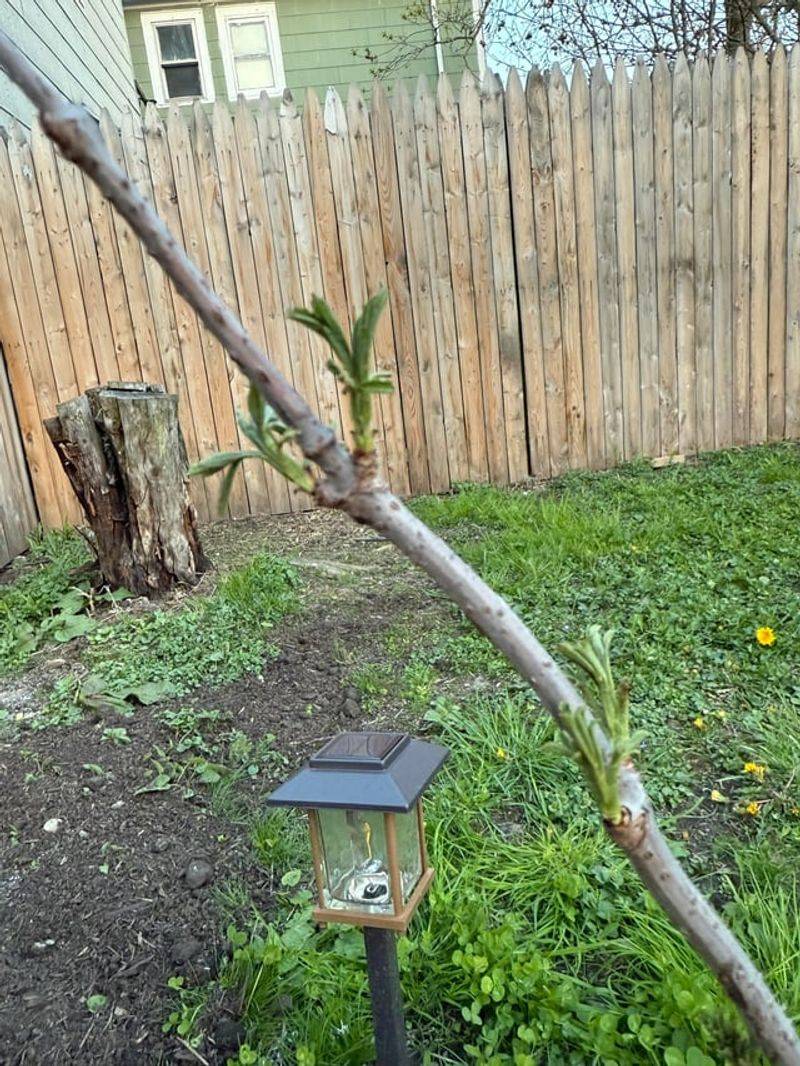
Elderberry is a natural thicket builder. American elderberry, Sambucus canadensis, spreads by shallow underground stems called rhizomes, and those stems send up fresh shoots a foot or more away from the main clump.
So when you spot a ring of young canes in January, nothing has gone wrong. Your shrub is doing exactly what it evolved to do along creek banks, ditches, and woodland edges across the Southeast.
I learned this the hard way. For two winters I dug out every sprout I could find, thinking I was rescuing the main plant from invaders.
The parent shrub grew older and woodier, and my berry crop shrank each year.
Elderberry canes are fairly short-lived. Most extension guides note that a cane gives its best fruit in its first two or three seasons, then it slows down and becomes a target for borers and cankers.
Those new sprouts are the replacement crew, and in other words, they keep the whole bush young.
Before you remove anything, take a slow walk around the shrub. Count the young shoots, note which ones look sturdy, and flag a few with string.
That little inventory makes your late winter pruning decisions far easier and keeps the plant renewing itself.
2. Young Elderberry Canes Carry Next Summer’s Berry Clusters
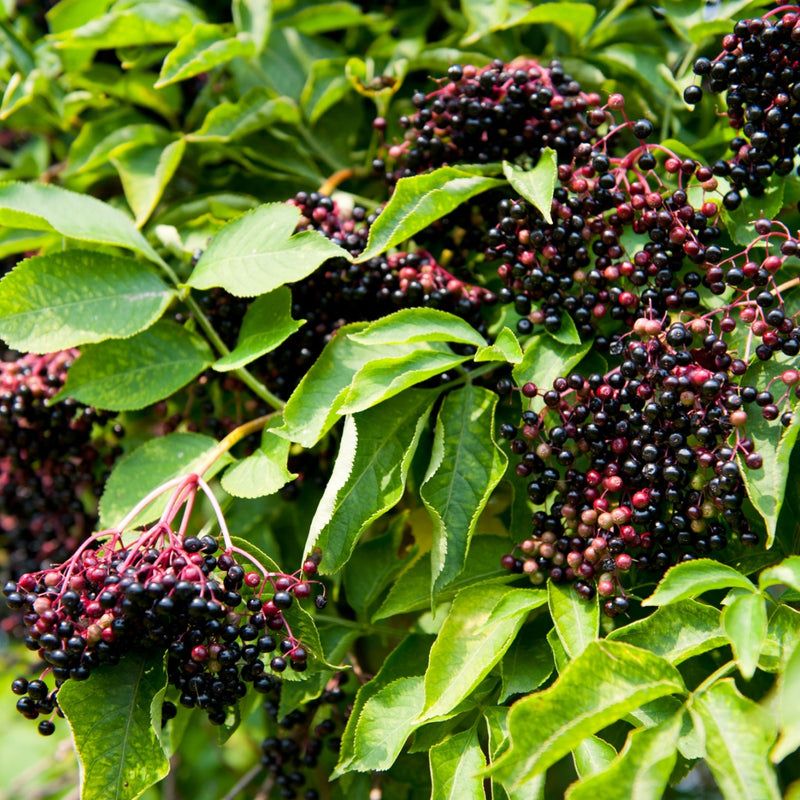
My favorite elderberry fact sounds almost too good to be true. Unlike many fruit shrubs, American elderberry can flower and fruit on canes that sprouted just last season.
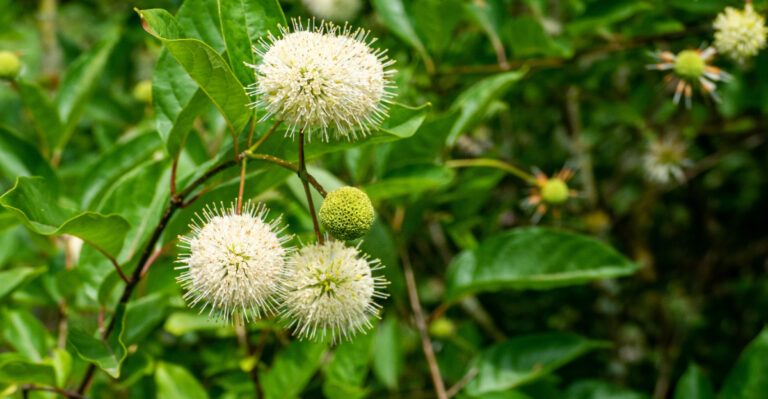
Those pencil-thin shoots you see this winter will thicken up in spring. By late May or June, many of them can carry wide, creamy flower clusters, and by mid to late summer those flowers turn into heavy, drooping bunches of purple-black berries.
Elderberry research from the University of Missouri and other programs points to one- and two-year-old wood as the most productive.
Canes three years and older tend to produce fewer, smaller clusters.
That means pulling up every young shoot is a bit like tossing out next year’s seed packets. You are left with aging canes and a thinner harvest.
A balanced shrub holds a mix of ages. Many growers aim for roughly equal numbers of first-year, second-year, and third-year canes, often five to ten strong canes in total for a backyard plant.
Keep your berry goals in mind, too. Fresh berries need cooking before eating, since raw fruit, stems, and leaves contain compounds that can upset your stomach.
3. Late Winter Pruning Shears Belong On The Oldest Elderberry Canes
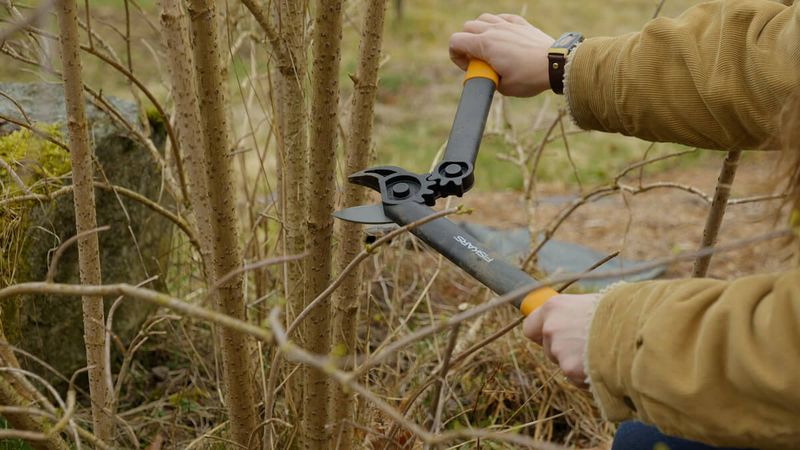
Timing is the secret ingredient. Elderberry pruning works best in late winter, once the coldest weather has mostly passed but before buds start to swell and leaf out.
In Georgia, that window usually lands in late January or February in the southern half of the state and closer to late February or early March in the mountains and upper Piedmont.
Watch the buds rather than the calendar.
With the leaves gone, the shrub’s skeleton is easy to read. Older canes have rough, gray, corky bark and lots of side branching, while young canes look smooth, straight, and lighter in color.
Start by cutting out any broken, diseased, or borer-damaged wood right at ground level. Next, remove canes three years old or older.
Then thin crowded young shoots so the strongest ones have room, keeping those spaced a few inches apart.
Clean, sharp loppers make tidy cuts that heal well. I wipe my blades with a household disinfectant between shrubs to avoid spreading canker diseases.
One last tip is to resist the urge to shear the top like a hedge. Removing whole canes at the base keeps the shrub open, airy, and full of fruiting wood.
4. Georgia’s Mild Winter Spells Can Wake Elderberry Buds Too Early
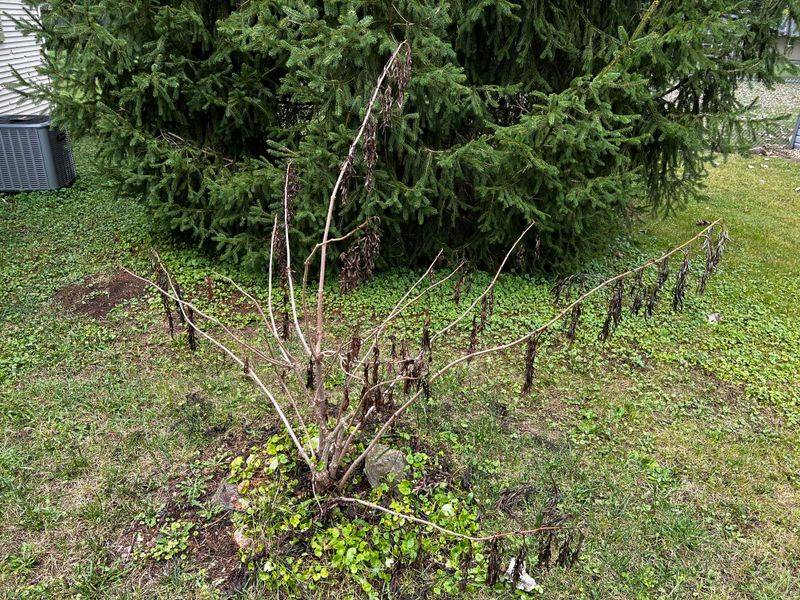
Anyone who has gardened through a Georgia winter knows how fickle it can be. One week feels like April, and the next brings a hard freeze that browns the azaleas.
Elderberry reacts to those swings. Warm stretches can coax buds to swell early, and tender new leaves are easily damaged when temperatures drop back into the 20s.
Heavy pruning in late fall or early winter may add to the problem. Fresh cuts and a sudden loss of wood can encourage the plant to push growth sooner, right when another cold snap is likely around the corner.
Young shoots near the base also help buffer the crown. A cluster of stems, plus a few inches of mulch, slows wind and helps hold soil moisture and temperature a little more evenly around the shallow roots.
So what should you do in December? Very little.
Pull back weeds, refresh your mulch with shredded leaves or pine straw, and keep mulch a couple inches away from the canes themselves.
If a freeze does nip early leaves, stay calm.
Elderberry has plenty of backup buds and usually recovers quickly once spring settles in for good.
5. Hollow Elderberry Stems Make Winter Homes For Native Bees
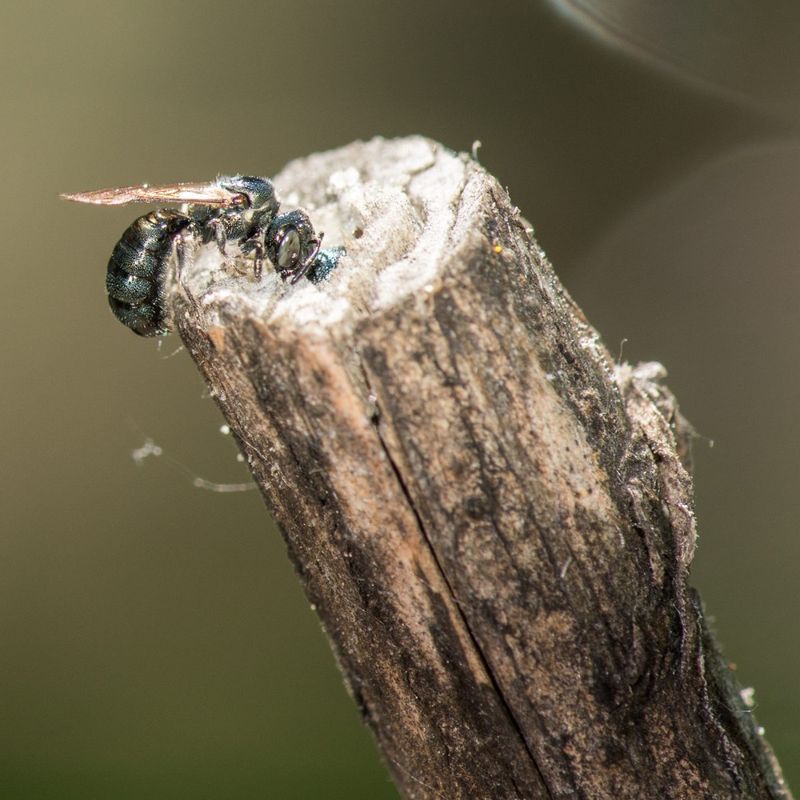
Snap a dry elderberry stem in half and you will find a soft, spongy white core called pith. That pith is a big deal to some very small neighbors.
Native stem-nesting bees, including tiny small carpenter bees in the genus Ceratina, chew into broken or cut elderberry stems and raise their young inside. Some of these bees spend the winter tucked into old stems, waiting for warm spring days.
The Xerces Society and many extension programs encourage gardeners to leave some old stems standing through winter for this reason. A messy base is basically a bee nursery.
Birds benefit as well. A dense tangle of canes gives cardinals, wrens, and sparrows a place to dodge hawks and chilly wind, and elderberry fruit feeds dozens of bird species in summer.
When you prune in late winter, try a bee-friendly trick.
Cut a few old canes to about 12 to 18 inches tall instead of flush with the ground, leaving those stubs as nesting tubes for the coming season.
You can also bundle trimmed stems and tuck them along a fence. I enjoy spotting the little round entry holes in summer, a tiny sign the yard is working.
6. Extra Elderberry Suckers Can Become Free New Plants
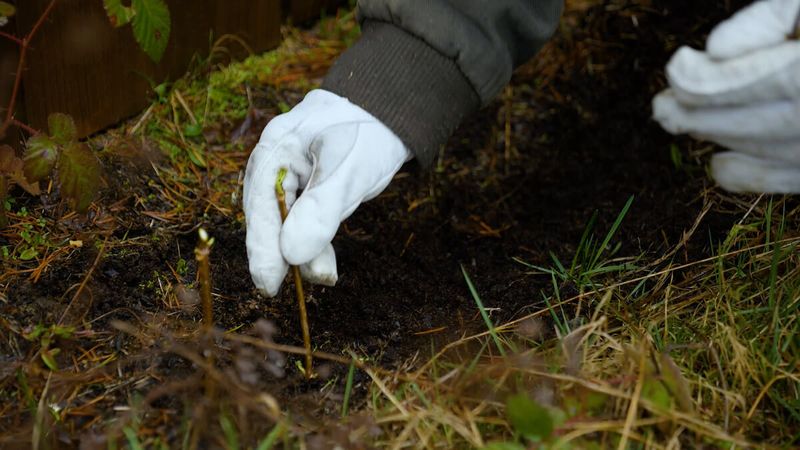
Free plants might be the best reward for a little patience. Those extra shoots are attached to roots, which makes them easy to turn into brand-new elderberry bushes.
Late winter, while the plant is still dormant, is a great time to divide. Push a sharp spade straight down between the parent and a healthy sucker, then lift the young shoot with a good ball of roots attached.
Replant it right away at the same depth in a sunny or partly shaded spot. Elderberry handles moist soil well, so a low corner of the yard or the edge of a rain garden can work nicely.
Water deeply and keep the soil evenly moist through spring.
Expect a slow first season while roots settle in, then faster growth the next year.
If you want bigger harvests, plant two different elderberry selections near each other. Elderberry is partly self-fruitful, but cross-pollination between varieties usually boosts fruit set.
Extra divisions also make wonderful gifts. I have handed potted suckers to neighbors, church friends, and a local school garden, and every one came with the same advice.
Cut old canes in late winter and keep the young ones.
7. A Tidy Elderberry Thicket Starts With A Simple Spring Plan
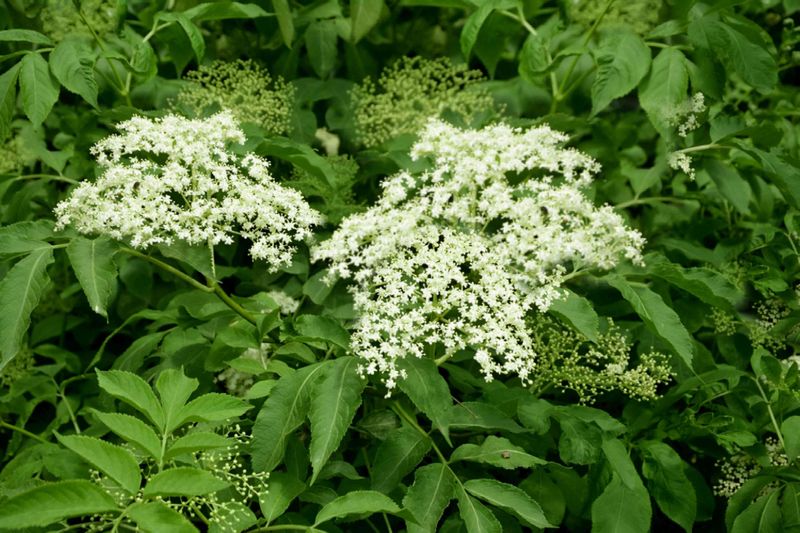
Patience does not mean letting elderberry take over the whole yard. A healthy shrub can spread several feet in a few seasons, so a simple plan keeps things friendly.
First, decide how wide you want the patch to be. Many backyard growers keep a clump about four to six feet across and mow or dig out shoots that pop up beyond that line in spring.
Second, set a cane budget. Keeping roughly six to ten vigorous canes of mixed ages gives you steady fruit without a crowded, shady middle where diseases linger.
Third, check often during the growing season. Pulling a wandering shoot while it is small takes seconds, while digging out a woody runner in August takes real sweat.
A mulch ring and an edged bed border help a lot, too. The visible line reminds you, and anyone who mows, exactly where the elderberry zone ends.
Across Georgia, from the north mountains to the coastal plain, this native shrub rewards gardeners who work with its habits. Give it a quiet winter, a smart late winter trim, and steady spring attention.
Your reward is a tidy, productive bush loaded with flowers, berries, and buzzing visitors.