What You Should And Shouldn’t Do To Pecan Trees Before Winter In Texas
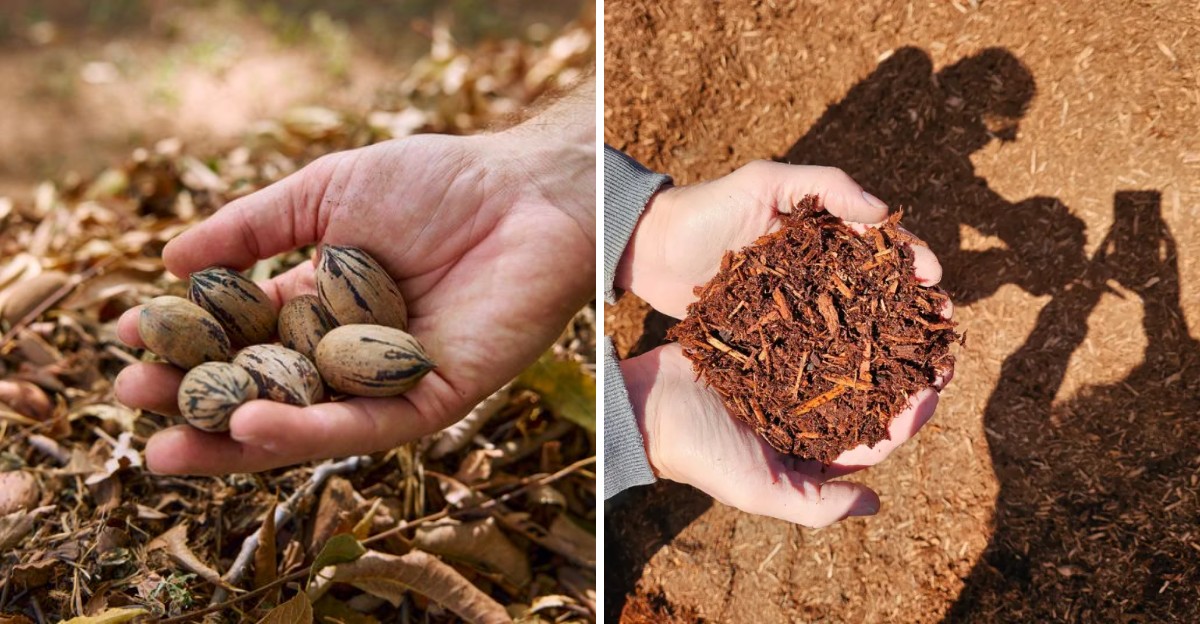
Back in 1919, lawmakers here named a towering nut tree the official state tree of Texas. Governor Jim Hogg loved it so much that he asked for one to be planted at his grave.
Those giants can live for more than a century, yet fall is when they quietly prepare for colder days. Leaves drop, sugars move downward, and the roots keep growing long after the branches look sleepy and bare.
I have to admit that I used to treat autumn as a vacation from yard work around my trees. Then a dry winter and one badly timed fertilizer bag taught me that small choices matter a lot.
You might be doing a few helpful chores already, plus one or two that quietly backfire by spring. Which Texas habits deserve a high five, and which ones deserve a gentle retirement this year?
1. Deep Water Pecan Roots During Dry Winter Spells
Bare branches fool plenty of folks into thinking the tree has stopped needing water until spring arrives again. Underground, those wide roots stay busy, and a dry winter can leave them stressed before buds even swell.
Personally, I check soil with a long screwdriver, since it slides easily into moist ground and stalls in dry dirt. When it fights back several inches down, your tree is ready for a slow, deep drink.
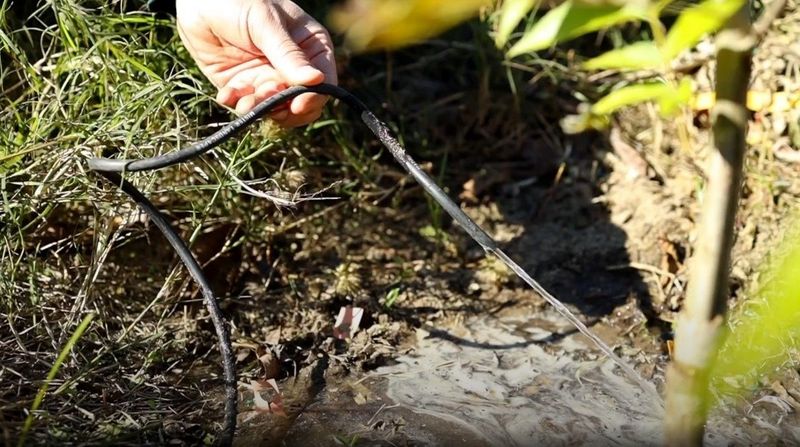
Water should soak at least a foot deep, so a soaker hose beats a quick spray every time. Run it near the canopy edge, where many feeder roots spread out and search for moisture.
Young trees planted within the last two or three years need the most attention during long rainless stretches. Their roots have not reached deep reserves yet, so a weekly soaking during dry weeks makes a real difference.
Timing matters too, because watering right before a hard freeze is actually a helpful move rather than a risky one. Moist soil holds heat better than dry soil, which gives roots a little extra protection on frigid nights.
You do not need to soak the yard into a swamp, though, since soggy clay can starve roots of oxygen. Aim for steady moisture, then let the top few inches dry slightly before you drag the hose out again.
I love how this simple habit pays off in spring with stronger leaf growth and a better start on catkins. It costs a little time and some water, yet your tree rewards that patience for many seasons ahead.
2. Rake Up Fallen Pecan Shucks And Leaves
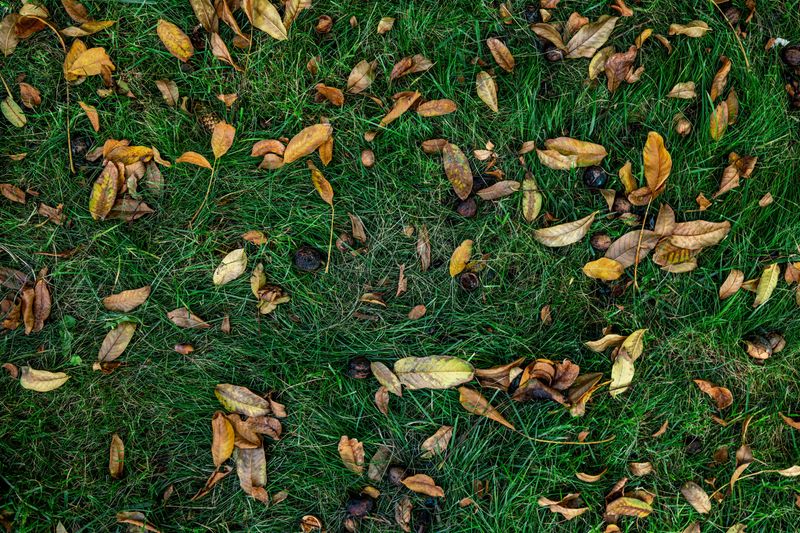
Those crunchy brown shucks under your tree can hide some uninvited guests that plan to stay until spring. Hickory shuckworm larvae spend the cold months tucked inside old shucks, then emerge ready to cause trouble again.
Pecan scab, a common fungal disease, can also hang around on fallen plant material and twigs through winter. Spring rains then splash spores back onto fresh leaves and young nuts, which starts the cycle over again.
Grab a rake once most leaves have dropped, and gather the shucks along with any broken twigs. A leaf blower helps on big lawns, though I still find myself picking stubborn shucks out of flower beds.
Bagging the debris or hauling it off works well, especially if your trees struggled with scab this year. Hot compost piles can handle healthy leaves, but cool piles may let pests and spores survive the winter.
Also look for nuts that stayed sealed, since stuck shucks often signal shuckworm feeding earlier in the season. Pull those off the tree when you can reach them, then toss them out with the rest of the cleanup.
I like how a tidy yard under a bare pecan looks almost like a fresh page for next year. That clean ground also makes it easier to spot new problems before they settle in and multiply.
One tip saves your back, so rake in smaller sessions over a few weekends instead of one marathon afternoon. Your trees benefit either way, and you get to enjoy a few crisp autumn mornings outside with a warm drink.
3. Gather Pecans Off The Ground Quickly
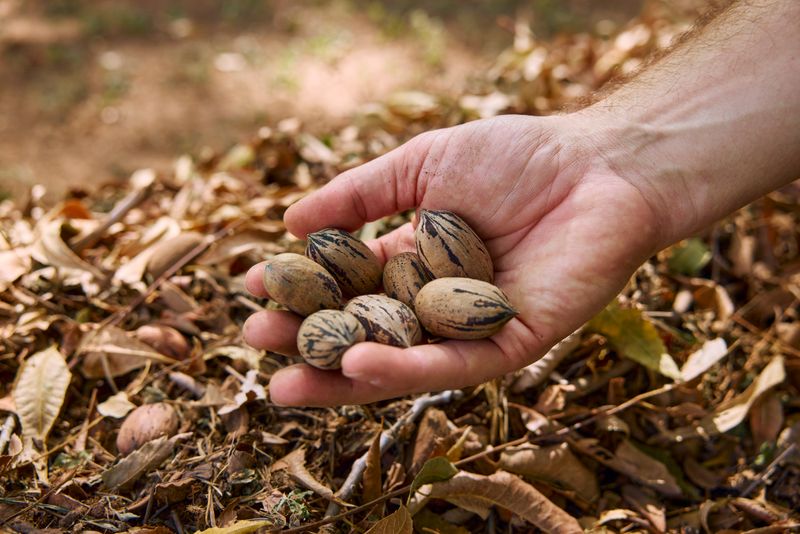
Fresh pecans sitting on damp grass are basically a free buffet for every squirrel and blue jay nearby. Wait too long, and you will be watching your harvest disappear one cheeky bite at a time.
Moisture causes trouble too, because nuts left on wet ground can darken and lose their sweet flavor. Texas A&M experts recommend picking up pecans soon after they fall to keep quality as high as possible.
I usually walk under my trees every couple of days during harvest with a bucket and a nut roller. Those rolling wire baskets scoop pecans right off the lawn, and they save plenty of bending and knee complaints.
Shaking limbs gently with a long pole can bring down stubborn nuts once most shucks have split open. Skip harsh beating with sticks, because broken twigs today mean fewer fruiting shoots on the tree next year.
After gathering, spread the nuts in a single layer somewhere dry and airy for about two weeks. Proper drying helps the kernels snap crisply, and it keeps mold from sneaking in during storage later.
Once dried, pecans in the shell keep for months in the fridge and even longer in the freezer. I stash a bag in my freezer for holiday pies, and it tastes like a cozy little reward.
Prompt gathering also ties into cleanup, since fewer leftover nuts mean fewer places for pests to hide. Think of it as harvest and housekeeping rolled together, with tasty snacks as the sweetest bonus.
4. Skip Fall Fertilizer On Pecan Trees
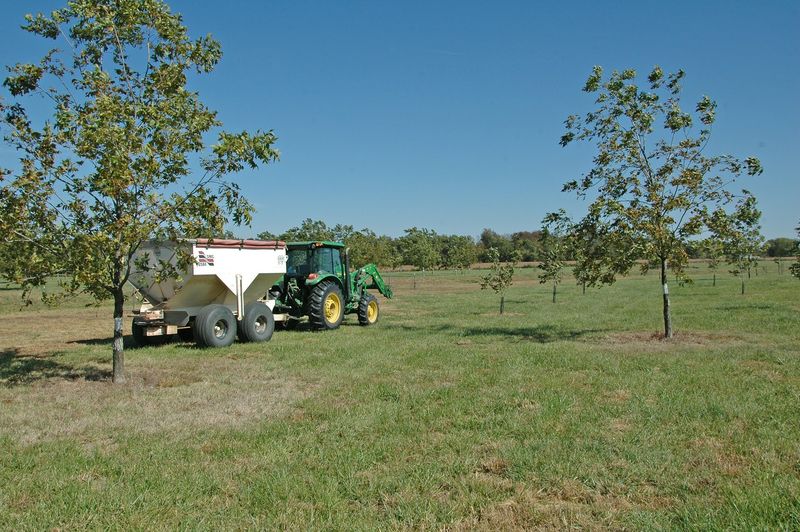
Feeding a tree right before winter sounds kind, yet it can send exactly the wrong message to its branches. Nitrogen in fall may push out soft new shoots, and those tender tips are easy targets for an early freeze.
Pecans need time to harden off as days shorten, slowly toughening their wood before cold weather settles in. Extra fertilizer can interrupt that natural process, leaving the tree less prepared when a blue norther blows through.
Texas A&M AgriLife guidance generally points to late winter or early spring for the main nitrogen feeding. Many growers split the dose, adding a second smaller round later in spring as leaves fill out.
Zinc matters a lot for pecans, though it usually goes on as a foliar spray once new leaves appear. Fall zinc sprays on bare branches offer little benefit, so save that job for the growing season ahead.
I have to admit that unused fertilizer bags in my garage once tempted me to sprinkle a little extra. Now I leave them sealed until spring and spend autumn on water and cleanup tasks instead.
A soil test this time of year is a smart move, even if you hold off on feeding. Your county extension office can help, and the results show exactly what your trees will need come spring.
Testing now gives you plenty of time to plan, rather than guessing when buds start breaking open.
Patience feels strange in gardening sometimes, but your pecans truly appreciate a quiet, hungry rest until warmer days.
5. Hold Off On Heavy Pecan Pruning Until Late Winter
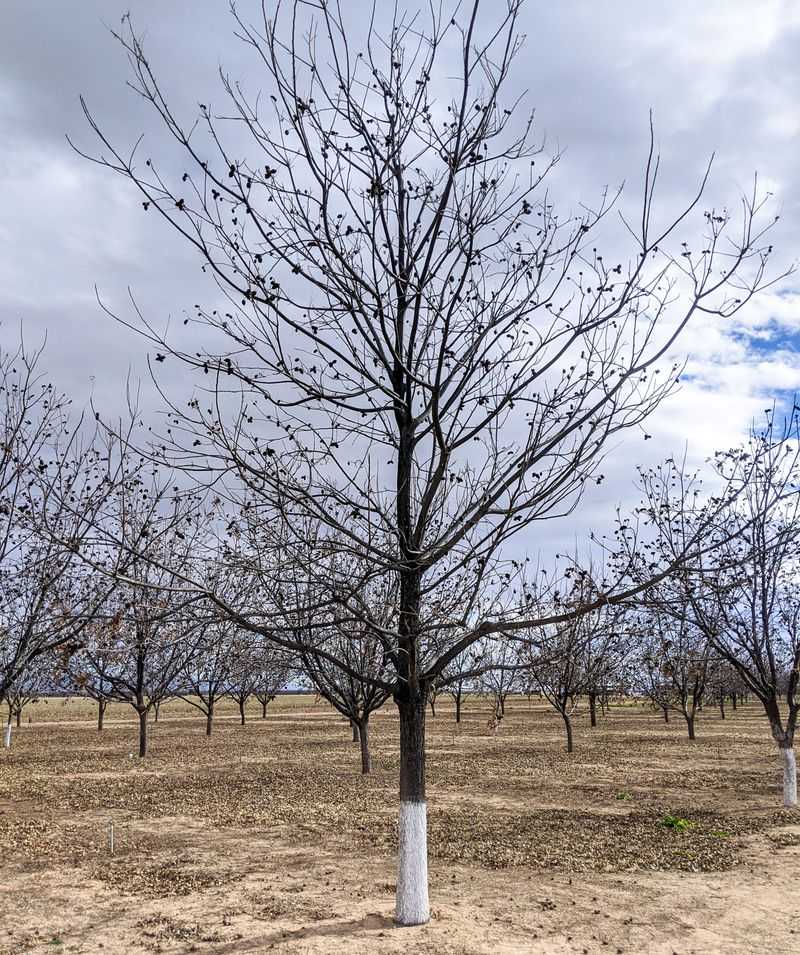
Grabbing the loppers on a crisp fall afternoon feels productive, but big cuts right now can backfire. Pruning can stir up new growth during warm spells, and that fresh tissue struggles when temperatures suddenly plunge.
Most extension advice favors late winter, roughly February, for structural pruning on pecans in this part of the country. Buds have not opened yet, and wounds begin closing soon after spring growth kicks into gear.
Bare branches in late winter also let you see the whole framework clearly without leaves blocking your view. You can spot crossing limbs and narrow, weak crotches much more easily than during the summer months.
Broken or hanging limbs are the exception, since storms can create hazards that should not wait for February. Remove those carefully at any time, cutting just outside the branch collar instead of flush with the trunk.
Young trees benefit most from gentle training cuts that build a strong central leader over several years. Mature trees rarely need heavy work, and removing too much wood can reduce nut production for a while.
I truly believe hiring a certified arborist is worth it for tall trees and limbs near rooftops or power lines. Pecan wood can be brittle, so big branches may fall unpredictably and cause serious injuries to untrained climbers.
Skip wound paint, too, because research shows it usually does not help trees seal cuts any faster. A clean cut in the right spot does the real healing work, with no sticky coating required at all.
6. Paint Young Pecan Trunks White Against Sunscald
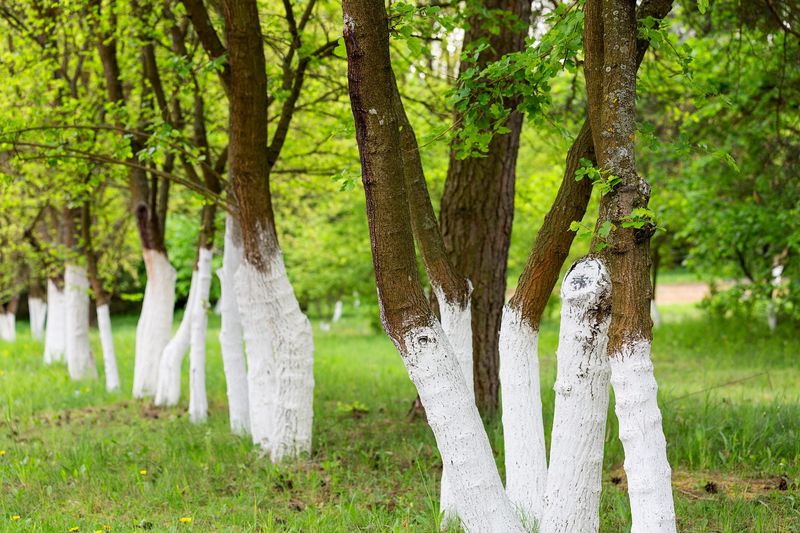
Sunny winter afternoons can warm the southwest side of a young trunk surprisingly fast, even on chilly days. When the sun drops and temperatures plunge, that thawed bark can crack and peel in a problem called sunscald.
Older pecans develop thick, rough bark that shrugs off this stress, but young trees have thin, smooth skin. Newly planted trees also lack a full canopy, so their trunks sit exposed to bright light all day.
A simple fix comes in a paint can, and it works better than many people expect at first. Mix white interior latex paint with water, often about half and half, and brush it onto the lower trunk.
Cover from the soil line up to the first branches, paying extra attention to the side facing the afternoon sun. The bright white coating reflects sunlight, keeping bark temperatures steadier as warm days slide into frosty nights.
Avoid oil-based paints, since they can harm the bark rather than protect it during long seasons outside.
Light-colored trunk guards are another option, though you should remove them during the growing season to prevent moisture problems.
I love how those white trunks look a little like socks pulled up on a row of young trees. Neighbors might tease you at first, but they usually ask for your paint recipe once they see results.
A single coat often lasts a year or more, so this chore rarely eats much of your weekend. Touch up faded spots each fall, and keep it up until the bark thickens and roughens with age.
7. Spread Mulch Around Young Pecan Trees Not Against Trunks
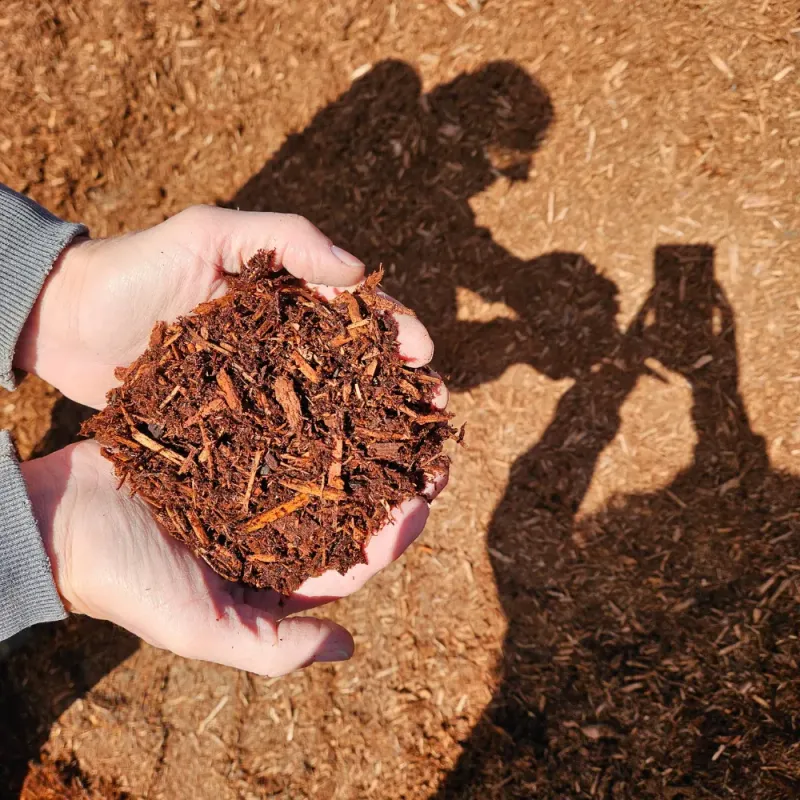
A thick layer of shredded bark around a young pecan works like a cozy blanket for the roots below. It keeps soil temperatures steadier and holds onto moisture that winter winds would otherwise pull straight out of the ground.
Aim for roughly three to four inches of mulch, spreading it in a wide circle around the tree. Wider is better than deeper, since pecan roots reach far beyond the trunk and enjoy that extra protection.
Grass competes hard with young trees for water and nutrients, so a weed-free mulch ring helps tremendously. Texas A&M sources suggest keeping that circle clear of turf for the first several years after planting.
Now for the big shouldn’t, which is piling mulch up against the trunk in a tall volcano shape. Moist mulch touching bark invites rot and gives rodents a sneaky hiding spot for nibbling during cold months.
Pull everything back a few inches from the trunk so the base can breathe and stay fairly dry. You should see the flare where the trunk widens into roots, not a mound hiding it from view.
Shredded leaves from your own yard make wonderful free mulch, as long as they come from healthy trees. Wood chips from local tree crews work great too, and some companies happily drop off loads at no cost.
I can’t imagine heading into winter without this step, because it handles so many small jobs at once. Refresh the layer each fall as it breaks down, and your soil slowly improves with every passing year.