The Eerie Screams Outside Maryland Homes On Winter Nights Come From A Familiar Animal
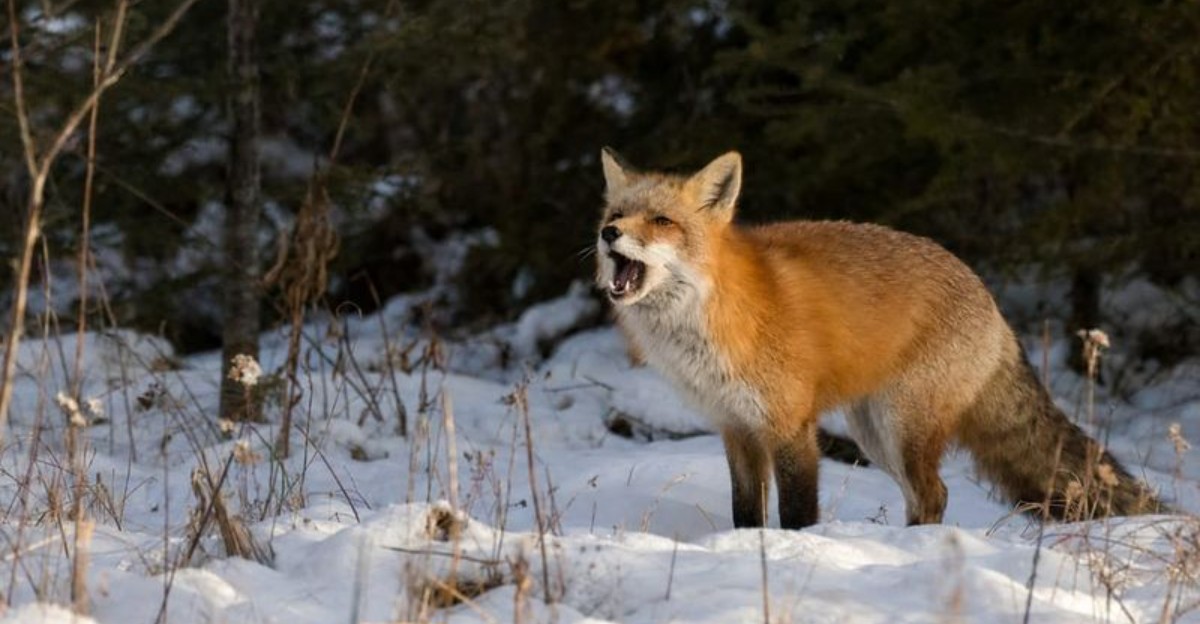
A single night scream from this animal has sent people rushing to call 911, convinced someone was in trouble. Not going to lie, the first time I heard it from my garden, I froze with a trowel still in my coat pocket.
The sound is sharp, ragged, and weirdly human. It tends to arrive on the coldest, stillest nights, often between December and February. Cold, calm air carries noise farther, so the cry can seem to come from right beside the shed.
Truth is, plenty of people in Maryland hear it and quietly decide not to mention it. Nobody wants to sound silly over a noise in the dark. Yet the creature behind it is one you have probably seen trotting along a road shoulder or slipping past a park fence at dusk.
What kind of familiar neighbor makes a noise that bold, and why only now?
That Midnight Scream Near Your Backyard Woods Has A Seasonal Pattern
Timing is the first big clue. The screams tend to pile up in the dead of winter, roughly December through February, then fade as spring arrives.
That pattern matters because it points away from random trouble and toward a natural yearly event. Lots of wild animals go quiet in the cold, so one that gets louder in January stands out.
Weather adds to the drama. Cold, still air lets sound travel farther and clearer, and bare trees offer little to soften it. A call from a quarter mile away can seem like it is coming from under your deck.
I started keeping notes one winter, just jotting the date and time when I heard the cries. Most came between about 10 p.m. and 3 a.m., often on clear, frosty nights.
You can try the same thing. A simple log on your phone helps you see whether the noises line up with the season, the hour, and the weather.
If they do, you are almost certainly hearing courtship, not a crisis. That shift in thinking makes those dark hours far less spooky and a lot more interesting to listen to from a warm kitchen window.
The Red Fox Is Your Most Likely Winter Screamer
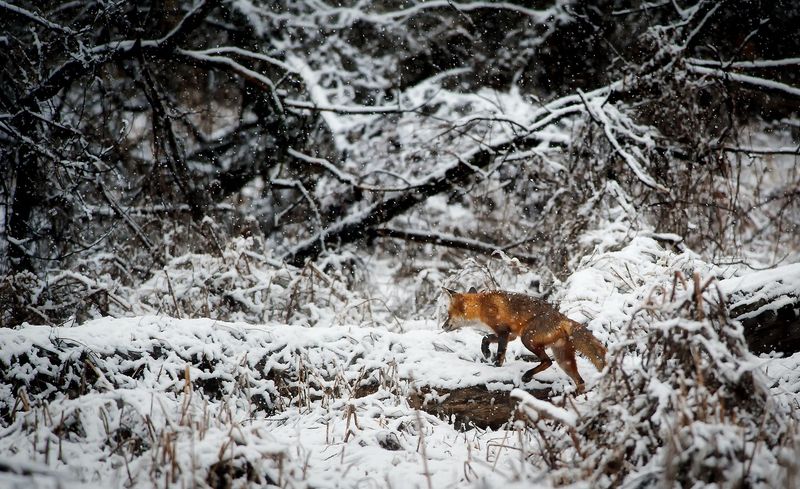
Meet the culprit with the bushy, white-tipped tail. In most Maryland neighborhoods, those winter screams come from the red fox.
Red foxes breed in winter, and Maryland’s Department of Natural Resources notes that mating season typically runs from January into February in our region, with some activity starting in December. During this stretch, foxes get chatty in a hurry.
Females, called vixens, are known for the classic scream. Males also bark, yelp, and call while searching for partners and defending their space from rival foxes.
Once paired up, the couple settles on a den, often in a hillside, under a shed, or below a brush pile. Kits usually arrive in March or April after a pregnancy of around 52 days.
Gray foxes also live here and make plenty of barks and yaps of their own. Still, the long, eerie shriek most people describe fits the red fox best.
I find it oddly charming once I know the reason. That spine-tingling cry is basically a loud, late-night dating profile, broadcast across the frozen yard for any interested fox within earshot.
Why A Vixen’s Scream Sounds So Much Like A Person
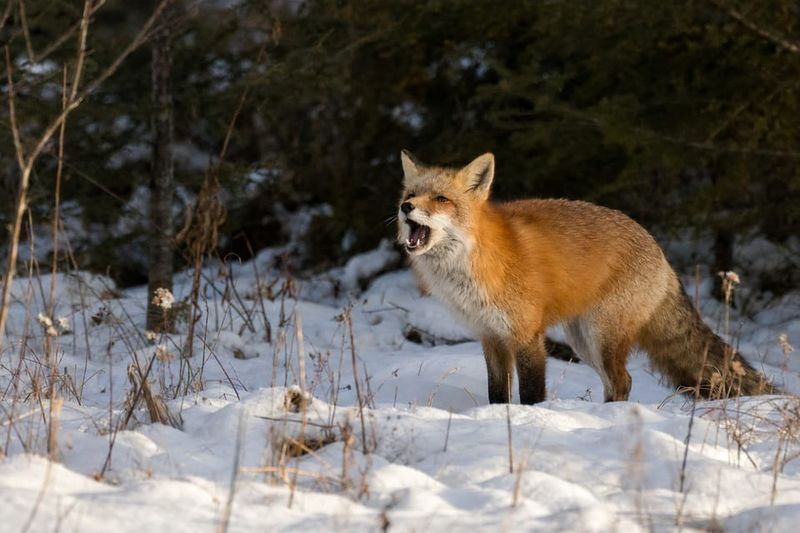
Here is a confession. I once grabbed a flashlight and walked halfway down the driveway, sure someone needed help.
You are not alone if this has happened to you. The vixen’s scream has a raw, high, wavering quality that our brains easily read as a human in distress. Police departments in fox country regularly get calls about it.
The resemblance is pure coincidence of pitch and tone. A fox is usually not hurt or frightened when it makes this sound. It is communicating, mostly about mating and territory.
Foxes have a big vocal toolbox. Researchers have described many distinct calls, including short barks, whining, chattering, and a strange gekkering noise during squabbles.
A quick way to check is to look up recordings from reputable wildlife sources and compare. Once you hear a verified fox scream, the mystery usually clicks into place.
Fair warning, though. If you ever hear clear words, a name, or a call for help, treat it seriously and contact emergency services. Knowing about foxes should calm your nerves, not replace common sense when something truly sounds off.
Fox Tracks In The Snow Reveal Who Visited Your Garden
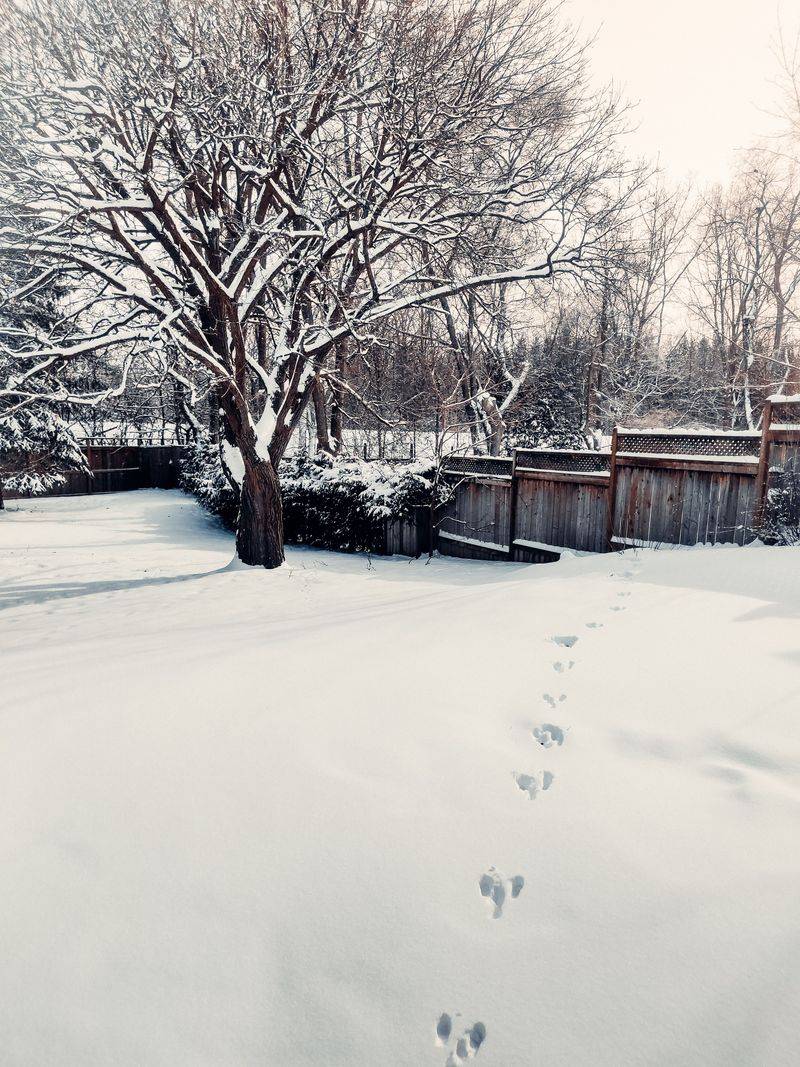
Fresh snow turns your yard into a guest book. After a night of screaming, step outside early and look for clues.
Fox prints look a bit like small dog tracks, about two inches long, with four toes and claw marks. The big giveaway is the pattern. Foxes tend to place their feet in a tidy, nearly straight line, like they are walking a tightrope.
Dogs wander and zigzag. Cats leave rounder prints, usually without claw marks showing.
Other signs help too. Look for small, twisted scat with fur or seeds in it, often left on a rock or stump as a territory marker. In winter, you may also catch a skunky, musky smell where a fox has marked.
Foxes are mostly active at night and around dawn and dusk. A trail camera aimed at a garden path or fence gap can reveal them without any disturbance.
I set one up beside my compost bin and was thrilled to catch a pair trotting through at 2 a.m. Seeing the actual animals made those noises feel like a neighborhood story instead of a horror film soundtrack.
Barn Owls And Bobcats Can Shriek In The Dark Too

Foxes get most of the blame, but a few other night callers deserve a mention. Knowing them helps you rule things in or out.
Barn owls do not hoot. They let out a harsh, hissing screech that can make your hair stand up. They favor open farmland, marshes, and old barns, so rural folks are more likely to hear them.
Bobcats can scream and yowl during their breeding season in late winter and early spring. In this state, they are mostly found in the western mountain counties, so a bobcat in a suburban Baltimore yard would be unusual.
Coyotes live in every county now and mainly yip and howl in groups. A single high scream is less typical of them.
Even screech owls can confuse people, though their call is more of a soft, horse-like whinny or trill.
So how do you sort it out? Notice whether the sound is a single shriek, a group chorus, or a hissing rasp. Location matters too. A lone scream near suburban woods in January still points most strongly toward a fox, while a raspy hiss over farm fields could be an owl.
Secure Trash Cans And Pet Food To Keep Foxes Moving Along

Foxes are curious and clever, and they appreciate an easy meal as much as anyone. A little tidying makes your yard far less tempting.
Start with food sources. Bring pet bowls inside at night, store bird seed in sealed bins, and use trash cans with tight, locking lids. Clean up fallen seed under feeders when you can.
Compost deserves attention too. Skip meat, bones, and dairy, and use a closed bin rather than an open pile.
Foxes also hunt mice and voles, which is honestly a perk for gardeners. A fox patrolling your beds can help keep rodent numbers down.
Small pets are a different matter. Keep cats indoors and supervise small dogs or chickens after dark. Sturdy coops with buried wire skirts work well for backyard flocks.
Maryland DNR advises against feeding foxes on purpose. Fed foxes can lose their natural wariness, which leads to problems for both people and animals.
Trust me on this one. A yard that offers nothing to eat usually becomes just a shortcut, and the screaming tends to move on with the fox once breeding season settles down.
A Fox Den Under Your Shed Means Kits Are On The Way
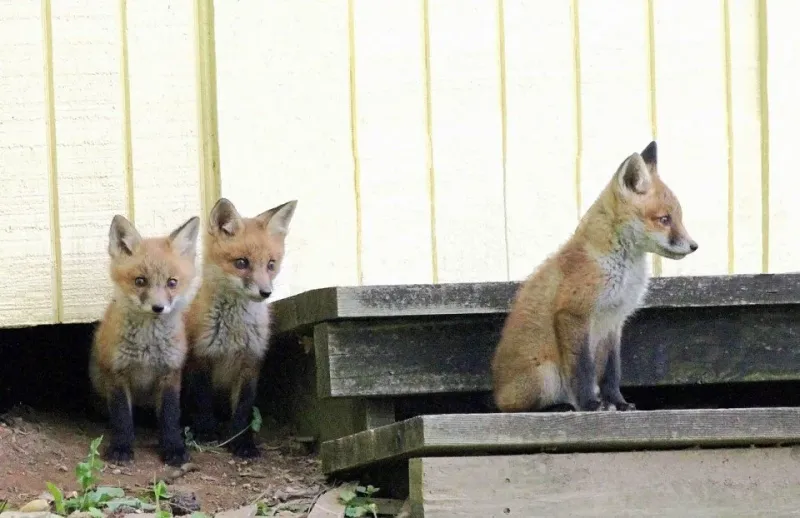
Spring brings the sequel. Those winter screams often lead to a den full of fluffy kits by March or April.
Foxes like sheltered spots, and a gap under a shed, deck, or porch can look perfect. Most families use a den for only a few weeks to a couple of months before moving on.
Many wildlife experts suggest simply waiting it out. Watching kits tumble around in the grass can be a real treat, and the family will usually relocate by early summer.
If a den is truly a problem, try mild harassment after the kits are mobile. Loose straw stuffed in the opening, a radio playing nearby, or a rag with a strong scent can encourage the parents to move.
Once everyone leaves, block the space. Bury hardware cloth about a foot deep in an L shape along the base of the shed.
Maryland regulates fox trapping, so do not attempt that on your own. Contact a licensed wildlife control operator or the DNR Wildlife and Heritage Service for help. Never handle kits, even if they seem alone, since parents are usually close by.
Listening To Winter Fox Calls Can Become A Favorite Ritual
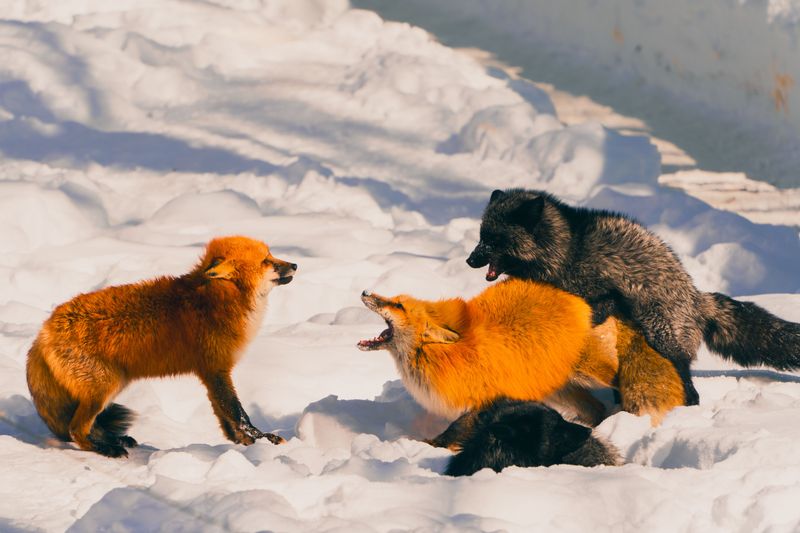
Last January, I stood on the back steps with a mug of cocoa and just listened. Two foxes traded calls across the hollow, and it felt like eavesdropping on a secret conversation.
That is the real takeaway. Once you know the screams come from courting foxes, fear turns into fascination.
A few simple habits make it fun. Step outside on calm, clear nights after 10 p.m., when sounds carry best. Keep a notebook or phone app to record dates and call types.
Free tools like the Merlin app help with owls, and reputable wildlife sites host fox recordings for comparison. Sharing your notes with kids or neighbors can spark great conversations.
Stay alert for health concerns too. A fox that seems wobbly, unusually bold in daylight, or patchy with mange should be reported to local animal control or Maryland DNR. Rabies does occur in foxes here, so keep pets vaccinated and keep your distance.
Otherwise, enjoy the show. Those wild voices are proof that your garden sits inside a living landscape, even in the quietest part of the year.