How To Get More Buds On Your Thanksgiving Cactus This Season
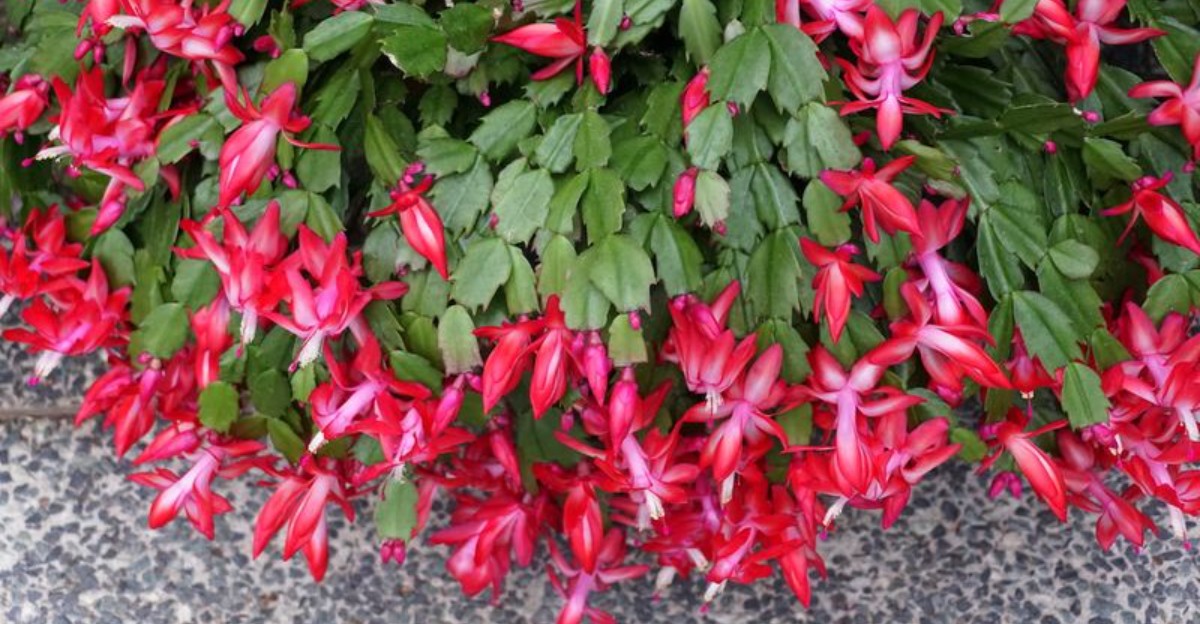
A single lamp switched on for an hour each evening can quietly cut a season of flowers short. I learned that the hard way after one autumn of reading by the window next to my favorite houseplant.
This holiday bloomer is not a desert dweller at all. In the wild, it grows perched on tree branches in the coastal mountain forests of southeastern Brazil, soaking up mist and filtered light. Its pointed, claw-like stem segments give it away to anyone who knows where to look.
Truth is, most of us treat it like a regular cactus and then wonder why the show is so skimpy. I get it, because the plant looks tough and forgiving all summer long.
Here’s what gets me, though. The plant keeps a calendar of its own, and it reads the length of every single night. So what happens when you finally start speaking its language?
Long Autumn Nights Hold the Key to a Bud-Covered Thanksgiving Cactus
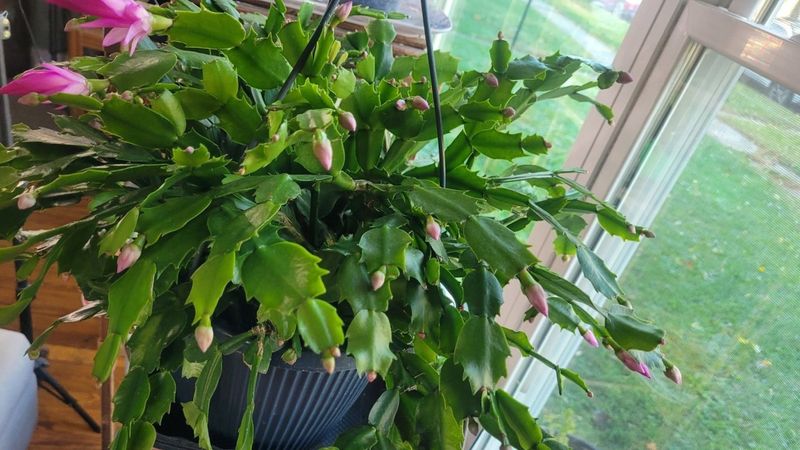
Darkness does more for this plant than any fancy product on a store shelf. Thanksgiving cactus, known to botanists as Schlumbergera truncata, is a short-day plant. It starts building flower buds when nights grow long in early fall.
University extension experts, including those at Clemson, explain that the plant needs about 12 to 14 hours of uninterrupted darkness each night. Keep that routine going for roughly six weeks, starting in mid to late September. The steady signal tells the plant that its blooming season has arrived.
Here is the tricky part. Even a short burst of lamp light in the middle of the night can reset the clock and slow bud formation. A bright porch light shining through a window can do it too.
A spare bedroom that nobody uses after dark works beautifully. A closet works as well, as long as you bring the plant back to its bright spot each morning. Some gardeners simply drape a dark cloth box over the pot at dinnertime.
I keep mine in a guest room from late September on. The difference was obvious the very first year, with buds popping out at nearly every stem tip.
Cool Nights Around 55 Degrees Can Spark Extra Holiday Cactus Buds
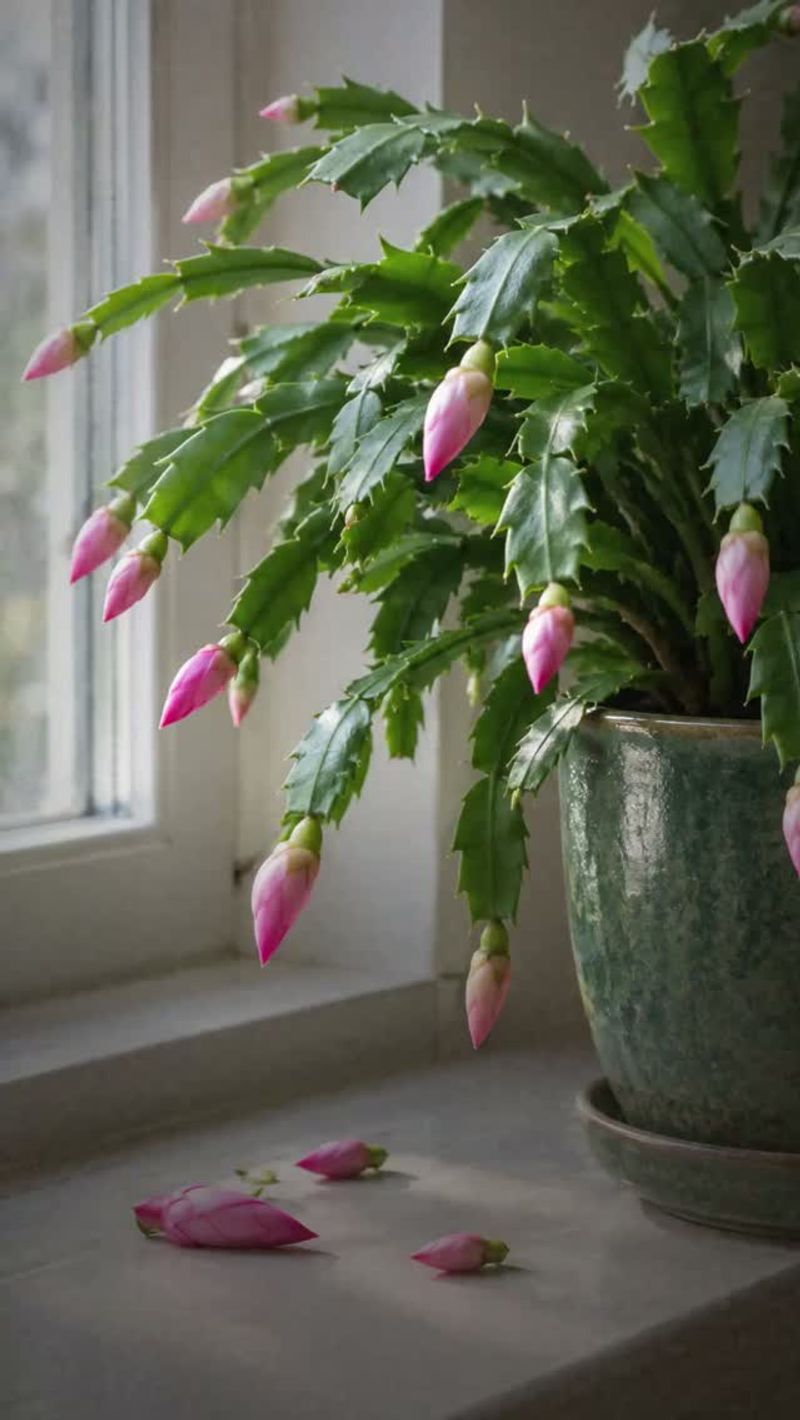
Temperature is the quiet partner to darkness. Many growers miss it entirely and then blame the plant.
Research cited by extension services shows that night temperatures between about 50 and 59 degrees Fahrenheit can trigger buds even without strict darkness. That cool range is a powerful shortcut for anyone who struggles to control light at home.
When nights stay above 70 degrees, bud set often stalls, no matter how dark the room is. A warm living room in October simply sends the wrong message. Somewhere between 55 and 65 degrees gives the best balance for most homes.
Plenty of gardeners leave their plants outside on a shaded porch through September. Fall nights cool things down naturally and do much of the work for you.
Fair warning, though. These plants are not frost-hardy outside USDA zones 10 and 11. Bring yours indoors before nights dip below about 50 degrees, which happens by early October across much of the northern United States.
Indoors, an unheated sunroom or a cool window ledge works well. Just keep the leaves from touching cold glass.
Bright Daytime Light Near an East-Facing Window Fuels Thanksgiving Cactus Blooms
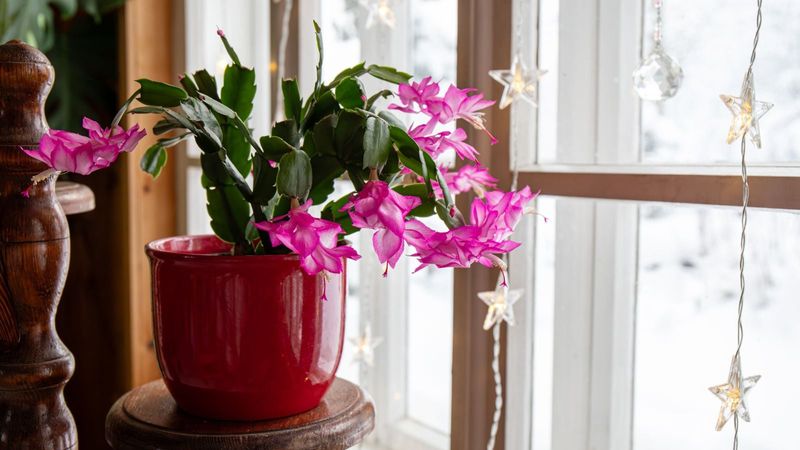
Long nights only tell half the story. Your plant still needs plenty of energy during the day to build all those buds.
In the Brazilian forests where it grows, this cactus lives on tree branches under a leafy canopy. It enjoys bright light that arrives filtered and softened, rather than harsh and direct.
An east-facing window is often the sweet spot. Morning sun is gentle, and the plant gets a solid dose of brightness before the heat of the afternoon. A south or west window with a sheer curtain can work nicely too.
Watch the color of the stems for clues. Reddish or purple-tinged segments often mean too much direct sun. Pale, stretched, floppy growth usually means the plant wants more light.
Not going to lie, I once parked mine in a dim corner because it looked cute there. It stayed green and cheerful but produced only a handful of flowers that year.
Healthy, well-lit stems store more energy. More energy means more stem tips ready to form buds when autumn arrives, and that is how you stack the odds toward a fuller show.
A Lighter Hand With the Watering Can Helps Schlumbergera Set Buds
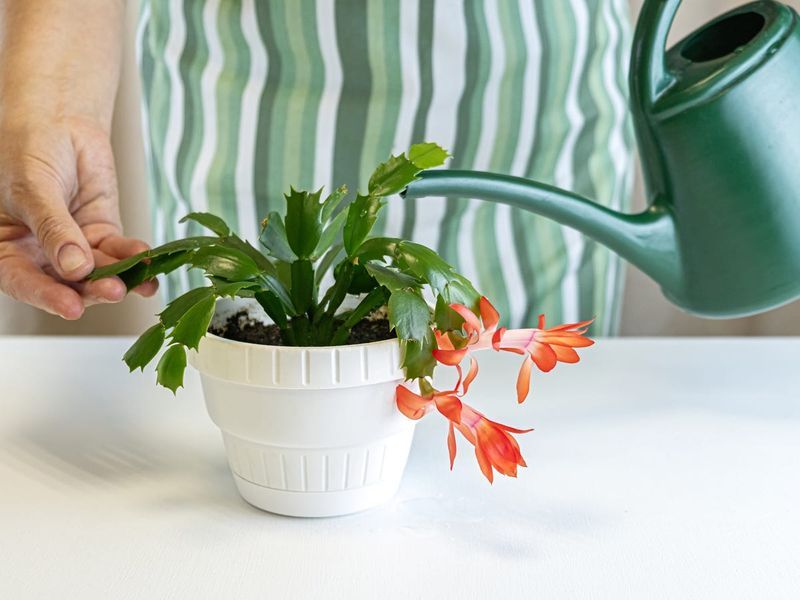
Guilty as charged, I used to water this plant like a desert cactus and then wonder why it sulked. It is a jungle cactus, and it likes a different rhythm.
During spring and summer, water when the top inch or so of potting mix feels dry. The plant is actively growing then and appreciates steady moisture.
Once fall begins, ease back a bit. Let the soil dry a little more between drinks, aiming for barely moist rather than soggy. That gentle slowdown pairs nicely with darkness and cool nights to encourage bud set.
Do not let it go bone dry for weeks, though. Severe drought stresses the plant in ways that do not help flowering.
After you spot tiny buds at the stem tips, return to slightly more regular watering. Consistent moisture helps those buds swell and open instead of dropping.
Drainage matters just as much as timing. Use a pot with holes and a loose, fast-draining mix, such as potting soil blended with orchid bark or perlite. Soggy roots invite rot, and a struggling root system rarely supports a big crop of flowers.
Time to Stop Feeding Your Christmas Cactus Cousin by Late Summer
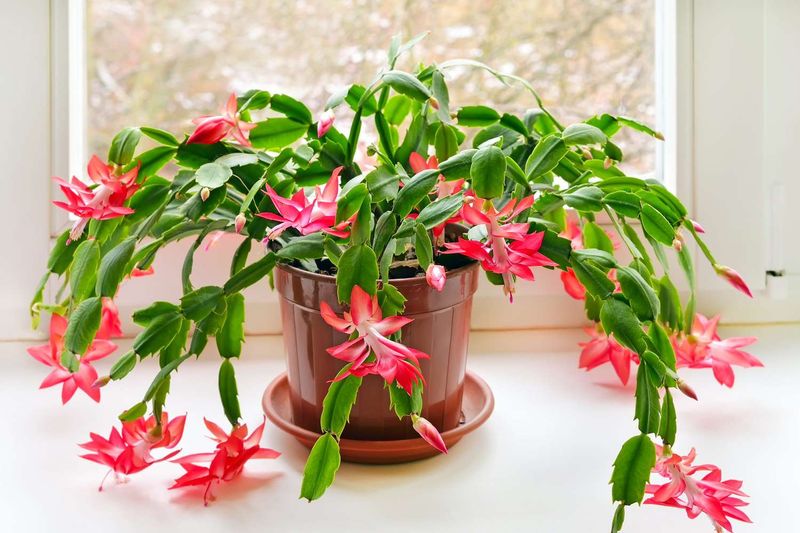
Fertilizer feels like a kindness, but timing changes everything. Too much feeding in fall pushes leafy growth instead of flowers.
From spring through midsummer, a balanced, water-soluble houseplant fertilizer at half strength works well. Apply it about once a month. Strong stems built during these months become the launch pads for next season’s buds.
Some extension sources note that holiday cacti have a higher need for magnesium than many houseplants. A teaspoon of Epsom salt per gallon of water once a month during the growing season can help. Just avoid giving it the same week as your regular fertilizer.
By late August or early September, stop feeding. Fresh growth in autumn competes with bud formation, and the plant cannot do both well at once.
Trust me on this one. My most generous year of fertilizing gave me a lush, leafy plant with very few flowers. The next year I stopped on Labor Day, and the difference was easy to see.
Hold off on fertilizer while the plant is blooming too. Resume gentle feeding after the flowers fade and new growth appears in late winter.
Pinching Back Thanksgiving Cactus Stems in Early Summer Means More Bud Tips
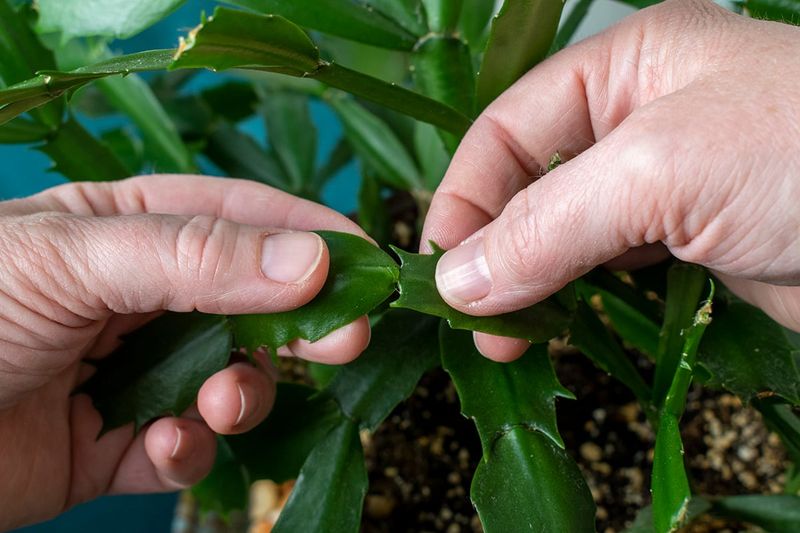
Every flower forms at the tip of a stem. So more tips usually means more chances for buds.
That simple fact makes light pruning one of the smartest moves you can make. In late spring or early summer, after blooming has finished and new growth starts, pinch or twist off one or two segments from the ends of the stems.
Each cut point tends to branch into two or more new segments. Over the summer, those branches mature into a fuller plant with extra tips ready to flower in fall.
Do this by early summer at the latest. Pruning in late summer or fall can remove the very segments that would have produced buds.
I’m a sucker for free plants, so I never toss the pieces. Let the cut segments dry for a day or two, then tuck them into slightly moist potting mix. They root fairly easily and make sweet gifts for friends.
A bushy, branching plant also looks better on a table. Instead of a few long, trailing arms, you get a full, rounded shape covered in color when bloom time arrives.
Holiday Cactus Buds Drop When You Move the Pot Around
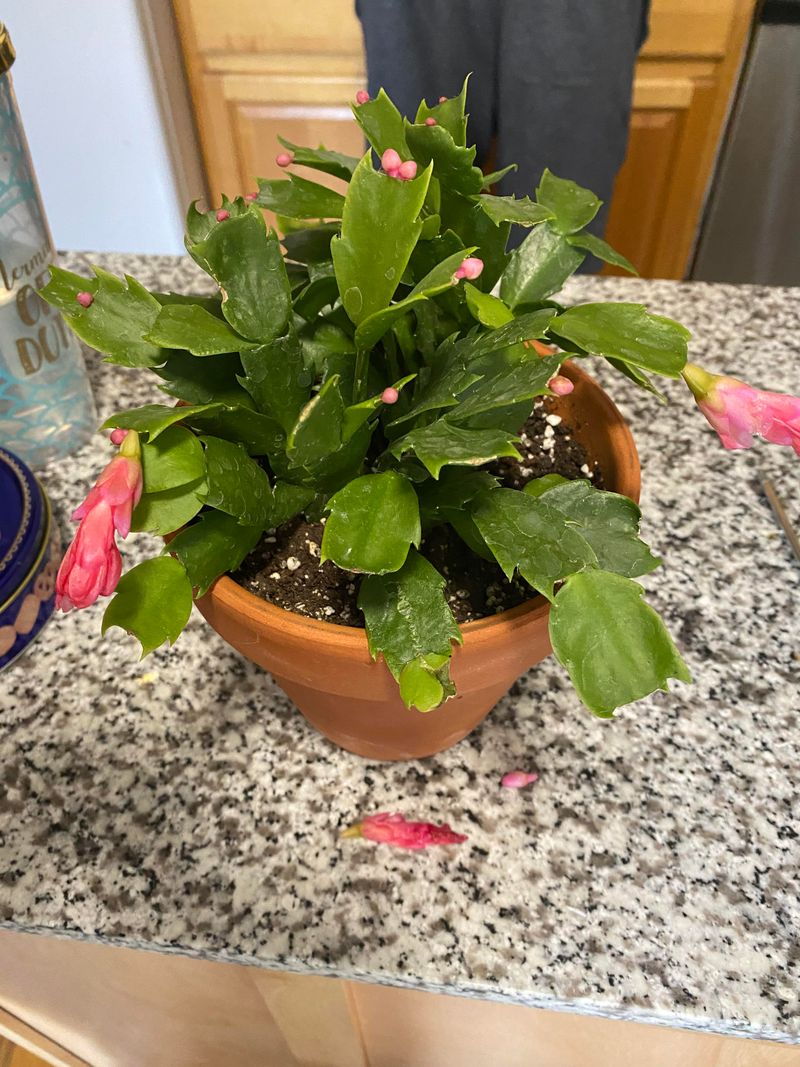
Few things sting like finding fresh buds scattered across the windowsill. Bud drop is common, and it usually traces back to sudden change.
Once buds appear, try to leave the plant in one stable spot. A big shift in light, temperature, or humidity can make the plant abandon buds it already started.
Cold drafts from doors and hot, dry air from heating vents are frequent troublemakers. A spot near a fireplace or space heater can dry buds out quickly too.
I’m not proud of this, but I once carried a budded plant across the house to show it off to guests. Half the buds fell off within a week.
Watering swings matter as well. Soil that flips between soggy and dry stresses the roots, and the plant often responds by shedding buds.
Some growers like to rotate the pot for even growth. That is fine during summer, but stop once buds form, since the plant orients buds toward the light.
If you bought a plant already in bud, give it a few days to adjust. Some bud drop after a store-to-home move is normal and not a sign of failure.
Snug Roots and a Little Humidity Help Thanksgiving Cactus Flowers Open Fully
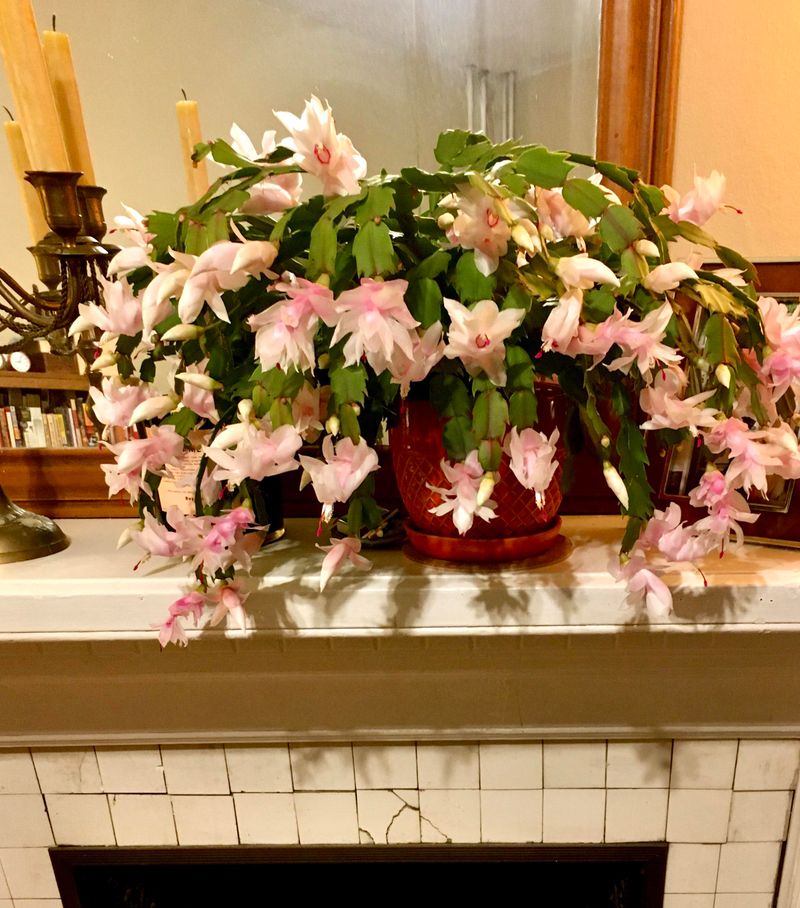
Every fall, I check two easy things before the show begins. One is the pot, and the other is the air around the plant.
Thanksgiving cacti bloom best when slightly root-bound. Repotting into a much larger container often encourages roots and leaves instead of flowers. Move up only one pot size, and do it in spring after blooming, every few years at most.
Humidity matters because these plants absorb moisture from the forest air in the wild. Indoor heating can drop humidity sharply, which may cause buds to dry or drop.
A pebble tray filled with water underneath the pot helps. A small humidifier nearby works even better during dry winter months. Aim for moderate humidity, roughly 40 to 60 percent.
Once flowers open, keeping the plant a bit cool helps blooms last longer. Many plants stay in flower for several weeks under good conditions.
Here is your takeaway plan for this season. Start long dark nights in late September, keep nights cool, ease up on water and fertilizer, and leave the plant alone once buds form. Do that, and your holiday table might just get its brightest centerpiece yet.