South Carolina’s State Bird Is Sneaking Into Garages To Get Through Cold Nights
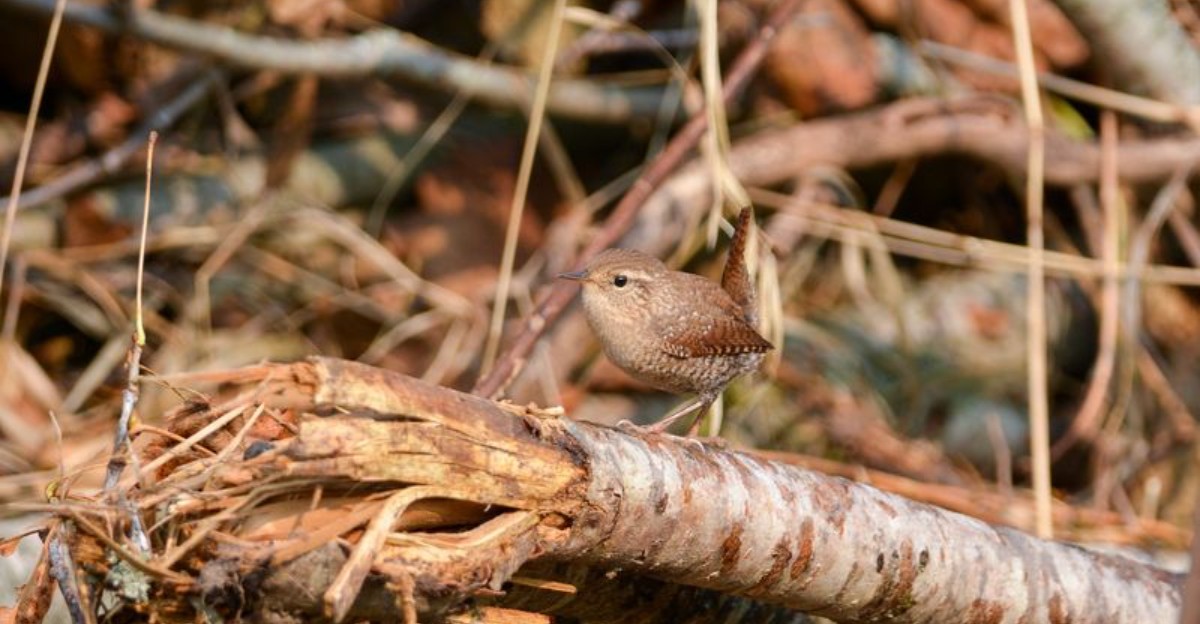
A bird that weighs about as much as four quarters is the official state bird of South Carolina, and it has a habit of moving into garages. Not going to lie, the first time one zipped past my head near the paint cans, I nearly dropped my coffee.
This little brown bird does not migrate. It stays put all year, so a hard freeze hits it right where it lives. Researchers at the Cornell Lab of Ornithology note that its numbers at the northern edge of its range can drop sharply after harsh winters.
When the thermometer dips, it goes shopping for shelter. Open garages, sheds, porch wreaths, and even old boots all make the list. I get it, since a dry corner sounds great to me on a frosty night, too.
So is your garage a cozy motel for this guest, or a trap with no way out?
That Tiny Brown Bird On Your Garage Shelf Has a Good Reason to Be There
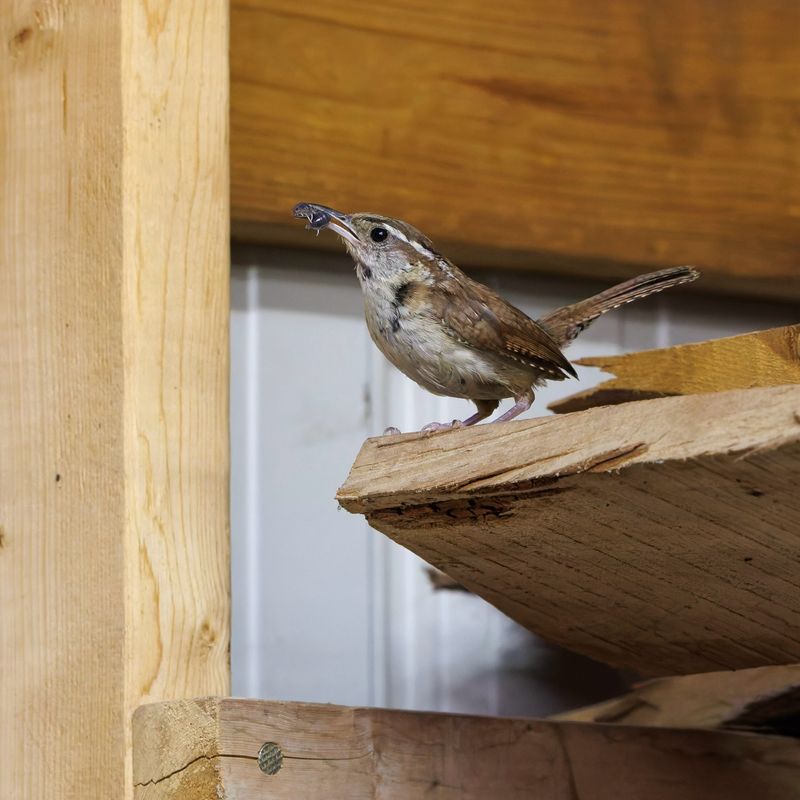
Every winter, somebody in my neighborhood group posts a blurry photo of a small brown bird perched on a garage shelf. The comments roll in fast, and half of them guess it is a mockingbird. The real visitor is usually the Carolina Wren, and its garage habit makes a lot of sense once you know its story.
Carolina Wrens are year-round residents across South Carolina, from the mountains down to the coast. They weigh well under an ounce, and small bodies lose heat fast. On a calm night, a wren tucked into a sheltered spot burns less energy than one sitting on an open branch in the wind.
That is where your garage comes in. A door left up a few inches, a gap above the frame, or a broken vent offers a dry room that stays a few degrees warmer than the yard. To a wren, that is prime real estate.
Scientists call this roosting, not nesting. The bird is simply looking for a safe bed for the night. Most slip out at first light to hunt for spiders and insects, then come back if the spot worked well, so seeing the same bird night after night is pretty common.
The Carolina Wren Holds the State Bird Title, Not the Mockingbird
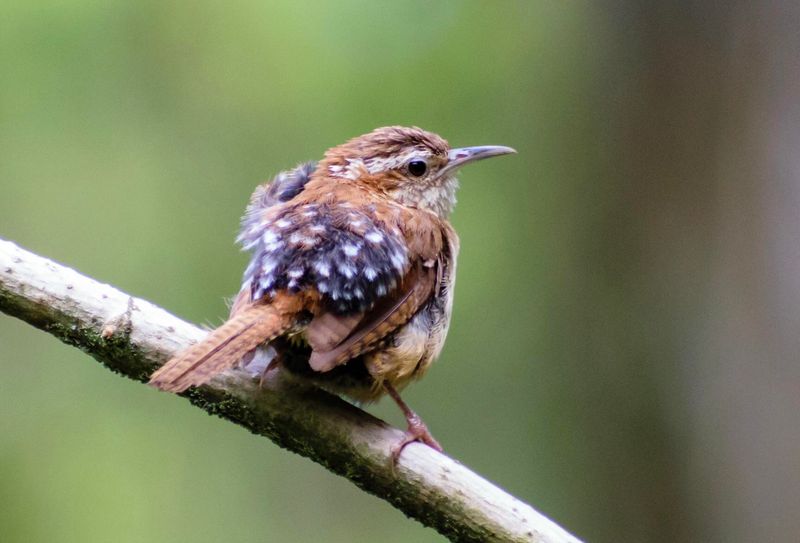
Plenty of folks are surprised by this one. South Carolina named the Carolina Wren its official state bird in 1948, while the Northern Mockingbird holds that title in Florida, Texas, Tennessee, Mississippi, and Arkansas.
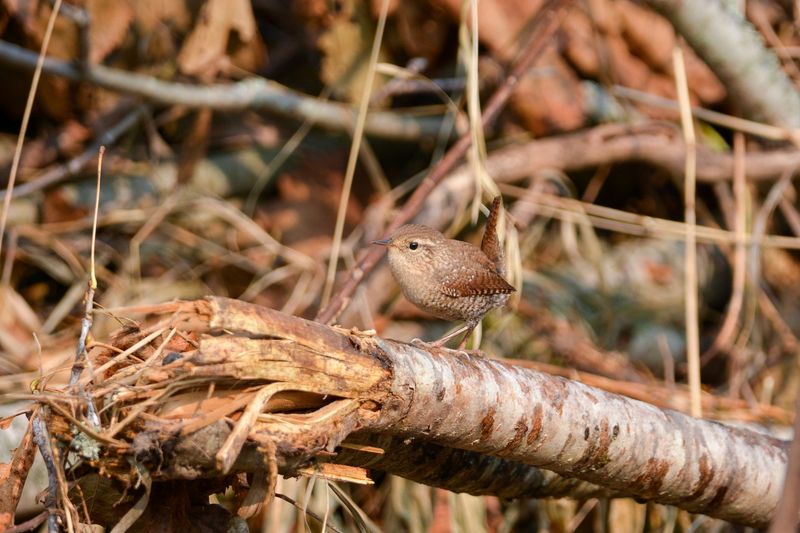
Mixing them up is easy because both birds sing loudly and hang around houses. Still, they look quite different. The wren is short and round, with warm cinnamon-brown feathers, a bright white eyebrow stripe, and a tail it often cocks straight up.
The mockingbird is longer and gray, with flashy white wing patches that show when it flies. It also tends to perch out in the open on rooftops and power lines. Wrens prefer to creep through brush, woodpiles, and low shrubs like tiny mice with feathers.
Your ears can help, too. The wren’s loud song sounds like ‘teakettle, teakettle, teakettle,’ and it is surprisingly big for such a small bird. Males sing all year, even on chilly winter mornings when most other birds stay quiet.
So if you find a plump brown bird bouncing around your rakes and flowerpots, you are almost certainly hosting the state bird. Mockingbirds rarely bother squeezing into tight indoor spaces, so the clue is in the hiding spot.
Fluffed-Up Carolina Wrens Hunt for Snug Nooks When Temperatures Drop
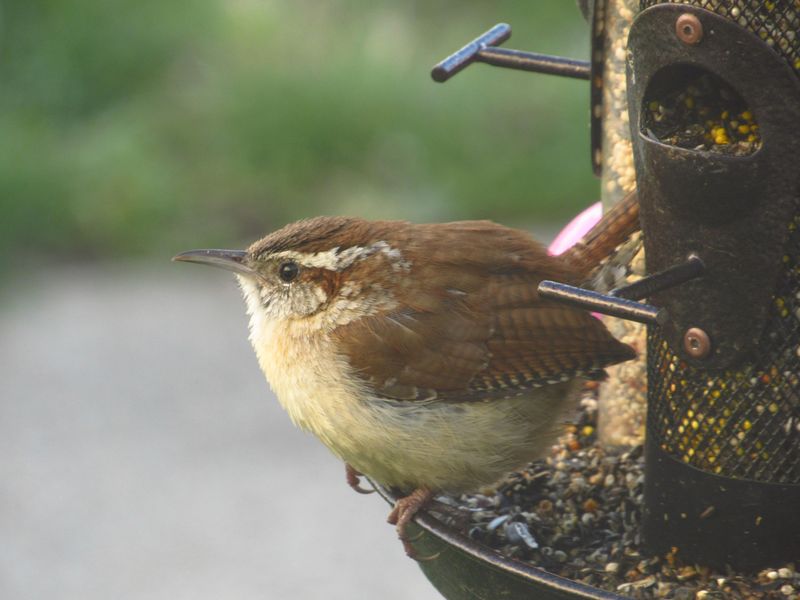
Few backyard birds feel a cold snap quite like the Carolina Wren. The Cornell Lab of Ornithology notes that populations at the northern edge of the range drop sharply after severe winters, then slowly rebuild over several mild years. Ice and snow that cover the ground make insect hunting much harder.
Because wrens do not migrate, they have to ride out every freeze at home. Their main defenses are simple but clever. They fluff their feathers to trap a layer of warm air, shiver to make heat, and tuck into protected cavities at night.
Pairs stay together all year, and observers have reported mates sharing a roost on cold nights. Two small bodies in one snug crevice hold warmth better than one bird alone.
South Carolina winters are mild compared to Ohio or Pennsylvania, yet Upstate nights can still fall well below freezing. Even the Lowcountry sees an occasional hard freeze that coats bird baths in ice.
Those are the nights when a garage, shed, or carport looks like a lifesaver to a bird with very small fat reserves. A few degrees of extra warmth and zero wind can make a real difference by sunrise.
Garage Shelves, Door Wreaths, and Old Boots Make Perfect Wren Hideouts
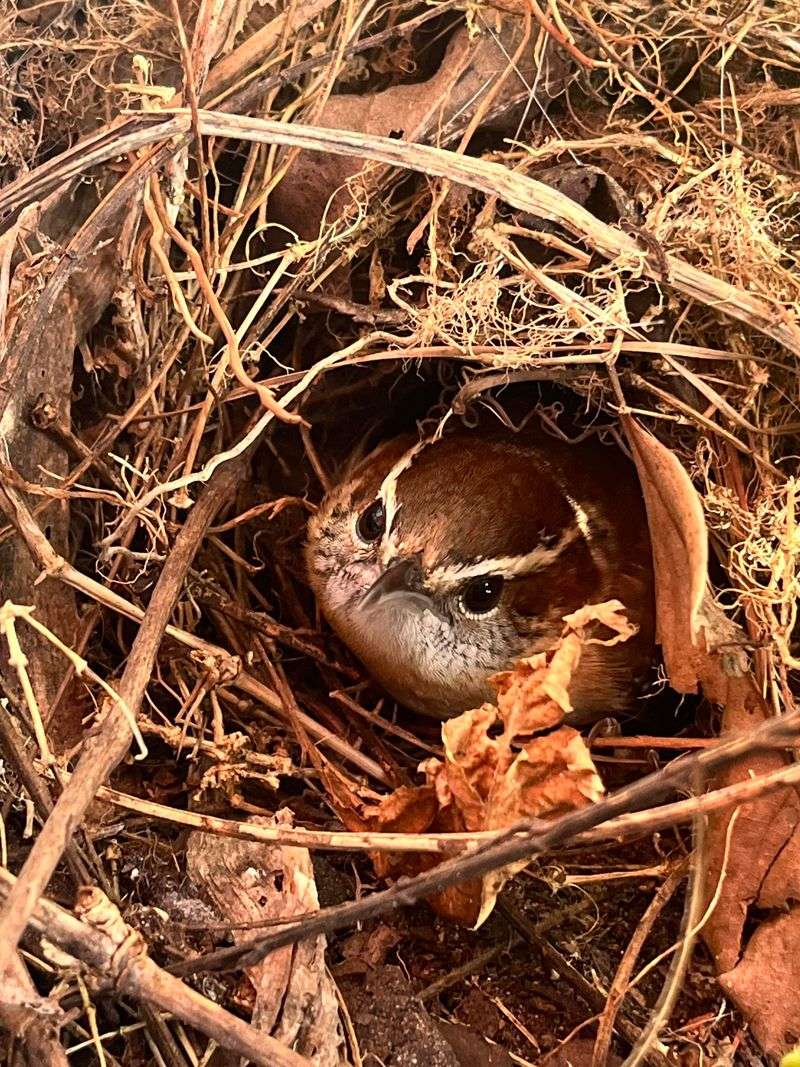
Wrens have a well-earned reputation as the quirkiest house hunters in the backyard. Bird lovers have found them roosting or nesting in hanging baskets, mailboxes, grill covers, coat pockets, old boots, and the folds of a door wreath.
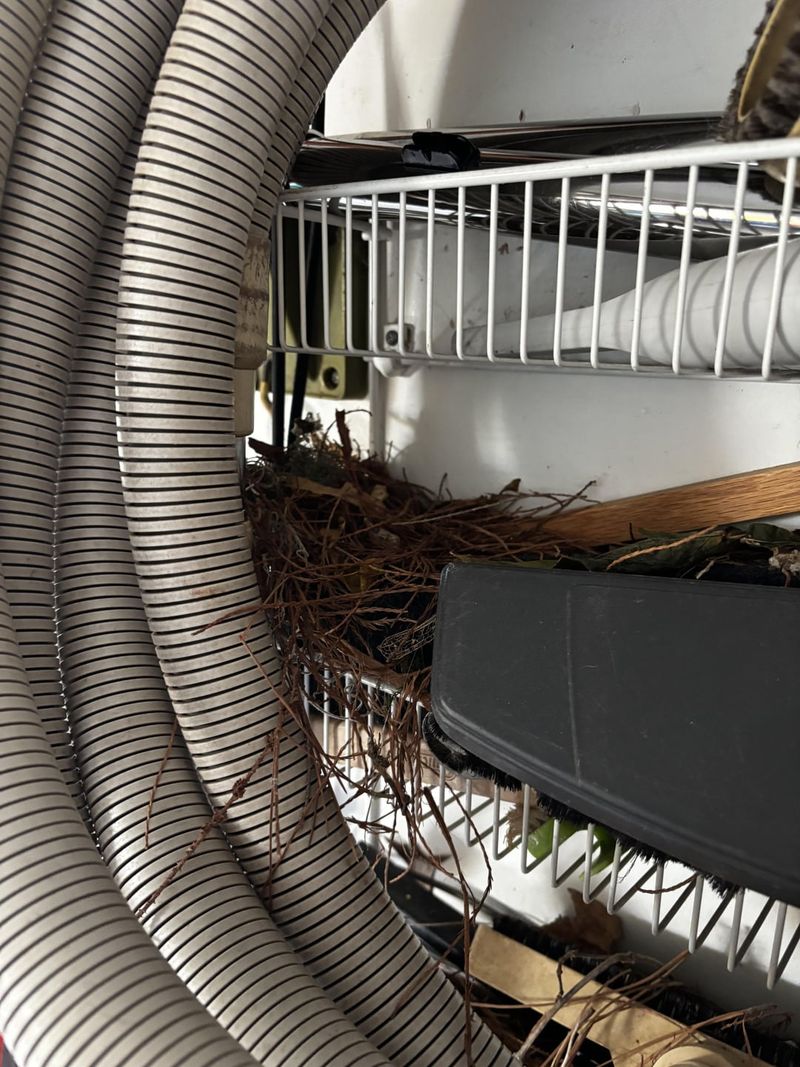
Inside a garage, the favorite spots tend to be high and hidden. Look on top of shelving, behind stacked boxes, inside open paint cans, in coiled garden hoses, or tucked into the gap above the garage door track. Ladders hung on walls and baskets of rags are popular, too.
One easy way to confirm a guest is to check for droppings in the same place each morning. A small pile under a shelf edge usually marks a regular roost. You might also hear a scolding chatter when you flip on the lights after dark.
Winter roosting can turn into spring nesting if the bird likes the spot. Carolina Wrens in the South often start building by March, piling leaves, twigs, moss, and sometimes shed snakeskin into bulky domed nests.
If you would rather not share your workbench for a whole season, gently block the favorite crevice before nesting begins. Once eggs appear, the nest is protected under the federal Migratory Bird Treaty Act.
A Wren Stuck Inside Your Garage Just Needs a Clear Way Out
Finding a frantic wren fluttering against a garage window is stressful for both of you. The bird sees daylight through the glass and keeps aiming for it instead of the open door.
Start by opening the big garage door all the way, plus any side doors. Then turn off the indoor lights, since birds tend to fly toward the brightest opening. If a window is the problem, drape a towel or sheet over it so the main door becomes the obvious exit.
Step back and give the bird some quiet time. Chasing it with a broom usually makes it panic and hide deeper behind clutter. Most wrens find their way out within half an hour once things calm down.
If the bird looks worn out, you can gently cover it with a light towel and carry it outside near a shrub. Hold it loosely and let go right away. Skip the bread or milk, since neither suits wild birds.
Overnight guests that come and go on their own need no rescue at all. Just make sure the entry gap stays open so the wren is not shut inside when you close up for the night.
Brush Piles and Native Shrubs Give Carolina Wrens a Better Bedroom
Garages work in a pinch, but a well-planned yard gives wrens a safer place to sleep outdoors. I started a brush pile in a back corner three winters ago, and it became the busiest wren hangout on the block.
Pile larger branches on the bottom in a crisscross pattern, then layer smaller twigs and leftover prunings on top. The loose gaps inside block wind and give wrens plenty of hiding spots from hawks and cats. Fall cleanup leftovers are perfect material.
Dense native evergreens help, too. Wax myrtle, yaupon holly, American holly, and eastern red cedar hold their leaves through winter and grow well across much of South Carolina. Clemson Cooperative Extension encourages native plants like these for wildlife-friendly landscapes.
Leaving some leaf litter under shrubs is another quiet win. Wrens flip leaves all day looking for beetles, spiders, and caterpillars hiding underneath, and a raked-bare yard offers far less food.
Steer clear of invasive picks such as Chinese privet or nandina, even though they look full and green. Natives support more insects, which means more meals for a hungry wren on a frosty morning.
Suet Feeders and Roosting Boxes Help That Teakettle Singer Through Cold Snaps
Small helpers go a long way when the forecast drops into the twenties. Carolina Wrens are not big seed eaters, but they eagerly visit suet feeders, especially in cold weather. Peanut butter suet, shelled peanut pieces, and dried or live mealworms are top choices.
Place feeders close to cover, ideally within ten feet of a shrub or brush pile. Wrens like to dart in, grab a bite, and duck back out of sight. A heated birdbath also helps on mornings when other water sources freeze.
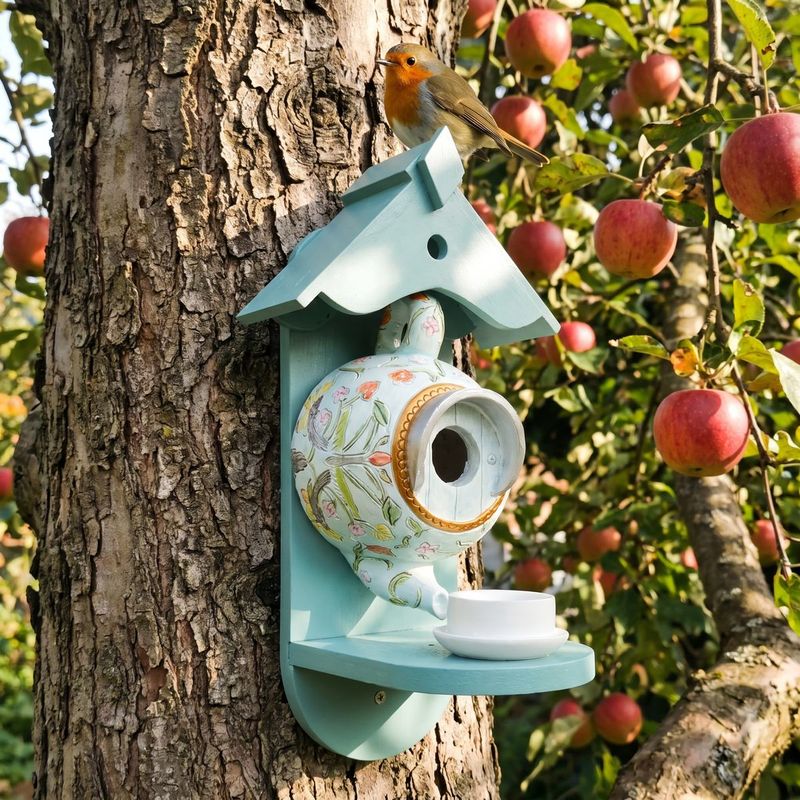
A roosting box offers a cozy outdoor alternative to your garage. Mount it in a sheltered spot facing away from cold north winds, and add a handful of dry wood shavings. Wren boxes with an entrance hole around 1.25 to 1.5 inches wide work well.
Fun fact, males sing year-round, so you can track your wrens by ear even in January. Listen for that loud teakettle song on frosty mornings, because it means your local pair made it through another night.
A little shelter, food, and patience lets you share your yard, and maybe a corner of the garage, with a bright little neighbor all winter.