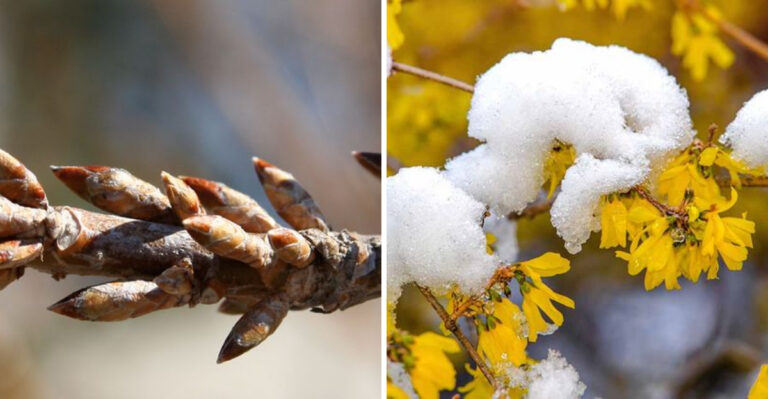
When to Prune Fruit Trees in Ohio for a Bigger Harvest
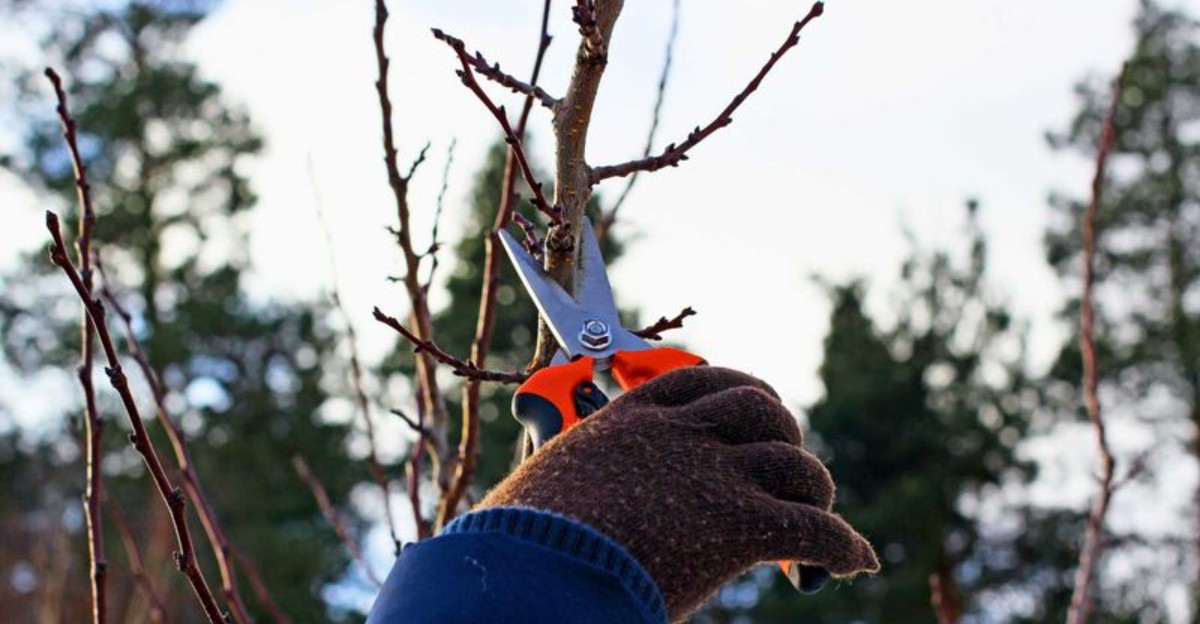
A single misplaced cut in October can cost you next summer’s apples. I learned that the hard way, staring at a tree full of leaves and almost no fruit.
Trees keep a quiet calendar of their own. Buds for next year’s crop form the summer before, which means your shears can help or hurt a harvest months ahead.
In Ohio, our cold snaps and soggy springs make timing even trickier. Personally, I think the calendar matters as much as the cut itself.
Some trees love a winter trim, while others prefer a summer haircut. Do you know which ones are waiting in your backyard?
Bare Winter Branches Hold the Secret to Better Fruit
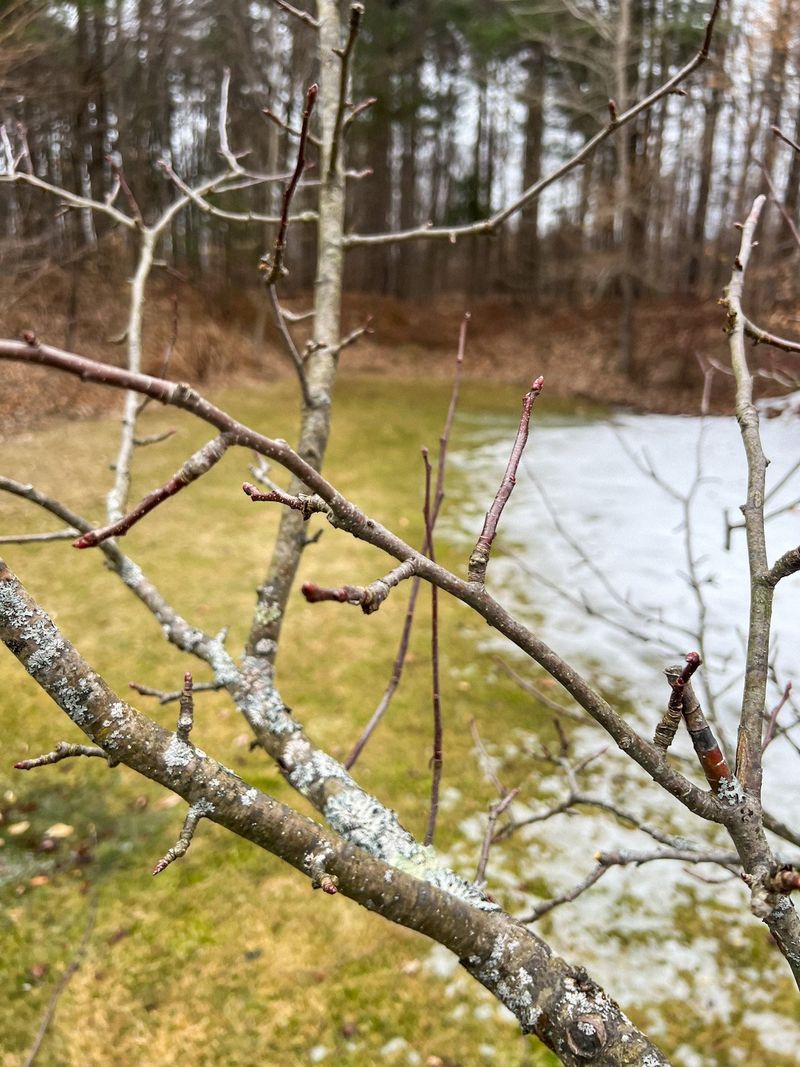
Late winter is the quiet hero of the fruit garden. For most fruit trees in Ohio, the best pruning window opens in late February and runs into March, while the trees are still dormant.
Ohio State University Extension recommends this timing for a few good reasons. The worst of the deep cold has usually passed, so fresh cuts are less likely to suffer winter injury.
Spring growth is just around the corner, which helps wounds close faster.
I love pruning when the branches are bare. You can see every crossing limb, crowded spot, and upright water sprout without leaves hiding the view.
It feels like looking at the tree’s skeleton and finally understanding its shape.
Dormant pruning also tends to wake up the tree in a helpful way. Removing some wood sends spring energy into the remaining buds, so growth becomes stronger and better placed for fruit.
Disease pressure is lower in cold weather too. Fewer insects and fungal spores are active, so open cuts face less risk while they heal.
Mark your calendar for a dry, mild day in late winter. Your trees will reward that patience with sturdier wood and better-placed fruiting spurs in the seasons ahead.
Apple and Pear Trees Get the First Turn With Your Pruners
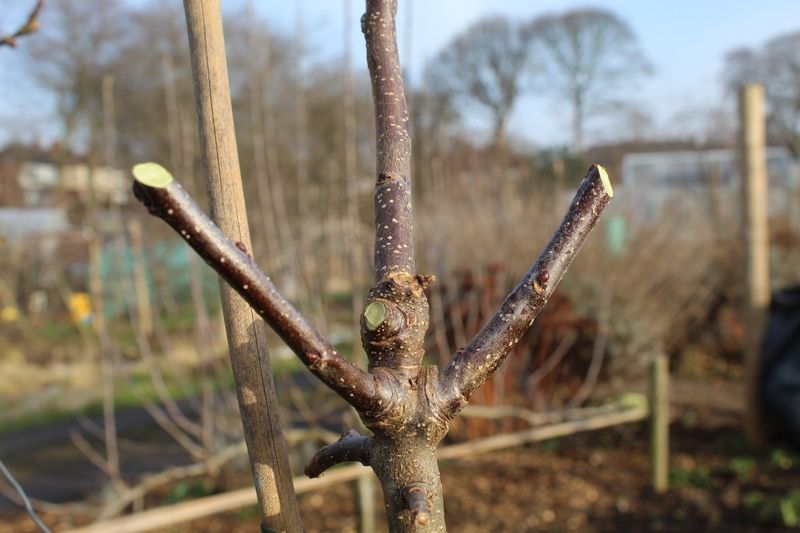
Apples and pears are the easygoing members of the orchard family. They handle early cuts better than most fruit trees, so they usually go first on your winter to-do list.
Start with these trees in late February or early March. If you have a big orchard, working on apples and pears first gives you time to finish the fussier trees later.
Look closely at the short, knobby twigs along older branches. Those are fruiting spurs, and they produce most of the apples and pears you pick.
Keep healthy spurs in sunny spots, because they can stay productive for several years.
Next, remove water sprouts. Those are the skinny shoots that shoot straight up from main limbs and rarely bear fruit.
Suckers popping up from the base of the trunk should go as well.
Pears often grow tall and narrow, so thin crowded upright branches to let light into the middle. Fire blight is a known issue with pears and some apples, so cut out any blackened, shepherd’s crook shaped shoots well below the damage.
Clean your pruners between cuts on sick wood. A quick wipe with a household disinfectant helps keep problems from spreading branch to branch.
Peach Trees Want You to Wait for Pink Buds
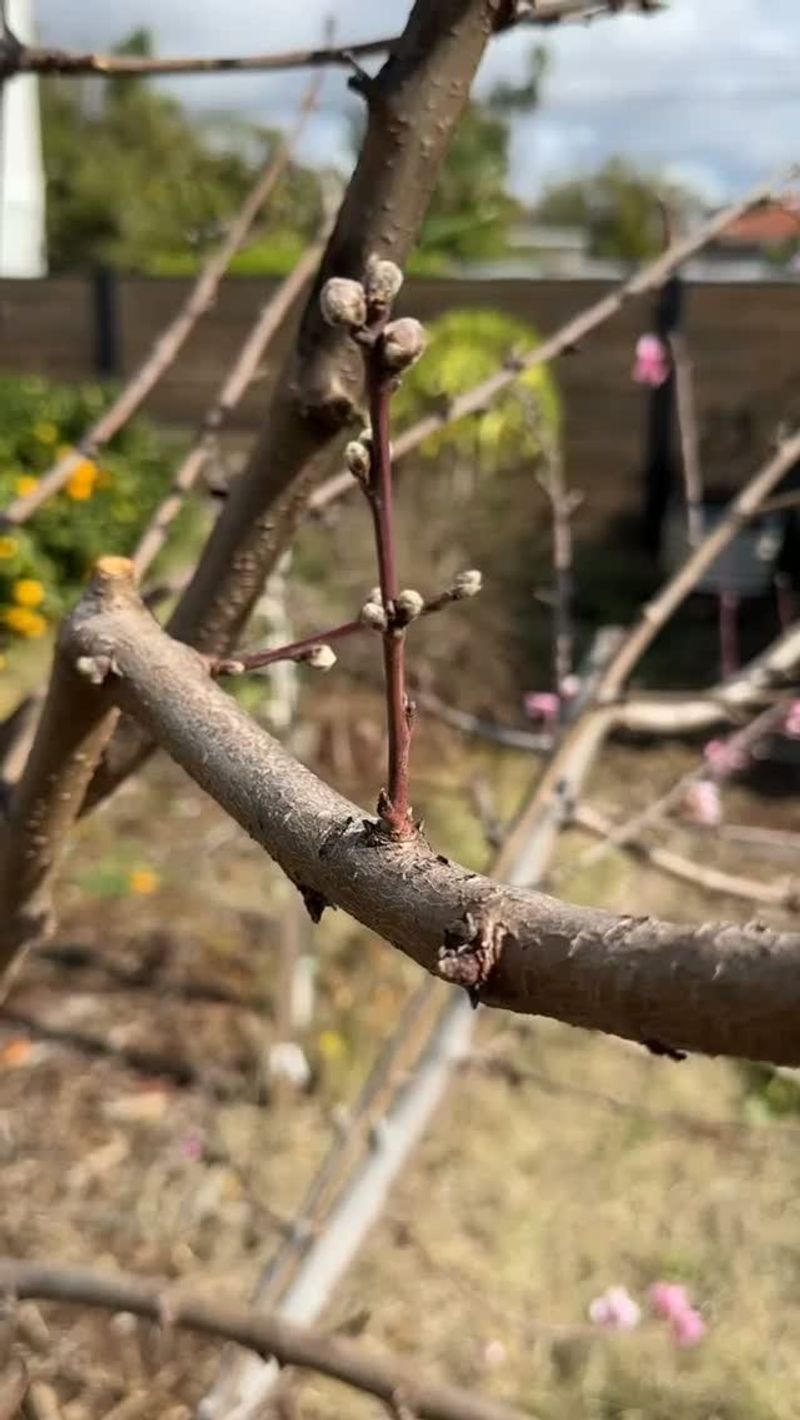
Patience pays off with peaches and nectarines. These stone fruits are more sensitive to cold injury, so they belong at the end of your pruning lineup.
The sweet spot comes when the flower buds start to swell and show a little pink, but before full bloom. In most of Ohio, that lands somewhere in March or April, depending on whether you garden near Cincinnati or closer to Lake Erie.
Waiting has a sneaky bonus. By then, you can spot branches with winter-damaged buds and decide how much wood to keep.
If a cold snap took out many flower buds, you can prune lighter to save the ones that survived.
Peaches fruit on wood that grew the previous summer. That means they need a fairly firm trim each year to keep fresh growth coming.
Without it, fruit slowly moves to the outer tips, far out of reach.
Most growers train peaches to an open-center shape, like a bowl with three or four main limbs. Sunlight pours into the middle, which helps fruit color up and taste sweeter.
Late timing also helps reduce problems like canker diseases that sneak in through winter wounds. A few weeks of waiting is a small price for juicier peaches.
Sweet Cherry Trees Play by Their Own Pruning Rules
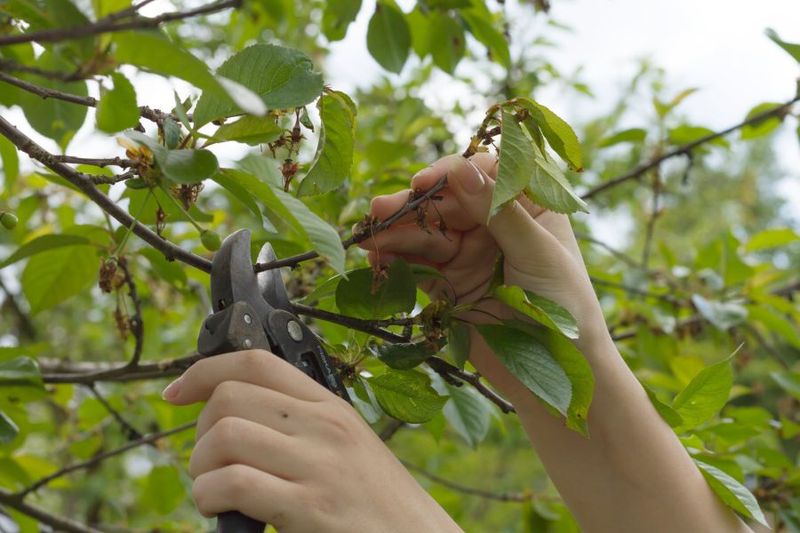
Cherries like to keep gardeners on their toes. Sweet and tart cherries are close cousins, yet many growers treat their pruning schedules a little differently.
Sweet cherries are prone to bacterial canker, a disease that spreads more easily in cool, wet weather. For that reason, many orchard experts suggest light pruning of sweet cherries in summer, soon after harvest, when dry conditions help cuts seal quickly.
Major structural work on young trees can still happen in late winter close to bud break.
Tart cherries, the kind famous for pies, are hardier and more forgiving. They can generally follow the same late-winter window as apples, with cuts made in late dormancy.
Plums fall into a similar camp. Most European and Japanese plums can be pruned in late winter to early spring, ideally on dry days.
Black knot is a common plum and cherry problem, so look for those lumpy, charcoal-like swellings on twigs.
Cut black knot out several inches below each swelling and haul the pieces away from the orchard. Leaving them on the ground lets spores keep spreading.
Here is my rule of thumb for cherries. Keep cuts small, pick dry weather, and stay gentle with your pruners.
Smart Cuts Turn Leafy Growth Into Bigger Apples
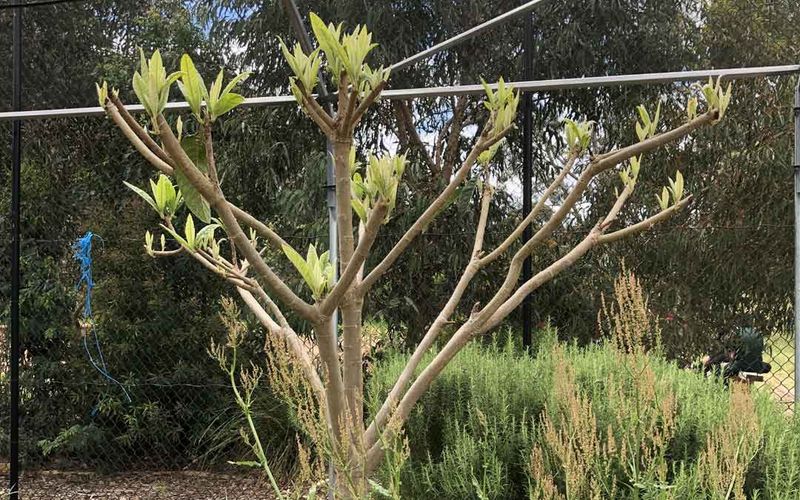
More cutting can mean more fruit, which sounds backwards at first. A tree has only so much energy each season, and pruning decides where that energy goes.
An unpruned tree spends a lot of effort on long shoots and thick leafy growth. Fruit still forms, but it often comes in small, crowded, and less flavorful.
Thoughtful cuts shift that balance toward fewer but better fruits.
Thinning cuts remove an entire branch back to where it started. These open the canopy without creating a burst of new shoots.
Heading cuts shorten a branch partway, which triggers bushy regrowth below the cut.
For most mature fruit trees, thinning cuts do the heavy lifting. Heading cuts work best on young trees when you want to encourage side branches for a stronger framework.
Pruning also helps reduce biennial bearing, the frustrating habit where some apple trees produce a huge crop one year and very little the next. Steady yearly pruning, plus thinning extra fruit in early summer, keeps things more even.
Try thinning apples to about one fruit every six to eight inches after the June drop. It feels painful, but the apples that stay grow noticeably larger and sweeter.
Sunlight Should Reach Every Fruit on the Branch
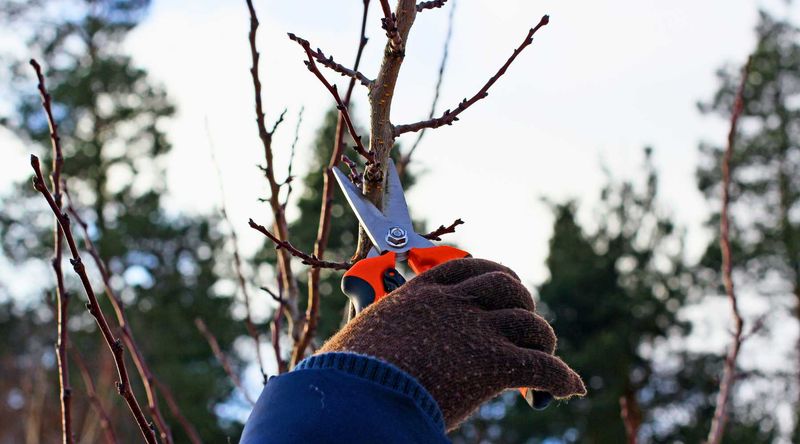
Shade is sneaky in an orchard. Fruit growing deep in a crowded canopy often stays smaller, paler, and less sweet than fruit growing in full sun.
Leaves make sugar from sunlight, and that sugar flows into the developing fruit nearby. When inner branches sit in shadow, both flower bud formation and fruit quality tend to drop.
Research on apples shows that heavily shaded parts of a tree produce fewer flower buds for the next year.
A simple test helps here. Stand under your tree on a sunny summer day and look for patches of dappled light on the ground.
If it looks like a dark umbrella, the canopy is probably too dense.
Air flow matters almost as much as light. Ohio summers bring humid stretches and frequent rain, which give fungal diseases like apple scab and brown rot plenty of chances to spread.
An open canopy lets leaves and fruit dry faster after storms. That small change can mean fewer spotted apples and moldy peaches.
Remove branches that cross, rub against each other, or point straight into the center. Your goal is a tree where light and breeze can reach almost every branch.
Broken and Diseased Limbs Can Go Any Time of Year
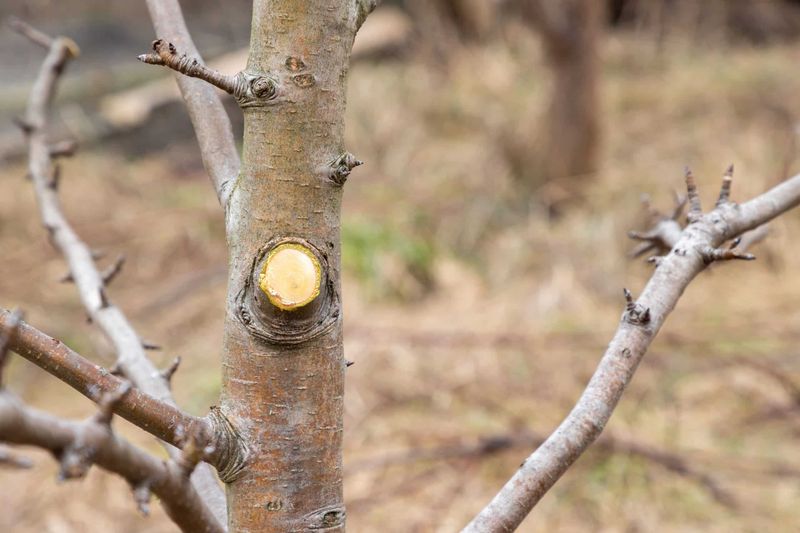
Storm damage does not wait for February, and neither should you. Broken, cracked, or clearly diseased branches can be removed whenever you spot them.
A snapped limb left hanging can tear bark further down the trunk. Leaving infected wood in place also gives problems like fire blight, black knot, and canker more time to spread.
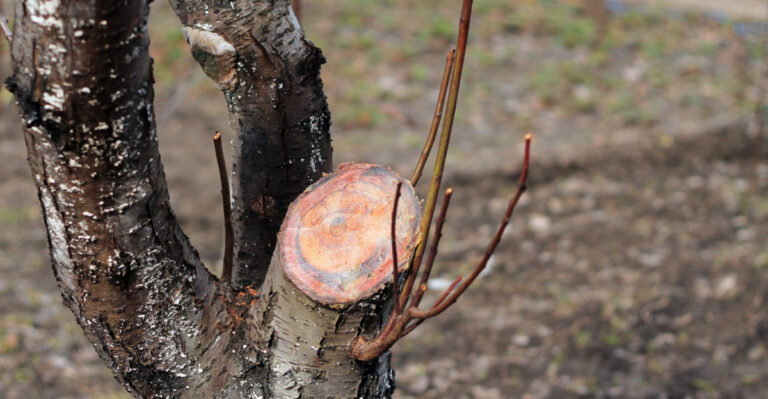
Make your cut just outside the branch collar, that slightly swollen ring where a branch meets a larger limb. Cutting flush against the trunk removes tissue the tree uses to seal wounds.
Leaving a long stub is not helpful either, since stubs often decay.
For heavier limbs, use the three-cut method. First, make a shallow cut underneath about a foot out.
Then cut from the top a little farther out so the branch drops cleanly, and finish by trimming the stub at the collar.
Skip the wound paint. University extension specialists report that most pruning sealers do not speed healing and can sometimes trap moisture.
Fruit often forms on wood that is a few years old, so removing worn-out branches makes room for fresh, productive growth. Think of it as clearing space for next year’s crop.
Put the Pruning Shears Away Once Fall Leaves Start Dropping
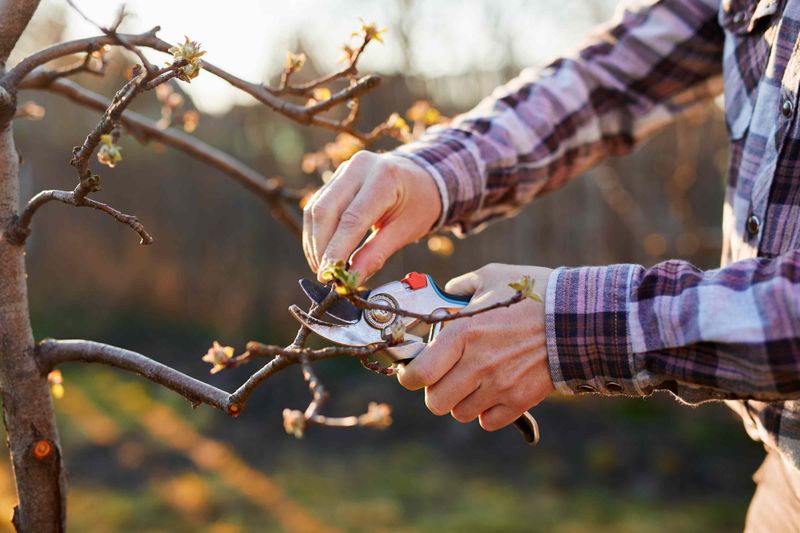
Autumn feels like cleanup season, but your fruit trees would prefer you leave them alone. Heavy pruning from about September through early winter can cause trouble in Ohio.
Cuts made in fall may encourage late, tender growth that lacks time to harden before freezing weather. Fresh wounds also heal slowly in the cold, which leaves the tree more exposed to winter injury and disease.
Restraint matters in spring too. A good guideline is to remove no more than about a quarter to a third of the live canopy in one year.
Overdoing it often triggers a jungle of water sprouts and fewer flowers.
Neglected old trees need a slower plan. Spread the renovation over three years or so, taking out the biggest problems first and cleaning up the rest gradually.
Before next winter, gather a few basics. Sharp bypass pruners, loppers, and a small pruning saw handle most backyard jobs safely.
Write down which trees you pruned and when. Comparing notes with your harvest each summer helps you fine-tune your timing year after year, and that habit may be the most valuable tool in your shed.